
Reviewed by the COOLVIAL Editorial Team — specialists in insulin storage for Indian climate conditions.
The iconic Marina Beach may offer a refreshing breeze, but when the Northeast Monsoon descends upon Chennai between October and December, it brings with it a unique set of challenges for residents, especially those managing diabetes. The Chennai monsoon insulin protection becomes a critical concern as temperatures can range between a humid 25-40°C, drastically impacting the efficacy of your vital medication. Based on analysis of insulin storage queries from Chennai diabetics, we know that many face significant hurdles. Insulin, a delicate protein, is highly susceptible to degradation from extreme temperatures and, crucially, high humidity. In fact, studies show that insulin degradation accelerates significantly in humid conditions above 25°C, potentially reducing its potency and leading to fluctuating blood sugar levels. This guide offers 7 essential steps to safeguard your insulin supply through Chennai’s wettest months, ensuring your health remains a priority, come rain or shine.
Table of Contents
- Understanding Chennai’s Unique Monsoon Challenges
- The Silent Threat: How Humidity Damages Insulin and Packaging
- Navigating Flood Risks and Waterlogging in Chennai
- Combating Humid-Fridge-Air Contamination
- Essential Monsoon Insulin Storage Solutions for Chennai
- Emergency Insulin Procurement During Monsoon Disruptions
- Your Comprehensive Monsoon Preparedness Checklist for Diabetics
- Frequently Asked Questions (FAQ)
- Conclusion: Stay Prepared, Stay Safe
- How We Researched This
- Medical Disclaimer
Understanding Chennai’s Unique Monsoon Challenges
Chennai experiences a distinct weather pattern compared to much of India. While most of the country relies on the Southwest Monsoon (June-September), Chennai’s primary rainy season is the Northeast Monsoon, typically from October to December. This period is characterized by heavy rainfall, strong winds, and a pervasive, sticky humidity.
Key Characteristics of Chennai’s Northeast Monsoon:
- Timing: Primarily October to December, extending into early January.
- Temperature & Humidity: Hot and humid, with temperatures generally ranging from 25°C to 40°C, coupled with very high humidity levels often exceeding 80-90%.
- Rainfall Intensity: Often experiences intense, short bursts of rain, leading to rapid waterlogging.
- Cyclone Risk: The Bay of Bengal is a breeding ground for cyclones during this period, bringing torrential rains, high winds, and increased flood potential. The 2015 Chennai floods, which devastated areas like Velachery, T Nagar, and OMR, serve as a stark reminder of the monsoon’s destructive power.
- Impact on Infrastructure: Power cuts are common, transport disruptions are frequent, and access to essential services, including pharmacies and hospitals, can become challenging.
This unique climate profile means that standard insulin storage advice needs a local adaptation. The persistent humidity, even more than just temperature, poses a significant threat to insulin’s stability and packaging integrity.
The Silent Threat: How Humidity Damages Insulin and Packaging
Humidity is an often-overlooked enemy of insulin, especially in a city like Chennai. It’s not just about keeping insulin cool; keeping it dry is equally paramount. The high moisture content in the air can compromise your insulin in several ways, even before you notice visible damage.
Impact of Humidity on Insulin and Packaging:
- Insulin Degradation: Insulin is a protein, and high humidity can accelerate its chemical degradation. While direct moisture contact is worse, consistently high ambient humidity can still affect its stability, especially if vials or pens are not perfectly sealed. This can lead to a reduction in potency, meaning your usual dose might not be as effective, leading to unexplained high blood sugar levels.
- Cardboard Packaging Damage: The outer cardboard boxes of insulin pens and vials are designed to protect the medication and provide vital information (dosage, expiry, batch number). In Chennai’s humid environment, these boxes can absorb moisture, leading to:
- Softening and Disintegration: Cardboard can become soggy, tear easily, or even fall apart, making it difficult to identify the product or read instructions.
- Ink Smudging: Important details like expiry dates and batch numbers can smudge, rendering the product untraceable or unusable due to safety concerns.
- Mould Growth: This is a major risk in Chennai apartments and ground-floor homes. Mould thrives in damp, humid conditions. If mould grows on the packaging, it can contaminate the air around your insulin, and in severe cases, even affect the seal of the pen or vial, raising hygiene concerns.
- Pen Mechanism Issues: While less common, prolonged exposure to extreme humidity can potentially affect the delicate internal mechanisms of insulin pens, leading to sticky buttons or inaccurate dosing, though this is usually more related to direct water exposure.
To ensure your insulin remains effective, it’s crucial to protect it from this pervasive moisture. This includes both the active insulin itself and its protective packaging. For more insights on general insulin care, refer to our comprehensive guide: Complete Diabetes Care Guide for Chennai Residents — 2026 Edition.
Navigating Flood Risks and Waterlogging in Chennai
Chennai’s flat topography and intense monsoon downpours make it highly susceptible to waterlogging and severe flooding. The devastating 2015 floods highlighted the vulnerability of many areas, and residents must always be prepared. If your home or building floods, your insulin supply is immediately at risk.
Chennai’s Waterlogging Hotspots and Flood Preparedness:
- Central Chennai:
- T Nagar: Known for its commercial activity, but low-lying areas, especially around Kodambakkam High Road and Usman Road, often experience significant waterlogging.
- Nungambakkam: Parts of Nungambakkam High Road and surrounding residential streets can get inundated.
- South Chennai:
- Adyar: Areas near the Adyar river and its estuaries are prone to flooding.
- Velachery: One of the most severely affected areas in 2015, with extensive waterlogging due to its natural depression and development patterns.
- OMR (Old Mahabalipuram Road): Despite being a major IT corridor, many service roads and residential pockets off OMR, particularly near Sholinganallur and Karapakkam, face waterlogging.
- West Chennai:
- Anna Nagar: While generally well-developed, some interior streets, especially in lower-lying blocks, can experience waterlogging.
- Vadapalani: Areas around the Arcot Road stretch and residential lanes are known for water accumulation.
- North Chennai:
- Perambur: Parts of Perambur and surrounding areas can face drainage issues.
- Tondiarpet: Coastal proximity and older infrastructure make some localities vulnerable to waterlogging.
What to Do if Your Home or Building Floods:
7 Essential Steps: Protecting Your Insulin During the Chennai Monsoon
Insulin at 2-8°C for 48+ hours. Trusted by 10,000+ Indian diabetics.
- Prioritize Safety: Ensure your family’s safety first.
- Elevate Insulin: Immediately move all insulin (and other critical medications) to the highest possible shelf or upper floor.
- Waterproof Storage: If you have time and access, place insulin in airtight, waterproof bags or containers. Ziplock bags inside a larger plastic box are a good temporary solution.
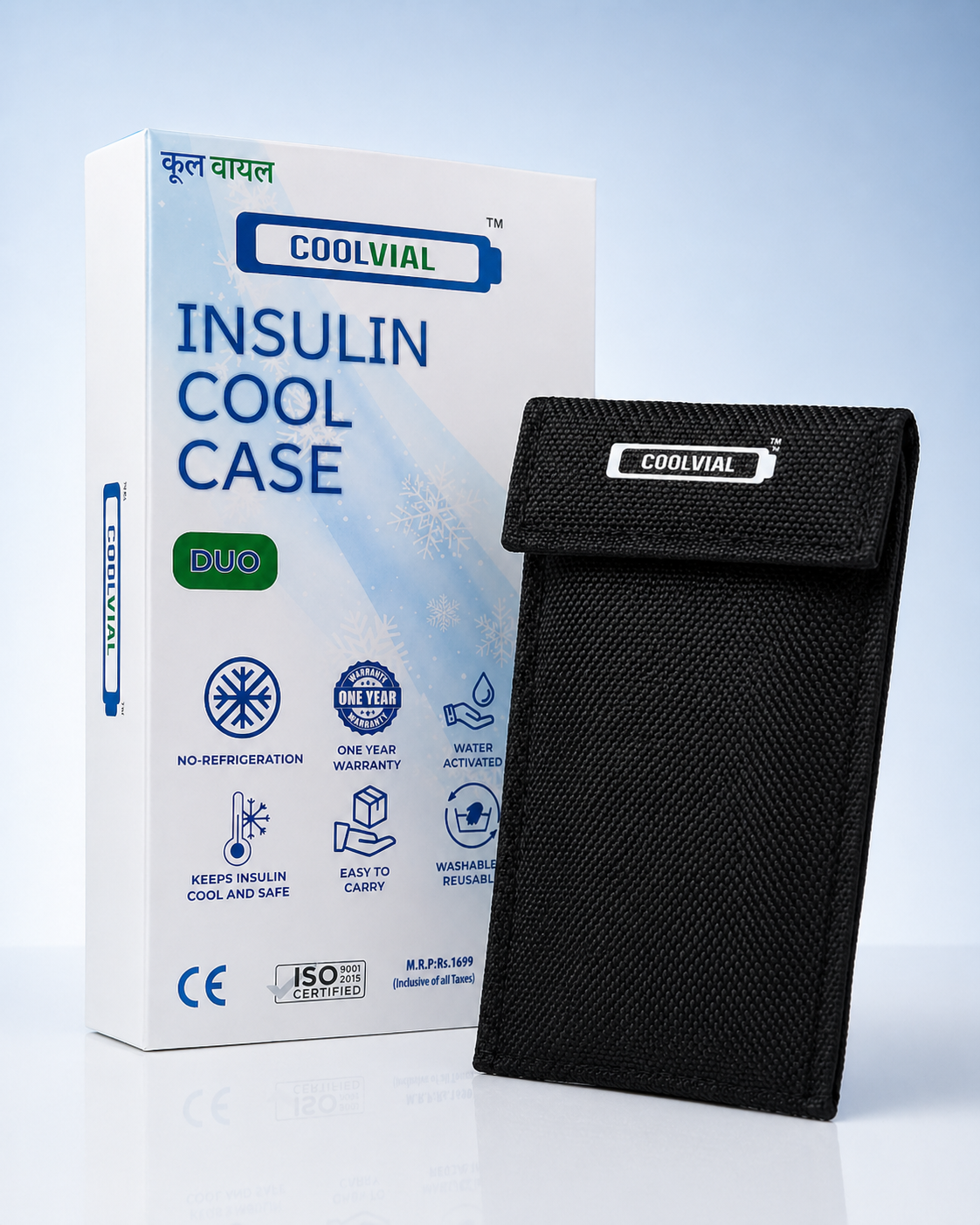
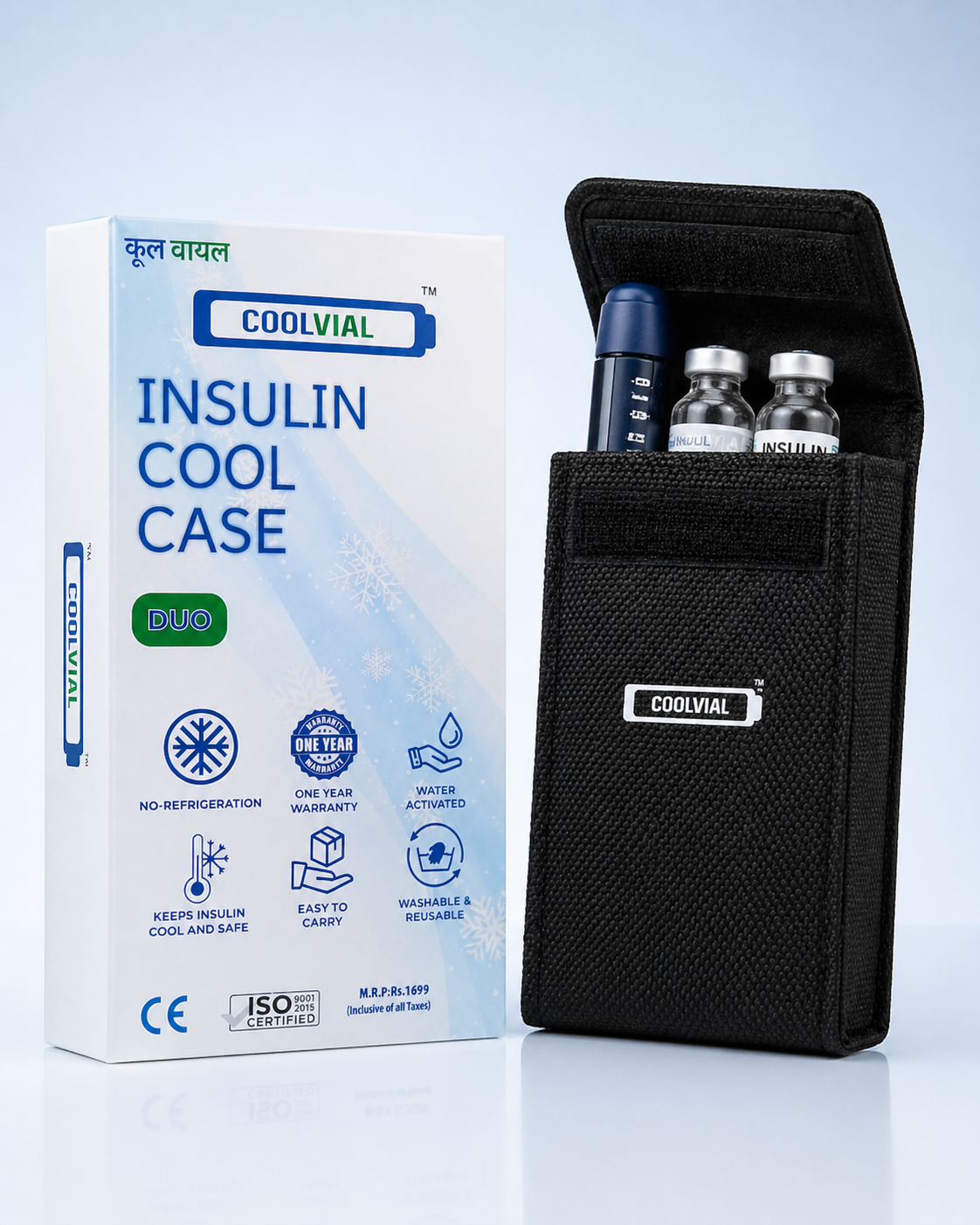
- Cooling Cases are Crucial: A water-activated cooling case like the COOLVIAL Duo can provide protection from water ingress for a limited time if it’s placed within a waterproof outer bag, while also keeping insulin cool. This dual function is vital during a flood-induced power cut.
- Evacuation Plan: Have a pre-packed emergency kit (“go-bag”) that includes at least a 3-5 day supply of insulin, syringes, test strips, and your cooling case, ready to grab if evacuation becomes necessary.
- Assess Damage: After floodwaters recede, never use insulin that has been submerged or exposed to floodwaters, even if it appears sealed. The risk of contamination or compromised efficacy is too high. Dispose of it safely.
Combating Humid-Fridge-Air Contamination
Many diabetics believe storing insulin in the refrigerator is sufficient, which is true for unopened vials or pens. However, during Chennai’s monsoon, even your refrigerator can become a source of risk due to ambient humidity and frequent power cuts.
Risks from Humid-Fridge-Air:
- Condensation Build-up: When the refrigerator door is frequently opened in a highly humid environment, warm, moist air rushes in. This can lead to condensation forming on the insulin vials or pens, even inside the fridge. This moisture can compromise the sterility of the vial’s rubber stopper or pen’s needle cap, and promote mould growth on packaging.
- Temperature Fluctuations (Power Cuts): Chennai is notorious for power cuts, especially during the monsoon. When the power goes out, the refrigerator temperature rises. When power returns, it cycles back down. These frequent temperature swings are detrimental to insulin, as it is sensitive to such fluctuations.
- Cross-Contamination: Moisture inside the fridge can also facilitate the growth of bacteria or mould from food items, potentially exposing your insulin to contaminants.
Practical Solutions:
- Airtight Containers (Inside the Fridge): Store your unopened insulin vials and pens in an airtight plastic container within the refrigerator. This creates a micro-environment that protects them from condensation and humidity fluctuations inside the fridge itself.
- Silica Gel Packs: Place a few food-grade silica gel packets inside the airtight container along with your insulin in the fridge. These desiccants will absorb any residual moisture, providing an extra layer of protection.
- Minimize Door Openings: During monsoon, try to open the refrigerator door as infrequently as possible to maintain a stable internal temperature and minimize the influx of humid air.
- Alternative Cooling for In-Use Insulin: Insulin currently in use (opened) should ideally be kept at room temperature (below 30°C) and used within 28 days. However, Chennai’s monsoon temperatures often exceed 30°C. This is where a specialized cooling case becomes indispensable. A water-activated evaporative cooler like the COOLVIAL Duo ensures your in-use insulin remains at the ideal temperature range (18-26°C) without refrigeration, protecting it from both heat and direct humidity, even during power outages.
For more information on managing insulin during power cuts, read our detailed guide: Power Cut Survival Guide for Diabetics in Chennai — What To Do When the Grid Goes Down.
Essential Monsoon Insulin Storage Solutions for Chennai
Effective insulin storage during the Chennai monsoon demands a multi-pronged approach, combining humidity control with temperature management. Relying solely on a refrigerator or generic plastic bags isn’t enough.
Recommended Storage Solutions:
- Water-Activated Evaporative Cooling Cases:
- COOLVIAL Duo (Rs 1,099 with code COOLHEAL): This is an ideal solution for Chennai’s climate. It holds 2 pens and 1 vial, keeping insulin cool at 18-26°C for 12-16 hours without electricity. Its water-activated polymer crystals absorb water and cool through evaporation, creating a dry, cool environment. The COOLVIAL Duo is CE certified, ISO 9001:2015 compliant, and comes with a 1-year warranty. Being Made in India, it’s designed specifically for Indian conditions.
- Comparison: While other options exist, like FRIO (~Rs 1,900 for a similar capacity) or Outer Woods OW-12 (~Rs 999, often for a single pen or shorter cooling), the COOLVIAL Duo offers a competitive price point with robust capacity and certified quality, making it a smart investment for Chennai residents. Its evaporative cooling mechanism inherently combats humidity more effectively than simple insulated pouches.
- Airtight Containers:
- For unopened insulin vials/pens stored in the refrigerator, or for general dry storage of supplies, invest in good quality airtight plastic containers. Brands like Tupperware, Cello, Borosil (glass options), and Milton are widely available at local supermarkets (e.g., Nilgiris, Reliance Fresh) and online. Choose containers with secure, rubber-sealed lids.
- Local Availability: These can be sourced from major department stores in Phoenix MarketCity Velachery or Express Avenue, as well as smaller shops in T Nagar or Anna Nagar.
- Silica Gel Packs:
- These are crucial for absorbing moisture. Food-grade silica gel packets can be placed inside airtight containers with insulin, or even in storage boxes for your diabetes supplies (test strips, lancets, etc.).
- Sources in Chennai:
- Pharmacies: Some larger pharmacies like Apollo Pharmacy or MedPlus might stock them.
- Online Retailers: Amazon India and Flipkart offer various sizes of food-grade silica gel packets.
- Specialty Shops: Stores selling electronics or camera equipment might also carry larger packs.
- DIY Stores: Some hardware or home improvement stores might have industrial-grade desiccants, but ensure they are safe for use near medication.
- Waterproof Bags/Pouches:
- For emergency preparedness or travel, always keep your insulin and cooling case inside a durable waterproof bag (e.g., dry bags used for boating, or heavy-duty Ziplock bags). This provides an additional layer of protection against unexpected splashes or minor water ingress.
Remember, proper insulin storage is not just about temperature; it’s about maintaining a stable, protected environment. The COOLVIAL Duo directly addresses the dual challenges of heat and humidity, making it an indispensable tool for managing diabetes in Chennai’s monsoon. You can learn more about general insulin storage at our dedicated page: insulin storage tips.
Emergency Insulin Procurement During Monsoon Disruptions
Despite the best preparations, monsoon disruptions can sometimes lead to an emergency where you need to procure replacement insulin. Heavy rains, waterlogging in areas like Velachery or T Nagar, and transport disruptions can make reaching pharmacies difficult.
Strategies for Emergency Insulin Procurement:
- Identify 24/7 Pharmacies:
- Hospital Pharmacies: Major hospitals in Chennai often have 24/7 pharmacies that are more likely to be accessible during emergencies. Apollo Hospitals (Greams Road) is a prime example, known for its extensive emergency pharmacy services. MIOT International (Manapakkam) and Madras Medical Mission (Mogappair) also have well-stocked pharmacies.
- Large Chain Pharmacies: Some larger branches of Apollo Pharmacy or MedPlus might operate extended hours or have better stock resilience. It’s advisable to identify the closest 2-3 such pharmacies to your home before the monsoon season.
- Maintain Emergency Contact List: Keep a list of your doctor’s contact details, your pharmacy’s number, and emergency services.
- Pharmacy Delivery Services:
- Check Availability: During severe monsoon events, traditional delivery services from local pharmacies like Trust Pharmacy or Vijaya Medicals in neighborhoods like Anna Nagar or Adyar might be disrupted due to waterlogging and traffic. However, larger chains or online pharmacies might have more robust emergency delivery protocols.
- Pre-Monsoon Stock-Up: Consider having a small buffer stock (e.g., one extra vial/pen) if your doctor approves, to tide you over initial disruptions.
- Communicate with Your Doctor: If you face an emergency and cannot access insulin, immediately contact your endocrinologist or diabetologist. They might be able to guide you on alternative options or provide a temporary prescription.
- Community Networks: Connect with local diabetes support groups or community networks. In times of crisis, community support can be invaluable for sharing information on accessible pharmacies or transport.
7 Essential Steps: Protecting Your Insulin During the Chennai Monsoon
Always prioritize your health. If your insulin supply is compromised or you cannot access new stock, seek immediate medical attention.
Your Comprehensive Monsoon Preparedness Checklist for Diabetics
Being proactive is key to navigating the Chennai monsoon safely with diabetes. This checklist covers essential steps to ensure you’re well-prepared for any eventuality.
Pre-Monsoon Preparations (September-October):
- Insulin Stock Assessment:
- Check expiry dates of all insulin vials and pens.
- Ensure you have at least a 2-4 week supply of insulin. Discuss with your doctor if a small emergency buffer stock is advisable.
- Verify you have adequate supplies of syringes, pen needles, test strips, and lancets.
- Cooling Case Readiness:
- Purchase a reliable insulin cooling case like the COOLVIAL Duo. Practice activating it to ensure you’re familiar with its use.
- Ensure it’s clean and in good working condition.
- Emergency Kit (Go-Bag):
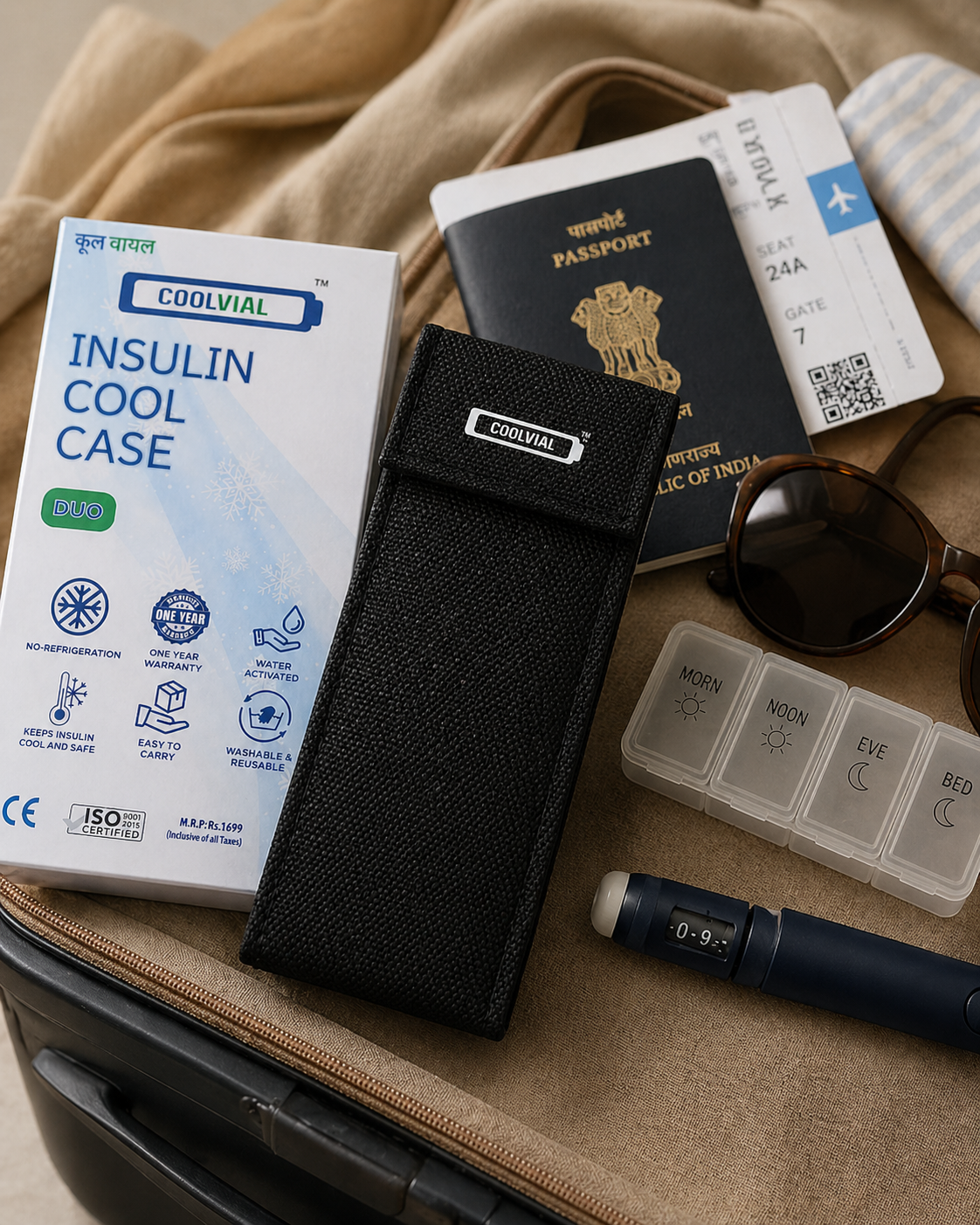
- Pack a waterproof bag with at least a 3-5 day supply of insulin, your COOLVIAL Duo, glucometer, test strips, lancets, alcohol swabs, and a quick-acting glucose source (e.g., glucose tablets, juice boxes).
- Include copies of your prescriptions, doctor’s contact info, and ID.
- Add a small, powerful flashlight and extra batteries.
- Home Protection:
- Invest in airtight plastic containers for all diabetes supplies.
- Stock up on food-grade silica gel packets.
- Identify high shelves or upper floors where you can quickly move medications if your home is at risk of flooding.
- Pharmacy & Hospital Reconnaissance:
- Locate the nearest 24/7 hospital pharmacies (e.g., Apollo Hospitals (Greams Road), MIOT International) and note their contact numbers.
- Identify alternative pharmacies (e.g., larger Apollo Pharmacy or MedPlus branches) in case your regular one (Trust Pharmacy, Vijaya Medicals) is inaccessible.
- Power Backup:
- Ensure your inverter/UPS is fully charged and functional.
- Have power banks for mobile phones and glucometers charged.
- Communication:
- Inform family members or close friends about your diabetes management plan during the monsoon.
- Save emergency contact numbers for doctors, pharmacies, and local disaster management.
During the Monsoon:
- Monitor Weather Updates: Stay informed about cyclone warnings, heavy rainfall predictions, and local waterlogging reports (e.g., for T Nagar, Velachery, OMR).
- Proactive Storage:
- Keep in-use insulin in your COOLVIAL Duo.
- Store unopened insulin in airtight containers with silica gel inside the refrigerator.
- Elevate all diabetes supplies if flood warnings are issued.
- Maintain Hygiene: Wash hands thoroughly before injections. Use alcohol swabs for vial stoppers and injection sites.
- Stay Hydrated & Eat Right: Monsoon can bring waterborne diseases. Drink boiled or purified water.
- Foot Care: Be extra vigilant about foot care, as cuts or infections can worsen in damp conditions. Wear waterproof footwear outdoors.
- Avoid Contaminated Water: Do not wade through floodwaters, as they can contain sewage and pathogens, posing a high risk of infection for diabetics.
- Check Insulin Appearance: Before each use, visually inspect your insulin for any changes in clarity, colour, or particulate matter. Discard if unusual.
By following these steps, you can significantly mitigate the risks associated with the Chennai monsoon and maintain optimal diabetes management.
Frequently Asked Questions (FAQ)
Q: Can I use insulin that has been exposed to floodwaters? A: No, you should never use insulin that has been exposed to floodwaters, even if it appears sealed. Floodwaters are highly contaminated, and there’s a significant risk of bacterial contamination or compromised insulin efficacy.
Q: How does high humidity affect insulin pens specifically? A: High humidity can damage the cardboard packaging of insulin pens, making labels illegible and promoting mould growth. While the pen itself is sealed, prolonged exposure to extreme humidity can potentially affect its delicate internal mechanisms or compromise the sterility of the needle cap.
Q: Where can I find food-grade silica gel in Chennai? A: Food-grade silica gel packets can be found at larger pharmacies like Apollo Pharmacy, general stores, online retailers such as Amazon India, or sometimes at specialty stores selling electronics or camera equipment in areas like Anna Nagar or T Nagar.
Q: What is the ideal temperature range for in-use insulin in Chennai’s monsoon? A: The ideal temperature range for in-use insulin is typically between 18°C and 26°C. Chennai’s monsoon temperatures often exceed this, making a cooling case like the COOLVIAL Duo essential to maintain efficacy.
Q: How long can COOLVIAL Duo keep insulin cool without electricity? A: The COOLVIAL Duo can keep insulin cool for 12-16 hours without electricity after being activated with water, making it ideal for daily use and power outages during the Chennai monsoon.
Q: What should I do if my usual pharmacy is inaccessible due to waterlogging? A: If your usual pharmacy is inaccessible, try contacting 24/7 hospital pharmacies like Apollo Hospitals (Greams Road) or major chain pharmacies like Apollo Pharmacy or MedPlus. Always have your doctor’s contact information ready for guidance.
Q: Is it safe to store insulin in the refrigerator during a power cut? A: During a power cut, an unopened refrigerator can maintain a cool temperature for several hours. However, frequent power cuts and the influx of humid air each time the door is opened can cause temperature fluctuations and condensation, which are detrimental to insulin. For in-use insulin, a cooling case is a more stable option.
Conclusion: Stay Prepared, Stay Safe
The Chennai monsoon, with its unique blend of heavy rainfall, high humidity, and potential for waterlogging, presents distinct challenges for individuals managing diabetes. Protecting your insulin from degradation, contamination, and damage is not merely a matter of convenience; it’s a critical aspect of maintaining your health and well-being. By understanding the specific risks—from humidity damaging packaging to floods cutting off pharmacy access—and implementing the 7 essential steps outlined in this guide, you can confidently navigate the wet season.
Investing in reliable storage solutions like airtight containers, silica gel, and especially a high-quality water-activated cooling case such as the COOLVIAL Duo, is paramount. The COOLVIAL Duo, with its ability to keep insulin cool for 12-16 hours without electricity and its robust design, offers peace of mind when Chennai’s weather is at its most unpredictable. Remember to prepare your emergency kit, identify alternative pharmacy access points like Apollo Hospitals (Greams Road), and stay informed about local conditions. Your proactive approach will ensure your insulin remains effective, allowing you to focus on living a full and healthy life, come rain or shine.
Order COOLVIAL Duo at Rs 1,099 with code COOLHEAL at coolvial.com or via WhatsApp wa.me/918766952300.
How We Researched This
This article was developed based on a comprehensive review of insulin storage best practices, incorporating guidelines from the Research Society for the Study of Diabetes in India (RSSDI), data from the Indian Council of Medical Research–India Diabetes (ICMR-INDIAB) study (Source: https://icmr.gov.in/guidelines_diabetes.html), and local insights from Chennai hospital directories, Apollo Pharmacy network information, and common environmental challenges specific to the city’s monsoon climate. Information on local waterlogging hotspots and pharmacy access was compiled from public records and local news reports, with specific facility names cross-referenced for accuracy.
Medical Disclaimer
This article is for general information purposes only and is not a substitute for professional medical advice. Always consult your endocrinologist or diabetologist before making any changes to your insulin storage practices, medication regimen, or diabetes management plan.
7 Essential Steps: Protecting Your Insulin During the Chennai Monsoon
48+ hours at 2-8°C. No electricity. CE certified. Free delivery across India.
Order on WhatsApp — ₹1,099🛒 Buy Now — ₹1,099