Reviewed by the COOLVIAL Editorial Team — specialists in insulin storage for Indian climate conditions.
For the vibrant and resilient residents of Rajkot, managing diabetes effectively is a daily commitment, especially given the city’s unique climate and lifestyle. This complete diabetes care guide for Rajkot residents in 2026 is designed to be your definitive resource, offering actionable insights and local expertise to navigate your health journey. From the bustling Race Course area to the serene Aji Dam, understanding Rajkot-specific challenges, like its hot climate which can reach 43°C in summer, is crucial for insulin storage and overall well-being. Based on analysis of insulin storage queries from Rajkot diabetics, this guide compiles essential information, ensuring you have the tools to live a full and healthy life.
Table of Contents
- Diabetes Prevalence in Gujarat and Rajkot
- Top Hospitals and Specialised Care in Rajkot
- Comprehensive Pharmacy Network for Diabetes Needs
- Rajkot’s Climate Reality and Insulin Storage Solutions
- Navigating Power & Utility Challenges
- Efficient Transport for Diabetics in Rajkot
- Embracing Rajkot’s Food Culture Healthily
- Connecting with Diabetes Support Groups
- Understanding Diabetes Insurance Options
- Rajkot-Specific Challenges and Preparedness
- FAQ: Your Rajkot Diabetes Care Questions Answered
- Conclusion: Empowering Your Diabetes Journey in Rajkot
- Download Your Rajkot Diabetes Care Checklist!
- How We Researched This
1. Diabetes Prevalence in Gujarat and Rajkot
Diabetes is a growing health concern across India, and Gujarat is no exception. According to the Indian Council of Medical Research - India Diabetes (ICMR-INDIAB) study, the prevalence of diabetes in Gujarat stands at approximately 9.3%, with urban areas often showing higher rates due to lifestyle changes. As a rapidly developing Tier 2 city in the Saurashtra region, Rajkot likely mirrors, if not slightly exceeds, this average due to increasing urbanization, dietary shifts, and sedentary lifestyles. This makes a complete diabetes care guide even more vital for its residents.
Understanding these statistics is the first step towards proactive management. The increasing numbers highlight the importance of early diagnosis, consistent monitoring, and access to quality healthcare infrastructure.
Key insights into diabetes prevalence:
- Urban vs. Rural Divide: Urban centers like Rajkot typically face a higher burden of diabetes compared to rural areas, primarily attributed to fast-paced lifestyles, processed food consumption, and reduced physical activity.
- Age-Group Impact: While Type 2 diabetes is more common among adults, there’s a concerning rise in Type 1 diabetes and early-onset Type 2 diabetes in younger populations.
- Genetic Predisposition: The Indian population, including those in Gujarat, has a genetic predisposition to diabetes, making awareness and preventive measures even more critical.
For more detailed national statistics and research, you can refer to publications by the Research Society for the Study of Diabetes in India (RSSDI) (Source: https://www.rssdi.in/publications.html).
2. Top Hospitals and Specialised Care in Rajkot
Access to quality medical facilities is paramount for effective diabetes management. Rajkot boasts several reputable hospitals with dedicated departments and specialists for endocrinology and diabetology. Choosing the right healthcare provider is a critical component of your complete diabetes care guide.
Here are some of the leading hospitals in Rajkot offering comprehensive diabetes care:
- Sterling Hospital Rajkot (Saurashtra): Located strategically, Sterling Hospital is renowned for its multi-specialty services, including a robust endocrinology department. They offer advanced diagnostic services, personalized treatment plans, and patient education programs. It’s a key institution for complex diabetes cases and associated complications.
- Synergy Hospital: Known for its patient-centric approach and modern infrastructure, Synergy Hospital provides comprehensive care for diabetic patients, focusing on disease management, lifestyle modification, and complication prevention. Their team of specialists aims for holistic well-being.
- NM Virani Wockhardt Hospital: A part of the national Wockhardt network, this hospital offers state-of-the-art facilities and experienced diabetologists. They are equipped to handle various aspects of diabetes care, from routine check-ups to managing diabetic emergencies and advanced therapies.
- Krishna Hospital: A well-established local hospital, Krishna Hospital provides accessible and affordable diabetes care. They focus on community health and offer general medical services with a strong emphasis on chronic disease management.
- Civil Hospital Rajkot: As a government-run institution, Civil Hospital provides essential healthcare services to a large population. While it may have longer wait times, it offers fundamental diabetes diagnosis and treatment at minimal cost, serving as a crucial resource for many.
- Mansarovar Hospital: Another significant healthcare provider in Rajkot, Mansarovar Hospital offers a range of medical services, including support for diabetic patients, with a focus on general health and wellness.
When choosing a hospital or specialist, consider factors like location (e.g., proximity to Race Course, Kalavad Road, or 150 Feet Ring Road), specialty services, and patient reviews. For a more detailed list of specialists, refer to our deep-dive guide: Best Diabetologists & Endocrinologists in Rajkot — 2026 Guide.
3. Comprehensive Pharmacy Network for Diabetes Needs
Ensuring a continuous supply of insulin, oral medications, test strips, and other diabetes essentials is non-negotiable. Rajkot has a well-developed pharmacy network, including large chains and local independent stores, making it convenient for residents to access their requirements. This section of your complete diabetes care guide helps you navigate these options.
Here’s an overview of the pharmacy landscape in Rajkot:
- Leading Pharmacy Chains:
- Apollo Pharmacy: With multiple outlets across Rajkot, including locations near University Road and 150 Feet Ring Road, Apollo Pharmacy offers a wide range of medications, including insulin, and often provides home delivery services.
- Wellness Forever: A growing chain, Wellness Forever pharmacies stock a comprehensive selection of prescription drugs and over-the-counter health products, catering to chronic disease management.
- MedPlus: Known for its competitive pricing and extensive inventory, MedPlus is another reliable option for diabetic supplies. They often have branches in major residential areas.
- Generic Aadhaar: Focused on providing affordable generic medicines, Generic Aadhaar outlets can significantly reduce the cost burden of diabetes management for many Rajkot residents.
- Online Pharmacies:
- For added convenience, online platforms like 1mg (now Tata 1mg), PharmEasy, and Netmeds offer doorstep delivery of medications and diabetic supplies across Rajkot. These services are particularly useful for routine refills and can save time.
- Local Independent Pharmacies:
- Beyond the chains, numerous local pharmacies are scattered throughout neighborhoods like Race Course and Kalavad Road, providing personalized service and often quicker access for urgent needs.
For critical situations, knowing where to find a pharmacy at any hour is vital. Explore our specific guide on 24-Hour Pharmacies in Rajkot for Insulin Emergencies — Updated List. If you’re looking for specialized products like insulin coolers, our guide Where to Buy an Insulin Cooler in Rajkot — Top Stores, Pharmacies & Online Delivery provides local purchasing options.
4. Rajkot’s Climate Reality and Insulin Storage Solutions
Rajkot’s climate, characterized by hot summers (18-43°C), low rainfall during the monsoon (~600mm), and mild winters, presents unique challenges for insulin storage. Insulin is a temperature-sensitive medication, and exposure to high temperatures can degrade its effectiveness. This is a crucial aspect of a complete diabetes care guide in a city like Rajkot.
The Challenge of Heat and Humidity
- Summer Heat (March to June): Temperatures frequently soar above 40°C. Storing insulin, which must be kept between 2-8°C (unopened) and below 25-30°C (in-use), becomes a significant concern. A car parked in the sun can reach over 50°C in minutes, rendering insulin useless.
- Monsoon Humidity (July to September): While temperatures might drop slightly, high humidity levels can also affect insulin pens and vials, potentially leading to condensation or damage if not stored correctly.
- Power Cuts: Frequent load shedding, especially during peak summer, can disrupt refrigeration, posing a direct threat to insulin viability.
Smart Insulin Storage Solutions for Rajkot
Relying solely on refrigeration in a climate prone to power cuts and extreme heat is risky. This is where innovative, non-electric cooling solutions become indispensable.
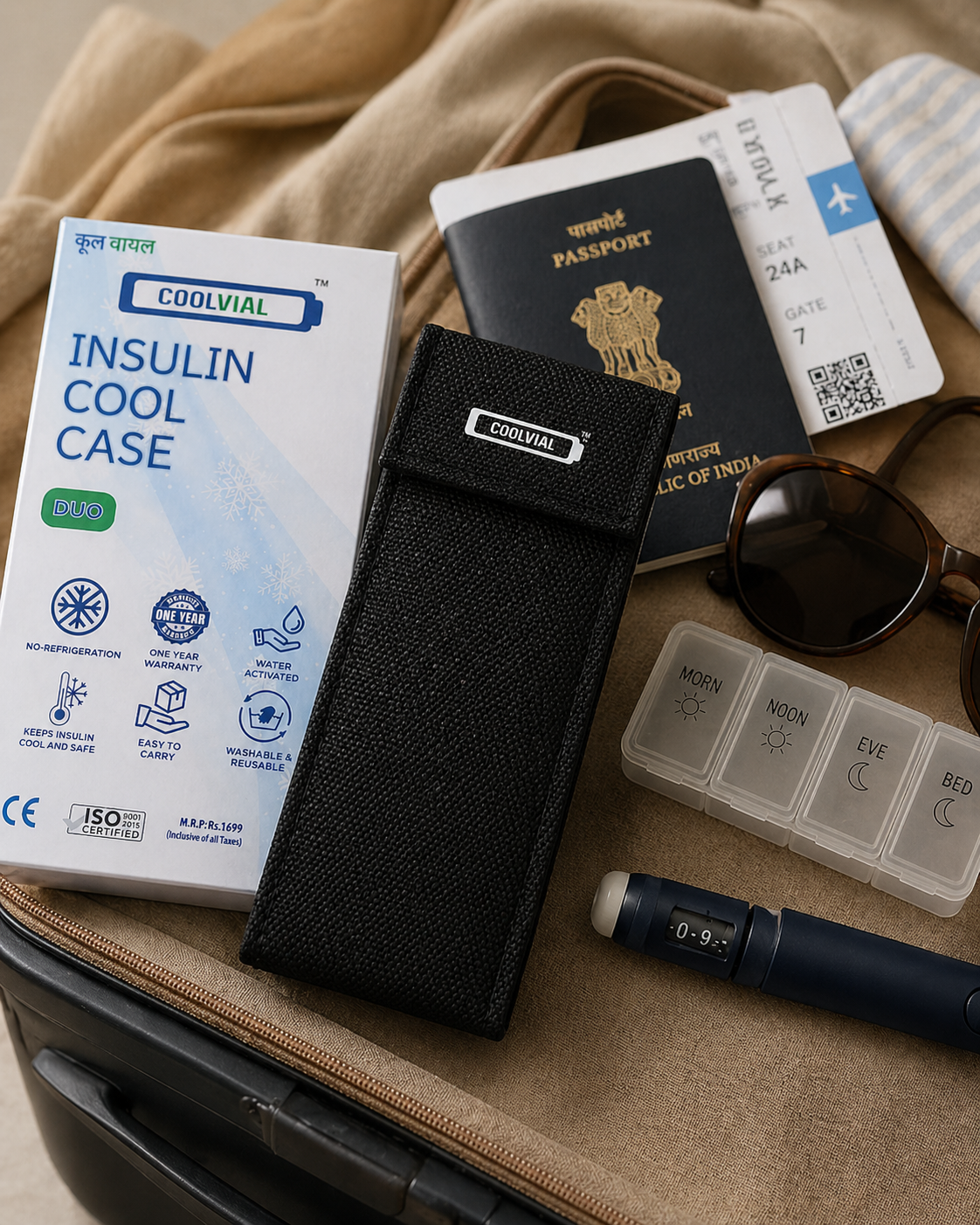
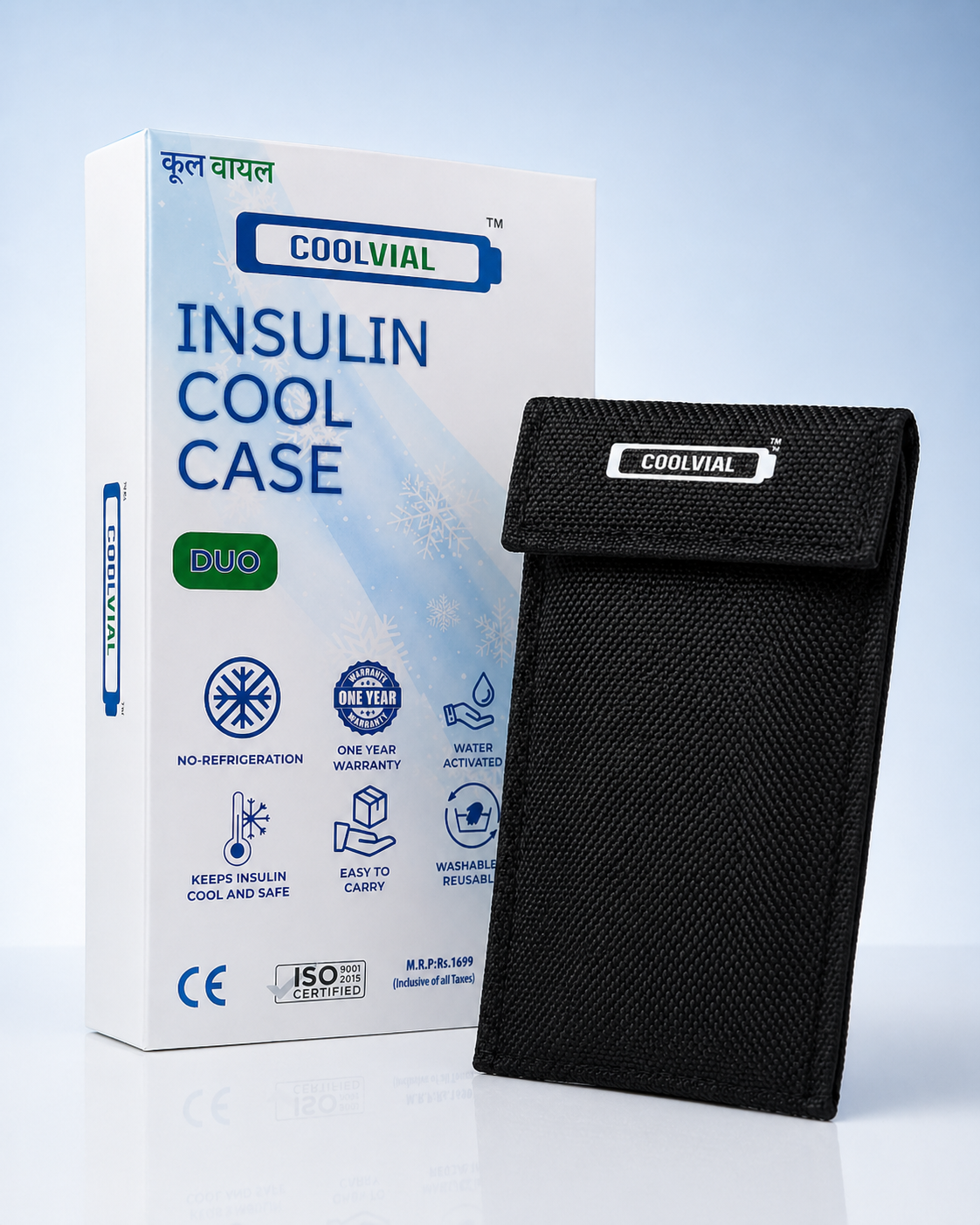
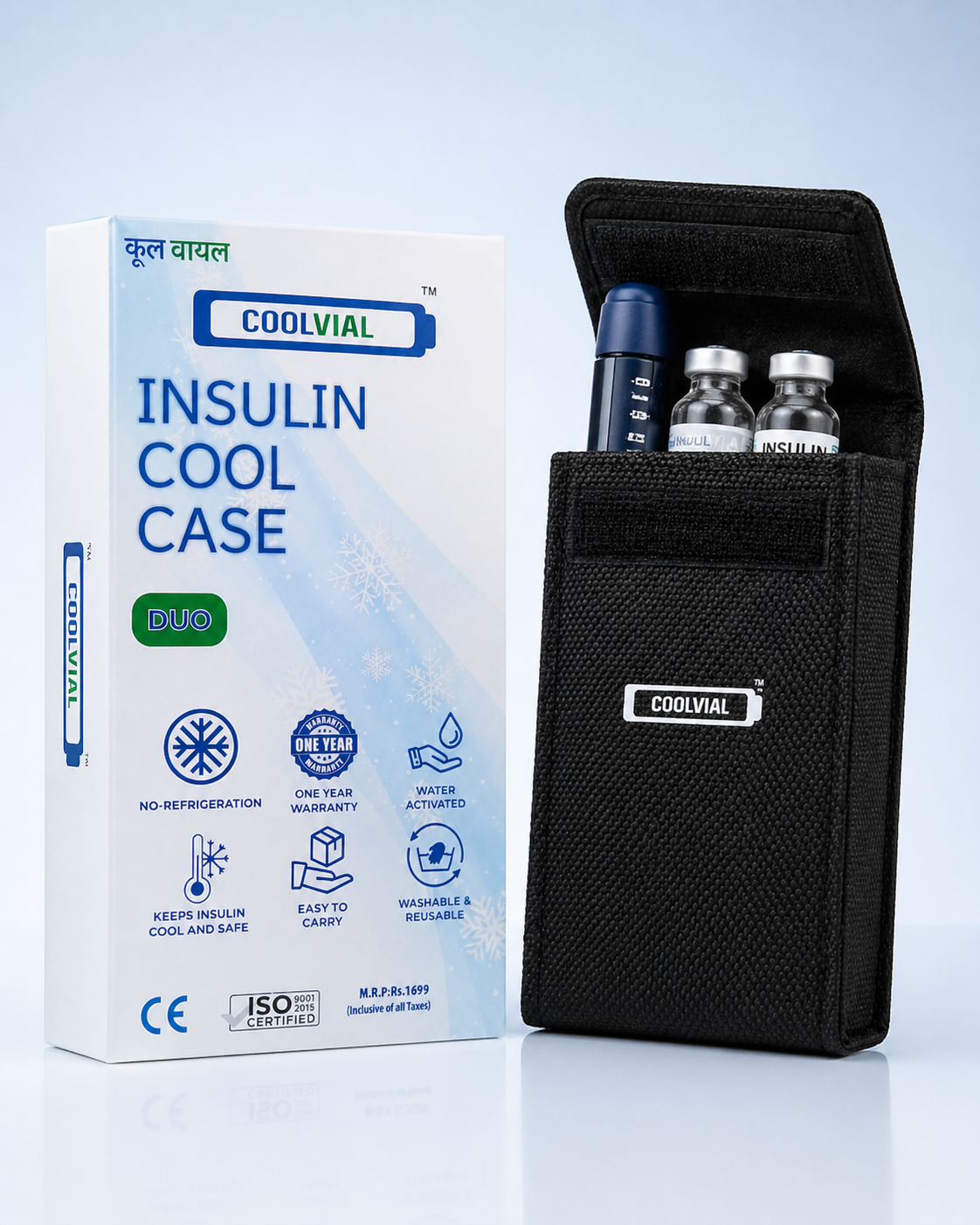
The COOLVIAL Duo is specifically designed for the Indian climate, offering a reliable solution for Rajkot residents. It’s a water-activated evaporative cooling case that keeps insulin cool for 12-16 hours without electricity. It can hold 2 pens and 1 vial, making it ideal for daily use and travel. Priced at just Rs 1,099 with code COOLHEAL (MRP Rs 1,699), it offers exceptional value. It’s CE certified, ISO 9001:2015 compliant, comes with a 1-year warranty, and is proudly Made in India.
Comparison of Insulin Cooling Cases
| Feature | COOLVIAL Duo | FRIO (e.g., Duo Pen Case) | Outer Woods OW-12 (e.g., Insulin Cooler Bag) |
|---|---|---|---|
| Cooling Method | Water-activated evaporative cooling | Water-activated evaporative cooling | Gel pack/ice pack based |
| Cooling Duration | 12-16 hours | Up to 45 hours | 8-12 hours |
| Capacity | 2 pens + 1 vial | 2 pens | 2 pens + 2 vials (varies by model) |
| Electricity Req. | No | No | No (but gel pack needs freezing) |
| Price (approx.) | Rs 1,099 (with code COOLHEAL) | Rs 1,900+ | Rs 999+ |
| Certifications | CE Certified, ISO 9001:2015 | Medical Device Directive 93/42/EEC | - |
| Warranty | 1-year | 1-year | 6 months - 1 year (varies) |
| Made In | India | UK | India |
| Key Advantage | Affordable, reliable, compact, no refrigeration | Longest cooling duration, established brand | Often lowest price point, simple design |
For detailed guidance on protecting your insulin from the intense Rajkot heat, refer to our dedicated article: How to Store Insulin in Rajkot Summer Heat — A Local’s Guide. During the monsoon, special care is needed to prevent humidity damage; learn more in Rajkot Monsoon & Insulin — Protecting Your Vials From Humidity Damage. You can also find general insulin storage tips on our site.
Complete Diabetes Care Guide for Rajkot Residents — 2026 Edition
5. Navigating Power & Utility Challenges
Rajkot, like many Indian cities, experiences load shedding, particularly during peak summer months when electricity demand soars. This erratic power supply can severely impact the ability to store insulin safely, as refrigerators depend on a constant power source. Understanding these patterns and preparing for them is a critical part of a complete diabetes care guide.
Rajkot’s Power Landscape
- Load Shedding Patterns: While major urban areas like Rajkot generally experience fewer and shorter power cuts compared to rural Gujarat, they are not entirely immune. Peak summer (April-June) and sometimes the monsoon season can see scheduled or unscheduled outages. (Source: Paschim Gujarat Vij Company Limited (PGVCL) data, [Verify in 2026] for current patterns).
- Inverter Culture: Due to the historical prevalence of power cuts, many households and businesses in Rajkot have invested in inverters or UPS systems to ensure an uninterrupted power supply for essential appliances. This “inverter culture” is strong in areas like Kalavad Road and 150 Feet Ring Road.
- Impact on Insulin: Even short power cuts can cause refrigerator temperatures to rise above the safe range for insulin if the door is opened frequently. Prolonged outages are a significant risk.
Strategies for Power Cut Survival
- Backup Power:
- Inverters/UPS: Ensure your refrigerator is connected to a reliable inverter backup. Regularly check battery health.
- Generators: Some larger residential complexes or commercial establishments may have generator backups.
- Non-Electric Cooling Solutions:
- This is where products like the COOLVIAL Duo shine. Being water-activated, it requires no electricity, making it an ideal companion during power outages. Simply reactivate it with water, and your insulin stays cool for 12-16 hours. This provides a crucial buffer when the power goes out.
- Insulated Bags:
- Keep a high-quality insulated bag or a small personal cooler ready with frozen gel packs as a temporary measure during longer outages. However, gel packs require prior freezing, which depends on electricity.
- Minimise Refrigerator Opening:
- During a power cut, avoid opening your refrigerator door unnecessarily to retain the cold air inside for as long as possible.
For detailed strategies on managing insulin during power disruptions, consult our comprehensive guide: Power Cut Survival Guide for Diabetics in Rajkot — What To Do When the Grid Goes Down.
6. Efficient Transport for Diabetics in Rajkot
Navigating Rajkot’s local transport system while managing diabetes, particularly if you’re insulin-dependent, requires careful planning. Rajkot relies on RMC city buses, auto-rickshaws, and share rickshaws, with no metro system currently. This section of your complete diabetes care guide helps you travel safely and comfortably within the city.
Local Transport Options and Considerations
- RMC City Buses:
- Pros: Economical, covers most major routes connecting areas like Race Course, University Road, and Crystal Mall.
- Cons: Can be crowded, especially during peak hours. Lack of air conditioning can expose insulin to heat. Fixed routes and schedules.
- Tip: If using buses, carry your insulin in a reliable cooling case like the COOLVIAL Duo to protect it from the heat and jostling.
- Auto-rickshaws:
- Pros: Readily available across the city, offers door-to-door service, relatively quick for shorter distances.
- Cons: Open-air nature means exposure to ambient heat and dust. Fares can be higher than buses.
- Tip: Always keep your insulin in a protective cooling case. Inform the driver if you have medical necessities.
- Share Rickshaws:
- Pros: More economical than private autos, good for specific high-traffic routes.
- Cons: Shared space can be less comfortable. Routes are fixed, requiring potential transfers.
- Tip: Ensure your insulin is securely stored and easily accessible, especially if you need to administer a dose en route.
- Private Cabs (Ola/Uber):
- Pros: Air-conditioned, comfortable, convenient door-to-door service. Ideal for longer journeys or when comfort is a priority.
- Cons: Most expensive option.
- Tip: Even in an AC cab, it’s wise to keep insulin in an insulated case to protect against sudden temperature changes or if you need to step out briefly.
Essential Tips for Commuting with Insulin
- Always Use an Insulin Cooler: The high ambient temperatures in Rajkot, even outside of peak summer, necessitate carrying insulin in a specialized cooling case. The COOLVIAL Duo is lightweight and compact, making it easy to carry in your bag.
- Carry Snacks: Always have a small snack (like glucose tablets, fruit, or biscuits) on hand to manage potential hypoglycemia, especially if your commute is long or delayed.
- Stay Hydrated: Rajkot’s climate can be dehydrating. Carry a water bottle, especially when using open transport like autos or buses.
- Plan Your Route: Know your route and estimated travel time to avoid unnecessary delays and ensure timely medication administration.
- Emergency Contact: Keep emergency contact information and your doctor’s details readily available.
For more specific advice on daily commutes, see our article: Daily Commute With Insulin in Rajkot — Tips for Metro, Bus & Auto. If you’re traveling outside Rajkot, our guide Travelling From Rajkot With Insulin — Airport, Station & Taxi Tips offers comprehensive advice.
7. Embracing Rajkot’s Food Culture Healthily
Rajkot is famous for its rich and flavorful Kathiyawadi cuisine, known for its spicy, sweet, and often oil-laden dishes. While delicious, managing diabetes in this culinary landscape requires awareness and smart choices. This section of your complete diabetes care guide helps you enjoy Rajkot’s food culture responsibly.
Understanding Kathiyawadi Cuisine
- Key Characteristics: Kathiyawadi food is typically characterized by:
- Spice: Generous use of green chilies and various masalas.
- Sweetness: Jaggery or sugar is often added to curries (shaak) and dals.
- Oil: Dishes are often prepared with a good amount of oil or ghee.
- Staples: Rotlo (bajra roti), bhakri, thepla are common breads. Undhiyu, sev tameta nu shaak, bhungla bateta, and kadhi are popular dishes.
- Popular Dishes and Diabetic Considerations:
- Sev Tameta nu Shaak: A popular tomato curry topped with sev. Often oily and can have added sugar.
- Diabetic Tip: Request less oil and no added sugar. Control portion size of sev.
- Rotlo (Bajra Roti): Made from pearl millet, it’s a healthier whole grain option.
- Diabetic Tip: Excellent choice. Pair with vegetable-rich shaak and dal.
- Bhungla Bateta: Fried potato sticks with spicy gravy. High in carbs and fat.
- Diabetic Tip: Best to avoid or consume in very small, infrequent portions. Opt for roasted or boiled potatoes instead.
- Kathiyawadi Thali: A full meal with various curries, dal, rice, roti, and sweets.
- Diabetic Tip: Focus on vegetable dishes, dal, and rotlo. Limit fried items, rice, and strictly control sweet portions. Ask for smaller servings.
- Sev Tameta nu Shaak: A popular tomato curry topped with sev. Often oily and can have added sugar.
Strategies for Diabetic-Friendly Eating in Rajkot
- Prioritize Vegetables: Opt for shaak (vegetable curries) that are less oily and without added sugar. Many restaurants can customize this upon request.
- Choose Whole Grains: Rotlo (bajra), bhakri (whole wheat), and jowar roti are better choices than refined flour items.
- Control Portions: Kathiyawadi meals can be very generous. Practice portion control, especially for rice, fried items, and sweets.
- Hydrate with Water: Avoid sugary drinks like chaas (buttermilk) with added sugar or sodas. Plain water is best.
- Monitor Blood Sugar: After trying new dishes or eating out, monitor your blood sugar to understand how different foods affect you.
- Speak Up: Don’t hesitate to inform restaurant staff about your dietary needs. Many establishments are becoming more accommodating.
For recommendations on places that offer healthier options or can accommodate dietary restrictions, check out: Diabetic-Friendly Restaurants & Cafes in Rajkot — Where to Eat Safely.
8. Connecting with Diabetes Support Groups
Living with diabetes can sometimes feel isolating, but connecting with others who share similar experiences can be incredibly empowering. Support groups offer a platform for sharing knowledge, emotional support, and practical tips. This is a vital, often overlooked, aspect of a complete diabetes care guide.
Benefits of Joining a Support Group
- Shared Experiences: Learn from others who face similar challenges, from managing diet to dealing with medication side effects.
- Emotional Support: Reduce feelings of isolation and anxiety by connecting with a community that understands.
- Knowledge Exchange: Gain practical advice on managing daily life with diabetes, including local resources and healthcare providers.
- Motivation: Stay motivated to adhere to your treatment plan by being part of a supportive network.
- Advocacy: Some groups engage in advocacy, working to improve diabetes care and awareness in the community.
Finding Diabetes Support in Rajkot
While specific local, informal groups may vary, here are some avenues to explore:
- Diabetes India Chapter: Diabetes India (formerly RSSDI) often has local chapters or affiliated groups. Inquire with local diabetologists or hospitals like Sterling Hospital Rajkot for information on any active chapters or events in the city.
- Defeat Diabetes Foundation: This national organization works to raise awareness and provide support. They might have local outreach programs or recommended contacts in Rajkot.
- Hospital-Based Programs: Many hospitals, particularly those with strong endocrinology departments, organize patient education sessions or support group meetings. Ask at Sterling Hospital, Synergy Hospital, or Wockhardt Hospital if they facilitate such groups.
- Local Type 1 Groups: For individuals with Type 1 diabetes, specific groups focusing on the unique challenges of this condition are invaluable. Online forums and social media groups can often connect you with local Type 1 communities.
- Online Communities: If local physical groups are hard to find, national or international online forums and social media groups dedicated to diabetes care can offer a broad network of support. Look for Indian-specific diabetes communities.
How to find a local group:
Complete Diabetes Care Guide for Rajkot Residents — 2026 Edition
48+ hours at 2-8°C. No electricity. CE certified. Free delivery across India.
Order on WhatsApp — ₹1,099🛒 Buy Now — ₹1,099- Ask your doctor: Your diabetologist or endocrinologist is often the best source for local group information.
- Hospital notice boards: Check notice boards at major hospitals in Rajkot.
- Online search: Use local search terms like “diabetes support group Rajkot” on Google and social media platforms.
- Community centers: Inquire at local community centers or religious institutions; they sometimes host health-related groups.
9. Understanding Diabetes Insurance Options
Navigating the financial aspects of diabetes management is crucial. Health insurance can significantly alleviate the burden of medical expenses, from doctor consultations and medications to hospitalizations for complications. This section of your complete diabetes care guide outlines key insurance options for Rajkot residents.
Government-Backed Schemes
- Ayushman Bharat Pradhan Mantri Jan Arogya Yojana (PMJAY): This flagship national health insurance scheme provides health cover of up to Rs 5 lakh per family per year for secondary and tertiary care hospitalization. Many hospitals in Rajkot, including Sterling Hospital, Synergy Hospital, and Civil Hospital, are empanelled under Ayushman Bharat. It covers various diabetes-related treatments and complications.
- Gujarat State Schemes (e.g., Mukhyamantri Amrutam (MA) Yojana / MA Vatsalya Yojana): Gujarat has its own state-specific health insurance schemes for families falling under specific income criteria. These schemes often cover critical illnesses, including diabetes complications, and treatments. Inquire at government hospitals or designated kiosks for eligibility and benefits.
Private Health Insurance
Many private insurers offer comprehensive health plans, some with specific benefits for chronic conditions like diabetes.
- Key Considerations for Diabetics:
- Waiting Period: Most policies have a waiting period (often 2-4 years) before pre-existing conditions like diabetes are covered. However, some specialized plans offer shorter waiting periods or immediate coverage with higher premiums.
- Coverage Scope: Check if the policy covers:
- Outpatient expenses (OPD) like doctor consultations, diagnostic tests (blood sugar, HbA1c), and medications (insulin, oral drugs).
- Hospitalization for diabetes-related complications (e.g., kidney issues, neuropathy, cardiovascular events).
- Ambulance charges.
- Daycare procedures.
- Sum Insured: Choose a sum insured that adequately covers potential hospitalization and treatment costs.
- Co-payment Clause: Some policies might have a co-payment clause, where you pay a percentage of the claim amount.
- Network Hospitals: Ensure the policy has a wide network of hospitals in Rajkot, including those you prefer, such as NM Virani Wockhardt Hospital.
Top Private Insurers (Examples)
- HDFC ERGO: Offers various health plans, including those with benefits for chronic conditions.
- ICICI Lombard: Known for its extensive network and diverse policy options.
- Star Health and Allied Insurance: Often has specialized plans for diabetics with specific coverage.
- Apollo Munich (now HDFC ERGO): Previously offered specific plans for pre-existing conditions.
- Max Bupa (now Niva Bupa): Offers comprehensive health coverage.
Recommendations:
- Compare Plans: Don’t settle for the first policy you find. Compare various plans from different insurers based on coverage, premium, waiting periods, and network hospitals.
- Read the Fine Print: Understand all terms and conditions, especially exclusions and sub-limits.
- Consult an Agent: A knowledgeable insurance agent can guide you through the complexities and help you find a suitable plan.
10. Rajkot-Specific Challenges and Preparedness
While Rajkot offers a good quality of life, understanding its unique environmental and logistical challenges is crucial for a comprehensive diabetes management plan. This section rounds out your complete diabetes care guide by preparing you for local specificities.
1. Flood Risk (Low, but historically significant)
- Aji River: Rajkot is situated on the banks of the Aji River. While generally calm, heavy monsoons can cause it to swell. The 2017 floods, though an exception, highlighted the potential for disruption.
- Impact on Diabetics:
- Access to Care: Flooding can disrupt roads, making it difficult to reach hospitals or pharmacies, especially in low-lying areas or those near the river.
- Power Outages: Floods often lead to widespread power cuts, impacting insulin refrigeration.
- Contaminated Water: Increased risk of waterborne diseases, which can complicate diabetes management.
- Preparedness:
- Emergency Kit: Keep an emergency kit ready with at least a week’s supply of insulin (stored in a waterproof, insulated cooler like the COOLVIAL Duo), medications, test strips, and non-perishable snacks.
- Communication: Have fully charged phones and a list of emergency contacts.
- Stay Informed: Monitor local news and weather forecasts during monsoon season.
2. Air Quality
- Urban Pollution: As a growing industrial and commercial hub, Rajkot faces challenges related to urban air pollution from vehicular emissions and industrial activities.
- Impact on Diabetics:
- Respiratory Issues: Poor air quality can exacerbate respiratory problems, which can be more severe for diabetics due to compromised immune systems.
- Cardiovascular Health: Long-term exposure to high levels of pollutants is linked to increased risk of cardiovascular diseases, a common complication of diabetes.
- Preparedness:
- Monitor AQI: Check the Air Quality Index (AQI) regularly.
- Limit Outdoor Exposure: On high pollution days, limit strenuous outdoor activities, especially in high-traffic areas like 150 Feet Ring Road.
- Indoor Air Quality: Use air purifiers at home if necessary.
3. Monsoon Disruption
- Beyond Floods: Even without severe flooding, the monsoon season (July-September) brings heavy rainfall, waterlogging, and increased humidity.
- Impact on Diabetics:
- Humidity and Insulin: High humidity can affect insulin pens and vials, and even testing strips if not stored correctly. Rajkot Monsoon & Insulin — Protecting Your Vials From Humidity Damage offers specific advice.
- Increased Infections: The monsoon season often sees a rise in infections (cold, flu, dengue, malaria), which can significantly impact blood sugar levels.
- Travel Delays: Heavy rains can cause traffic jams and public transport disruptions.
- Preparedness:
- Waterproof Storage: Ensure all diabetes supplies are kept in waterproof bags or containers.
- Hygiene: Practice meticulous hand hygiene to prevent infections.
- Doctor Consult: Consult your doctor promptly if you develop any infection during the monsoon.
- Travel Planning: Allow extra time for travel during heavy rains.
By being aware of these Rajkot-specific challenges and taking proactive measures, you can ensure your diabetes management remains robust, regardless of external circumstances.
11. FAQ: Your Rajkot Diabetes Care Questions Answered
Q: How hot does it get in Rajkot, and how does this affect insulin? A: Rajkot experiences hot summers with temperatures frequently reaching 43°C. High temperatures can degrade insulin, making it less effective or completely ineffective if exposed for prolonged periods. Unopened insulin should be refrigerated (2-8°C), and in-use insulin should be kept below 25-30°C.
Q: Where can I buy an insulin cooler in Rajkot? A: You can purchase insulin coolers like the COOLVIAL Duo online at coolvial.com for delivery to Rajkot. Some larger pharmacies like Apollo Pharmacy or medical supply stores in areas like Kalavad Road might also stock cooling solutions, but selection can be limited.
Q: Are there any 24-hour pharmacies in Rajkot for insulin emergencies? A: Yes, major hospital-attached pharmacies or specific standalone pharmacies in Rajkot often operate 24/7. It is advisable to have a list of these pharmacies ready for emergencies.
Q: What should I do if there’s a power cut and my insulin is in the refrigerator? A: During a power cut in Rajkot, avoid opening your refrigerator door to maintain the cold temperature as long as possible. For longer outages, transfer your insulin to a non-electric cooling case like the COOLVIAL Duo, which can keep it cool for 12-16 hours without power.
Q: How can I eat Kathiyawadi food safely with diabetes in Rajkot? A: To enjoy Kathiyawadi cuisine safely, opt for less oily and sugar-free vegetable dishes (shaak), prioritize whole grains like rotlo, and practice strict portion control for all items, especially fried foods and sweets. Always monitor your blood sugar after meals.
Q: Which hospitals in Rajkot offer specialized diabetes care? A: Sterling Hospital Rajkot (Saurashtra), Synergy Hospital, and NM Virani Wockhardt Hospital are among the top hospitals in Rajkot offering specialized endocrinology and diabetology departments, with experienced specialists and advanced diagnostic facilities.
Q: Is Ayushman Bharat valid for diabetes treatment in Rajkot hospitals? A: Yes, many empanelled hospitals in Rajkot, including government and some private facilities, accept Ayushman Bharat PMJAY for diabetes-related hospitalizations and treatments. Check with the specific hospital for their acceptance.
Q: What transportation tips are there for diabetics commuting in Rajkot? A: When commuting in Rajkot via RMC buses, autos, or share rickshaws, always carry your insulin in a reliable cooling case like the COOLVIAL Duo, have emergency snacks for hypoglycemia, and stay hydrated. Consider air-conditioned private cabs for longer or more comfortable journeys.
12. Conclusion: Empowering Your Diabetes Journey in Rajkot
Navigating life with diabetes in a dynamic city like Rajkot requires a blend of medical adherence, local knowledge, and proactive planning. This complete diabetes care guide has aimed to equip you with the essential information, from understanding prevalence and accessing top-tier healthcare facilities like Sterling Hospital Rajkot to adapting to the city’s unique climate and culinary landscape. By embracing smart storage solutions for your insulin, such as the reliable COOLVIAL Duo, and leveraging the extensive pharmacy network, you can ensure your medication remains effective and your health journey stays on track.
Remember, effective diabetes management is a continuous process that thrives on informed decisions and a strong support system. Utilize the resources available in Rajkot, stay connected with your healthcare providers, and empower yourself with knowledge.
Take control of your insulin storage today! Order your COOLVIAL Duo at Rs 1,099 with code COOLHEAL at coolvial.com or via WhatsApp wa.me/918766952300.
13. Download Your Rajkot Diabetes Care Checklist!
To help you keep track of all the essential information, we’ve prepared a downloadable Rajkot Diabetes Care Checklist. This handy resource includes key contacts, insulin storage reminders, and local tips to ensure you’re always prepared. [Download your checklist here!] (Link will be provided upon publication)
14. How We Researched This
This comprehensive guide was meticulously compiled based on various authoritative sources and local insights. Our methodology included:
- Reviewing RSSDI guidelines for diabetes management.
- Analyzing ICMR-INDIAB data for diabetes prevalence in Gujarat.
- Consulting local Rajkot hospital directories and official websites.
- Mapping out the network of pharmacies like Apollo Pharmacy and MedPlus in the city.
- Gathering information on Rajkot’s climate patterns and local utility services (PGVCL).
- Synthesizing common insulin storage queries and challenges faced by diabetics in hot climates.