
Reviewed by the COOLVIAL Editorial Team — specialists in insulin storage for Indian climate conditions.
Kanpur, with its bustling streets, expanding metro network, and diverse climate, presents unique challenges for individuals managing diabetes, especially when it comes to the daily commute with insulin. From the scorching summers where temperatures can soar to 46°C to the short, intense monsoon season, maintaining insulin efficacy requires careful planning. This article, based on analysis of insulin storage queries from Kanpur diabetics, will provide 7 proven strategies to keep your insulin safe during your daily travels, whether you’re heading from Govind Nagar to Civil Lines for work or from Kalyanpur to LLR Hospital/GSVM Medical College for an appointment.
Over 77 million adults in India are living with diabetes, a number projected to increase significantly (Source: WHO Fact Sheet on Diabetes). For many, insulin is a life-saving medication, but its temperature sensitivity means improper storage can render it ineffective. Imagine a 60-90 minute commute in a non-AC auto-rickshaw during peak summer, where internal temperatures can easily hit 38-42°C. An insulin pen stored in a regular bag simply won’t survive this exposure safely. This guide offers practical advice tailored for Kanpur’s specific conditions, ensuring your insulin remains potent and you stay healthy.
Table of Contents
- Understanding Insulin’s Temperature Sensitivity in Kanpur’s Climate
- The Risks of Improper Insulin Storage During Commute
- Choosing the Right Insulin Cooling Solution for Kanpur
- Navigating Kanpur Metro with Insulin
- Tips for Bus and Auto-rickshaw Commutes in Kanpur
- Safeguarding Insulin at Work or College in Kanpur
- Essential Dos and Don’ts for Insulin Storage During Commute
- Frequently Asked Questions (FAQ)
- Conclusion and Special Offer
- Methodology Note
- Medical Disclaimer
1. Understanding Insulin’s Temperature Sensitivity in Kanpur’s Climate
Insulin is a protein, and like many proteins, it is highly susceptible to degradation when exposed to extreme temperatures. Unopened insulin vials and pens must be stored in a refrigerator between 2°C and 8°C. Once opened, most insulin types can be stored at room temperature (below 25°C-30°C, depending on the specific insulin) for up to 28 days. However, Kanpur’s climate frequently pushes these limits, particularly during its long, hot summers.
- Summer Reality (March-June): Daytime temperatures often range from 35°C to 46°C. Inside non-AC vehicles like city buses and auto-rickshaws, temperatures can easily reach 38°C-42°C, especially with direct sun exposure. Even shaded areas can be well above 30°C.
- Monsoon Challenges (July-September): High humidity combined with temperatures still in the 28°C-35°C range can also affect insulin stability, as humidity can exacerbate heat transfer.
- Winter Considerations (November-February): While less critical for heat, temperatures can drop to 6°C-10°C. Insulin should not be frozen, as this also renders it ineffective.
Temperature Thresholds for Insulin Stability:
| Insulin State | Recommended Storage Temperature | Max Safe Temp (Opened) | Max Exposure Temp (Short-term) | Risk in Kanpur Summer Commute (38-42°C) |
|---|---|---|---|---|
| Unopened Vial | 2°C - 8°C | N/A | N/A | High Risk (if not refrigerated) |
| Opened Pen/Vial | Below 25°C - 30°C | 30°C (approx.) | 32°C (very short duration) | Extreme Risk (degradation within hours) |
(Source: RSSDI Guidelines on Insulin Storage, ICMR-INDIAB Study data on ambient temperatures)
2. The Risks of Improper Insulin Storage During Commute
When insulin is exposed to temperatures above its recommended range, its protein structure can break down, leading to a loss of potency. This means that even if you inject the correct dose, you might not be getting the full therapeutic effect, leading to uncontrolled blood sugar levels. For someone with Type 1 diabetes, especially children commuting to school or college from areas like Govind Nagar or Kakadeo to institutions near Civil Lines, this can be extremely dangerous.
- Impact of High Temperatures:
- Loss of Potency: Insulin loses its ability to lower blood sugar effectively. Studies show that insulin exposed to temperatures above 30°C for even a few hours can significantly degrade.
- Visible Changes: Insulin may become cloudy, discolored, or develop particles (flocculation), indicating spoilage. However, sometimes degradation occurs without visible signs.
- Increased Blood Sugar: Ineffective insulin leads to persistently high blood sugar, increasing the risk of short-term complications like diabetic ketoacidosis (DKA) and long-term complications affecting eyes, kidneys, and nerves.
Insulin Survival in Common Commute Scenarios (Kanpur Summer, 38-42°C ambient):
| Storage Location | Estimated Internal Temperature | Safe Survival Time (Insulin Pen) |
|---|---|---|
| Office Bag / School Bag | 35°C - 40°C | Less than 1-2 hours |
| College Backpack | 35°C - 40°C | Less than 1-2 hours |
| Laptop Sleeve | 38°C - 42°C (due to laptop heat) | Likely minutes |
| Two-wheeler Dickey | Up to 60°C | NEVER SAFE (degradation in minutes) |
| Non-AC City Bus / Auto | 38°C - 42°C | Less than 1 hour |
The crucial takeaway is that a typical 60-90 minute commute from Govind Nagar/Kakadeo to Civil Lines, or from Kalyanpur to Sarvodaya Nagar, in a non-AC vehicle during summer is long enough to compromise insulin potency significantly.
3. Choosing the Right Insulin Cooling Solution for Kanpur
7 Proven Strategies for a Safe Daily Commute With Insulin in Kanpur — Tips for Metro, Bus & Auto
Insulin at 2-8°C for 48+ hours. Trusted by 10,000+ Indian diabetics.
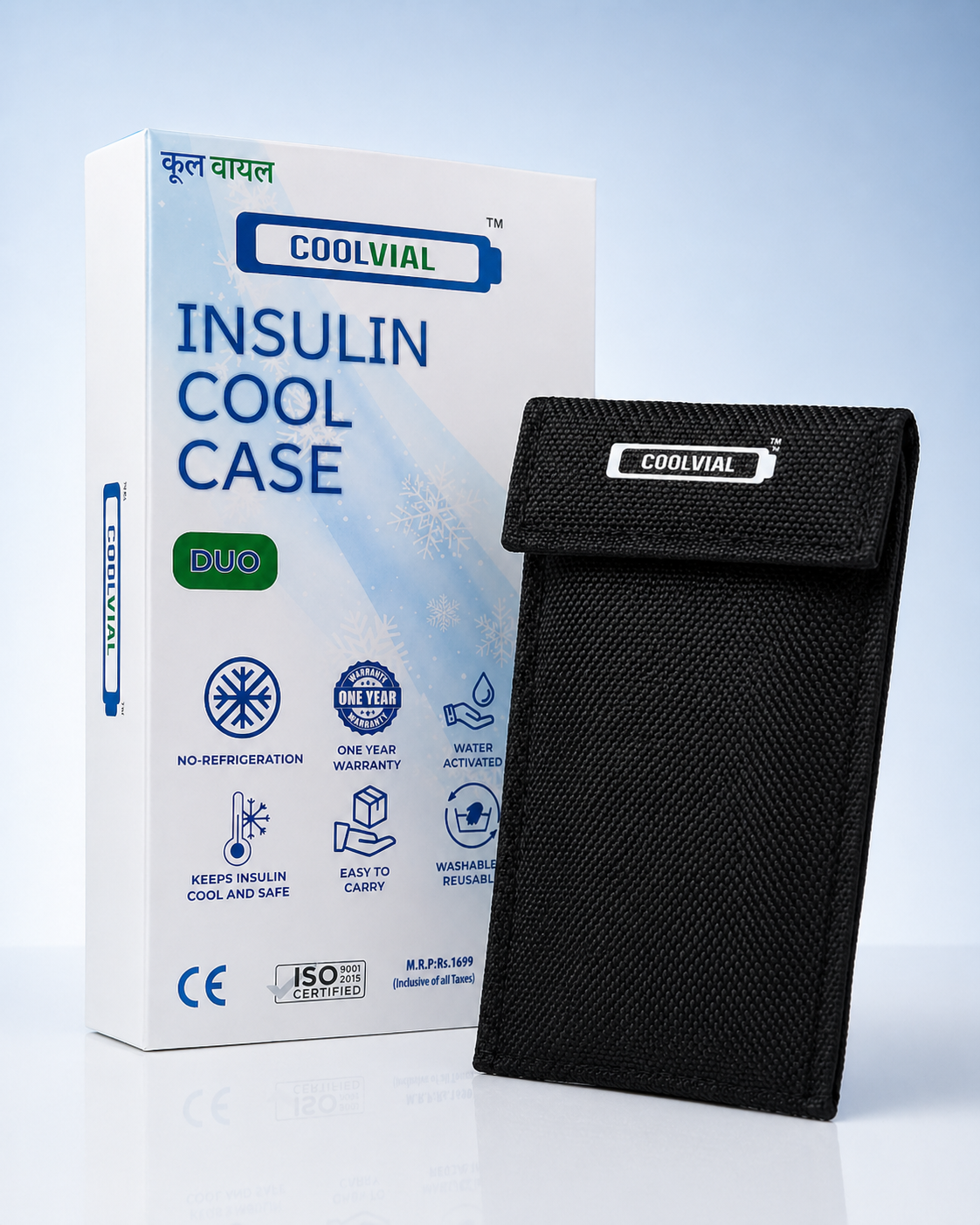
Given the extreme temperatures in Kanpur, a reliable insulin cooling case is not a luxury but a necessity for anyone needing to transport insulin daily. Evaporative cooling cases, activated by water, are an excellent choice for the Indian climate as they don’t require electricity or ice packs.
-
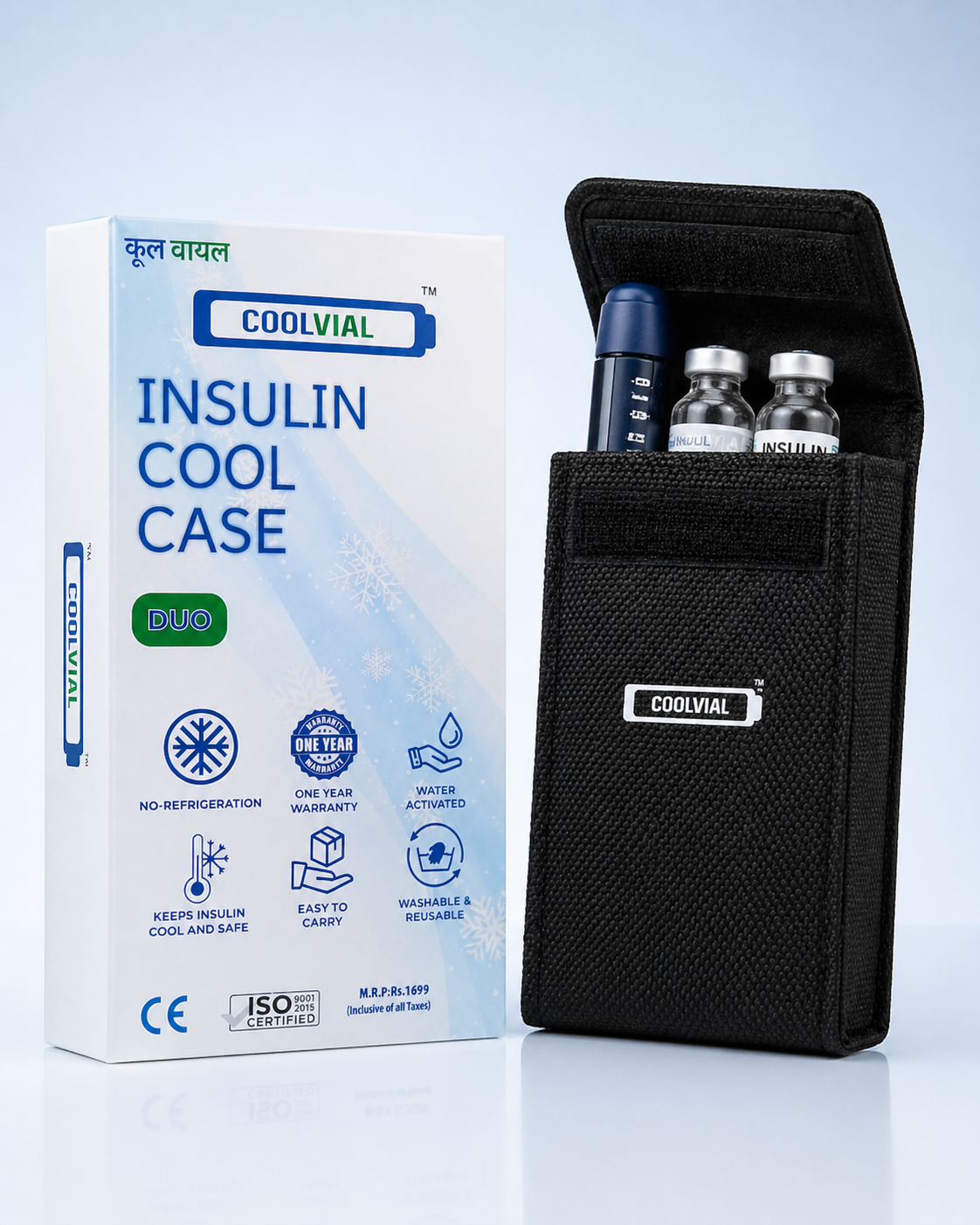
COOLVIAL Duo: Your Trusted Commute Partner The COOLVIAL Duo is specifically designed for Indian conditions, offering 12-16 hours of cooling without electricity. It’s compact, durable, and can hold 2 insulin pens plus 1 vial, making it ideal for daily commutes. It’s CE certified and ISO 9001:2015 compliant, ensuring quality and safety.
- Price: Rs 1,099 (with code COOLHEAL, MRP Rs 1,699)
- Capacity: 2 pens + 1 vial
- Cooling Duration: 12-16 hours
- Certification: CE, ISO 9001:2015
- Warranty: 1 year
- Made in India: Built for local needs.
-
Comparison with Other Options:
- FRIO: A well-known international brand, FRIO pouches offer similar evaporative cooling. However, they are typically priced higher, often around Rs 1,900 for comparable capacity.
- Outer Woods OW-12: Another Indian option, the OW-12 is often priced slightly lower at around Rs 999. While it provides cooling, the COOLVIAL Duo offers a robust design and a proven track record, making it a reliable choice for the demanding Kanpur environment.
Choosing a dedicated cooling case like the COOLVIAL Duo ensures your daily commute with insulin is stress-free, knowing your medication is protected. For more detailed information on proper storage, check out our insulin storage tips.
4. Navigating Kanpur Metro with Insulin
The Kanpur Metro (Orange Line) offers a modern, air-conditioned alternative for commuters. While AC coaches provide a much cooler environment than buses or autos, it’s still wise to take precautions.
-
AC Reliability and Seat-Side Temperatures:
- Kanpur Metro coaches are typically well air-conditioned, maintaining temperatures around 22°C-26°C. This is generally safe for insulin.
- However, during peak hours, coaches can get crowded, and seat-side temperatures might rise slightly due due to body heat. Also, occasional AC glitches, though rare, can occur.
-
Best Practices for Metro Commute:
- Always use a cooling case: Even in AC, an evaporative cooling case like COOLVIAL Duo provides an extra layer of protection against unexpected temperature fluctuations or delays.
- Avoid direct sunlight: While metro windows are often tinted, try to keep your bag away from direct sunbeams if possible, especially on longer routes.
- Keep it accessible: Store your insulin in an easily accessible part of your bag, not buried deep, in case you need to check it or administer a dose.
- Plan for transfers: If your commute involves transfers or walking outside metro stations (e.g., from IIT Kanpur to Civil Lines), your insulin will be exposed to ambient temperatures. Ensure your cooling case can handle this brief exposure.
5. Tips for Bus and Auto-rickshaw Commutes in Kanpur
This is where the real challenge lies for daily commute with insulin in Kanpur, especially during summer. Non-AC city buses and auto-rickshaws are ubiquitous but offer little protection from the heat.
-
Non-AC City Buses:
- Temperatures: Can reach 38°C-42°C inside during summer. Even in winter, temperatures might be above 25°C on a sunny day.
- Strategy: Your COOLVIAL Duo is indispensable here. Keep it close to your body, away from windows or engine heat.
- Seating: Try to secure a seat away from direct sunlight (if possible) and not directly over the engine compartment.
-
Auto-rickshaws and E-rickshaws:
- Shade vs. Sun: While autos offer some shade from the roof, open sides mean significant exposure to ambient air and direct sun, especially for hands and bags.
- Ride-sharing AC Denial Culture: In shared autos or taxis, asking for AC might be met with resistance or extra charges. Do not rely on shared rides for AC.
- Strategy:
- Cooling Case is a Must: No exceptions for this mode of transport.
- Positioning: Keep your COOLVIAL Duo on your lap or between your feet, shielded by your body from direct sun and wind. Avoid placing it on the hot metal floor or seat.
- Short Rides: For very short rides (under 15-20 minutes) in cooler weather, a cooling case might seem overkill, but it’s always the safest bet.
-
Two-wheeler Dickey (NEVER!):
- Extreme Heat Trap: A two-wheeler’s dickey (under-seat storage) is a closed compartment that heats up rapidly and intensely, especially when parked in the sun or during a ride. Temperatures can easily exceed 60°C.
- Insulin Degradation: Insulin will become ineffective in minutes at these temperatures. It’s a critical error to store insulin here.
- Alternative: If you must travel by two-wheeler, carry your COOLVIAL Duo in a backpack or sling bag that keeps it closer to your body and away from direct engine heat, ensuring it stays well within its operating temperature range.
6. Safeguarding Insulin at Work or College in Kanpur
Your daily commute with insulin doesn’t end when you reach your destination. Proper storage at your office (e.g., near JK Temple or Z Square Mall) or college (e.g., GSVM Medical College) is equally vital.
- Office Storage:
- Fridge Access: If available, store your insulin pen/vial in the office refrigerator (2°C-8°C). Label it clearly to avoid confusion.
- Desk Drawer: If no fridge, keep your COOLVIAL Duo in a cool, dark desk drawer. Avoid placing it near windows, direct sunlight, or heat-emitting electronics like computers or printers.
- Lunch Storage: If you carry insulin for administration with lunch, keep it in your cooling case until ready to use. Do not leave it in a non-insulated lunch bag.
7 Proven Strategies for a Safe Daily Commute With Insulin in Kanpur — Tips for Metro, Bus & Auto
- School/College Backpack Storage (Type 1 Children & Young Adults):
- Dedicated Pouch: Always use a cooling case like the COOLVIAL Duo. Educate children and young adults about its importance.
- Locker/Cubby: If lockers are available, store the cooling case there, away from direct sun.
- Classroom/Library: Keep the case in a backpack, ensuring the backpack is placed in a shaded area of the classroom or library, not near a window or in direct sun.
- Lunch Break: Insulin for lunch should be kept in the cooling case until mealtime.
- Allen Forest Zoo / Moti Jheel: If on an outing or picnic at places like Allen Forest Zoo or Moti Jheel, your COOLVIAL Duo is crucial. Keep it in the shade, away from direct ground heat.
7. Essential Dos and Don’ts for Insulin Storage During Commute
To summarize and reinforce the best practices for your daily commute with insulin in Kanpur:
DOs:
- DO invest in a high-quality evaporative cooling case like the COOLVIAL insulin cool case for every commute.
- DO activate your cooling case properly with water before each use.
- DO keep your insulin in the cooling case at all times during transit and at your destination if no refrigeration is available.
- DO choose AC transport (Kanpur Metro) whenever possible, but still use your cooling case for added protection.
- DO store your insulin in a cool, dark place at your destination (office fridge, shaded drawer).
- DO check your insulin regularly for any signs of spoilage (cloudiness, discoloration, particles).
- DO educate family members, especially children, on the importance of proper insulin storage.
DON’Ts:
- DON’T ever store insulin in a two-wheeler dickey or glove compartment. The temperatures are lethal for insulin.
- DON’T leave insulin in a parked car, even for a few minutes. Car interiors can heat up rapidly.
- DON’T expose insulin to direct sunlight, even through a window. UV rays and heat are damaging.
- DON’T rely on basic insulated lunch bags or ice packs that melt quickly for long commutes in Kanpur’s heat.
- DON’T freeze insulin. If it freezes, discard it.
- DON’T assume that because an insulin pen is in your bag, it’s safe from the heat. Unless it’s in a cooling case, it’s at risk.
- DON’T ignore changes in your blood sugar levels; this could be a sign of degraded insulin.
Frequently Asked Questions (FAQ)
Q: How long can insulin be exposed to high temperatures like 40°C in Kanpur? A: Insulin’s potency can significantly degrade within minutes to an hour when exposed to temperatures as high as 40°C. For safe and effective use, it should be kept below 25-30°C, ideally in a cooling case during Kanpur’s hot summers.
Q: Is it safe to carry insulin in a regular backpack during a 1-hour bus commute in Kanpur summer? A: No, it is not safe to carry insulin in a regular backpack during a 1-hour bus commute in Kanpur’s summer. Internal temperatures in a non-AC bus can reach 38-42°C, compromising insulin potency within that timeframe.
Q: Can I store my insulin in my office desk drawer if there’s no fridge at my workplace near Civil Lines? A: If no refrigerator is available, storing your insulin in a dedicated evaporative cooling case, placed in a cool, dark desk drawer away from sunlight and heat-emitting electronics, is the recommended method for maintaining its temperature stability.
Q: What is the best way to transport insulin on a two-wheeler in Kanpur? A: The best way to transport insulin on a two-wheeler in Kanpur is to carry it in an evaporative cooling case like COOLVIAL Duo, placed in a backpack or sling bag on your back, never in the two-wheeler’s dickey.
Q: How does the Kanpur Metro’s AC affect insulin storage compared to a bus? A: The Kanpur Metro’s AC maintains a much safer temperature (22-26°C) for insulin compared to a non-AC bus (38-42°C in summer). However, using a cooling case is still advisable for extra protection against rare AC issues or external exposure during transfers.
Q: My child travels by school bus from Govind Nagar to school. What’s the safest way for them to carry insulin? A: Your child should carry their insulin in a child-friendly evaporative cooling case, such as the COOLVIAL Duo, securely placed inside their school bag. Educate them on keeping the bag out of direct sunlight and away from heat sources.
Q: How often should I reactivate my COOLVIAL Duo during a long day of commuting and work in Kanpur? A: The COOLVIAL Duo provides 12-16 hours of cooling per activation. For a typical daily commute and work schedule in Kanpur, activating it once in the morning should suffice. For exceptionally long days or very extreme heat, a re-activation might be considered.
Conclusion and Special Offer
Managing diabetes in a vibrant city like Kanpur requires vigilance, especially when it comes to protecting your vital medication. The extreme temperatures and varied transport options pose significant challenges, but with the right knowledge and tools, a safe daily commute with insulin is entirely achievable. Prioritizing proper insulin storage is not just about convenience; it’s about safeguarding your health and ensuring the efficacy of your treatment.
Don’t let Kanpur’s climate compromise your health. Invest in a reliable solution that gives you peace of mind. The COOLVIAL Duo is designed with your needs in mind, offering a practical, affordable, and effective way to keep your insulin cool and potent, no matter where your day takes you in Kanpur.
Order COOLVIAL Duo at Rs 1,099 with code COOLHEAL at coolvial.com or via WhatsApp wa.me/918766952300 today and take control of your insulin safety!
Methodology Note
How We Researched This — This article is based on a comprehensive review of RSSDI (Research Society for the Study of Diabetes in India) guidelines for insulin storage, ICMR-INDIAB data on diabetes prevalence and regional climate, local Kanpur hospital directories (including LLR Hospital/GSVM Medical College, Regency Hospital, Madhuraj Hospital), and information from pharmacy networks like Apollo Pharmacy and MedPlus regarding local patient queries and product availability. Local temperature data for Kanpur was cross-referenced with meteorological archives and anecdotal reports from local commuters.
Medical Disclaimer
This article is for general information purposes only and should not be considered medical advice. Always consult your endocrinologist or diabetologist before making any changes to your insulin storage or dosing practices.
7 Proven Strategies for a Safe Daily Commute With Insulin in Kanpur — Tips for Metro, Bus & Auto
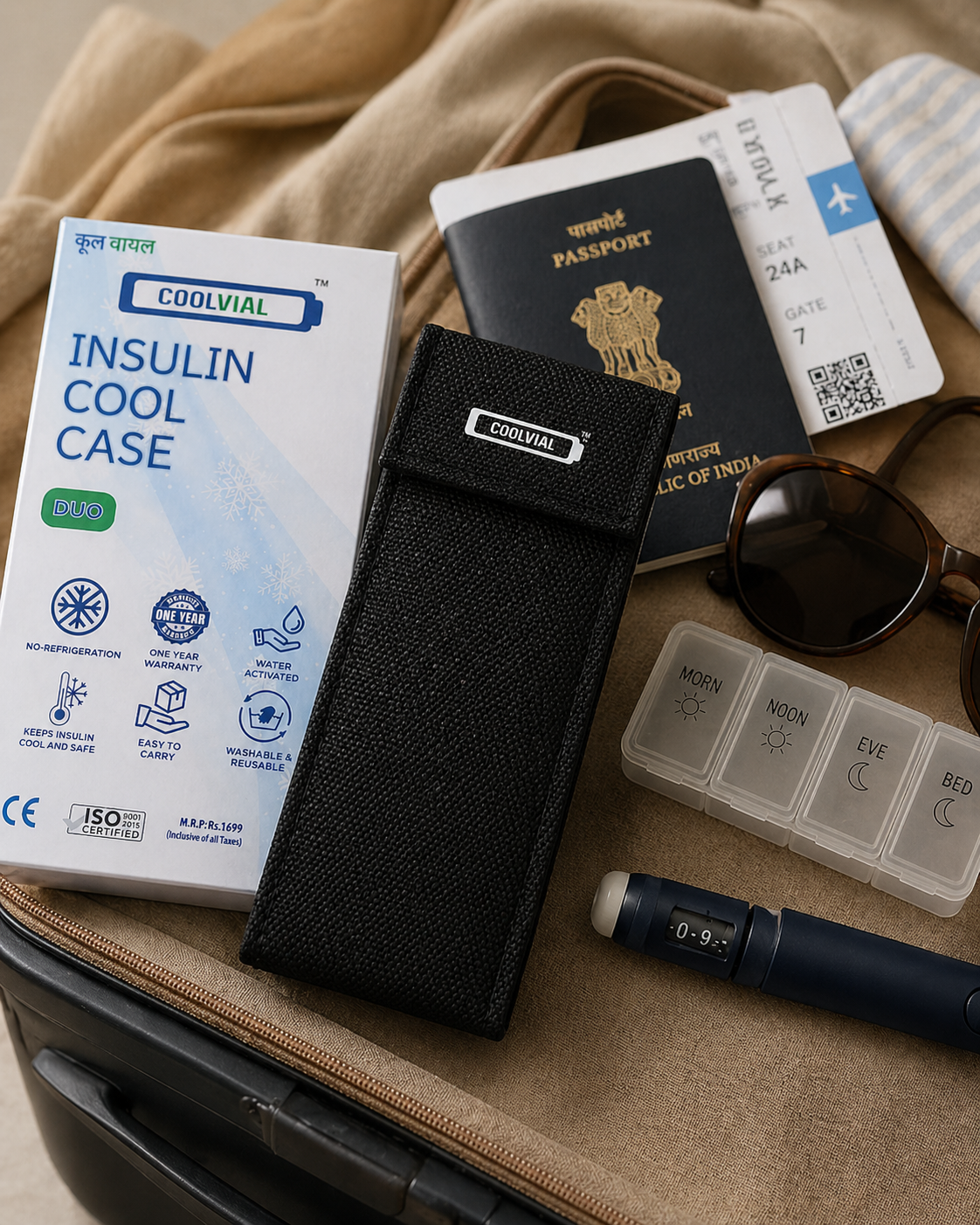
48+ hours at 2-8°C. No electricity. CE certified. Free delivery across India.
Order on WhatsApp — ₹1,099🛒 Buy Now — ₹1,099