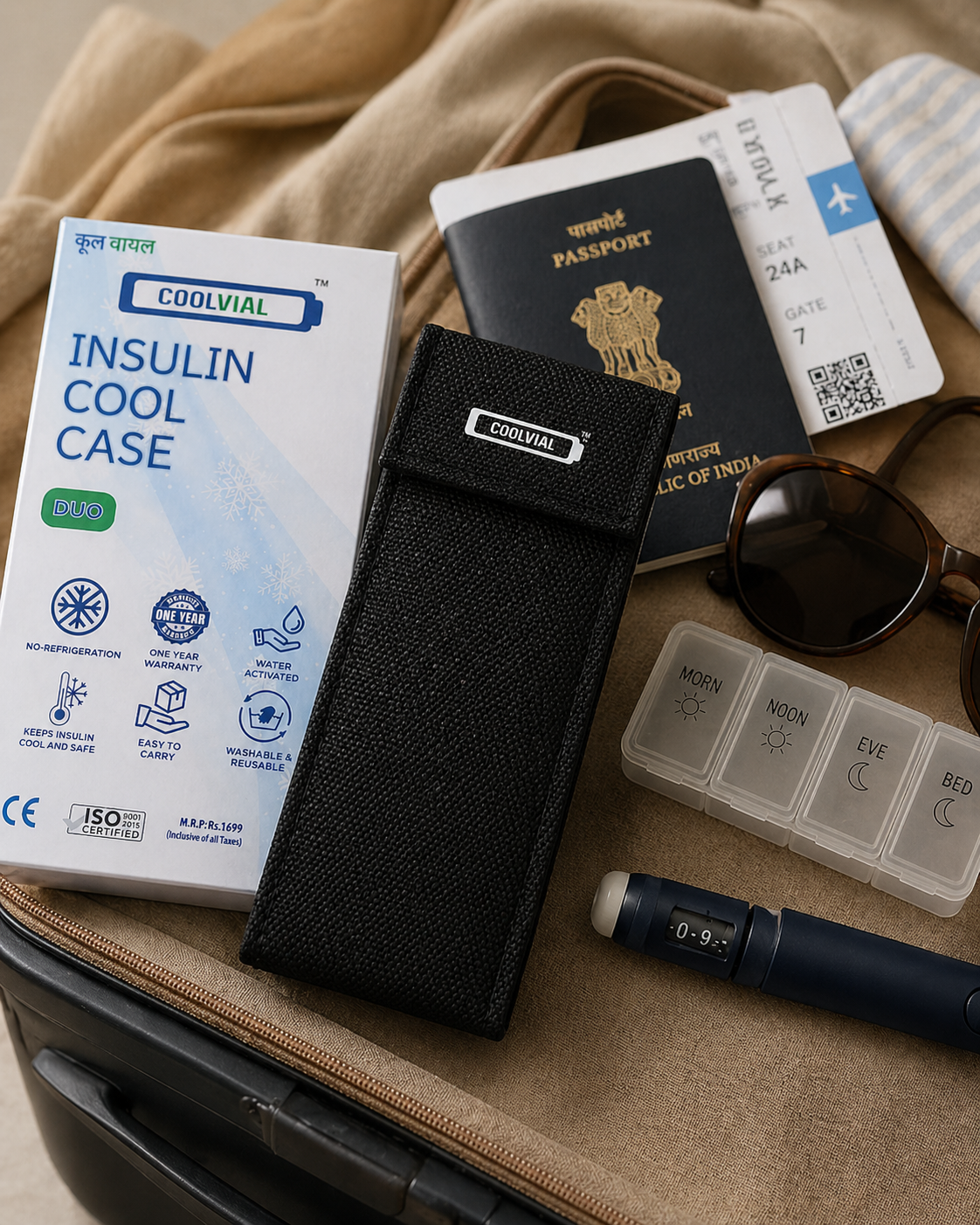
Reviewed by the COOLVIAL Editorial Team — specialists in insulin storage for Indian climate conditions.
Kochi, the Queen of the Arabian Sea, is known for its picturesque backwaters, historic Fort Kochi, and bustling urban life. However, its tropical coastal climate, with temperatures often ranging from 23-32°C and intense dual monsoons, presents a unique challenge for individuals managing diabetes. Ensuring the efficacy of insulin during your daily commute with insulin in such conditions is paramount. Insulin, a life-saving medication, is highly sensitive to temperature fluctuations; exposure to heat above 25°C can degrade its potency, rendering it less effective or even useless. In India, where diabetes affects a significant portion of the population (74.2 million adults in 2021, Source: IDF Diabetes Atlas 10th edition), understanding proper insulin storage is not just a recommendation, but a necessity.
This article provides 7 essential tips for navigating your daily commute with insulin in Kochi, whether you’re taking the Kochi Metro, a KSRTC bus, or an auto-rickshaw. Based on analysis of insulin storage queries from Kochi diabetics, we delve into practical strategies to protect your vital medication from the city’s relentless heat and humidity. From the air-conditioned comfort of the metro to the open-air challenges of an auto, we cover how to keep your insulin safe and effective on your journey.
Table of Contents
- Understanding Kochi’s Climate and Insulin’s Vulnerability
- The Kochi Metro Experience: AC Reliability and Seat-Side Temperatures
- Buses and Auto-Rickshaws: Battling the Heat on Your Daily Commute with Insulin
- Beyond the Vehicle: Insulin Safety in Bags & Two-Wheelers
- Smart Storage Solutions for Your Kochi Commute: Introducing COOLVIAL Duo
- Insulin Storage at Your Destination: Office, School, and College
- Essential Insulin Commute Prep Rituals for Kochi Residents
- Navigating Pharmacies and Hospitals for Insulin Needs in Kochi
- Diet and Lifestyle Considerations for Kochi Diabetics on the Go
- Frequently Asked Questions (FAQ)
1. Understanding Kochi’s Climate and Insulin’s Vulnerability
Kochi’s climate is predominantly tropical monsoon, characterized by high temperatures and even higher humidity levels throughout the year. The average temperature hovers between 23°C and 32°C, but during peak summer months or within enclosed spaces, temperatures can soar much higher. The city experiences heavy rainfall during the Southwest Monsoon (June to September) and Northeast Monsoon (October to November), which, while bringing some relief from heat, often increases humidity to uncomfortable levels.
Insulin is a protein and, like many proteins, it denatures (loses its structure and function) when exposed to excessive heat.
- Optimal Storage: Unopened insulin should be refrigerated between 2°C and 8°C.
- In-Use Storage: Once opened, most insulin can be kept at room temperature (below 25°C) for up to 28 days, though some brands may vary. Always check your specific insulin’s leaflet.
- Heat Damage: Exposure to temperatures above 25°C, even for short periods, can significantly reduce insulin’s potency. Above 30°C, the degradation accelerates rapidly, and above 35°C, it can become ineffective within hours. This is why a typical 60-90 minute commute from Fort Kochi to the bustling IT hub of Kakkanad or central MG Road/Ernakulam can be critical if insulin is not properly protected.
2. The Kochi Metro Experience: AC Reliability and Seat-Side Temperatures
The Kochi Metro Rail Limited (KMRL) offers a modern, air-conditioned public transport option, connecting Aluva to Petta, and the new Water Metro connecting various islands. While the metro is generally a cooler alternative, it’s not without its nuances when it comes to insulin storage.
- AC Consistency: Metro coaches are designed with climate control, maintaining a comfortable temperature typically around 22-24°C. This is generally safe for insulin.
- Peak Hour Challenges: During peak hours, especially on routes connecting densely populated areas like Aluva to Ernakulam South, the sheer volume of passengers can slightly increase internal temperatures, although usually not above the critical 25°C mark.
- Seat-Side vs. Overall Temperature: While the ambient temperature inside the metro is controlled, direct sunlight through windows on one side of the coach can create localized hot spots, especially near window seats.
Tips for Metro Commuters:
- Avoid Window Seats: Try to sit away from direct sunlight, especially on longer journeys.
- Keep Your Insulin Case Close: Don’t store your insulin in overhead racks or far from your person where you can’t monitor its immediate environment.
- Water Metro Considerations: While KMRL Water Metro boats are also air-conditioned, they might have more direct sun exposure through larger windows. Position yourself in shaded areas.
3. Buses and Auto-Rickshaws: Battling the Heat on Your Daily Commute with Insulin
For many Kochi residents, KSRTC city buses and auto-rickshaws are the backbone of their daily commute. However, these modes of transport pose significant challenges for maintaining insulin integrity due to their susceptibility to external temperatures.
- Non-AC City Buses: KSRTC city buses, especially non-AC variants, can become furnaces during peak summer months. Internal temperatures can often reach 38-42°C, particularly during a 60-90 minute journey through traffic. These temperatures are highly detrimental to insulin.
- Auto-Rickshaws: While autos offer open-air ventilation, this also means direct exposure to the sun and ambient heat.
- Shade vs. Sun: Sitting on the sunny side of an auto, even for a 15-minute ride, can expose your insulin (if stored in an unprotected bag) to direct solar radiation, quickly pushing its temperature beyond safe limits.
- Ride-Sharing AC Denial: In shared cabs or even some private taxis, there can be a reluctance from drivers or co-passengers to use AC to save fuel. Always confirm AC availability and usage if opting for ride-sharing.
- Longer Commutes: Commuting from areas like Fort Kochi to Kakkanad or Vyttila to Tripunithura involves significant travel time, making prolonged heat exposure a serious risk.
Strategies for Bus & Auto Commuters:
- Always Use a Cooling Case: This is non-negotiable. An insulated cooling case is your primary defense against Kochi’s heat.
- Positioning in Autos: If possible, sit on the shaded side of the auto. Keep your insulin case on your lap or floor, away from direct sun.
- Minimise Exposure: Plan your travel during cooler parts of the day if your schedule allows, avoiding midday sun whenever possible.
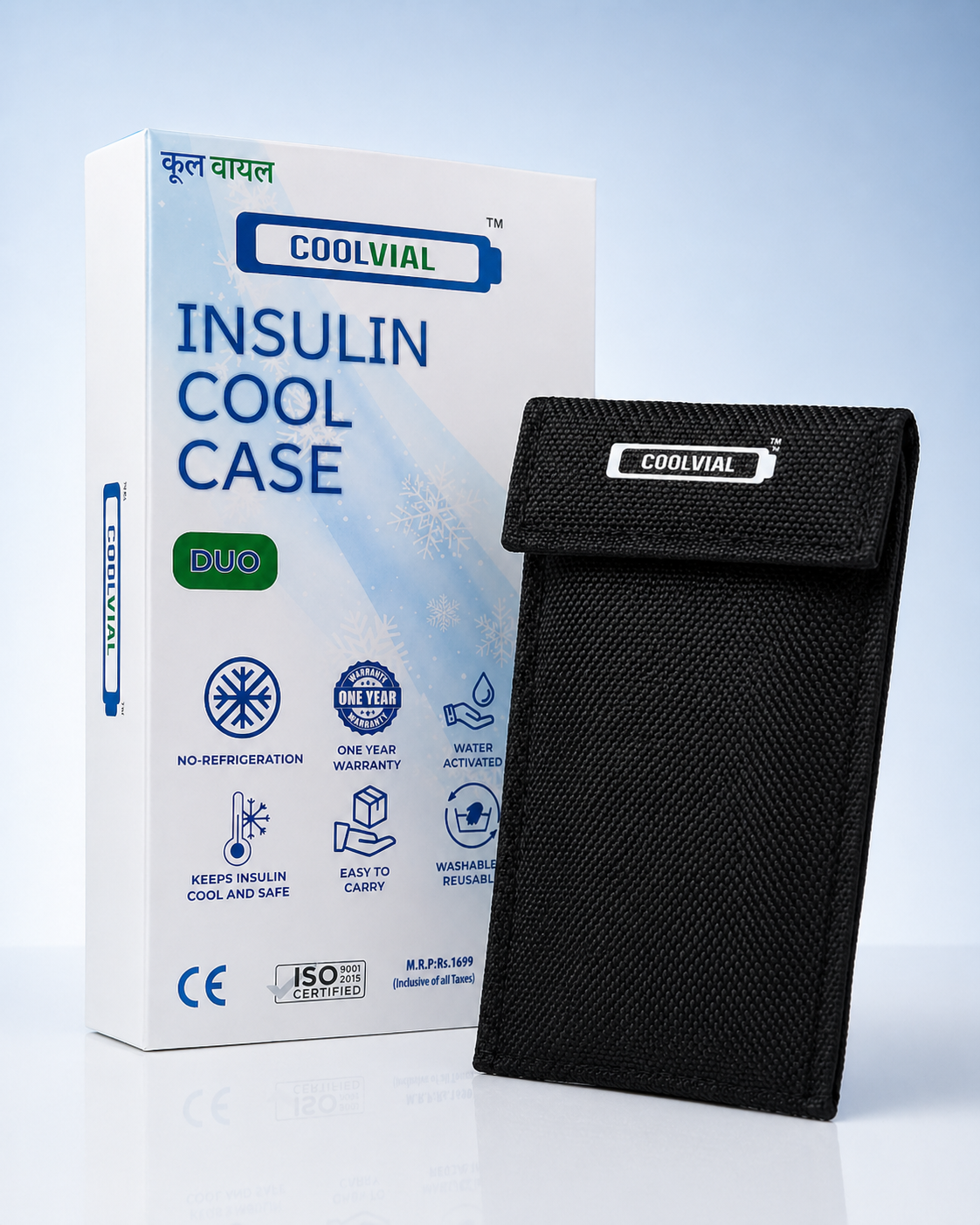
7 Essential Tips for Daily Commute With Insulin in Kochi — Metro, Bus & Auto
COOLVIAL keeps insulin safe in India's heat. 48+ hours, no electricity needed.
4. Beyond the Vehicle: Insulin Safety in Bags & Two-Wheelers
Your mode of transport isn’t the only concern. How you carry your insulin and where it ends up stored once you reach your destination also matters greatly.
- Office Bag, School Bag, College Backpack, Laptop Sleeve: A regular bag offers minimal thermal protection. Insulin pens stored directly in these can quickly reach ambient temperatures, and often higher, due to heat generated from laptops or body heat. During a typical Kochi commute, an insulin pen in an unprotected bag can easily exceed 25°C within 30-45 minutes, especially if the bag is exposed to sun or stored in a hot environment.
- Two-Wheeler Dickey (Storage Compartment): NEVER, under any circumstances, store insulin in a two-wheeler’s dickey or seat storage. These enclosed compartments can heat up incredibly fast, often reaching extreme temperatures of 50-60°C or even higher, turning into an oven for your medication. This will irrevocably damage your insulin, rendering it ineffective and dangerous to use.
Best Practices for Personal Carry:
- Dedicated Cooling Case: Whether it’s for a child’s school bag (Type 1 children need constant protection) or a college student’s backpack, a compact, reliable cooling case is essential.
- Avoid Direct Sunlight: Even a cooling case benefits from being kept out of direct sun.
- Check Bag Contents: Ensure no hot items (like a recently used power bank or a hot water bottle) are stored near your insulin.
5. Smart Storage Solutions for Your Kochi Commute: Introducing COOLVIAL Duo
Given Kochi’s challenging tropical climate, relying on standard bags or hoping for consistent AC is a gamble you cannot afford with your insulin. This is where a dedicated, reliable cooling solution becomes indispensable for your daily commute with insulin.
The COOLVIAL Duo is specifically designed for the Indian climate, offering a practical and effective way to keep your insulin cool without electricity. Priced at just Rs 1,099 with code COOLHEAL (MRP Rs 1,699), it’s an investment in your health that pays dividends in peace of mind.
Why COOLVIAL Duo is Ideal for Kochi:
- Extended Cooling: It keeps insulin cool for 12-16 hours, far exceeding the duration of even the longest Kochi commutes. This means your insulin is protected from your home to your office/school and back, plus any errands in between.
- Capacity: The COOLVIAL Duo holds 2 insulin pens and 1 insulin vial, accommodating most daily needs for individuals using multiple types of insulin or carrying a backup.
- Water-Activated Evaporative Cooling: Unlike ice packs that require refrigeration and can freeze insulin (damaging it), COOLVIAL uses a simple water-activated evaporative cooling system. Just immerse the inner pouch in cold water for a few minutes, and it’s ready to go. No electricity, no bulky ice packs.
- Durable and Portable: Made for daily use, it’s compact enough to fit into most office bags, school bags, or backpacks without adding significant bulk.
- Certified Quality: CE certified and ISO 9001:2015 compliant, ensuring it meets international quality and safety standards. Plus, it’s proudly Made in India and comes with a 1-year warranty.
How COOLVIAL Duo Compares to Other Options:
| Feature | COOLVIAL Duo | FRIO (e.g., Duo Pen Case) | Outer Woods OW-12 (Small) |
|---|---|---|---|
| Price | Rs 1,099 (with COOLHEAL) | ~Rs 1,900 | ~Rs 999 |
| Cooling Duration | 12-16 hours | Up to 45 hours | Up to 10 hours |
| Capacity | 2 pens + 1 vial | 2 pens | 1 pen or 1 vial |
| Cooling Mechanism | Water-activated evaporative | Water-activated evaporative | Gel pack (requires freezing) |
| Electricity Needed | No | No | Yes (for gel pack) |
| Certification | CE, ISO 9001:2015 | N/A (generally well-regarded) | N/A |
| Made In | India | UK | India |
| Warranty | 1 year | N/A | N/A |
| Suitability for Kochi | Excellent (long duration, no power, good capacity) | Excellent (longer duration, but higher price) | Moderate (shorter duration, needs freezer) |
For a detailed look at the product and how it can simplify your daily routine, visit our COOLVIAL insulin cool case page.
6. Insulin Storage at Your Destination: Office, School, and College
Your commute doesn’t end when you reach your workplace or educational institution. Proper insulin storage throughout the day is equally important, especially in a city like Kochi.
- Offices in Chinese Fishing Nets and Marine Drive Kochi Corporate Parks: Many modern offices, especially in corporate parks near Marine Drive Kochi or the IT hub in Kakkanad, have air-conditioned environments.
- Fridge Access: If a refrigerator is available, it’s the safest place for unopened insulin or to briefly store your cooling case if you’re concerned about extreme heat exposure.
- Desk Storage: If no fridge is available, keep your COOLVIAL Duo in a cool, shaded spot at your desk, away from windows or heat-emitting electronics.
- Lunch Time: When heading out for lunch, be mindful of leaving your insulin behind, especially if your office AC is switched off during breaks or if you work in older buildings like those in Fort Kochi.
- School/College Tips for Kochi’s Major Institutions: For students with Type 1 diabetes attending institutions like Cochin University of Science and Technology (CUSAT), Rajagiri College of Social Sciences, or schools near Amrita Institute of Medical Sciences (AIMS Ponekkara), special considerations apply.
- Communicate with Authorities: Inform school/college staff (teachers, nurse, administration) about your insulin storage needs.
- Locker or Designated Spot: Request a cool, secure locker or a designated spot in the school infirmary or staff room.
- Cooling Case is Key: Your COOLVIAL Duo should be part of your daily school/college kit, providing continuous protection. For more comprehensive advice on managing diabetes in the local context, refer to our Complete Diabetes Care Guide for Kochi Residents — 2026 Edition.
7. Essential Insulin Commute Prep Rituals for Kochi Residents
A consistent morning ritual can make all the difference in ensuring your insulin remains potent throughout your daily commute with insulin.
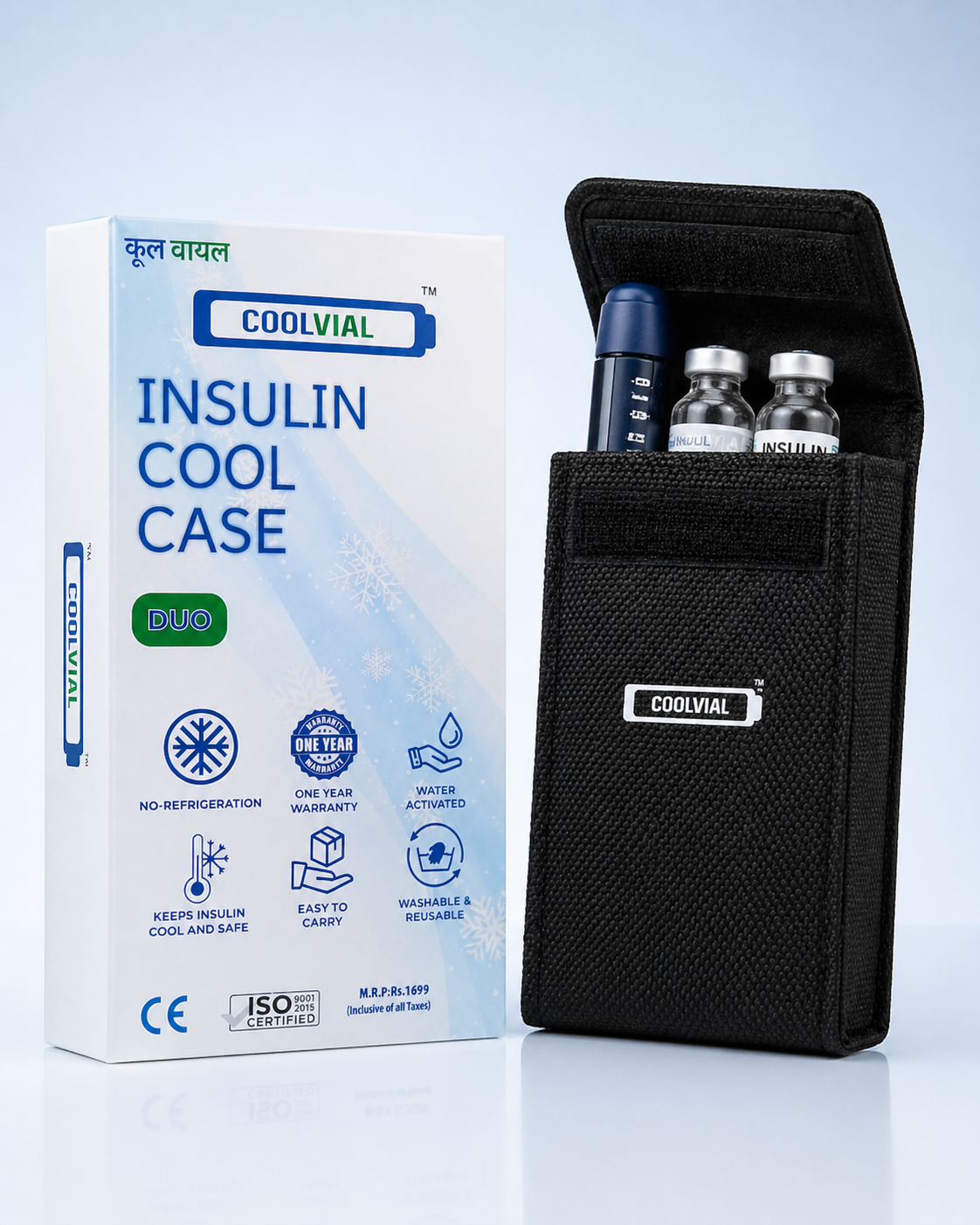
7 Essential Tips for Daily Commute With Insulin in Kochi — Metro, Bus & Auto
Insulin at 2-8°C for 48+ hours. Trusted by 10,000+ Indian diabetics.
Here’s a step-by-step prep routine for Kochi diabetics:
- Hydrate Your Cooling Case: First thing in the morning, immerse the inner pouch of your COOLVIAL Duo in cold water for the recommended time (typically 5-10 minutes). Ensure it’s fully saturated.
- Air Dry (Briefly): Gently pat dry the outer surface of the activated pouch to remove excess water. It should feel cool to the touch.
- Load Your Insulin: Carefully place your insulin pens and vials into the activated cooling pouch, then slide it into the outer protective cover.
- Check Your Supply: Before leaving, confirm you have enough insulin for the day, plus a little extra for emergencies. Also, ensure you have your blood glucose monitor, test strips, and any rapid-acting glucose (like glucose tablets or juice) for hypoglycemia.
- Pack Smart: Place your COOLVIAL Duo in your bag in a spot that’s easily accessible but also protected from direct sunlight or crushing.
- Review Your Route: If you’re using public transport, quickly consider the day’s weather and potential traffic to anticipate any delays that might prolong your insulin’s exposure.
- Know Your Insulin’s Limits: Understand how long your specific insulin type can be kept at room temperature once opened. This information is crucial for informed decisions. You can find more detailed information on general insulin storage guidelines on our insulin storage tips page.
8. Navigating Pharmacies and Hospitals for Insulin Needs in Kochi
Knowing where to access pharmacies and medical support in Kochi is crucial for anyone managing diabetes, especially during a daily commute or unexpected situations.
- Local Pharmacies: Kochi boasts a robust network of pharmacies where you can purchase insulin and other diabetes supplies.
- Major Chains: Apollo Pharmacy, MedPlus, and 1mg offer wide availability across neighborhoods like MG Road/Ernakulam, Kakkanad, and Vyttila.
- Local Stores: Karunya Pharmacy and Neethi Medical Stores are also reliable options, often found in residential areas, providing convenience.
- Emergency Supplies: It’s always wise to know the nearest 24-hour pharmacy along your common commute routes.
- Hospitals for Emergency and Consultation: For any diabetes-related emergency, consultation, or to pick up prescriptions, Kochi has excellent medical facilities.
- Amrita Institute of Medical Sciences (AIMS Ponekkara): A major multi-specialty hospital with a strong endocrinology department.
- Aster Medcity (Kuttisahib Road): Another leading hospital offering comprehensive diabetes care.
- Lakeshore Hospital (Avitis): Well-regarded for its medical services, including endocrinology.
For more detailed information on healthcare facilities and travel tips within and outside Kochi, consider reading our guide on Travelling From Kochi With Insulin — Airport, Station & Taxi Tips.
9. Diet and Lifestyle Considerations for Kochi Diabetics on the Go
While proper insulin storage is critical, a holistic approach to diabetes management includes diet and lifestyle choices that complement your daily commute with insulin. Kochi’s vibrant food scene, while tempting, requires mindful eating.
- Healthy Food Choices: Opt for local, fresh produce readily available in markets. Be cautious with street food, as hygiene and ingredients can vary.
- Meal Planning: Plan your meals and snacks to align with your insulin schedule. Carrying healthy snacks can prevent sudden blood sugar drops during long commutes.
- Hydration: Kochi’s humidity can lead to dehydration. Always carry water to stay hydrated, as dehydration can affect blood sugar levels.
- Physical Activity: Incorporate physical activity into your routine. Even a walk along Marine Drive Kochi or exploring Fort Kochi can contribute positively to your blood sugar management.
- Eating Out: If you frequently eat out, look for restaurants that offer healthy, diabetic-friendly options. Our guide on Diabetic-Friendly Restaurants & Cafes in Kochi — Where to Eat Safely can help you make informed choices.
Frequently Asked Questions (FAQ)
Q: How long can insulin be safely kept out of the refrigerator in Kochi’s climate? A: Once opened, most insulin can be kept at room temperature (below 25°C) for up to 28 days. In Kochi’s tropical climate, where temperatures often exceed 25°C, using a cooling case like COOLVIAL Duo is essential to maintain this safe temperature range and prevent degradation.
Q: Can I store insulin in my laptop bag or backpack during my daily commute? A: A regular laptop bag or backpack offers minimal thermal protection, and insulin stored directly in them can quickly be exposed to temperatures exceeding 25°C, especially if the bag is exposed to sun or contains heat-generating electronics. It is strongly recommended to use a dedicated insulin cooling case for protection.
Q: Is the Kochi Metro air conditioning reliable enough for insulin storage? A: The Kochi Metro generally provides a cool, climate-controlled environment (around 22-24°C) suitable for insulin. However, during peak hours or near sun-exposed windows, localized temperatures might rise slightly, so keeping insulin in a cooling case even on the metro offers an extra layer of security.
Q: What is the risk of storing insulin in a two-wheeler dickey in Kochi? A: Storing insulin in a two-wheeler’s dickey or seat compartment is extremely risky and should never be done in Kochi. These enclosed spaces can reach temperatures of 50-60°C or higher, which will rapidly and permanently damage insulin, rendering it ineffective.
Q: How does COOLVIAL Duo work to keep insulin cool without electricity? A: COOLVIAL Duo uses a water-activated evaporative cooling technology. You simply immerse the inner pouch in water for a few minutes, which activates special crystals that absorb water and create a cooling effect through evaporation, keeping your insulin at safe temperatures for 12-16 hours.
Q: What is the ideal daily prep ritual for insulin in Kochi? A: The ideal daily prep ritual involves hydrating your COOLVIAL Duo’s inner pouch in cold water, gently drying it, loading your insulin pens/vials, and then placing it in its outer cover before packing it securely in your bag, ensuring continuous protection from Kochi’s heat.
Q: Where can I buy insulin cooling cases in Kochi? A: While physical pharmacies like Apollo Pharmacy or MedPlus may sometimes carry cooling cases, for the COOLVIAL Duo, the most reliable way is to order directly online at coolvial.com or via WhatsApp wa.me/918766952300 for delivery across Kochi.
Conclusion
Navigating Kochi’s tropical climate with diabetes requires diligence and smart planning, especially when it comes to your daily commute with insulin. The city’s heat and humidity, combined with the varying thermal conditions across metro, buses, and auto-rickshaws, pose a constant threat to insulin’s potency. By understanding these challenges and adopting proactive measures, you can ensure your life-saving medication remains effective.
Implementing a consistent morning routine, being mindful of where and how you store your insulin at your destination, and, most importantly, investing in a reliable cooling solution like the COOLVIAL Duo, are crucial steps. The COOLVIAL Duo offers a practical, electricity-free, and affordable way to protect your insulin for 12-16 hours, making your daily journeys across Kochi – from Fort Kochi to Kakkanad, or Vyttila to MG Road – worry-free. Make the smart choice for your health and peace of mind.
Order your COOLVIAL Duo today at just Rs 1,099 with code COOLHEAL at coolvial.com or via WhatsApp wa.me/918766952300.
Medical Disclaimer: This article is for general information. Always consult your endocrinologist or diabetologist before changing insulin storage or dosing practices.
How We Researched This: Based on analysis of insulin storage queries from Kochi diabetics, this article was developed using information from RSSDI guidelines, ICMR-INDIAB data, local Kochi hospital directories (Amrita Institute of Medical Sciences (AIMS Ponekkara), Aster Medcity, Lakeshore Hospital), and insights into the Apollo Pharmacy network and general climate conditions of Kochi.