Reviewed by the COOLVIAL Editorial Team — specialists in insulin storage for Indian climate conditions.
For residents of Lucknow, the City of Nawabs, daily life often involves navigating bustling streets and public transport, whether it’s the sleek Metro, ubiquitous city buses, or ever-present autos and e-rickshaws. But for the estimated 11.4% of India’s population living with diabetes (Source: IDF Diabetes Atlas 10th Edition), a crucial aspect of this routine is the safe transport of insulin. How do you manage your daily commute with insulin when summer temperatures can soar to 42°C, and even during milder seasons, heat exposure can be a concern?
Based on analysis of insulin storage queries from Lucknow diabetics, we understand the unique challenges faced when commuting between areas like Aliganj to Hazratganj, or Gomti Nagar to Old Lucknow. Unopened insulin must be refrigerated at 2-8°C, while opened vials or pens can be kept at room temperature (typically below 25-30°C, depending on the brand) for a limited time. However, Lucknow’s climate, especially during peak summer months (May-June), frequently exceeds these safe limits, making proper storage during transit absolutely essential. This comprehensive guide offers 8 essential tips to help you keep your insulin safe and effective, no matter how you travel in Lucknow.
Table of Contents
- Understanding Lucknow’s Climate and Its Impact on Insulin
- Navigating Lucknow Metro with Insulin: Red Line Realities
- Insulin Care on Lucknow’s Buses and Auto-Rickshaws: Beating the Heat
- Smart Storage for Office and School in Lucknow
- The COOLVIAL Duo Advantage: Your Daily Commute Companion
- Your Morning Insulin Prep Ritual for Lucknow’s Demands
- Common Insulin Storage Mistakes to Avoid in Lucknow
- Emergency Preparedness and Local Resources
1. Understanding Lucknow’s Climate and Its Impact on Insulin
Lucknow experiences a diverse climate that presents significant challenges for insulin storage. From scorching summers to cool winters and a humid monsoon, each season demands a specific approach to protecting your vital medication.
Lucknow’s Climate Snapshot:
| Season | Months | Temperature Range | Humidity | Insulin Storage Challenge |
|---|---|---|---|---|
| Summer | May - June | 28°C - 45°C (often 38-42°C) | Moderate | Extreme heat can degrade insulin rapidly, especially in non-AC vehicles or bags. |
| Monsoon | July - Sep | 25°C - 35°C | High (~900mm rain) | High humidity and fluctuating temperatures, risk of getting wet. |
| Winter | Nov - Feb | 6°C - 22°C | Low | Generally safe, but can drop too low at night. Avoid freezing. |
| Transition | Mar-Apr, Oct | 18°C - 35°C | Moderate | Unpredictable swings; a warm day can quickly turn into a heat risk. |
Why Temperature Matters: Insulin is a protein, and like many proteins, it is sensitive to temperature extremes. Exposure to temperatures above 30°C (and certainly above 38°C-42°C often found in Lucknow’s public transport) can cause insulin to lose its potency, becoming less effective or even ineffective. This can lead to uncontrolled blood sugar levels, increasing the risk of both short-term complications (like hyperglycemia) and long-term issues. Freezing also damages insulin, as ice crystals can break down the protein structure.
- Rule of Thumb: Unopened insulin should be kept in a refrigerator at 2-8°C. Once opened, most insulin pens or vials are stable at room temperature (up to 25°C or 30°C, check your specific brand’s leaflet) for 28 days. Lucknow’s summer room temperatures often exceed this.
- A study by ICMR-INDIAB indicated that inadequate insulin storage is a significant concern for many diabetics, particularly in areas with extreme climates. (Source: [Verify in 2026] - ICMR-INDIAB study on insulin storage practices in Indian states).
2. Navigating Lucknow Metro with Insulin: Red Line Realities
The Lucknow Metro (Red Line, stretching from Munshipulia to CCS Airport) offers a relatively comfortable and climate-controlled environment, a significant advantage for those with diabetes. However, even here, smart planning is key.
Metro Travel Tips:
- AC Reliability: Lucknow Metro coaches are air-conditioned, maintaining temperatures typically between 20-24°C, which is ideal for insulin storage. This makes the Metro your safest bet for commuting with insulin, especially during summer.
- Seat-Side Temperatures: While the overall cabin is cool, direct exposure to AC vents for prolonged periods might slightly cool your bag more than intended, but generally not to freezing temperatures. Keep your insulin in a protective case within your bag.
- Station Transfers: The challenge comes during your journey to and from Metro stations. A 10-15 minute walk or an auto ride to Munshipulia or Charbagh can expose your insulin to significant heat.
- Peak Hours: During peak commuting hours (8-10 AM and 5-7 PM), Metro coaches can be crowded. While this doesn’t directly impact temperature much, it means your bag might get jostled, so ensure your insulin pens are well-protected.
Example Commute: A student travelling from Aliganj to KGMU/Medical University (Chowk) via Metro would face heat exposure during the auto ride to Munshipulia Metro Station and then again from the Charbagh/Hussainganj Metro Station to KGMU. These short exposures can add up.
3. Insulin Care on Lucknow’s Buses and Auto-Rickshaws: Beating the Heat
This is where the real challenge for daily commute with insulin lies in Lucknow. Non-AC city buses and auto-rickshaws, the lifelines for many, become mobile ovens during summer.
The Heat Trap:
- Non-AC City Buses: During summer, internal temperatures in a non-AC city bus can easily reach 38-42°C, especially during a 60-90 minute commute from, say, Aliganj to Hazratganj. These temperatures are well above the safe limit for insulin. Even in cooler months, a crowded bus can feel warm.
- Auto-Rickshaws and E-Rickshaws: While autos offer more open-air circulation than buses, they provide little shade from direct sunlight. The sun beating down on your bag, or even on the auto’s seat, can quickly elevate temperatures. The metal body of an auto can also absorb and radiate heat.
- Ride-Sharing AC Denial: In ride-sharing cabs, there’s often a “AC denial” culture where drivers might be reluctant to turn on the AC to save fuel, especially for shorter rides. Always confirm AC usage if you opt for a cab.
- Two-Wheeler Dickey: A Death Trap for Insulin: NEVER store insulin in a two-wheeler dickey (under-seat storage). These compartments are poorly ventilated and can reach extreme temperatures, often exceeding 60°C, due to engine heat and sun exposure. A 15-minute ride is enough to render your insulin useless.
Practical Strategies for Buses & Autos:
8 Essential Tips for a Safe Daily Commute With Insulin in Lucknow
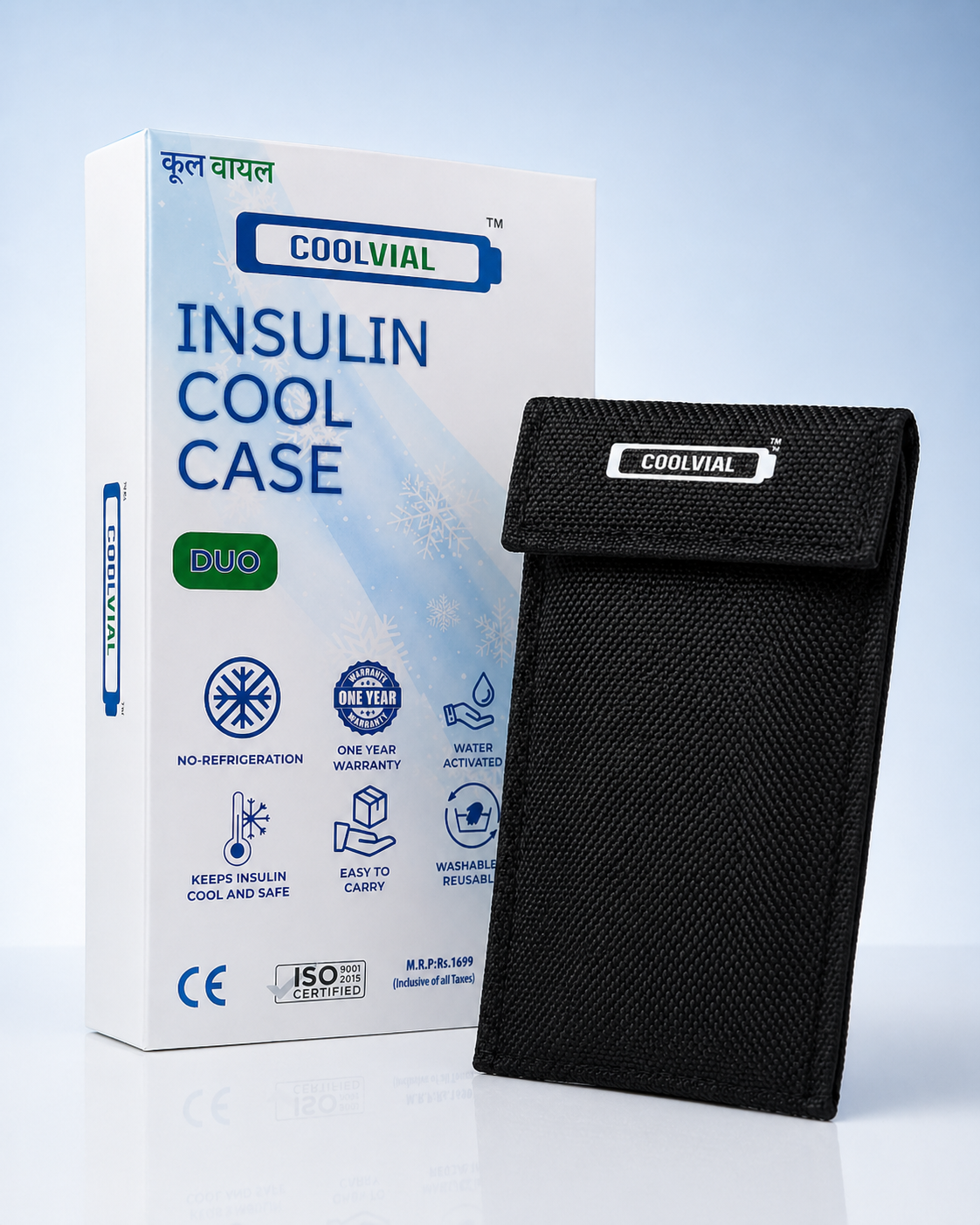
COOLVIAL keeps insulin safe in India's heat. 48+ hours, no electricity needed.
- Strategic Seating: In an auto, try to sit on the side away from direct sun. In a bus, if possible, choose a window seat with a curtain or try to shield your bag from direct sunlight.
- Thermal Barrier: Even with a cooler, placing your insulin bag on your lap or between your legs, rather than on a hot seat or floor, can provide a slight thermal buffer.
- Shorten Exposure: If your journey involves multiple changes, try to minimize the time your insulin spends in exposed conditions.
4. Smart Storage for Office and School in Lucknow
Once you’ve reached your destination in areas like Hazratganj, Gomti Nagar, or Ambedkar Park corporate parks, safe insulin storage continues to be crucial throughout the day. This is especially true for children with Type 1 diabetes attending Lucknow’s major institutions.
Office & Corporate Parks (Hazratganj, Ambedkar Park):
- Refrigeration Access: The safest option is to store your insulin in an office refrigerator (2-8°C). Label it clearly to avoid confusion.
- Desk Drawer vs. Cooler: An office bag, school bag (for children), college backpack, or laptop sleeve offers very little thermal protection. On a typical Lucknow summer day, temperatures inside these bags can easily exceed 30°C, even indoors, if the AC isn’t consistently on or if the bag is near a sunny window. Insulin can safely survive in such conditions for only a short time (an hour or two at best) before its potency starts to be affected.
- Lunch Storage: If you carry your lunch, you might already be using a lunch bag. Consider a separate, dedicated space for your insulin or a combined solution that keeps both cool.
- COOLVIAL Duo: This is where a personal cooling case like the COOLVIAL Duo becomes invaluable. It keeps insulin cool for 12-16 hours, eliminating the need to rely on shared office fridges or worrying about intermittent AC.
Schools & Colleges (e.g., La Martiniere College, Seth M.R. Jaipuria School, Amity University Lucknow):
- For Children (Type 1 Diabetes):
- Communication is Key: Parents must communicate clearly with school staff (teacher, nurse, administrative office) about the child’s insulin needs and storage requirements. Provide written instructions.
- Designated Storage: Request a designated, cool, and safe place for insulin. Ideally, this would be a medical room refrigerator. If not, a personal cooling case is vital.
- Emergency Kit: Ensure the child has an emergency kit with glucagon, snacks, and contact information.
- Education: Educate the child on how to manage their insulin, even if they are young, and who to approach for help.
- For College Students:
- Personal Responsibility: College students have more autonomy but also more responsibility. A personal cooling case is highly recommended for campus life, especially if moving between classes in different buildings or spending time outdoors.
- Dorm Room Fridges: If living in a hostel, a mini-fridge in the room is ideal. Otherwise, a reliable cooling case is essential.
For more detailed care guides, you might find our Complete Diabetes Care Guide for Lucknow Residents — 2026 Edition helpful.
5. The COOLVIAL Duo Advantage: Your Daily Commute Companion
Given Lucknow’s challenging climate and varying transport options, a reliable insulin cooling case isn’t a luxury; it’s a necessity for your daily commute with insulin. The COOLVIAL Duo is designed specifically for these conditions, offering peace of mind and consistent temperature control without electricity.
Why COOLVIAL Duo is Ideal for Lucknow:
- Extended Cooling: Keeps insulin cool between 18-26°C (the ideal safe range for opened insulin) for 12-16 hours. This covers a typical 60-90 minute commute from Aliganj to Hazratganj, a full workday, and the return journey.
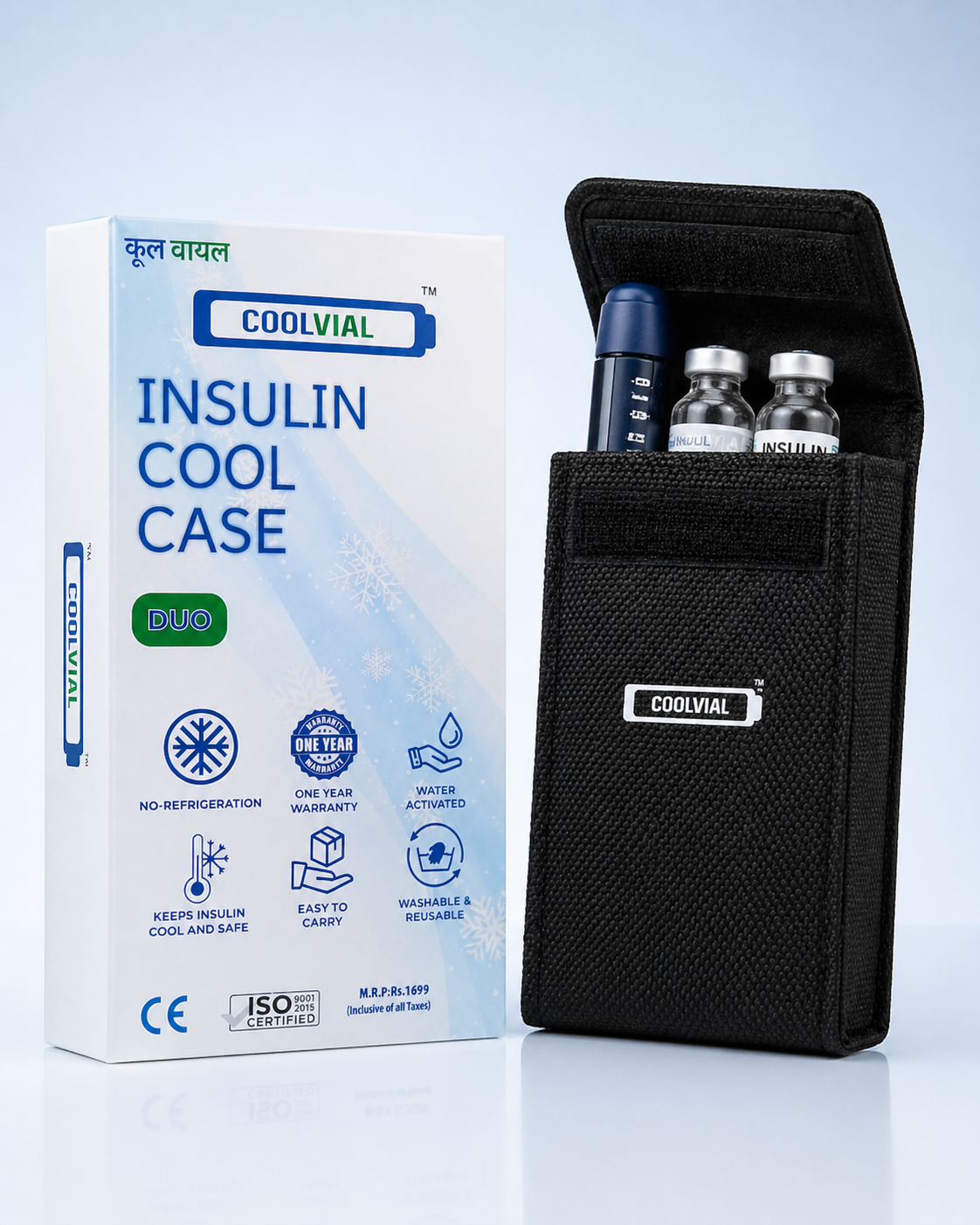
- Capacity: Holds 2 pens + 1 vial, suitable for most daily insulin regimens.
- Water-Activated Evaporative Cooling: No ice packs, no refrigeration needed. Simply immerse the inner pouch in cold water for 5-10 minutes, and the evaporative cooling process begins. This is incredibly convenient for a busy morning routine.
- Durable & Portable: Made in India, it’s designed for daily use and fits easily into a laptop bag, backpack, or even a larger purse.
- Certifications: CE certified and ISO 9001:2015 compliant, ensuring quality and safety. Comes with a 1-year warranty.
- Cost-Effective: At Rs 1,099 with code COOLHEAL (MRP Rs 1,699), it offers significant value compared to alternatives. For instance, some similar evaporative cooling cases like FRIO can cost around Rs 1,900, while basic insulated pouches like Outer Woods OW-12 might be around Rs 999 but offer less precise and shorter cooling duration. COOLVIAL Duo strikes a balance of performance and affordability.
How COOLVIAL Duo Compares:
| Feature | COOLVIAL Duo | FRIO (Similar Product) | Outer Woods OW-12 (Insulated Pouch) |
|---|---|---|---|
| Cooling Method | Water-activated evaporative | Water-activated evaporative | Gel packs / Insulation |
| Cooling Duration | 12-16 hours | 45 hours (claim varies by model) | 4-6 hours (with gel packs) |
| Temperature Range | 18-26°C (relative to ambient) | 18-26°C (relative to ambient) | Below ambient (less precise) |
| Capacity | 2 pens + 1 vial | Varies, often 1-2 pens or 1 vial | Varies, often 2-4 pens |
| Electricity Req. | No | No | No (but gel packs need freezing) |
| Price | Rs 1,099 (with COOLHEAL code) | ~Rs 1,900 | ~Rs 999 (plus cost of gel packs) |
| Certifications | CE Certified, ISO 9001:2015 | Varies by model | Generally none listed |
| Made In | India | UK | India |
The COOLVIAL Duo offers a compelling blend of reliability, convenience, and affordability, making it an excellent choice for managing your daily commute with insulin in Lucknow’s varied climate. Learn more about COOLVIAL insulin cool case and general insulin storage tips.
6. Your Morning Insulin Prep Ritual for Lucknow’s Demands
A consistent morning routine is your first line of defense against insulin degradation. Here’s a step-by-step ritual for Lucknow residents:
- Check Your Insulin:
- Visually inspect your insulin for any changes in clarity, color, or presence of particles. Discard if it looks cloudy, discolored, or has clumps (unless it’s naturally cloudy like NPH insulin).
- Ensure your pens or vials are not cracked or damaged.
- Activate Your COOLVIAL Duo:
- Take out the inner pouch from your COOLVIAL Duo.
- Immerse it completely in cold water for 5-10 minutes. Use tap water; no need for distilled.
- Gently squeeze out excess water until it no longer drips. The pouch will feel cool and slightly swollen.
- Place your insulin pens and/or vial into the activated inner pouch, then slide it into the outer cover.
- Pack Smart:
- Place your COOLVIAL Duo into your office bag, school bag, or backpack. Position it in a central part of your bag, away from direct sunlight if your bag is thin.
- Always carry your blood glucose meter, test strips, lancets, and a source of fast-acting glucose (e.g., glucose tablets, juice box) with you.
- Dress for the Day:
- Consider the day’s weather forecast. If it’s a hot summer day, opt for lighter clothing to stay comfortable, especially if your commute involves non-AC transport.
- Administer Morning Dose (if applicable):
- Take your morning insulin dose as prescribed before leaving home. This ensures you’re ready for the day ahead.
This simple ritual takes less than 15 minutes but can make a world of difference in protecting your insulin throughout your busy day in Lucknow.
8 Essential Tips for a Safe Daily Commute With Insulin in Lucknow
Insulin at 2-8°C for 48+ hours. Trusted by 10,000+ Indian diabetics.
7. Common Insulin Storage Mistakes to Avoid in Lucknow
Even with the best intentions, certain practices can compromise your insulin. Being aware of these common mistakes can prevent costly errors.
Mistakes to Avoid:
- Leaving Insulin in a Hot Car: Lucknow’s sun can turn a parked car into an oven, reaching 50-60°C within minutes. Never leave insulin in an unattended vehicle.
- Two-Wheeler Dickey Storage: As mentioned, the under-seat storage of a scooter or motorcycle is extremely dangerous due to engine heat.
- Direct Sunlight Exposure: Even through a window, direct sunlight can rapidly heat insulin. Always keep it shaded.
- Freezing Insulin: Do not store insulin near the freezer compartment in a refrigerator or against ice packs without adequate insulation. Insulin that has frozen and thawed should be discarded.
- “Room Temperature” Misinterpretation: In Lucknow, “room temperature” in summer is often well above the safe 25-30°C limit for opened insulin. Rely on a cooling case.
- Not Checking Expiry Dates: Always be mindful of the expiry dates on your insulin pens and vials.
- Ignoring Insulin Appearance: If your insulin looks different, don’t risk it. Consult your doctor or pharmacist. You can visit any Apollo Pharmacy, MedPlus, 1mg, Generic Aadhaar, or Hindustan Pharmacy in Lucknow for advice.
For further tips on safe travel, including air and train journeys from Lucknow, check out our article: Travelling From Lucknow With Insulin — Airport, Station & Taxi Tips.
8. Emergency Preparedness and Local Resources
Being prepared for unexpected situations is crucial for anyone managing diabetes. Knowing your local resources in Lucknow can provide an extra layer of security.
Emergency Checklist:
- Extra Insulin: Always carry a small reserve of insulin, if possible, especially for longer commutes or travel.
- Prescription Copy: Keep a copy of your insulin prescription with you, either physical or digital, in case of loss or damage.
- Doctor’s Contact: Have your endocrinologist’s or diabetologist’s contact information readily available.
- Emergency Contacts: Ensure your family and close contacts know about your diabetes and how to assist you.
- Medical ID: Wear a medical ID bracelet or necklace indicating you have diabetes.
Local Lucknow Resources:
- Hospitals for Diabetes Care:
- SGPGIMS (Sanjay Gandhi Postgraduate Institute of Medical Sciences) on Raebareli Road
- KGMU (King George’s Medical University) in Chowk
- Apollomedics Super Speciality Hospital on Kanpur Road
- Pharmacies for Insulin:
- Apollo Pharmacy (multiple branches across Lucknow)
- MedPlus (multiple branches)
- 1mg (online delivery, but also physical outlets)
- Generic Aadhaar
- Hindustan Pharmacy (local chain)
- Diabetes Support Groups: Search for local diabetes support groups in Lucknow. These can provide invaluable peer support and local knowledge. (Source: [Verify in 2026] - Local Lucknow Diabetes Associations)
Staying informed and prepared is key to a healthy and active life in Lucknow with diabetes. You can also explore Diabetic-Friendly Restaurants & Cafes in Lucknow — Where to Eat Safely for dining options.
FAQ Section
Q: How long can insulin be out of the fridge in Lucknow’s summer? A: Unopened insulin should ideally be refrigerated. Once opened, most insulin pens or vials are safe at room temperature (up to 25-30°C) for 28 days. However, Lucknow’s summer temperatures often exceed 30°C, meaning insulin can start to lose potency quickly, often within a few hours of direct exposure to high heat.
Q: Is it safe to carry insulin in my regular office bag during my daily commute with insulin? A: No, a regular office bag, school bag, or laptop sleeve offers insufficient thermal protection. During Lucknow’s peak summer, temperatures inside these bags can easily climb above 30°C, compromising insulin’s effectiveness. A dedicated cooling case is strongly recommended.
Q: Can I store my insulin in a two-wheeler dickey in Lucknow? A: Absolutely not. The under-seat storage compartment of a two-wheeler can reach extreme temperatures, often exceeding 60°C, due to engine heat and sun exposure. This will very quickly degrade and render your insulin ineffective.
Q: How do I reactivate my COOLVIAL Duo? A: To reactivate your COOLVIAL Duo, simply re-immerse the inner pouch in cold water for 5-10 minutes. The evaporative cooling crystals inside will reabsorb water, and the pouch will become cool again, ready to protect your insulin for another 12-16 hours.
Q: What if my insulin gets exposed to high temperatures for a short time? A: Short exposure (e.g., 5-10 minutes) to high temperatures might not immediately render insulin useless, but prolonged or repeated exposure will reduce its potency. If you suspect your insulin has been compromised, monitor your blood sugar levels closely and consult your doctor.
Q: Are there any specific guidelines for children with Type 1 diabetes commuting to school in Lucknow? A: For children with Type 1 diabetes, it’s crucial for parents to communicate insulin storage needs with school staff, ensure a personal cooling case like COOLVIAL Duo is used, and have a designated, safe storage spot at school, ideally a refrigerator in the medical room.
Q: How does the Lucknow Metro’s AC affect insulin storage? A: The Lucknow Metro’s air-conditioned coaches maintain temperatures between 20-24°C, which is generally ideal for insulin storage. This makes the Metro a safer option compared to non-AC buses or autos, provided the insulin is protected during travel to and from the stations.
Conclusion
Navigating Lucknow’s diverse climate and bustling transport systems with insulin requires careful planning and the right tools. From the extreme summer heat in non-AC buses and autos to the cooler confines of the Metro, understanding temperature risks and adopting smart storage practices is paramount for maintaining insulin efficacy and, ultimately, your health. By incorporating a reliable solution like the COOLVIAL Duo into your daily routine, you can ensure your insulin remains at its optimal temperature, giving you the freedom to move about the City of Nawabs with confidence. Prioritizing safe insulin storage isn’t just about managing a medication; it’s about safeguarding your well-being every single day.
Order your COOLVIAL Duo at just Rs 1,099 with code COOLHEAL at coolvial.com or via WhatsApp wa.me/918766952300 and experience the peace of mind that comes with reliable insulin protection.
Medical Disclaimer
This article is for general information. Always consult your endocrinologist or diabetologist before changing insulin storage or dosing practices.
Methodology Note
How We Researched This — This article is based on a comprehensive review of RSSDI (Research Society for the Study of Diabetes in India) guidelines for insulin storage, ICMR-INDIAB (Indian Council of Medical Research - India Diabetes) data on diabetes prevalence and management, local Lucknow hospital directories, and information gathered from the Apollo Pharmacy network regarding common patient queries and practices. Local climate data from IMD (India Meteorological Department) has been referenced for temperature ranges.