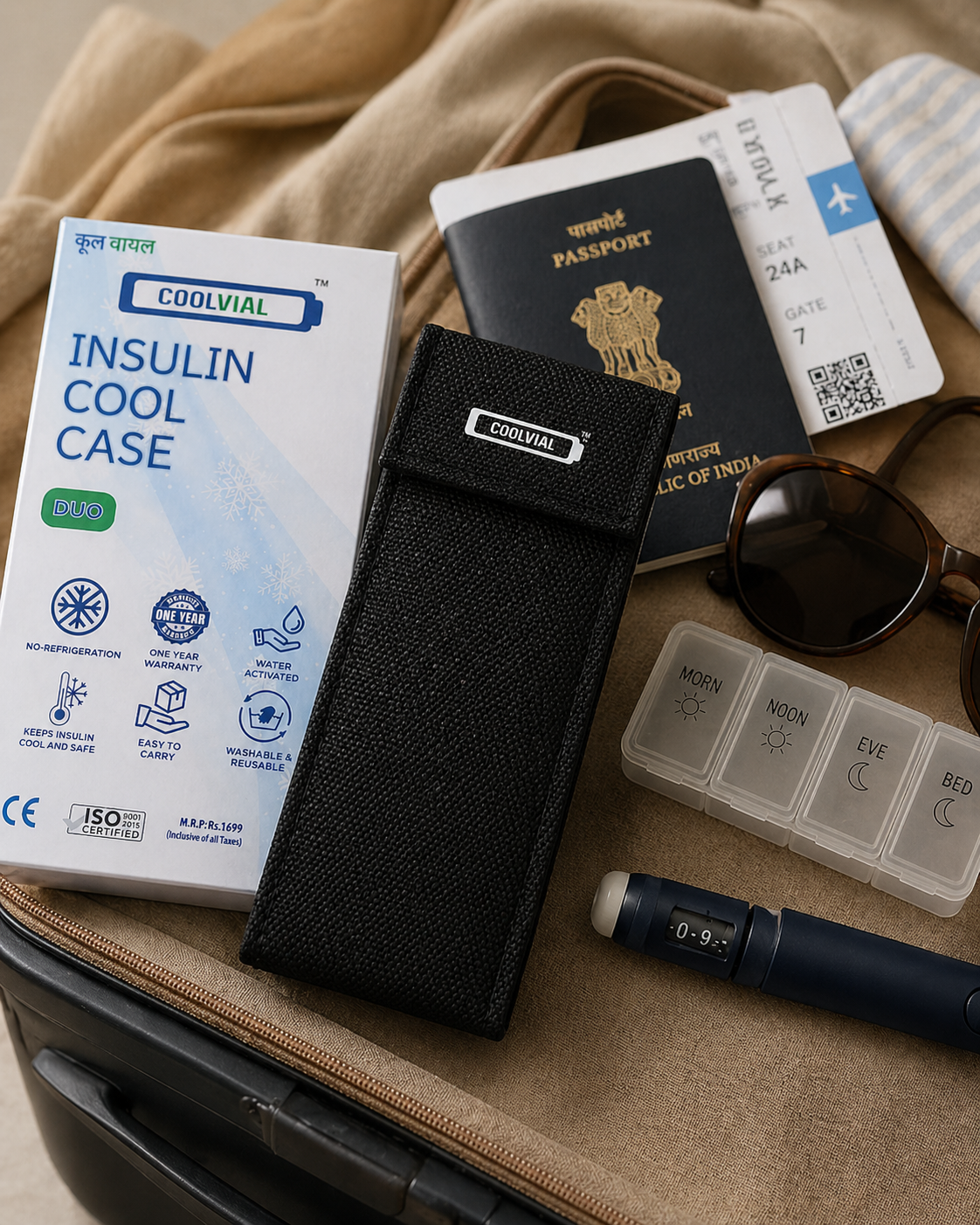
Reviewed by the COOLVIAL Editorial Team — specialists in insulin storage for Indian climate conditions.
Nagpur, often called the ‘Orange City,’ is known for its scorching summers, where temperatures can soar from 25°C to a brutal 47°C between April and June. For the thousands of residents managing diabetes, this extreme heat presents a unique challenge, especially during the daily commute with insulin. Insulin is a life-saving medication, but its efficacy is highly dependent on proper storage, ideally between 2°C and 25°C. Exceeding this upper limit, even for short periods, can significantly reduce its potency, leading to fluctuating blood sugar levels and serious health risks. Based on analysis of insulin storage queries from Nagpur diabetics, navigating the city’s public transport – be it the Nagpur Metro, NMC buses, or auto-rickshaws – while keeping insulin safe requires careful planning.
This article offers 7 practical tips to ensure your daily commute with insulin in Nagpur remains safe and stress-free. We’ll delve into the specifics of local transport, address common storage pitfalls, and provide actionable advice to protect your vital medication, whether you’re heading from Sadar to Civil Lines or dropping your child off at school.
Table of Contents
- Understanding Nagpur’s Climate and Insulin’s Vulnerability
- The Nagpur Metro: Your AC Oasis (Mostly)
- Navigating NMC Buses and Auto-Rickshaws with Insulin
- Why Your Two-Wheeler Dickey is a Strict No-Go
- Insulin Safety at Work, School, and College
- The Essential Daily-Carry Insulin Cooler Routine
- Beyond the Commute: Emergency Preparedness
Understanding Nagpur’s Climate and Insulin’s Vulnerability
Nagpur’s climate swings dramatically, presenting distinct challenges for insulin users. While winters are mild (10-30°C), the monsoon season (June-September) brings high humidity alongside around 1200mm of rainfall, and the summers are notoriously hot and dry. Insulin, whether in vials or pens, is sensitive to temperature fluctuations. Once opened, insulin can typically be stored at room temperature (below 25°C) for up to 28 days, but direct exposure to heat above this threshold rapidly degrades its protein structure.
Even a 60-90 minute daily commute from areas like Sadar/Cantt to Civil Lines or Dharampeth/Ramdaspeth can expose insulin to damaging temperatures if not properly protected. Inside a non-AC city bus or auto-rickshaw during peak summer, internal temperatures can easily reach 38-42°C, far exceeding the safe limit. This means that an insulin pen simply tucked into an office bag, school bag, college backpack, or laptop sleeve is at significant risk of losing its potency, often within just a few hours. According to RSSDI guidelines, maintaining insulin within its recommended temperature range is crucial for its effectiveness and patient safety (Source: RSSDI Clinical Practice Recommendations).
- Key Temperature Ranges for Insulin:
- Unopened (refrigerated): 2°C to 8°C (up to expiry date)
- Opened (room temperature): Below 25°C (up to 28 days for most insulins)
- Danger Zone: Above 25°C (degradation begins)
- Critical Danger Zone: Above 30°C (rapid degradation)
The Nagpur Metro: Your AC Oasis (Mostly)
The Nagpur Metro, with its Orange and Aqua lines connecting key areas from Automotive Square to Sitabuldi Interchange and Prajapati Nagar to Lokmanya Nagar, offers a comparatively cooler environment for your daily commute with insulin. Most metro coaches are air-conditioned, providing a welcome respite from the outside heat. However, relying solely on the metro’s AC isn’t foolproof.
-
Metro Travel Considerations for Insulin:
- AC Reliability: While generally reliable, occasional technical glitches or power fluctuations can lead to temporary AC outages. Always be prepared for such scenarios.
- Peak Hour Crowding: During peak hours, especially on routes connecting major hubs like Sitabuldi to AIIMS Nagpur or from Manish Nagar/Wardha Road towards the city center, coaches can get very crowded. Body heat from passengers can slightly raise ambient temperatures, particularly near windows or doors.
- Seat-Side Temperatures: Seats directly exposed to sunlight through windows, especially during morning or afternoon commutes, can absorb and radiate heat. Avoid placing your insulin bag directly on such seats.
- Platform Exposure: Waiting on open-air or partially covered platforms, common at stations like Deekshabhoomi or Futala Lake, can expose your insulin to direct sun before boarding. Minimize wait times in direct sunlight.
-
Best Practices for Metro Commuters:
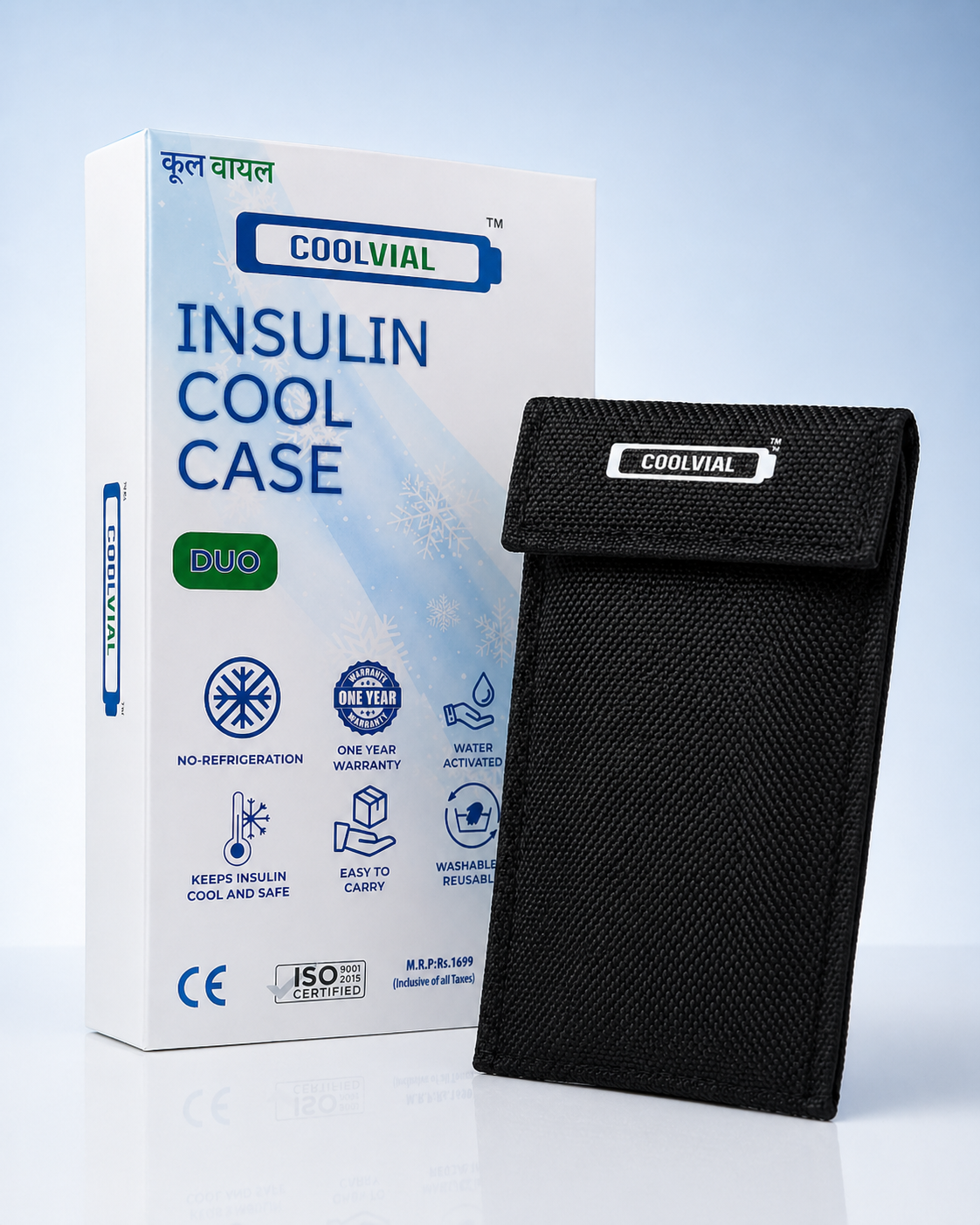
- Always use a cooling case: Even in the metro, a dedicated insulin cooling case like the COOLVIAL Duo provides an extra layer of protection against minor temperature fluctuations and unexpected AC issues.
- Carry it close: Keep your insulin bag on your lap or in a position where it’s not pressed against hot surfaces or exposed to direct sun through windows.
- Pre-cool your case: Prepare your evaporative cooling case in the morning as part of your routine.
Navigating NMC Buses and Auto-Rickshaws with Insulin
For many Nagpur residents, NMC city buses and auto-rickshaws are the primary modes of transport. These present the most significant challenges for maintaining insulin’s temperature due to their open-air nature and lack of consistent climate control.
Challenges in NMC Buses:
NMC buses, particularly the non-AC variants, are often packed and can be sweltering. During Nagpur’s summer months (April-June), temperatures inside these buses frequently hover between 38-42°C. Even during milder seasons, the internal temperature can easily exceed 25°C due to engine heat, passenger body heat, and ambient conditions. A 60-90 minute commute from, say, Sadar to Civil Lines or from the outskirts of Manish Nagar to the corporate parks near Ambazari Lake, can be detrimental to unprotected insulin.
- Tips for Bus Commuters:
- Essential Cooling Case: A water-activated evaporative cooling case is non-negotiable. It keeps insulin cool for hours without electricity, crucial for long bus rides.
- Strategic Seating: Try to sit away from direct sunlight coming through windows. If possible, choose a seat near an open window for better airflow, but ensure your insulin bag isn’t exposed to the sun.
- Insulate Your Bag: Place your cooling case inside a larger, insulated bag (like a small lunch cooler) for an extra layer of protection from the external heat.
7 Practical Tips for a Safe Daily Commute With Insulin in Nagpur
Challenges in Auto-Rickshaws and E-Rickshaws:
Auto-rickshaws offer more flexibility but expose insulin to direct sunlight and ambient air temperatures. While the open sides provide some ventilation, they also allow heat and sun to penetrate easily. Ride-sharing auto services might involve longer routes, extending exposure. E-rickshaws, while eco-friendly, offer similar exposure.
- Tips for Auto/E-Rickshaw Commuters:
- Shade is Key: Always keep your insulin cooling case in the shadiest part of the auto. Avoid placing it on the seat directly under the sun or near the engine (if any heat radiates).
- Lap or Floor: Hold your cooling case on your lap, covered by your arm or a cloth, or place it on the floor where it might be slightly cooler and out of direct sun.
- Ride-Sharing AC Denial Culture: In shared cabs (often used for longer distances in Nagpur), there can be a reluctance among passengers to use AC to save costs. If you opt for such a service, ensure your insulin is well-protected in its cooling case. Consider requesting AC if your health requires it, or opt for a private AC cab if feasible.
- Minimize Exposure Time: Plan your commute to avoid peak heat hours if possible.
Why Your Two-Wheeler Dickey is a Strict No-Go
This is a critical point for many Nagpur residents. Parking your insulin in a two-wheeler’s dickey (under-seat storage) is extremely dangerous and must be avoided at all costs. The enclosed space, combined with heat generated by the engine and direct sun exposure, can turn the dickey into an oven.
-
Dickey Temperatures:
- During summer, the temperature inside a two-wheeler dickey can easily soar to 50-60°C or even higher, far beyond insulin’s safe storage range.
- Even during cooler months, residual engine heat can elevate the temperature significantly.
-
Consequences:
- Insulin exposed to such extreme heat will degrade rapidly, losing its effectiveness within minutes.
- This can lead to dangerously high blood sugar levels, requiring emergency medical attention.
-
Alternatives for Two-Wheeler Commuters:
- Wearable Cooling Pouch: Use a compact, water-activated evaporative cooling pouch that can be carried in a jacket pocket, strapped to your body (away from direct skin contact for comfort), or placed in a small, insulated handlebar bag that is not directly exposed to engine heat.
- Backpack with Cooler Insert: If using a backpack, place your insulin cooling case inside an insulated compartment or a separate small cooler bag within the backpack. Ensure the backpack is not left in direct sun when parked.
Insulin Safety at Work, School, and College
Your daily commute with insulin doesn’t end when you reach your destination. Whether it’s an office, a school, or a college in Nagpur, proper storage during the day is equally important.
For Office Professionals:
Many corporate parks around Futala Lake and Ambazari Lake host numerous offices. While most offices are air-conditioned, lunch breaks, meetings outside the office, or power outages can still expose insulin to heat.
- Office Storage Tips:
- Designated Fridge Space: If available, store your insulin cooling case in a common refrigerator. Label it clearly.
- Desk Drawer (with cooler): If a fridge isn’t an option, keep your insulin in its cooling case inside a desk drawer, away from direct sunlight or heat-emitting electronics. The COOLVIAL Duo can maintain cool temperatures for 12-16 hours, making it ideal for a full workday.
- Lunch Time Management: If you carry lunch, keep your insulin separate from any warm food items. If you eat at local diabetic-friendly restaurants & cafes in Nagpur, ensure your insulin remains in its cooling case while you’re out. (Source: /blog/diabeticfriendly-restaurants-cafes-in-nagpur-where-to-eat-safely)
- Emergency Kit: Keep a small emergency kit with a spare insulin pen (in its cooling case), glucose tablets, and contact information for your endocrinologist (e.g., at AIIMS Nagpur or Care Hospitals, Ramdaspeth).
For Students (School & College):
Children with Type 1 diabetes and college students need specific strategies to manage insulin during their academic day. Nagpur has numerous schools and colleges where students spend long hours.
-
School Bag Safety (Type 1 Children):
- Dedicated Pouch: Provide a small, brightly colored, water-activated cooling pouch for insulin that fits easily into their school bag. Teach them to always keep it in the pouch.
- Teacher Awareness: Inform school staff (class teacher, school nurse if available) about your child’s diabetes and insulin storage needs. They should know where the insulin is kept and how to access it.
- Avoid Lockers/Direct Sun: Instruct children not to leave their insulin in unventilated lockers or directly in the sun during recess or sports.
- Replenish Water (if needed): For longer school days, teach older children how to re-activate their evaporative cooling case if needed (e.g., a quick dip in water during lunch break).
-
College Backpack & Laptop Sleeve:
- Integrated Cooler: A college backpack often contains laptops and books. Use a robust cooling case like COOLVIAL Duo that can withstand being jostled. Place it in a dedicated side pocket or an insulated compartment.
- Laptop Heat: Never place insulin directly next to a running laptop or power adapter, as these generate heat. A laptop sleeve offers no thermal protection for insulin.
- Campus Mobility: If moving between buildings on a large campus (e.g., Visvesvaraya National Institute of Technology or Rashtrasant Tukadoji Maharaj Nagpur University), keep your insulin protected at all times.
The Essential Daily-Carry Insulin Cooler Routine
To consistently protect your insulin during your daily commute with insulin in Nagpur, a routine is paramount. This isn’t just about carrying a cooler; it’s about making it an ingrained habit.
7 Practical Tips for a Safe Daily Commute With Insulin in Nagpur
48+ hours at 2-8°C. No electricity. CE certified. Free delivery across India.
Order on WhatsApp — ₹1,099🛒 Buy Now — ₹1,099Why a Dedicated Insulin Cooler is Non-Negotiable:
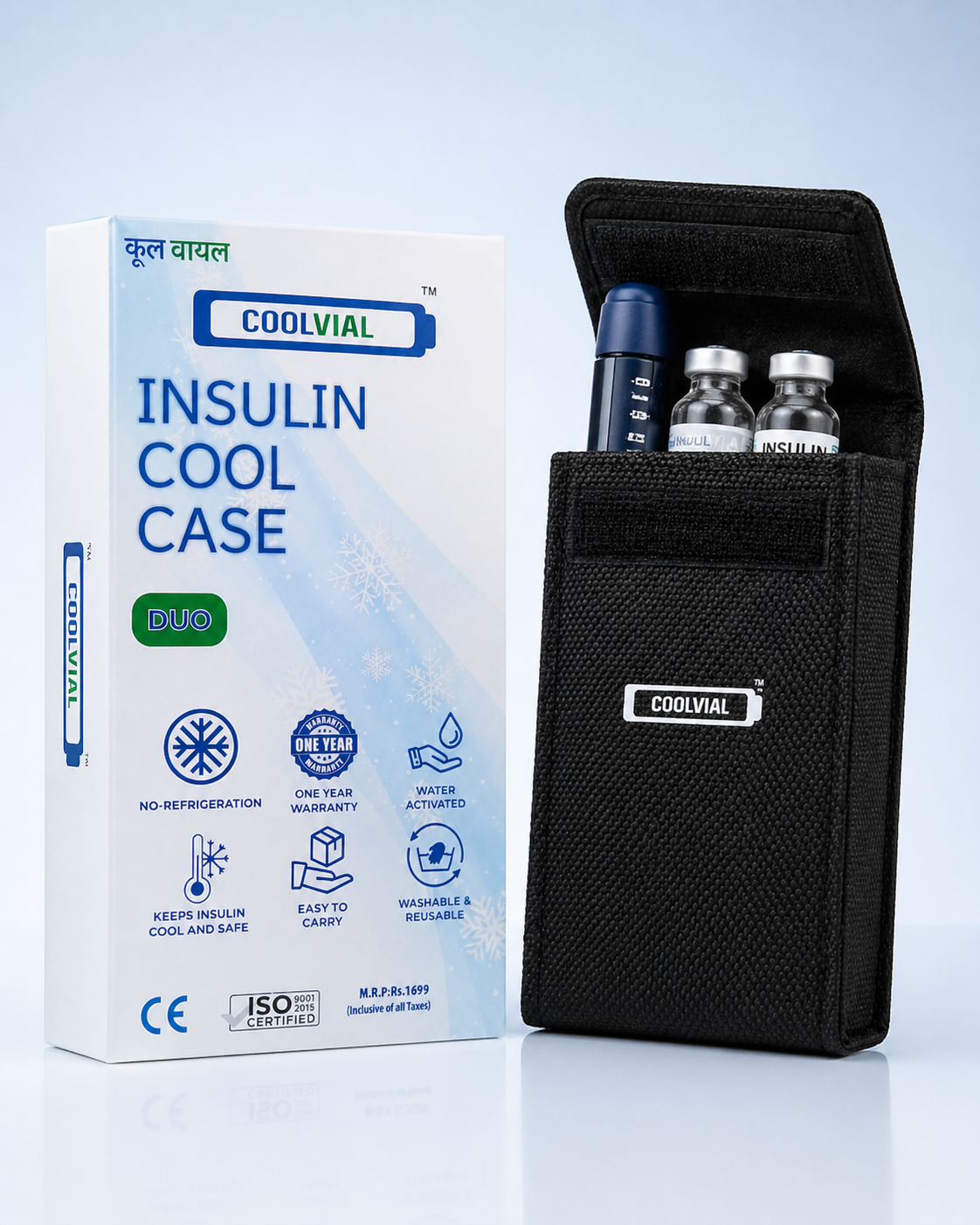
While ice packs seem like an easy solution, they can freeze insulin if in direct contact, rendering it ineffective. Evaporative cooling cases, like the COOLVIAL Duo, are specifically designed to keep insulin cool within the safe temperature range (2-25°C) without refrigeration or electricity, relying on water activation. They are compact, discreet, and reusable.
- COOLVIAL Duo Advantage:
- Capacity: Holds 2 insulin pens + 1 vial. This is perfect for daily use, ensuring you have enough medication for your commute and the day.
- Duration: Keeps insulin cool for 12-16 hours, ideal for a full day out, including your commute and time at work or school.
- Activation: Simply immerse in water for a few minutes. No ice packs, no batteries, no power source needed.
- Certifications: CE certified, ISO 9001:2015, ensuring quality and safety.
- Value: Priced at Rs 1,099 with code COOLHEAL (MRP Rs 1,699), offering superior value compared to alternatives like FRIO (often Rs 1,900+) while providing excellent performance. It’s also a superior choice compared to basic insulated pouches like Outer Woods OW-12 (~Rs 999) which may offer less consistent cooling.
- Made in India: A product designed for Indian climate realities.
Your Morning Prep Ritual:
- Activate Your COOLVIAL Duo: First thing in the morning, immerse your COOLVIAL Duo inner pouch in cool water for 5-7 minutes. The crystals inside will absorb the water, forming a gel that provides evaporative cooling.
- Dry Excess Water: Gently towel-dry the outer surface of the pouch.
- Load Your Insulin: Place your insulin pens and/or vials into the activated pouch.
- Insert into Outer Case: Slide the pouch into the COOLVIAL Duo’s protective outer case.
- Pack Appropriately: Place the COOLVIAL Duo into your office bag, school bag, or college backpack. Ensure it’s not squashed, and avoid placing it against hot objects.
- Daily Check: Before leaving, do a quick check to ensure you have all your insulin and supplies for the day.
This simple ritual ensures your insulin is protected from the moment you step out of your home near Zero Mile Marker until you return, whether you’re navigating the bustling streets of Sadar or the serene surroundings of Ambazari Lake.
Beyond the Commute: Emergency Preparedness
While this article focuses on the daily commute with insulin, it’s crucial to have a broader understanding of insulin management, especially when considering longer travel or emergencies. For more comprehensive information on managing diabetes in Nagpur, refer to our Complete Diabetes Care Guide for Nagpur Residents — 2026 Edition.
- Emergency Contacts: Always carry a card with your name, medical condition, emergency contact numbers, and your diabetologist’s information (e.g., from Wockhardt Hospitals, Shankar Nagar).
- Medical Identification: Wear a medical ID bracelet or necklace indicating you have diabetes.
- Travel Documents: If you travel frequently from Nagpur, remember that airlines have specific guidelines for carrying medication. You can find more details on our blog about Travelling From Nagpur With Insulin — Airport, Station & Taxi Tips, and official guidelines can be verified on the DGCA website (Source: DGCA Medical Requirements).
- Pharmacy Locations: Know the locations of major pharmacies like Apollo Pharmacy, Wellness Forever, MedPlus, Frank Ross, or 1mg stores in your frequently visited areas for emergency supplies.
FAQ Section
Q: How long can insulin be exposed to Nagpur’s summer heat before it degrades? A: Insulin begins to degrade rapidly when exposed to temperatures above 25°C. In Nagpur’s peak summer, where temperatures can hit 47°C, unprotected insulin can lose significant potency within 1-2 hours, sometimes even faster in direct sun.
Q: Can I store my insulin in a regular lunchbox with ice packs for my daily commute? A: While a regular lunchbox offers some insulation, ice packs can freeze insulin if they come into direct contact, which is harmful. It’s safer to use a dedicated evaporative cooling case like COOLVIAL Duo, which maintains a stable, cool temperature without freezing.
Q: Is it safe to carry insulin in my laptop bag or backpack during a bus or auto commute in Nagpur? A: No, a laptop bag or regular backpack offers minimal thermal protection. Inside non-AC buses or autos, temperatures can reach 38-42°C, quickly degrading insulin. Always use a specialized insulin cooling case to protect it.
Q: How does the Nagpur Metro’s AC affect insulin storage during my daily commute? A: The Nagpur Metro’s AC coaches provide a cooler environment, generally safer than buses or autos. However, it’s still advisable to use an insulin cooling case to protect against minor temperature fluctuations, crowded conditions, or unexpected AC outages.
Q: What is the biggest mistake Nagpur residents make when commuting with insulin? A: The biggest mistake is storing insulin in a two-wheeler’s dickey (under-seat storage). This enclosed space, combined with engine and sun heat, can reach 50-60°C, rendering insulin ineffective very quickly and posing a serious health risk.
Q: How long does the COOLVIAL Duo keep insulin cool, and how do I activate it? A: The COOLVIAL Duo keeps insulin cool for 12-16 hours. To activate, immerse the inner pouch in cool water for 5-7 minutes, then gently towel-dry, and insert your insulin pens/vials before placing it in the outer case.
Q: Where can I get more information on general insulin storage guidelines? A: For detailed guidelines on insulin storage and care, including ideal temperatures and handling instructions, you can refer to our dedicated page on insulin storage tips or consult your healthcare provider.
Conclusion
Managing diabetes in a city like Nagpur, with its unique climatic challenges and diverse transportation options, requires proactive and informed decisions about insulin storage. Your daily commute with insulin doesn’t have to be a source of constant worry. By understanding the specific environmental factors of Nagpur – from the AC reliability of the Metro to the intense heat inside an auto-rickshaw – and adopting smart storage solutions, you can safeguard your medication and, by extension, your health.
The key takeaway is consistent protection. Never assume your insulin is safe in a regular bag or a hot vehicle. Investing in a reliable, water-activated evaporative cooling case like the COOLVIAL Duo is not just a convenience; it’s an essential part of your diabetes management strategy. Its ability to keep insulin cool for 12-16 hours without electricity, coupled with its robust design and Indian manufacturing, makes it the ideal companion for every Nagpur resident with diabetes.
Take control of your daily commute with confidence. Order your COOLVIAL Duo today at just Rs 1,099 with code COOLHEAL (MRP Rs 1,699). Visit coolvial.com or connect with us via WhatsApp at wa.me/918766952300 to ensure your insulin stays safe, every single day.
How We Researched This
This article is compiled based on RSSDI guidelines, ICMR-INDIAB data on diabetes prevalence in India, local Nagpur hospital directories (including AIIMS Nagpur, Care Hospitals, Wockhardt Hospitals), and insights from the Apollo Pharmacy network regarding medication storage practices in diverse Indian climates. Specific local temperature estimates for vehicles are based on common observations and reported experiences in Tier 2 Indian cities like Nagpur during summer months [Verify in 2026].