
Reviewed by the COOLVIAL Editorial Team — specialists in insulin storage for Indian climate conditions.
Navi Mumbai, with its bustling Vashi, serene Belapur CBD, and rapidly developing Kharghar, presents unique challenges for those managing diabetes, especially concerning the daily commute with insulin. As residents navigate the city’s extensive public transport network – from the NMMT buses and Harbour Local Train Line to the new Navi Mumbai Metro and ubiquitous autos – keeping insulin at its optimal temperature of 2-8°C (when unopened) or below 25-30°C (when in use) is a critical concern. Based on analysis of insulin storage queries from Navi Mumbai diabetics, temperatures inside non-AC city buses and autorickshaws can easily soar to 38-42°C during peak summer, making proper storage not just a recommendation, but a necessity to prevent insulin degradation. This article offers 10 critical tips to ensure your insulin remains effective and safe throughout your daily journey in Navi Mumbai.
Table of Contents
- Understanding Insulin’s Temperature Sensitivity in Navi Mumbai’s Climate
- Navi Mumbai Metro (Line 1): AC Reliability and Insulin Safety
- Harbour Local Train Line: Managing Heat and Crowds
- NMMT Buses: Navigating Non-AC Realities
- Autorickshaws and Ride-Sharing: Shade, Sun, and AC Denial
- The Two-Wheeler Dickey: A Strict No-Go for Insulin
- Insulin in Your Daily Bag: How Long Does It Last?
- School and College Commutes: Protecting Insulin for Young Diabetics
- Office and Workplace Storage: Beyond the Commute
- Your Daily-Carry Insulin Cooler Routine: The COOLVIAL Advantage
1. Understanding Insulin’s Temperature Sensitivity in Navi Mumbai’s Climate
Navi Mumbai shares a tropical humid climate with Mumbai, characterized by warm temperatures ranging from 20-35°C for most of the year, often spiking higher in summer. The southwest monsoon brings significant rainfall, averaging around 2400mm annually, which, while offering some respite, also increases humidity. This high humidity, combined with elevated temperatures, creates an environment where insulin can rapidly lose its efficacy if not stored correctly.
Insulin, a protein hormone, is highly sensitive to heat and extreme cold. Exposure to temperatures above 30°C can cause it to degrade, losing its potency and potentially leading to dangerously high blood sugar levels. For an active insulin pen or vial, the general recommendation is storage below 25-30°C for up to 28 days once opened. Unopened insulin requires refrigeration at 2-8°C.
- Impact of Heat on Insulin:
- Loss of Potency: High temperatures break down insulin molecules, reducing its ability to lower blood sugar.
- Visible Changes: Insulin may become cloudy, discolored, or develop particles, indicating degradation.
- Increased Blood Sugar: Ineffective insulin leads to uncontrolled hyperglycemia, increasing the risk of diabetic complications.
- Shorter Shelf Life: Even if not visibly degraded, heat exposure shortens the active life of insulin.
During a typical 60-90 minute commute from Belapur (CBD) to Vashi or from Nerul to Kharghar, your insulin can be exposed to significant thermal stress, especially in non-AC transport. A study on insulin stability found that insulin exposed to 37°C for 28 days lost 10% of its potency (Source: Diabetes Technology & Therapeutics). In Navi Mumbai’s peak summer, a non-AC bus interior can reach 40°C or more, making even a short commute perilous for unprotected insulin.
2. Navi Mumbai Metro (Line 1): AC Reliability and Insulin Safety
The Navi Mumbai Metro (Line 1, Belapur-Pendhar) offers a relatively new and comfortable commuting option. The metro coaches are air-conditioned, providing a welcome escape from the city’s heat. This makes the metro a safer bet for insulin storage compared to other public transport options.
- Metro Travel Tips for Insulin Users:
- AC Comfort: Generally, metro AC systems are reliable, maintaining temperatures around 22-26°C, well within the safe range for in-use insulin.
- Seat-Side Temperatures: While the overall coach is cool, direct sunlight through windows can still cause localized temperature spikes on seats or bags placed in sunny spots. Always try to keep your bag away from direct sunlight.
- Peak Hour Crowds: During peak hours, even AC coaches can feel warmer due to body heat. Keep your insulin case close to your body or in a shaded part of your bag to minimize exposure.
- Backup Plan: While metro AC is usually dependable, occasional technical glitches can occur. Always carry your insulin in a cooling case as a safeguard.
Consider a journey from Belapur to Kharghar on the Metro. While the journey is quick, around 20-25 minutes, relying solely on the metro’s AC might be risky if there’s an unexpected delay or breakdown. For comprehensive guidance on managing diabetes in the city, check out our Complete Diabetes Care Guide for Navi Mumbai Residents — 2026 Edition.
3. Harbour Local Train Line: Managing Heat and Crowds
The Harbour Local Train Line is the lifeline for many Navi Mumbaikars, connecting areas like Vashi, Nerul, and Belapur to Mumbai. However, these trains are non-AC and notoriously crowded, especially during peak hours. The heat inside these coaches, combined with the body heat of hundreds of passengers, can create a stifling environment where temperatures can easily exceed 35-38°C.
- Challenges of Local Train Commutes:
- Extreme Heat: Metal coaches absorb and radiate heat, making interiors extremely hot, particularly during summer months (March to May).
- Overcrowding: Dense crowds restrict airflow and increase ambient temperature through body heat.
- Longer Commutes: A typical commute from Panvel to CSMT on the Harbour line can last over an hour, subjecting insulin to prolonged heat exposure.
| Commute Segment (Harbour Line) | Avg. Duration (Approx.) | Avg. Temp (Non-AC Coach, Peak Summer) | Insulin Risk Factor |
|---|---|---|---|
| Vashi to Belapur | 15-20 mins | 38-40°C | Moderate |
| Nerul to CSMT | 50-60 mins | 38-42°C | High |
| Panvel to Mankhurd | 45-50 mins | 39-41°C | High |
Given these conditions, carrying insulin without a dedicated cooling solution is highly inadvisable. Your insulin pen, if simply tucked into a shirt pocket or a regular bag, will quickly reach unsafe temperatures.
4. NMMT Buses: Navigating Non-AC Realities
NMMT (Navi Mumbai Municipal Transport) buses are a pervasive mode of transport across Navi Mumbai, connecting all major nodes from Ghansoli to Kharghar. A significant portion of the NMMT fleet consists of non-AC buses. During the hot and humid months, the interior of these buses can become an oven.
- Bus Commute Specifics:
- High Interior Temperatures: Non-AC buses, especially during summer afternoons, can trap heat, with internal temperatures frequently reaching 38-42°C.
- Sun Exposure: Window seats often expose passengers and their belongings directly to the harsh sun, further raising temperatures.
- Variable Commute Times: Depending on traffic, a bus journey from Nerul to Inorbit Mall Vashi could take anywhere from 20 minutes to over an hour. Prolonged exposure to high temperatures is a major concern.
- Ventilation: While windows are often open, the airflow might not be sufficient to cool down the interior effectively.
For children attending schools like DPS Lake or colleges in Kharghar, who often rely on NMMT buses, the risk to their insulin supply is particularly high. Parents must ensure their child carries insulin in a reliable cooling case.
5. Autorickshaws and Ride-Sharing: Shade, Sun, and AC Denial
Autorickshaws are a convenient, last-mile connectivity option in Navi Mumbai, but they come with their own set of challenges for insulin storage. Ride-sharing services like Ola and Uber offer AC cars, but the “AC denial culture” is a common complaint.
-
Autorickshaw Considerations:
- Direct Sun Exposure: While the auto has a roof, passengers often experience direct sunlight from the sides, particularly during midday commutes. Your bag, if placed on the seat, can get very hot.
- Ambient Heat: Autorickshaws are open vehicles, meaning the internal temperature is largely dictated by the ambient outside temperature, which can be 35°C+ for much of the year.
- Short Rides, High Heat: Even a 15-minute auto ride from your home to Apollo Hospitals Navi Mumbai (Belapur) can expose insulin to damaging heat.
-
Ride-Sharing (Ola/Uber) Nuances:
- AC Denial: It’s unfortunately common for drivers to refuse to turn on the AC to save fuel, especially for shorter rides, despite the booking explicitly stating AC. This can leave you in a sealed car rapidly heating up.
- Pre-Cooling Myth: A car parked in the sun can reach internal temperatures of 50-60°C within minutes. Even if the AC is turned on, it takes time to cool down the cabin, and your insulin might already be compromised.
- Always Confirm: If you rely on ride-sharing, politely confirm with the driver that the AC will be on before starting the ride. However, a reliable cooling case remains your best defense.
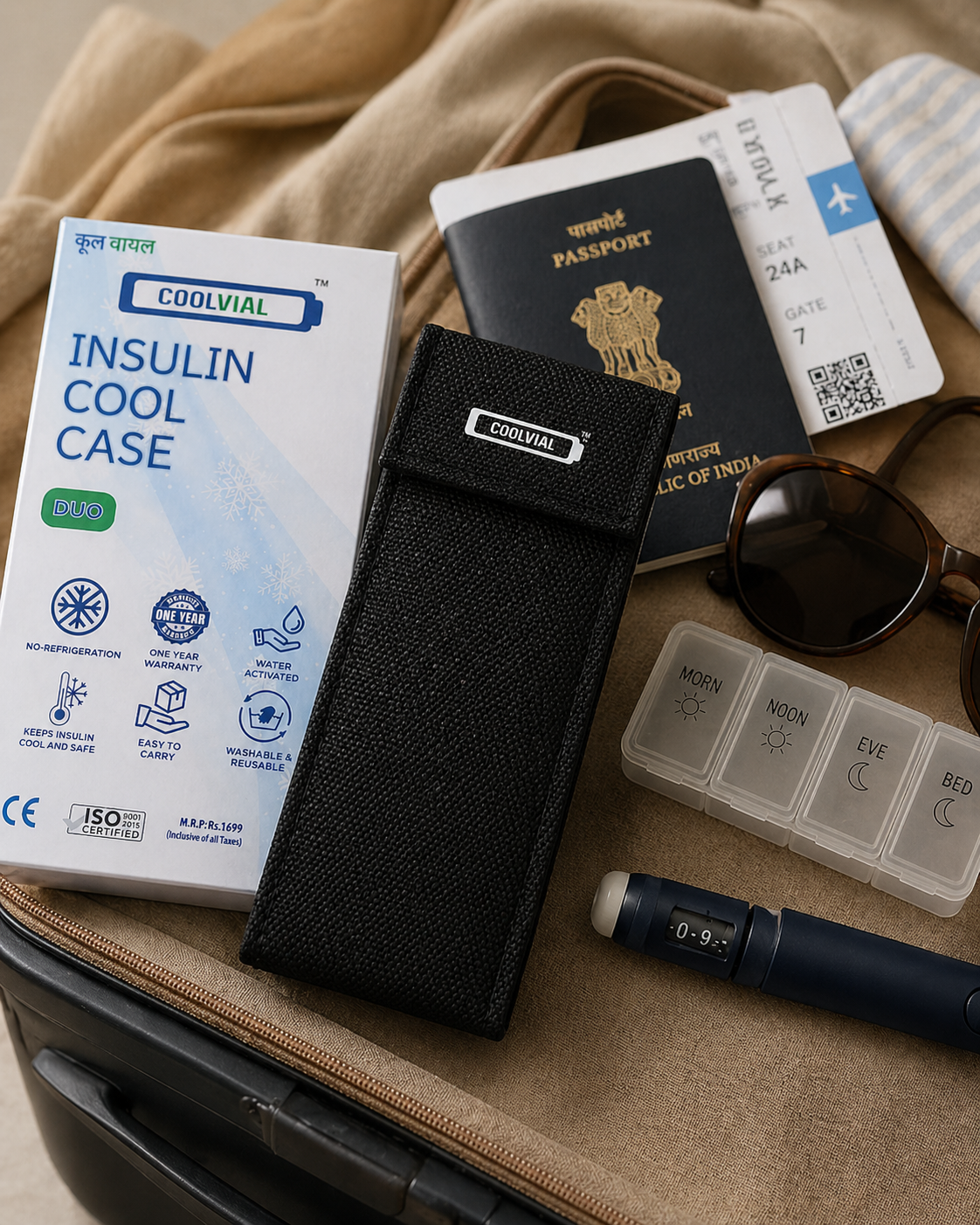
When travelling, whether by auto or a ride-share, never assume your insulin is safe. Always use a personal cooling solution. For more detailed advice on travel, read our article on Travelling From Navi Mumbai With Insulin — Airport, Station & Taxi Tips.
6. The Two-Wheeler Dickey: A Strict No-Go for Insulin
For many Navi Mumbaikars, two-wheelers are the preferred mode of transport, offering flexibility and agility through traffic. However, storing insulin in a two-wheeler’s dickey (under-seat storage) or a tank bag is unequivocally dangerous and should be STRICTLY AVOIDED.
-
Why a Two-Wheeler Dickey is Dangerous:
- Extreme Heat Build-up: The engine generates significant heat, which transfers directly to the under-seat storage compartment. Temperatures in a dickey can easily reach 50-60°C, even on a moderately warm day, and climb higher in direct sunlight.
- Lack of Ventilation: These compartments are sealed, trapping heat and creating a miniature oven.
- Insulin Degradation Guaranteed: At such extreme temperatures, insulin can be rendered completely ineffective within minutes.
-
Safer Alternatives for Two-Wheeler Commuters:
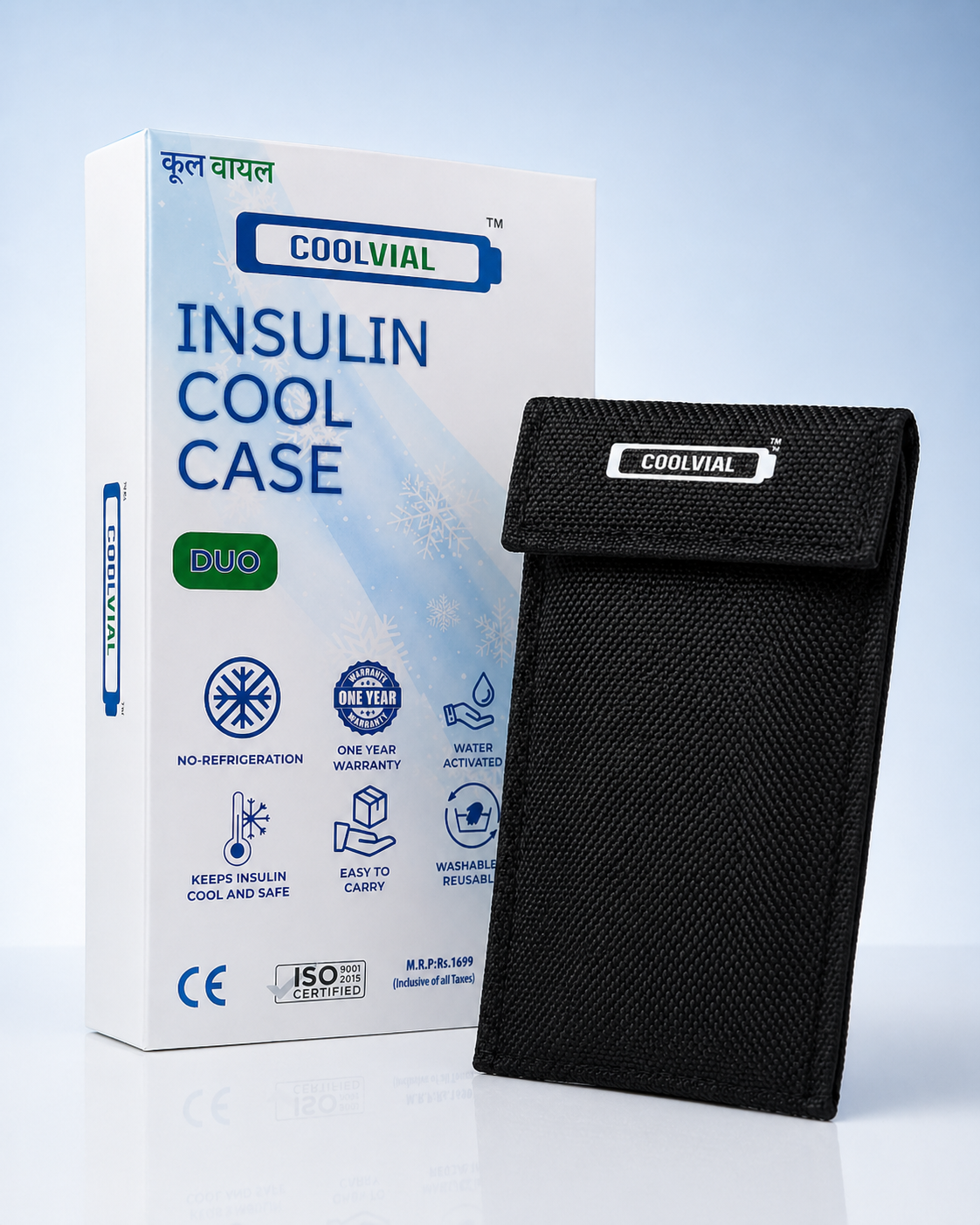
- Carry on Person: If you must carry insulin on a two-wheeler, keep it in a purpose-built cooling case (like COOLVIAL Duo) and carry it in a backpack or sling bag on your back, away from direct engine heat and sun.
- Insulated Bag: Ensure your backpack is well-ventilated and the cooling case is further protected by other items.
Even if your commute is short, the risk of insulin damage in a two-wheeler dickey is too high to ignore.
7. Insulin in Your Daily Bag: How Long Does It Last?
Many people mistakenly believe that keeping insulin in an office bag, school bag, college backpack, or laptop sleeve offers sufficient protection. While these bags provide some shade, they offer virtually no thermal insulation against Navi Mumbai’s ambient heat.
-
Bag Types and Insulin Safety:
- Office Bag/Laptop Sleeve: Typically made of synthetic materials, these bags absorb heat. A laptop running inside can further elevate temperatures. Insulin placed here can reach 35-40°C in less than 30 minutes on a hot day.
- School Bag/College Backpack: Often made of canvas or nylon, these offer minimal insulation. Books and other items can trap heat around the insulin.
- Purse/Handbag: Small and often carried close to the body, a purse might seem protected, but body heat can also contribute to temperature rise, especially if the bag is exposed to sun.
-
Typical Survival Times (Unprotected Insulin Pen, >30°C Ambient):
- In-Use Insulin (rated up to 25-30°C): May start degrading significantly after 30-60 minutes in a non-cooled bag on a 35°C day.
- Unopened Insulin (rated 2-8°C): Will rapidly warm up to ambient temperature, becoming unusable for future refrigeration within 1-2 hours.
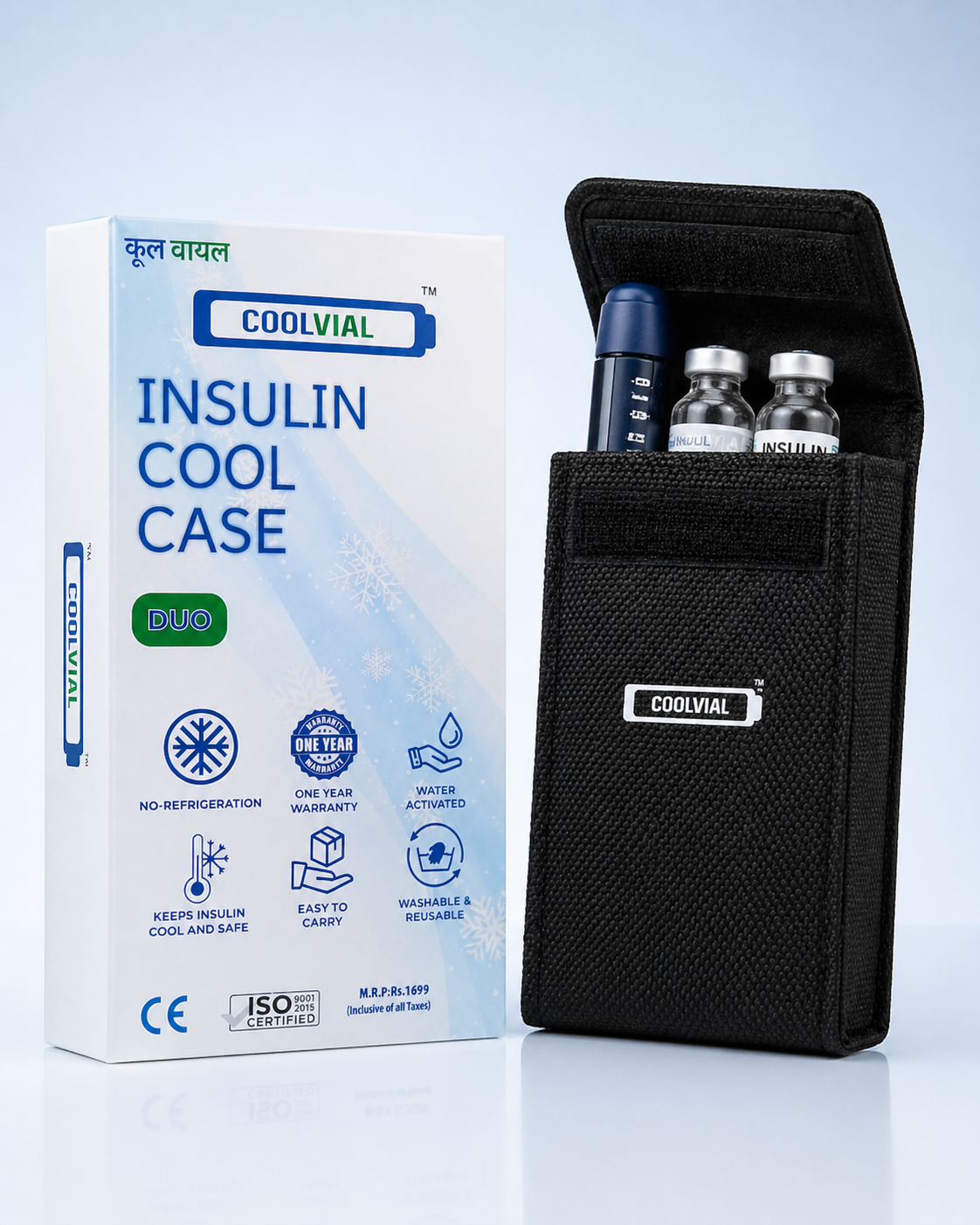
For any commute exceeding 15-20 minutes in Navi Mumbai’s climate, relying solely on your regular bag to protect insulin is a high-risk gamble. This is where a reliable, water-activated evaporative cooling case like the COOLVIAL Duo becomes indispensable. Unlike simple insulated bags, evaporative coolers actively cool by drawing heat away as water evaporates, maintaining a stable temperature for hours. The COOLVIAL Duo holds 2 pens + 1 vial and keeps insulin cool for 12-16 hours without electricity, making it perfect for your daily commute and even longer days out. Priced at just Rs 1,099 with code COOLHEAL (MRP Rs 1,699), it’s a cost-effective and essential investment for your health. Compare it to options like FRIO (around Rs 1,900) or Outer Woods OW-12 (around Rs 999) – COOLVIAL offers a robust, CE certified, ISO 9001:2015 compliant solution, made in India, with a 1-year warranty.
8. School and College Commutes: Protecting Insulin for Young Diabetics
Navi Mumbai is home to numerous prestigious educational institutions, from DPS Lake to various colleges in Vashi, Nerul, and Kharghar. For children and young adults with Type 1 diabetes, their daily commute to school or college presents unique challenges for insulin storage.
10 Critical Tips for a Safe Daily Commute With Insulin in Navi Mumbai — Metro, Bus & Auto
COOLVIAL keeps insulin safe in India's heat. 48+ hours, no electricity needed.
- Tips for Students and Parents:
- Dedicated Cooling Case: Every student with diabetes must carry their insulin in a personal cooling case. The COOLVIAL Duo is ideal for this, fitting easily into a backpack.
- Morning Prep Ritual:
- Activate Cooler: Re-activate the COOLVIAL Duo in the morning by soaking it in cold water for 5-10 minutes.
- Pack Insulin: Place insulin pens/vials into the activated cooler.
- Place in Bag: Put the cooler in a designated, easily accessible compartment of the school/college bag.
- Educate Child: Teach children (especially younger ones) the importance of not leaving their bag in direct sunlight or in a hot environment (e.g., on a bus seat in the sun, or a car parked outside).
- School/College Staff Awareness: Inform school nurses, teachers, or college administration about the child’s diabetes and insulin storage needs. They should know where the insulin is kept and how to handle it in emergencies.
- Lunch Bag Integration: If a lunch box is carried, ensure the insulin cooler is separate and not exposed to any heat from food.
- Emergency Kit: Ensure the child also carries an emergency kit with glucose tablets and contact information.
For students commuting from Nerul to colleges in Vashi, or from Belapur to institutions in Kharghar, a journey that can take 30-60 minutes, a reliable cooling case provides peace of mind for both students and parents.
9. Office and Workplace Storage: Beyond the Commute
Your insulin’s journey doesn’t end when you reach your office. Proper storage at your workplace is just as crucial. Navi Mumbai’s corporate hubs, like those in Central Park Kharghar and the corporate parks near Pandavkada Falls in Belapur, often have well-regulated AC environments. However, relying solely on office AC for insulin storage throughout the day is still not the best practice.
- Workplace Insulin Storage Best Practices:
- Personal Cooling Case: Continue to store your insulin in your COOLVIAL Duo even at your desk. This provides continuous protection, especially if you step out for lunch or meetings, or if there’s a power outage affecting the AC.
- Office Refrigerator (If Available): If your office has a refrigerator, you can store unopened insulin vials/pens there. However, ensure it’s not too cold (not near freezer compartment) and clearly label your insulin to avoid accidental disposal. Activated insulin pens should generally not be re-refrigerated unless specifically advised by your doctor.
- Lunch Storage: Avoid storing insulin with your lunch bag, especially if your lunch is hot. Keep it separate.
- Avoid Desk Drawers: Desk drawers can become warm, especially if exposed to sunlight or near electronic equipment.
- Regular Monitoring: Periodically check your insulin for any changes in appearance (cloudiness, particles) which might indicate degradation.
Even if your office has excellent AC, having your insulin in a cooling case like the COOLVIAL Duo ensures it’s ready for any mid-day errands, unexpected travel, or even power fluctuations. For a deeper dive into managing your diet around these locations, refer to our Diabetic-Friendly Restaurants & Cafes in Navi Mumbai — Where to Eat Safely.
10. Your Daily-Carry Insulin Cooler Routine: The COOLVIAL Advantage
Establishing a consistent morning prep ritual for your insulin cooling case is the most effective way to ensure your insulin is protected throughout your daily commute in Navi Mumbai.
-
Morning Prep Ritual with COOLVIAL Duo:
- Hydrate Your COOLVIAL Duo: Every morning, or the night before if you prefer, submerge your COOLVIAL Duo inner pouch in cold water for 5-10 minutes. The special crystals inside will absorb the water and swell, creating a cooling gel.
- Pat Dry: Gently pat the outer fabric dry to remove excess water. The cooling effect comes from evaporation, so a slightly damp outer surface is normal but shouldn’t be dripping.
- Insert Insulin: Place your insulin pens and/or vial into the activated COOLVIAL Duo pouch. The Duo model is designed to hold 2 pens + 1 vial, offering ample space for your daily needs.
- Secure and Pack: Close the COOLVIAL Duo and place it in your daily bag – whether it’s an office bag, school backpack, or college tote. Ensure it’s not squashed and has some air circulation.
- Enjoy 12-16 Hours of Cooling: Your insulin will remain at a safe temperature (below 25°C, even when ambient temperatures are 38-42°C) for 12-16 hours, providing peace of mind for your entire day.
-
Why COOLVIAL Duo is Your Ideal Commute Partner:
- Water-Activated, No Electricity: Perfect for areas with unreliable power or when you’re on the go.
- Extended Cooling: Keeps insulin cool for 12-16 hours, covering even the longest Navi Mumbai commutes and workdays.
- Robust & Durable: Made with quality materials to withstand daily use.
- CE Certified & ISO 9001:2015: Ensures international quality and safety standards.
- Made in India: A trusted Indian brand understanding local climate challenges.
- Affordable: At Rs 1,099 with code COOLHEAL, it’s an accessible solution for every diabetic.
- Peace of Mind: Knowing your insulin is safe from Navi Mumbai’s heat allows you to focus on your day without constant worry.
Remember, proper insulin storage is not just about convenience; it’s about maintaining your health and the effectiveness of your diabetes treatment. Don’t compromise. Invest in a reliable solution like the COOLVIAL insulin cool case and follow these insulin storage tips diligently.
Frequently Asked Questions (FAQ)
Q: Can I store my insulin pen in my office bag without a cooler if my office has AC? A: Relying solely on office AC is risky; if you step out for lunch or meetings, or in case of a power outage, your insulin can quickly be exposed to unsafe temperatures. It is best to always keep your insulin in a dedicated cooling case, even in an AC environment.
Q: What is the maximum temperature an insulin pen can withstand during my Navi Mumbai commute? A: Once opened, most insulin pens should be stored below 25-30°C for up to 28 days. Unopened insulin requires refrigeration at 2-8°C. Exposure to temperatures above 30°C for prolonged periods can significantly reduce insulin’s potency.
Q: How long does insulin remain safe in a non-AC NMMT bus during summer in Navi Mumbai? A: In a non-AC NMMT bus during Navi Mumbai’s summer, where temperatures can reach 38-42°C, unprotected insulin can start degrading significantly in as little as 30-60 minutes. A cooling case is essential for any bus journey.
Q: Is it safe to carry insulin in a two-wheeler dickey for a short commute in Navi Mumbai? A: No, it is never safe to carry insulin in a two-wheeler dickey, even for short commutes. The engine heat combined with trapped air can raise temperatures to 50-60°C, rendering insulin ineffective very quickly.
Q: How does COOLVIAL Duo work to keep insulin cool without electricity? A: COOLVIAL Duo uses evaporative cooling technology. Its inner pouch contains special crystals that absorb water and form a gel. As this water slowly evaporates from the fabric surface, it draws heat away from the insulin, maintaining a safe temperature for 12-16 hours.
Q: Can children with Type 1 diabetes safely carry insulin to school/college in Navi Mumbai? A: Yes, children can safely carry insulin to school or college in Navi Mumbai by using a reliable, water-activated cooling case like the COOLVIAL Duo, which fits easily into a backpack and protects insulin for the entire school day.
Q: What should I do if my ride-sharing cab driver refuses to turn on the AC during my commute? A: If your ride-sharing driver refuses to turn on the AC, your insulin in a regular bag is at risk. Always carry your insulin in a reliable cooling case as a backup, regardless of the expected transport conditions. You can also politely ask the driver again or consider cancelling the ride if the heat is extreme.
Conclusion
Navi Mumbai offers a dynamic lifestyle, but its tropical climate and diverse transport options demand a proactive approach to diabetes management, especially concerning the daily commute with insulin. Whether you’re navigating the air-conditioned comfort of the Navi Mumbai Metro, the bustling Harbour Local Trains, the expansive NMMT bus network, or the ubiquitous auto-rickshaws, safeguarding your insulin from heat is paramount. Unprotected insulin can lose its potency rapidly in temperatures soaring to 38-42°C, which are common in non-AC vehicles and even inside parked cars.
By adopting a few critical habits, such as never storing insulin in a two-wheeler’s dickey and always using a dedicated cooling solution, you can ensure your medication remains effective. The COOLVIAL Duo, with its 12-16 hour electricity-free cooling, CE certification, and ISO 9001:2015 standards, is specifically designed for the Indian climate and the realities of a Navi Mumbai commute. It’s not just a product; it’s an essential tool for maintaining your health and peace of mind.
Take control of your diabetes management today. Order COOLVIAL Duo at Rs 1,099 with code COOLHEAL at coolvial.com or via WhatsApp wa.me/918766952300. Ensure your insulin is always cool, effective, and ready to support your active life in Navi Mumbai.
How We Researched This
This article is based on a comprehensive review of insulin storage guidelines from reputable bodies such as RSSDI (Research Society for the Study of Diabetes in India), ICMR-INDIAB data on diabetes prevalence and management challenges in urban India, local Navi Mumbai hospital directories (including Apollo Hospitals Navi Mumbai (Belapur), Fortis Hiranandani Hospital (Vashi), MGM Hospital (Vashi)), and insights from pharmacy networks like Apollo Pharmacy, Wellness Forever, MedPlus, Noble Plus, and 1mg. Local climate data for Navi Mumbai and typical commuting conditions were also considered to provide practical, relevant advice. (Source: RSSDI guidelines, ICMR-INDIAB Study, DGCA, Local meteorological data [Verify in 2026])
Medical Disclaimer
This article is for general information. Always consult your endocrinologist or diabetologist before changing insulin storage or dosing practices.
10 Critical Tips for a Safe Daily Commute With Insulin in Navi Mumbai — Metro, Bus & Auto
Insulin at 2-8°C for 48+ hours. Trusted by 10,000+ Indian diabetics.