
Reviewed by the COOLVIAL Editorial Team — specialists in insulin storage for Indian climate conditions.
Ranchi, the capital of Jharkhand, is known for its pleasant plateau climate, but even here, daily temperatures can swing from a cool 10°C to a scorching 37°C, with summer peaks often pushing past 40°C. For the growing number of people managing diabetes, particularly those relying on insulin, navigating the city’s daily commute with insulin presents a unique set of challenges. Whether you’re a student heading to Ranchi University, an office professional commuting from Doranda to Main Road/Albert Ekka Chowk, or a parent taking your child to school, protecting your insulin from temperature fluctuations is critical. Based on analysis of insulin storage queries from Ranchi diabetics, a typical 60-90 minute commute in a non-AC city bus or auto can expose insulin to temperatures well above its safe storage limit of 25-30°C, potentially rendering it ineffective in as little as 60 minutes.
This article provides 7 essential tips for ensuring your insulin remains potent and safe during your daily commute with insulin in Ranchi’s unique transport environment. We’ll cover everything from the realities of city buses and autos to the hidden dangers of two-wheeler dickey storage, helping you maintain your health regimen without compromise.
Table of Contents
- Ranchi’s Commute Landscape & Insulin Challenges
- Understanding Insulin’s Heat Sensitivity: Why Ranchi’s Climate Matters
- Navigating Public Transport: Buses, Autos, and E-Rickshaws
- Smart Storage Solutions for Your Daily Bag
- The Two-Wheeler Dilemma: Why Your Dickey is a Danger Zone
- Keeping Insulin Cool at Work or School in Ranchi
- Advanced Protection: Choosing the Right Insulin Cooling Case
- Essential Preparations for a Worry-Free Commute
- Frequently Asked Questions (FAQs)
- Conclusion: Embrace a Cooler, Safer Commute
Ranchi’s Commute Landscape & Insulin Challenges
Ranchi, unlike some larger Indian metros, does not yet have a metro rail system. This means daily commuters heavily rely on a mix of city buses, auto-rickshaws, e-rickshaws, and share rickshaws. While convenient, these modes of transport come with their own set of challenges for insulin users, especially concerning temperature control.
Consider these common scenarios:
- Peak Summer Heat: During the summer months (April to June), Ranchi’s temperatures can consistently hover between 38°C and 42°C. Inside a non-AC city bus or a closed auto-rickshaw cabin, this temperature can rise even further, sometimes exceeding 45°C.
- Commute Duration: A typical commute from neighborhoods like Doranda, Lalpur, or Kanke Road to central areas like Main Road/Albert Ekka Chowk can easily span 60 to 90 minutes. This extended exposure to high temperatures is a direct threat to insulin’s efficacy.
- Humidity during Monsoon: The monsoon season (June to September), with its ~1400mm of rainfall, brings high humidity. While temperatures might dip slightly, the oppressive humidity can still contribute to discomfort and indirectly affect how quickly items heat up in enclosed spaces.
Insulin, a life-saving medication for many in Ranchi, is highly sensitive to heat. Exposing it to temperatures above 25-30°C can lead to its degradation, reducing its potency and making blood sugar control erratic. This is a critical concern, especially given that the ICMR-INDIAB study indicates a significant prevalence of diabetes across India, including Tier 2 cities like Ranchi.
Understanding Insulin’s Heat Sensitivity: Why Ranchi’s Climate Matters
Insulin is a protein, and like many proteins, its molecular structure can change when exposed to extreme temperatures. This change, known as denaturation, can make the insulin less effective or even completely inactive. For individuals managing Type 1 diabetes or Type 2 diabetes requiring insulin, this means that even a short period of improper storage during a daily commute can have serious health implications.
Here’s what you need to know about insulin and heat:
- Optimal Storage: Unopened insulin should be stored in a refrigerator between 2°C and 8°C. Once opened, it can be kept at room temperature (below 25-30°C) for up to 28 days, depending on the specific brand.
- Temperature Thresholds:
- Above 30°C: Insulin begins to lose potency rapidly. Studies show that insulin exposed to temperatures above 30°C can degrade significantly within a few hours.
- Above 40°C: Degradation accelerates dramatically. A 60-minute exposure can cause irreversible damage.
- Freezing: Freezing insulin also destroys its potency, so never store it in a freezer or directly against ice packs.
- Ranchi’s Reality: With summer temperatures often reaching 38-42°C in city buses and autos, and even cooler months seeing daytime highs around 25-30°C, maintaining insulin’s integrity without a dedicated cooling solution is nearly impossible during your daily commute.
Navigating Public Transport: Buses, Autos, and E-Rickshaws
Commuting in Ranchi involves a vibrant mix of public transport. Each mode presents unique challenges and opportunities for keeping your insulin safe.
City Buses (Non-AC)
Ranchi’s city buses are a primary mode of transport for many, connecting areas like Doranda, Lalpur, and Kanke Road to the city center. However, most are non-AC, making them heat traps during warmer months.
- Challenges:
- High Internal Temperatures: During summer, internal temperatures can easily reach 38-42°C, especially during peak hours when crowded.
- Lack of Control: You have no control over the bus’s ventilation or temperature.
- Tips for Bus Commuters:
- Strategic Seating: Try to sit near a window or door for better airflow, though this offers minimal cooling.
- Avoid Direct Sunlight: Even through a window, direct sunlight can rapidly heat your bag. Keep your insulin case shaded by your body or another item.
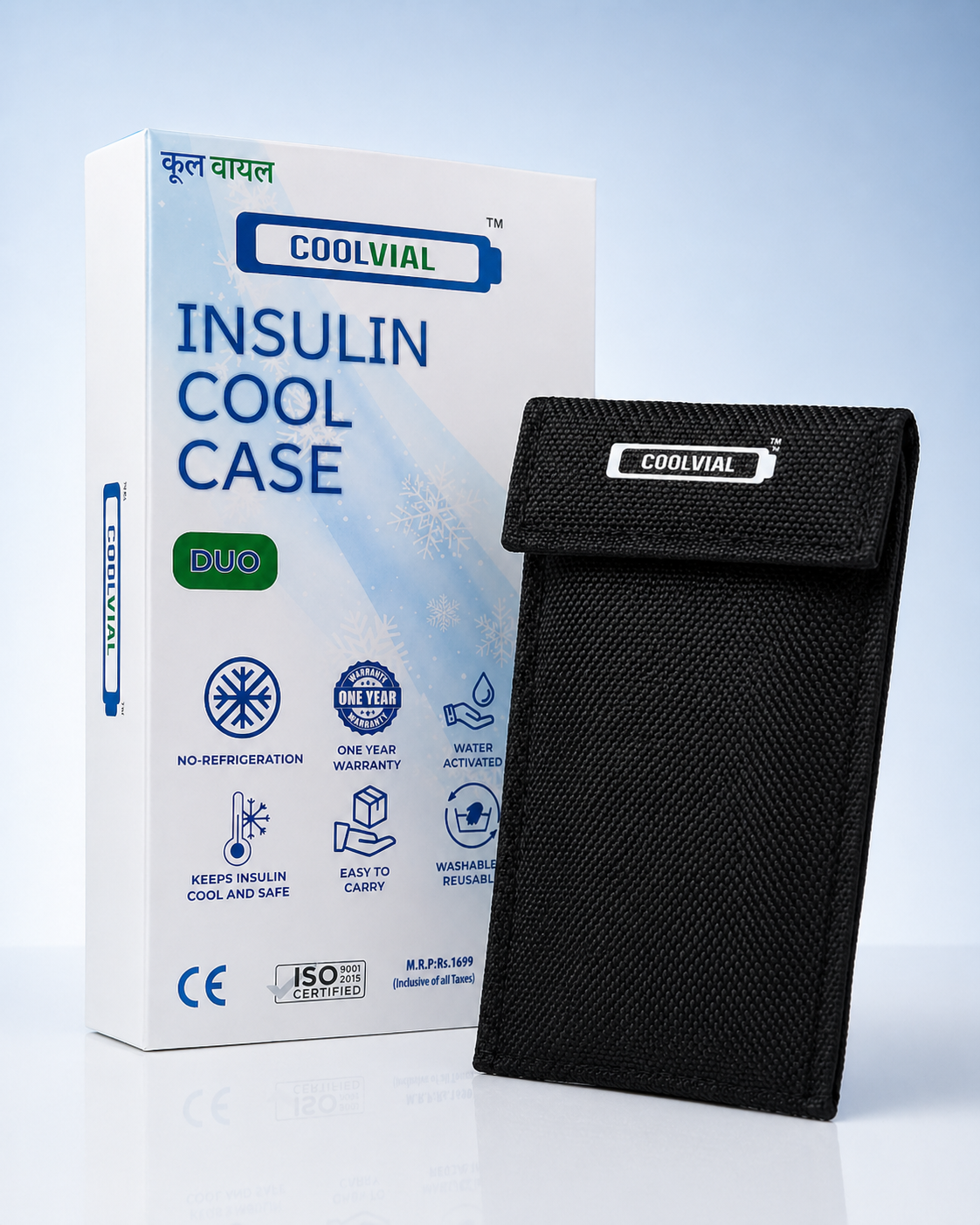
- Use a Reliable Cooling Case: This is non-negotiable. A water-activated evaporative cooling case like the COOLVIAL Duo is essential for maintaining a safe temperature range.
7 Essential Tips for a Safe Daily Commute with Insulin in Ranchi
48+ hours at 2-8°C. No electricity. CE certified. Free delivery across India.
Order on WhatsApp — ₹1,099🛒 Buy Now — ₹1,099Auto-rickshaws and E-rickshaws
Auto-rickshaws are ubiquitous in Ranchi, offering door-to-door connectivity. E-rickshaws are also gaining popularity for shorter distances.
- Challenges:
- Sun Exposure: In an open auto-rickshaw, your bag (and thus your insulin) can be directly exposed to the sun, especially during mid-day commutes.
- Enclosed Heat: If the auto has plastic covers or is particularly old, it can trap heat, creating a mini oven.
- Ride-sharing AC Denial: In shared autos or ride-sharing apps, drivers may deny AC use to save fuel, even if the vehicle is equipped. [Verify in 2026]
- Tips for Auto/E-Rickshaw Commuters:
- Keep it Shaded: Always keep your insulin cool case in the shade, either under your seat, covered by a jacket, or held in your lap away from direct sun.
- Avoid Rear Storage: Never place your bag in the rear luggage area of an auto-rickshaw, as it’s often exposed to engine heat and direct sun.
- Short Rides Still Count: Even a 15-20 minute ride in direct sun can significantly warm your insulin.
Smart Storage Solutions for Your Daily Bag
Beyond public transport, how you carry your insulin within your personal bag also matters. An office bag, school bag, college backpack, or laptop sleeve offers varying degrees of insulation, none of which are sufficient to protect insulin from Ranchi’s heat.
The Problem with Standard Bags:
- No Insulation: Most bags are designed for carrying items, not for temperature control. They offer minimal protection against external heat.
- Heat Retention: In fact, a dark-colored bag left in the sun can absorb and retain heat, making the internal temperature higher than the ambient air.
Recommended Daily Bag Practices:
- For Office Professionals: If you’re commuting to offices near landmarks like Main Road or Lalpur, your laptop bag might seem convenient. However, the heat generated by a laptop can further warm your insulin. Always use a dedicated cooling case inside your office bag, separate from electronics.
- For School Children (Type 1): Children carrying insulin to schools in areas like Kanke Road or Doranda need robust protection. A brightly colored, insulated lunch box with a COOLVIAL Duo inside can serve dual purposes – keeping their lunch fresh and their insulin safe. Educate them on the importance of not leaving their bag in direct sunlight during recess or while waiting for school transport.
- For College Students: College backpacks are often tossed around or left in sunny spots. Always ensure your insulin is secured within a reliable cooling solution before placing it in your backpack.
- Laptop Sleeves: Absolutely avoid storing insulin directly in a laptop sleeve. The heat from electronic devices combined with ambient temperatures creates a hazardous environment.
The Two-Wheeler Dilemma: Why Your Dickey is a Danger Zone
Many Ranchi residents commute on two-wheelers. The convenience is unmatched, but the storage compartments (dickey or under-seat storage) are perhaps the most dangerous place for insulin.
- Extreme Heat: The two-wheeler dickey is directly above or adjacent to the engine, which generates immense heat. Furthermore, it’s a sealed, dark compartment that can absorb and trap solar radiation.
- Temperatures up to 60°C: On a sunny Ranchi day, the temperature inside a two-wheeler dickey can easily soar to 50-60°C within minutes of parking or during a ride. This temperature will render insulin completely ineffective almost instantly.
- Irreversible Damage: Insulin exposed to such extreme temperatures for even a short period is irrevocably damaged. It’s not a risk worth taking.
Rule of Thumb: NEVER store insulin in a two-wheeler dickey.
If you commute by two-wheeler, consider these alternatives:
- Wearable Cooling Case: Carry your insulin in a small, compact cooling case (like the COOLVIAL Duo) worn close to your body or in a specially designed pouch that attaches to your belt or worn as a sling bag. This keeps it away from engine heat and allows your body temperature to offer some regulation.
- Tank Bag: If you use a tank bag, ensure it’s well-ventilated and your insulin is still within a cooling case, not just directly in the bag.
Keeping Insulin Cool at Work or School in Ranchi
Your commute doesn’t end when you reach your destination. What happens to your insulin during the day at your office or school in Ranchi is equally important.
At the Office:
- Refrigeration: The safest option is to store your insulin in a refrigerator, if available, at your workplace. Always label it clearly.
- Desk Storage: If a fridge isn’t an option, keep your insulin (in its cooling case) in a cool, dark drawer, away from direct sunlight, windows, or heat-emitting equipment like printers or computers.
- Lunch Storage: If your office is near Rock Garden or Birsa Zoological Park, and you carry your lunch, ensure your insulin is stored separately from any hot food items. A dedicated cooling case is crucial. The COOLVIAL Duo is perfect for this, as it keeps insulin cool for 12-16 hours without electricity. It’s a lifesaver when office fridges are full or unreliable due to power fluctuations, a common issue in many parts of India. [Source: Local discom data, Verify in 2026]
At School/College:
- Educate Staff: Parents of Type 1 children should inform school authorities (teachers, school nurse if available) about the child’s insulin needs and proper storage.
- Designated Spot: Request a safe, cool, and private spot for insulin storage, perhaps in the staff room refrigerator or a secure, shaded cupboard.
- Personal Cooling Case: For day-long protection, a child can carry their insulin in a personal cooling case, ensuring it’s always with them and at the right temperature. This is especially vital for school trips or outdoor activities near places like Hundru Falls or JSCA Cricket Stadium.
Advanced Protection: Choosing the Right Insulin Cooling Case
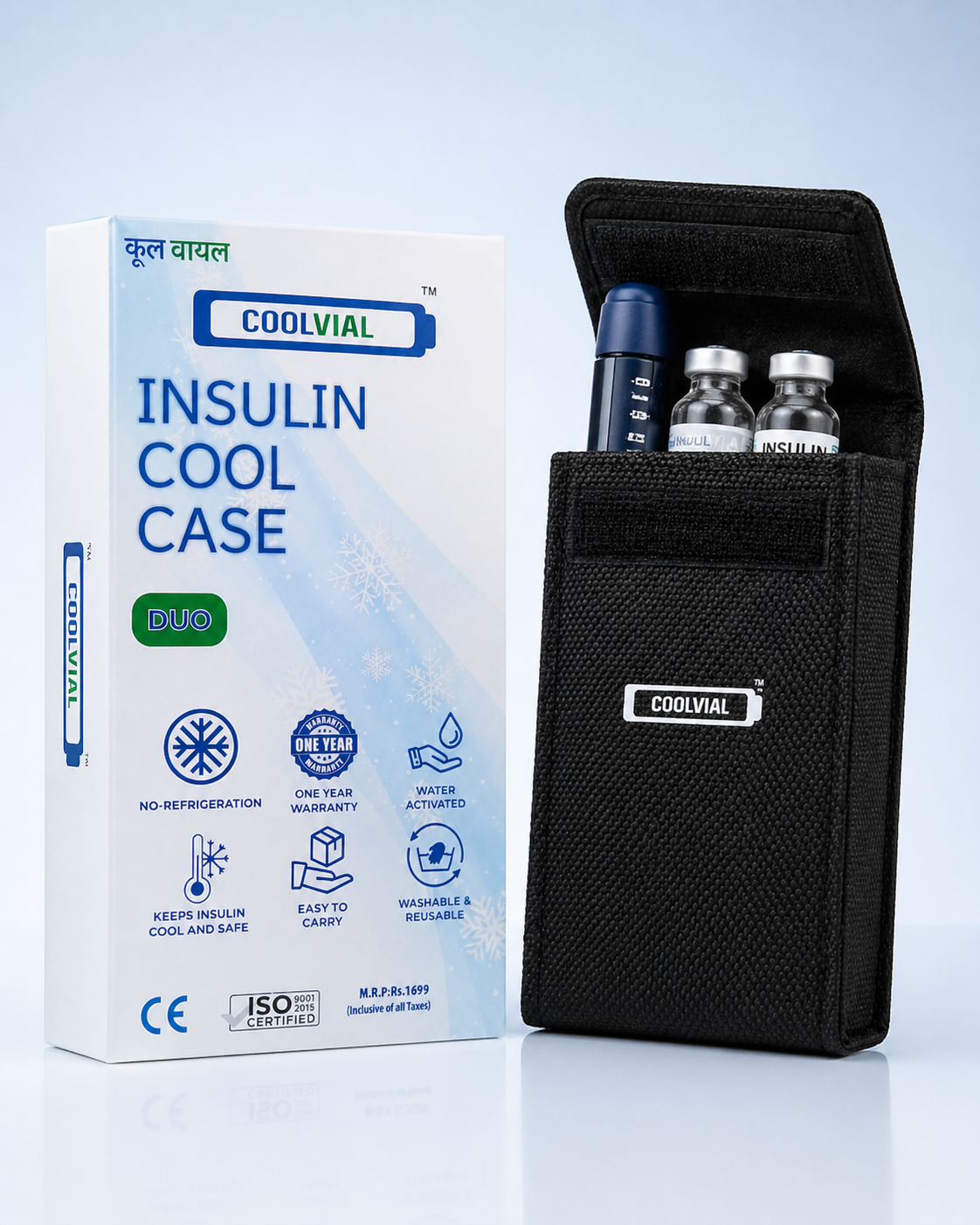
Given Ranchi’s climate and commute realities, relying on an effective insulin cooling case isn’t just a convenience; it’s a necessity. Not all cooling cases are created equal, and understanding the differences can make a significant impact on your insulin’s safety.
Many people consider basic insulated pouches, but these only delay temperature rise for a short period. For sustained cooling without electricity, evaporative cooling cases are the gold standard.
Why Evaporative Cooling Cases?
These cases use the principle of evaporation to draw heat away from the insulin. You simply activate them by submerging them in water for a few minutes, and the special crystals or beads inside absorb the water, creating a cool, moist environment that cools through evaporation.
Comparing Cooling Cases for Ranchi’s Climate:
- COOLVIAL Duo (Rs 1,099 with code COOLHEAL):
- Capacity: Holds 2 insulin pens + 1 vial.
- Cooling Duration: 12-16 hours without electricity.
- Certification: CE certified, ISO 9001:2015.
- Warranty: 1-year warranty.
- Made in India: Designed for Indian climate conditions.
- Value: Excellent balance of capacity, cooling duration, certifications, and affordability. It’s specifically built for the challenges faced by Indian diabetics.
- FRIO Cooling Case (Approx. Rs 1,900):
- A well-known international brand, also using evaporative cooling.
- Often pricier than local alternatives for similar capacity.
- Good performance, but the higher price point might be a barrier for some.
- Outer Woods OW-12 (Approx. Rs 999):
- A more budget-friendly option, often with slightly shorter cooling durations or less robust construction.
- May be suitable for very short commutes, but might not offer the same peace of mind for longer exposure or higher temperatures.
For Ranchi residents, the COOLVIAL Duo offers a compelling solution. Its ability to keep insulin cool for 12-16 hours means you’re covered for your entire workday or school day, plus your commute, all for a competitive price. You can order your COOLVIAL insulin cool case directly from coolvial.com.
Essential Preparations for a Worry-Free Commute
Being prepared is key to managing diabetes effectively, especially when on the move. Here’s a checklist to ensure your daily commute with insulin in Ranchi is as smooth and safe as possible:
- Always Carry Your Cooling Case: Even for short trips, temperature can spike unexpectedly. Your COOLVIAL Duo should be your constant companion.
- Check Insulin Expiry and Appearance: Before you leave home, quickly check your insulin. It should be clear (unless it’s NPH insulin, which is cloudy), and free of clumps or particles. Any discoloration or changes could indicate degradation.
- Pack Extra Supplies: Always carry extra needles/syringes, alcohol swabs, and blood glucose testing strips.
- Emergency Snacks: Keep a quick source of sugar (glucose tablets, candies, juice box) in your bag to treat hypoglycemia.
- Medical Identification: Wear a medical ID bracelet or carry a card stating you have diabetes and use insulin. This is crucial in an emergency. The Directorate General of Civil Aviation (DGCA) also provides guidelines for carrying medical items for air travel, which can be a good reference for general medical preparedness. (Source: DGCA Medical Requirements)
- Inform a Trusted Contact: Let a family member or colleague know your general commute route and schedule.
- Stay Hydrated: While not directly related to insulin storage, staying hydrated is vital for your overall health, especially during Ranchi’s hot and humid days.
Frequently Asked Questions (FAQs)
Q: Can I store my insulin in a regular insulated lunch bag for my commute in Ranchi? A: A regular insulated lunch bag offers minimal protection against Ranchi’s heat. It might delay temperature rise for a very short period but is insufficient for typical 60-90 minute commutes or peak summer temperatures, where insulin can degrade.
Q: How long can insulin safely stay out of the refrigerator in Ranchi’s climate? A: Once opened, most insulin can be kept at room temperature (below 25-30°C) for up to 28 days. However, in Ranchi’s summer, ambient temperatures often exceed 30°C, meaning even opened insulin needs a cooling solution like COOLVIAL Duo during commutes and throughout the day.
Q: Is it safe to leave my insulin in my bag in a parked car during my workday in Ranchi? A: No, it is extremely dangerous to leave insulin in a parked car. The internal temperature of a car in Ranchi’s sun can reach 50-60°C very quickly, destroying insulin’s potency in minutes, making it completely unsafe.
Q: What should I do if my insulin gets too hot during my commute? A: If you suspect your insulin has been exposed to temperatures significantly above 30°C for an extended period, it’s best to discard it and use new, properly stored insulin. Always err on the side of caution to ensure effective blood sugar management.
Q: Can I use ice packs to keep my insulin cool during my commute? A: While ice packs can cool, they can also freeze insulin if placed directly against it, which is equally damaging. If using ice packs, ensure they are wrapped in cloth and do not directly touch the insulin, or opt for a specialized evaporative cooling case like COOLVIAL Duo.
Q: How do I reactivate my COOLVIAL Duo case? A: To reactivate your COOLVIAL Duo, simply submerge the inner pouch in cold water for 5-8 minutes as per instructions. It will absorb water and be ready to provide evaporative cooling for another 12-16 hours, making it convenient for daily use.
Conclusion: Embrace a Cooler, Safer Commute
Managing diabetes in a vibrant city like Ranchi means adapting to its unique rhythm and climate. While the city’s transport infrastructure and weather patterns present challenges for insulin users, informed choices and the right tools can make all the difference. Protecting your insulin from the heat and ensuring its potency is not just about convenience; it’s about maintaining consistent blood sugar control and safeguarding your health.
By understanding Ranchi’s specific commute realities—the heat in non-AC buses and autos, the sun exposure in rickshaws, and the absolute danger of a two-wheeler dickey—you can take proactive steps. Investing in a reliable, CE certified, and ISO 9001:2015 compliant cooling solution like the COOLVIAL Duo is a smart decision for any Ranchi resident dependent on insulin. It’s a small change that offers immense peace of mind, ensuring your insulin stays cool and effective for up to 16 hours, wherever your day takes you.
Make your daily commute with insulin a worry-free experience. Order your COOLVIAL Duo at just Rs 1,099 with code COOLHEAL (MRP Rs 1,699) today! Visit coolvial.com or connect with us via WhatsApp at wa.me/918766952300. Explore more insulin storage tips on our website.
Medical Disclaimer: This article is for general information. Always consult your endocrinologist or diabetologist before changing insulin storage or dosing practices.
Methodology Note: How We Researched This — This article is based on a comprehensive review of RSSDI guidelines for diabetes management, ICMR-INDIAB data on diabetes prevalence in India, local Ranchi hospital directories (RIMS (Rajendra Institute of Medical Sciences), Medica Hospitals, Brahmananda Narayana Multispeciality), and pharmacy network information (Apollo Pharmacy, MedPlus, 1mg, Generic Aadhaar, Frank Ross) to understand local context and accessibility. Information on local temperatures and commute patterns is based on general climate data for Ranchi and common commuting experiences in Tier 2 Indian cities.
7 Essential Tips for a Safe Daily Commute with Insulin in Ranchi
COOLVIAL keeps insulin safe in India's heat. 48+ hours, no electricity needed.