Reviewed by the COOLVIAL Editorial Team — specialists in insulin storage for Indian climate conditions.
Aurangabad, the city of gates, is known for its rich history and vibrant culture. But for its residents managing diabetes, the city’s semi-arid climate, with summer temperatures soaring above 40°C, presents a unique challenge: how to store insulin effectively and safely. Based on analysis of insulin storage queries from Aurangabad diabetics, we understand these local struggles. During peak summer months like May and June, indoor temperatures in many non-AC homes across Garkheda or Beed Bypass can easily range from 33°C to 38°C, even late at night. This extreme heat directly impacts insulin efficacy, as insulin loses potency rapidly when exposed to temperatures above its recommended storage range of 2°C to 8°C (for unopened vials) or below 25°C-30°C (for opened vials, depending on the type). This comprehensive guide provides 7 practical, Aurangabad-specific steps to ensure your insulin remains potent and safe, even amidst the city’s scorching heat and unpredictable power cuts.
Table of Contents
- Aurangabad’s Climate Reality & Its Impact on Insulin
- Understanding Insulin’s Temperature Sensitivity
- The Challenge of Refrigeration: Power Cuts & Fridge Stability in Aurangabad
- Evaporative Cooling: A Lifesaver in Aurangabad’s Dry Heat
- Navigating Storage Realities: CIDCO vs. Jalna Road & Beyond
- Emergency Preparedness: May-June Peak Heat + Power Cut Combo
- MGM Medical College & Hospital (CIDCO) Recommendations & Local Pharmacy Insights
- Practical Tips for Everyday Insulin Storage in Aurangabad
- Introducing COOLVIAL Duo: Your Reliable Partner in Aurangabad’s Heat
- Frequently Asked Questions (FAQ)
- Conclusion & Call to Action
- Methodology Note
- Medical Disclaimer
1. Aurangabad’s Climate Reality & Its Impact on Insulin
Aurangabad, nestled in the Deccan Plateau, experiences a distinct semi-arid climate. While the winters are pleasant (12-25°C), the summers are intensely hot and dry, with mercury often touching 40-42°C in April, May, and early June. The monsoon season (June-September) brings some relief, with average rainfall around 700mm, but also introduces humidity, which can be a different challenge for insulin storage.
Here’s a breakdown of Aurangabad’s climate impact on insulin:
- Scorching Summers (April-June):
- Outdoor Temperatures: Regularly exceed 40°C.
- Indoor Temperatures: Even within homes without air conditioning, especially in older structures or densely populated areas like parts of Garkheda or near Bibi Ka Maqbara, temperatures can hover between 33-38°C for extended periods, even during nighttime. This is well above the safe storage limit for most in-use insulin.
- Humidity: Generally low, which is conducive to evaporative cooling methods, but can fluctuate.
- Monsoon Season (June-September):
- Humidity Spike: While temperatures drop slightly, humidity levels rise significantly, which can affect the efficiency of some cooling methods and potentially damage insulin packaging if not properly sealed. For more on this, refer to our article on Aurangabad Monsoon & Insulin — Protecting Your Vials From Humidity Damage.
- Rainfall: Approximately 700mm annually, which can lead to localized waterlogging and impact travel, making careful planning for insulin supply essential.
- Water Scarcity: Aurangabad is a water-scarce region. This becomes a critical factor when considering cooling methods that require water, such as evaporative cooling, and also impacts overall hygiene and access to potable water for activation.
The constant exposure to temperatures above 25°C can cause insulin to degrade, losing its potency and potentially leading to erratic blood sugar levels. This makes local, climate-specific storage strategies crucial for diabetes management in Aurangabad.
2. Understanding Insulin’s Temperature Sensitivity
Insulin is a protein, and like many proteins, it is highly sensitive to temperature fluctuations. Its structural integrity, which dictates its effectiveness in lowering blood glucose, can be compromised by heat and, to a lesser extent, by freezing.
Key temperature guidelines for insulin storage:
- Unopened Insulin (Vials & Pens):
- Ideal Storage: Refrigerated, between 2°C and 8°C. This is crucial for maximizing its shelf life, typically until the expiry date printed on the package.
- Never Freeze: Freezing can damage the insulin structure, rendering it ineffective. If insulin freezes, it must be discarded.
- Opened/In-use Insulin (Vials & Pens):
- Room Temperature Storage: Most manufacturers recommend storing opened insulin at room temperature, below 25°C to 30°C (check your specific insulin’s leaflet for exact limits). This is to avoid the discomfort of injecting cold insulin and to allow for convenient daily use.
- Duration: Typically, in-use insulin can be stored at room temperature for 28 days (for most brands like Humalog, Novolog, Lantus, Levemir) or up to 42 days (for some like Tresiba). After this period, even if some insulin remains, it should be discarded.
- Exposure to Heat: Sustained exposure above the recommended room temperature range (e.g., 33-38°C indoors in Aurangabad summer) can significantly reduce its potency within days, or even hours.
Signs of Insulin Degradation:
- Clumping or “Snowflakes”: Clear insulin becoming cloudy or containing particles.
- Discoloration: Clear insulin turning yellow or brown.
- Loss of Clarity: Cloudy insulin (like NPH) becoming clear or clumpy.
- Reduced Effectiveness: Despite proper dosing, blood sugar levels remain high.
It’s vital for Aurangabad residents to be vigilant about these signs, as even slight degradation can impact blood sugar control. Regular monitoring and adherence to proper storage protocols are paramount.
3. The Challenge of Refrigeration: Power Cuts & Fridge Stability in Aurangabad
While a refrigerator is the gold standard for unopened insulin storage, Aurangabad’s infrastructure presents unique challenges, especially during the peak summer months.
Considerations for refrigerator use in Aurangabad:
- Frequent Power Cuts: Power outages are a common occurrence, particularly in summer when electricity demand surges. A typical Aurangabad home might experience 2-4 hours of power cuts daily during peak summer, sometimes longer. This can cause refrigerator temperatures to fluctuate wildly.
- Impact: A refrigerator’s internal temperature can rise rapidly during a power cut, especially if frequently opened. Even a well-insulated fridge can only maintain optimal temperatures for a few hours without power.
- Voltage Fluctuations: Erratic voltage can affect refrigerator performance, leading to inconsistent cooling or even damage to the appliance itself.
- Placement & Usage:
- Door Opening: Frequent opening of the refrigerator door, common in Indian households, allows warm air to enter, increasing internal temperature.
- Overfilling/Underfilling: An overfilled fridge may have poor air circulation, while an underfilled one may not retain cold well.
- Temperature Monitoring: Many households do not use a refrigerator thermometer, making it difficult to ascertain actual internal temperatures, especially after power fluctuations.
- Local Realities:
- Garkheda & Older Areas: Residents in older, more congested areas like Garkheda might face more frequent or prolonged power cuts compared to planned residential zones like CIDCO.
- Cost of Backup: Not every household can afford inverters or generators to maintain continuous power to their refrigerators.
Actionable Steps for Refrigerator Stability:
- Designated Space: Keep insulin vials/pens in a specific, stable spot, away from the freezer compartment (to prevent accidental freezing) and the door (to minimize temperature swings).
- Insulated Container: Store insulin within a small, sealed plastic container inside the fridge. This provides an extra layer of insulation against temperature changes during brief power cuts or door openings.
- Monitor Power: Be aware of local power cut schedules [Verify in 2026] and consider alternative cooling for in-use insulin during extended outages.
- Temperature Check: If possible, use a small, inexpensive refrigerator thermometer to monitor the actual temperature inside your fridge. The ideal range is 2-8°C.
Given these challenges, relying solely on a home refrigerator for in-use insulin, especially in summer, might not be sufficient. This highlights the need for reliable, portable cooling solutions.
4. Evaporative Cooling: A Lifesaver in Aurangabad’s Dry Heat
Evaporative cooling technology is a game-changer for insulin storage in climates like Aurangabad’s, especially during its hot, dry summers. This method relies on the natural process of water evaporation to draw heat away, creating a cooler internal environment without the need for electricity.
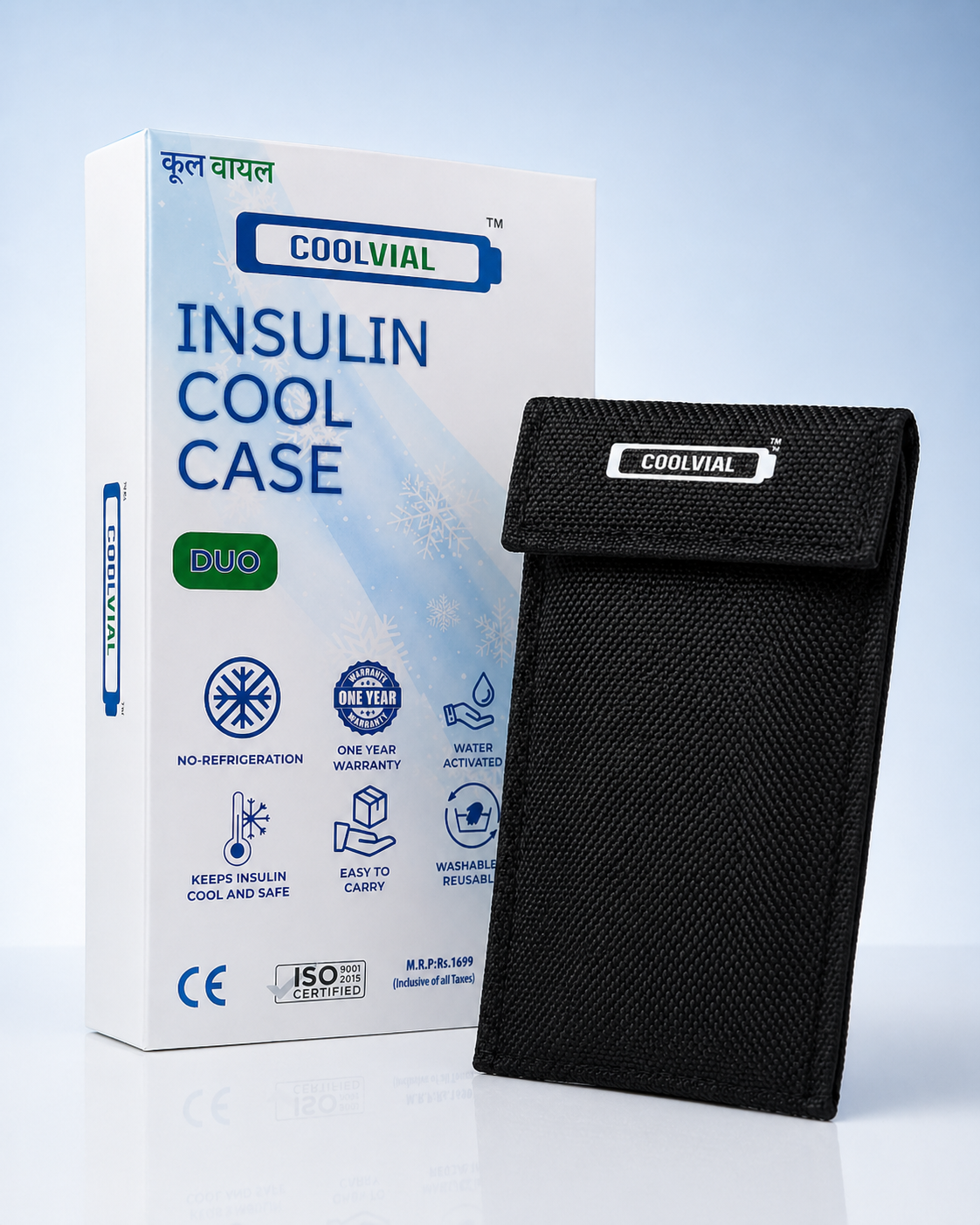
How Evaporative Cooling Works (e.g., COOLVIAL Duo):
The Complete 7-Step Guide: How to Store Insulin in Aurangabad Summer Heat — A Local's Perspective
- Water Activation: The inner pouch of the cooling case contains specialized crystals or gels. When submerged in water, these crystals absorb the water and swell, forming a gel.
- Evaporation: As water slowly evaporates from the surface of the pouch, it draws latent heat from the surrounding environment (and thus from the insulin inside the case).
- Cooling Effect: This continuous evaporation process maintains the internal temperature of the case significantly below the ambient temperature, typically within the safe range of 18-26°C, even when outside temperatures soar to 40°C+.
Effectiveness in Aurangabad’s Climate:
- Dry Summer Advantage: Evaporative cooling works most effectively in dry conditions, as lower humidity allows for faster and more efficient evaporation. Aurangabad’s hot, dry summers (April-June) are perfectly suited for this technology, offering maximum cooling potential.
- Monsoon Adaptation: During the monsoon season (June-September) when humidity is higher, the cooling efficiency might slightly decrease. However, even then, these cases still provide a crucial buffer against ambient temperatures, often keeping insulin well below the dangerous 30°C threshold. For detailed monsoon strategies, revisit our Aurangabad Monsoon & Insulin — Protecting Your Vials From Humidity Damage article.
- Water Quality Concerns for Activation: Aurangabad, being a water-scarce region, often faces issues with hard water.
- Recommendation: For activating evaporative cooling cases like COOLVIAL Duo, it is highly recommended to use bottled water or RO (Reverse Osmosis) filtered water, especially in areas known for hard water. Tap water, if hard, can leave mineral deposits on the fabric of the cooling pouch over time, potentially reducing its efficiency or lifespan. While it won’t immediately damage the case, consistent use of hard water might require more frequent cleaning or replacement.
- Availability: Bottled water is readily available at local pharmacies like Apollo Pharmacy or MedPlus, and at general stores across CIDCO, Jalna Road, and other neighborhoods.
Benefits for Aurangabad Residents:
- No Electricity Needed: Perfect for managing insulin during power cuts, travel, or outdoor activities around landmarks like Bibi Ka Maqbara or Daulatabad Fort.
- Constant Protection: Provides continuous cooling for 12-16 hours (or more, depending on the product) after a single activation.
- Portability: Lightweight and compact, easily carried in a bag.
- Cost-Effective: A one-time investment for years of reliable cooling.
For those living in Aurangabad, an evaporative cooling case is not just a convenience; it’s an essential tool for maintaining insulin potency and peace of mind.
5. Navigating Storage Realities: CIDCO vs. Jalna Road & Beyond
Aurangabad’s diverse neighborhoods present varying living conditions, which can influence insulin storage strategies. Understanding these local realities is key to effective diabetes management.
- CIDCO (City and Industrial Development Corporation):
- Planned Residential: Generally newer constructions, often with better infrastructure.
- Power Supply: May experience fewer or shorter power cuts compared to older areas.
- Housing: A mix of apartments and independent houses, some with AC.
- Storage Reality: While refrigerators might be more stable here, residents still face the risk of power outages and the need for portable solutions for daily commutes or outings. Indoor temperatures can still rise above 30°C without AC.
- Access: Good access to pharmacies like Wellness Forever and MedPlus, and healthcare facilities like MGM Medical College & Hospital.
- Garkheda (Central Aurangabad):
- Densely Populated, Older Structures: Often features older buildings, narrower lanes, and higher population density.
- Power Supply: Potentially more frequent and prolonged power cuts, making refrigerator reliability a greater concern.
- Housing: Many homes may not have AC, leading to significantly higher indoor temperatures (35-38°C) during summer.
- Storage Reality: Evaporative cooling becomes even more critical here due to the combination of high indoor temperatures and unreliable power. Residents might also need to be more conscious of water quality for case activation.
- Jalna Road (Commercial Hub):
- Commercial & Residential Mix: Busy thoroughfare with shops, offices, and residential complexes.
- Daytime Exposure: Individuals working or commuting along Jalna Road will need reliable portable cooling for their insulin, as they are exposed to high outdoor temperatures and may not have immediate access to refrigeration.
- Pharmacies: Good availability of pharmacies like Apollo Pharmacy and 1mg.
- Storage Reality: The need for on-the-go cooling is paramount, whether for office workers, shopkeepers, or students.
- Beed Bypass & Other Outlying Areas:
- Developing Areas: May have varying levels of infrastructure, potentially facing similar power challenges as Garkheda.
- Travel: Residents often commute longer distances, increasing the time insulin spends outside controlled environments.
- Storage Reality: Portable, electricity-free solutions are indispensable for maintaining insulin integrity during daily routines and travel.
Key Local Storage Strategy:
- Assess Your Microclimate: Understand the typical indoor temperatures in your specific home or workplace.
- Plan for Mobility: Whether you’re visiting the historical sites like Ajanta-Ellora caves or Panchakki, or simply commuting, always carry your in-use insulin in a reliable cooling case.
- Emergency Kit: Have a backup plan for extended power outages, especially during peak summer months.
The diverse landscape of Aurangabad demands a flexible and robust approach to insulin storage, prioritizing solutions that offer independence from electricity and adapt to varied local conditions.
6. Emergency Preparedness: May-June Peak Heat + Power Cut Combo
The scenario of peak May-June heat coupled with a prolonged power cut is a real and recurring challenge for Aurangabad residents. This combination poses the highest risk to insulin potency. Being prepared is not just advisable; it’s a necessity.
Understanding the Risk:
- Exaggerated Heat: During May and June, ambient temperatures routinely exceed 40°C. Without electricity, fans and ACs are non-functional, causing indoor temperatures to quickly match or even exceed outdoor levels, reaching 38°C or higher in non-AC homes.
- Fridge Failure: A refrigerator without power will rapidly warm up. Within 2-4 hours, its internal temperature can rise significantly, making it unsafe for insulin.
- Dehydration Risk: High temperatures also increase the risk of dehydration for individuals with diabetes, which can further complicate blood sugar management.
Your Emergency Action Plan:
- Prioritize Portable Cooling:
- Evaporative Cooling Case: This is your primary defense. Have your COOLVIAL Duo or similar evaporative cooling case ready. Ensure it’s clean and easily accessible. Before the summer truly hits, check its condition.
- Activation: Always activate your cooling case with clean, potable water (bottled/RO recommended in Aurangabad’s hard water zones) as soon as you anticipate or experience a power cut. It’s better to activate it preventatively.
- Strategic Storage During Outages:
- Transfer Insulin: Immediately transfer your in-use insulin pens and vials from the refrigerator to your activated evaporative cooling case.
- Unopened Insulin: For unopened insulin, if the power cut is expected to last longer than 4-6 hours, consider placing it in a well-insulated cooler with ice packs. Crucially, ensure the ice packs do not directly touch the insulin to prevent freezing. Wrap insulin in a cloth.
- Minimize Heat Exposure:
- Coolest Spot Indoors: Place your cooling case in the coolest part of your home – often a lower shelf, away from direct sunlight, and in a room that might retain some coolness. Avoid windows.
- Vehicle Caution: Never leave insulin in a parked car, even for a few minutes. Car interiors can reach extreme temperatures (50-60°C) very quickly in Aurangabad’s summer.
- Stay Informed & Connected:
- Local Discom Updates: Keep an eye on local power distribution company updates for restoration times [Verify in 2026].
- Community Network: Connect with neighbors or local support groups for information or assistance during extended outages.
- Hydration & Blood Sugar Monitoring:
- Stay Hydrated: Drink plenty of water to prevent dehydration.
- Monitor Closely: Be extra vigilant with blood sugar monitoring, as degraded insulin can cause unexpected high readings.
By having a robust plan that leverages reliable, electricity-free cooling, Aurangabad residents can significantly mitigate the risks posed by the dreaded summer heat and power cut combination.
7. MGM Medical College & Hospital (CIDCO) Recommendations & Local Pharmacy Insights
Local medical experts and pharmacists are invaluable resources for diabetes management, especially concerning insulin storage in challenging climates. MGM Medical College & Hospital (CIDCO) is a prominent healthcare institution in Aurangabad, and its endocrinology department offers specific guidance tailored to the region.
MGM Medical College & Hospital (CIDCO) Endocrinology Recommendations:
- Proactive Education: The endocrinology department at MGM Medical College often emphasizes patient education on proper insulin storage, particularly for those living in non-AC environments or prone to travel. They recommend discussing your specific living conditions during consultations.
- Temperature Monitoring: Patients are advised to be aware of the ambient temperatures in their homes and to avoid storing in-use insulin above 30°C. For unopened insulin, strict refrigeration (2-8°C) is mandatory, with a caution against freezing.
- Portable Cooling: Local endocrinologists frequently recommend portable, electricity-free cooling solutions for daily use, travel, and during power outages. They stress the importance of these devices in maintaining insulin efficacy.
- Regular Check-ups: Due to the challenges of heat, regular follow-ups are encouraged to monitor HbA1c levels and adjust treatment plans if insulin potency is suspected to be compromised. For comprehensive diabetes care, consider resources like our Complete Diabetes Care Guide for Aurangabad Residents — 2026 Edition.
Insights from Local Pharmacies (Apollo Pharmacy, Wellness Forever, MedPlus, 1mg, Generic Aadhaar):
- Product Availability: Pharmacies like Apollo Pharmacy, Wellness Forever, and MedPlus across Aurangabad (e.g., in CIDCO, near Jalna Road) stock a range of insulin types and often carry basic insulin storage accessories. Generic Aadhaar outlets also provide cost-effective options.
- Cooling Case Demand: Pharmacists report a significant increase in queries and demand for insulin cooling cases during summer months, indicating a clear local need.
- Water Quality Advice: Many pharmacists, aware of Aurangabad’s hard water, proactively advise customers purchasing evaporative cooling cases to use bottled or RO water for activation to ensure longevity and optimal performance of the product.
- Storage at Pharmacy: Pharmacies are required to store insulin strictly within refrigerated conditions. When collecting insulin, especially during summer, ensure it is properly packed by the pharmacy (e.g., in a small insulated bag with a gel pack) for your journey home.
- Consultation: Don’t hesitate to ask your pharmacist at Apollo Pharmacy or MedPlus for advice on safe transit and short-term storage options, especially if you have a long journey back home or anticipate immediate heat exposure.
The Complete 7-Step Guide: How to Store Insulin in Aurangabad Summer Heat — A Local's Perspective
48+ hours at 2-8°C. No electricity. CE certified. Free delivery across India.
Order on WhatsApp — ₹1,099🛒 Buy Now — ₹1,099By combining the clinical guidance from institutions like MGM Medical College with the practical advice from local pharmacies, Aurangabad residents can build a robust strategy for safeguarding their insulin.
8. Practical Tips for Everyday Insulin Storage in Aurangabad
Beyond specific cooling devices, adopting smart daily habits can significantly enhance insulin safety in Aurangabad’s climate.
Here are practical tips for everyday insulin storage:
- Always Carry a Cooling Solution: For in-use insulin, never leave home without a reliable portable cooling case. Whether you’re commuting to work, running errands at a local market, or visiting friends in different neighborhoods like CIDCO or Garkheda, your insulin needs protection from the heat.
- Avoid Direct Sunlight & Heat Sources:
- Vehicles: Never leave insulin in a parked car, even for a few minutes. The internal temperature can quickly become lethal for insulin.
- Windows: Keep insulin away from windows, especially those facing east or west, where direct sunlight can rapidly increase its temperature.
- Appliances: Avoid placing insulin near heat-generating appliances like ovens, stoves, or even TVs.
- Monitor Expiry Dates & Potency:
- Opened Vials/Pens: Mark the date of opening on your insulin pen or vial. Discard it after the manufacturer’s recommended period (usually 28-42 days), even if some insulin remains.
- Signs of Degradation: Regularly inspect your insulin for any changes in appearance (discoloration, cloudiness, particles). If in doubt, discard it and use a fresh supply.
- Plan Your Insulin Supply:
- Stock Up Responsibly: While it’s good to have a buffer, avoid buying excessively large quantities of insulin that might expire before use, especially if your primary storage is a refrigerator with potential power issues. Buy what you need for a month or two.
- Travel Planning: If traveling outside Aurangabad, especially to other hot regions, plan your insulin storage meticulously for the duration of your trip.
- Emergency Kit:
- Small Cooler Bag: Keep a small, insulated cooler bag with a couple of gel packs (not frozen solid) ready for emergencies or longer trips. Remember to wrap insulin to prevent direct contact with frozen packs.
- Backup Insulin: If feasible, have a backup vial or pen stored in the coolest possible environment.
- Stay Informed:
- Weather Alerts: Pay attention to local weather forecasts, especially during extreme heat warnings, to anticipate higher indoor temperatures.
- Product Instructions: Always read and follow the storage instructions provided with your specific insulin type.
By integrating these simple yet effective practices into your daily routine, you create a robust defense against Aurangabad’s challenging climate, ensuring your insulin remains effective and your diabetes management stays on track. For more general guidelines, our insulin storage tips page offers valuable insights.
9. Introducing COOLVIAL Duo: Your Reliable Partner in Aurangabad’s Heat
In a city like Aurangabad, where scorching summers and unreliable power supply are realities, a dependable insulin cooling solution isn’t a luxury – it’s a necessity. The COOLVIAL Duo is specifically designed to meet these challenges, offering peace of mind to Indian diabetics.
Why COOLVIAL Duo is Ideal for Aurangabad:
- Water-Activated Evaporative Cooling: The COOLVIAL Duo utilizes advanced evaporative cooling technology. Simply activate it with water, and it will keep your insulin cool for 12-16 hours, without any electricity, batteries, or refrigeration. This is perfect for Aurangabad’s power cuts and for staying active outdoors, whether you’re exploring Bibi Ka Maqbara or commuting along Jalna Road.
- Optimal Temperature Maintenance: It maintains insulin at the safe temperature range of 18-26°C, even when ambient temperatures outside soar to 40°C+. This ensures your insulin retains its full potency, preventing degradation that can lead to ineffective dosing and fluctuating blood sugars.
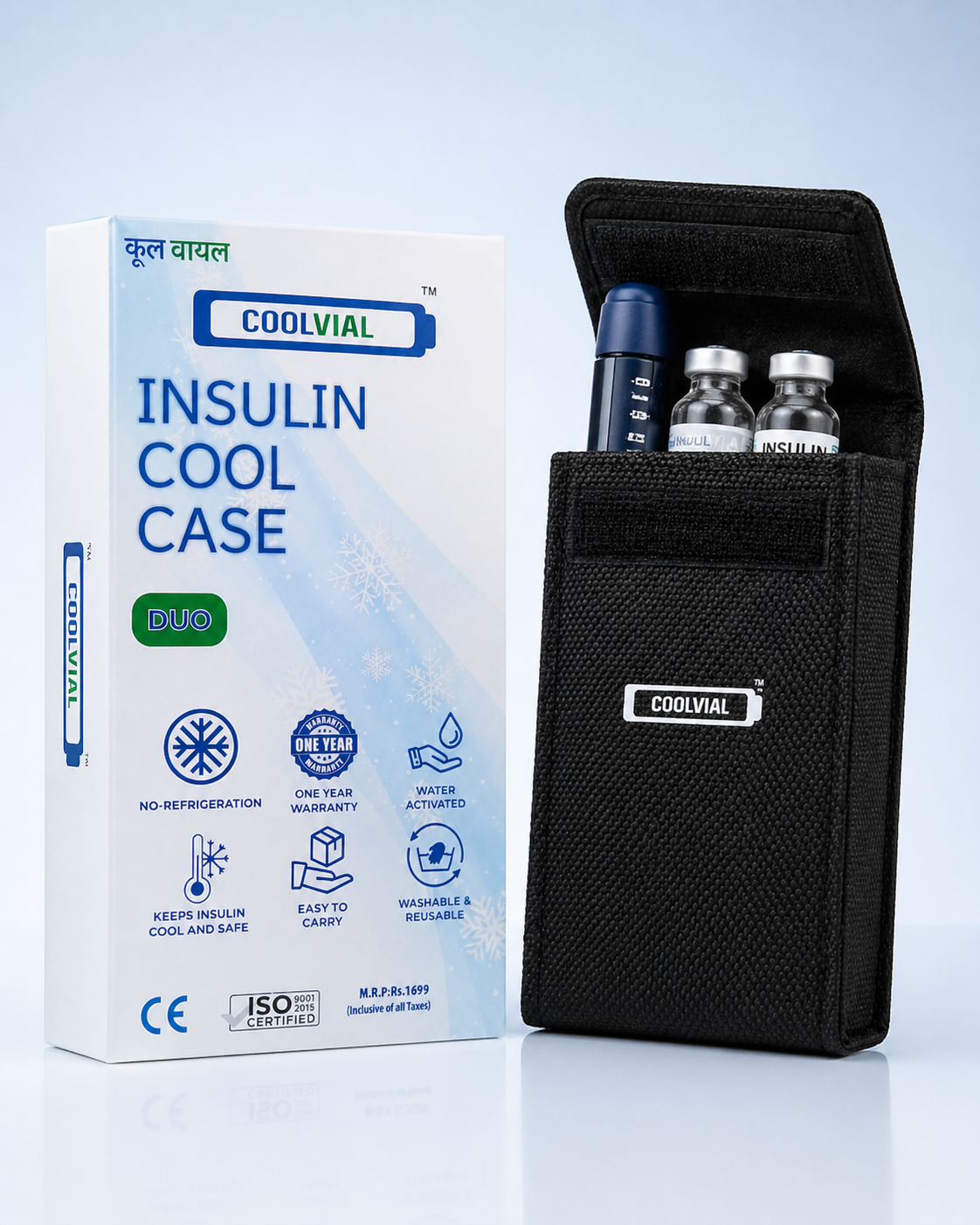
- Generous Capacity: The COOLVIAL Duo is designed to hold 2 insulin pens and 1 insulin vial, accommodating the needs of many users who might use both pen and vial formats. This makes it a versatile choice for comprehensive insulin management.
- Robust & Reusable: Made with durable materials, the COOLVIAL Duo is designed for years of repeated use. Just reactivate it with water whenever needed.
- Made in India, for India: Understanding the specific climate and lifestyle needs of Indian users, COOLVIAL products are developed with local conditions in mind.
- Quality & Assurance: The COOLVIAL Duo is CE certified and ISO 9001:2015 compliant, ensuring high manufacturing standards. It also comes with a 1-year warranty, giving you confidence in your purchase.
Comparison with Other Options:
While other evaporative cooling cases exist, such as FRIO and Outer Woods OW-12, COOLVIAL Duo offers a compelling balance of features and value:
- FRIO: A well-known international brand, FRIO cases are effective but generally come at a higher price point, often around Rs 1,900 or more for similar capacity.
- Outer Woods OW-12: A more budget-friendly option, the OW-12 is typically priced around Rs 999. While it offers basic cooling, the COOLVIAL Duo often provides a more robust build quality and a slightly longer cooling duration (12-16 hours for COOLVIAL Duo vs. typically 10-12 hours for some OW-12 models, depending on conditions).
- COOLVIAL Duo: At an MRP of Rs 1,699, it strikes an excellent balance. With our special offer, you can get it for just Rs 1,099 using the code COOLHEAL. This makes it an incredibly cost-effective, high-quality solution tailored for Indian conditions.
Investing in a reliable insulin cool case like the COOLVIAL insulin cool case is a smart decision for any Aurangabad resident managing diabetes. It provides autonomy and security, ensuring your vital medication is always kept safe, regardless of the weather or power situation.
10. Frequently Asked Questions (FAQ)
Q: How long can insulin stay out of the fridge in Aurangabad’s summer? A: Unopened insulin should remain refrigerated. Opened/in-use insulin can generally be kept at room temperature (below 25-30°C) for 28-42 days depending on the type, but in Aurangabad’s summer, indoor temperatures often exceed 30°C, so it should be in a cooling case or cooler.
Q: Can I use tap water to activate my evaporative cooling case in Aurangabad? A: While tap water can activate it, it’s recommended to use bottled or RO filtered water in Aurangabad’s hard water zones to prevent mineral buildup and ensure the longevity and efficiency of your cooling case.
Q: What should I do with my insulin during a long power cut in Aurangabad? A: Immediately transfer your in-use insulin to an activated evaporative cooling case like COOLVIAL Duo. For unopened, refrigerated insulin, place it in an insulated cooler with ice packs, ensuring the insulin is wrapped to prevent direct contact and freezing.
Q: How can I tell if my insulin has gone bad due to heat exposure? A: Look for physical changes such as cloudiness, discoloration (yellow or brown), clumping, or “snowflakes” in clear insulin. If your blood sugar levels are unexpectedly high despite proper dosing, suspect reduced potency due to heat damage.
Q: Is it safe to carry insulin in my bag when commuting on a two-wheeler in Aurangabad summer? A: Yes, but only if it’s securely stored in a reliable evaporative cooling case. Direct exposure to the sun and ambient temperatures while riding can quickly degrade insulin if it’s not protected.
Q: Where can I get local advice on insulin storage in Aurangabad? A: You can consult the endocrinology department at MGM Medical College & Hospital (CIDCO) or speak with pharmacists at local outlets like Apollo Pharmacy, Wellness Forever, or MedPlus for specific, localized advice.
Q: How does the COOLVIAL Duo compare to a simple insulated pouch with gel packs? A: The COOLVIAL Duo offers continuous, electricity-free cooling for 12-16 hours through evaporation, maintaining a stable temperature range. Insulated pouches with gel packs typically provide shorter cooling durations and require pre-freezing, which isn’t always feasible during power cuts.
Q: What is the ideal temperature range for in-use insulin, and how does COOLVIAL Duo help achieve it? A: The ideal range for in-use insulin is typically below 25-30°C (check your specific insulin). COOLVIAL Duo uses evaporative cooling to consistently maintain insulin within 18-26°C, ensuring its potency even when ambient temperatures in Aurangabad reach over 40°C.
11. Conclusion & Call to Action
Managing diabetes in Aurangabad’s challenging climate demands a proactive and informed approach, especially when it comes to safeguarding your insulin. The city’s scorching summers, coupled with the unpredictable nature of power supply and the unique storage realities of diverse neighborhoods, highlight the critical need for reliable, electricity-free cooling solutions. By understanding insulin’s temperature sensitivity, preparing for emergencies, and leveraging local resources like MGM Medical College & Hospital (CIDCO) and trusted pharmacies, you can ensure your medication remains potent and effective.
The COOLVIAL Duo stands out as an indispensable tool for Aurangabad residents. Its water-activated evaporative cooling technology offers consistent protection for your insulin pens and vials for 12-16 hours, freeing you from the worries of power cuts and extreme heat. It’s a smart, durable, and cost-effective investment in your health and peace of mind.
Don’t let Aurangabad’s climate dictate your diabetes management. Take control and ensure your insulin is always stored safely.
Order your COOLVIAL Duo today at the special price of Rs 1,099 with code COOLHEAL! Visit coolvial.com or connect with us via WhatsApp at wa.me/918766952300.
12. Methodology Note
This article was developed by synthesizing information from various authoritative sources to provide a comprehensive and locally relevant guide for Aurangabad residents. Our research included reviewing RSSDI (Research Society for the Study of Diabetes in India) guidelines for insulin storage, analyzing ICMR-INDIAB (Indian Council of Medical Research - India Diabetes) data for prevalence and climate impact insights, consulting local Aurangabad hospital directories for prominent medical institutions, and examining the presence and services of pharmacy networks like Apollo Pharmacy. We also incorporated climate data specific to Aurangabad (semi-arid, temperature ranges, monsoon patterns) and considered typical living conditions in different city neighborhoods to ensure practical applicability.