Reviewed by the COOLVIAL Editorial Team — specialists in insulin storage for Indian climate conditions.
From the delectable aromas of Sarafa Bazaar to the bustling streets of Vijay Nagar, Indore is a city that delights with its unique charm and, notably, its pleasant, mild climate. With temperatures generally ranging between 11°C and 36°C year-round, it’s easy to feel that insulin storage here might be less complicated than in other, more extreme Indian cities. However, this very comfort can lead to complacency, posing hidden risks to your vital insulin. This comprehensive guide, based on analysis of insulin storage queries from Indore diabetics, will walk you through precisely how to store insulin safely and effectively, ensuring its potency in every season and situation specific to our beloved city.
Did you know that even on a seemingly mild 28°C day in Indore, the interior of a parked car can reach a scorching 35°C or more within minutes? Such temperature fluctuations are detrimental to insulin, potentially degrading it and making it less effective. This guide addresses these nuances, providing practical advice for home, travel, and monsoon conditions.
Table of Contents
- Understanding Indore’s “Mild” Climate: A Deeper Look
- The Hidden Heat Traps: Cars, Commutes, and Quick Errands in Indore
- Apartment Living in Indore: Fridge Habits for Insulin Storage
- Navigating Indore’s Monsoon: Humidity, Power Cuts, and Insulin Safety
- Weekend Escapes from Indore: Mandu, Maheshwar, and 2-Day Getaways
- Choosing the Right Insulin Cooling Solution for Indore’s Lifestyle
- Essential Insulin Storage Tips for Indore Residents
- Navigating Pharmacies and Healthcare in Indore
- Frequently Asked Questions (FAQ)
- Conclusion
1. Understanding Indore’s “Mild” Climate: A Deeper Look
Indore is celebrated for its relatively salubrious weather, a welcome respite compared to many other Indian metros. The city experiences a delightful range, with winter nights occasionally dipping to 11°C and summer afternoons peaking around 36°C. While this sounds comfortable, it’s crucial to understand that “mild” for humans isn’t always “safe” for temperature-sensitive medications like insulin.
The pleasantness of Indore’s climate can be deceptive. For instance, an insulin vial left on a kitchen counter in Palasia during a seemingly cool day could still be exposed to temperatures above the recommended 25°C for opened insulin, especially if the kitchen heats up during cooking. This subtle exposure, accumulated over time, can compromise insulin’s efficacy. CHL Hospital (AB Road) endocrinologists consistently advise patients to adhere strictly to recommended storage guidelines, regardless of perceived ambient comfort.
- Average Temperature Ranges in Indore:
- Winter (Nov-Feb): 11°C - 27°C (Cool nights, pleasant days)
- Summer (Mar-Jun): 24°C - 36°C (Hotter afternoons, cooler evenings)
- Monsoon (Jul-Sep): 22°C - 30°C (Humid, moderate temperatures, heavy rainfall)
- Post-Monsoon (Oct): 20°C - 32°C (Gradual cooling, less humidity)
Even with these generally mild conditions, consistent vigilance is key to ensure your insulin remains potent and effective.
2. The Hidden Heat Traps: Cars, Commutes, and Quick Errands in Indore
While Indore’s climate is often agreeable, daily routines present significant challenges for insulin storage. One of the biggest culprits? Your car. Even on a moderately warm day of 28°C, the interior of a parked car near C21 Mall or Phoenix Citadel can rapidly transform into an oven, reaching temperatures well over 35°C within minutes. This is a critical factor for anyone managing diabetes in Indore.
Consider the IT-corridor commuters traveling from neighborhoods like Vijay Nagar to the Super Corridor. An insulin pen left in a car during a 30-minute commute, or worse, forgotten in the vehicle while at work, is at high risk. Similarly, a quick stop at Chappan Dukan or Sarafa Bazaar means leaving your vehicle exposed to the sun, turning it into a potential heat trap. This continuous exposure to fluctuating, often high, temperatures can degrade insulin proteins, rendering them ineffective.
- Common Scenarios Posing a Risk to Insulin in Indore:
- Parked Cars: Even short stops for shopping or errands can expose insulin to extreme heat.
- Daily Commutes: Whether by car, two-wheeler, or public transport, insulin pens carried throughout the day are vulnerable to ambient temperatures.
- Lunch Breaks: Leaving insulin in a bag on a desk near a window or in an uncooled office space.
- Outdoor Activities: Picnics or outings in regional parks like Patalpani, where direct sun exposure is common.
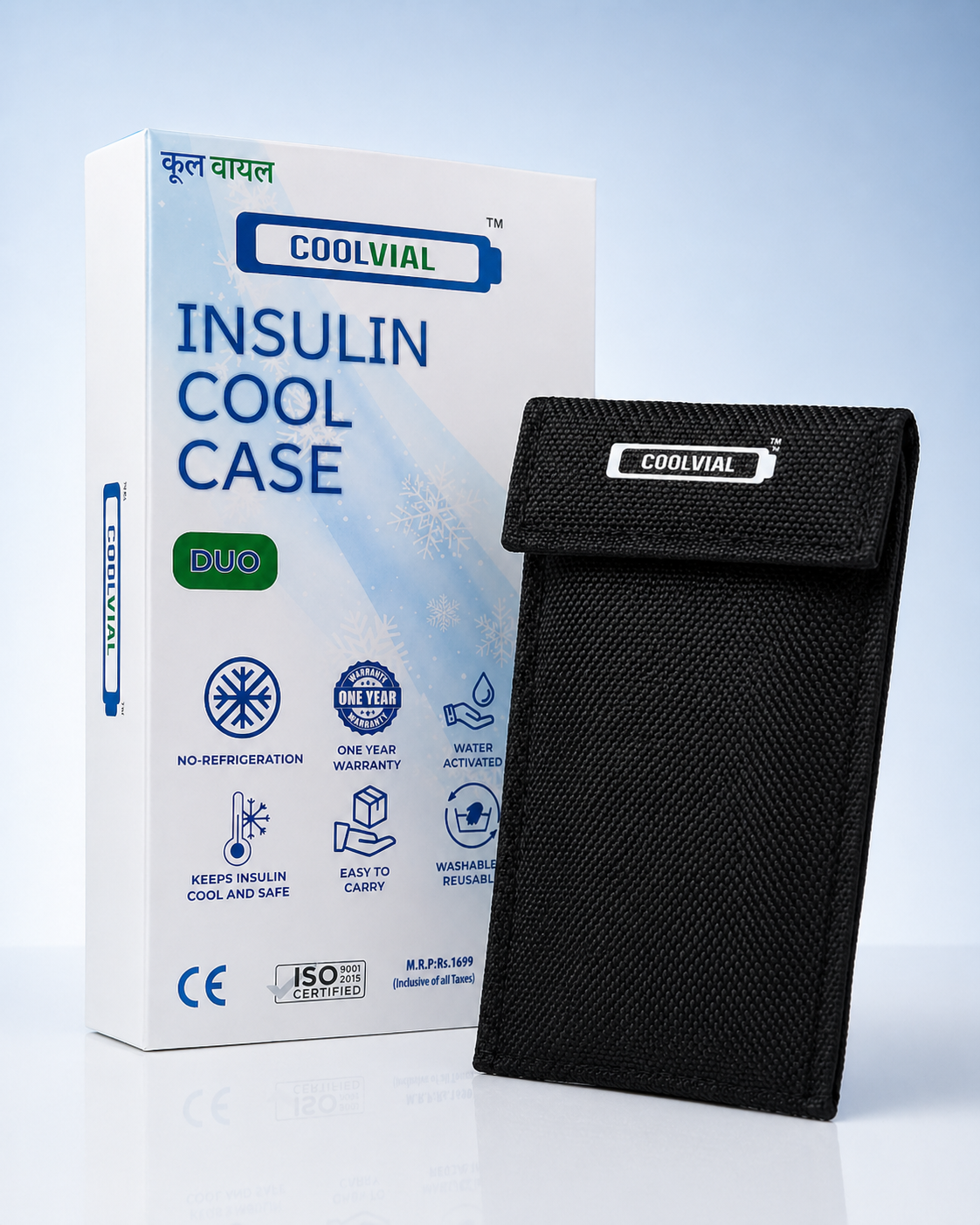
For these situations, a reliable, portable cooling solution is not just a convenience, but a necessity. The COOLVIAL insulin cool case offers a practical way to protect your insulin during these daily challenges, ensuring it stays within the safe temperature range even when Indore’s sun is at its peak.
3. Apartment Living in Indore: Fridge Habits for Insulin Storage
Most Indore residents, whether in upmarket Vijay Nagar apartments or central Palasia flats, rely on refrigerators for long-term insulin storage. Unopened insulin vials and pens should always be stored in the refrigerator between 2°C and 8°C. This temperature range is crucial for maintaining its integrity until its expiration date.
However, improper fridge habits can still lead to issues. Placing insulin in the fridge door, for example, subjects it to frequent temperature fluctuations every time the door is opened. Similarly, storing it too close to the freezer compartment can risk accidental freezing, which also destroys insulin. For those working from home, the temptation to leave an active pen out on the desk might be strong, but even Indore’s pleasant indoor temperatures can exceed the 25°C limit for opened insulin over extended periods.
- Best Practices for Home Insulin Storage in Indore:
- Optimal Fridge Placement: Store unopened insulin on a middle shelf, away from the door and the freezer vent.
- Temperature Monitoring: Consider a small fridge thermometer to ensure your refrigerator maintains the ideal 2-8°C range.
- Active Pen Storage: Opened insulin pens or vials can be stored at room temperature (below 25°C-30°C, depending on manufacturer guidelines) for up to 28 days, but if your home temperature consistently exceeds this, return it to the fridge or use a cooling case.
- Work-from-Home Discipline: If your home office frequently reaches temperatures above 25°C, especially during summer afternoons or humid monsoon days, keep your active pen in a personal cooler or return it to the fridge between uses.
By following these simple guidelines, residents can effectively protect their insulin at home, making sure it’s always ready for use. For a more comprehensive overview of diabetes management, you can refer to our Complete Diabetes Care Guide for Indore Residents — 2026 Edition.
How to Store Insulin in Indore's 5 Pleasant Seasons — A Practical Local's Guide
4. Navigating Indore’s Monsoon: Humidity, Power Cuts, and Insulin Safety
The monsoon season in Indore, typically from July to September, brings an average rainfall of ~950mm and a significant increase in humidity. While the temperatures might drop slightly, hovering between 22°C and 30°C, the high humidity introduces a unique set of challenges for insulin storage.
High humidity can affect various aspects of diabetes care, including the performance of evaporative cooling cases if not properly maintained. Furthermore, the monsoon often brings with it intermittent power cuts, which can disrupt refrigerator cooling and expose insulin to warmer temperatures. It’s a time when vigilance is paramount. For detailed strategies on managing your insulin during this season, read our dedicated article: Indore Monsoon & Insulin — Smart Storage During the Rainy Season.
- Monsoon Insulin Care Checklist for Indore Residents:
| Concern | Impact on Insulin Storage | Solution |
|---|---|---|
| High Humidity | Can affect evaporative cooling efficiency; promotes mold growth. | Ensure cooling cases are dried properly after use; reactivate evaporative coolers more frequently. |
| Power Cuts | Refrigerator temperatures rise, compromising insulin. | Have a backup cooling solution (e.g., COOLVIAL Duo) ready; avoid opening fridge unnecessarily. |
| Moderate Temps | Still near upper limit for opened insulin (25-30°C). | Always use a cooling case for active pens if ambient temperature exceeds safe limits. |
| Travel (Rainy) | Increased risk of bags getting wet, temperature fluctuations. | Use waterproof insulin cooling cases; plan travel routes to minimize exposure to rain. |
A reliable insulin cooling case like the COOLVIAL Duo becomes indispensable during the monsoon. Its water-activated evaporative cooling technology, while needing slightly more frequent re-activation in extreme humidity, still provides robust protection against the warmth and instability that characterize Indore’s rainy months.
5. Weekend Escapes from Indore: Mandu, Maheshwar, and 2-Day Getaways
Indore’s strategic location makes it a perfect hub for quick weekend getaways to enchanting destinations like Mandu, with its historic forts, or Maheshwar, serene on the banks of the Narmada. These 2-day trips, while rejuvenating, demand careful planning for insulin storage. Hotel mini-fridges are often unreliable, sometimes too cold (risking freezing) or not cold enough. The journey itself, particularly in buses or cars without constant AC, can expose insulin to damaging heat.
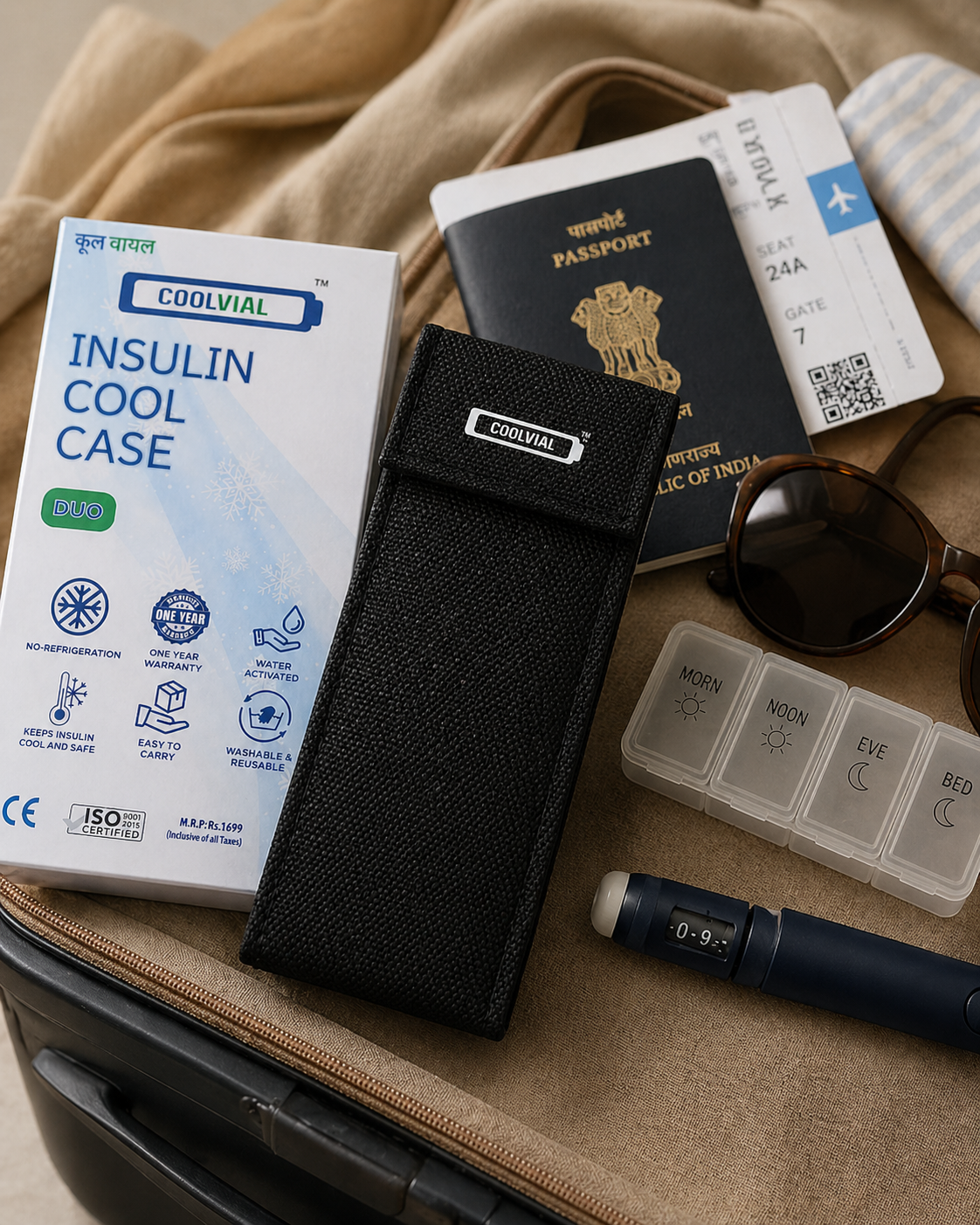
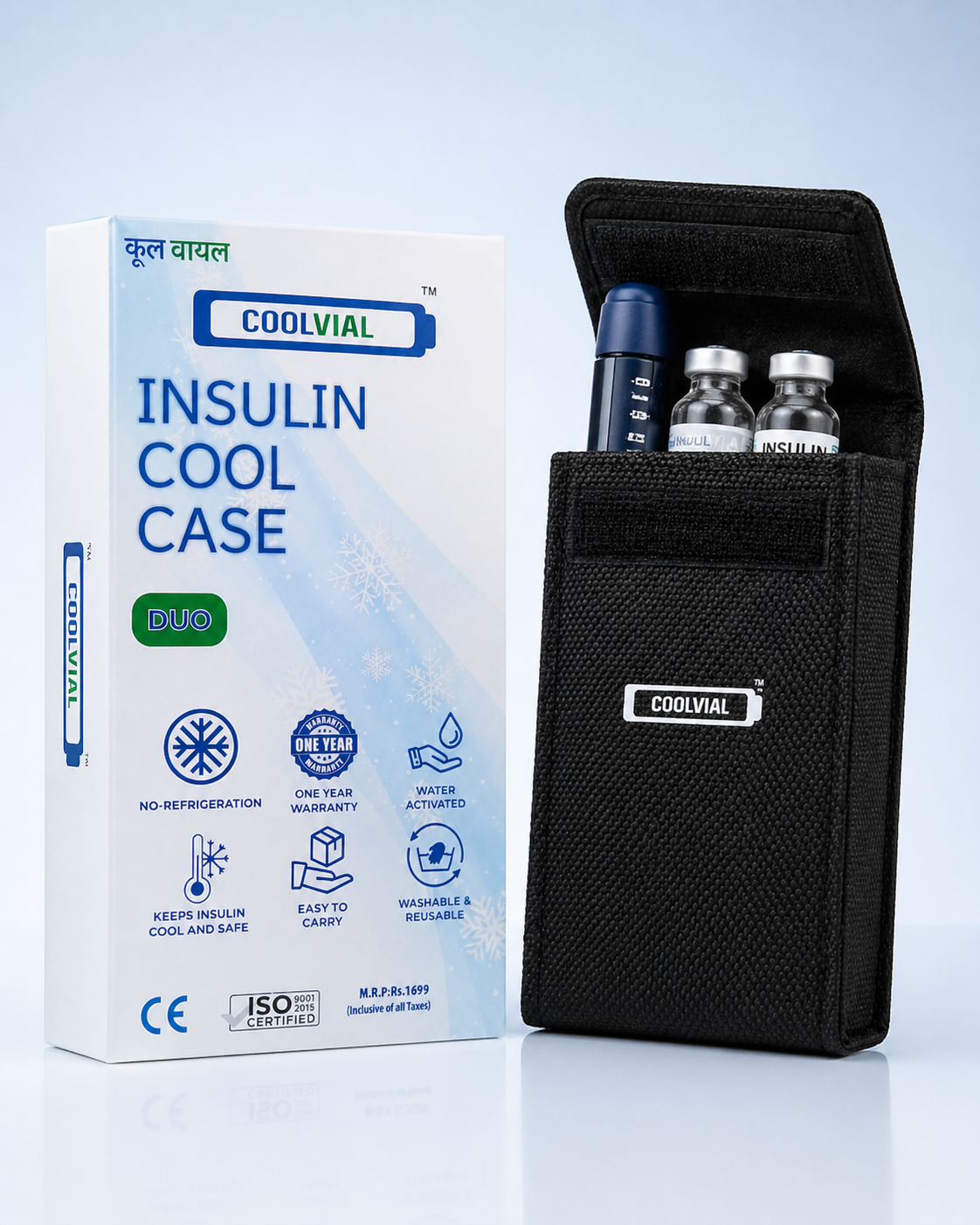
This is where the COOLVIAL Duo truly shines as an essential travel companion. Designed specifically for active individuals, it offers a consistent cooling environment for your insulin without needing electricity. Imagine arriving at your heritage hotel in Mandu, knowing your insulin pens (up to 2) and a vial are perfectly preserved after hours on the road.
- Why a Portable Cooler is Essential for Indore Getaways:
- Unreliable Hotel Refrigeration: Many hotels, especially smaller establishments in tourist spots, may not have mini-fridges or their temperatures are inconsistent.
- Travel Time: Long car or bus journeys, especially in non-AC vehicles, can expose insulin to high temperatures.
- Outdoor Excursions: Exploring historical sites or engaging in outdoor activities means your insulin will be away from a stable, cool environment for extended periods.
- Peace of Mind: Knowing your insulin is safe allows you to fully enjoy your trip without constant worry.
The COOLVIAL Duo, holding 2 pens and 1 vial, provides 12-16 hours of cooling. Compared to alternatives like FRIO (often retailing around Rs 1,900) or even budget options like Outer Woods OW-12 (~Rs 999, which might be less durable or offer shorter cooling times), the COOLVIAL Duo strikes an excellent balance of reliability, capacity, and value at Rs 1,099 with code COOLHEAL. It’s a small investment for uninterrupted diabetes management during your well-deserved breaks.
6. Choosing the Right Insulin Cooling Solution for Indore’s Lifestyle
With Indore’s dynamic climate and varied lifestyle, selecting the appropriate insulin cooling solution is paramount. You need something that can handle the city’s mild warmth, occasional summer highs, and humid monsoons, while also being practical for daily commutes and weekend adventures. Evaporative cooling cases, like the COOLVIAL Duo, are particularly well-suited for Indian conditions due to their independence from electricity and robust performance.
When evaluating cooling cases, consider several factors: cooling duration, capacity, durability, and certification. The COOLVIAL Duo, for instance, is CE certified and ISO 9001:2015 compliant, assuring quality and safety. Plus, it’s proudly Made in India and comes with a 1-year warranty, offering peace of mind. Its ability to keep insulin cool for 12-16 hours without electricity is a game-changer for anyone on the go in Indore.
- Key Features to Look for in an Insulin Cooling Case:
- Evaporative Cooling Technology: Water-activated, no need for ice packs or electricity, ideal for travel.
- Cooling Duration: At least 12-16 hours of sustained cooling, covering a full day out or overnight travel.
- Capacity: Sufficient to hold your required pens and vials (e.g., 2 pens + 1 vial for the COOLVIAL Duo).
- Durability: Robust construction to withstand daily use and travel.
- Certifications: Look for CE, ISO 9001:2015, or similar quality standards.
- Portability: Compact and lightweight design that fits easily into bags.
- Value for Money: A balance of price, features, and reliability. The COOLVIAL Duo offers exceptional value at Rs 1,099 compared to many imported options.
Investing in a high-quality cooling case is investing in your health and peace of mind. It ensures your insulin remains potent, allowing you to live your life in Indore to the fullest, from enjoying street food at Chappan Dukan to exploring the historic Rajwada Palace, without worrying about your medication.
7. Essential Insulin Storage Tips for Indore Residents
Understanding how to store insulin correctly is fundamental for every diabetic in Indore. Whether you’re at home in South Tukoganj or commuting along the AB Road belt, adhering to storage guidelines ensures your insulin retains its full potency. Improper storage can lead to diminished effectiveness, impacting blood sugar control and overall health. Globally, the number of people with diabetes has quadrupled in the last 40 years, highlighting the increasing need for effective diabetes management, including proper insulin storage (Source: WHO).
Here’s a breakdown of crucial tips for managing your insulin in Indore’s varied conditions:
How to Store Insulin in Indore's 5 Pleasant Seasons — A Practical Local's Guide
48+ hours at 2-8°C. No electricity. CE certified. Free delivery across India.
Order on WhatsApp — ₹1,099🛒 Buy Now — ₹1,099-
Unopened Insulin:
- Always store unopened vials and pens in the refrigerator between 2°C and 8°C.
- Do not freeze insulin; if it freezes, it must be discarded.
- Check the expiration date on the packaging and use it before then.
-
Opened Insulin (In-Use):
- Most opened insulin can be kept at room temperature (below 25°C to 30°C, depending on the manufacturer) for up to 28 days.
- Crucial for Indore: Given Indore’s summer highs and monsoon humidity, ambient room temperature can easily exceed 25°C. If your indoor temperature consistently goes above this, store your active pen in a COOLVIAL Duo or return it to the refrigerator between uses.
- Do not refrigerate an opened pen if the manufacturer advises against it, as repeated temperature changes can affect it. Always read the specific instructions for your insulin.
- Mark the date you opened the insulin on the pen or vial to track its 28-day lifespan.
-
Visual Inspection:
- Before each use, check your insulin for any changes in appearance. Clear insulin should remain clear. Cloudy insulin (like NPH) should become uniformly cloudy after gentle rolling.
- Discard insulin that appears discolored, cloudy (if it should be clear), or has particles or clumps.
- Never use insulin that has been frozen.
-
Travel and Commute:
- Always use a reliable cooling case, such as the COOLVIAL Duo, when carrying insulin outside your home, even for short durations or in seemingly mild weather.
- Avoid direct sunlight and extreme heat sources (e.g., leaving it in a hot car).
By diligently following these guidelines, Indore residents can confidently manage their diabetes, knowing their insulin is always stored optimally. For more detailed advice, refer to our insulin storage tips page.
8. Navigating Pharmacies and Healthcare in Indore
Indore offers a robust network of pharmacies and healthcare facilities, making it relatively easy to access insulin and related supplies. Pharmacies like Apollo Pharmacy, MedPlus, Wellness Forever, 1mg, and Generic Aadhaar are widely available across the city, including major areas like the AB Road belt and Vijay Nagar.
When purchasing insulin, it’s vital to ensure that the pharmacy itself adheres to proper cold chain storage. Don’t hesitate to ask how they store their insulin. A reputable pharmacy will have dedicated refrigeration for temperature-sensitive medications. If you have concerns about the quality or storage of your insulin, or if you experience any adverse reactions, it’s crucial to consult your healthcare provider immediately.
Leading hospitals in Indore, such as CHL Hospital (AB Road), Bombay Hospital Indore (Vijay Nagar), and Sri Aurobindo Institute of Medical Sciences (SAIMS, Ujjain Road), house experienced endocrinologists and diabetologists who can provide personalized guidance on insulin management, including storage. These specialists can offer advice tailored to your specific insulin type and lifestyle in Indore. Always remember to consult your doctor for any changes in your insulin regimen or storage practices. [Verify in 2026] for specific local data.
9. Frequently Asked Questions (FAQ)
Q: Can I store insulin in the fridge door in Indore? A: It is generally not recommended to store insulin in the fridge door in Indore or anywhere else. The fridge door experiences the most significant temperature fluctuations every time it is opened, which can compromise insulin’s potency over time.
Q: How long can insulin stay out of the fridge in Indore’s climate? A: Unopened insulin should always be refrigerated. Opened (in-use) insulin pens or vials can typically stay at room temperature (below 25°C to 30°C, depending on the brand) for up to 28 days. However, given Indore’s summer highs and monsoon humidity, if your home temperature consistently exceeds 25°C, it’s safer to use a cooling case like the COOLVIAL Duo or return it to the fridge between uses.
Q: Is a regular thermos enough for short trips from Indore? A: A regular thermos is generally not sufficient for reliable insulin storage during trips from Indore. It does not provide consistent temperature control and can be prone to freezing (with ice) or overheating. A purpose-built insulin cooling case, like the COOLVIAL Duo, is designed to maintain a stable, safe temperature range for your insulin.
Q: What if my insulin freezes during Indore’s winter nights? A: If your insulin freezes, even partially, it must be discarded immediately. Freezing destroys the insulin protein, rendering it ineffective. To prevent this, ensure your refrigerator is not set too cold and avoid placing insulin near the freezer compartment or in unheated areas during extremely cold Indore winter nights.
Q: Where can I buy insulin cooling cases in Indore? A: While some larger pharmacies like Apollo Pharmacy or MedPlus might stock limited cooling options, the most reliable way to purchase a high-quality insulin cooling case like the COOLVIAL Duo is directly from coolvial.com or via WhatsApp. This ensures you get genuine products with proper certifications and warranty.
Q: How does the monsoon humidity affect evaporative insulin coolers? A: During Indore’s monsoon, high humidity can slightly reduce the efficiency of evaporative cooling cases. While they will still work effectively, you might need to reactivate your COOLVIAL Duo slightly more frequently (e.g., every 12 hours instead of 16) to ensure optimal cooling. Always follow the specific instructions provided with your cooling case.
Conclusion
Indore’s pleasant climate is undeniably one of its greatest assets, offering a comfortable environment for residents. However, for individuals managing diabetes, this comfort must be balanced with diligent attention to insulin storage. From the subtle heat traps of parked cars near Phoenix Citadel to the unique challenges of the monsoon season, protecting your insulin from temperature fluctuations is a continuous responsibility.
By understanding the local climate nuances, adopting smart storage habits at home in Vijay Nagar or Palasia, and crucially, investing in reliable portable cooling solutions like the COOLVIAL Duo, you can ensure your insulin remains potent and effective. This proactive approach empowers you to live your life fully, enjoying all that Indore has to offer, without compromising your health.
Order COOLVIAL Duo at Rs 1,099 with code COOLHEAL at coolvial.com or via WhatsApp wa.me/918766952300 and take control of your insulin safety today!
Medical Disclaimer
This article is for general information purposes only and is not a substitute for professional medical advice. Always consult your endocrinologist or diabetologist before making any changes to your insulin storage or dosing practices.
How We Researched This
This article was developed using information from RSSDI (Research Society for the Study of Diabetes in India) guidelines, ICMR-INDIAB (Indian Council of Medical Research - India Diabetes) data, local Indore hospital directories (including CHL Hospital, Bombay Hospital Indore, Sri Aurobindo Institute of Medical Sciences), and insights from the Apollo Pharmacy network regarding medication storage practices. Local climate data was sourced from historical meteorological records for Indore.