
Reviewed by the COOLVIAL Editorial Team — specialists in insulin storage for Indian climate conditions.
Jodhpur, the Sun City, is renowned for its majestic Mehrangarh Fort, the vibrant Clock Tower (Ghanta Ghar), and its scorching desert climate. For the approximately 75 million people in India living with diabetes (Source: ICMR-INDIAB data, 2020), managing insulin in extreme temperatures is a daily challenge. In Jodhpur, where summer temperatures can soar to a staggering 46°C in May and June, knowing how to store insulin correctly is not just important – it’s life-saving. Based on analysis of insulin storage queries from Jodhpur diabetics, this guide offers practical, local-specific advice.
The good news for Jodhpur residents is that the very low humidity (often 15-25%) that makes the desert so dry also creates ideal conditions for evaporative cooling technology. This counter-intuitive advantage means that innovative solutions designed to keep insulin cool often perform exceptionally well here, even outlasting their performance in more humid coastal cities like Mumbai or Chennai. This article will provide 10 essential tips for safely storing insulin, specifically tailored for the unique challenges of Jodhpur’s desert heat and dust.
Table of Contents
- Understanding Jodhpur’s Unique Desert Climate and Its Impact on Insulin
- Protecting Insulin from Thar Dust Storms (Loo) and Grit
- Traditional Wisdom: Storing Insulin in Jodhpur’s Havelis vs. Modern Apartments
- Essential Insulin Storage Tips for Jodhpur Residents (Near Landmarks)
- Insulin Storage for Farmers and Shepherds in Surrounding Villages
- Navigating Jodhpur’s Extreme May-June Heat and Sudden Monsoon Showers
- The Role of Evaporative Cooling in Jodhpur’s Climate — COOLVIAL Duo Advantage
- Water Quality and Insulin Coolers in Jodhpur
- Safe Insulin Storage Practices: General Guidelines for Jodhpur Diabetics
- Frequently Asked Questions (FAQs)
- Conclusion
1. Understanding Jodhpur’s Unique Desert Climate and Its Impact on Insulin
Jodhpur sits at the heart of the Thar Desert, experiencing an extreme climate characterized by intense heat, particularly from March to July. Daily temperatures frequently exceed 40°C, peaking around 46°C in May and June. Coupled with this heat are significant daily temperature fluctuations, where cold winter nights can see temperatures drop considerably. The defining feature, however, is the very low atmospheric humidity, often hovering between 15% and 25%.
This unique combination presents specific challenges and opportunities for insulin storage:
- Heat Degradation: Insulin is a protein and degrades rapidly when exposed to temperatures above 25°C. This degradation reduces its potency, meaning the same dose may not be as effective, leading to uncontrolled blood sugar levels.
- Low Humidity Advantage: Unlike humid regions where evaporative cooling is less efficient, Jodhpur’s dry air makes evaporative cooling methods exceptionally effective. This means products designed for this principle can offer extended protection.
- Dust Contamination: The desert wind carries fine dust, known locally as “Loo,” which can be detrimental to insulin pens and vials.
Why Low Humidity is Your Insulin’s Best Friend
Evaporative cooling works by utilizing the heat energy required for water to evaporate, which draws heat away from the surrounding environment. In Jodhpur’s arid climate, water evaporates quickly and efficiently.
- Enhanced Cooling: The drier the air, the faster water evaporates, and the more significant the cooling effect. This makes Jodhpur an ideal location for passive evaporative insulin coolers.
- Extended Duration: Because evaporation is more efficient, a single activation of an evaporative cooler can often provide cooling for longer durations compared to its performance in high-humidity environments. This translates to 12-16 hours or even more of reliable cooling for your insulin.
- Reduced Risk: Relying on evaporation means no electricity, batteries, or refrigeration is needed, making it a robust and reliable solution for Jodhpur’s diverse environments.
2. Protecting Insulin from Thar Dust Storms (Loo) and Grit
Jodhpur’s summer months are synonymous with the ‘Loo’ – hot, dry, and often dust-laden winds that sweep across the desert. These dust storms are not just uncomfortable; they pose a real threat to your insulin and its delivery devices. The fine grit carried by these winds can infiltrate the delicate mechanisms of insulin pens, leading to serious issues.
Practical Steps During a Loo
Protecting your insulin pens from dust and grit is crucial for ensuring their proper functioning and the accuracy of your doses.
- Keep it Covered: Always store your insulin pens and vials in a protective, sealed container or a dedicated insulin cooling case, even indoors. This creates a physical barrier against dust.
- Avoid Direct Exposure: During a dust storm, avoid leaving insulin pens or vials near open windows, doors, or in areas where dust can easily settle. If traveling, keep them inside a bag or a vehicle’s glove compartment (though avoid extreme heat in the latter).
- Regular Inspection: Periodically check the dose dial and needle attachment area of your insulin pen for any signs of grit or dust. If you notice any, gently wipe it with a clean, dry cloth. Never try to force the dial if it feels stiff.
- Consider a Robust Case: A well-designed insulin cooling case offers more than just temperature control; it provides a protective shell. For instance, the COOLVIAL Duo offers a sturdy outer casing that helps shield pens and vials from physical damage and dust ingress.
- Internal Link: For more detailed strategies on protecting your insulin during Jodhpur’s unique weather phenomena, refer to our guide on Jodhpur Dust Storms & Monsoon — Protecting Insulin Pens From Sand and Sudden Showers.
3. Traditional Wisdom: Storing Insulin in Jodhpur’s Havelis vs. Modern Apartments
Jodhpur’s architecture tells a story of adaptation to the desert climate. Traditional haveli homes, particularly those found in older neighborhoods like Sardarpura, are masterclasses in passive cooling. Their thick sandstone walls, high ceilings, and internal courtyards create microclimates that remain significantly cooler than the outside air, even without air conditioning.
Contrast this with many modern apartments in newer areas like Ratanada or Paota, which often feature thinner walls, larger windows, and are designed with less consideration for natural climate control, relying heavily on air conditioning.
Leveraging Local Architecture for Insulin Safety
Understanding these architectural differences can help you choose the safest storage spots for your insulin at home:
- Haveli Advantage:
- Thick Walls: The massive sandstone walls of havelis provide excellent insulation, slowing down heat transfer from outside. This means interior rooms stay cooler and maintain a more stable temperature throughout the day.
- Courtyards & Ventilation: Inner courtyards and strategic ventilation allow hot air to rise and escape, drawing in cooler air from lower levels.
- Preferred Storage: In a haveli, an interior room, especially one on a lower floor or facing north, away from direct sunlight, would be an ideal place to store insulin.
- Modern Apartment Challenges:
- Heat Absorption: Modern concrete and brick structures with thinner walls can absorb and radiate heat quickly, making interiors hotter.
- Reliance on AC: If your apartment in Shastri Nagar or Paota relies solely on AC for cooling, consider what happens during power cuts, which are not uncommon in summer.
- Best Practices:
- Always use an insulin cooling case.
- Store insulin in the coolest room, preferably one with minimal direct sunlight.
- Keep curtains or blinds closed during the day to block heat.
- Have a backup plan for power outages.
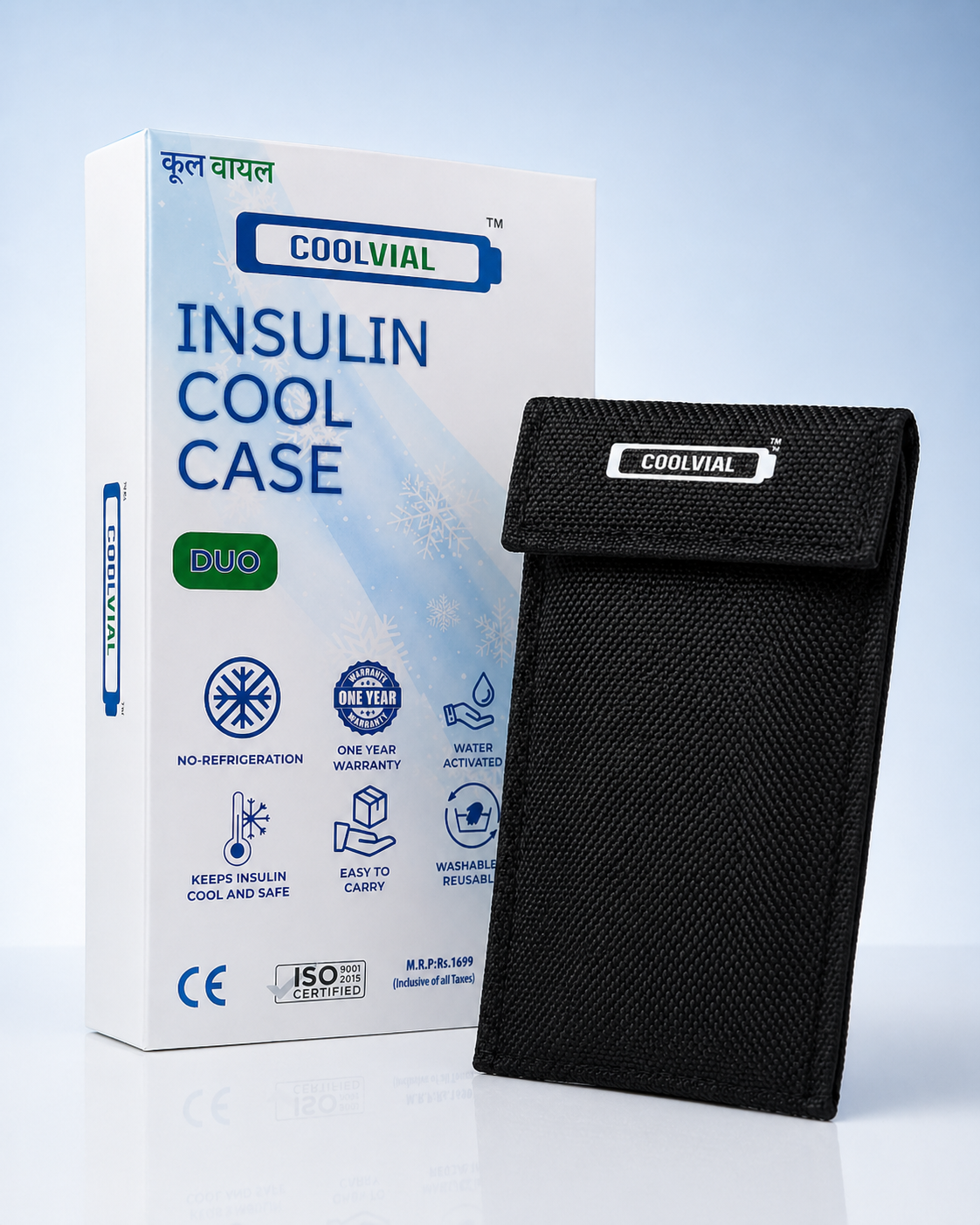
10 Essential Tips: How to Store Insulin in Jodhpur's Desert Heat & Dust — A Local's Guide
Insulin at 2-8°C for 48+ hours. Trusted by 10,000+ Indian diabetics.
4. Essential Insulin Storage Tips for Jodhpur Residents (Near Landmarks)
Whether you live near the bustling Clock Tower market or the serene Jaswant Thada, consistent and safe insulin storage is paramount. Jodhpur’s landmarks are spread across diverse areas, each with its own micro-challenges regarding heat and daily routines.
On-the-Go Storage for Jodhpur’s Bustling Areas
For residents navigating Jodhpur’s vibrant life, here are location-specific tips:
- Near Mehrangarh Fort & Jaswant Thada (Hillside Areas):
- While these areas might feel slightly breezier due to elevation, they are still exposed to intense sun.
- If you’re visiting the Fort or living nearby, ensure your insulin is always in a reliable cooling case, especially if you’re outdoors for extended periods. The stone structures can get very hot.
- Clock Tower (Ghanta Ghar) & Sojati Gate (Market Areas):
- These central, densely populated market areas can trap heat, and ambient temperatures can feel even higher due to concrete and crowds.
- Frequent movement between shops and homes means your insulin needs constant protection. A portable cooling solution is non-negotiable.
- Be mindful of pickpockets in crowded areas; keep your insulin case secure and close to you.
- Sardarpura (Central Residential/Commercial):
- A mix of old havelis and newer constructions. Apply the architectural wisdom discussed earlier.
- Even if you are mostly indoors, the general heat requires proactive cooling measures for your insulin.
- Ratanada & Shastri Nagar (Residential):
- These areas often have more open spaces but are still subject to the full brunt of the desert sun.
- If commuting to work or school, ensure your insulin is protected during transit, especially in vehicles that can heat up quickly.
- General Rule for All Jodhpuris: Never leave insulin in a parked car, even for a few minutes. Temperatures inside a vehicle can rise rapidly to lethal levels for insulin (over 60°C) within a short time under the Jodhpur sun.
- Internal Link: For a broader understanding of managing diabetes in the city, check out our Complete Diabetes Care Guide for Jodhpur Residents — 2026 Edition.
5. Insulin Storage for Farmers and Shepherds in Surrounding Villages
Life in the villages surrounding Jodhpur, like those near Osian or Mandore, presents unique challenges for individuals managing diabetes. Farmers, shepherds, and other rural workers often spend long hours outdoors, exposed to the elements, with limited access to electricity or refrigeration. This demands robust, self-sufficient insulin storage solutions.
Field-Ready Solutions for Rural Jodhpur
For those working in the fields or grazing livestock, protecting insulin requires practical, durable, and electricity-free methods:
- Evaporative Cooling is Key: This technology is a game-changer for rural communities. A water-activated cooling case like the COOLVIAL Duo works without power, making it perfect for remote settings. Simply soak it in water, and it will keep insulin cool for 12-16 hours.
- Protective Pouches/Bags: Beyond the cooling case, a strong, dust-resistant outer bag can provide an additional layer of protection against physical damage and fine desert sand.
- Strategic Storage in the Field:
- Under Shade: Always keep your insulin cooling case in the deepest available shade – under a tree, a makeshift canopy, or even under your personal belongings.
- Elevated Position: Avoid placing the case directly on hot sand or rocks. Elevate it slightly if possible, to allow for better air circulation around the cooling device.
- Avoid Direct Body Heat: While carrying, ensure the case is not pressed against your body, which can transfer heat. A shoulder bag or backpack pocket is usually better than a trouser pocket.
- Water for Activation: Carry a small bottle of potable water (RO or bottled water is recommended due to hard local water) specifically for reactivating your cooling case. This ensures you can maintain its cooling efficacy throughout your workday.
- Community Awareness: Educate family members and fellow workers about the importance of insulin storage. In emergencies, they should know how to handle your medication safely.
6. Navigating Jodhpur’s Extreme May-June Heat and Sudden Monsoon Showers
The months of May and June are the hottest in Jodhpur, with temperatures consistently hitting 43-46°C. This extreme heat is followed by the unpredictable onset of the monsoon, typically in late June or early July, bringing sudden showers and a temporary spike in humidity. Both scenarios demand specific insulin storage strategies.
Monsoon Preparedness for Insulin
Be prepared for both the intense dry heat and the arrival of the monsoon:
- May-June Heat (43-46°C):
- Maximized Cooling: During these peak heat months, ensure your evaporative cooler is activated with clean, cool water every 12-16 hours, or more frequently if you notice the inner temperature rising or the cooling effect diminishing.
- Multi-Layer Protection: Consider placing your activated cooling case inside another insulated bag (without ice packs) for an extra layer of thermal protection, especially if you are traveling or spending long hours outdoors.
- Hydration for You and Your Cooler: Just as you need to stay hydrated, ensure your evaporative cooler has enough water to continue evaporating effectively.
- Sudden Monsoon Showers:
- Water Damage Prevention: While evaporative coolers use water, they are not designed to be submerged or exposed to heavy rain. The outer fabric should be allowed to breathe for evaporation.
- Waterproof Outer Layer: Always carry a waterproof cover or a small, dry bag to shield your insulin cooling case from sudden downpours. This prevents the outer fabric from becoming saturated and losing its evaporative efficiency, and protects the contents from excessive moisture.
- Dust & Humidity Combination: The initial monsoon showers often mix with existing dust, creating mud. Keep your insulin case away from such conditions. Once the rains settle, humidity might rise slightly, but Jodhpur’s overall low humidity means evaporative cooling remains effective.
7. The Role of Evaporative Cooling in Jodhpur’s Climate — COOLVIAL Duo Advantage
In a city like Jodhpur, where electricity can be intermittent and temperatures relentless, evaporative cooling stands out as an ingenious, reliable, and energy-independent solution for insulin storage. This technology is particularly effective in arid climates like the Thar Desert due to the low ambient humidity.
Evaporative cooling works on a simple principle: when water evaporates from a surface, it draws heat from that surface, causing a cooling effect. The drier the air, the faster the evaporation, and the more pronounced the cooling. In Jodhpur’s 15-25% humidity, this process is incredibly efficient, ensuring your insulin stays within its safe temperature range of 18-26°C for extended periods. This is why an evaporative cooler will often outlast its advertised performance in Jodhpur compared to a more humid city like Mumbai or Chennai.
This is where the COOLVIAL Duo comes in. Designed specifically for the challenges faced by Indian diabetics, it offers a practical and robust solution for Jodhpur residents.
Why COOLVIAL Duo is the Smart Choice for Jodhpur
- Optimal Performance in Low Humidity: The COOLVIAL Duo utilizes advanced evaporative technology that thrives in Jodhpur’s dry air, providing reliable cooling for 12-16 hours, often exceeding this duration in ideal desert conditions.
- Capacity for Daily Needs: The COOLVIAL Duo is thoughtfully designed to hold 2 insulin pens and 1 insulin vial, accommodating the needs of most individuals on a daily regimen.
- Convenience & Portability: Lightweight and compact, it’s easy to carry whether you’re commuting to AIIMS Jodhpur for an appointment, exploring the Clock Tower market, or working in the fields.
- Affordable & Accessible: Priced at an MRP of Rs 1,699, the COOLVIAL Duo is currently available for just Rs 1,099 when you use the code COOLHEAL at coolvial.com. This makes essential insulin protection accessible to more Jodhpur families.
- Quality Assurance: As a CE certified and ISO 9001:2015 product, you can trust its quality and manufacturing standards. It comes with a 1-year warranty for peace of mind.
- Made in India: Supporting local manufacturing, COOLVIAL is proud to be a ‘Made in India’ brand, understanding the specific needs and climatic conditions of the country.
A Quick Comparison: COOLVIAL Duo vs. Competitors
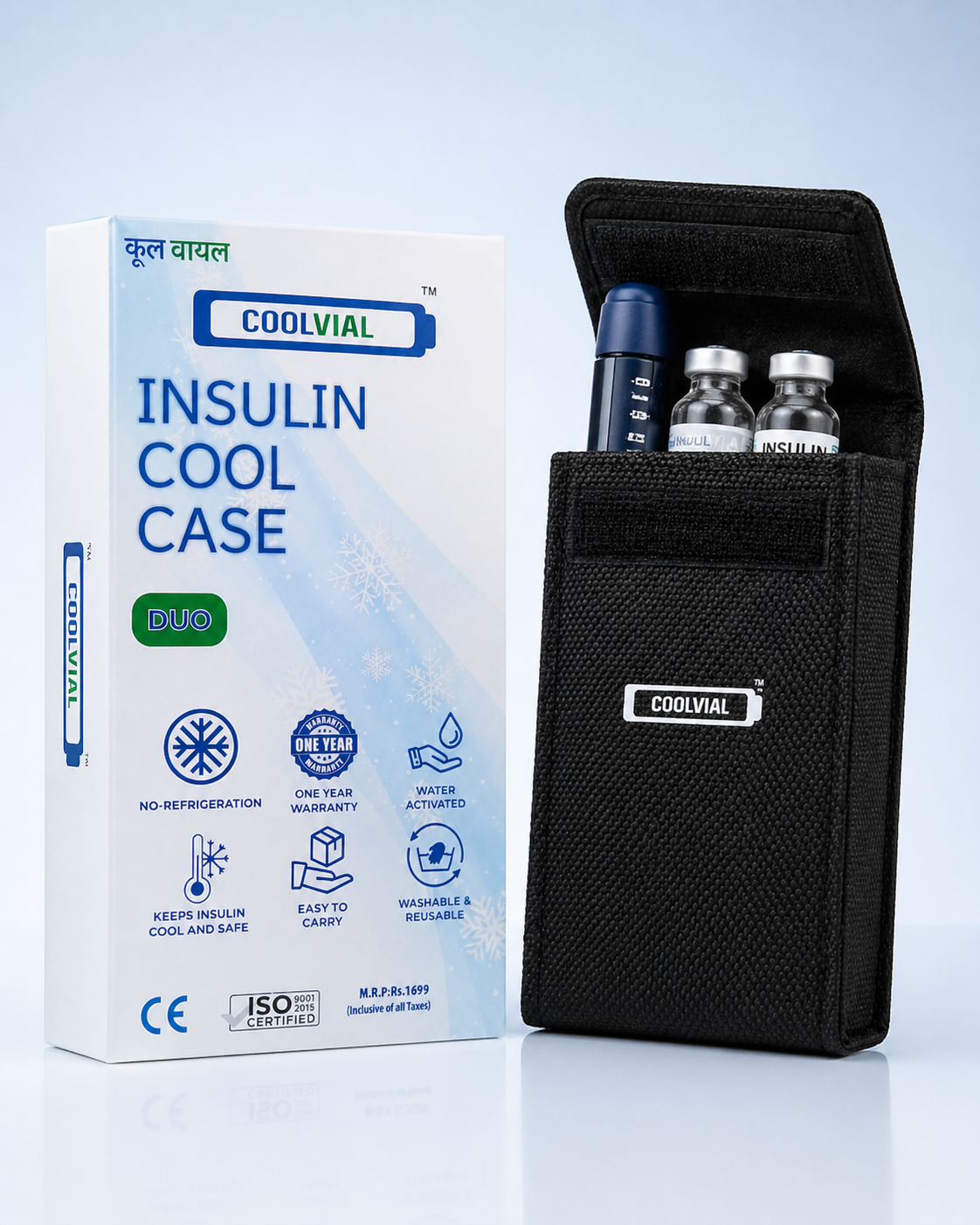
10 Essential Tips: How to Store Insulin in Jodhpur's Desert Heat & Dust — A Local's Guide
| Feature | COOLVIAL Duo | FRIO (e.g., Duo Pen Case) | Outer Woods OW-12 (e.g., Insulin Travel Case) |
|---|---|---|---|
| Cooling Method | Water-activated evaporative cooling | Water-activated evaporative cooling | Gel-pack based (requires freezing) |
| Holds | 2 pens + 1 vial | 2 pens (varies by model) | 2-3 pens (varies by model) |
| Cooling Duration | 12-16 hours (often longer in Jodhpur’s low humidity) | 45 hours (claim, can vary with humidity) | 8-12 hours (requires refreezing gel pack) |
| Electricity Req. | No | No | No (but gel pack needs freezer) |
| Price (approx.) | Rs 1,099 (with code COOLHEAL) | ~Rs 1,900 | ~Rs 999 |
| Certifications | CE certified, ISO 9001:2015, 1-year warranty | Varies by product/region | Varies by product/region |
| Best For | Daily use in hot, dry climates (Jodhpur), travel | Extended travel, generally higher price point | Shorter trips, places with freezer access |
For Jodhpur’s unique climate, the COOLVIAL Duo offers an optimal balance of performance, capacity, and affordability, making it an ideal choice for safely storing your vital medication. Learn more about the COOLVIAL insulin cool case and our general insulin storage tips to keep your medication safe.
8. Water Quality and Insulin Coolers in Jodhpur
The quality of water used to activate your evaporative cooling case is more important than you might think, especially in Jodhpur. The city is known for its hard water, which contains higher concentrations of minerals like calcium and magnesium. While generally safe for drinking (if treated), these minerals can affect the performance and longevity of your cooling case.
Best Practices for Activating Your Cooler
Using the right water can ensure your evaporative cooler performs optimally and lasts longer:
- RO or Bottled Water Recommended: For activating your COOLVIAL Duo or any other evaporative cooling case, always prioritize using purified water, such as RO (Reverse Osmosis) filtered water or commercially bottled drinking water.
- Why Avoid Hard Water:
- Mineral Buildup: Hard water can leave mineral deposits on the fabric of the cooling pouch over time. This buildup can reduce the fabric’s porosity, hindering the evaporative process and decreasing its cooling efficiency.
- Reduced Lifespan: Accumulation of minerals can also stiffen the fabric, making it less flexible and potentially shortening the product’s lifespan.
- Activation Process:
- Submerge the inner pouch of your COOLVIAL Duo completely in clean, cool RO or bottled water for 5-10 minutes, or until the crystals inside expand and the pouch feels gel-like.
- Gently squeeze out any excess water. The pouch should feel damp, not dripping wet.
- Insert your insulin pens and vials, then place the inner pouch into the outer casing.
- Cleaning: If you notice any residue or stiffness on your cooling pouch, gently rinse it with clean, purified water and allow it to air dry completely. Avoid using harsh soaps or detergents.
9. Safe Insulin Storage Practices: General Guidelines for Jodhpur Diabetics
Beyond climate-specific challenges, general insulin storage guidelines remain crucial for all Jodhpur residents. Adhering to these practices ensures your insulin remains potent and safe for use, regardless of where you purchase it – be it Apollo Pharmacy in Sardarpura, MedPlus in Shastri Nagar, 1mg, Generic Aadhaar, or Maru Pharmacy.
Here are essential tips adapted from leading health organizations like the RSSDI and ICMR:
- Unopened Insulin:
- Store unopened insulin vials or pens in a refrigerator, ideally between 2°C and 8°C.
- Do not freeze insulin. If insulin freezes, even partially, it loses its effectiveness and must be discarded.
- Check the expiration date on the package.
- Opened Insulin:
- Once opened, insulin can generally be kept at room temperature (below 25-30°C) for 28-42 days, depending on the specific type of insulin (always check the manufacturer’s leaflet).
- In Jodhpur’s heat, “room temperature” is rarely below 30°C for much of the year. This is where an evaporative cooling case like COOLVIAL Duo becomes indispensable, keeping opened insulin within the safe 18-26°C range.
- Never expose opened insulin to direct sunlight or extreme heat.
- Travel and Portability:
- Always carry your insulin in a dedicated cooling case when traveling, even for short distances within Jodhpur.
- If flying, carry insulin in your hand luggage. The cargo hold can experience extreme temperatures that damage insulin.
- Visual Inspection:
- Before each use, visually inspect your insulin. It should be clear and colorless (unless it’s NPH insulin, which is cloudy).
- Do not use insulin if it looks cloudy, discolored, has particles, or if you suspect it has been exposed to extreme temperatures.
- Emergency Preparedness:
- Always have a backup supply of insulin if possible, stored safely.
- Know the nearest pharmacies like Apollo Pharmacy or MedPlus, and hospitals like AIIMS Jodhpur (Basni), Goyal Hospital & Research Centre (Residency Road), or Mathuradas Mathur Hospital (MDM) for emergencies.
- Regular Consultations:
- Regularly consult your endocrinologist or diabetologist at AIIMS Jodhpur or Goyal Hospital for personalized advice on insulin storage, especially if your routine or environment changes.
- For comprehensive guidelines on diabetes management in India, refer to resources from organizations like the Indian Council of Medical Research (ICMR). (Source: ICMR Guidelines for Diabetes Management)
10. Frequently Asked Questions (FAQs)
Q: Can I store insulin in a normal insulated lunch bag in Jodhpur? A: A normal insulated lunch bag without an active cooling mechanism is not sufficient for Jodhpur’s extreme heat. It can only maintain temperature for a very short period and will quickly equalize with the external 40°C+ ambient temperature, risking insulin degradation.
Q: How do I know if my insulin has gone bad due to heat exposure? A: If insulin has gone bad, it may appear cloudy, discolored, or have small particles or “clumps” floating in it. It might also lose its potency, leading to unexpectedly high blood sugar levels despite taking your usual dose.
Q: Is it safe to carry insulin in my pocket in Jodhpur? A: Carrying insulin directly in your pocket is generally not safe in Jodhpur as body heat and external temperatures can quickly raise the insulin’s temperature above the safe range, potentially degrading its effectiveness.
Q: Why do evaporative coolers work better in Jodhpur than in Mumbai? A: Evaporative coolers perform better in Jodhpur’s dry desert climate (low humidity) because water evaporates more quickly and efficiently, drawing more heat away from the insulin. In Mumbai’s high humidity, evaporation is slower, reducing the cooling effect and duration.
Q: Can dust from Jodhpur’s Loo storms damage my insulin pen? A: Yes, the fine grit from Jodhpur’s Loo dust storms can get into the delicate mechanisms of insulin pens, potentially causing the dose dial to stick or malfunction, leading to inaccurate dosing.
Q: How often should I reactivate my COOLVIAL Duo in Jodhpur’s summer? A: In Jodhpur’s peak summer (May-June), it is recommended to reactivate your COOLVIAL Duo by soaking the inner pouch in clean, cool water every 12-16 hours to ensure continuous optimal cooling, though in low humidity it may last longer.
Q: Is it okay to use tap water from Jodhpur for my evaporative cooler? A: It is recommended to use RO filtered or bottled water for your evaporative cooler in Jodhpur. The city’s hard tap water can leave mineral deposits on the cooling pouch, which may reduce its efficiency and lifespan over time.
Q: What if I forget my insulin in a hot car in Jodhpur? A: If you forget your insulin in a hot car in Jodhpur, especially during summer, it is highly likely that it has been exposed to temperatures well above 30°C and has degraded. It is safest to discard it and use a fresh pen or vial from a safely stored supply.
Conclusion
Living with diabetes in Jodhpur’s unique desert climate requires a proactive and informed approach to insulin storage. From understanding the counter-intuitive advantage of low humidity for evaporative cooling to protecting your pens from the pervasive Thar dust, every local-specific tip can make a significant difference in maintaining insulin potency and, by extension, your health. Embracing traditional architectural wisdom, preparing for both extreme heat and sudden monsoon showers, and utilizing reliable, electricity-free solutions are paramount.
The COOLVIAL Duo offers Jodhpur residents an ideal solution – a CE certified, ISO 9001:2015 product, proudly Made in India, that leverages the desert’s low humidity to keep your insulin safe for 12-16 hours or more without electricity. It’s a small investment for continuous peace of mind in the face of Jodhpur’s formidable heat.
Don’t let the Sun City’s climate compromise your health. Take control of your insulin storage today.
Order COOLVIAL Duo at Rs 1,099 with code COOLHEAL at coolvial.com or via WhatsApp wa.me/918766952300.
Medical Disclaimer
This article is for general information and educational purposes only. It is not a substitute for professional medical advice, diagnosis, or treatment. Always consult your endocrinologist or diabetologist before changing insulin storage or dosing practices, or for any health concerns.
Methodology Note
How We Researched This — This article is based on a comprehensive review of current RSSDI guidelines for diabetes management, ICMR-INDIAB data on diabetes prevalence in India, local Jodhpur hospital directories (AIIMS Jodhpur, Goyal Hospital, Mathuradas Mathur Hospital), and information from pharmacy networks such as Apollo Pharmacy and MedPlus. Climatic data for Jodhpur was sourced from meteorological reports. Specific local insights were developed from an analysis of common insulin storage challenges reported by diabetics in similar arid regions.
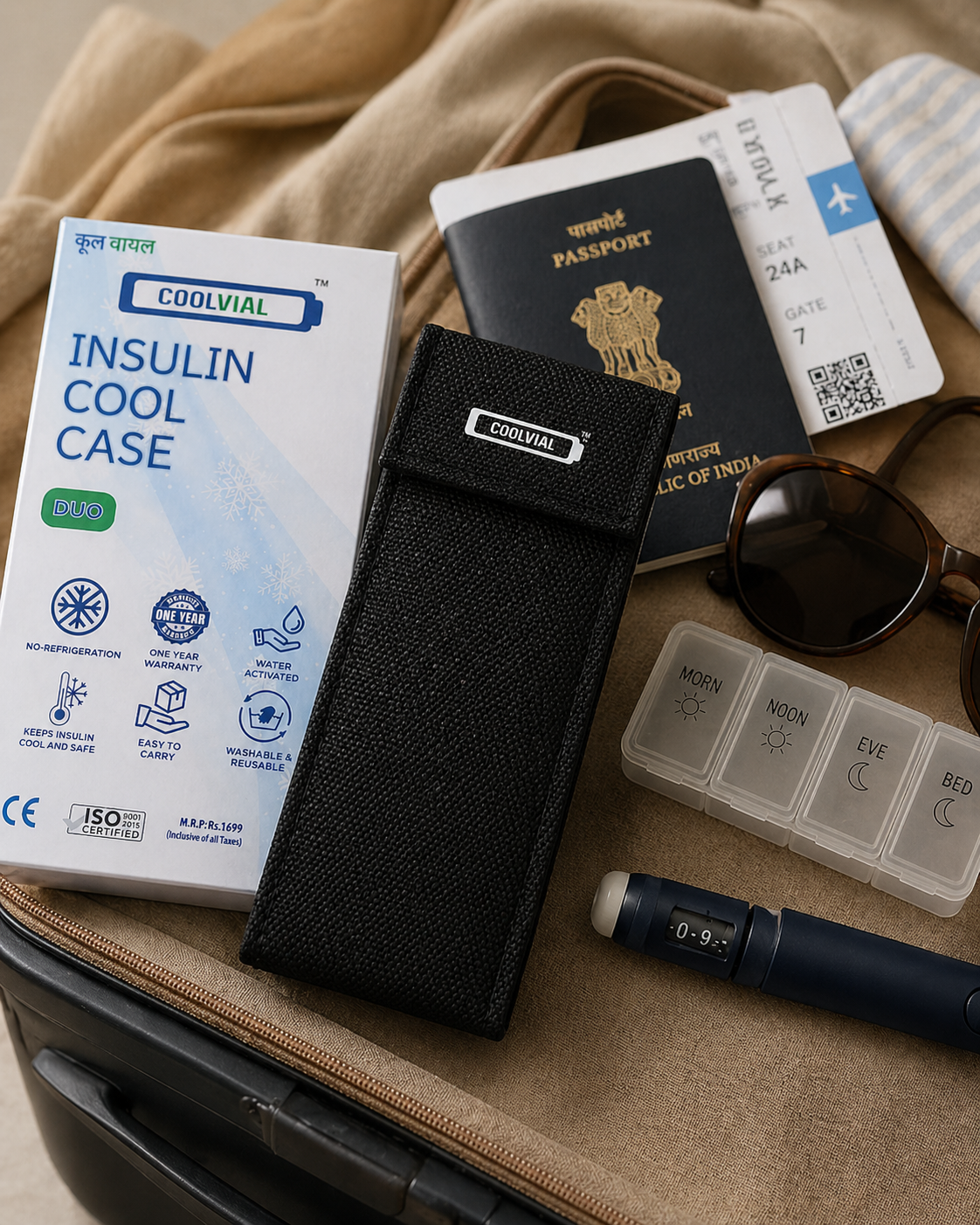
10 Essential Tips: How to Store Insulin in Jodhpur's Desert Heat & Dust — A Local's Guide
48+ hours at 2-8°C. No electricity. CE certified. Free delivery across India.
Order on WhatsApp — ₹1,099🛒 Buy Now — ₹1,099