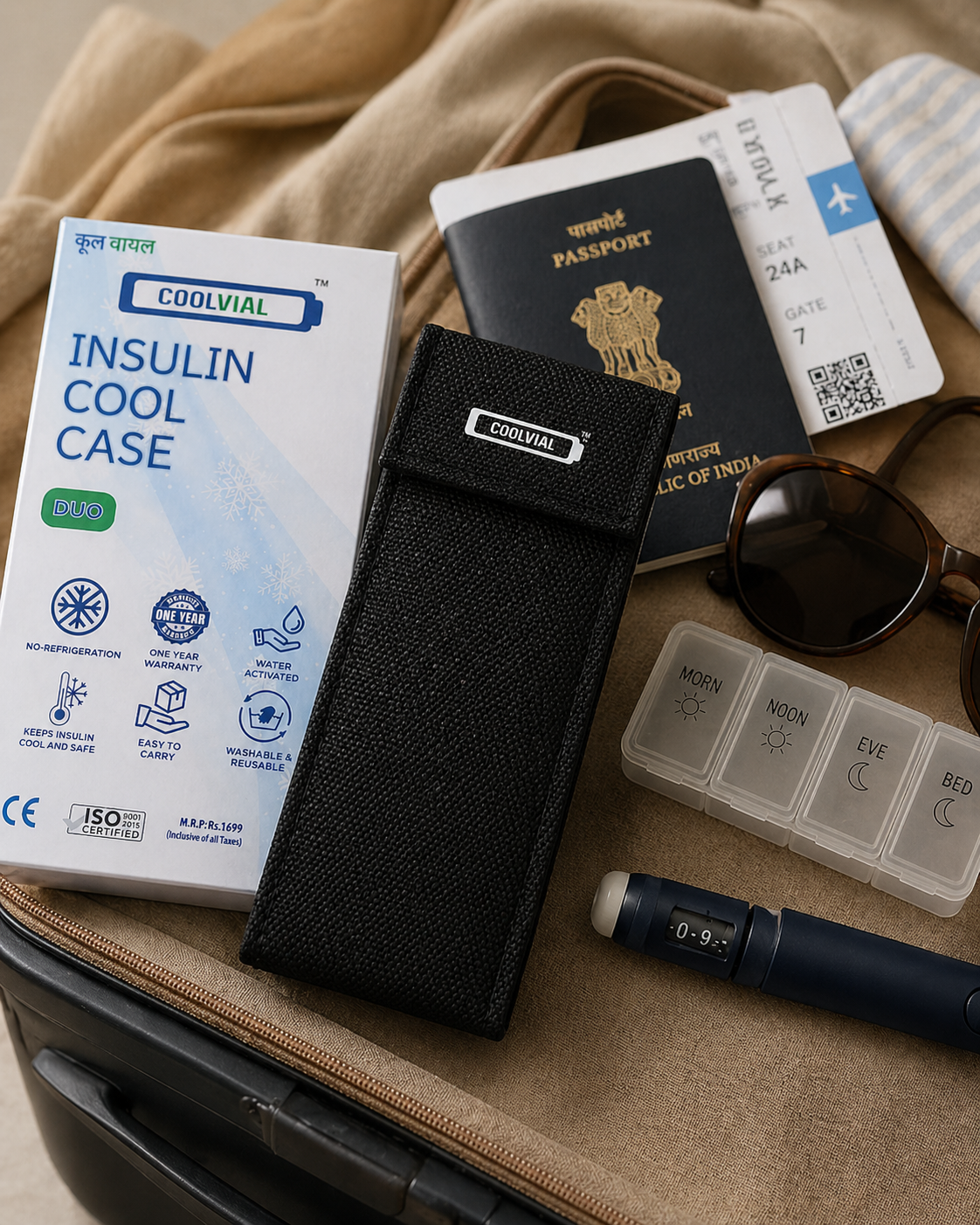
Reviewed by the COOLVIAL Editorial Team — specialists in insulin storage for Indian climate conditions.
Navi Mumbai, with its well-planned infrastructure and burgeoning urban landscape, offers a vibrant lifestyle. Yet, for thousands of residents managing diabetes, the city’s tropical humid climate presents a significant challenge: how to store insulin safely, especially during the relentless summer heat from April to June. With indoor temperatures in non-AC homes often soaring to 33-38°C even at night, and the ever-present threat of power cuts, ensuring insulin efficacy is a top priority. Based on analysis of insulin storage queries from Navi Mumbai diabetics, understanding local conditions is crucial. This guide provides 7 essential, practical tips to protect your vital medication, ensuring it remains potent and safe for use, even when the heat index climbs.
Table of Contents
- Navi Mumbai’s Scorching Reality: Understanding Local Summer Heat and Humidity
- The Challenge of Indoor Temperatures and Fridge Stability in Navi Mumbai Homes
- Evaporative Cooling in Navi Mumbai’s Humidity: How Effective Is It?
- Water Quality for Insulin Cooling: A Navi Mumbai Perspective
- Navigating Insulin Storage in Specific Navi Mumbai Neighborhoods
- Emergency Preparedness: Handling Peak Heat and Power Cuts in Navi Mumbai
- Advanced Solutions for Reliable Insulin Storage: Introducing COOLVIAL Duo
- Expert Recommendations from Navi Mumbai’s Healthcare Professionals
- Practical Tips for Everyday Insulin Management in Navi Mumbai
- Common Misconceptions About Insulin Storage in Tropical Climates
- Frequently Asked Questions (FAQs)
- Conclusion: Your Partner in Diabetes Care
Navi Mumbai’s Scorching Reality: Understanding Local Summer Heat and Humidity
Navi Mumbai shares the same tropical humid climate as its older sibling, Mumbai. This means sweltering summers, with temperatures typically ranging between 20-35°C, often peaking higher in April and May. The Southwest monsoon brings heavy rainfall, averaging around 2400mm annually, which, while welcome, also introduces high humidity levels that persist even outside the rainy season. This unique combination of heat and moisture creates a challenging environment for sensitive medications like insulin.
Insulin, a life-saving hormone for millions, is highly sensitive to temperature extremes. Unopened insulin vials and pens must be stored refrigerated, ideally between 2-8°C. Once opened or in use, most insulin can be kept at room temperature (below 30°C) for up to 28 days, though specific brands may vary. Exposing insulin to temperatures above 30°C can degrade its protein structure, rendering it less effective or even completely inactive. This is a critical concern in a city where ambient temperatures frequently exceed this threshold.
- Key Climate Characteristics of Navi Mumbai Impacting Insulin Storage:
- Tropical Humid Climate: Consistent high temperatures and moisture.
- Summer Peaks (April-June): Ambient temperatures often reach 35-40°C.
- High Humidity: Reduces the effectiveness of natural evaporative cooling methods.
- Monsoon Rainfall (~2400mm): While not directly related to heat, high humidity from the monsoon can affect some cooling solutions.
- Urban Heat Island Effect: Densely built areas like Vashi and Belapur can feel even hotter due to concrete absorption.
According to the World Health Organization (WHO), over 422 million people worldwide have diabetes, a number steadily rising, emphasizing the global importance of proper insulin management (Source: https://www.who.int/news-room/fact-sheets/detail/diabetes). For Navi Mumbai residents, understanding these climate realities is the first step towards safeguarding your insulin.
The Challenge of Indoor Temperatures and Fridge Stability in Navi Mumbai Homes
While the outdoors can be scorching, many assume their homes offer a safe haven for insulin. However, in non-AC Navi Mumbai homes, especially those in bustling neighborhoods like Vashi or the growing sectors of Kharghar, indoor temperatures during April-June can be surprisingly high. It’s not uncommon for interiors to hover between 33-38°C, even well into the night. This is significantly above the recommended maximum of 30°C for in-use insulin, and certainly too high for unopened vials.
Refrigerators, while essential, also come with their own set of challenges in the Indian context. Frequent power cuts, a common occurrence during peak summer months, can cause significant temperature fluctuations inside the fridge. A typical power outage in Navi Mumbai might last 1-2 hours during peak summer, potentially pushing internal fridge temperatures above safe limits for extended periods [Verify in 2026]. Moreover, older refrigerators or those with faulty thermostats can sometimes freeze insulin if placed too close to the cooling element, which is just as damaging as excessive heat.
- Risks of Improper Fridge Storage in Navi Mumbai Homes:
- Power Cuts: Leads to temperature spikes, compromising insulin efficacy.
- Voltage Fluctuations: Can affect fridge performance, causing inconsistent cooling.
- Freezing Risk: Placing insulin too close to the freezer compartment can irreversibly damage it.
- Frequent Opening: Every time the fridge door is opened, warm air enters, causing temperature instability.
- Inconsistent Cooling Zones: Not all parts of a refrigerator maintain the same temperature.
For Navi Mumbai residents, relying solely on a standard household refrigerator, particularly for opened insulin or during travel, is often insufficient. Pharmacies like Apollo Pharmacy, Wellness Forever, and MedPlus across Vashi and Nerul stock a wide range of insulin, but the responsibility for its safe storage post-purchase lies squarely with the patient.
Evaporative Cooling in Navi Mumbai’s Humidity: How Effective Is It?
Evaporative cooling works on the principle that as water evaporates, it draws heat from its surroundings, thus creating a cooling effect. This method is incredibly effective and energy-efficient in dry climates. However, in Navi Mumbai’s high humidity, many wonder if evaporative cooling cases can truly perform. The good news is, they do, but with nuanced expectations.
While high humidity does reduce the efficiency of evaporative cooling (as there’s less room for water vapor in the air), well-designed evaporative cooling cases still provide substantial temperature drops. For instance, even with ambient temperatures around 35°C and 70-80% humidity, a good quality evaporative cooler can maintain an internal temperature of 24-28°C. This range is perfectly acceptable for in-use insulin, keeping it well within the safe limit of 30°C. It’s a significant improvement over ambient conditions and offers crucial protection.
- Evaporative Cooling Effectiveness in Navi Mumbai’s Climate:
- Principle: Water evaporation draws heat, cooling the contents.
- Humidity Impact: High humidity reduces cooling efficiency, but not effectiveness entirely.
- Practical Outcome: Can maintain insulin at 24-28°C even when ambient is 35°C.
- Benefits: No electricity needed, portable, reliable temperature control.
| Ambient Temperature (°C) | Ambient Humidity (%) | Typical Cooled Temperature (°C) (e.g., COOLVIAL Duo) |
|---|---|---|
| 35 | 75 | 26-28 |
| 30 | 80 | 24-26 |
| 38 | 65 | 27-29 |
This makes an evaporative cooling case, like the COOLVIAL insulin cool case, an indispensable tool for Navi Mumbai residents, offering peace of mind whether you’re commuting to Belapur CBD, enjoying Central Park Kharghar, or simply at home during a power cut. It’s a smart way to address the challenge of how to store insulin effectively without constant electricity.
Water Quality for Insulin Cooling: A Navi Mumbai Perspective
7 Essential Tips: How to Store Insulin in Navi Mumbai Summer Heat — A Local's Guide
The effectiveness and longevity of your evaporative cooling case depend not just on the climate, but also on the quality of water used for activation. Navi Mumbai, like many urban centers in India, can have tap water with varying mineral content, often referred to as ‘hard water’. While generally safe for consumption, using hard water to activate your cooling case regularly can lead to mineral buildup within the cooling crystals or fabric.
This mineral residue can, over time, reduce the efficiency of the evaporative process, shorten the product’s lifespan, and potentially lead to unpleasant odors. Therefore, for residents across Vashi, Nerul, or Kharghar, it is highly recommended to use purified water for activating your insulin cooling case.
- Water Quality Considerations for Insulin Cooling in Navi Mumbai:
- Tap Water Concerns: May contain high mineral content (hard water) or impurities.
- Mineral Buildup: Hard water can leave residue on cooling materials, reducing efficiency.
- Hygiene: Using clean water prevents bacterial growth and odors.
- Recommendation: Always use bottled water or RO (Reverse Osmosis) purified water for activation.
- Longevity: Using purified water helps maintain the product’s performance and extends its life.
Using high-quality water ensures your cooling case, such as the COOLVIAL Duo, functions optimally, providing consistent and reliable cooling for your insulin. This small step can make a big difference in the long-term care of your device and, by extension, your insulin.
Navigating Insulin Storage in Specific Navi Mumbai Neighborhoods
Navi Mumbai’s distinct neighborhoods, while sharing a common climate, can present slightly different storage realities due to varying population densities, infrastructure, and lifestyle patterns. Understanding these nuances can help refine your strategy on how to store insulin.
- Neighborhood-Specific Insulin Storage Tips:
- Vashi: As one of the oldest and most developed nodes, Vashi is densely populated. Apartments here might experience higher indoor temperatures due to concrete structures retaining heat. Residents near Inorbit Mall Vashi, a bustling area, should be extra vigilant about portable cooling solutions when out for extended periods. Access to pharmacies like Apollo Pharmacy and Noble Plus is excellent, but personal storage remains key.
- Belapur (CBD): The Central Business District, Belapur, features many corporate offices and newer residential buildings. While infrastructure is robust, professionals commuting or working long hours need reliable portable cooling. Apollo Hospitals Navi Mumbai (Belapur) endocrinology department emphasizes consistent temperature control for insulin, making a portable cooler essential for daily routines.
- Nerul: A largely residential area, Nerul has a mix of older and newer housing. Residents here should pay close attention to the ventilation in their homes to minimize indoor heat buildup. For regular pharmacy needs, Wellness Forever and MedPlus are widely available.
- Kharghar: This rapidly developing node in the south, with landmarks like Central Park Kharghar, offers more open spaces but is still subject to the same tropical heat. As new infrastructure comes up, power stability may vary. Families enjoying outdoor activities near Pandavkada Falls or Mini Seashore Vashi absolutely need portable cooling.
Regardless of your specific neighborhood, the principle remains the same: insulin needs protection from heat. For a deeper dive into overall diabetes management in the city, refer to our [Complete Diabetes Care Guide for Navi Mumbai Residents — 2026 Edition → /blog/complete-diabetes-care-guide-for-navi-mumbai-residents-2026-edition].
Emergency Preparedness: Handling Peak Heat and Power Cuts in Navi Mumbai
The combination of May-June peak heat and an unexpected power cut is arguably the most challenging scenario for insulin users in Navi Mumbai. When ambient temperatures can soar to 38-40°C, and your refrigerator loses power, insulin can quickly become compromised. Being prepared is not just advisable; it’s critical.
- Steps to Take During a Power Cut in Peak Heat:
- Do Not Open Your Refrigerator Unnecessarily: A closed refrigerator can maintain its internal temperature for several hours if left undisturbed.
- Transfer Insulin to a Portable Cooling Case: If the power cut is prolonged (over 2-3 hours) or if you need to access your insulin, immediately transfer it to a reliable evaporative cooling case. Ensure the case is pre-activated and ready.
- Pre-Cooling Strategy: During summer, always have your evaporative cooling case activated and ready. This proactive step ensures you’re prepared for sudden outages.
- Keep a Small Ice Pack (Separate from Insulin): For extreme emergencies, a small, insulated bag with an ice pack (wrapped in cloth to prevent direct contact with insulin) can offer temporary relief, but this is a short-term solution and not ideal for long-term storage due to freezing risks.
- Monitor Insulin Appearance: After any exposure to high heat, always inspect your insulin for changes in color, clarity, or texture. If it appears cloudy (unless it’s NPH insulin, which is naturally cloudy) or has particles, discard it.
This dual challenge underscores the need for a robust, electricity-free cooling solution that can perform reliably under adverse conditions.
Advanced Solutions for Reliable Insulin Storage: Introducing COOLVIAL Duo
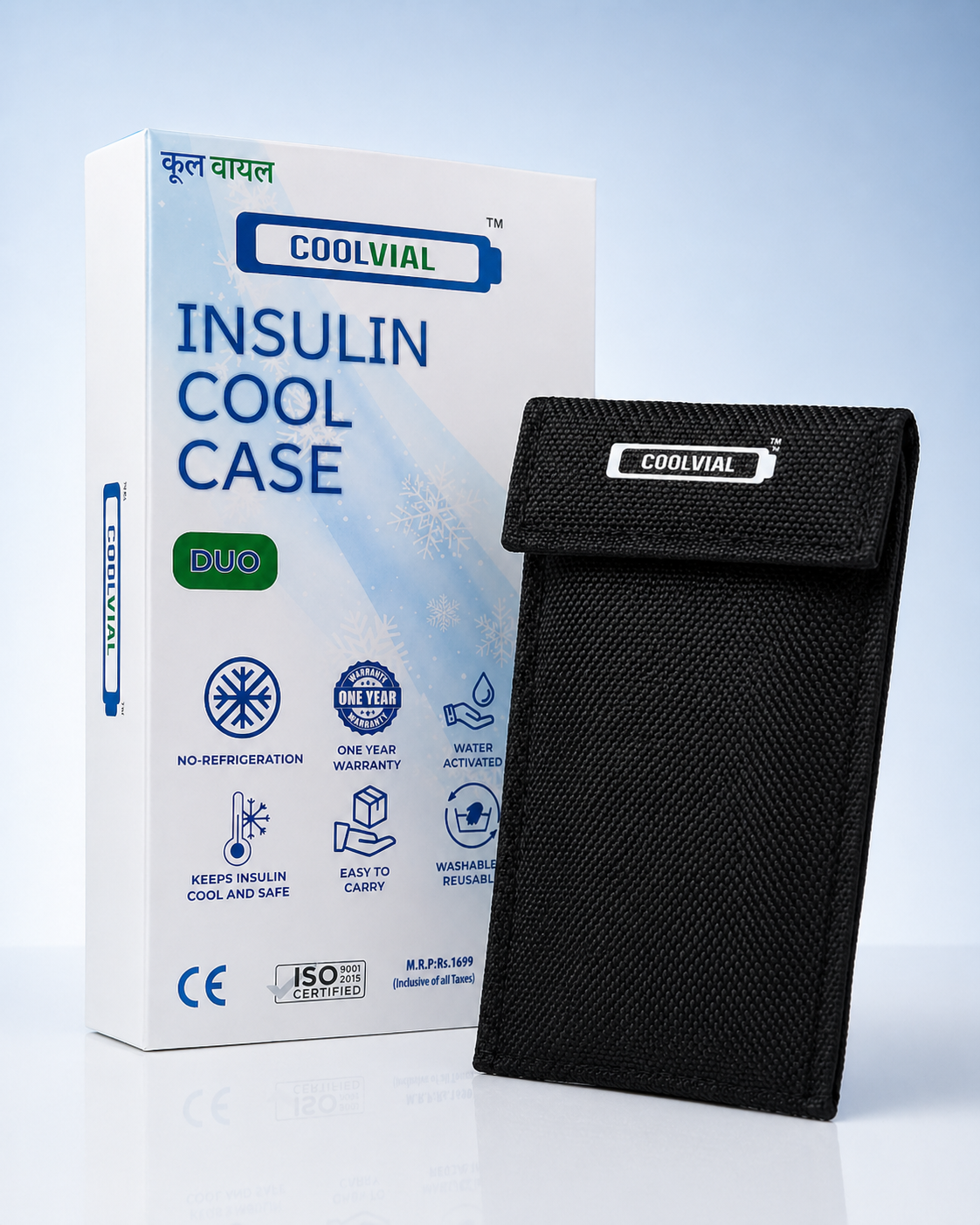
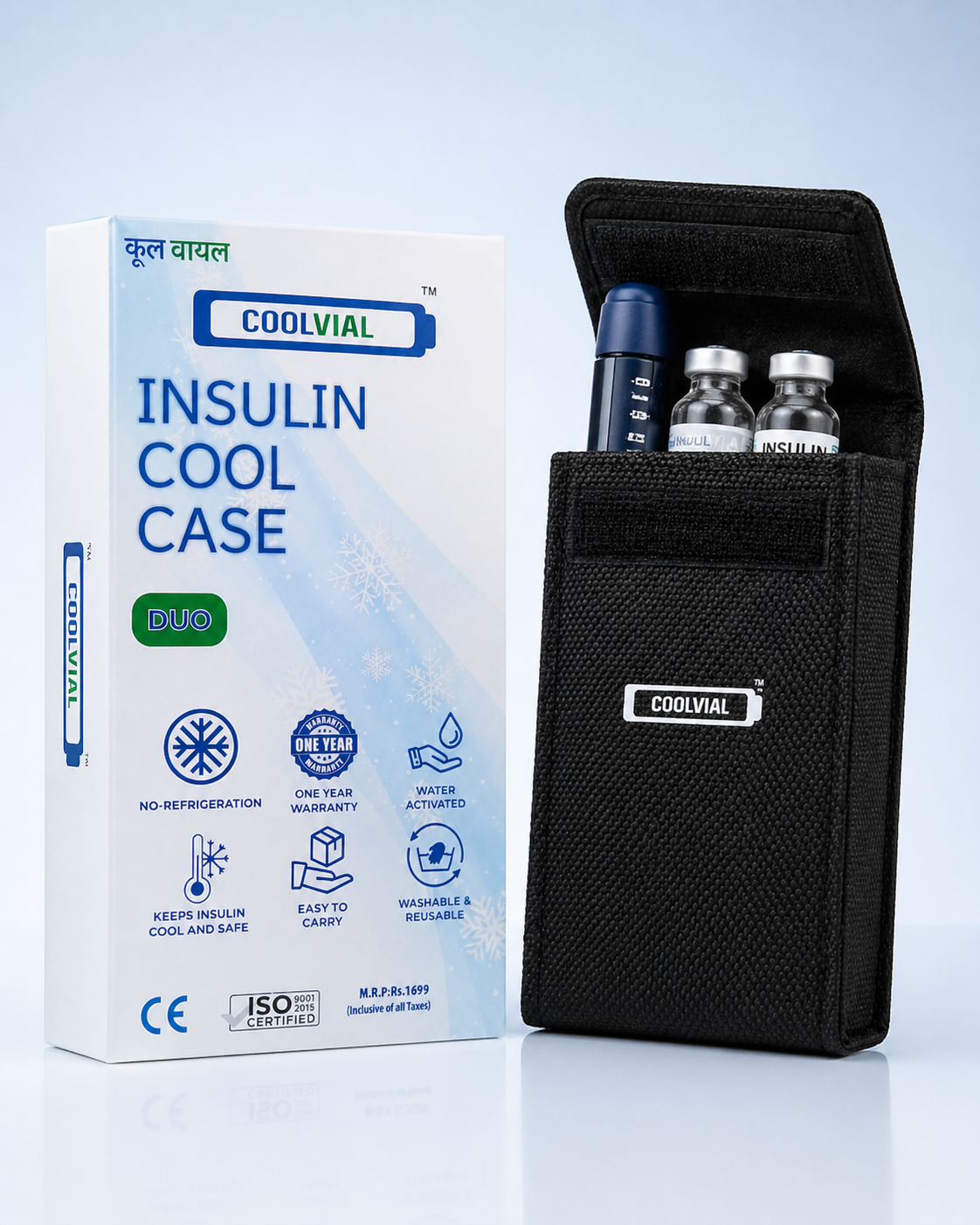
When navigating Navi Mumbai’s challenging climate, an advanced, reliable, and portable insulin cooling solution is not a luxury, but a necessity. This is where the COOLVIAL Duo steps in as a game-changer for residents actively seeking how to store insulin effectively. The COOLVIAL Duo is a water-activated evaporative cooling case designed specifically to maintain insulin at safe temperatures (typically 18-26°C) for 12-16 hours without needing electricity, batteries, or refrigeration.
The COOLVIAL Duo is engineered to accommodate the real-world needs of Indian diabetics. It holds 2 insulin pens plus 1 insulin vial, offering ample capacity for daily use or short trips. Its CE certification and ISO 9001:2015 quality standards assure you of its manufacturing excellence and safety. Plus, it comes with a 1-year warranty and is proudly Made in India, ensuring local support and understanding of Indian climatic conditions.
- Why COOLVIAL Duo is Ideal for Navi Mumbai:
- Electricity-Free Cooling: Perfect for power cuts and travel, offering independence from conventional power sources.
- Sustained Cooling: Keeps insulin cool for 12-16 hours, suitable for a full day out or overnight protection.
- Optimal Temperature Range: Maintains insulin at 18-26°C, well within the safe limits of 30°C even when ambient temperatures are much higher.
- Capacity: Holds 2 pens + 1 vial, catering to varied insulin regimens.
- Robust Design: Durable and reusable, built to withstand daily use.
- Certified Quality: CE certified, ISO 9001:2015, and 1-year warranty for peace of mind.
When compared to alternatives in the market, COOLVIAL Duo offers a compelling value proposition. Brands like FRIO typically retail around Rs 1,900 for similar capacity, while other options like Outer Woods OW-12 might be priced around Rs 999 but could offer different capacities or cooling durations. COOLVIAL Duo, at Rs 1,099 with code COOLHEAL (MRP Rs 1,699), strikes an excellent balance between premium quality, essential features, and affordability, making it an accessible and superior choice for Navi Mumbai’s climate.
| Feature | COOLVIAL Duo | FRIO (Comparable Size) | Outer Woods OW-12 (Comparable Price) |
|---|---|---|---|
| Capacity | 2 pens + 1 vial | 2 pens + 1 vial (varies by model) | 2 pens (typically) |
| Cooling Duration | 12-16 hours | Up to 45 hours (varies by model/humidity) | 10-12 hours |
| Cooling Method | Water-activated evaporative | Water-activated evaporative | Water-activated evaporative |
| Electricity Needed | No | No | No |
| Certifications | CE certified, ISO 9001:2015 | Varies by product | Varies by product |
| Warranty | 1-year | 1-year | 6 months |
| Made in | India | UK | India |
| Price (approx.) | Rs 1,099 (with code COOLHEAL, MRP Rs 1,699) | Rs 1,900+ | Rs 999 |
Expert Recommendations from Navi Mumbai’s Healthcare Professionals
Navi Mumbai’s healthcare ecosystem, including prominent institutions like Apollo Hospitals Navi Mumbai (Belapur), Fortis Hiranandani Hospital (Vashi), and MGM Hospital (Vashi), consistently emphasizes the critical importance of proper insulin storage. Endocrinologists and diabetologists at these facilities routinely advise patients on managing insulin in the local climate.
7 Essential Tips: How to Store Insulin in Navi Mumbai Summer Heat — A Local's Guide
48+ hours at 2-8°C. No electricity. CE certified. Free delivery across India.
Order on WhatsApp — ₹1,099🛒 Buy Now — ₹1,099Their recommendations often align with global best practices, but with a strong emphasis on solutions tailored for the Indian environment. They advocate for proactive measures, especially for those who travel frequently or live in areas prone to power fluctuations. The consensus is clear: never compromise on insulin temperature control.
- Key Recommendations from Navi Mumbai’s Medical Experts:
- Consult Your Doctor: Always discuss your specific insulin storage needs with your endocrinologist, especially before any significant travel or change in routine.
- Monitor Temperatures: Regularly check indoor temperatures during summer and ensure your insulin is never exposed to direct sunlight or hot car interiors.
- Invest in Reliable Cooling: Use an evaporative cooling case for daily use and travel, as recommended by the Apollo Hospitals Navi Mumbai (Belapur) endocrinology department.
- Regular Pharmacy Check-ins: Consult pharmacists at trusted stores like Apollo Pharmacy, Wellness Forever, or MedPlus for advice on specific insulin brands and their storage parameters.
- Educate Family Members: Ensure everyone in the household understands the importance of correct insulin storage.
These recommendations underscore the proactive approach needed by Navi Mumbai residents to ensure the efficacy of their insulin.
Practical Tips for Everyday Insulin Management in Navi Mumbai
Beyond specific cooling solutions, adopting certain habits can significantly improve how to store insulin and manage your diabetes effectively in Navi Mumbai’s climate. These tips cover everything from daily routines to specific outings.
- Daily Habits for Insulin Management:
- Avoid Direct Sunlight: Never leave insulin pens or vials exposed to direct sunlight, even for a short period. A car’s dashboard can reach extreme temperatures very quickly.
- Plan Ahead for Outings: If you’re heading to Inorbit Mall Vashi, Central Park Kharghar, or even a local market, ensure your insulin is in a reliable cooling case.
- Check Insulin Appearance Regularly: Before each injection, visually inspect your insulin. Look for changes in color (it should be clear for most types), cloudiness (unless it’s NPH), or particulate matter. Discard if unusual.
- Keep a Spare: Always have a backup vial or pen stored safely in the refrigerator, ready for use if your current one is compromised.
- Stay Hydrated: While not directly related to insulin storage, staying well-hydrated is crucial for overall diabetes management, especially in hot and humid conditions.
- Review Expiry Dates: Heat exposure can accelerate degradation, so always be mindful of both the manufacturer’s expiry date and the “in-use” expiry date (typically 28 days after opening).
- Consider Monsoon Challenges: While this article focuses on summer, the monsoon also brings its own challenges like humidity and dampness that can affect insulin and testing strips. For more on this, read our guide: [Navi Mumbai Monsoon & Insulin — Protecting Your Vials From Humidity Damage → /blog/navi-mumbai-monsoon-insulin-protecting-your-vials-from-humidity-damage].
For a comprehensive overview of general insulin care, including safe handling and administration, explore our insulin storage tips section.
Common Misconceptions About Insulin Storage in Tropical Climates
There are several persistent myths about insulin storage, especially in hot and humid regions like Navi Mumbai. Debunking these can help you make informed decisions and ensure your insulin remains effective.
- Debunking Common Insulin Storage Myths:
- Myth 1: “My fridge is always the safest place for insulin.”
- Reality: While unopened insulin needs refrigeration, fridges in homes can have temperature fluctuations due to power cuts, voltage issues, or frequent opening. The fridge door is also prone to greater temperature swings. Freezing is also a risk if placed too close to the cooling element.
- Myth 2: “Evaporative cooling cases don’t work in high humidity.”
- Reality: This is a common misunderstanding. While high humidity reduces the efficiency of evaporative cooling, it doesn’t render it ineffective. Quality cases like COOLVIAL Duo can still provide a significant temperature drop (e.g., maintaining 24-28°C when ambient is 35°C), which is crucial for insulin stability.
- Myth 3: “A few hours in the heat won’t hurt my insulin.”
- Reality: Even short exposures to high temperatures (above 30°C) can begin to degrade insulin’s potency. Repeated exposure, or longer periods, will significantly reduce its effectiveness, leading to higher blood glucose levels.
- Myth 4: “I can tell if my insulin is bad just by looking at it.”
- Reality: While visible changes (cloudiness, particles, discoloration) are definite signs of degradation, insulin can lose potency due to heat exposure without any visible changes. Always err on the side of caution if you suspect it has been compromised.
- Myth 5: “Keeping insulin in a regular insulated lunch bag is enough.”
- Reality: A standard insulated bag offers minimal protection against extreme heat over extended periods. It merely slows down temperature transfer, it doesn’t actively cool the insulin like an evaporative case does.
- Myth 1: “My fridge is always the safest place for insulin.”
Understanding these realities empowers you to make better choices for your insulin storage and ultimately, your diabetes management.
Frequently Asked Questions (FAQs)
Q: How hot can insulin get before it’s damaged? A: Insulin can begin to lose potency if exposed to temperatures above 30°C. Prolonged exposure to temperatures exceeding 30°C, or any exposure above 40°C, can significantly and irreversibly damage its protein structure, rendering it ineffective.
Q: Can I store insulin in the refrigerator door? A: Storing insulin in the refrigerator door is generally not recommended because this area experiences the most significant temperature fluctuations due to frequent opening and closing, making it less stable than deeper shelves.
Q: Is tap water okay for activating my cooling case in Navi Mumbai? A: While tap water can be used, it’s recommended to use bottled or RO (Reverse Osmosis) purified water in Navi Mumbai to activate your evaporative cooling case. This prevents mineral buildup from hard water, which can reduce efficiency and product lifespan.
Q: How often should I reactivate an evaporative cooling case? A: Most evaporative cooling cases, including COOLVIAL Duo, provide cooling for 12-16 hours on a single activation. You should reactivate it once a day or when you notice the cooling effect diminishing, typically by soaking it in water for a few minutes.
Q: What if my insulin freezes? A: If insulin freezes, it is permanently damaged and should be discarded immediately, even if it thaws later. Freezing destroys the insulin’s protein structure, making it ineffective and potentially harmful.
Q: Where can I buy a reliable insulin cooling case in Navi Mumbai? A: Reliable insulin cooling cases like COOLVIAL Duo can be purchased online at coolvial.com. While local pharmacies like Apollo Pharmacy or MedPlus might carry some options, online stores often provide a wider selection and direct delivery.
Q: Does high humidity affect insulin itself, not just the cooling case? A: High humidity primarily affects the performance of evaporative cooling cases by reducing the rate of water evaporation. Insulin itself is more sensitive to temperature than humidity, but high humidity combined with high temperatures can create a more challenging environment for storage.
Conclusion: Your Partner in Diabetes Care
Navi Mumbai’s summer heat, with its soaring indoor temperatures and the omnipresent risk of power cuts, presents unique challenges for insulin users. Understanding these local climate realities and adopting proactive storage strategies are essential for maintaining the efficacy of your life-saving medication. From diligently monitoring indoor temperatures to making informed choices about portable cooling solutions, every step contributes to better diabetes management.
The COOLVIAL Duo offers a robust, electricity-free solution, engineered to provide reliable cooling for your insulin pens and vials for 12-16 hours, even in Navi Mumbai’s tropical humid climate. Its CE certification, ISO 9001:2015 standards, and 1-year warranty underscore our commitment to your health and peace of mind. Don’t let the weather dictate your diabetes care. Take control with a solution designed for India’s unique conditions.
Order COOLVIAL Duo at Rs 1,099 with code COOLHEAL (MRP Rs 1,699) — visit coolvial.com or connect via WhatsApp at wa.me/918766952300 today!
Medical Disclaimer: This article is for general information and educational purposes only. It is not a substitute for professional medical advice, diagnosis, or treatment. Always consult your endocrinologist or diabetologist before changing insulin storage or dosing practices.