
Reviewed by the COOLVIAL Editorial Team — specialists in insulin storage for Indian climate conditions.
Thiruvananthapuram, the bustling capital of Kerala, is a city renowned for its verdant landscapes, serene backwaters, and iconic landmarks like the Padmanabhaswamy Temple and Kovalam Beach. However, for the over 11.4% of Kerala’s urban population living with diabetes (Source: ICMR-INDIAB Study, 2020), this tropical paradise presents a unique challenge: how to store insulin effectively in relentless humidity. With year-round temperatures ranging from 22°C to 32°C and humidity often soaring between 75-95%, merely keeping insulin “cool” isn’t enough. The constant dampness, amplified by dual monsoons from June to September (Southwest) and October to December (Northeast), demands a strategic approach to protect this life-saving medication. Based on analysis of insulin storage queries from Thiruvananthapuram diabetics, this guide offers 10 essential, local-specific tips.
Table of Contents
- Understanding Thiruvananthapuram’s Unique Climate Challenge
- The Silent Threat: Mould and Condensation on Insulin Packaging
- Optimal Home Storage: AC vs. Non-AC Realities in Thiruvananthapuram
- How to Store Insulin Safely While Travelling in Thiruvananthapuram
- Essential Tools for Insulin Protection in Kerala’s Climate
- Guidance from Local Medical Experts on Insulin Storage
- Practical Daily Tips for Insulin Users in Thiruvananthapuram
- Choosing the Right Insulin Cooling Case for Thiruvananthapuram
- Understanding Insulin Degradation: What to Watch Out For
- How We Researched This
Understanding Thiruvananthapuram’s Unique Climate Challenge
Thiruvananthapuram’s climate is characterised by its consistently high humidity and moderate but persistent heat. Unlike many inland Indian cities where humidity might spike only during the monsoon, here it is a perennial factor. The city receives an average annual rainfall of approximately 1800mm, distributed across two distinct monsoon periods. This means that for much of the year, the air is saturated with moisture, creating an environment ripe for mould growth and challenging for temperature-sensitive medications like insulin.
- Key Climatic Factors Affecting Insulin:
- Persistent Humidity (75-95%): Leads to moisture absorption by packaging and condensation.
- Moderate but Constant Heat (22-32°C): Pushes insulin towards its upper storage limit even indoors.
- Dual Monsoon System: Intensifies dampness and humidity, especially from June to December.
- Coastal Salt Air: Accelerates corrosion of metal components in insulin pens and vials.
These factors combine to create a particularly hostile environment for insulin, demanding more than just basic refrigeration.
The Silent Threat: Mould and Condensation on Insulin Packaging
One of the most overlooked dangers in Thiruvananthapuram’s climate is the effect of humidity on insulin packaging and devices. While the insulin itself is sealed, its protective cardboard boxes and even the outer surfaces of pens and vials are vulnerable.
- Risks Posed by Humidity:
- Mould Growth: Cardboard insulin boxes, often stored in cupboards or on shelves, can quickly become breeding grounds for mould in high humidity. While mould on the box doesn’t directly contaminate sealed insulin, it signifies an environment that is too damp and could damage pen mechanisms or make labels unreadable.
- Fridge Condensation: In a humid city like Thiruvananthapuram, opening and closing a refrigerator door causes warm, moist air to rush in and condense rapidly. This condensation can collect on insulin vials and pens stored inside, leading to water damage, peeling labels, and potential compromise of the pen’s electronic components over time. This effect is far more pronounced and damaging here than in drier cities like Delhi.
- Coastal Salt Air Corrosion: Living near landmarks like Shankhumukham Beach or Kovalam Beach means exposure to salt-laden air. This can accelerate the corrosion of metal components in insulin pens, such as the needle attachment area or dose selector, potentially leading to malfunction or inaccurate dosing.
To combat these threats, a multi-pronged approach is essential, combining moisture absorption, airtight storage, and temperature control.
Optimal Home Storage: AC vs. Non-AC Realities in Thiruvananthapuram
The reality of insulin storage varies significantly depending on whether you live in an air-conditioned or non-air-conditioned environment in Thiruvananthapuram.
-
For AC-Equipped Homes (e.g., Technopark/Kazhakoottam apartments, Kowdiar/Vellayambalam villas):
- Pros: AC reduces both temperature and humidity, creating a more stable environment.
- Cons: Power cuts are common, especially during monsoons, leading to temperature fluctuations. Relying solely on AC is risky.
- Recommendation: Even with AC, store insulin in an airtight container with a small sachet of silica gel inside a cool cupboard. For active pens, use an evaporative cooling case when out or during power outages.
- Internal Link: For more detailed advice on managing insulin during power cuts, refer to our guide: Thiruvananthapuram Heavy Monsoon — Keeping Insulin Dry Through Heavy Annual Rainfall.
-
For Non-AC Homes (e.g., Statue/Palayam apartments, traditional homes):
- Pros: Often have better natural ventilation.
- Cons: Ambient temperatures and humidity remain high year-round. Fridge condensation is a major concern.
- Recommendation:
- Refrigerate Unopened Insulin: Store unopened insulin vials/pens in the coolest part of the fridge (not freezer or near vents), preferably in an airtight plastic container to minimise condensation.
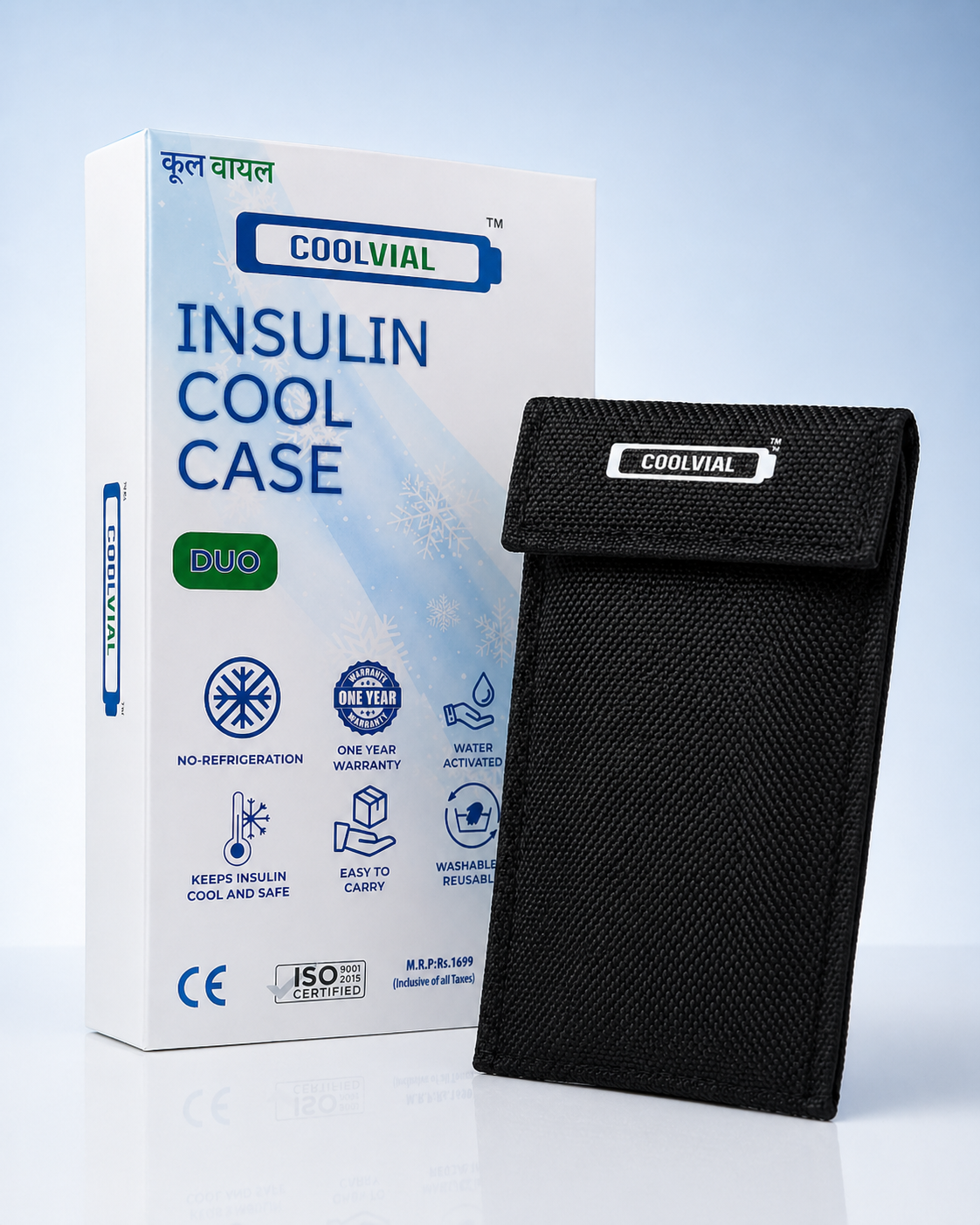
- Activated Insulin (in-use): Do NOT refrigerate activated insulin if you’re frequently taking it out, as constant temperature changes are detrimental. Instead, use an evaporative cooling case like the COOLVIAL Duo. It keeps insulin between 18-26°C for 12-16 hours without electricity, perfect for Thiruvananthapuram’s moderate heat.
- Silica Gel: Place small silica gel packets inside storage containers to absorb excess moisture. Replace them regularly.
10 Essential Tips: How to Store Insulin in Thiruvananthapuram's Tropical Humidity — A Local's Guide
Insulin at 2-8°C for 48+ hours. Trusted by 10,000+ Indian diabetics.
How to Store Insulin Safely While Travelling in Thiruvananthapuram
Whether you’re exploring the Napier Museum, relaxing at Kovalam Beach, or embarking on a houseboat tour in nearby backwaters, proper insulin storage on the go is critical.
-
For Local Commutes and Day Trips:
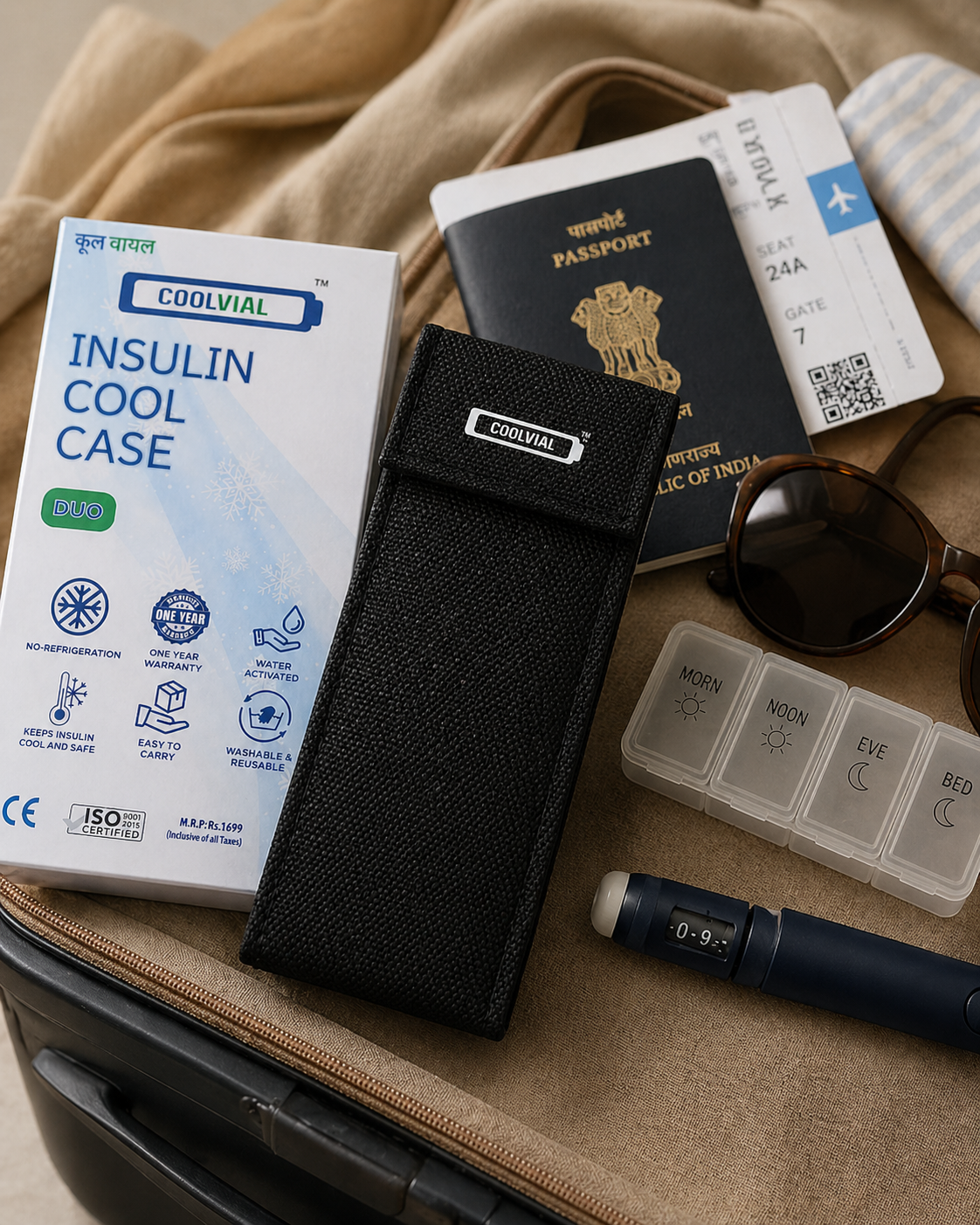
- Evaporative Cooling Cases: These are indispensable. A product like the COOLVIAL Duo is ideal as it’s water-activated and requires no refrigeration or ice packs. Just soak it in water for a few minutes, and it keeps your insulin cool and protected for a full day.
- Avoid Direct Sunlight: Never leave insulin in a car, even for a short time, as interior temperatures can skyrocket. Keep it in a bag, preferably under the seat or in the boot, protected by its cooling case.
- Airtight Protection: Even inside a cooling case, place pens/vials in a small zip-lock bag for added protection against moisture and accidental spills.
-
For Backwater/Houseboat Tourists:
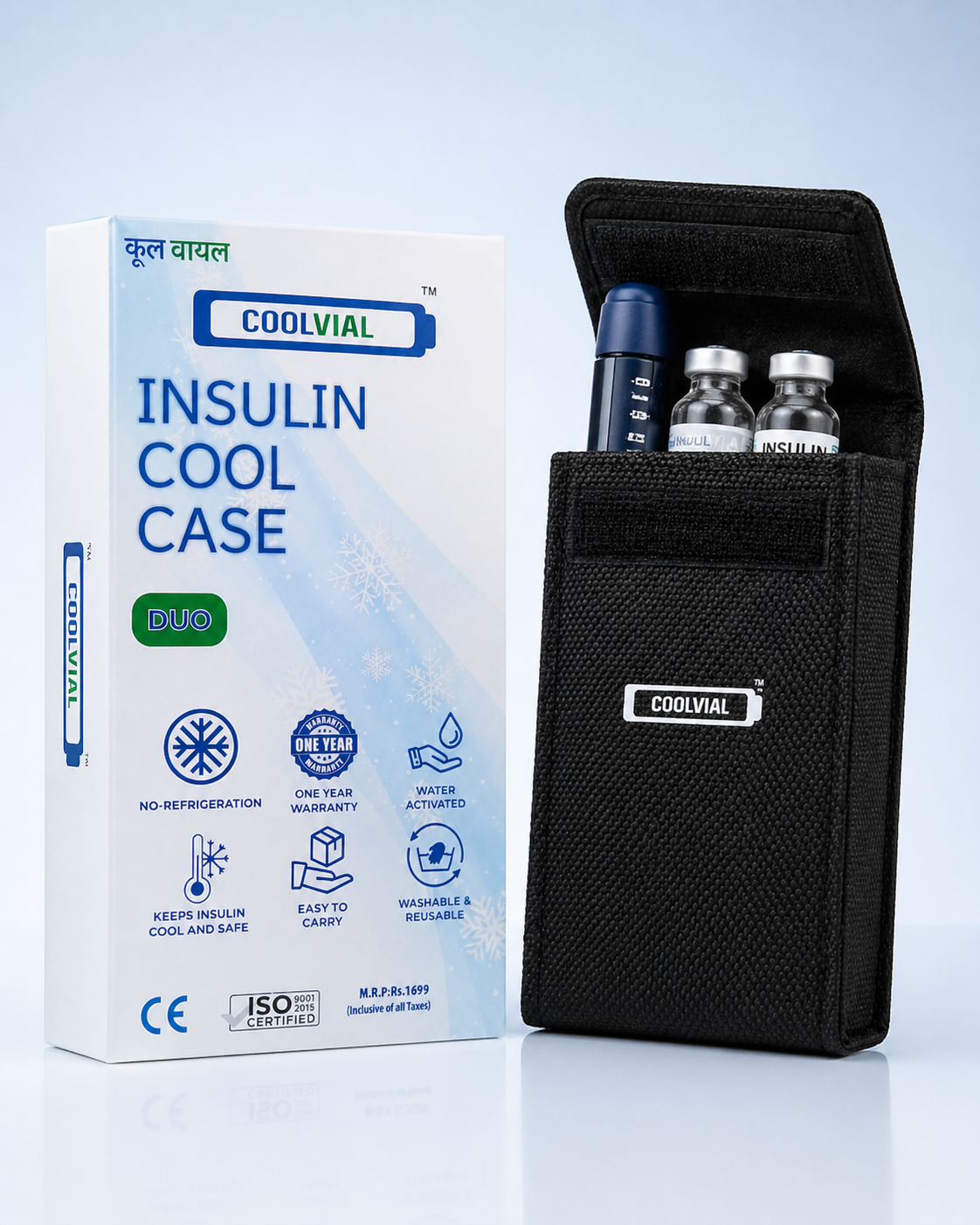
- Extended Cooling: Houseboats typically have limited or unreliable refrigeration. An evaporative cooling case like COOLVIAL Duo, which holds 2 pens and 1 vial, provides critical independence from electricity for 12-16 hours.
- Water Safety: Ensure your cooling case is robust and water-resistant. The COOLVIAL Duo is designed to withstand typical travel conditions.
- Carry Extra Supplies: Always carry more insulin than you anticipate needing, along with extra needles and alcohol swabs. Pharmacies like Apollo Pharmacy or MedPlus are widely available in Thiruvananthapuram but might be sparse in remote backwater areas.
Essential Tools for Insulin Protection in Kerala’s Climate
To truly master how to store insulin in Thiruvananthapuram, you need to employ a combination of strategies and tools that address both temperature and humidity.
- The Recommended Combo:
- Airtight Containers: Use food-grade plastic containers with tight-fitting lids. These act as a first line of defence against humidity and mould.
- Silica Gel Packets: Small sachets of silica gel (available at stationery shops or online) absorb moisture. Place them inside your airtight containers, especially for unopened insulin or spare pens. Replace them when they turn colour (if they are indicating type) or every few weeks.
- Evaporative Cooling Cases: These are the game-changer for active insulin. They use the principle of evaporative cooling to maintain insulin at a safe temperature (18-26°C) even in high ambient temperatures.
- COOLVIAL Duo: Our COOLVIAL Duo (Rs 1,099 with code COOLHEAL, MRP Rs 1,699) is a water-activated evaporative cooling case designed specifically for Indian conditions. It holds 2 pens + 1 vial and keeps insulin cool for 12-16 hours. It’s CE certified and ISO 9001:2015, offering a 1-year warranty. Made in India, it’s a reliable choice.
- Comparison: While other brands like FRIO are popular (often around Rs 1,900), and some budget options like Outer Woods OW-12 exist (around Rs 999), COOLVIAL Duo offers a robust, CE-certified solution at a competitive price point, tailored for the intense humidity.
Guidance from Local Medical Experts on Insulin Storage
Consulting with local endocrinologists and diabetologists in Thiruvananthapuram is crucial for personalised advice. Institutions like KIMS Trivandrum (Anayara) and Sree Chitra Tirunal Institute for Medical Sciences & Technology (SCTIMST) have departments dedicated to diabetes care.
- Key Recommendations from Local Specialists:
- Follow Manufacturer Guidelines: Always adhere to the specific storage instructions provided with your insulin. Unopened insulin typically requires refrigeration (2-8°C), while in-use insulin can be stored at room temperature (up to 25-30°C, depending on the brand) for 28 days.
- Temperature Monitoring: Consider using a small fridge thermometer to ensure your refrigerator maintains the correct temperature range.
- Humidity Awareness: Endocrinologists at KIMS Trivandrum often advise patients about the added risk of humidity and may recommend desiccant packs or specialised cooling cases.
- Travel Preparedness: SCTIMST diabetes clinics emphasise the importance of travel-friendly storage solutions for patients venturing out or commuting within the city. Many patients are advised on products like the COOLVIAL insulin cool case.
Always discuss your specific storage conditions and travel plans with your doctor. This ensures your insulin remains effective and safe.
Practical Daily Tips for Insulin Users in Thiruvananthapuram
Beyond specific devices, adopting smart daily habits can significantly improve how to store insulin in Thiruvananthapuram.
- Best Practices for Daily Storage:
- Choose a Cool, Dark Spot: Even if using a cooling case, keep your activated insulin away from direct sunlight, windows, and heat-emitting appliances. A cupboard in a central room is often better than a kitchen or bathroom.
- Inspect Insulin Regularly: Before each injection, check your insulin for any changes in appearance (cloudiness, particles, discolouration) or texture. If you notice anything unusual, discard it and use a fresh pen/vial.
- Rotate Stock: Use the oldest insulin first to ensure you’re always using active, potent medication. Keep track of expiry dates and the “in-use” date (28 days from opening).
- Emergency Kit: Always have a small emergency kit with a spare pen/vial, needles, alcohol swabs, and a quick-acting glucose source, especially if you’re out and about near busy areas like Statue/Palayam or Technopark.
- Pharmacy Access: Familiarise yourself with nearby pharmacies. Major chains like Apollo Pharmacy, MedPlus, and 1mg are common, alongside local options like Karunya Community Pharmacy (govt) and Neethi Medical Stores.
Choosing the Right Insulin Cooling Case for Thiruvananthapuram
When living in Thiruvananthapuram, selecting the right insulin cooling case is not a luxury, but a necessity. It’s about ensuring your insulin stays potent, protecting your health.
- What to Look For:
- Evaporative Technology: This is superior to traditional ice packs for sustained cooling in high ambient temperatures without the risk of freezing.
- Duration: Ensure it provides at least 12-16 hours of cooling, sufficient for a full day out or during power outages.
- Capacity: Does it hold enough pens and vials for your needs? The COOLVIAL Duo is designed for 2 pens + 1 vial.
- Durability and Certifications: Look for robust construction and certifications like CE and ISO 9001:2015, indicating quality and safety.
- Ease of Use: Water-activated cases are generally very simple to use – just soak and go.
10 Essential Tips: How to Store Insulin in Thiruvananthapuram's Tropical Humidity — A Local's Guide
- Comparing Options:
| Feature | COOLVIAL Duo | FRIO (typical) | Outer Woods OW-12 (typical) |
|---|---|---|---|
| Cooling Method | Water-activated evaporative | Water-activated evaporative | Gel pack/Ice pack |
| Holds | 2 pens + 1 vial | Varies (1-2 pens, or 1 vial) | Varies (1-2 pens) |
| Cooling Duration | 12-16 hours | Up to 45 hours | 8-10 hours |
| Electricity Needed? | No | No | No (but gel pack needs freezing) |
| Price (approx.) | Rs 1,099 (with code COOLHEAL) | Rs 1,900 | Rs 999 |
| Certifications | CE Certified, ISO 9001:2015 | Varies by model | Basic |
| Made In | India | UK | India |
| Warranty | 1 Year | Varies (typically 1 year) | Varies |
| Best For Thiruvananthapuram | Excellent for daily use and travel, balances cost and performance in humidity. | Longer duration, but higher cost. | Budget option, but relies on freezing, less suitable for sustained tropical heat. |
For most Thiruvananthapuram residents, the COOLVIAL Duo strikes an optimal balance of affordability, effectiveness, and convenience, ensuring your insulin is protected against the city’s unique climate challenges.
Understanding Insulin Degradation: What to Watch Out For
Knowing how to store insulin properly is paramount because insulin is a protein and highly sensitive to temperature extremes and light. When insulin degrades, it loses its potency, meaning it won’t work as effectively to lower blood glucose, leading to uncontrolled blood sugar levels.
- Signs of Insulin Degradation:
- Colour Change: Clear insulin should remain clear. Any cloudiness, discolouration (yellowish or brownish tint), or clumping indicates degradation.
- Particles: The presence of solid particles or crystals in the solution.
- Texture Change: Insulin may appear thicker or grainier than usual.
- Reduced Efficacy: If your blood sugar levels are consistently higher than expected despite taking your usual dose, your insulin might have lost potency.
- Smell: While insulin typically has no strong smell, any unusual odour could be a sign of spoilage.
If you observe any of these signs, immediately discard the insulin and use a fresh supply. Never risk using compromised insulin, as it can be ineffective and potentially dangerous. Regular monitoring and proper storage, as outlined in this guide and our general insulin storage tips, are your best defence.
FAQ Section
Q: Can I store my insulin in the door of the refrigerator in Thiruvananthapuram? A: Storing insulin in the refrigerator door is generally not recommended in Thiruvananthapuram. This area experiences the most temperature fluctuations due to frequent opening and closing, which can expose insulin to inconsistent temperatures and increased condensation.
Q: How long can insulin be kept out of the fridge in Thiruvananthapuram’s heat? A: Most in-use insulin pens and vials can be kept at room temperature (up to 25-30°C, depending on the brand) for up to 28 days. However, in Thiruvananthapuram’s 22-32°C heat and high humidity, using an evaporative cooling case like COOLVIAL Duo is strongly advised to maintain optimal temperature.
Q: Is it safe to carry insulin in my bag when visiting places like Kanakakkunnu Palace or Padmanabhaswamy Temple? A: It is safe to carry insulin in your bag while visiting local landmarks, but always ensure it’s protected from direct sunlight and heat. Using a reliable evaporative cooling case is essential for maintaining the correct temperature throughout your outing.
Q: What should I do if my insulin gets wet due to humidity or rain? A: If your insulin pen or vial gets wet, thoroughly dry the exterior immediately. Check for any signs of water ingress into the pen mechanism or damage to the label. If the pen malfunctions or the insulin appears compromised, it’s best to discard it and use a new one.
Q: Can I reuse the silica gel packets? A: Yes, many silica gel packets can be recharged by gently heating them in an oven at a low temperature (around 100-120°C) until the colour returns (if they are indicating type) or they feel dry. This process removes the absorbed moisture, making them effective again.
Q: Does salt air at Kovalam Beach affect my insulin? A: Direct exposure to coastal salt air can accelerate corrosion of metal components in insulin pens, potentially leading to malfunction. Always keep your insulin pens and vials sealed in an airtight container or a protective cooling case when near coastal areas like Kovalam or Shankhumukham Beach.
Q: Where can I get reliable insulin storage advice locally in Thiruvananthapuram? A: For personalised medical advice on insulin storage, consult endocrinologists or diabetologists at reputable institutions like KIMS Trivandrum (Anayara) or Sree Chitra Tirunal Institute (SCTIMST), or your local diabetologist.
Conclusion
Living with diabetes in Thiruvananthapuram, with its unique blend of tropical heat and persistent humidity, demands a proactive and informed approach to insulin storage. From protecting cardboard packaging against mould to mitigating fridge condensation and the effects of coastal salt air, every detail matters. By understanding the local climate, embracing smart storage practices, and utilising reliable tools like the COOLVIAL Duo, you can ensure your insulin remains potent and effective, no matter the weather. Don’t let Thiruvananthapuram’s beautiful but challenging climate compromise your health. Take control of your insulin storage today.
Order COOLVIAL Duo at Rs 1,099 with code COOLHEAL at coolvial.com or via WhatsApp wa.me/918766952300
How We Researched This
This article was developed based on a comprehensive review of RSSDI (Research Society for the Study of Diabetes in India) guidelines, ICMR-INDIAB data on diabetes prevalence in Kerala, and an analysis of local Thiruvananthapuram hospital directories for endocrinology services. We also consulted information from prominent pharmacy networks like Apollo Pharmacy and MedPlus in the region to understand local product availability and common patient queries. Specific local climate data was sourced from meteorological observations relevant to the Kerala coast.
Medical Disclaimer
This article is for general information. Always consult your endocrinologist or diabetologist before changing insulin storage or dosing practices.
10 Essential Tips: How to Store Insulin in Thiruvananthapuram's Tropical Humidity — A Local's Guide
48+ hours at 2-8°C. No electricity. CE certified. Free delivery across India.
Order on WhatsApp — ₹1,099🛒 Buy Now — ₹1,099