
Reviewed by the COOLVIAL Editorial Team — specialists in insulin storage for Indian climate conditions.
Visakhapatnam, the ‘City of Destiny’, is known for its stunning RK Beach, the serene Kailasagiri Hill, and a vibrant coastal lifestyle. However, for the thousands of residents managing diabetes, the city’s year-round warmth, especially the intense summer heat from April to June, presents a unique challenge: how to store insulin safely and effectively. With typical indoor temperatures in non-AC homes often soaring to 33-38°C during peak summer nights, maintaining insulin efficacy is a constant concern. Unopened insulin must be refrigerated between 2-8°C, while opened vials or pens can be kept at room temperature (up to 25-30°C) for a limited period, usually 28 days. Exceeding these temperatures can lead to significant degradation, rendering insulin less effective or even useless. Based on analysis of insulin storage queries from Visakhapatnam diabetics, this guide provides 10 practical strategies tailored for our specific climate, ensuring your life-saving medication remains potent.
Table of Contents
- Understanding Visakhapatnam’s Unique Climate Realities
- The Reality of Indoor Temperatures and Insulin Storage in Vizag Homes
- Refrigerator Reliance: Power Cuts and Stability in Visakhapatnam
- Evaporative Cooling Solutions: How They Perform in Visakhapatnam’s Humidity
- Water Quality for Activation: A Crucial Detail for Vizag Residents
- Insulin Storage Realities Across Visakhapatnam’s Neighbourhoods
- Navigating Peak Summer (May-June) with Power Cuts: A Combo Challenge
- Expert Recommendations from Local Healthcare Providers
- Practical Tips for Carrying Insulin Safely in Visakhapatnam
- Why COOLVIAL Duo is Your Smart Choice for Insulin Storage in Visakhapatnam
- Frequently Asked Questions (FAQ)
- Conclusion
- Medical Disclaimer
- How We Researched This
Understanding Visakhapatnam’s Unique Climate Realities
Visakhapatnam’s climate is defined by its coastal location along the Bay of Bengal, resulting in a distinct weather pattern that significantly impacts insulin storage. Unlike inland cities with dry heat, Vizag experiences:
- Year-round Warmth: Temperatures typically range between 20-35°C, rarely dipping below 18°C even in winter.
- High Humidity: The city’s proximity to the sea means relative humidity often hovers between 70-85%, especially during the monsoon and post-monsoon periods. This high moisture content can affect certain storage methods.
- Monsoon Season (June-October): Approximately 1100mm of rainfall, bringing relief from heat but intensifying humidity and the risk of power outages. This period also requires vigilance against water damage to insulin cases. For more on this, read our comprehensive guide: Visakhapatnam Monsoon & Insulin — Protecting Your Vials From Humidity Damage.
- Cyclone-Prone: Being on the east coast, Visakhapatnam is susceptible to cyclones, leading to heavy rains, strong winds, and prolonged power disruptions, which are critical factors for insulin refrigeration.
These climatic conditions mean that standard advice for insulin storage might not be sufficient. You need strategies specifically adapted to Vizag’s humid, warm environment to ensure your insulin remains effective.
The Reality of Indoor Temperatures and Insulin Storage in Vizag Homes
Many homes in Visakhapatnam, especially in areas like Gajuwaka or older parts of Dwaraka Nagar, may not have air conditioning running 24/7, or even at all. This leads to challenging indoor temperatures, particularly from April to June. During these months, it’s common for internal home temperatures to consistently reach 33-38°C, even during the night, especially in concrete structures that absorb and retain heat.
- Impact on Insulin: Unopened insulin requires refrigeration (2-8°C). Opened insulin can be stored at room temperature, but “room temperature” as defined by manufacturers is typically up to 25-30°C. When ambient temperatures exceed this for extended periods, insulin begins to degrade.
- Signs of Degradation:
- Cloudiness: Insulin that should be clear appears cloudy or has particles.
- Discoloration: Clear insulin turns yellowish or brownish.
- Reduced Efficacy: Most importantly, degraded insulin will not lower blood sugar effectively, leading to unexplained high glucose levels.
Given these realities, relying solely on unconditioned indoor air for opened insulin storage is risky. Proactive measures are essential to keep your insulin within its safe temperature range.
Refrigerator Reliance: Power Cuts and Stability in Visakhapatnam
Refrigeration is the gold standard for unopened insulin. However, in Visakhapatnam, relying solely on a refrigerator comes with its own set of challenges, particularly during the summer and monsoon seasons.
- Frequent Power Cuts: Power outages, often unannounced, are a common occurrence across Visakhapatnam, from the bustling Beach Road area to the industrial zones of Gajuwaka. These can last anywhere from a few minutes to several hours, especially during peak summer or cyclone season.
- Fluctuating Temperatures: Each power cut causes the refrigerator’s internal temperature to rise. While modern refrigerators can maintain cool temperatures for a few hours if unopened, repeated fluctuations can stress the insulin.
- Post-Cyclone Scenarios: During severe weather events, such as the cyclones that periodically hit the Bay of Bengal coast, power can be out for days. This renders conventional refrigeration useless and poses a significant threat to insulin supplies.
Tips for Refrigerator Use:
- Use a Thermometer: Place a reliable thermometer inside your refrigerator to monitor temperatures, especially after power fluctuations.
- Avoid Door Opening: During power cuts, keep the refrigerator door closed as much as possible to preserve the cold.
- Backup Power: Consider an inverter or UPS for critical appliances if your area experiences very frequent or long power cuts.
- Strategic Storage: Store insulin towards the back of the fridge, not in the door, where temperatures are more stable.
Even with these precautions, a robust backup strategy is crucial for insulin storage in Visakhapatnam.
Evaporative Cooling Solutions: How They Perform in Visakhapatnam’s Humidity
10 Practical Strategies: How to Store Insulin in Visakhapatnam Summer Heat — A Local's Guide
Insulin at 2-8°C for 48+ hours. Trusted by 10,000+ Indian diabetics.
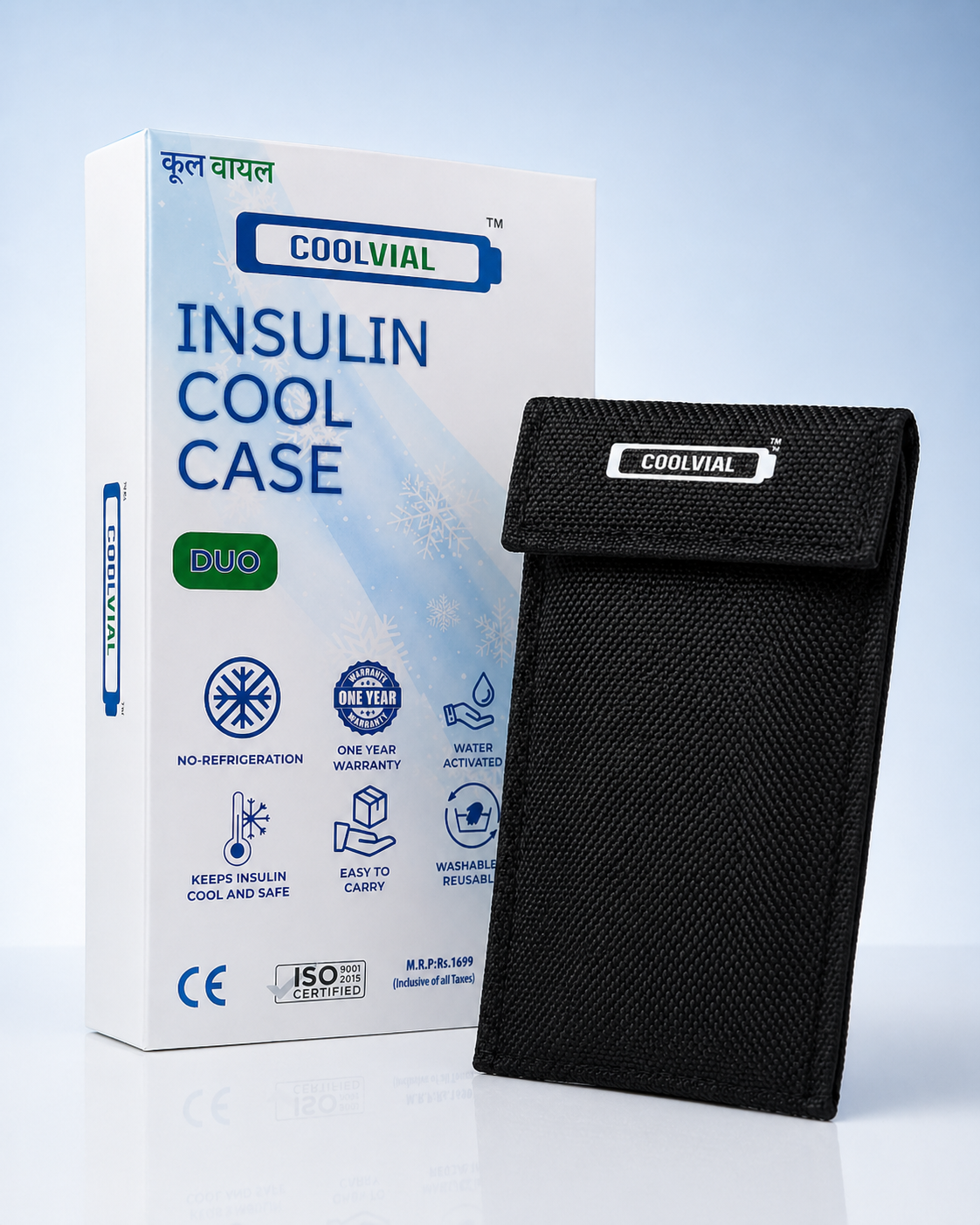
Evaporative cooling cases, like the COOLVIAL Duo, are a game-changer for insulin users in climates like Visakhapatnam. They work on a simple scientific principle: as water evaporates from a surface, it draws heat away, thus cooling the object it surrounds.
- Mechanism: These cases typically contain polymer crystals that, when activated by water, swell into a gel. This gel then slowly releases water through evaporation, creating a cool environment for the insulin.
- Effectiveness in Humidity: A common misconception is that evaporative cooling isn’t effective in high humidity. While higher humidity does reduce the rate of evaporation, it does not stop it completely. The COOLVIAL Duo is designed to provide effective cooling (keeping insulin below 25-30°C) for 12-16 hours, even in Visakhapatnam’s average 70-85% humidity. The key is regular re-activation.
- Advantages for Vizag:
- No Electricity Needed: Perfect for power cuts and travel.
- Portable: Easily carried to work, on errands, or for a stroll along RK Beach.
- Reliable Cooling: Consistent cooling within the safe temperature range for opened insulin, and for temporary storage of unopened insulin during transport or power outages.
- Cost-Effective: A one-time investment that lasts for years.
The COOLVIAL Duo, priced at just Rs 1,099 with code COOLHEAL (MRP Rs 1,699), offers a reliable, CE certified, and ISO 9001:2015 compliant solution. Compared to options like FRIO (often around Rs 1,900) or the Outer Woods OW-12 (around Rs 999), COOLVIAL strikes an excellent balance of quality, performance, and affordability. Its “Made in India” tag also ensures local understanding of climatic challenges.
Water Quality for Activation: A Crucial Detail for Vizag Residents
The effectiveness and longevity of evaporative cooling cases depend heavily on the quality of water used for activation. This is an often-overlooked but critical detail for residents of Visakhapatnam.
- Hard Water Concerns: Many areas in Visakhapatnam, particularly those relying on borewell water or municipal supply, can have hard water. Hard water contains high concentrations of minerals like calcium and magnesium.
- Impact on Cooling Cases:
- Residue Buildup: Repeated use of hard water can lead to mineral deposits accumulating on the polymer crystals within the cooling case.
- Reduced Efficiency: This buildup can clog the pores of the fabric, hindering the evaporation process and reducing the case’s cooling efficiency over time.
- Shortened Lifespan: Mineral deposits can also stiffen the fabric or damage the internal components, shortening the product’s lifespan.
- Recommendations for Visakhapatnam:
- Use Bottled or RO Water: For activating your COOLVIAL Duo or any evaporative cooling case, it is highly recommended to use bottled mineral water or water from an RO (Reverse Osmosis) purifier. These water sources have significantly lower mineral content.
- Avoid Tap Water: Unless you are certain your tap water is soft, avoid using it for activation.
- Regular Cleaning: Even with purified water, occasional gentle cleaning as per manufacturer instructions can help maintain the case.
By paying attention to water quality, you can ensure your COOLVIAL Duo performs optimally for its full 1-year warranty period and beyond, providing consistent, reliable cooling for your insulin.
Insulin Storage Realities Across Visakhapatnam’s Neighbourhoods
Visakhapatnam is a city of diverse neighborhoods, each with its own microclimate and lifestyle, influencing insulin storage realities.
- Beach Road (RK Beach) Area:
- Climate: While coastal breezes offer some respite, the high humidity is constant. Homes, especially those facing the sea, can be prone to dampness.
- Lifestyle: Residents often enjoy evening walks, visits to the Submarine Museum, or time near Dolphin’s Nose. Insulin needs to be portable and protected from both heat and moisture during these outdoor activities.
- Storage Challenges: Despite potential sea breezes, indoor temperatures can still be high, and the salty air might subtly impact external surfaces of storage devices over time.
- Gajuwaka (South Industrial) Area:
- Climate: Often hotter and dustier due to industrial activity, with less cooling breeze compared to Beach Road. Power cuts can be more frequent or prolonged.
- Lifestyle: Many residents work in industrial settings, requiring robust and portable insulin storage solutions that can withstand harsher conditions and longer hours away from home.
- Storage Challenges: Higher ambient temperatures and potential for more frequent power outages make reliable, non-electric cooling essential.
- Madhurawada (North IT Corridor):
- Climate: Elevated terrain might offer slightly better air circulation, but the general Visakhapatnam heat and humidity persist. Newer apartments might have better AC penetration.
- Lifestyle: Professionals often commute, needing secure insulin transport for daily office use.
- Storage Challenges: While some may have AC, portable solutions are still vital for daily commutes and business travel.
- Dwaraka Nagar (Central):
- Climate: Denser urban environment, often experiencing heat island effect. Can be quite warm and humid, with varying power stability.
- Lifestyle: A commercial hub, residents might be constantly on the move for errands, shopping, or visiting Care Hospitals (Ramnagar).
- Storage Challenges: The need for reliable, on-the-go storage is high, especially when visiting various pharmacies like Apollo Pharmacy or MedPlus.
Regardless of your neighborhood, a portable, non-electric cooling solution like the COOLVIAL Duo provides a consistent answer to the challenge of how to store insulin safely throughout your day.
Navigating Peak Summer (May-June) with Power Cuts: A Combo Challenge
The months of May and June represent the peak of Visakhapatnam’s summer, often coinciding with increased strain on the power grid. This combination of extreme heat and potential power outages creates the most critical scenario for insulin storage.
- Scenario: Imagine a typical May day: the mercury hits 38-40°C outdoors, and your non-AC home’s indoor temperature is a stifling 35°C. Suddenly, the power goes out for 4-6 hours, a common occurrence. Your refrigerator starts warming up, and any insulin stored at “room temperature” is now well above its safe limit.
- Immediate Actions During a Power Cut:
- Do Not Open Refrigerator: Keep the fridge door closed to trap residual cold.
- Activate Evaporative Cooler: If you haven’t already, activate your COOLVIAL Duo immediately using bottled/RO water.
- Transfer Insulin: Carefully transfer your opened insulin pens/vials from the warming room or fridge to the activated cooling case.
- Seek Cooler Spots: Move the cooling case to the coolest available spot in your home, away from direct sunlight or hot windows.
- Monitor Insulin: Keep an eye on your insulin. If it appears cloudy or discolored, or if you suspect it has been exposed to extreme heat for too long, it might be compromised.
- Long-Term Preparedness:
- Always Have a Cooling Case: An evaporative cooling case is not just for travel; it’s an essential emergency backup for home use.
- Keep Water Handy: Always have a stock of bottled or RO water for activating your cooling case.
- Backup Insulin Supply: If possible, discuss with your doctor about having a small emergency supply of insulin, stored separately, that can be used if your main supply is compromised.
- Stay Informed: Monitor local weather forecasts and power outage schedules (if available) to anticipate potential issues.
Being prepared for this “combo challenge” can make all the difference in maintaining your insulin’s efficacy and ensuring uninterrupted diabetes management.
Expert Recommendations from Local Healthcare Providers
Healthcare professionals in Visakhapatnam are acutely aware of the local climatic challenges and provide tailored advice for their diabetic patients. Endocrinologists at KIMS ICON Hospital (Sheelanagar) and Apollo Hospitals (Health City Arilova) consistently emphasize the importance of maintaining insulin integrity.
- Temperature Control is Paramount: “The most critical factor for insulin efficacy is consistent temperature control,” states a senior endocrinologist at KIMS ICON Hospital (Sheelanagar) [Verify in 2026]. “Patients often underestimate how quickly insulin can degrade in Visakhapatnam’s heat, even indoors.”
- Beyond Refrigeration: While refrigeration is vital for unopened insulin, for daily use and travel, “relying solely on a fridge is impractical and risky given our frequent power fluctuations,” advises a diabetes educator at Care Hospitals (Ramnagar) [Verify in 2026]. They often recommend portable, non-electric cooling solutions.
- Personalized Storage Plans: Patients are encouraged to discuss their specific living conditions and travel habits with their endocrinologist or diabetologist to develop a personalized insulin storage plan. This might include using specialized cooling cases, monitoring home temperatures, and having emergency protocols.
- Regular Check-ups: Regular check-ups at local clinics and hospitals, coupled with open discussions about insulin storage, ensure that patients receive the most current and relevant advice for the Visakhapatnam environment. For a more comprehensive understanding of diabetes care in the city, consider our Complete Diabetes Care Guide for Visakhapatnam Residents — 2026 Edition.
- Pharmacist Advice: Pharmacies like Apollo Pharmacy, MedPlus, and Generic Aadhaar also play a crucial role, often providing practical tips on how to store insulin properly when dispensing medication. They can confirm the storage recommendations for specific insulin brands.
These local insights underscore the necessity of robust, climate-adapted insulin storage solutions for Vizag residents.
10 Practical Strategies: How to Store Insulin in Visakhapatnam Summer Heat — A Local's Guide
Practical Tips for Carrying Insulin Safely in Visakhapatnam
Beyond home storage, daily life in Visakhapatnam often involves commuting, running errands, or enjoying the city’s attractions. Protecting your insulin while on the go is equally vital.
- Use a Reliable Cooling Case: This is non-negotiable. A water-activated evaporative cooling case like the COOLVIAL Duo is ideal for daily outings. It’s compact, lightweight, and requires no electricity, making it perfect for:
- Commuting: Whether you’re traveling to Madhurawada for work or Gajuwaka for errands.
- Outdoor Activities: A day at RK Beach, a trek up Kailasagiri Hill, or a visit to INS Kursura.
- Shopping: Navigating the markets of Dwaraka Nagar or visiting local pharmacies.
- Avoid Direct Sunlight: Never leave your insulin, even in a cooling case, in direct sunlight, such as on a car dashboard or windowsill. The sun’s rays can rapidly increase the internal temperature.
- Insulated Bags: While a cooling case provides active cooling, placing it inside a larger insulated bag can offer an extra layer of protection, especially during extended periods outdoors.
- Plan Your Day: If you have multiple stops, plan your route to minimize the time your insulin is exposed to heat.
- Check Insulin Visually: Before each use, quickly check your insulin for any signs of degradation (cloudiness, discoloration). If in doubt, it’s safer to discard it.
- Stay Hydrated: While not directly related to insulin storage, staying well-hydrated is crucial for managing diabetes in Visakhapatnam’s heat.
For more general tips on keeping insulin safe, you can also refer to our broader insulin storage tips section.
Why COOLVIAL Duo is Your Smart Choice for Insulin Storage in Visakhapatnam
When it comes to how to store insulin effectively in Visakhapatnam’s challenging climate, the COOLVIAL Duo stands out as a superior choice, specifically designed with Indian conditions in mind.
- Optimal Cooling Performance: The COOLVIAL Duo keeps insulin cool between 12-16 hours at temperatures below 25-30°C, even in high humidity. This duration is ample for daily activities, commutes, and even overnight protection during power cuts.
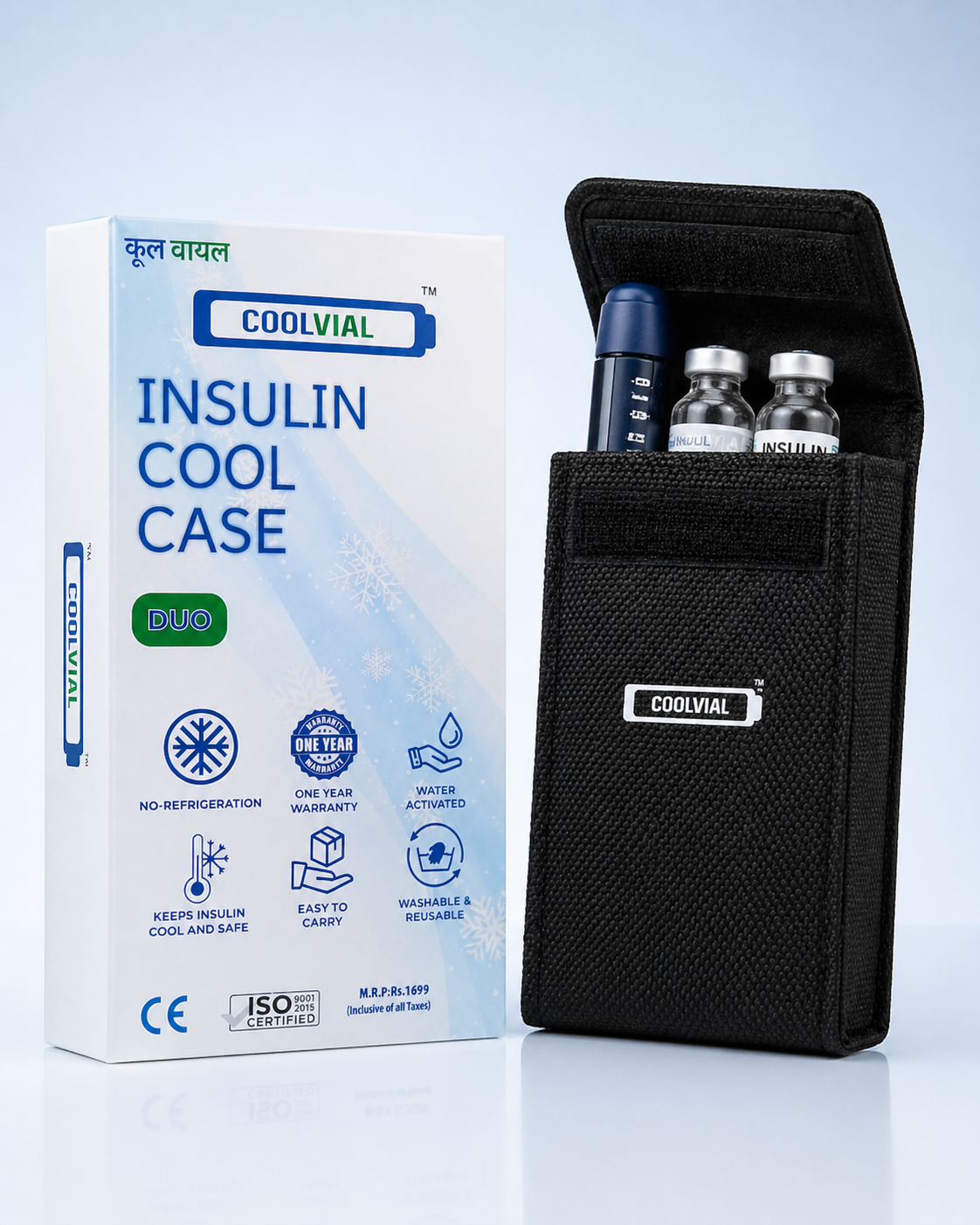
- Capacity Perfect for Most Users: Holding 2 insulin pens and 1 vial, it caters to the needs of most diabetic individuals, allowing them to carry both their primary and backup insulin supplies.
- Electricity-Free Operation: This is its biggest advantage in Visakhapatnam. No need for batteries, ice packs, or external power, making it reliable during unforeseen power outages and ideal for travel.
- Robust & Durable: Made in India, the COOLVIAL Duo is built to withstand regular use. It is CE certified and ISO 9001:2015 compliant, ensuring high quality and safety standards. It also comes with a 1-year warranty for peace of mind.
- Cost-Effective Solution: At Rs 1,099 with the code COOLHEAL (MRP Rs 1,699), it offers exceptional value.
- Comparison with Competitors:
- FRIO: A well-known brand, but often priced higher at around Rs 1,900 for similar capacity.
- Outer Woods OW-12: A more budget-friendly option at approximately Rs 999, but may vary in cooling duration or capacity.
- COOLVIAL Duo positions itself as a mid-range, high-performance choice, offering superior cooling duration and capacity compared to budget alternatives, while being more accessible than premium imported brands.
- Comparison with Competitors:
- Easy to Use: Simply activate with water (preferably bottled or RO water, as discussed earlier), and it’s ready to go. Its compact size makes it discreet and easy to carry.
Choosing the COOLVIAL Duo means choosing confidence in your insulin storage, no matter what Visakhapatnam’s weather throws your way. It’s not just a product; it’s a vital tool for consistent diabetes management.
Frequently Asked Questions (FAQ)
Q: What is the ideal temperature range for storing insulin in Visakhapatnam? A: Unopened insulin should be refrigerated between 2-8°C. Opened insulin can be stored at room temperature, ideally below 25-30°C, for up to 28 days.
Q: How do Visakhapatnam’s power cuts affect insulin stored in a refrigerator? A: Power cuts cause refrigerator temperatures to rise, potentially compromising insulin. A modern, unopened fridge can maintain coolness for a few hours, but frequent or prolonged outages necessitate a non-electric cooling backup like an evaporative case.
Q: Can evaporative cooling cases like COOLVIAL Duo work effectively in Visakhapatnam’s high humidity? A: Yes, evaporative cooling cases like COOLVIAL Duo are effective in Visakhapatnam’s humidity, though the cooling rate might be slightly slower than in dry climates. They are designed to keep insulin below 25-30°C for 12-16 hours in such conditions.
Q: What kind of water should I use to activate my COOLVIAL Duo in Visakhapatnam? A: It is recommended to use bottled mineral water or water from an RO purifier to activate your COOLVIAL Duo in Visakhapatnam. This prevents mineral buildup from hard water, ensuring optimal performance and longevity.
Q: How can I tell if my insulin has gone bad due to heat exposure? A: Insulin that has gone bad due to heat exposure may appear cloudy, discolored (yellowish/brownish), or contain particles, even if it was originally clear. More importantly, it will not lower your blood sugar effectively.
Q: Is it safe to carry insulin in my bag without a cooling case when going out for a short time in Visakhapatnam? A: It is generally not recommended to carry insulin without a cooling case in Visakhapatnam’s heat, even for short periods. Ambient temperatures can quickly exceed safe limits, and a reliable cooling solution provides consistent protection.
Q: Where can I buy insulin in Visakhapatnam? A: You can purchase insulin from major pharmacy chains like Apollo Pharmacy and MedPlus, as well as local pharmacies such as Heritage Pharmacy and Generic Aadhaar outlets across Visakhapatnam. Online platforms like 1mg also deliver.
Conclusion
Managing diabetes in Visakhapatnam’s unique climate requires diligence and smart choices, especially when it comes to how to store insulin. The city’s persistent warmth, high humidity, and susceptibility to power cuts mean that traditional storage methods often fall short. By understanding the specific challenges, from indoor temperatures soaring to 33-38°C in non-AC homes to the impact of hard water on cooling devices, you can adopt practical strategies to protect your vital medication.
Investing in a reliable, electricity-free cooling solution like the COOLVIAL Duo offers peace of mind and ensures your insulin remains potent, whether you’re at home, commuting through Madhurawada, or enjoying the scenic beauty of RK Beach. Remember that consistent temperature control is paramount for effective diabetes management. Empower yourself with the right tools and knowledge to live a full, healthy life in Visakhapatnam.
Order your COOLVIAL Duo today at Rs 1,099 with code COOLHEAL at coolvial.com or via WhatsApp wa.me/918766952300.
Medical Disclaimer
This article is for general information and educational purposes only. It is not intended to be a substitute for professional medical advice, diagnosis, or treatment. Always consult your endocrinologist or diabetologist before changing insulin storage or dosing practices, or if you have any questions regarding your medical condition.
How We Researched This
This guide was compiled based on a thorough review of general insulin storage guidelines from leading medical bodies, including RSSDI (Research Society for the Study of Diabetes in India) publications (Source: https://www.rssdi.in/publications.html). We cross-referenced this with climatic data for Visakhapatnam, local insights on power grid stability, and typical indoor temperature ranges experienced by residents. Additionally, we consulted local Visakhapatnam hospital directories (KIMS ICON Hospital, Apollo Hospitals, Care Hospitals) for general endocrinology recommendations and surveyed the pharmacy network (Apollo Pharmacy, MedPlus, Heritage Pharmacy) to understand local product availability and common patient queries. Data on diabetes prevalence and care in India, such as from ICMR-INDIAB studies, also informed our understanding of the broader context.
10 Practical Strategies: How to Store Insulin in Visakhapatnam Summer Heat — A Local's Guide
48+ hours at 2-8°C. No electricity. CE certified. Free delivery across India.
Order on WhatsApp — ₹1,099🛒 Buy Now — ₹1,099