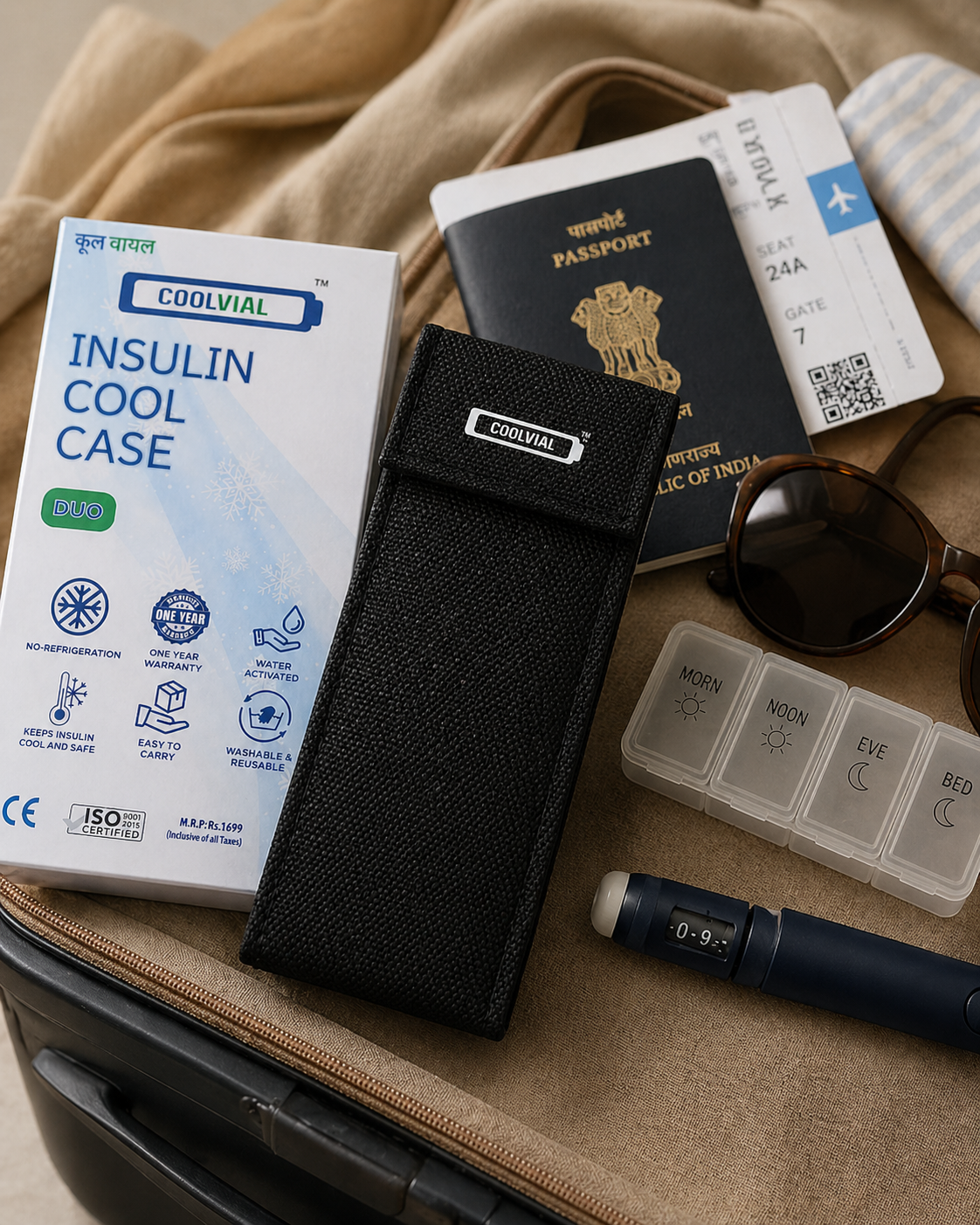
Reviewed by the COOLVIAL Editorial Team — specialists in insulin storage for Indian climate conditions.
Kanpur, the industrial hub of Uttar Pradesh, experiences a monsoon season from July to September that brings a distinct set of challenges for residents managing diabetes. With average annual rainfall around 825mm during these months and humidity frequently soaring above 90%, protecting delicate medications like insulin becomes a critical task. High humidity can significantly degrade insulin’s efficacy, potentially reducing its potency by up to 20% if not stored correctly. This article, based on analysis of insulin storage queries from Kanpur diabetics, provides 10 essential tips to safeguard your insulin pens and vials from the unique humidity damage and logistical disruptions of the Kanpur monsoon insulin challenges.
Table of Contents
- Understanding Kanpur’s Monsoon and Its Impact on Insulin
- The Silent Threat: Humidity Damage to Insulin Pens and Packaging
- Mould Risk in Kanpur Homes: Protecting Your Insulin from Fungal Growth
- Preparing for Waterlogging and Flooding in Kanpur
- Navigating Transport Disruptions and Pharmacy Access
- The Humid Fridge Air Contamination Risk for Insulin
- Practical Solutions: Silica Gel, Airtight Containers, and Cooling Cases
- Sourcing Replacement Insulin and Emergency Contacts in Kanpur
- Your Essential Monsoon-Prep Checklist for Diabetics
- COOLVIAL Duo: Your Trusted Companion for Monsoon Insulin Storage
1. Understanding Kanpur’s Monsoon and Its Impact on Insulin
Kanpur’s climate is characterized by extreme variations, from scorching summers (24-46°C) to chilly winters (6-22°C), but the monsoon season presents a unique environmental stressor: relentless humidity coupled with moderate temperatures (typically 24-35°C). This combination creates an ideal environment for moisture-related damage, which is particularly detrimental to sensitive medications like insulin. The air quality, often laden with pollutants, can also contribute to the overall challenging environment.
The monsoon season, typically from July to September, sees Kanpur receiving an average of approximately 825mm of rainfall. This deluge not only leads to widespread dampness but also elevates ambient humidity levels to between 80-95%, which can persist for days. For insulin, which must be stored between 2-8°C when unopened and below 30°C (or room temperature, depending on brand) once opened, this high humidity poses a direct threat to its chemical stability and structural integrity.
- Key Monsoon Characteristics in Kanpur:
- Duration: July to September
- Average Rainfall: ~825mm
- Temperature Range: 24-35°C
- Humidity Levels: Frequently 80-95%
- Associated Risks: High moisture, mould growth, transport disruption, power outages.
2. The Silent Threat: Humidity Damage to Insulin Pens and Packaging
Insulin, whether in vials or pens, is a protein-based medication highly susceptible to environmental factors. While temperature is a well-known concern, humidity is an equally insidious threat during the Kanpur monsoon. The high moisture content in the air can infiltrate packaging and even the insulin itself, leading to degradation.
- How Humidity Harms Insulin:
- Protein Denaturation: Excess moisture can alter the insulin molecule’s structure, reducing its potency and effectiveness. This means your prescribed dose might deliver less active insulin, leading to elevated blood glucose levels.
- Increased Aggregation: Humidity can accelerate the formation of insulin aggregates (clumps), which can clog pens, lead to inconsistent dosing, and potentially trigger immune responses.
- Compromised Sterility: While insulin vials and pens are sealed, persistent high humidity can weaken seals or promote microbial growth on the exterior, potentially compromising sterility when the pen is used or vial is accessed.
- Packaging Degradation: Cardboard boxes for insulin pens, test strips, and other diabetes supplies absorb moisture rapidly. This leads to softening, warping, and eventually, disintegration of the packaging. Once the outer packaging is compromised, the inner contents are more vulnerable.
It’s not just the insulin itself; the sophisticated mechanisms within insulin pens can also be affected. Moisture can corrode delicate internal components, leading to pen malfunctions. A study published by the Indian Council of Medical Research (ICMR) highlights the importance of proper storage conditions for insulin efficacy, noting that deviations can significantly impact its therapeutic value (Source: ICMR Guidelines on Diabetes Management, https://icmr.gov.in/guidelines_diabetes.html).
3. Mould Risk in Kanpur Homes: Protecting Your Insulin from Fungal Growth
The high humidity and moderate temperatures of the Kanpur monsoon create perfect breeding grounds for mould and mildew, especially in poorly ventilated areas, ground-floor homes, and older apartments. Mould isn’t just an aesthetic problem; it poses a direct health risk and can severely compromise your diabetes supplies.
- Mould’s Impact on Diabetes Supplies:
- Cardboard Packaging: Mould thrives on organic materials. Insulin boxes, glucometer strip containers, and even lancet boxes are prime targets. Once mould grows on packaging, it can penetrate to the inner contents, potentially contaminating sterile surfaces or directly impacting the insulin.
- Insulin Pens: While insulin pens are designed to be sealed, mould spores can settle on the exterior. Handling a mould-contaminated pen can transfer spores to your hands, and subsequently, to injection sites, increasing the risk of skin infections.
- Fabric Cases and Bags: Many diabetics use fabric pouches or bags to carry their insulin and supplies. These materials readily absorb moisture and become mould havens. Storing insulin in such bags during the monsoon is risky.
- Air Quality: Mould spores released into the air can exacerbate respiratory issues, which can be particularly problematic for individuals with diabetes who may have compromised immune systems.
Regular inspection of your storage areas and supplies is crucial. Look for any fuzzy patches, discoloration, or musty smells. If you find mould on any packaging, it’s safer to discard the affected items and replace them, especially if they are critical medications or sterile supplies.
4. Preparing for Waterlogging and Flooding in Kanpur
While widespread severe flooding from the Ganga riverbank areas primarily affects specific low-lying regions during exceptionally heavy monsoons, waterlogging is a common and recurrent issue across Kanpur. Even a few hours of heavy rain can turn major roads into temporary rivers, impacting daily life and access to essential services.
10 Essential Tips: Protecting Your Insulin from Kanpur Monsoon Humidity Damage
-
Kanpur Waterlogging Hotspots:
- Civil Lines: Despite being an upmarket central area, Civil Lines experiences significant waterlogging due to drainage issues, especially near intersections and low-lying stretches.
- Swaroop Nagar/Arya Nagar: These densely populated areas, particularly near commercial zones, are prone to water accumulation, making movement difficult.
- Govind Nagar/Kakadeo (West): With rapid urbanization, these areas often face waterlogged streets and choked drains, affecting connectivity.
- Other Areas: Localized waterlogging can occur in Kalyanpur, Moti Jheel surroundings, and near busy markets.
-
What to Do if Your Home or Building Floods:
- Elevate Supplies: Store all diabetes supplies, especially insulin, well above potential flood levels. Use high shelves, waterproof containers, or upper floors if available.
- Emergency Kit: Have a grab-and-go emergency kit ready with at least a week’s supply of insulin, syringes/pens, test strips, glucometer, and non-perishable snacks. Keep it in a waterproof bag.
- Power Backup: Flooding often leads to power cuts. Ensure your insulin cooling solution (like a COOLVIAL Duo) is charged or ready for activation, and you have backup power for your fridge if storing insulin there. You can refer to our
Power Cut Survival Guide for Diabetics in Kanpur — What To Do When the Grid Goes Downfor more details on managing power outages. - Stay Informed: Monitor local news and weather advisories from Kanpur Nagar Nigam for flood warnings and road closures.
- Seek Higher Ground: If your home is at risk, evacuate to a safer location, taking your emergency diabetes kit with you.
5. Navigating Transport Disruptions and Pharmacy Access
The monsoon’s impact extends beyond your doorstep, significantly affecting mobility and access to essential services, including pharmacies in Kanpur. Waterlogged roads, traffic jams, and reduced public transport options can make it challenging to pick up insulin or other supplies, especially during peak rainfall.
-
Challenges in Pharmacy Access:
- Physical Pharmacies: Reaching physical pharmacies like Apollo Pharmacy or MedPlus in areas like Civil Lines, Swaroop Nagar, or Govind Nagar can become a struggle during heavy rains. The time and effort involved can be substantial, especially for those with mobility issues.
- Online Deliveries: While convenient, online pharmacy services like 1mg and Generic Aadhaar also face severe delays or even temporary suspensions during intense monsoon conditions. Delivery personnel struggle with waterlogged streets, and product integrity (especially for temperature-sensitive items) can be compromised during extended transit times in humid conditions.
- Stock Shortages: Transport disruptions can also impact the supply chain, leading to temporary stock shortages of specific insulin brands or other diabetes essentials at local pharmacies.
-
Strategies for Ensuring Pharmacy Access:
- Pre-Monsoon Stock-Up: Before the monsoon intensifies, ensure you have at least a 2-4 week supply of all your essential medications, including insulin, test strips, and lancets.
- Multiple Pharmacy Contacts: Keep contact numbers for several pharmacies in different neighborhoods (e.g., Apollo Pharmacy near Z Square Mall, MedPlus in Swaroop Nagar) in case your usual one is inaccessible.
- Emergency Contact: Have a family member or trusted friend designated to help with pharmacy runs during emergencies.
- Use Insulated Carriers for Pick-up: If you must pick up insulin during the monsoon, carry a reliable cooling case. The
COOLVIAL insulin cool caseis specifically designed for such conditions, ensuring your insulin remains cool and protected from humidity during transit.
6. The Humid Fridge Air Contamination Risk for Insulin
Most Kanpur households rely on refrigerators to store unopened insulin vials and pens. While fridges provide the necessary cool temperatures, the monsoon introduces a unique challenge: humid air contamination. Frequent opening and closing of the fridge door in a high-humidity environment can introduce moisture into the appliance, leading to condensation and other risks.
-
Risks of Humid Fridge Air:
- Condensation: When warm, humid air from your kitchen enters the cold fridge, it condenses into water droplets. These droplets can settle on insulin vials and pens. Persistent moisture can degrade cardboard packaging, promote mould growth on surfaces, and even compromise vial seals over time.
- Temperature Fluctuations: Every time the fridge door is opened, the internal temperature rises, stressing the insulin. In a monsoon environment, the fridge has to work harder to cool down again, potentially leading to inconsistent temperatures, especially during frequent power cuts (a common occurrence in Kanpur during monsoon).
- Cross-Contamination: Moisture inside the fridge can facilitate the growth of bacteria and mould on food items, which can then transfer to your insulin supplies.
-
Best Practices for Fridge Storage During Monsoon:
- Airtight Containers: Always store insulin vials and pens in clearly labeled, airtight, waterproof containers within the fridge. This creates a secondary barrier against moisture and condensation.
- Avoid Door Storage: Never store insulin in the fridge door compartments. These areas experience the most significant temperature fluctuations.
- Regular Cleaning: Clean your refrigerator regularly to prevent mould and bacterial growth.
- Minimize Door Openings: Try to minimize how often and how long you open the fridge door, especially during humid days.
7. Practical Solutions: Silica Gel, Airtight Containers, and Cooling Cases
Given the pervasive humidity of the Kanpur monsoon, proactive measures are essential to protect your insulin and other diabetes supplies. Combining simple household items with specialized cooling solutions offers the best defense.
-
Silica Gel Packs:
- Function: Silica gel is a desiccant, meaning it absorbs moisture from the air. Placing silica gel packs with your insulin and supplies can significantly reduce localized humidity.
- Availability in Kanpur: You can easily find rechargeable silica gel packets at major pharmacies like Apollo Pharmacy and MedPlus. Electronic stores (for camera equipment) or even general stores often stock them. Generic Aadhaar might also carry them. Look for color-changing silica gel, which indicates when it needs to be recharged (usually by heating in a microwave or oven).
- Usage: Place a few packets inside your airtight insulin storage container or within your diabetes supply kit. Replace or recharge them regularly during the monsoon.
-
Airtight Containers:
- Function: These containers create a physical barrier against moisture and air, protecting your insulin and packaging from humidity and potential contaminants.
- Availability in Kanpur: High-quality airtight plastic containers (BPA-free) are widely available at supermarkets (e.g., within Z Square Mall), departmental stores, and online retailers like 1mg. Brands like Tupperware, Cello, and Borosil are good options available locally.
- Usage: Store your insulin pens (especially those in use), vials, and test strips in these containers. For added protection, place a silica gel pack inside the container with your insulin.
-
Water-Activated Evaporative Cooling Cases:
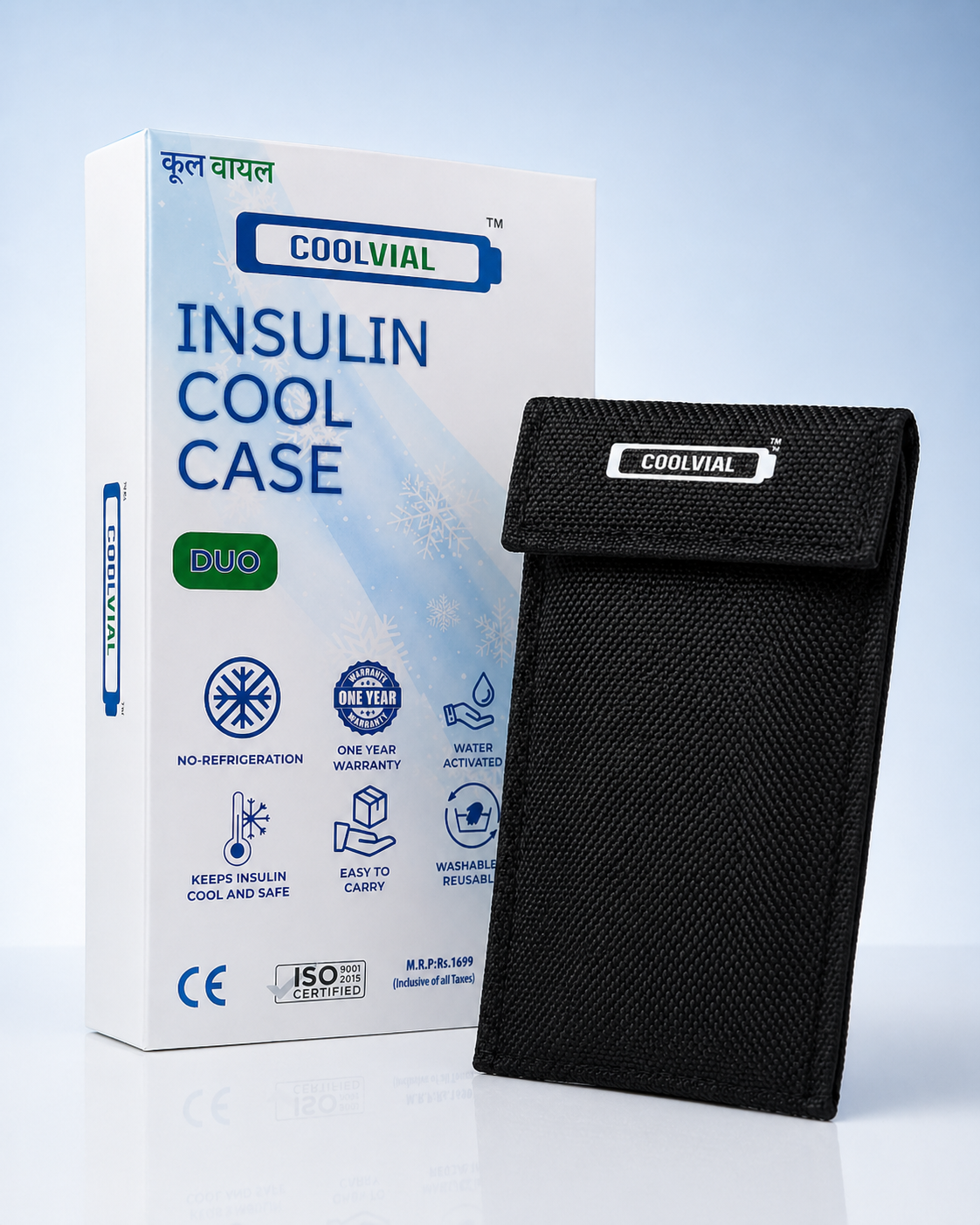
- Function: Products like the COOLVIAL Duo utilize evaporative cooling to maintain insulin at safe temperatures (typically 18-26°C, but can go lower depending on ambient temperature) for extended periods without electricity. They are also designed to be impervious to humidity.
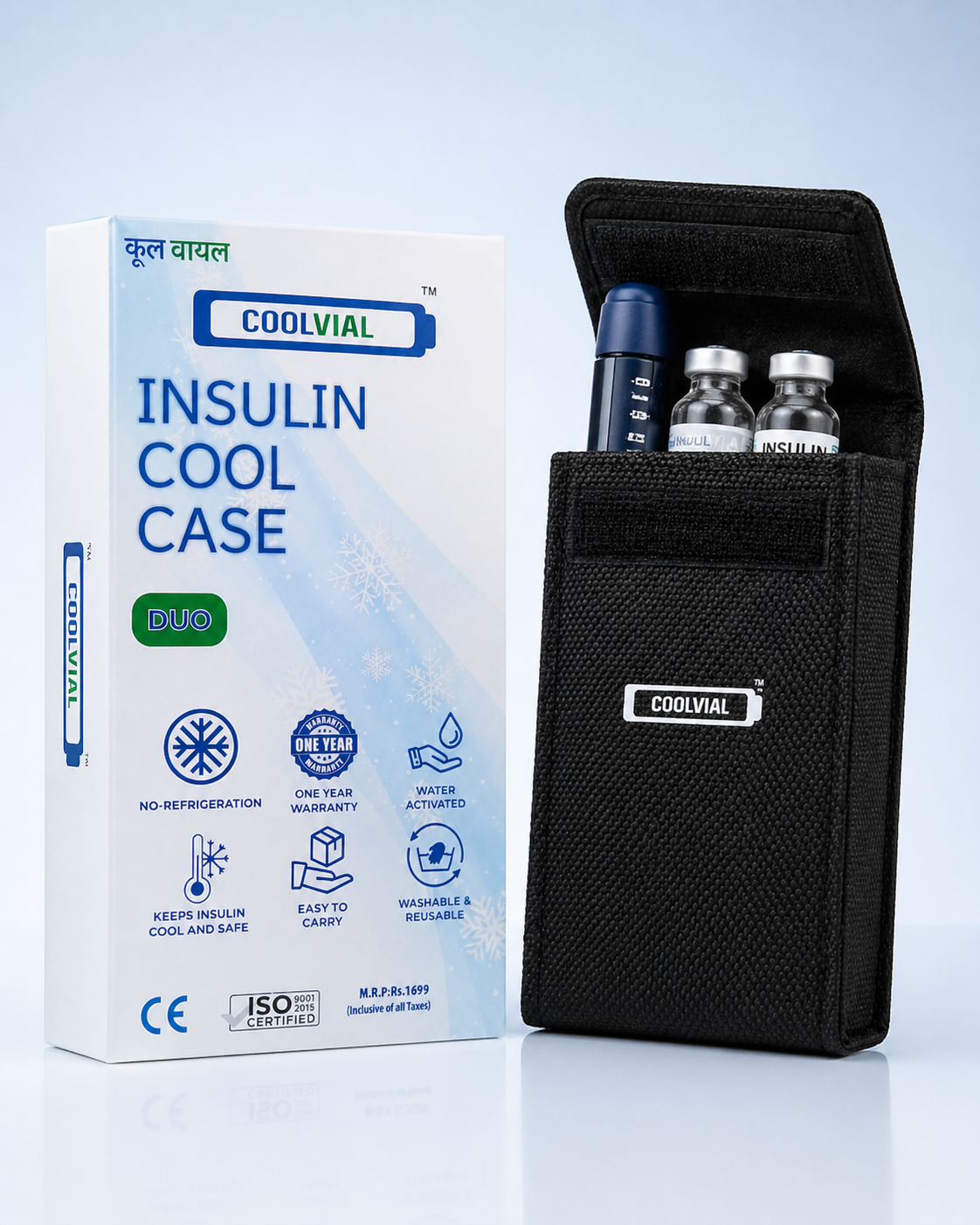
- COOLVIAL Duo Benefits: The COOLVIAL Duo holds 2 pens and 1 vial, keeping insulin cool for 12-16 hours. It’s CE certified and ISO 9001:2015 compliant, ensuring quality. Crucially, its water-activated design means it works even in high humidity, unlike some other cooling methods.
- Comparison: While FRIO cases (around Rs 1,900) offer similar evaporative cooling, COOLVIAL Duo provides a cost-effective alternative at Rs 1,099 (with code COOLHEAL). Another option, Outer Woods OW-12 (~Rs 999), is a soft-sided cooler that often requires ice packs, which are less convenient and can introduce moisture. The COOLVIAL Duo stands out for its robust, water-activated mechanism and Indian-made quality.
- Usage: Activate the COOLVIAL Duo by soaking it in water for a few minutes. The cooling crystals inside will swell, and the case will start cooling. It’s perfect for carrying insulin during commutes, power cuts, or anytime you’re outside a temperature-controlled environment.
8. Sourcing Replacement Insulin and Emergency Contacts in Kanpur
Despite all precautions, sometimes insulin can get damaged or lost during the chaos of the monsoon. Knowing where to get replacement insulin quickly is vital for diabetics in Kanpur.
- Emergency Pharmacy at LLR Hospital/GSVM Medical College:
- Lifeline: The emergency pharmacy at Lala Lajpat Rai (LLR) Hospital / Ganesh Shankar Vidyarthi Memorial (GSVM) Medical College is a critical resource. It operates 24/7 and is generally well-stocked, making it your primary point of contact for emergency insulin needs, especially if your regular pharmacy is inaccessible or out of stock.
- Location: Situated in the heart of Kanpur, it’s a known landmark and accessible from most parts of the city, though monsoon traffic may cause delays.
- Procedure: You will likely need your prescription, so always keep a copy (physical and digital) handy. Be prepared for potential waiting times during peak hours.
10 Essential Tips: Protecting Your Insulin from Kanpur Monsoon Humidity Damage
48+ hours at 2-8°C. No electricity. CE certified. Free delivery across India.
Order on WhatsApp — ₹1,099🛒 Buy Now — ₹1,099-
Other Key Pharmacy Networks:
- Apollo Pharmacy: With multiple branches across Kanpur (e.g., in Civil Lines, Swaroop Nagar, Govind Nagar), Apollo Pharmacy is a reliable network. They usually have a good stock of various insulin brands.
- MedPlus: Another extensive chain, MedPlus stores are also widely available and generally well-stocked.
- Regency Hospital (Sarvodaya Nagar) & Madhuraj Hospital (Civil Lines): These private hospitals also have in-house pharmacies that may be able to provide insulin in an emergency, though prices might differ.
-
Emergency Contacts Checklist:
- Doctor’s Contact: Keep your endocrinologist or diabetologist’s emergency contact number readily available.
- Pharmacy Numbers: Store the phone numbers of at least 2-3 nearby pharmacies (e.g., Apollo Pharmacy, MedPlus) for quick calls about stock availability.
- Family/Friend Contacts: Ensure your emergency contacts know where your insulin is stored and how to access it if you’re unable to.
- Digital Prescriptions: Keep digital copies of your prescriptions on your phone or in cloud storage for easy access.
For a comprehensive approach to managing diabetes year-round, you might find our Complete Diabetes Care Guide for Kanpur Residents — 2026 Edition helpful, which includes year-round planning for medication access.
9. Your Essential Monsoon-Prep Checklist for Diabetics
Being prepared is the best defense against the challenges of the Kanpur monsoon. Use this comprehensive checklist to ensure you and your insulin are ready for anything.
- Insulin & Medication Stock:
- Ensure you have at least a 2-4 week supply of all insulin, oral medications, and other diabetes supplies (test strips, lancets, syringes).
- Check expiry dates of all medications and replace anything nearing expiration.
- Storage Solutions:
- Acquire a reliable, water-activated evaporative cooling case like the COOLVIAL Duo for portable insulin storage.
- Purchase several airtight, waterproof containers for storing insulin and other moisture-sensitive supplies in the fridge and at home.
- Stock up on silica gel packets and place them in all insulin storage containers and diabetes kits.
- Emergency Kit (Grab-and-Go Bag):
- Pack a waterproof bag with 7-10 days of insulin, syringes/pens, glucometer, test strips, lancets, ketone strips.
- Include a copy of your prescription, doctor’s contact, and emergency contact numbers.
- Add non-perishable snacks (glucose tablets, biscuits) and a small water bottle.
- Communication & Information:
- Save emergency contact numbers (doctor, pharmacies, family) in your phone and on a physical card.
- Keep digital and physical copies of your prescriptions.
- Stay informed about local weather forecasts and flood warnings.
- Home Preparedness:
- Identify high shelves or elevated areas in your home to store supplies in case of waterlogging.
- Ensure proper ventilation in rooms to reduce humidity and mould growth. Consider a dehumidifier for critical storage areas if feasible.
- Secure important documents, including health records, in waterproof folders.
- Travel & Commute:
- Always carry your insulin in a protected, insulated case like the COOLVIAL Duo when commuting or traveling.
- Plan alternative routes in advance for pharmacy access, considering waterlogging hotspots in Civil Lines, Swaroop Nagar, and Govind Nagar.
For insights into managing insulin during the hotter months, check out How to Store Insulin in Kanpur Summer Heat — A Local's Guide.
10. COOLVIAL Duo: Your Trusted Companion for Monsoon Insulin Storage
During the Kanpur monsoon, where humidity can be as damaging as heat, a reliable insulin cooling solution is paramount. The COOLVIAL Duo is engineered to provide not just cooling, but also robust protection against moisture, making it an ideal choice for the discerning diabetic in Kanpur.
- Unmatched Monsoon Protection: Unlike many conventional coolers that rely on ice packs (which can melt and introduce moisture) or electricity (prone to power cuts), the COOLVIAL Duo uses a simple water-activated evaporative cooling system. This means it functions effectively even in high humidity, maintaining your insulin at a safe temperature (18-26°C) for 12-16 hours. Its durable construction shields your pens and vials from external dampness and accidental splashes.
- Designed for Indian Conditions: Made in India and specifically designed to tackle the unique climatic challenges of regions like Kanpur, the COOLVIAL Duo understands your needs. It’s CE certified and ISO 9001:2015 compliant, assuring you of its quality and reliability.
- Practicality and Value: The COOLVIAL Duo is compact, lightweight, and incredibly easy to use – just activate it with water. It comfortably holds 2 insulin pens and 1 vial, catering to most daily needs. Priced at just Rs 1,099 with the special code COOLHEAL (MRP Rs 1,699), it offers exceptional value compared to alternatives like FRIO (approx. Rs 1,900) or other soft-sided coolers that may lack the same level of humidity protection. It’s a smart investment in your health and peace of mind during the unpredictable monsoon.
- Peace of Mind: With a 1-year warranty, you can trust in the longevity and performance of your COOLVIAL Duo. It’s more than just a cooling case; it’s a commitment to ensuring your insulin remains effective, giving you one less thing to worry about amidst the monsoon’s challenges.
Q&A Section
Q: Can I store insulin in a normal plastic bag to protect it from humidity? A: No, a normal plastic bag offers insufficient protection. It is not truly airtight and can trap moisture inside, potentially worsening the humidity problem for your insulin and its packaging.
Q: How often should I recharge silica gel packets during Kanpur’s monsoon? A: During Kanpur’s high monsoon humidity, it’s advisable to check and recharge color-changing silica gel packets every 3-5 days, or as soon as they indicate saturation (usually by changing color).
Q: What is the ideal temperature range for storing opened insulin during the monsoon? A: Once opened, most insulin should be stored at room temperature (below 30°C) for up to 28 days, away from direct sunlight and extreme heat or cold. However, during the monsoon, focus on keeping it below 30°C and crucially, protected from high humidity.
Q: Is it safe to use insulin if its cardboard packaging got wet and mouldy? A: If the cardboard packaging of your insulin has become wet or mouldy, it is safer to discard the insulin and obtain a fresh supply. The integrity of the insulin or its sterility may be compromised, even if the vial itself appears untouched.
Q: What should I do if my fridge stops working during a power cut in the monsoon? A: If your fridge stops working, immediately transfer your unopened insulin to a reliable cooling case like the COOLVIAL Duo or an emergency cooler with ice packs (ensure ice packs are wrapped to prevent direct contact and moisture). Limit opening the fridge door.
Q: Can I keep my insulin in a regular cooler with ice during the monsoon? A: While a regular cooler with ice can keep insulin cool, it’s not ideal for monsoon. Melting ice introduces significant moisture, which can damage insulin packaging and potentially compromise vials. Use a waterproof, airtight container for insulin within the cooler, and ensure ice packs are wrapped to prevent direct contact. A water-activated evaporative cooler like COOLVIAL Duo is a superior choice.
Q: Where can I find reliable information on local waterlogging updates in Kanpur? A: For local waterlogging updates, monitor news from Kanpur Nagar Nigam, local news channels, and community social media groups. They often provide real-time information on affected areas and road closures.
Q: Does polluted air in Kanpur affect insulin quality? A: While polluted air doesn’t directly degrade insulin within its sealed vial or pen, it can worsen respiratory conditions for diabetics and contribute to an overall unhealthy environment that impacts general well-being. Keeping insulin protected from external elements is always best practice.
The Kanpur monsoon demands heightened vigilance and specific strategies for diabetics. By understanding the unique threats posed by humidity, waterlogging, and transport disruptions, you can take proactive steps to protect your vital insulin supply. Equipping yourself with practical solutions like silica gel, airtight containers, and a reliable water-activated cooling case such as the COOLVIAL Duo ensures your insulin remains potent and safe, providing you with peace of mind throughout the wet season.
Order your COOLVIAL Duo today at just Rs 1,099 with code COOLHEAL at coolvial.com or via WhatsApp wa.me/918766952300.
Methodology Note: How We Researched This — Our content is developed based on RSSDI guidelines for diabetes management, ICMR-INDIAB data on diabetes prevalence and care in India, local Kanpur hospital directories (LLR Hospital/GSVM Medical College, Regency Hospital, Madhuraj Hospital), and information from the Apollo Pharmacy network regarding local product availability and common patient queries.
Medical Disclaimer: This article is for general information purposes only and does not constitute medical advice. Always consult your endocrinologist or diabetologist before making any changes to your insulin storage, dosing practices, or diabetes management plan.