
Reviewed by the COOLVIAL Editorial Team — specialists in insulin storage for Indian climate conditions.
Mysuru, the City of Palaces, captivates with its rich heritage, vibrant culture, and a climate that’s often described as salubrious. While the city enjoys pleasant weather for most of the year, its monsoon season, typically from June to October, brings a unique set of challenges, especially for those managing diabetes. The common perception is that Mysuru’s monsoon is mild, and while it rarely brings the devastating floods seen in coastal areas, the persistent humidity and occasional heavy downpours can severely impact how you store your insulin. In fact, compromised insulin can lose up to 50% of its potency, making effective blood sugar management incredibly difficult. This article will guide Mysuru residents through 7 smart strategies to ensure your insulin remains potent and safe during the rainy season. Based on analysis of insulin storage queries from Mysuru diabetics, we delve into the nuances of protecting this life-saving medication when the skies open up.
Table of Contents
- Understanding Mysuru’s Monsoon Climate: More Than Just Raindrops
- The Hidden Threat: Humidity’s Impact on Insulin Pens and Vials
- Navigating Monsoon Disruption: Traffic & Pharmacy Runs in Mysuru
- Planning Ahead: Stocking Up Before Heavy Spells
- Weekend Washouts & Travel Woes: Protecting Insulin on the Go
- Local Guidance: What Apollo BGS Hospitals and Civic Bodies Advise
- Smart Solutions for Mysuru Monsoon Insulin Storage: Introducing COOLVIAL Duo
- Frequently Asked Questions (FAQs)
- Conclusion
- Medical Disclaimer
- How We Researched This
Understanding Mysuru’s Monsoon Climate: More Than Just Raindrops
Mysuru’s climate is renowned for its pleasantness, with temperatures generally ranging from 14°C to 34°C year-round. This mildness often lulls residents into a false sense of security, especially concerning the monsoon. While the city receives an average rainfall of around 800mm during the June-October period, the real challenge for insulin storage isn’t just the volume of rain, but the sustained high humidity and the subtle, yet significant, temperature fluctuations.
The monsoon in Mysuru, unlike the intense downpours of coastal regions, tends to be characterized by:
- Moderate Rainfall: Seldom leading to widespread devastation, but consistent enough to elevate ambient humidity levels significantly.
- Cooler Nights: While daytime temperatures might remain in a comfortable range (25-30°C), the cooler nights often lead to condensation, a silent enemy for insulin.
- Intermittent Sunshine: Brief spells of sun can quickly raise indoor temperatures, creating a cycle of warmth and humidity that challenges stable insulin storage.
- Increased Atmospheric Moisture: The air itself feels heavier, and this moisture penetrates homes, affecting everything from furniture to medicines.
This combination creates an environment where insulin, which ideally needs to be stored between 2°C to 8°C (unopened) or below 25°C-30°C (after opening, depending on type), is at risk. The ‘mild’ weather can be misleading; it’s the consistency of the environmental stress that poses the threat.
The Hidden Threat: Humidity’s Impact on Insulin Pens and Vials
While direct heat is a well-known enemy of insulin, the persistent, high humidity prevalent during the Mysuru monsoon poses a more insidious threat. Even if temperatures remain below the critical 30°C mark, moisture can compromise insulin in several ways, leading to reduced efficacy and potential health risks.
Here’s how humidity affects your insulin:
- Insulin Degradation: High humidity accelerates the degradation process of insulin. Even small amounts of moisture can break down the insulin protein, reducing its potency. This means you might be injecting what you think is a full dose, but receiving only a fraction of its active ingredient.
- Moisture Ingress into Vials and Pens:
- Vials: The rubber stopper on insulin vials, while designed to be airtight, can be susceptible to moisture ingress over time, especially in very humid conditions.
- Pens: Insulin pens, with their complex mechanisms, are particularly vulnerable. Humidity can lead to:
- Corrosion: Metal components within the pen, such as the needle mechanism, can corrode, affecting dose accuracy or making injections difficult and painful.
- Clouding/Crystallization: Insulin within the cartridge can become cloudy or develop crystals due to moisture, indicating degradation.
- Reduced Shelf Life: The stated shelf life of an opened pen (typically 28 days at room temperature) assumes optimal storage conditions. High humidity can shorten this period significantly.
- Compromised Packaging: The outer packaging of insulin pens and vials, often made of cardboard, can absorb moisture, weakening the packaging and potentially affecting the integrity of the information printed on it.
- Risk of Contamination: Damp conditions can foster microbial growth, increasing the risk of contamination if the insulin or injection site is exposed.
Unlike the immediate damage from extreme heat, humidity’s effects are often gradual and invisible until the insulin’s reduced efficacy becomes apparent through persistently high blood sugar levels. This makes proactive protection against moisture during the mysuru monsoon insulin storage period absolutely critical.
Navigating Monsoon Disruption: Traffic & Pharmacy Runs in Mysuru
The monsoon, for all its beauty, brings practical challenges to daily life in Mysuru. One of the most significant disruptions for diabetics is the impact on mobility, particularly when it comes to essential pharmacy runs. Mysuru’s traffic, while not as notorious as Bengaluru’s, can become chaotic during heavy monsoon spells, especially in certain neighborhoods.
Consider these common scenarios and their implications:
- Waterlogging Hotspots:
- Vontikoppal/V V Mohalla: Despite being upmarket areas, certain stretches can experience waterlogging, making navigation difficult and slow.
- Saraswathipuram & Jayalakshmipuram: These densely populated areas are prone to traffic snarls even on regular days, which worsen considerably during heavy rain. Roads can become submerged, slowing down vehicles to a crawl.
- Impact on Pharmacy Access:
- Physical Stores: Reaching pharmacies like Apollo Pharmacy or MedPlus in areas like Kuvempunagar or Saraswathipuram can become a daunting task. A 15-minute drive can easily turn into an hour-long ordeal, exposing your insulin to fluctuating temperatures inside a vehicle or delaying urgent refills.
- Online Pharmacies: While services like Netmeds, 1mg, and Davaindia offer convenience, monsoon-related delivery delays are common. Heavy rains can disrupt logistics, pushing back delivery times and leaving you without essential supplies.
- Emergency Situations: What if you run out of insulin unexpectedly, or your current supply is compromised? Delays in reaching JSS Hospital (Ramanuja Road) or Columbia Asia Hospital Mysore for emergency supplies can be dangerous.
To mitigate these disruptions, consider the following strategies for your mysuru monsoon insulin requirements:
- Pre-Monsoon Stock-Up: Ensure you have at least a 2-week buffer stock of insulin and other diabetes supplies before the monsoon truly sets in.
- Multiple Pharmacy Options: Identify several pharmacies (both physical and online) that serve your area. Have their contact details ready.
- Designated Driver/Helper: If possible, have someone else on standby who can assist with pharmacy runs during adverse weather.
- Track Deliveries: If ordering online, actively track your order and communicate with the delivery service if there are delays.
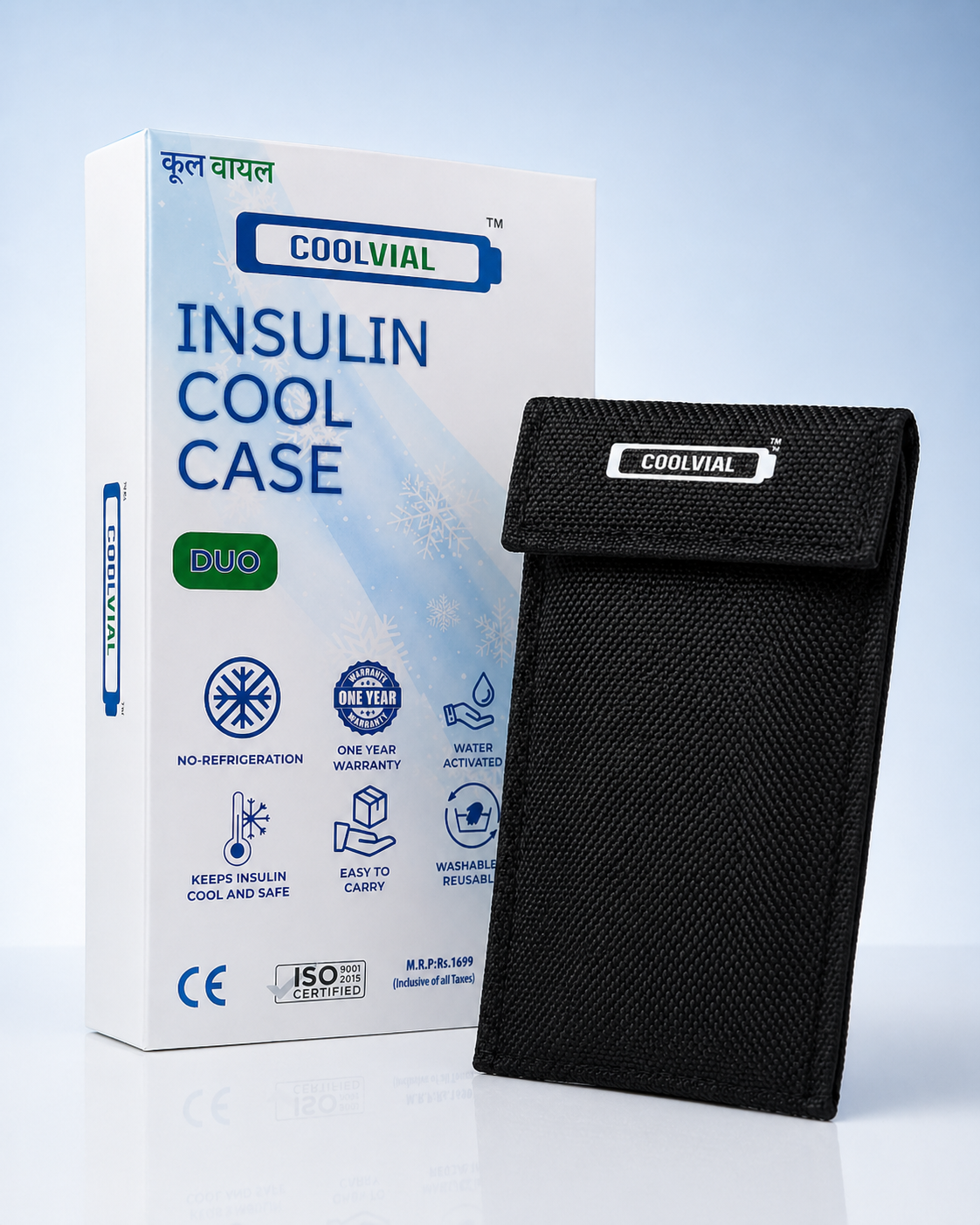
- Protect Insulin During Transit: Even for short trips, use a reliable cooling case to protect your insulin from temperature spikes and humidity while stuck in traffic.
Planning Ahead: Stocking Up Before Heavy Spells
Proactive planning is your best defense against the unpredictable nature of the Mysuru monsoon. Waiting until a heavy rain forecast appears on your phone or the roads start to flood is often too late, especially when dealing with a temperature-sensitive medication like insulin. Stocking up wisely ensures continuity of care and peace of mind.
Here are key aspects of smart pre-monsoon stocking for your mysuru monsoon insulin needs:
- Assess Your Needs:
- Insulin: Calculate your typical monthly usage. Aim to have at least a 2-4 week extra supply beyond your current requirements. This buffer accounts for unexpected delays in refills.
- Syringes/Pen Needles: These are often overlooked but equally critical. Ensure you have an ample supply.
- Blood Glucose Test Strips & Lancet: Monsoon can increase the risk of infections or illnesses, which might affect blood sugar levels, necessitating more frequent monitoring.
- Alcohol Swabs: Essential for maintaining hygiene, especially in humid conditions.
- Check Expiry Dates: When stocking up, always check the expiry dates of new insulin vials/pens. Rotate your stock, using older supplies first.
- Secure Storage at Home:
- Refrigerator: Unopened insulin should always be stored in the refrigerator (2°C to 8°C). Avoid placing it near the freezer compartment or the door, where temperature fluctuations are common.
- Airtight Containers: For insulin that’s kept at room temperature (after opening) or supplies like test strips, use airtight, moisture-proof containers to protect them from humidity.
- Elevated Storage: Store supplies on higher shelves, away from potential floor-level waterlogging, particularly in ground-floor residences in areas like Vontikoppal or Jayalakshmipuram.
- Consult Your Doctor: Before stocking up on larger quantities, discuss your plan with your endocrinologist or diabetologist at Apollo BGS Hospitals (Kuvempunagar) or JSS Hospital (Ramanuja Road). They can advise on optimal quantities and provide necessary prescriptions.
- Emergency Kit: Prepare a small, portable emergency kit with a few days’ worth of insulin, needles, test strips, and a fast-acting glucose source. Keep it in a waterproof bag.
Remember, the goal isn’t just to have enough, but to have enough safely stored. A well-planned stock-up strategy can alleviate significant stress during peak monsoon weeks when accessing pharmacies becomes a challenge.
Weekend Washouts & Travel Woes: Protecting Insulin on the Go
Mysuru’s location makes it a gateway to popular weekend getaways like Coorg, Ooty, or even a serene day trip to Brindavan Gardens or Chamundi Hill. However, the monsoon season, while adding a lush green hue to the landscape, can turn these recreational plans into logistical nightmares for diabetics. Unexpected heavy rains can lead to road closures, extended travel times, and a heightened risk to your insulin’s integrity.
Consider the following travel scenarios and how to prepare:
- Local Excursions (e.g., Brindavan Gardens, Karanji Lake):
- Even short trips can involve being out for several hours, potentially in humid conditions or unexpected rain.
- Solution: Always carry your insulin in a reliable, portable cooling solution. A simple cloth or plastic bag is insufficient protection against temperature and humidity swings.
- Weekend Getaways (e.g., Coorg):
- Longer drives mean more exposure to vehicle internal temperatures, which can climb rapidly, especially if the AC is off or ineffective.
- Road Conditions: Monsoon often brings landslides or waterlogged roads, extending travel times significantly. Your insulin needs protection for longer durations.
- Accommodation: Not all hotels or homestays offer reliable refrigeration, or you might prefer not to use shared fridges.
- Air Travel:
- While Mysuru doesn’t have a major international airport, residents often travel to Bengaluru’s Kempegowda International Airport.
- Regulations: It’s crucial to understand airline regulations for carrying insulin. The Directorate General of Civil Aviation (DGCA) permits carrying insulin and related supplies in both carry-on and checked luggage, but carry-on is strongly recommended to avoid extreme temperature fluctuations in the cargo hold. (Source: DGCA Medical Requirements)
- Security Checks: Have a doctor’s note for your insulin and syringes to expedite security checks.
Here’s a checklist for protecting your insulin while traveling during the mysuru monsoon:
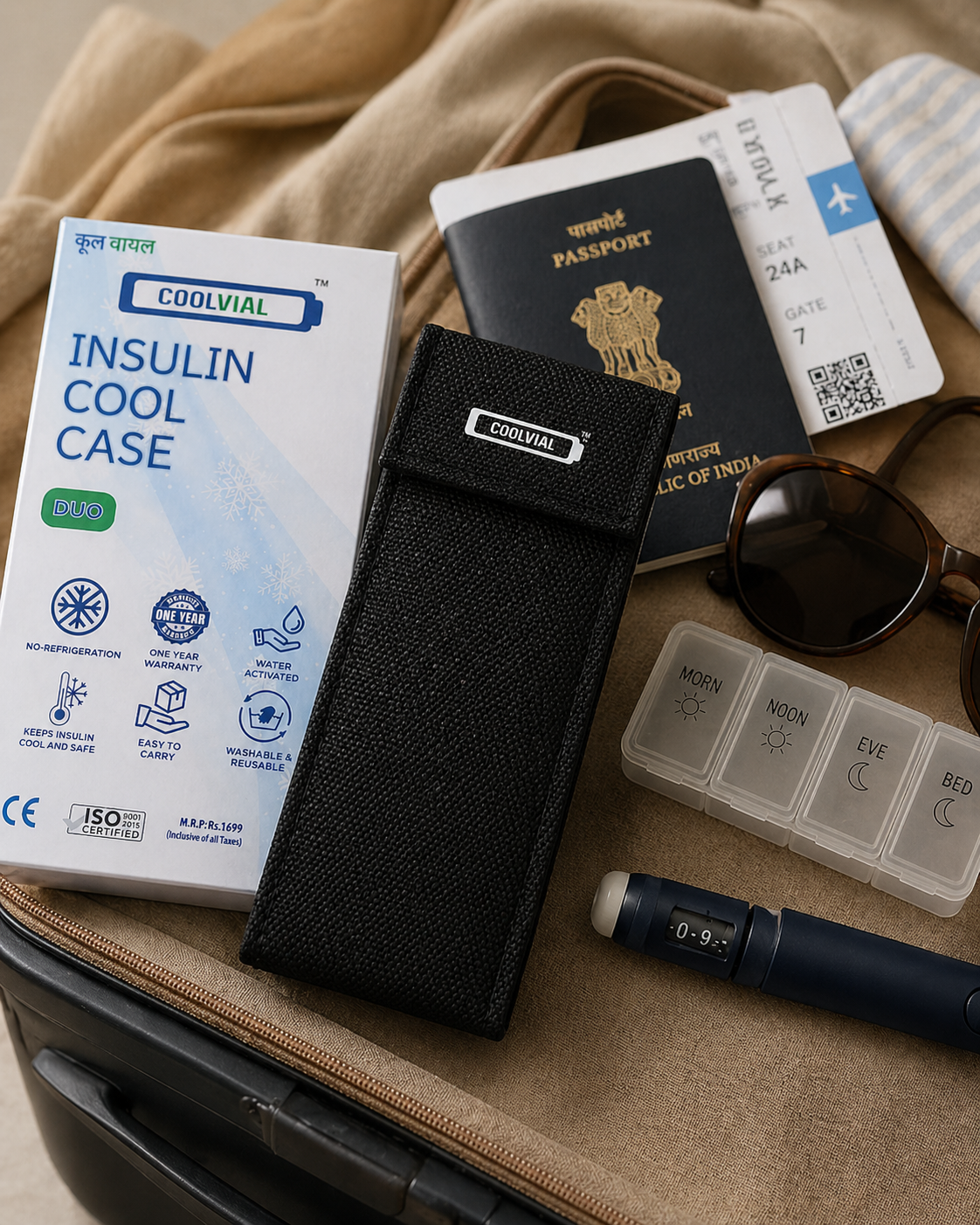
- Invest in a Portable Cooling Case: This is non-negotiable for any travel. Choose one that doesn’t require electricity and can maintain optimal temperatures for at least 12-16 hours.
- Pack Smart:
- Always carry insulin in your carry-on luggage when flying.
- For road trips, keep your cooling case in the passenger cabin, not the boot, where temperatures can soar.
- Monitor Temperatures: If possible, use a small thermometer to monitor the temperature inside your cooling case on longer journeys.
- Stay Informed: Check weather forecasts and road conditions before embarking on any trip during the monsoon.
- Emergency Contact: Carry contact details for your doctor and local pharmacies at your destination.
Ensuring your insulin’s safety during travel, whether a short drive to St Philomena’s Cathedral or a longer trip, is paramount for maintaining consistent diabetes management.
Local Guidance: What Apollo BGS Hospitals and Civic Bodies Advise
In Mysuru, staying informed about local health advisories and general best practices during the monsoon is crucial for everyone, especially for individuals managing chronic conditions like diabetes. While specific “insulin storage advisories” from civic bodies might be rare, the general health guidelines issued by prominent institutions like Apollo BGS Hospitals (Kuvempunagar) and the Mysuru City Corporation (MCC) indirectly impact diabetic care.
Here’s how to interpret and apply local guidance for your mysuru monsoon insulin safety:
- Apollo BGS Hospitals (Kuvempunagar) General Health Advisories:
- Infection Prevention: During monsoon, there’s a heightened risk of waterborne and vector-borne diseases (e.g., dengue, malaria, gastroenteritis). Diabetics are particularly vulnerable to infections, which can lead to unpredictable blood sugar fluctuations and potentially severe complications.
- Action: Practice meticulous hand hygiene, consume boiled or filtered water, and avoid street food. Any illness can impact your insulin needs and efficacy.
- Foot Care: Monsoon brings dampness, which can exacerbate foot problems in diabetics. Avoiding puddles and keeping feet dry is essential.
- Action: Regularly inspect your feet, wear waterproof footwear, and seek immediate medical attention for any cuts or infections.
- Medication Supply: Healthcare providers generally advise patients with chronic conditions to ensure they have an adequate supply of all medications to avoid emergency runs during adverse weather.
- Action: Follow your doctor’s recommendation for insulin and other diabetes medication stock levels.
- Infection Prevention: During monsoon, there’s a heightened risk of waterborne and vector-borne diseases (e.g., dengue, malaria, gastroenteritis). Diabetics are particularly vulnerable to infections, which can lead to unpredictable blood sugar fluctuations and potentially severe complications.
- Mysuru Civic-Body Advisories (e.g., MCC):
- Waterlogging & Road Safety: Civic bodies often issue warnings about waterlogged roads, particularly in known spots like parts of Vontikoppal, Saraswathipuram, and Jayalakshmipuram.
- Action: Monitor local news for traffic advisories. Plan pharmacy visits or essential travel during non-peak hours or after rain subsides. Avoid unnecessary travel.
- Power Outages: While Mysuru’s power grid is generally stable, localized power cuts can occur during heavy monsoon storms.
- Action: Have a backup plan for refrigerated insulin, even if it’s for short durations. Consider non-electric cooling solutions. [Verify in 2026] for specific power outage data.
- Waterlogging & Road Safety: Civic bodies often issue warnings about waterlogged roads, particularly in known spots like parts of Vontikoppal, Saraswathipuram, and Jayalakshmipuram.
- Consult Your Healthcare Provider:
- Always consult your endocrinologist or diabetologist at Apollo BGS Hospitals (Kuvempunagar) or JSS Hospital (Ramanuja Road) for personalized advice regarding insulin storage, dosage adjustments during illness, or travel plans. They can provide specific guidance tailored to your health profile and the local environment.
Mysuru Monsoon & Insulin — 7 Smart Storage Strategies During the Rainy Season
COOLVIAL keeps insulin safe in India's heat. 48+ hours, no electricity needed.
By combining general monsoon health and safety advisories with your specific diabetes management plan, you can proactively protect your health and your insulin during Mysuru’s rainy season.
Smart Solutions for Mysuru Monsoon Insulin Storage: Introducing COOLVIAL Duo
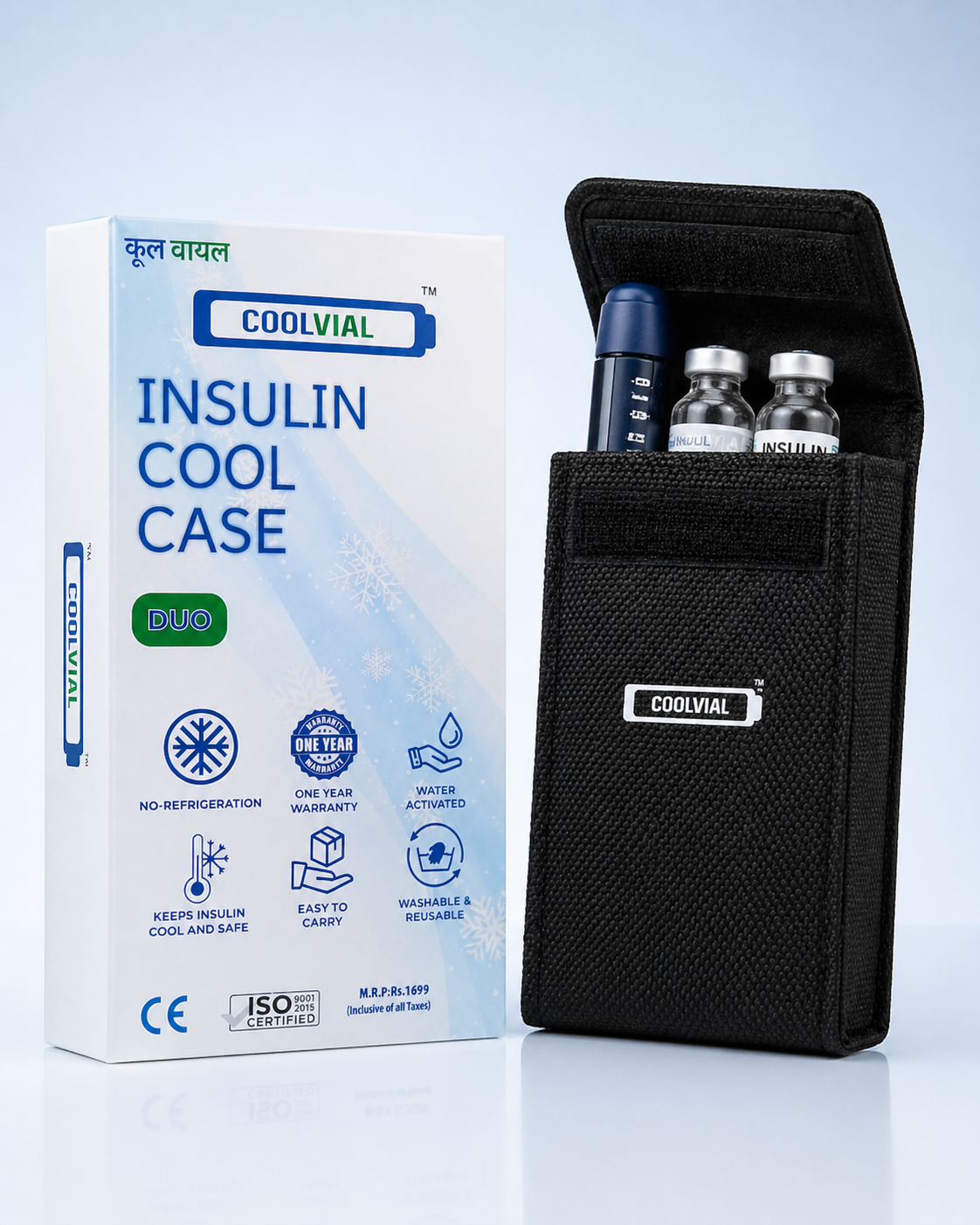
The challenges posed by the Mysuru monsoon—unpredictable humidity, occasional temperature spikes, traffic disruptions, and potential power cuts—underscore the critical need for a reliable, portable insulin storage solution. Traditional methods like ice packs are messy and short-lived, while carrying insulin in regular bags offers no thermal protection. This is where specialized evaporative cooling cases, like the COOLVIAL Duo, become indispensable for optimal mysuru monsoon insulin management.
COOLVIAL understands the unique climatic conditions of India and has engineered solutions specifically for them. The COOLVIAL Duo is not just a product; it’s peace of mind for diabetics navigating the monsoon.
Why COOLVIAL Duo is Your Ideal Monsoon Companion:
- Water-Activated Evaporative Cooling: Unlike bulky ice packs or electricity-dependent mini-fridges, COOLVIAL Duo uses the simple, yet effective, principle of evaporative cooling. You simply activate it with water, and the special crystals inside swell, providing a cooling effect for 12-16 hours. This means:
- No Electricity Needed: Perfect for power cuts, long commutes, or travel to areas without reliable power.
- No Refrigeration Required: Ideal for when you’re out and about, whether it’s navigating traffic in Saraswathipuram or enjoying a day trip to Brindavan Gardens.
- Reusable: A single activation lasts for hours, and the case can be reactivated hundreds of times over its lifespan.
- Optimal Capacity for Mysuru Diabetics: The COOLVIAL Duo is thoughtfully designed to hold 2 insulin pens and 1 insulin vial, accommodating the needs of most users. This means you can carry your daily doses and a backup, ensuring you’re never caught off guard.
- Protection Against Humidity: Beyond just cooling, the COOLVIAL Duo’s design helps protect your insulin from the pervasive humidity that characterizes the Mysuru monsoon. The inner pouch creates a microclimate that shields your pens and vials from direct moisture, preventing degradation and mechanical issues.
- Robust & Reliable:
- CE Certified: Meets European safety, health, and environmental protection standards.
- ISO 9001:2015 Certified: Assures quality management system standards.
- 1-Year Warranty: Provides confidence in your investment.
- Made in India: Designed and manufactured to suit local conditions and support local economy.
- Cost-Effective Solution: Priced at Rs 1,099 with the code COOLHEAL (MRP Rs 1,699), the COOLVIAL Duo offers exceptional value compared to other options on the market.
- Comparison with Competitors:
- FRIO: Often considered a market leader, FRIO cases typically cost around Rs 1,900 or more. While effective, COOLVIAL Duo offers a competitive, locally made alternative at a significantly lower price point without compromising on quality or performance.
- Outer Woods OW-12: Another option, Outer Woods OW-12, is priced around Rs 999. While slightly cheaper, it’s essential to compare capacity, cooling duration, certifications, and warranty to ensure it meets your specific needs. COOLVIAL Duo strikes a balance of quality, capacity, and price.
- Comparison with Competitors:
Choosing the right insulin storage solution is a critical decision that impacts your health and well-being. The COOLVIAL Duo provides a practical, reliable, and affordable answer to the challenges of insulin storage tips during the Mysuru monsoon. It’s an investment in your health, ensuring your insulin remains potent and effective, no matter what the weather brings. Learn more about the COOLVIAL insulin cool case and how it can simplify your diabetes management.
Frequently Asked Questions (FAQs)
Q: Can Mysuru’s monsoon humidity damage my insulin even if it’s not very hot? A: Yes, Mysuru’s monsoon humidity can indeed damage insulin even without extreme heat. Persistent moisture can accelerate insulin degradation, compromise pen mechanisms, and reduce the overall potency of the medication, leading to less effective blood sugar control.
Q: What is the ideal temperature range for storing insulin in Mysuru during monsoon? A: Unopened insulin should be stored in a refrigerator between 2°C to 8°C. Once opened, most insulin types can be kept at room temperature (below 25°C to 30°C, check specific insulin instructions) for up to 28 days, but a reliable cooling case is recommended during Mysuru’s humid monsoon to protect against temperature fluctuations and moisture.
Q: How do monsoon traffic and waterlogging in Mysuru affect my insulin supply? A: Monsoon traffic and waterlogging in areas like Saraswathipuram and Jayalakshmipuram can delay pharmacy runs, exposing insulin to high temperatures inside vehicles for extended periods. This can also delay online pharmacy deliveries, potentially leaving you without critical supplies.
Q: Should I stock up on insulin before the Mysuru monsoon season? A: Yes, it is highly recommended to stock up on at least a 2-4 week extra supply of insulin and other diabetes essentials before the Mysuru monsoon season. This helps mitigate risks from traffic delays, power cuts, or unexpected travel disruptions.
Q: Can I carry my insulin in a regular bag when traveling from Mysuru to Coorg during monsoon? A: No, carrying insulin in a regular bag during travel to places like Coorg during monsoon is not advisable. A regular bag offers no thermal or moisture protection, exposing your insulin to temperature fluctuations and humidity, which can compromise its effectiveness.
Q: What certifications should I look for in an insulin cooling case for reliability? A: For reliability, look for insulin cooling cases that are CE certified and ISO 9001:2015 compliant. These certifications indicate that the product meets international standards for safety, quality, and environmental protection.
Q: What if I experience a power cut in Mysuru and my insulin is in the fridge? A: If you experience a power cut in Mysuru, keep your refrigerator door closed as much as possible to maintain coolness. For longer power cuts, transfer your insulin to a reliable, non-electric cooling case like the COOLVIAL Duo, which can maintain safe temperatures for 12-16 hours without electricity.
Conclusion
The Mysuru monsoon, with its moderate rainfall and persistent humidity, presents unique challenges for insulin storage. The deceptive mildness of the climate, coupled with potential disruptions from traffic, power cuts, and travel, necessitates a proactive and informed approach to protecting your life-saving medication. By understanding the subtle threats of humidity, planning your supplies, and being prepared for travel, Mysuru diabetics can ensure their insulin remains potent and effective throughout the rainy season.
The COOLVIAL Duo offers a smart, reliable, and affordable solution to these challenges. Its water-activated evaporative cooling technology provides 12-16 hours of protection without electricity, making it an ideal companion for daily life, emergency preparedness, and travel within and outside Mysuru. With its CE and ISO certifications, 1-year warranty, and ‘Made in India’ assurance, it’s a testament to quality and practicality. Don’t let the monsoon compromise your diabetes management. Empower yourself with the right tools and knowledge.
Order COOLVIAL Duo at Rs 1,099 with code COOLHEAL at coolvial.com or via WhatsApp wa.me/918766952300
Medical Disclaimer
This article is for general informational purposes only and does not constitute medical advice. Always consult your endocrinologist or diabetologist before changing insulin storage or dosing practices, or for any health concerns related to diabetes management.
How We Researched This
This article was developed using a comprehensive approach, drawing upon established medical guidelines and local contextual information. Our research included reviewing RSSDI (Research Society for the Study of Diabetes in India) guidelines for insulin storage, analyzing relevant data from the ICMR-INDIAB study (Indian Council of Medical Research–India Diabetes Study) for national and regional diabetes prevalence (Karnataka’s diabetes prevalence is around 10-12% (Source: ICMR-INDIAB Study, 2021)), consulting local Mysuru hospital directories (e.g., Apollo BGS Hospitals, JSS Hospital), and examining the pharmacy network (e.g., Apollo Pharmacy, MedPlus) to understand local access challenges. We also considered general climate data for Mysuru and common monsoon-related civic advisories to provide a holistic and locally relevant perspective on insulin management during the rainy season.
Mysuru Monsoon & Insulin — 7 Smart Storage Strategies During the Rainy Season
Insulin at 2-8°C for 48+ hours. Trusted by 10,000+ Indian diabetics.