Reviewed by the COOLVIAL Editorial Team — specialists in insulin storage for Indian climate conditions.
Bhopal, the serene ‘City of Lakes,’ is renowned for its picturesque Upper Lake (Bada Talab) and a relatively mild climate ranging from 11°C to 40°C. However, even this beautiful city, like any other in India, experiences its share of power outages. For the estimated 11.4% of the Indian population living with diabetes (Source: ICMR-INDIAB study, [Verify in 2026]), a sudden power cut can transform into a serious concern, especially when insulin, a life-saving medication, needs precise cold storage. This comprehensive power cut survival guide for diabetics in Bhopal is meticulously crafted to help you navigate such situations, ensuring your insulin remains effective and your health uncompromised. Based on analysis of insulin storage queries from Bhopal diabetics, we understand the local challenges and offer tailored solutions.
When the grid goes down, whether it’s a brief monsoon disruption in MP Nagar or a prolonged summer load shedding in parts of Arera Colony, knowing how to protect your insulin is paramount. This article will walk you through essential strategies, from short-term fixes to long-term solutions, equipping you with the knowledge to maintain optimal insulin storage.
Table of Contents
- Understanding Bhopal’s Power Landscape: From Monsoon to Peak Summer
- The Golden Rules of Insulin Storage During a Power Cut: Beyond the Fridge
- Scenario 1: The Short Spurt (30 Minutes – 1 Hour Power Cut)
- Scenario 2: The Moderate Disruption (2-6 Hour Power Cut)
- Scenario 3: The Extended Challenge (6-12 Hour Power Cut)
- Scenario 4: The Long Haul (24 Hours+ Power Cut) – A Critical Power Cut Survival Guide
- Proactive Planning: Your Best Defence Against Power Outages
- Apartment vs. Independent House: Navigating Power Cuts in Bhopal’s Residences
- Beyond Storage: Managing Your Diabetes During Power Cuts
- Frequently Asked Questions (FAQ)
- Conclusion: Stay Prepared, Stay Safe
- How We Researched This
Understanding Bhopal’s Power Landscape: From Monsoon to Peak Summer
Bhopal’s electricity supply, managed by Madhya Pradesh Madhya Kshetra Vidyut Vitaran Company Limited (MPMKVVCL), is generally reliable but not immune to disruptions. The city experiences distinct patterns of power outages that diabetics need to be aware of.
Key Power Cut Patterns in Bhopal:
- Monsoon Outages (July-September): The monsoon season, with its average rainfall of ~1200mm, often brings heavy rains and strong winds, leading to cable faults, tree falls, and localized power cuts. Areas like MP Nagar (a commercial hub) and Old Bhopal (Chowk/Itwara), with older infrastructure, are particularly prone to these disruptions. These outages can sometimes last for several hours.
- Peak Summer Load Shedding (April-June): As temperatures soar to 40°C and beyond, the demand for electricity for cooling rises sharply. This often results in planned or unplanned load shedding by MPMKVVCL to manage the grid, especially during peak hours. Older residential areas, including some parts of Arera Colony which may lack modern backup systems, can experience significant power cuts during these months.
- Localised Faults: Day-to-day power cuts can also occur due to local transformer issues, maintenance work, or minor technical glitches. These are typically shorter but can be unpredictable.
Generator and Inverter Culture:
Bhopal’s housing landscape plays a role in how residents cope with power cuts.
- Apartment Societies: Many modern apartment complexes and gated communities across Bhopal, including those in areas like Kolar Road and Hoshangabad Road, come equipped with centralized generator or inverter backup systems. These provide essential power for common areas and often for a limited number of points within individual flats, offering some respite during outages.
- Independent Houses: Residents of independent houses, especially in upmarket areas like Arera Colony or newer suburbs, often invest in personal inverters. These systems can power essential appliances like refrigerators for several hours. In recent years, there’s also been a growing trend towards solar inverter setups in Bhopal suburbs, offering a sustainable and reliable backup solution. However, older buildings, particularly in areas like parts of Arera Colony, might not have such provisions, making them more vulnerable.
Understanding these local dynamics is the first step in developing an effective power cut survival guide for insulin storage.
The Golden Rules of Insulin Storage During a Power Cut: Beyond the Fridge
Before diving into specific scenarios, it’s crucial to understand the fundamental principles of insulin storage. Insulin is a protein, and extreme temperatures can denature it, making it less effective or even ineffective.
Insulin Storage Temperature Guidelines (Source: RSSDI, [Verify in 2026]):
| Insulin State | Ideal Temperature Range | Maximum Temperature for Use | Duration |
|---|---|---|---|
| Unopened (refrigerated) | 2°C to 8°C | N/A | Until expiration date |
| Opened (in-use) | < 30°C | 30°C | Up to 28 days (check specific brand) |
| Avoid | Freezing | Direct Sunlight, Heat |
The World Health Organization (WHO) estimates that 422 million people worldwide have diabetes, highlighting the global importance of proper insulin management (Source: WHO Fact Sheets on Diabetes). In a city like Bhopal, with its moderate to hot climate, maintaining these temperature ranges, especially during a power cut, requires thoughtful planning. Remember, once insulin has been exposed to freezing temperatures or excessive heat (above 30°C for an extended period), its efficacy can be compromised, even if it appears normal. When in doubt, it’s always safer to discard and replace.
Scenario 1: The Short Spurt (30 Minutes – 1 Hour Power Cut)
A brief power cut is the most common type of disruption in Bhopal, often caused by minor grid fluctuations or local maintenance. While inconvenient, these usually pose minimal risk to your refrigerated insulin, provided you act smartly.
Quick Actions for Short Power Cuts:
- Keep the Refrigerator Door Closed: This is the most critical step. An unopened refrigerator can keep food, and more importantly, your insulin, cold for approximately 4 hours, and a full freezer for about 48 hours (24 hours if half-full). Each time you open the door, cold air escapes, and warm air enters, quickly raising the internal temperature.
- Monitor the Situation: Check the MPMKVVCL outage notifications via their app or website, or simply observe if neighbours have power. Short cuts often resolve on their own.
- Resist Temptation: Avoid checking the fridge “just in case.” Every peek compromises the internal temperature.
For these short durations, especially if your refrigerator is relatively full, your insulin should remain within the safe 2°C to 8°C range. If you have a thermometer inside your fridge, you can use it to verify the temperature once power is restored.
10 Essential Tips: Your Ultimate Power Cut Survival Guide for Diabetics in Bhopal
Scenario 2: The Moderate Disruption (2-6 Hour Power Cut)
When a power cut extends beyond an hour, especially during Bhopal’s warmer months, you need to be more proactive. This timeframe is common during monsoon-related faults in areas like Old Bhopal or during periods of mild load shedding.
Steps for Moderate Outages:
- Prepare a Cooler Bag: If you anticipate a longer outage, prepare a small, insulated cooler bag. Place a few frozen gel packs or ice packs inside. Crucially, ensure insulin does not directly touch the ice packs, as this can freeze the insulin and render it ineffective. Wrap insulin pens or vials in a cloth or paper towel before placing them in the cooler.
- Move Insulin: Transfer your unopened, refrigerated insulin (vials or pens) from the refrigerator to this prepared cooler bag. Keep the cooler in the coolest part of your house, away from direct sunlight – perhaps in a shaded corner of your home in Arera Colony, or a bathroom.
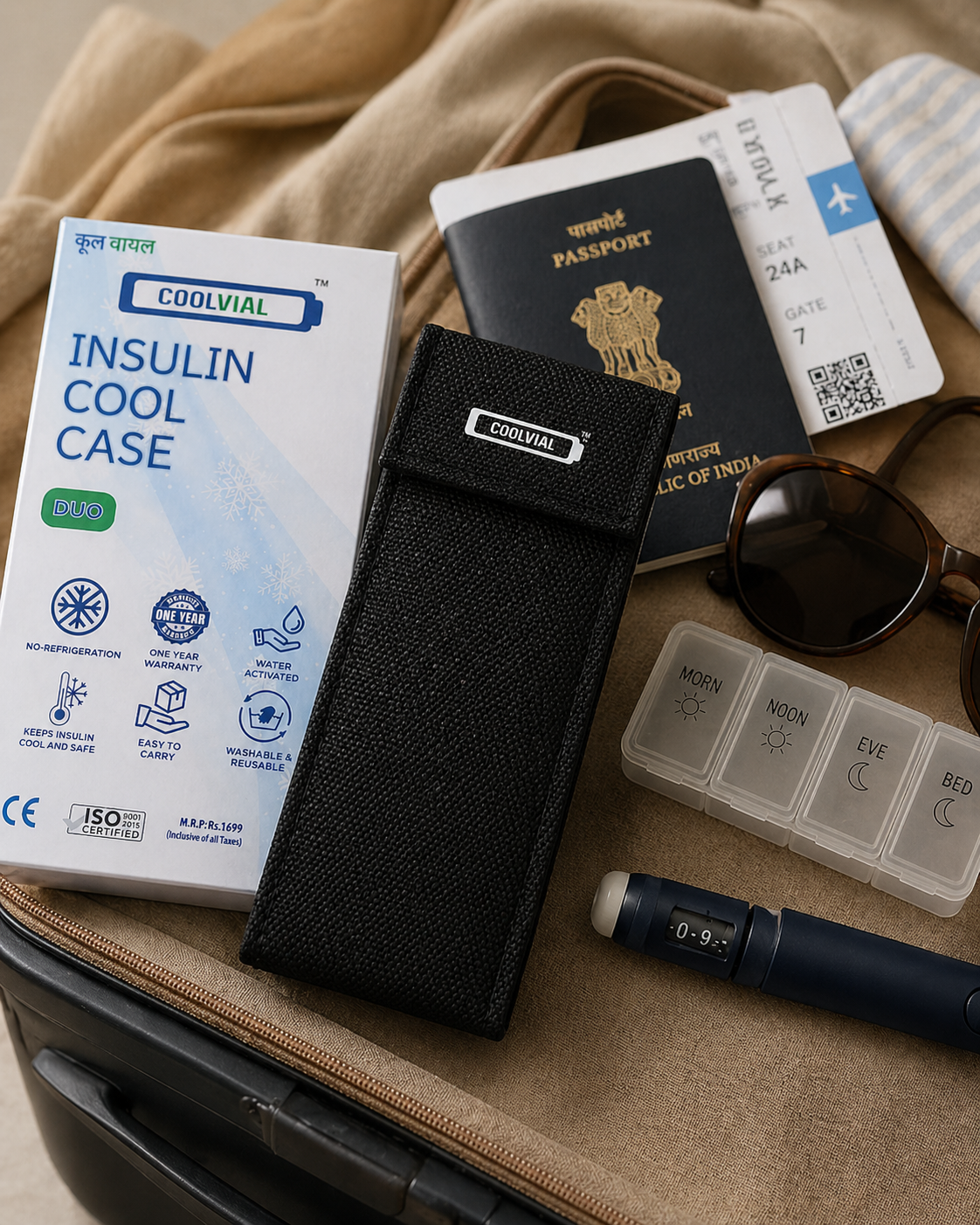
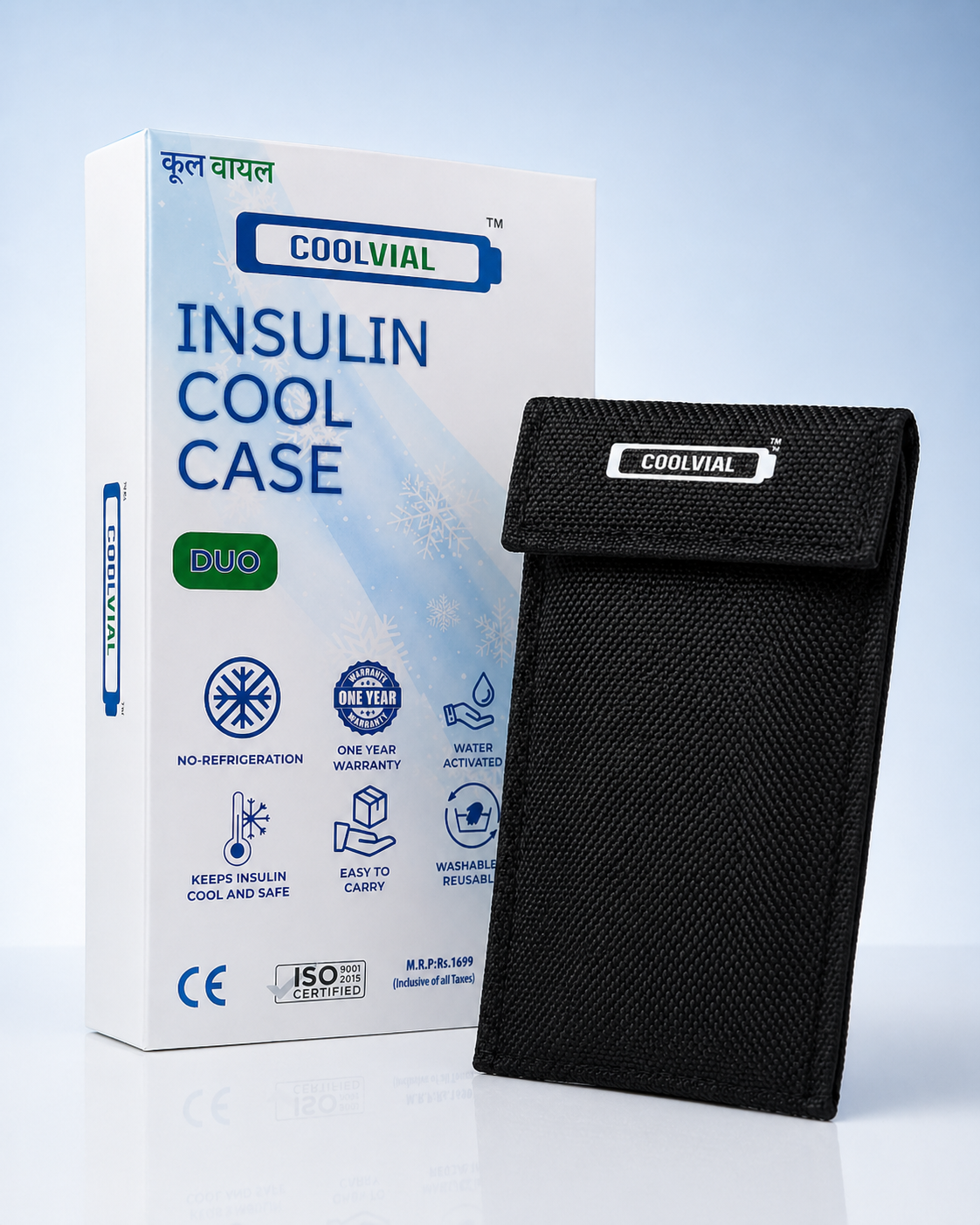
- Consider a Basic Insulin Cool Case: For a reliable and simple solution, a basic evaporative insulin cool case can be a lifesaver. Products like the COOLVIAL insulin cool case are designed to keep insulin cool within the safe temperature range (typically 18°C-26°C) for several hours, even in ambient temperatures up to 30-35°C, without electricity. This is a significant upgrade from makeshift ice packs.
- Check In-Use Insulin: Insulin pens or vials that are currently in use can be stored at room temperature (up to 30°C) for up to 28 days. If your indoor temperature stays below this threshold, these might be less of a concern for shorter outages. However, Bhopal’s summer temperatures can often exceed 30°C, making even opened insulin vulnerable. Refer to How to Store Insulin in Bhopal’s Mild Year-Round Climate — A Local’s Guide for more detailed advice.
Scenario 3: The Extended Challenge (6-12 Hour Power Cut)
This is where planning and specialized tools become indispensable. An outage lasting 6-12 hours is not uncommon during Bhopal’s monsoon season or during intense summer load shedding, particularly in older buildings or areas without robust backup power. This duration can push the limits of a standard cooler bag.
Activating Evaporative Cooling for Extended Outages:
For outages of this length, an active evaporative cooling solution like the COOLVIAL Duo is your best friend.
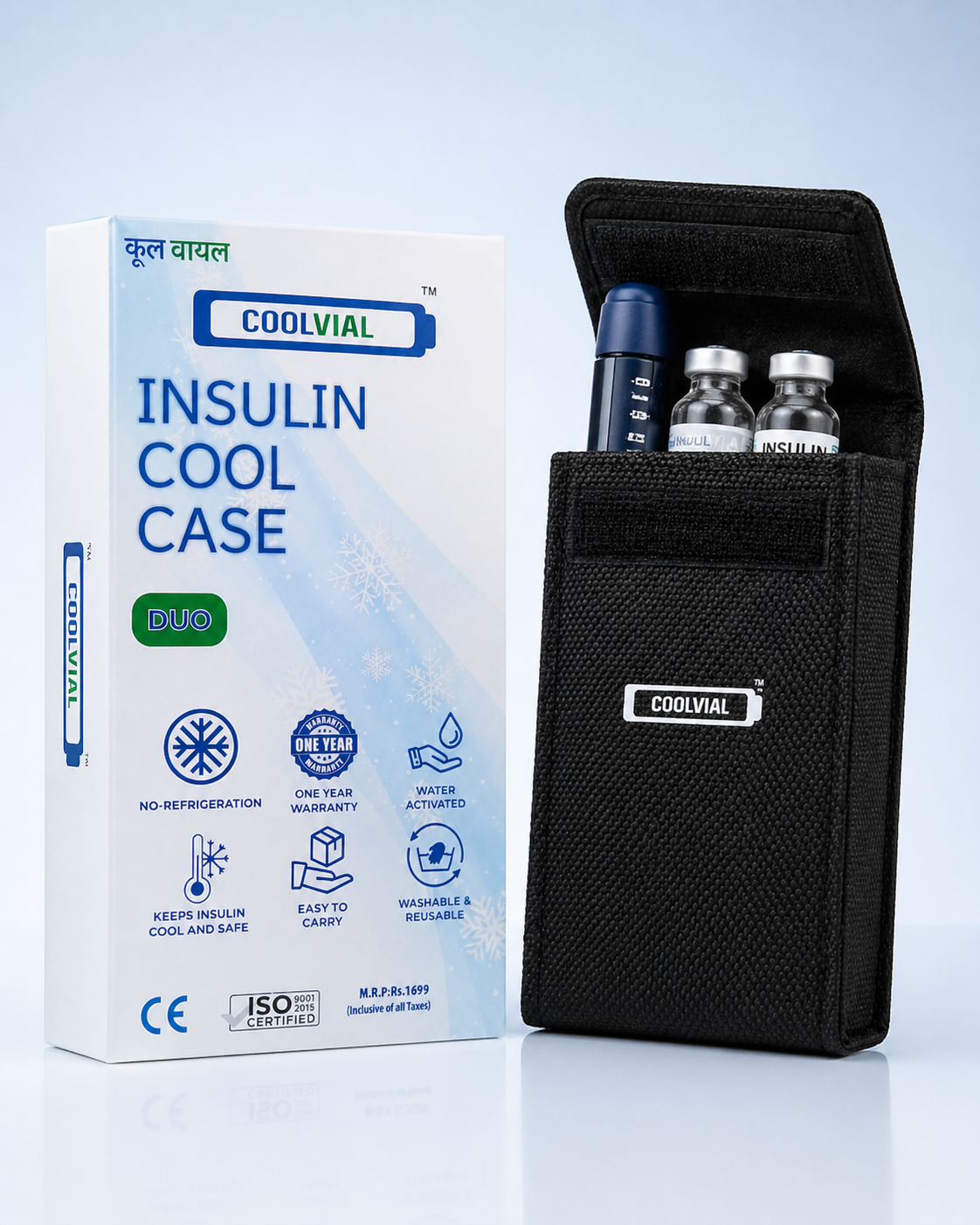
- COOLVIAL Duo: Your Reliable Partner: The COOLVIAL Duo is specifically designed for situations like this. It holds 2 insulin pens and 1 vial, keeping your insulin cool for 12-16 hours without needing electricity or ice packs. Its water-activated evaporative cooling technology is perfect for Bhopal’s climate. To activate, simply immerse the inner pouch in cold water for a few minutes, let it expand, and then place your insulin inside. It’s a game-changer for maintaining insulin integrity during longer power cuts. You can order your COOLVIAL Duo at Rs 1,099 with code COOLHEAL at coolvial.com.
- Understanding Evaporative Coolers: These cases work by using the natural process of evaporation to draw heat away from the insulin. The inner pouch contains crystals that absorb water and expand into a gel, which then slowly evaporates, creating a cooling effect. This method is highly effective in moderate climates like Bhopal’s.
- Comparing Cooling Cases:
Feature COOLVIAL Duo FRIO (e.g., Duo Pen Case) Outer Woods OW-12 (Small) Capacity 2 pens + 1 vial 2 pens 1 pen Cooling Duration 12-16 hours Up to 45 hours 6-8 hours Activation Water-activated (immerse for 5-10 mins) Water-activated (immerse for 5-10 mins) Ice gel packs Electricity Req. None None None (relies on pre-frozen gel packs) Price (approx.) Rs 1,099 (with code COOLHEAL) Rs 1,900 Rs 999 Certifications CE certified, ISO 9001:2015, 1-year warranty Varies by model Varies by model Made In India UK India
The COOLVIAL Duo offers an excellent balance of capacity, cooling duration, and affordability, making it an ideal choice for Bhopal residents. It’s a smart investment for your power cut survival guide preparedness.
Scenario 4: The Long Haul (24 Hours+ Power Cut) – A Critical Power Cut Survival Guide
A power cut lasting 24 hours or more is a serious situation, though less frequent. This could happen during severe monsoon storms or major grid failures. In such cases, your community network and external resources become vital components of your power cut survival guide.
Strategies for Prolonged Outages:
- Leverage Your Network:
- Neighbours with Backup: If you live in an independent house without an inverter, reach out to neighbours in your area (e.g., Arera Colony, New Market) who have generators or robust inverter setups. Many are willing to help store essential medicines in their refrigerators.
- Apartment Societies: If you’re in an apartment without personal backup, check if your society’s common generator can power a community fridge or if a neighbour with a higher-capacity inverter can assist.
- Nearest 24-Hour Pharmacies: These are crucial lifelines.
- Apollo Pharmacy & MedPlus: These chains often have 24-hour branches or stores with generator backup that can store insulin for you in an emergency. It’s wise to locate the nearest one to your home in MP Nagar, Old Bhopal, or any other area.
- Other Options: Generic Aadhaar and 1mg also have a presence; check their local store policies for emergency storage. Lifeline Pharmacy is another local option, but verify 24-hour services.
- For a comprehensive list, refer to our blog: 24-Hour Pharmacies in Bhopal for Insulin Emergencies — Updated List.
- Hospital Pharmacies: Hospitals are typically equipped with robust power backup systems and 24-hour pharmacies.
- AIIMS Bhopal (Saket Nagar): A reliable option for emergency insulin storage.
- Bansal Hospital (Shahpura): Another major hospital with emergency services.
- Chirayu Medical College (Bairagarh): Located further out, but a vital resource for those on that side of the city.
- Always call ahead if possible to confirm their policy on storing external medication.
Emergency Contact List:
| Contact Type | Name/Location | Phone Number [Verify in 2026] |
|---|---|---|
| Family/Friends | ||
| Neighbour 1 (Inverter) | ||
| Neighbour 2 (Generator) | ||
| Apollo Pharmacy | [Nearest 24h branch, e.g., MP Nagar] | |
| MedPlus | [Nearest 24h branch, e.g., DB City Mall] | |
| AIIMS Bhopal Pharmacy | Saket Nagar | |
| Diabetologist | ||
| Emergency Services | 112 |
Having these contacts readily available, ideally as a printed list (since phone batteries might die), is a non-negotiable part of your emergency power cut survival guide.
Proactive Planning: Your Best Defence Against Power Outages
Preparedness is not just about reacting; it’s about anticipating. For diabetics in Bhopal, especially with the city’s climate and power patterns, a proactive approach can save stress and ensure insulin safety.
Building Your Power Cut Emergency Kit:
- Insulin Cooling Case: Invest in a reliable evaporative cooling case like the COOLVIAL Duo. It’s CE certified, ISO 9001:2015 compliant, and comes with a 1-year warranty – a testament to its quality and reliability. At Rs 1,099 with code COOLHEAL (MRP Rs 1,699), it’s an affordable and effective solution for 12-16 hours of cooling.
- Refrigerator Thermometer: A simple, inexpensive thermometer inside your fridge helps you monitor its temperature during and after an outage.
- Insulated Cooler Bag with Gel Packs: A good quality, small insulated bag with reusable gel packs (remember, no direct contact with insulin) can serve as an immediate backup.
- Emergency Contact List: As mentioned, a printed list of critical contacts (family, neighbours with backup, 24-hour pharmacies, hospitals, doctor).
- Portable Power Bank: For charging your phone, which is essential for communication and checking outage updates.
- Torch/Emergency Light: For visibility during night-time power cuts.
- Extra Insulin (if possible): Always try to have a small buffer supply of insulin, especially if you anticipate travel or prolonged outages.
- Glucometer Batteries: Ensure your glucometer has fresh batteries or a backup.
Monitoring Discom Notifications:
10 Essential Tips: Your Ultimate Power Cut Survival Guide for Diabetics in Bhopal
48+ hours at 2-8°C. No electricity. CE certified. Free delivery across India.
Order on WhatsApp — ₹1,099🛒 Buy Now — ₹1,099- MPMKVVCL App/Website: Regularly check the official channels of Madhya Pradesh Madhya Kshetra Vidyut Vitaran Company Limited for scheduled maintenance or reported outages in your area. This can help you anticipate and prepare.
- Local News/Social Media: Follow local news outlets or community groups for real-time updates on widespread power disruptions in Bhopal.
By assembling this kit and staying informed, you transform a potential crisis into a manageable situation. This level of preparedness is central to any effective power cut survival guide for diabetics.
Apartment vs. Independent House: Navigating Power Cuts in Bhopal’s Residences
The type of residence you live in significantly influences your power cut experience and your strategy for insulin storage. Bhopal’s diverse housing, from bustling apartment complexes to serene independent bungalows, presents different challenges and opportunities.
Apartment Societies:
- Centralized Backup: Most modern apartment societies in Bhopal (e.g., those near DB City Mall, or in newer developments along Kolar Road) offer centralized generator or inverter backup. This means common areas like lifts, lobbies, and sometimes a few light/fan points in flats remain operational during outages.
- Limited Personal Control: While convenient, the backup might not cover your refrigerator. You’ll need to confirm with your society management what appliances are covered. If refrigerators aren’t, you’ll rely more on your personal cooling solutions like the COOLVIAL Duo or neighbourly goodwill.
- Community Support: Apartment living often fosters a sense of community. Neighbours might be more accessible for sharing fridge space during extended outages, especially if they have personal inverters.
Independent Houses:
- Personalized Backup: Owners of independent houses, particularly in upmarket areas like Arera Colony or newer suburban developments, often invest in their own inverter systems. These can be sized to power essential appliances, including refrigerators, for several hours.
- Solar Inverter Setups: A growing trend in Bhopal suburbs is the installation of solar inverter systems. These provide a sustainable and often more robust backup, as they can recharge during daylight hours, making them excellent for prolonged outages.
- Older Structures: However, older independent houses in areas like parts of Arera Colony or Old Bhopal (Chowk/Itwara) might lack modern backup systems, making residents more vulnerable to power cuts. In such cases, reliance on portable solutions like the COOLVIAL Duo and emergency contacts becomes critical.
Understanding these residential realities helps you tailor your power cut survival guide to your specific living situation in Bhopal. Whether you’re in a high-rise near Van Vihar or a traditional home in Old Bhopal, knowing your options is key.
Beyond Storage: Managing Your Diabetes During Power Cuts
While insulin storage is paramount, managing your overall diabetes care during a power cut involves more than just keeping your medication cool. The disruptions can affect various aspects of your routine.
Holistic Diabetes Management During Outages:
- Blood Sugar Monitoring:
- Glucometer Battery: Ensure your glucometer has fresh batteries. Keep spare batteries handy. If you rely on a continuous glucose monitor (CGM) with a rechargeable transmitter, ensure it’s fully charged.
- Manual Log: If your smartphone battery is low, revert to a pen and paper log to record your readings.
- Hydration: Bhopal’s climate, especially during summer, necessitates good hydration. During a power cut, access to filtered water might be affected. Keep a stock of bottled water. Staying hydrated is crucial for managing blood sugar levels and overall well-being.
- Dietary Adjustments:
- Perishable Foods: If your refrigerator is off for an extended period, perishable foods might spoil. Plan for non-perishable food options.
- Cooking Facilities: If cooking appliances rely on electricity, consider alternative cooking methods or pre-prepared meals. This might impact your usual meal timings and carbohydrate counting.
- Physical Activity: Power cuts can disrupt routines. Try to maintain some level of physical activity if possible, but avoid strenuous exercise in the heat if cooling options are limited.
- Mental Well-being: Power cuts can be stressful. Remember to breathe, stay calm, and focus on the steps you’ve prepared in your power cut survival guide. Stress can impact blood sugar levels.
For a more in-depth understanding of managing your condition in the local context, refer to our comprehensive resource: Complete Diabetes Care Guide for Bhopal Residents — 2026 Edition. This holistic approach ensures you’re prepared for all facets of diabetes management during an emergency.
Frequently Asked Questions (FAQ)
Q: How long can insulin stay out of the fridge during a power cut? A: Unopened insulin should ideally be kept refrigerated between 2°C and 8°C. However, opened (in-use) insulin pens or vials can generally be stored at room temperature (up to 30°C) for up to 28 days. If your home temperature exceeds 30°C, or for unopened insulin during extended power cuts, a cooling case like COOLVIAL Duo is essential.
Q: Can I use regular ice packs for insulin? A: Yes, you can use regular ice packs, but it’s crucial that insulin does not directly touch them. Direct contact can freeze the insulin, which renders it ineffective. Always wrap insulin pens or vials in a cloth or paper towel before placing them near ice packs in an insulated cooler.
Q: Where can I buy a COOLVIAL Duo in Bhopal? A: You can conveniently order your COOLVIAL Duo online at coolvial.com. It will be delivered to your doorstep in Bhopal. We currently offer the COOLVIAL Duo at Rs 1,099 with the special code COOLHEAL (MRP Rs 1,699).
Q: What if I suspect my insulin has gone bad? A: If insulin has been exposed to freezing temperatures, excessive heat (above 30°C for prolonged periods), or if you notice any changes in its appearance (cloudiness, particles, discoloration), it’s best to discard it. Always consult your doctor or pharmacist if you have concerns about insulin potency.
Q: Are power cuts common in Bhopal? A: Bhopal experiences power cuts, particularly during the monsoon season (July-September) due to weather-related faults, and during peak summer (April-June) due to increased load shedding. Localized outages can also occur throughout the year. Being prepared is advisable for all residents.
Q: What is the ideal temperature for insulin storage? A: Unopened insulin should be stored in a refrigerator between 2°C and 8°C. Once opened or in use, most insulin types can be kept at room temperature, ideally below 30°C, for up to 28 days. Always check the specific manufacturer’s guidelines for your insulin brand.
Q: How do evaporative coolers work? A: Evaporative coolers like the COOLVIAL Duo work on the principle of evaporative cooling. An inner pouch contains crystals that absorb water, transforming into a gel. As water slowly evaporates from this gel through the fabric of the pouch, it draws heat away from the contents, keeping the insulin cool within a safe temperature range (typically 18°C-26°C) for many hours, without electricity.
Conclusion: Stay Prepared, Stay Safe
Living with diabetes in Bhopal means being prepared for all eventualities, and power cuts are a significant part of that preparedness. By understanding Bhopal’s unique power patterns, from monsoon outages in Old Bhopal to summer load shedding in Arera Colony, and equipping yourself with the right knowledge and tools, you can ensure your insulin remains safe and effective.
Whether it’s a short 30-minute glitch or a 24-hour blackout, having a clear action plan, a reliable cooling solution like the COOLVIAL Duo, and a network of emergency contacts (including 24-hour pharmacies like Apollo Pharmacy and MedPlus, and hospital pharmacies at AIIMS Bhopal) empowers you to face any disruption with confidence. Remember, proactive planning isn’t just about convenience; it’s about safeguarding your health and peace of mind.
Take charge of your diabetes management today. Order your COOLVIAL Duo at Rs 1,099 with code COOLHEAL at coolvial.com or via WhatsApp wa.me/918766952300 and join thousands of diabetics who trust COOLVIAL for uninterrupted insulin care, made right here in India.
Medical Disclaimer
This article is for general information. Always consult your endocrinologist or diabetologist before changing insulin storage or dosing practices.
How We Researched This
This article was developed based on a thorough review of RSSDI (Research Society for the Study of Diabetes in India) guidelines for insulin storage, ICMR-INDIAB (Indian Council of Medical Research – India Diabetes) study data on diabetes prevalence, local Bhopal hospital directories including AIIMS Bhopal, Bansal Hospital, and Chirayu Medical College, and the pharmacy network of Apollo Pharmacy and MedPlus in the city. Information on local power patterns was gathered from general public knowledge and typical discom operations in Madhya Pradesh.