Reviewed by the COOLVIAL Editorial Team — specialists in insulin storage for Indian climate conditions.
Kochi, with its enchanting backwaters, vibrant culture, and a tropical coastal climate that sees temperatures ranging from 23-32°C, is a beautiful place to live. However, for the over 8.7% of Kerala’s adult population living with diabetes (Source: ICMR-INDIAB study), the city’s notorious power outages pose a unique and significant challenge, especially concerning insulin storage. Insulin, a life-saving medication, is highly sensitive to temperature fluctuations and can lose its potency if not stored correctly. This comprehensive power cut survival guide for diabetics in Kochi will equip you with the knowledge and tools to navigate these unpredictable situations. Based on analysis of insulin storage queries from Kochi diabetics, we provide 7 essential steps to protect your insulin when the grid goes down.
Table of Contents
- Understanding Kochi’s Unique Power Outage Landscape
- The Immediate Threat: Why Power Cuts Jeopardize Your Insulin
- Scenario 1: The Short & Sweet 30-Minute Power Cut
- Scenario 2: The 6-Hour Interruption – Time to Act
- Scenario 3: Surviving a 12-Hour Blackout with Active Cooling
- Scenario 4: The 24-Hour+ Extended Outage – Community & Contingency Plans
- Proactive Measures: Preparing for the Unpredictable
- The COOLVIAL Duo Advantage: Your Reliable Partner in Kochi’s Climate
- Frequently Asked Questions (FAQ)
1. Understanding Kochi’s Unique Power Outage Landscape
Kochi’s electricity supply, primarily managed by the Kerala State Electricity Board (KSEB), is subject to specific patterns of power interruptions that can significantly impact residents, particularly those managing chronic health conditions like diabetes. Understanding these local nuances is the first step in creating an effective power cut survival guide.
Kochi experiences distinct power outage patterns:
- Monsoon Mayhem (June-November): The intense dual monsoon season, bringing an average of ~3000mm of rainfall annually (Source: Kerala State Disaster Management Authority [Verify in 2026]), frequently leads to power disruptions. Heavy winds, falling trees, and waterlogging often affect areas like Kakkanad/Infopark, which has dense IT infrastructure, and the residential hubs of Vyttila/Tripunithura. These outages can range from a few hours to a full day.
- Peak Summer Load Shedding (April-June): As temperatures soar, especially during the pre-monsoon summer months, the increased demand for air conditioning often results in scheduled or unscheduled load shedding across the city. These cuts are designed to manage the grid load but can be unpredictable in duration.
- Old-Building Areas without Backup: Historic neighborhoods like parts of Fort Kochi, with their charming old buildings, often lack modern power backup systems like generators or inverters. Residents here are more vulnerable to prolonged outages, making insulin storage a critical concern.
- Generator and Inverter Culture: Modern housing societies and apartments across Kochi, particularly in areas like Marine Drive and near Lulu Mall, typically have robust generator or inverter backup systems. However, independent houses or smaller residential complexes might not. This creates a disparity in preparedness.
- Solar Inverter Setups: Increasingly, in the suburbs and newer developments around Kochi, many households are investing in solar inverter setups to combat power unreliability and rising electricity costs. This trend, while promising, is not yet widespread enough to provide universal relief.
Knowing these patterns allows you to anticipate and prepare, making your power cut survival guide more robust.
2. The Immediate Threat: Why Power Cuts Jeopardize Your Insulin
Insulin is a protein-based medication, and like many biological substances, it is highly sensitive to temperature. Proper storage is paramount to maintain its efficacy. When a power cut hits Kochi, especially in its tropical climate, the clock starts ticking for your insulin.
Here’s why power cuts are a threat to your insulin:
- Temperature Sensitivity: Unopened insulin vials and pens must be stored in a refrigerator, ideally between 2°C and 8°C. Once opened, most insulins can be kept at room temperature (up to 30°C) for up to 28 days. Kochi’s ambient temperatures, often hovering between 23-32°C, can quickly push even opened insulin beyond its safe storage limit if not managed correctly.
- Loss of Potency: Exposure to temperatures outside the recommended range, particularly above 30°C, can cause insulin to degrade. Degraded insulin loses its potency, meaning it won’t lower blood sugar effectively, leading to uncontrolled glucose levels and potential complications.
- Spoilage Risk: While rare, extreme temperature fluctuations or prolonged exposure to high heat can lead to physical changes in the insulin, such as discoloration or clumping, indicating spoilage. Never use insulin that appears cloudy, clumpy, or discolored unless it is naturally cloudy (like NPH insulin).
- Global Health Impact: Diabetes affects millions worldwide; according to the World Health Organization, it was the ninth leading cause of death in 2019 (Source: WHO Diabetes Fact Sheet). Ensuring proper insulin storage is a critical aspect of managing this condition effectively.
For more in-depth advice on local storage, refer to our [How to Store Insulin in Kochi's Tropical Humidity — A Local's Guide](/blog/how-to-store-insulin-in-kochis-tropical-humidity-a-locals-guide).
3. Scenario 1: The Short & Sweet 30-Minute Power Cut
Even a brief power outage can cause anxiety for diabetics, but for cuts lasting 30 minutes or less, your primary refrigerator is usually your best bet. Modern refrigerators are surprisingly well-insulated.
Here’s your action plan for a short power cut:
- Do Not Open the Fridge: The golden rule for short outages is to keep your refrigerator and freezer doors closed. Each time you open the door, warm air rushes in, rapidly raising the internal temperature.
- Rely on Insulation: A closed refrigerator can maintain safe temperatures for insulin (below 8°C) for several hours, typically around 4-6 hours, if the doors remain shut. A full freezer can keep food safe for about 48 hours.
- Monitor Outage Alerts: Keep an eye on KSEB’s official channels (e.g., their mobile app or local news) for updates on estimated restoration times. Many areas in Kochi, including parts of MG Road/Ernakulam, might experience these brief, common interruptions.
For these minor disruptions, minimal intervention is required. Your fridge’s insulation is your first line of defense in this power cut survival guide.
7 Essential Steps: Your Power Cut Survival Guide for Diabetics in Kochi
4. Scenario 2: The 6-Hour Interruption – Time to Act
When a power cut extends beyond a few hours, especially in Kochi’s tropical heat, your refrigerator’s internal temperature will start to rise above the safe zone for unopened insulin. This is when you need to take proactive steps to protect your medication.
Actions for a 6-hour power cut:
- Prepare an Insulated Bag:
- Find a small, insulated lunch bag or cooler.
- Wrap your insulin pens or vials in a cloth to prevent direct contact with ice.
- Place a frozen gel pack or a tightly sealed plastic bag of ice in the cooler. Ensure the ice doesn’t leak.
- Move Insulin to Cooler: Carefully transfer your unopened insulin from the refrigerator to this prepared insulated bag. Opened insulin, if still within its 28-day window and stored at room temperature (up to 30°C), might also benefit from being moved to a cooler environment if the ambient temperature is rising significantly above 30°C.
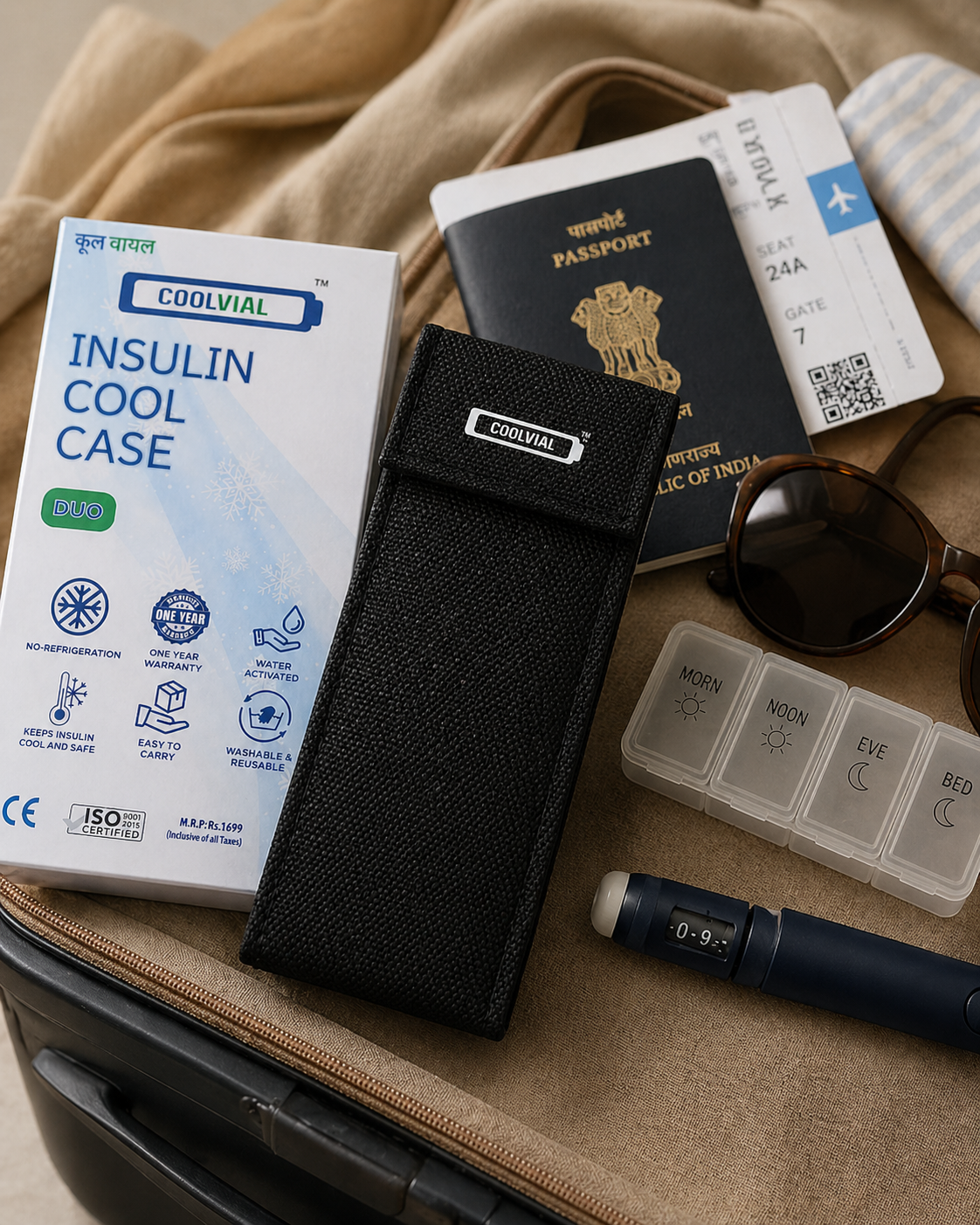
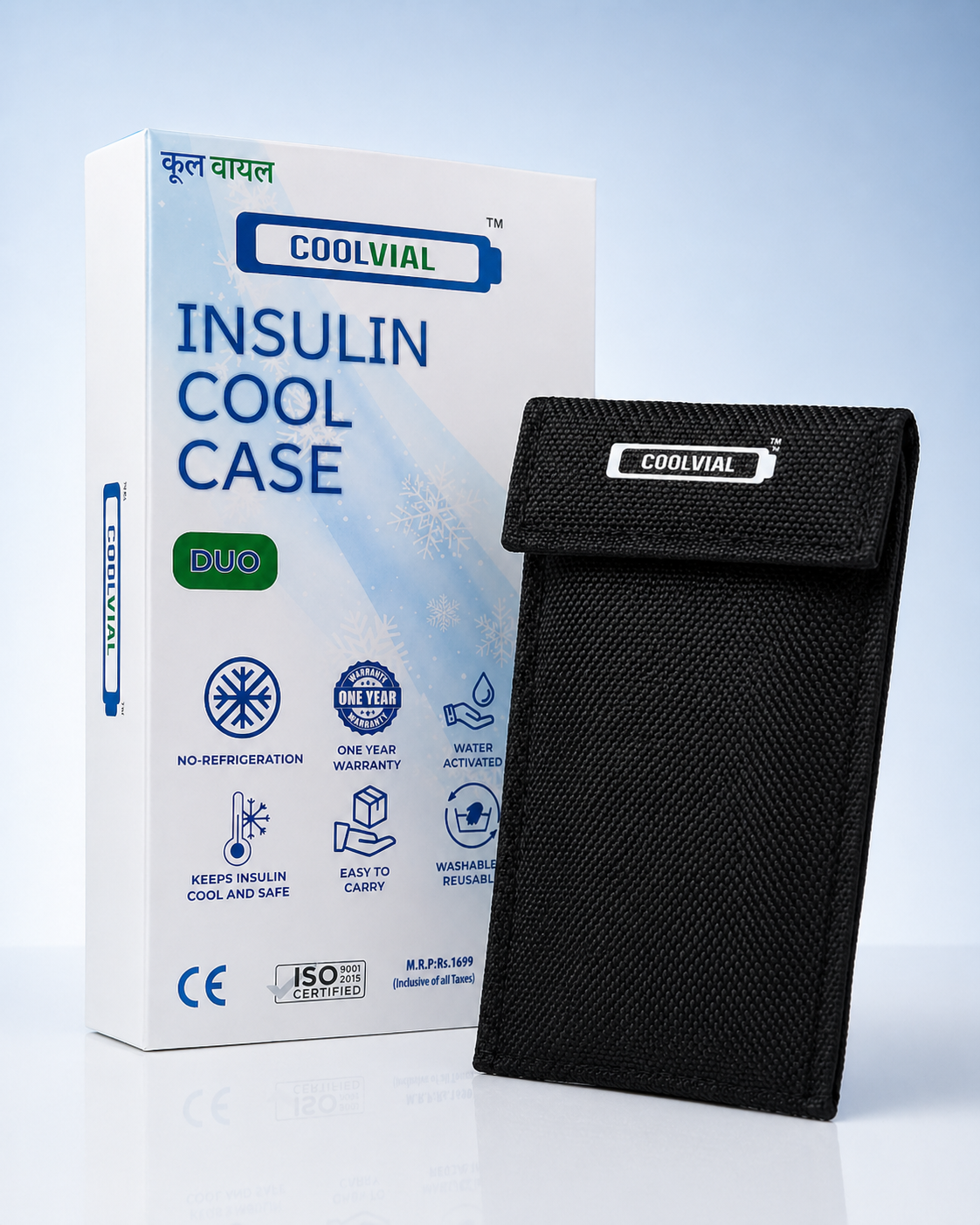
- Consider a Dedicated Cooling Case: This is where a dedicated solution like the COOLVIAL Duo becomes invaluable. Unlike a basic insulated bag that relies solely on ice packs, the COOLVIAL Duo uses evaporative cooling. It doesn’t require electricity or refrigeration, making it perfect for moderate outages. Simply activate it with water, and it will keep your insulin cool for 12-16 hours. This offers a more reliable and hands-off approach than constantly replacing ice packs.
For outages of this duration, relying solely on your refrigerator’s dwindling coolness is risky. An active cooling method is essential.
5. Scenario 3: Surviving a 12-Hour Blackout with Active Cooling
A 12-hour or longer power cut is a significant challenge in Kochi, especially during the monsoon season when such outages are common in areas like Kakkanad or Vyttila. At this point, even a well-insulated refrigerator will have warmed considerably. This scenario demands a robust, independent cooling solution.
Your strategy for a 12-hour blackout:
- Activate Your Evaporative Cooling Case: This is the ideal time to deploy your COOLVIAL Duo.
- Submerge: Submerge the inner pouch of your COOLVIAL Duo in cold water (preferably filtered) for 45-60 seconds.
- Drain: Gently squeeze excess water from the pouch. Avoid twisting.
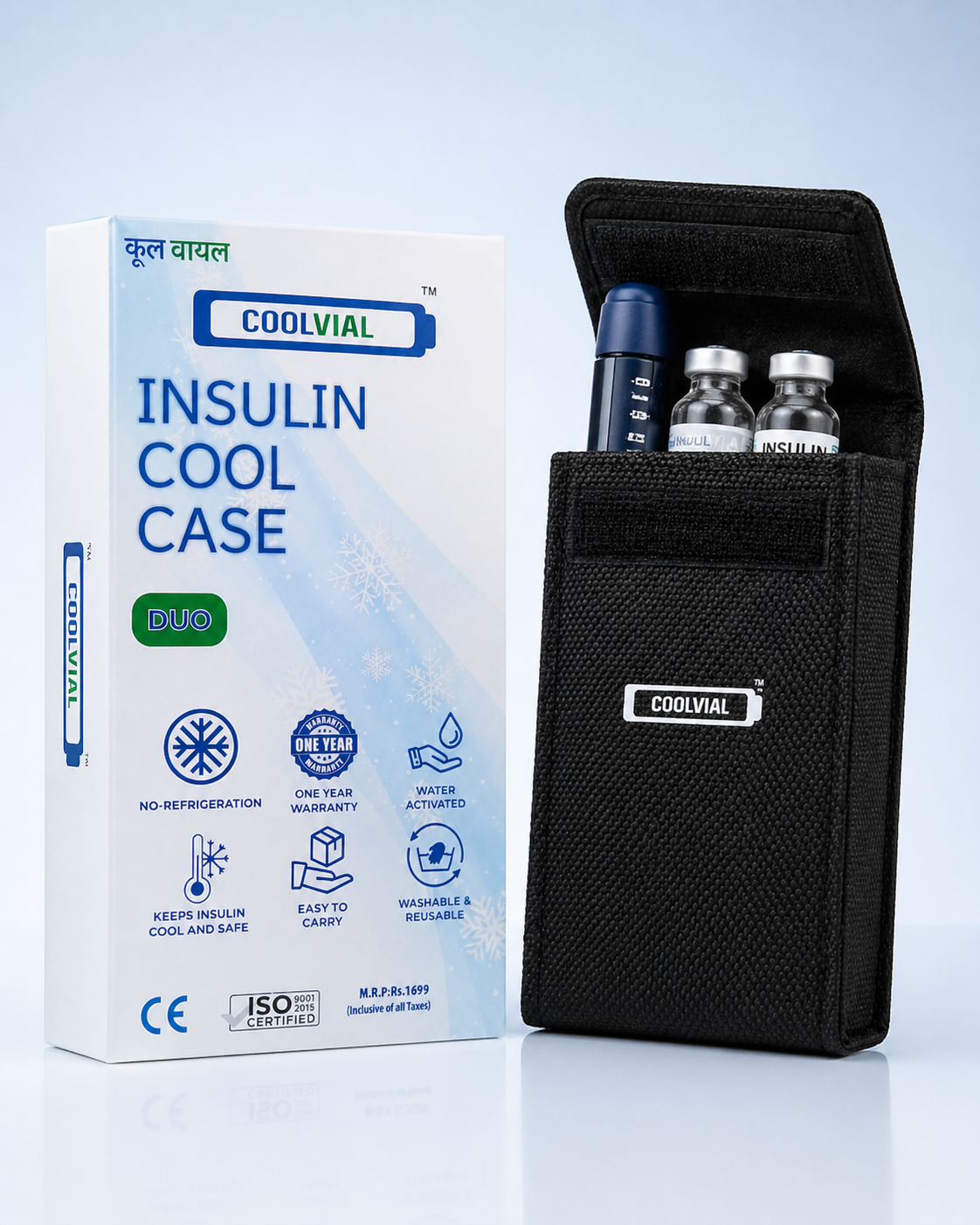
- Insert: Place your insulin pens and/or vials into the activated inner pouch. The COOLVIAL Duo can comfortably hold 2 pens and 1 vial.
- Encase: Insert the pouch into the outer cover. The evaporative process will now actively cool your insulin, maintaining temperatures between 18-26°C for 12-16 hours, even when ambient temperatures are up to 32°C.
- Why Evaporative Cooling is Superior:
- No Electricity Needed: Unlike a refrigerator, it’s completely independent of the power grid.
- Consistent Cooling: Provides a stable, safe temperature range, preventing insulin from freezing (which can happen with direct ice contact) or overheating.
- Reusability: Simply reactivate with water when the cooling effect diminishes.
- Comparison of Cooling Solutions:
| Feature | COOLVIAL Duo (Evaporative) | FRIO Insulin Cooling Case | Outer Woods OW-12 | Standard Insulated Bag + Ice Pack |
|---|---|---|---|---|
| Cooling Method | Water-activated evaporative | Water-activated evaporative | Gel pack-based | Ice pack/frozen bottles |
| Cooling Duration | 12-16 hours | Up to 45 hours | 12 hours | 4-6 hours (variable) |
| Electricity Needed | No | No | No | No |
| Refrigeration Needed | No | No | Yes (for gel pack) | Yes (for ice pack) |
| Capacity | 2 pens + 1 vial | Varies by model | 2 pens + 2 vials | Variable |
| Price (Approx.) | Rs 1,099 (with COOLHEAL) | Rs 1,900+ | Rs 999 | Rs 200-500 |
| Certification | CE, ISO 9001:2015 | Medical Device | - | - |
The COOLVIAL Duo offers an excellent balance of performance, convenience, and affordability, making it a crucial part of your power cut survival guide. Find out more about the [COOLVIAL insulin cool case](/product).
6. Scenario 4: The 24-Hour+ Extended Outage – Community & Contingency Plans
Extended power outages, sometimes stretching beyond 24 hours, can occur in Kochi, especially in older, less developed areas or after severe weather events. In such situations, even an evaporative cooler will eventually need re-activation, and you might need to seek external help.
Contingency plans for prolonged outages:
- Reach Out to Neighbors: If you live in an apartment complex or a housing society, check with neighbors who might have robust generator backups or solar inverter setups. Many residents in areas like Kakkanad or near Lulu Mall have these facilities. Explain your situation and politely ask if you can store your insulin in their refrigerator for a few hours.
- Utilize 24-Hour Pharmacies: Kochi has several 24-hour pharmacies that maintain power backup and proper refrigeration for medications.
- Apollo Pharmacy: Look for branches in central areas like MG Road/Ernakulam or near major hospitals.
- Karunya Pharmacy: Known for its extensive network, often with 24-hour services in key locations.
- MedPlus & 1mg: While primarily online, they often have physical stores that might assist in emergencies.
- Neethi Medical Stores: Another local option with good coverage.
Always call ahead to confirm they can store your insulin temporarily. For a comprehensive list, check our
[24-Hour Pharmacies in Kochi for Insulin Emergencies — Updated List](/blog/24hour-pharmacies-in-kochi-for-insulin-emergencies-updated-list).
- Hospital Pharmacies: Major hospitals in Kochi have 24/7 pharmacies with reliable cold storage.
- Amrita Institute of Medical Sciences (AIMS Ponekkara): A large, well-equipped hospital that can assist.
- Aster Medcity (Kuttisahib Road): Another advanced medical facility.
- Lakeshore Hospital (Avitis): A prominent hospital on the bypass. These are excellent last-resort options for critical insulin storage.
- Emergency Insulin Supply: Always have a backup supply of insulin, if feasible and recommended by your doctor. This can buy you crucial time.
This comprehensive approach forms a vital part of your power cut survival guide for any extended emergency. For broader diabetes management resources, consult our [Complete Diabetes Care Guide for Kochi Residents — 2026 Edition](/blog/complete-diabetes-care-guide-for-kochi-residents-2026-edition).
7. Proactive Measures: Preparing for the Unpredictable
7 Essential Steps: Your Power Cut Survival Guide for Diabetics in Kochi
48+ hours at 2-8°C. No electricity. CE certified. Free delivery across India.
Order on WhatsApp — ₹1,099🛒 Buy Now — ₹1,099While knowing what to do during a power cut is crucial, prevention and preparedness are even better. Being proactive can significantly reduce stress and risk when an outage inevitably strikes Kochi.
Key proactive steps for diabetics:
- Maintain a Charged Phone & Power Bank: Your smartphone is your lifeline for checking KSEB updates, contacting pharmacies, or reaching out to emergency contacts. Always keep it fully charged, and invest in a high-capacity power bank.
- Emergency Contact List: Keep a physical list of important numbers, including your doctor, nearest 24-hour pharmacies, and reliable neighbors. Don’t rely solely on your phone.
- Monitor KSEB Outage Alerts: Subscribe to KSEB’s SMS alerts or download their official app (if available) to receive real-time updates on planned and unplanned power cuts in your area. This is particularly useful for residents in IT hubs like Kakkanad, where maintenance shutdowns are sometimes pre-announced.
- Invest in a Home Inverter/UPS: For independent houses or apartments without common backup, a personal home inverter or UPS can provide crucial hours of power for essential appliances, including your refrigerator. While a significant investment, it offers peace of mind.
- Consider Solar Inverter Setups: In Kochi’s suburbs and newer residential areas, solar inverter setups are gaining popularity. They offer a sustainable and reliable power source, significantly reducing dependence on the grid during outages.
- Regularly Review Insulin Storage Practices: Understand the specific temperature requirements for your type of insulin. Refer to the manufacturer’s guidelines and discuss any concerns with your endocrinologist. You can also find more
[insulin storage tips](/mission)on our website. - Emergency Kit Checklist:
- Fully charged power bank
- Small, insulated bag or COOLVIAL Duo
- Frozen gel packs (if using a conventional cooler)
- Physical list of emergency contacts and pharmacy numbers
- A small flashlight or headlamp
- Bottled water
- Non-perishable snacks
By implementing these proactive measures, you can create a robust power cut survival guide tailored to Kochi’s unique environment.
8. The COOLVIAL Duo Advantage: Your Reliable Partner in Kochi’s Climate
In a city like Kochi, where humidity is high and power cuts are a frequent reality, a dependable insulin cooling solution is not a luxury but a necessity. The COOLVIAL Duo is engineered to be that reliable partner for diabetics.
Here’s why the COOLVIAL Duo stands out:
- Uninterrupted Cooling, No Electricity: Unlike traditional methods that depend on refrigeration or require constant ice replenishment, the COOLVIAL Duo uses advanced evaporative technology. Simply activate it with water, and it will keep your insulin cool (between 18-26°C) for 12-16 hours, even in ambient temperatures of up to 32°C. This means your insulin remains safe through extended power cuts, travel, or daily commutes in Kochi’s heat.
- Optimal Capacity: Designed to meet the needs of most diabetics, the COOLVIAL Duo comfortably holds 2 insulin pens plus 1 insulin vial, ensuring you have your essential medication safely stored.
- Certified Quality, Made in India: We understand the importance of trust when it comes to medical supplies. The COOLVIAL Duo is CE certified and ISO 9001:2015 compliant, ensuring it meets stringent international quality standards. Proudly made in India, it comes with a 1-year warranty, offering you peace of mind.
- Cost-Effective Solution: Priced competitively at MRP Rs 1,699, the COOLVIAL Duo is currently available for just Rs 1,099 with the special code COOLHEAL. This makes it an accessible and vital tool for insulin management in Kochi’s challenging climate, offering superior performance compared to basic insulated bags and a more economical option than some higher-priced alternatives.
Whether you’re facing a sudden monsoon outage in Kakkanad, navigating summer load shedding in Tripunithura, or simply enjoying an outing at Marine Drive, the COOLVIAL Duo ensures your insulin is always protected, making it an indispensable part of your personal power cut survival guide.
Frequently Asked Questions (FAQ)
Q: How long can insulin stay out of the fridge in Kochi? A: Unopened insulin should ideally be kept refrigerated (2-8°C). Once opened, most insulins can be kept at room temperature (up to 30°C) for 28 days, but in Kochi’s humid climate, temperatures can often exceed this, necessitating a cooling case.
Q: Can I use ice directly with insulin during a power cut? A: No, never let insulin come into direct contact with ice or ice packs, as freezing can permanently damage the insulin and render it ineffective. Always wrap insulin in a cloth or use a dedicated cooling case like COOLVIAL Duo.
Q: What if my insulin freezes? A: If insulin freezes, even partially, it must be discarded immediately, as freezing can cause the protein to break down and lose its potency. This is why evaporative coolers, which prevent freezing, are often preferred over ice packs.
Q: How do I check for KSEB power cuts in Kochi? A: You can usually check for KSEB power cut schedules or real-time outage information through their official website, mobile app (if available), or by monitoring local news channels and community social media groups. Calling their customer service helpline is also an option.
Q: Are all pharmacies in Kochi equipped to store insulin for emergencies? A: While most pharmacies stock insulin, not all may be equipped to store your insulin temporarily during an emergency. 24-hour pharmacies like Apollo Pharmacy or hospital pharmacies at Amrita Institute of Medical Sciences (AIMS Ponekkara) are generally the most reliable options due to their robust power backup systems.
Q: When should I discard insulin after a power cut? A: Discard insulin if it has been exposed to temperatures above 30°C for an extended period, if it appears cloudy, discolored, or has particles, or if it has frozen. If in doubt about its efficacy after an outage, it’s always safer to discard it and use a fresh supply, consulting your doctor if needed.
Q: What’s the ideal temperature range for insulin storage? A: Unopened insulin should be stored in a refrigerator between 2°C and 8°C. Once opened, it can be kept at room temperature, typically up to 30°C, for up to 28 days, though a stable cooler environment is preferred, especially in hot climates.
Conclusion
Navigating life with diabetes in a vibrant, tropical city like Kochi requires foresight and preparation, especially when it comes to unpredictable power cuts. From the common monsoon outages in Kakkanad to the summer load shedding in Vyttila, safeguarding your insulin is a critical aspect of your health management. By understanding Kochi’s unique power landscape, implementing scenario-specific strategies, and embracing proactive measures, you can ensure your life-saving medication remains potent and effective, no matter how long the grid goes down.
Remember, preparedness is your most powerful tool. Whether it’s keeping your fridge closed for a brief cut, moving insulin to a cooler for a few hours, or relying on advanced evaporative technology for extended blackouts, every step counts. The COOLVIAL Duo is designed to be your steadfast companion, offering a reliable, electricity-free solution to keep your insulin safe and cool for 12-16 hours in Kochi’s challenging climate. Don’t let power cuts dictate your diabetes management. Empower yourself with the right knowledge and the right tools.
Order your COOLVIAL Duo today at Rs 1,099 with code COOLHEAL at coolvial.com or via WhatsApp wa.me/918766952300 and stay prepared.
How We Researched This
This article is based on a thorough review of insulin storage guidelines from reputable bodies such as the RSSDI (Research Society for the Study of Diabetes in India), data from the ICMR-INDIAB study on diabetes prevalence, local Kochi hospital directories, and information on pharmacy networks like Apollo Pharmacy. We also considered typical climate patterns and infrastructure realities specific to Kochi to provide a practical and locally relevant power cut survival guide.
Medical Disclaimer
This article is for general information. Always consult your endocrinologist or diabetologist before changing insulin storage or dosing practices.