Reviewed by the COOLVIAL Editorial Team — specialists in insulin storage for Indian climate conditions.
Living with diabetes in a vibrant city like Kota, known for its coaching institutes, historical landmarks like the City Palace, and the serene Chambal Riverfront, comes with its unique set of challenges. One of the most critical is managing insulin storage, especially when the unpredictable nature of power outages strikes. In Kota, where summer temperatures can soar to 46°C and monsoon brings its own grid instabilities, a reliable power cut survival guide isn’t just helpful — it’s essential. This article provides 5 crucial steps and a comprehensive plan for diabetics in Kota to protect their vital insulin supply during electricity disruptions. Based on analysis of insulin storage queries from Kota diabetics, we understand that maintaining insulin efficacy is paramount, as even a few hours above recommended temperatures can render it ineffective. According to the International Diabetes Federation, over 74 million adults in India live with diabetes (Source: IDF Diabetes Atlas 10th Edition), making proper insulin management a widespread concern.
Table of Contents
- Understanding Kota’s Power Landscape: A Local’s Perspective
- The Immediate Impact: Insulin Storage and Temperature
- Your Comprehensive Power Cut Survival Plan for Insulin
- Scenario 1: The Short Blip (30-minute cut)
- Scenario 2: The Extended Interruption (6-hour cut)
- Scenario 3: The Day-Long Challenge (12-hour cut)
- Scenario 4: The Prolonged Outage (24-hour+ cut)
- Essential Tools for Every Kota Diabetic’s Emergency Kit
- Beyond the Fridge: Alternative Insulin Cooling Solutions
- Navigating Local Resources During a Power Crisis in Kota
- Proactive Measures: Preparing for the Unpredictable
- Frequently Asked Questions (FAQ)
- Conclusion: Stay Cool, Stay Safe
- Medical Disclaimer
- Methodology Note
1. Understanding Kota’s Power Landscape: A Local’s Perspective
Kota’s electricity supply, primarily managed by Jaipur Vidyut Vitran Nigam Limited (JVVNL), experiences distinct patterns of outages influenced by the city’s climate and infrastructure. As a long-time resident or student in Kota, you’re likely familiar with these disruptions.
- Monsoon Outages (July-September): The monsoon season, while bringing relief from the dry heat, often ushers in frequent power cuts. Areas like Vigyan Nagar, bustling with coaching students, and the scenic Chambal Riverfront/Civil Lines, with its older infrastructure, are particularly prone to these disruptions. Heavy rains, strong winds, and occasional lightning strikes can damage power lines and transformers, leading to prolonged outages.
- Peak Summer Load Shedding (April-June): Kota’s scorching summers, with temperatures frequently exceeding 40°C and often reaching 46°C, place immense strain on the electricity grid. This often results in planned and unplanned load shedding, especially during peak demand hours. These cuts can last for several hours and are common across the city.
- Old Building Areas without Backup: In parts of Indraprastha Industrial area and some older residential pockets, many buildings lack robust power backup systems like generators or inverters. For residents here, a power cut means a complete loss of electricity, making insulin storage particularly challenging.
- Generator and Inverter Culture: Most modern housing societies and independent houses in developed areas like Talwandi and parts of Vigyan Nagar have embraced generator or inverter backup systems.
- Apartment Complexes: Typically rely on common society generators, which might cover essential services like lifts and common lighting, but often not individual apartment ACs or refrigerators.
- Independent Houses: Many homeowners invest in personal inverters, which can power lights, fans, and sometimes a refrigerator for limited hours. However, these systems have capacity limitations and require regular maintenance.
- Solar Inverter Setups: A growing trend in newer developments and suburbs of Kota is the adoption of solar inverter setups. These systems can provide a significant advantage during power cuts, offering a more sustainable and often more reliable backup, especially during the sunny summer months. While an initial investment, they offer long-term relief from grid dependency.
- Known Outage-Prone Pin Codes: While specific pin codes for outages are dynamic and best checked with JVVNL directly, residents in areas with older infrastructure or near agricultural feeders often experience more frequent disruptions.
[Verify in 2026]for current specific outage-prone pin codes by consulting local JVVNL offices or community forums.
Understanding these local power patterns is the first step in creating an effective power cut survival guide for insulin storage.
2. The Immediate Impact: Insulin Storage and Temperature
Insulin is a life-saving medication, but its efficacy is highly sensitive to temperature fluctuations. Improper storage can quickly render it ineffective, leading to dangerous blood sugar levels.
- How Insulin Reacts to Heat: Exposure to high temperatures (above 30°C for opened vials/pens) can cause insulin proteins to degrade. This degradation can lead to:
- Loss of Potency: The insulin becomes less effective at lowering blood glucose.
- Clumping or Crystallization: Visible changes in the insulin’s appearance (cloudiness, particles) can indicate damage.
- Reduced Shelf Life: Even if not immediately visible, repeated exposure to heat shortens the overall lifespan of the insulin.
- Ideal Storage Temperatures:
- Unopened Insulin: Should be stored in a refrigerator between 2°C and 8°C. This ensures maximum shelf life, typically until the expiry date printed on the packaging.
- Opened Insulin (in-use): Can be stored at room temperature, ideally below 30°C, for up to 28 days (or as specified by the manufacturer). However, in Kota’s extreme heat, “room temperature” often exceeds 30°C, making refrigeration or active cooling crucial even for in-use pens.
The table below highlights the critical temperature ranges for insulin:
| Insulin State | Recommended Storage Temperature | Impact of Exceeding Temperature |
|---|---|---|
| Unopened Vial/Pen | 2°C to 8°C (Refrigerator) | Rapid loss of potency, reduced shelf life, visible damage |
| Opened Vial/Pen | Below 30°C (Room Temperature) | Degradation, reduced efficacy, shortened in-use period |
| Dangerous Zone | Above 30°C (Especially > 40°C) | Severe and rapid degradation, potential clumping, complete loss of efficacy |
| Freezing | Below 0°C | Damage to insulin structure, loss of potency, unusable |
Given Kota’s climate, relying solely on “room temperature” for opened insulin is often not a safe option. This underscores the need for robust cooling solutions, especially during power outages.
3. Your Comprehensive Power Cut Survival Plan for Insulin
Preparing for and reacting to power cuts is crucial for diabetics in Kota. Here’s a detailed plan, broken down by outage duration, incorporating specific local insights.
Scenario 1: The Short Blip (30-minute cut)
A brief power cut is common, especially during voltage fluctuations. The key here is minimal intervention.
- Do Not Open the Refrigerator: Your refrigerator is designed to maintain its internal temperature for several hours if kept closed. Every time you open the door, warm air rushes in, significantly reducing the insulation effect.
- Monitor Outage Duration: Keep an eye on the clock or use a timer. For cuts under 30 minutes, your insulin inside a closed fridge should remain safe within the 2-8°C range.
- Inform Household Members: Ensure everyone in your home understands the importance of keeping the fridge closed during a power cut.
5 Essential Power Cut Survival Tips for Diabetics in Kota — What To Do When the Grid Goes Down
Scenario 2: The Extended Interruption (6-hour cut)
If the power cut extends beyond 30 minutes and appears to be long-term, you need to take proactive steps.
- Prepare a Cooler Bag/Box: Have an insulated cooler bag or box ready. This is a basic but effective tool for temporary insulin storage.
- Use Frozen Gel Packs/Ice Packs: Transfer your insulin pens and vials into the cooler bag, surrounded by frozen gel packs or ice packs. Ensure the insulin does not directly touch the ice to prevent freezing, which can also damage it. Wrap insulin in a cloth or paper towel.
- Check Inverter/Generator Status: If you have an inverter or a society generator, ensure it’s functional and can power your refrigerator for at least a few hours. In many Kota apartments, society generators might not power individual fridge points.
- Consider Neighbours (if safe): If you live in a housing society where some neighbours have robust inverter backups or solar setups, consider asking if you can temporarily store your insulin in their fridge. This is a short-term solution for trusted contacts.
Scenario 3: The Day-Long Challenge (12-hour cut)
For prolonged outages, especially during Kota’s intense summers, you need a more active cooling solution. This is where an evaporative cooling case like the COOLVIAL Duo becomes invaluable.
- Activate Your Evaporative Cooling Case: If you own a COOLVIAL Duo, this is its prime time. Submerge the inner pouch in cool water (ideally below 25°C, but tap water is usually fine) for 2-3 minutes. The crystals inside will absorb the water, forming a gel that keeps the insulin cool through evaporation.
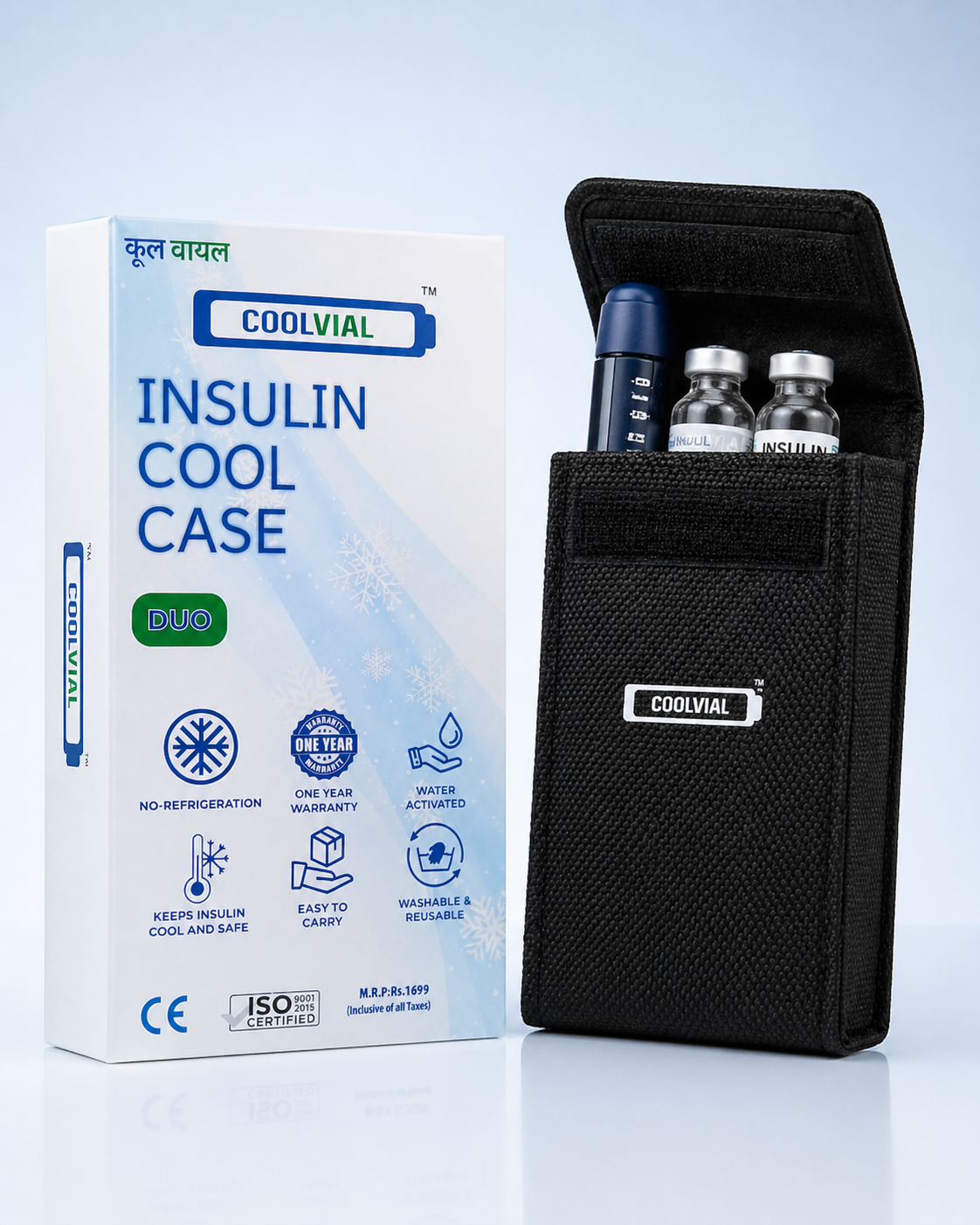
- The COOLVIAL Duo holds 2 pens and 1 vial, making it ideal for most diabetics.
- It maintains insulin at safe temperatures (typically 18-26°C, even in ambient temperatures of 38°C) for 12-16 hours without electricity.
- This active cooling cycle is crucial when ambient temperatures in Kota are well above 30°C.
- Monitor Insulin Temperature: Use a small, portable thermometer to monitor the temperature inside your cooling case or cooler. This ensures your insulin stays within the safe range (below 30°C for in-use, ideally closer to 25°C for maximum safety).
- Re-activate as Needed: If the power cut extends further, reactivate your COOLVIAL Duo by re-submerging the inner pouch when it starts to dry out, typically after 12-16 hours. This continuous cycle can protect your insulin for days.
- Conserve Battery Power: Minimize opening your cooler bag or evaporative case to preserve the cooling effect.
Scenario 4: The Prolonged Outage (24-hour+ cut)
A multi-day power cut is a serious concern, especially if your backup systems fail or are insufficient. This requires leveraging community resources and emergency services.
- Reach Out to Neighbours with Solar/Generators: In areas like Vigyan Nagar or Talwandi, many independent houses have powerful inverters or even solar setups. If a trusted neighbour has a functional refrigerator powered by a robust backup, they might be able to help.
- Visit Nearest 24-Hour Pharmacy: Kota has several 24-hour pharmacies that might have generator backup and refrigeration facilities.
- Apollo Pharmacy: Check for the nearest 24-hour branch. Apollo Pharmacy (e.g., in Talwandi or near Seven Wonders Park) often has better power backup.
- MedPlus: Similarly, MedPlus stores often have robust operations.
- Refer to our detailed guide: 24-Hour Pharmacies in Kota for Insulin Emergencies — Updated List for specific locations and contact numbers. Call ahead to confirm their power status and ability to store insulin.
- Hospital Pharmacy: Hospital pharmacies, especially at major institutions, are equipped with reliable power backup for critical medications.
- Maharao Bhim Singh Hospital (MBS): The pharmacy here is a crucial resource.
- Suwidhi Hospital (Talwandi): Another option, especially for those in the Talwandi area.
- New Medical College Hospital: A large public hospital with essential services.
- Contact the hospital’s main reception or emergency department to inquire about temporary insulin storage or to obtain a fresh supply if yours is compromised.
- Contact Your Doctor: Inform your endocrinologist or diabetologist about the situation. They can provide guidance on assessing insulin viability and adjusting doses if necessary.
- JVVNL Updates: Keep an eye on JVVNL’s official channels for updates on power restoration, especially in your area. They often provide estimated times for repair in case of major breakdowns.
[Verify in 2026]for JVVNL’s official customer care number and social media handles.
4. Essential Tools for Every Kota Diabetic’s Emergency Kit
Having a well-stocked emergency kit is a cornerstone of any effective power cut survival guide for diabetics.
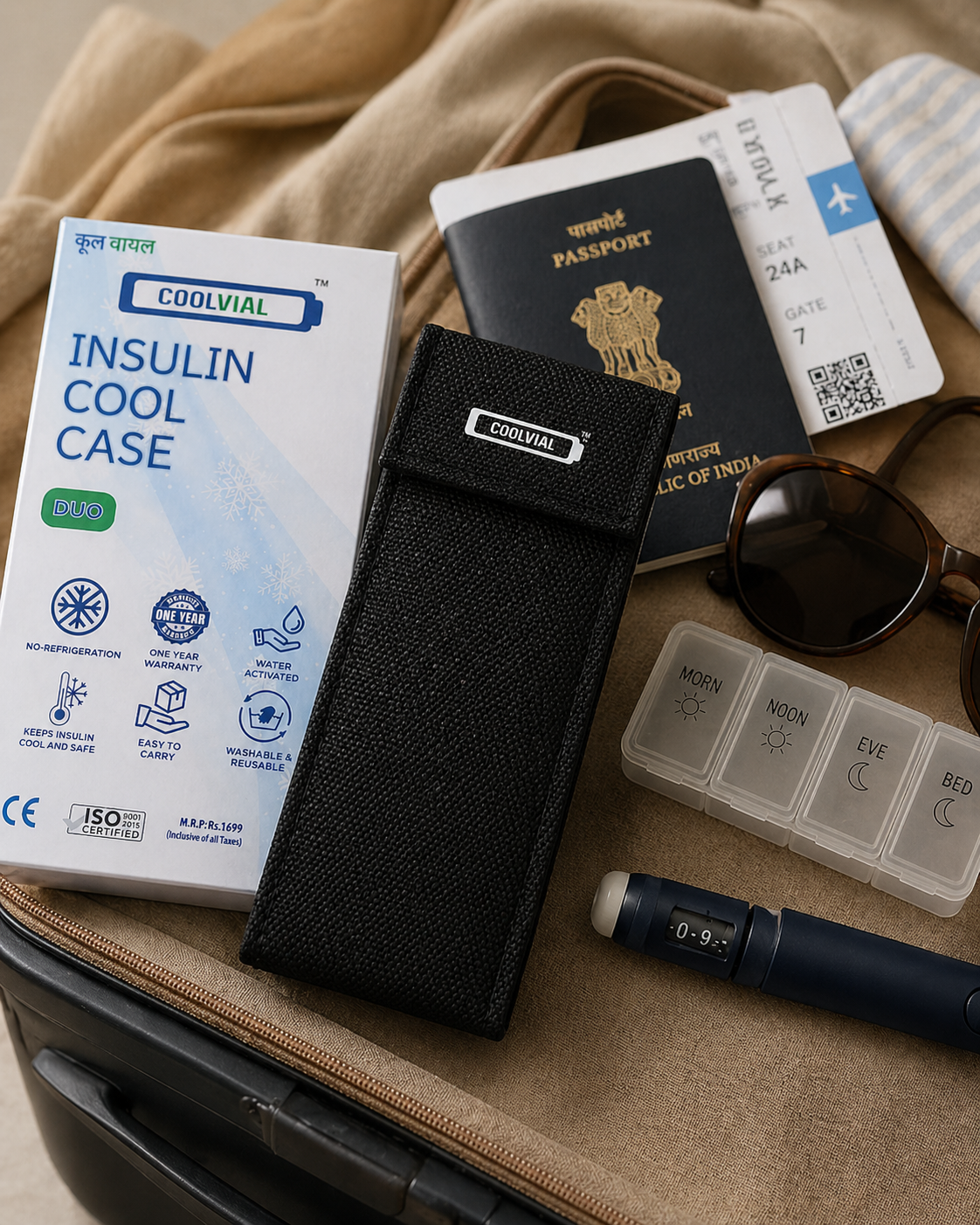
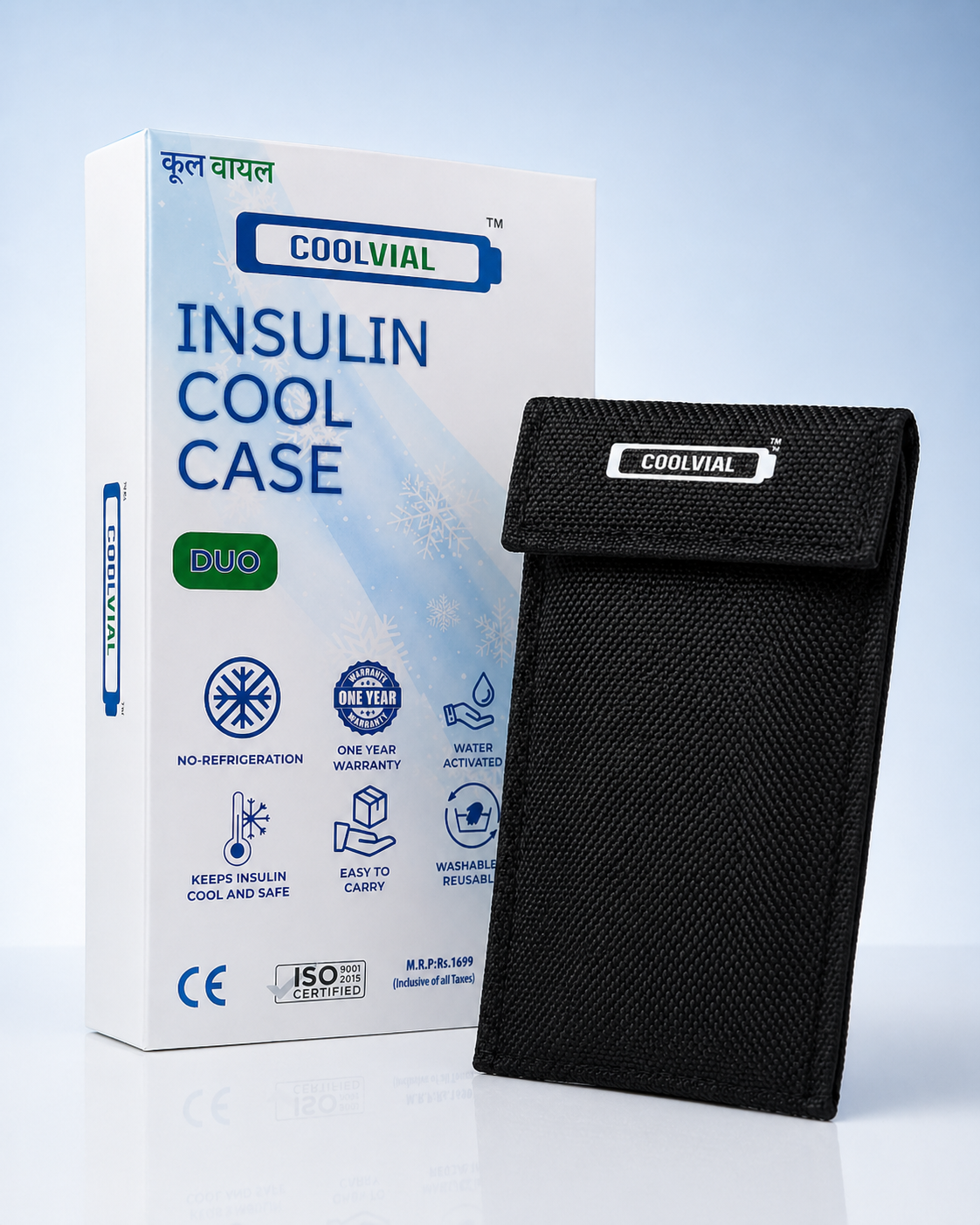
- Insulin Cooling Case (e.g., COOLVIAL Duo): This is your most important tool for extended outages. The COOLVIAL Duo is a water-activated evaporative cooling case that keeps insulin cool for 12-16 hours without electricity. Its compact design holds 2 pens and 1 vial, making it perfect for travel and emergencies. It’s CE certified and ISO 9001:2015 compliant, ensuring reliability.
- Refrigerator Thermometer: A small, inexpensive thermometer placed inside your fridge helps you monitor its temperature when power is restored or during short cuts.
- Portable Insulin Thermometer: A digital thermometer that fits in your cooling case allows you to continuously monitor the temperature of your insulin, ensuring it remains within the safe range.
- Insulated Cooler Bag/Box: A basic insulated bag with an ice pack is good for short-term solutions or as a backup to your evaporative cooler.
- Frozen Gel Packs/Ice Packs: Keep several in your freezer. Remember to wrap insulin to prevent direct contact and freezing.
- Flashlight/Headlamp and Power Bank: Essential for navigating in the dark and keeping your phone charged to access emergency contacts or check for updates.
- Emergency Contact List: A physical list of your doctor, nearest 24-hour pharmacies (like Apollo Pharmacy, MedPlus), and hospital pharmacies (MBS Hospital, Suwidhi Hospital) is crucial, especially if your phone battery dies.
- Extra Insulin Supply: Always try to have a buffer supply of insulin that can last for a few extra days beyond your immediate need.
- Glucagon Kit: In case of severe hypoglycemia due to compromised insulin or other emergency.
- Snacks and Water: Non-perishable snacks and adequate water are important for general well-being during any emergency.
5. Beyond the Fridge: Alternative Insulin Cooling Solutions
While the refrigerator is ideal, during power cuts, alternative cooling methods become critical. Evaporative cooling technology is a game-changer for insulin storage in hot climates like Kota.
- Evaporative Cooling Explained: This technology relies on the principle of evaporation to create a cooling effect. When water evaporates, it draws heat away from the surface it’s evaporating from.
- How it Works: Products like the COOLVIAL Duo contain special crystals or beads within a fabric pouch. When this pouch is immersed in water, the crystals absorb the water and swell into a gel. The water slowly evaporates from the surface of the pouch, actively cooling the contents inside.
- Benefits: This method requires no electricity, batteries, or refrigeration, making it perfect for power outages, travel, or daily use in hot weather. It can keep insulin at safe temperatures (typically 18°C to 26°C) even when the ambient temperature is much higher.
- COOLVIAL Duo — Your Reliable Companion:
- The COOLVIAL Duo is specifically designed for the Indian climate, offering robust protection for your insulin. It can keep insulin cool for 12-16 hours, making it ideal for Kota’s typical power cut durations.
- It holds 2 insulin pens and 1 insulin vial, covering the needs of most users.
- Price Comparison:
- COOLVIAL Duo: Rs 1,099 with code COOLHEAL (MRP Rs 1,699). Offers excellent value for its capacity and cooling duration.
- FRIO: A well-known international brand, often priced around Rs 1,900 for similar capacity, making COOLVIAL a more budget-friendly option without compromising quality.
- Outer Woods OW-12: Another Indian brand, typically priced around Rs 999. While competitive on price, the COOLVIAL Duo offers CE certification and ISO 9001:2015, ensuring adherence to global quality standards.
- Quality Assurance: Being CE certified and ISO 9001:2015, the COOLVIAL Duo adheres to stringent international quality and safety standards. It also comes with a 1-year warranty, providing peace of mind.
- Made in India: Supporting local manufacturing, COOLVIAL is proud to be a Made in India product, designed with the specific needs of Indian diabetics in mind.
- Learn more about proper storage: How to Store Insulin in Kota Summer Heat — A Local’s Guide.
- For comprehensive guidance, explore our general insulin storage tips.
- Discover the full range of products at the COOLVIAL insulin cool case page.
| Feature / Product | COOLVIAL Duo | FRIO (Similar Capacity) | Outer Woods OW-12 (Similar Capacity) |
|---|---|---|---|
| Capacity | 2 pens + 1 vial | 2 pens + 1 vial (approx.) | 2 pens + 1 vial (approx.) |
| Cooling Duration | 12-16 hours | Up to 45 hours (varies by model) | 12-16 hours |
| Cooling Method | Water-activated evaporative | Water-activated evaporative | Water-activated evaporative |
| Price (approx.) | Rs 1,099 (with COOLHEAL code, MRP Rs 1,699) | Rs 1,900 | Rs 999 |
| Certifications | CE certified, ISO 9001:2015 | Medical Device Directive 93/42/EEC | Not specified (check manufacturer) |
| Warranty | 1-year | Varies | Varies |
| Made In | India | UK | India |
The COOLVIAL Duo offers a practical, affordable, and certified solution for diabetics in Kota to manage their insulin during power cuts and travel, ensuring medication remains potent and safe.
6. Navigating Local Resources During a Power Crisis in Kota
5 Essential Power Cut Survival Tips for Diabetics in Kota — What To Do When the Grid Goes Down
48+ hours at 2-8°C. No electricity. CE certified. Free delivery across India.
Order on WhatsApp — ₹1,099🛒 Buy Now — ₹1,099Knowing where to turn when your home remedies aren’t enough is a critical part of any power cut survival guide. Kota offers several resources for diabetics facing prolonged outages.
- 24-Hour Pharmacies: These pharmacies are often equipped with backup power to ensure the continuous storage of sensitive medications like insulin.
- Apollo Pharmacy: With multiple branches across Kota, including in areas like Talwandi and near prominent landmarks such as Seven Wonders Park, Apollo Pharmacy is a reliable option. It’s advisable to call ahead to confirm their current power status and insulin stock.
- MedPlus: Similar to Apollo, MedPlus pharmacies are widely available and often maintain good cold chain facilities.
- 1mg Pharmacy: While primarily online, some 1mg stores might have physical presence and cold storage.
- Generic Aadhaar/Kota Pharmacy: These local pharmacies might also be options, but always verify their power backup and cold storage capabilities.
- For a comprehensive list and contact details, refer to our dedicated article: 24-Hour Pharmacies in Kota for Insulin Emergencies — Updated List.
- Hospital Pharmacies: Hospitals are mandated to maintain power backup for critical medical supplies, making their pharmacies a safe bet during severe power crises.
- Maharao Bhim Singh Hospital (MBS): As a major government hospital, MBS has robust infrastructure to support its pharmacy. This is often the first point of contact for many residents in an emergency.
- Suwidhi Hospital (Talwandi): A well-known private hospital in Talwandi that also maintains a pharmacy with reliable cold chain.
- New Medical College Hospital: Another significant public hospital in Kota with essential medical services and a pharmacy.
- Always call the hospital’s main helpline before visiting to confirm pharmacy hours and insulin availability.
- Local Discom Contact (JVVNL): For updates on power restoration, contact Jaipur Vidyut Vitran Nigam Limited (JVVNL), Kota’s electricity provider. They usually have a customer care number for complaints and inquiries.
[Verify in 2026]for JVVNL’s current 24/7 helpline number. - Community Support: Don’t underestimate the power of local community networks.
- Housing Societies: Your society manager or RWA might have information on local power status or could help coordinate with neighbours who have robust backup systems.
- Neighbours: Building strong relationships with neighbours, especially those with generators, inverters, or solar setups, can be a lifesaver.
Leveraging these local resources effectively can make a significant difference in managing insulin during extended power cuts. For a broader understanding of diabetes management in Kota, you can also consult our Complete Diabetes Care Guide for Kota Residents — 2026 Edition.
7. Proactive Measures: Preparing for the Unpredictable
Preparation is key to mitigating the risks associated with power cuts. A proactive approach ensures you’re never caught off guard.
- Invest in a Reliable Insulin Cooling Case: As discussed, a product like the COOLVIAL Duo is a fundamental investment. It provides independence from electricity and refrigeration, offering consistent cooling when you need it most.
- Emergency Insulin Stock: Always maintain a small emergency supply of insulin that is separate from your in-use vials/pens. This could be an extra pen or vial stored safely, providing a buffer during unexpected disruptions.
- Refrigerator Maintenance: Ensure your refrigerator is well-maintained and seals properly. A well-functioning fridge retains cold air for longer during outages.
- Generator/Inverter Maintenance: If you rely on a generator or inverter, ensure it’s serviced regularly. Check fuel levels for generators and battery health for inverters. In Kota’s extreme weather, these systems can be under significant stress.
- Consider Solar Inverter Setups: For independent house owners in Kota, especially in developing suburbs, investing in a solar inverter setup can provide long-term energy independence and robust backup during power cuts. It’s an eco-friendly and increasingly cost-effective solution.
- Emergency Communication Plan: Have a fully charged power bank for your mobile phone. Know the numbers of your doctor, pharmacies, and JVVNL by heart or have them written down.
- Stay Informed: Monitor local weather forecasts, especially during monsoon and summer, for warnings of potential power disruptions. Follow JVVNL’s updates on their official channels.
- Educate Family Members: Ensure everyone in your household knows the importance of proper insulin storage and what to do during a power cut.
8. Frequently Asked Questions (FAQ)
Q: How long can insulin stay outside the fridge during a power cut in Kota? A: Unopened insulin should ideally stay refrigerated (2-8°C). Opened insulin can be stored at room temperature (below 30°C) for up to 28 days. However, in Kota’s summer, “room temperature” often exceeds 30°C, so it’s critical to use an active cooling method like an evaporative cooling case to keep it below 30°C.
Q: Can I use a regular icebox with ice for insulin during a power cut? A: Yes, a regular icebox with ice can work for a few hours. However, ensure insulin does not directly touch the ice to prevent freezing, which damages insulin. Wrap insulin vials/pens in a cloth or paper towel, and monitor the temperature with a thermometer.
Q: What is the best way to store insulin without electricity in Kota? A: The best way is to use a water-activated evaporative cooling case like the COOLVIAL Duo. It keeps insulin at safe temperatures (18-26°C) for 12-16 hours without electricity, even in ambient temperatures up to 38°C, which is ideal for Kota’s climate.
Q: Where can I get emergency insulin if mine is damaged during a power cut in Kota? A: You can visit 24-hour pharmacies like Apollo Pharmacy or MedPlus, or hospital pharmacies at Maharao Bhim Singh Hospital (MBS), Suwidhi Hospital (Talwandi), or New Medical College Hospital. Always call ahead to confirm availability and power status.
Q: How do I know if my insulin has gone bad due to heat? A: Signs include cloudiness, clumping, particles, or a change in color (for clear insulin). If you notice any of these, or if you suspect it’s been exposed to high temperatures for too long, it’s safer to discard it and use a fresh vial/pen.
Q: Does COOLVIAL Duo require ice packs? A: No, the COOLVIAL Duo works on the principle of evaporative cooling and does not require ice packs or electricity. You simply activate it by submerging the inner pouch in water for a few minutes.
Q: Is it safe to store insulin in an inverter-powered refrigerator? A: Yes, if your inverter can reliably power your refrigerator and maintain the temperature between 2-8°C, it is safe. However, be mindful of the inverter’s battery backup duration and load capacity, especially during long power cuts.
9. Conclusion: Stay Cool, Stay Safe
Living with diabetes in Kota, with its unique power challenges, requires foresight and effective solutions. A comprehensive power cut survival guide is not just about reacting to an emergency; it’s about building resilience. From understanding Kota’s specific power patterns to having an emergency kit ready, every step you take contributes to safeguarding your health.
The COOLVIAL Duo offers a reliable, electricity-free solution to keep your insulin safe during those inevitable power cuts and while travelling across Rajasthan’s varied landscapes. Its CE certification, ISO 9001:2015 compliance, and 1-year warranty ensure you’re investing in a quality, Made in India product designed for your peace of mind.
Don’t let power outages compromise your health. Be prepared, stay informed, and equip yourself with the right tools.
Order your COOLVIAL Duo today at Rs 1,099 with code COOLHEAL at coolvial.com or via WhatsApp wa.me/918766952300.
Medical Disclaimer
This article is for general information purposes only and does not constitute medical advice. Always consult your endocrinologist or diabetologist before changing insulin storage or dosing practices, or if you have concerns about your insulin’s viability.
Methodology Note
How We Researched This — This article is based on a thorough review of insulin storage guidelines from leading medical authorities such as RSSDI (Research Society for the Study of Diabetes in India) and ICMR-INDIAB (Indian Council of Medical Research - India Diabetes) study data. Local Kota context was gathered from publicly available information on Kota hospital directories, general knowledge of the city’s climate and infrastructure, and the operational networks of major pharmacy chains like Apollo Pharmacy. Specific local data points for discom details, pin codes, and exact pharmacy branch hours are noted with [Verify in 2026] for real-time validation.