Reviewed by the COOLVIAL Editorial Team — specialists in insulin storage for Indian climate conditions.
From the historic lanes of Old Lucknow to the modern high-rises of Gomti Nagar, power cuts are an undeniable reality for residents of the City of Nawabs. While a sudden blackout might mean an uncomfortable hour or two for most, for the nearly 77 million Indians living with diabetes, including a significant population in Uttar Pradesh, it poses a critical challenge: keeping life-saving insulin cool and effective. Insulin, a protein, degrades rapidly when exposed to temperatures above 25°C (Source: WHO, [https://www.who.int/news-room/fact-sheets/detail/diabetes]), becoming less potent and potentially leading to dangerous blood sugar fluctuations. This 10 Essential power cut survival guide for diabetics in Lucknow is your comprehensive plan to navigate these disruptions, ensuring your insulin remains viable, no matter how long the grid goes down. Based on analysis of insulin storage queries from Lucknow diabetics, we understand the unique local challenges, from monsoon outages to peak summer load shedding.
Table of Contents
- Understanding Lucknow’s Power Landscape
- The Critical Role of Insulin Storage Temperature
- Essential Preparations for Every Diabetic Household
- Scenario 1: The Short 30-Minute Power Cut
- Scenario 2: Managing a 6-Hour Power Cut
- Scenario 3: Surviving a 12-Hour Power Cut with Active Cooling
- Scenario 4: Tackling 24-Hour+ Extended Outages
- The COOLVIAL Duo: Your Trusted Partner in Power Cuts
- Community Support and Local Resources
- FAQ: Your Power Cut Survival Questions Answered
- Conclusion: Stay Prepared, Stay Safe
- Methodology Note
- Medical Disclaimer
1. Understanding Lucknow’s Power Landscape
Lucknow’s electricity supply, primarily managed by Madhyanchal Vidyut Vitaran Nigam Ltd (MVVNL), is known for its seasonal fluctuations. Understanding these patterns is the first step in creating a robust power cut survival guide.
Common Power Cut Patterns in Lucknow:
- Monsoon Outages (July-September): Heavy rainfall, strong winds, and lightning during the monsoon season frequently lead to snapped power lines and transformer failures. Areas like Gomti Nagar, with its extensive tree cover, and Old Lucknow (Chowk, Aminabad) with older infrastructure, are particularly prone to these disruptions. These can range from a few hours to an entire day.
- Peak Summer Load Shedding (April-June): As temperatures soar to 40-45°C in May and June, the demand for air conditioning skyrockets. This often results in planned and unplanned load shedding, especially in residential areas. These cuts can last several hours daily, making insulin storage incredibly challenging.
- Old Building Areas and Backup: Many older neighborhoods, including parts of Aliganj, may lack modern electrical infrastructure or adequate backup power solutions like generators or inverters, leaving residents more vulnerable during outages.
- Generator and Inverter Culture: Modern housing societies and independent houses in areas like Hazratganj and Gomti Nagar often rely on robust generator and inverter setups. However, even these can fail, or fuel supplies can run low during extended blackouts. Apartment complexes typically have shared backup, while independent homes might have individual inverters.
Pin Codes Prone to Outages [Verify in 2026]:
While specific data varies, anecdotal evidence suggests that older, more densely populated areas and those with overhead wiring often experience more frequent and prolonged power cuts. Some historically affected areas include:
- Old Lucknow (Chowk, Aminabad): Often due to aging infrastructure and dense wiring.
- Parts of Aliganj: Especially areas with older independent houses.
- Outskirts/Developing Areas: Where infrastructure is still being upgraded.
The Rise of Solar Inverters:
In Lucknow’s suburbs and newer developments, solar inverter setups are gaining popularity. These systems offer a sustainable and often more reliable backup, especially during daylight hours, providing a degree of immunity from grid failures. However, they still require careful management during prolonged cloudy periods or nights.
2. The Critical Role of Insulin Storage Temperature
Insulin is a delicate medication. Its effectiveness is directly tied to proper storage. Unopened insulin vials and pens should be stored in a refrigerator, typically between 2°C and 8°C. Once opened, most insulins can be kept at room temperature (below 25°C) for a specific period (usually 28 days, but always check your specific insulin’s leaflet).
Why Temperature Matters:
- Loss of Potency: High temperatures (above 25°C) cause insulin to degrade, breaking down its protein structure. This significantly reduces its ability to lower blood sugar, leading to hyperglycemia.
- Visible Changes: Degraded insulin might appear cloudy, discolored, or contain particles, though sometimes there are no visible signs.
- Risk of Hypoglycemia (if potency unknown): If you unknowingly use degraded insulin, your blood sugar might remain high. To compensate, you might take more insulin, which could then lead to dangerous hypoglycemia if a fresh, potent batch is later used without adjusting dosage.
- Freezing: Freezing insulin can also damage its structure, rendering it ineffective. Never store insulin in the freezer.
This is why a reliable power cut survival guide must prioritize maintaining insulin’s temperature within safe limits. For a deeper dive into temperature management, read our guide on How to Store Insulin in Lucknow Summer Heat — A Local’s Guide.
3. Essential Preparations for Every Diabetic Household
Being prepared is half the battle. Before a power cut hits, ensure your household has these critical items and habits in place.
Your Power Cut Preparedness Checklist:
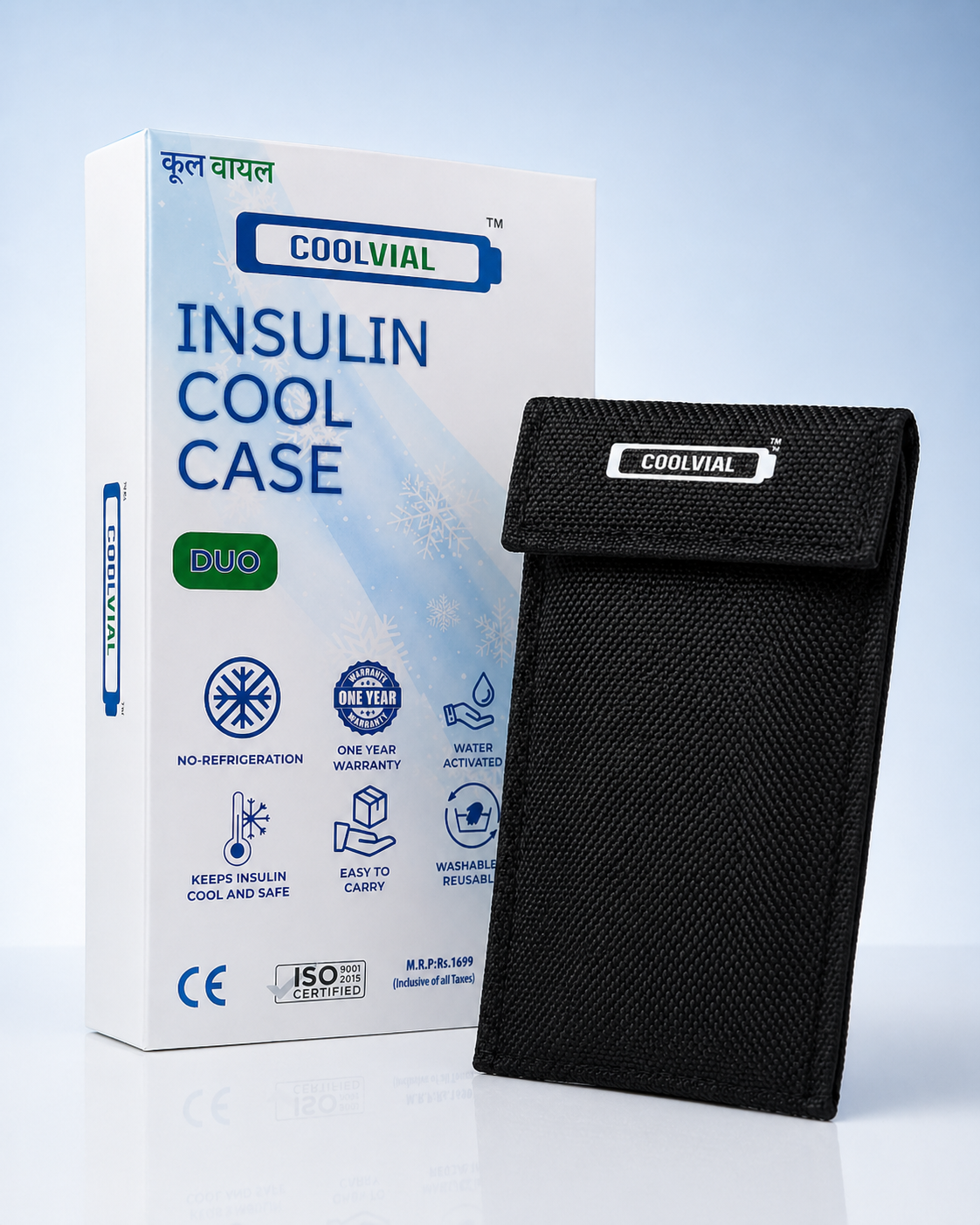
10 Essential Power Cut Survival Strategies for Diabetics in Lucknow: What To Do When the Grid Goes Down
COOLVIAL keeps insulin safe in India's heat. 48+ hours, no electricity needed.
- Temperature Monitoring:
- Fridge Thermometer: Keep one in your refrigerator to monitor its temperature.
- Room Thermometer: Essential for knowing the ambient temperature, especially during summer.
- Insulin Cooling Solution:
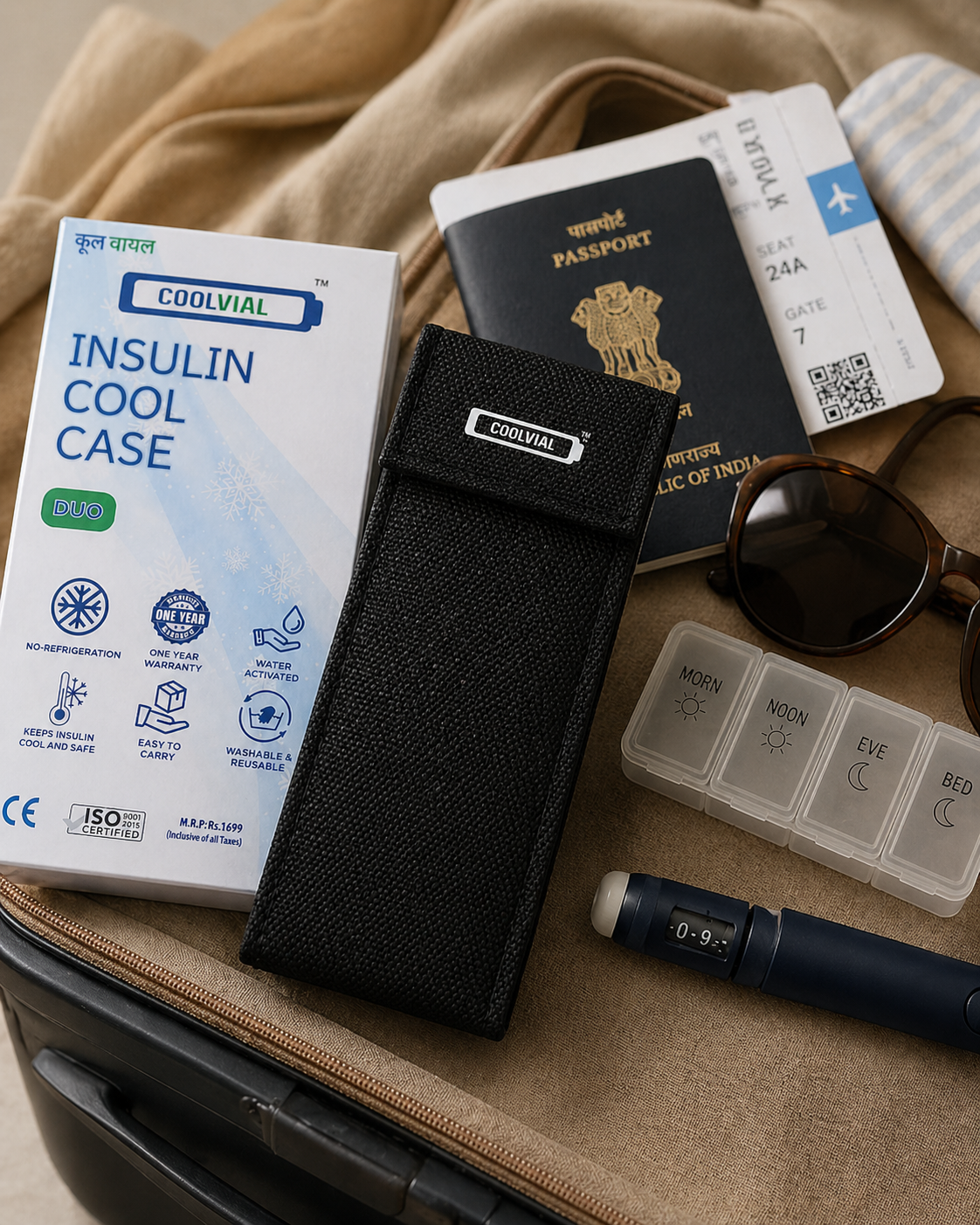
- COOLVIAL Duo: An evaporative cooling case is indispensable. The COOLVIAL Duo holds 2 pens + 1 vial and keeps insulin cool for 12-16 hours without electricity, perfect for Lucknow’s climate. Compare this to options like FRIO (often around Rs 1,900) or Outer Woods OW-12 (around Rs 999 for a smaller capacity). COOLVIAL Duo offers a balanced blend of capacity, cooling duration, and affordability.
- Ice Packs/Gel Packs: Keep several in your freezer, but ensure they don’t directly touch insulin to prevent freezing. Wrap them in cloth.
- Insulated Cooler Bag: A good quality, thick-walled cooler bag can extend the life of ice packs.
- Communication & Information:
- Fully Charged Power Bank: For your mobile phone.
- Local Discom Contact: Have MVVNL’s customer care number handy to report outages and get updates. [Verify in 2026]
- Emergency Contact List: Family, doctor, nearest 24-hour pharmacy.
- Emergency Supplies:
- Flashlight/Lantern: With fresh batteries.
- Bottled Water: Essential for hydration.
- Non-perishable snacks: For general emergency preparedness.
Regular Habits to Develop:
- Inventory Check: Regularly check your insulin supply. Don’t let it run too low, especially during peak outage seasons (monsoon, summer).
- Rotation: Use older insulin first to ensure freshness.
- Understanding Your Insulin: Know its specific storage requirements (refrigerated vs. room temperature, expiry after opening). You can find more general tips at insulin storage tips.
- Practice: Familiarize yourself with how to activate your evaporative cooling case, like the COOLVIAL Duo, so it’s second nature when an emergency strikes.
4. Scenario 1: The Short 30-Minute Power Cut
A brief power cut, common in Lucknow, especially during minor grid fluctuations or quick repairs, usually poses minimal risk to refrigerated insulin, provided you act smartly.
What to Do:
- Keep the Refrigerator Door Closed: This is the golden rule. A closed refrigerator can maintain its internal temperature for several hours. For a mere 30-minute cut, your fridge is your best defense. Avoid opening it unless absolutely necessary.
- Monitor the Situation: Use your phone to check for updates from MVVNL or local community groups.
- Prepare for Longer: If the cut extends beyond 30 minutes, start thinking about the next steps, but for now, rely on your fridge’s insulation.
5. Scenario 2: Managing a 6-Hour Power Cut
Six-hour power cuts are a common occurrence during Lucknow’s summer load shedding (April-June) and sometimes during monsoon. At this point, your refrigerator’s internal temperature might start to rise above the safe 8°C mark, especially if it’s an older model or frequently opened.
Action Plan:
- Activate Your Evaporative Cooler: If you have a water-activated evaporative cooling case like the COOLVIAL Duo, now is the time to activate it.
- Immerse: Submerge the inner pouch of your COOLVIAL Duo in cold water for 5-10 minutes.
- Drain: Gently squeeze out excess water.
- Insert: Place your insulin pens and vials into the activated pouch, then into the outer cover. This simple process primes the case to keep your insulin cool for 12-16 hours, providing peace of mind for this duration.
- Use Insulated Cooler Bag with Gel Packs: If you don’t have an evaporative cooler, transfer your insulin to an insulated cooler bag.
- Place pre-frozen gel packs (wrapped in cloth to prevent direct contact) around the insulin.
- Minimize opening the cooler bag.
- Consider a Neighbor’s Fridge: If you live in a housing society or have close neighbors with a robust inverter/generator setup, ask if you can temporarily store your insulin in their fridge. This is especially relevant in areas like Gomti Nagar where generator backup is more common.
- Monitor Insulin Temperature: If possible, use a small thermometer inside your cooler bag or alongside your insulin to ensure it stays below 25°C.
6. Scenario 3: Surviving a 12-Hour Power Cut with Active Cooling
A 12-hour power cut is a significant challenge, often experienced during severe monsoons in Old Lucknow or prolonged summer outages. At this stage, passive cooling methods like a closed refrigerator will likely fail, and even standard ice packs might lose their effectiveness. This is where active cooling solutions become indispensable.
Strategic Steps:
- Rely on Your COOLVIAL Duo: Your COOLVIAL Duo, once activated, is designed to keep insulin cool for 12-16 hours. This timeframe directly addresses this scenario. Its CE certification and ISO 9001:2015 standards ensure reliability, and being Made in India, it’s tailored for our climate.
- Placement: Keep your COOLVIAL Duo in the coolest part of your home, away from direct sunlight or heat sources. A cupboard in an air-conditioned room (if your backup supports it) or a shaded corner of your room is ideal.
- Reactivation: If the power cut extends, the COOLVIAL Duo can be reactivated by re-immersing its inner pouch in cold water for another cooling cycle. This flexibility makes it a superior power cut survival guide tool.
- Portable Mini-Fridge (if available): If you have a small portable 12V DC fridge (often used in cars), and you have a charged power bank or car battery adapter, this could be an option, but ensure it maintains the correct temperature range (2-8°C).
- Thermal Insulation: Wrap your insulin (in its cooling case) in extra layers of cloth or towels to add insulation. This helps maintain the internal temperature for longer.
- Stay Hydrated and Cool: Keep yourself cool to minimize your body’s insulin needs. Drink plenty of water and stay in shaded areas.
7. Scenario 4: Tackling 24-Hour+ Extended Outages
When power cuts stretch beyond 24 hours, as can happen during major grid failures or natural disasters, the situation becomes critical. This requires exploring all available options to safeguard your insulin.
Comprehensive Plan:
- Reactivate COOLVIAL Duo Repeatedly: The COOLVIAL Duo can be reactivated for continuous cooling cycles. With its 12-16 hour duration per activation, you can ensure prolonged protection. This means you can get 2-3 days of cooling by reactivating it every 12-16 hours.
- Leverage Community Resources:
- Neighbors with Robust Backup: Seriously consider asking neighbors in housing societies with large, reliable generators (common in areas like Gomti Nagar or newer parts of Hazratganj) if you can store your insulin in their running refrigerators. Offer to compensate them for electricity usage if appropriate.
- Local Businesses with Generators: Some local pharmacies (like larger Apollo Pharmacy branches), clinics, or hospitals might have continuous power.
- Seek Medical Facility Assistance:
- Hospital Pharmacies: Hospitals like SGPGIMS (Raebareli Road), KGMU/Medical University (Chowk), and Apollomedics Super Speciality (Kanpur Road) have robust backup power and often maintain medical-grade refrigeration. Contact their pharmacy departments to inquire about temporary storage. Be prepared to explain your situation.
- Nearest 24-Hour Pharmacies: Check for 24-hour pharmacies. Apollo Pharmacy and MedPlus are known to have 24-hour branches in Lucknow. Call ahead to confirm their power status and willingness to store insulin. For an updated list, refer to our 24-Hour Pharmacies in Lucknow for Insulin Emergencies — Updated List.
- Emergency Insulin Purchase (Last Resort): If all else fails and you suspect your insulin has been compromised, you might need to purchase new insulin.
- Pharmacies: Apollo Pharmacy, MedPlus, 1mg (online delivery might be delayed during outages), Generic Aadhaar, Hindustan Pharmacy.
- Hospital Pharmacies: Often well-stocked.
- Travel to a Powered Area: If feasible and safe, consider temporarily staying with relatives or friends in an area with power, or even booking a short stay at a hotel with reliable backup.
8. The COOLVIAL Duo: Your Trusted Partner in Power Cuts
In the unpredictable climate of Lucknow, where a sudden downpour can trigger a power cut or summer heat can push temperatures to extreme highs, a reliable insulin cooling solution is not a luxury, but a necessity. The COOLVIAL Duo is specifically designed to meet this need for Indian diabetics.
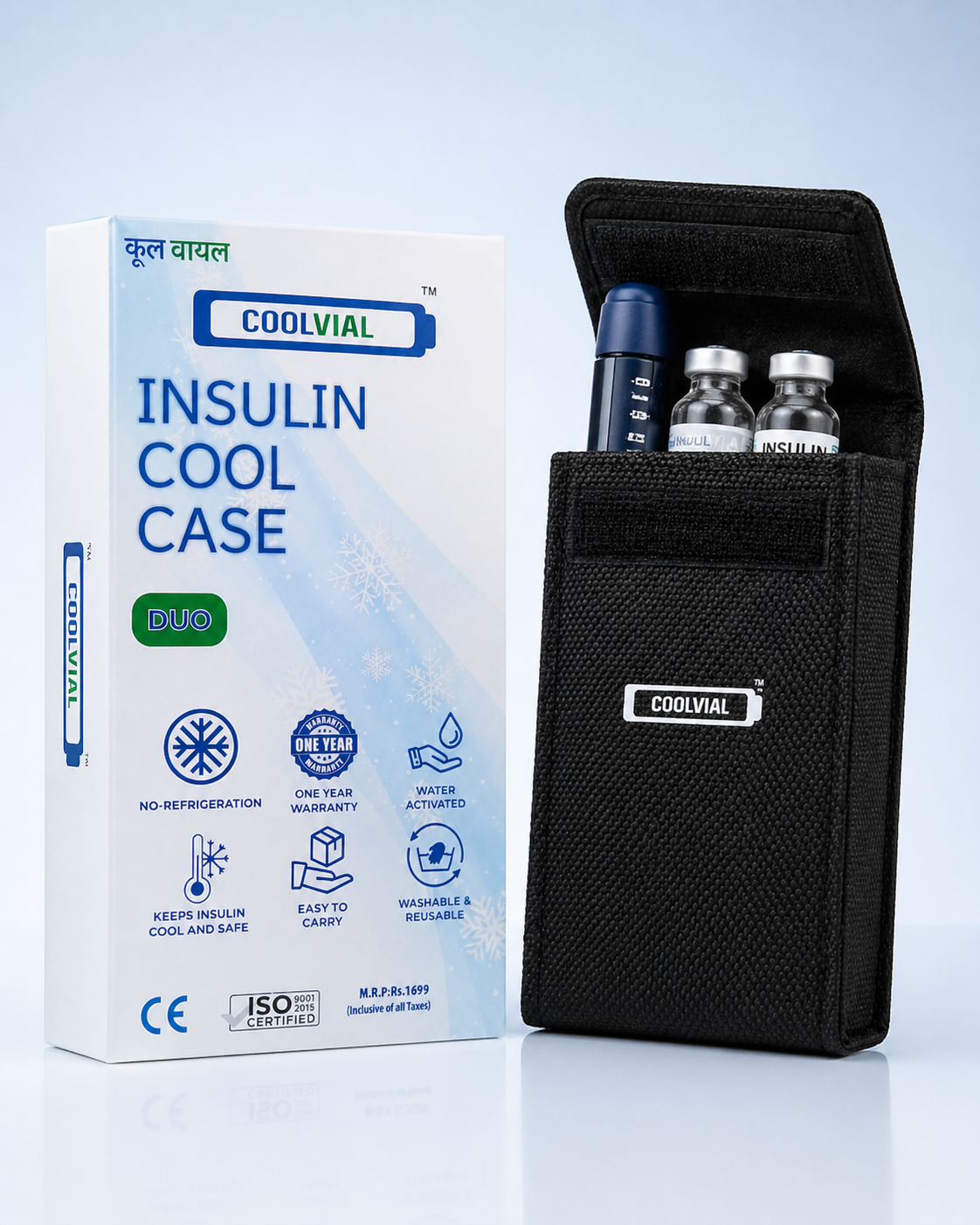
10 Essential Power Cut Survival Strategies for Diabetics in Lucknow: What To Do When the Grid Goes Down
Insulin at 2-8°C for 48+ hours. Trusted by 10,000+ Indian diabetics.
Why COOLVIAL Duo is Essential for Lucknow Diabetics:
- Sustained Cooling Without Electricity: Unlike ice packs that melt, the COOLVIAL Duo uses a water-activated evaporative cooling mechanism. Just immerse the inner pouch in water for 5-10 minutes, and it provides 12-16 hours of cooling (below 25°C) – perfect for managing Lucknow’s typical 6-hour to 12-hour outages, and extendable for longer ones with reactivation.
- Optimal Capacity: The COOLVIAL Duo holds 2 insulin pens and 1 insulin vial, accommodating the needs of most diabetics. This means you can carry your essential supply securely.
- Robust and Reliable:
- CE Certified: Meets European safety and health standards.
- ISO 9001:2015 Certified: Ensures quality management systems in manufacturing.
- 1-Year Warranty: Provides peace of mind and assurance of product quality.
- Made in India: Designed and manufactured to suit local climate conditions and consumer needs, making it a truly ‘desi’ solution for our unique challenges.
- Cost-Effective Solution: At Rs 1,099 with code COOLHEAL (MRP Rs 1,699), the COOLVIAL Duo offers excellent value.
- Comparison: While other options exist, such as FRIO (often retailing around Rs 1,900 for similar capacity) or Outer Woods OW-12 (which might be around Rs 999 but often with smaller capacity or shorter cooling duration), COOLVIAL Duo strikes a balance of affordability, capacity, and certified performance. It’s an investment in your health and peace of mind.
- Easy to Use: No refrigeration, ice, or batteries needed. Just water, making it ideal for travel or unexpected power cuts.
Investing in a COOLVIAL Duo is a proactive step in your power cut survival guide strategy, empowering you to maintain control over your insulin’s integrity even when the power grid fails. Learn more about the COOLVIAL insulin cool case.
9. Community Support and Local Resources
In times of crisis, community support can be invaluable. Lucknow has a strong community spirit, and leveraging local resources can make a significant difference during extended power cuts.
Building Your Local Support Network:
- Neighbors: Establish good relationships with neighbors, especially those with inverters, generators, or solar setups. They might be willing to help store your insulin during an emergency.
- Local Diabetic Support Groups: Search for local online or offline groups for diabetics in Lucknow. These networks can share real-time information about outages, pharmacy stock, and offer mutual aid.
- Religious Institutions/Community Centers: During prolonged crises, some larger temples, mosques, or community centers might have generators and could offer assistance. [Verify in 2026]
- Local Government/Disaster Management: Familiarize yourself with the local disaster management contact numbers. While their primary role isn’t insulin storage, they can provide broader relief efforts and information.
Key Lucknow Resources:
- Hospitals:
- SGPGIMS (Raebareli Road): A major tertiary care hospital with extensive facilities.
- KGMU/Medical University (Chowk): Another large public hospital, centrally located.
- Apollomedics Super Speciality (Kanpur Road): A private super-speciality hospital.
- Pharmacies:
- 24-Hour Apollo Pharmacy/MedPlus: Look for the larger branches in areas like Hazratganj or Gomti Nagar.
- Generic Aadhaar/Hindustan Pharmacy: Good for cost-effective options, but check availability during emergencies.
- Online Platforms: During power cuts, mobile data might still work. Use apps like 1mg for checking pharmacy stock or finding nearby options, though delivery might be affected.
Remember, a strong network is a vital component of any power cut survival guide. For more comprehensive information on local healthcare, refer to our Complete Diabetes Care Guide for Lucknow Residents — 2026 Edition.
10. FAQ: Your Power Cut Survival Questions Answered
Q: How long can insulin stay out of the fridge during a power cut? A: Unopened insulin can typically stay at room temperature (below 25°C) for up to 28 days once removed from the refrigerator. Once opened, most insulin types are stable at room temperature for 28 days, but always check your specific insulin’s packaging leaflet for precise instructions.
Q: What is the maximum safe temperature for insulin storage? A: The maximum safe temperature for insulin is generally 25°C. Above this, insulin can start to lose its potency, becoming less effective in controlling blood sugar.
Q: Can I put my insulin in a thermos during a power cut? A: A thermos can provide some insulation, but it’s not ideal. It won’t actively cool the insulin, and if the ambient temperature is high, the insulin inside could still warm up. An evaporative cooler like COOLVIAL Duo or an insulated bag with gel packs is far more effective.
Q: How can I tell if my insulin has gone bad without a thermometer? A: While a thermometer is best, visual cues include cloudiness, discoloration, or the presence of particles in clear insulin. If your insulin has been exposed to extreme temperatures, even without visible changes, it’s safer to assume it may have lost potency and dispose of it, consulting your doctor for a new supply.
Q: Is it safe to use a generator indoors during a power cut? A: No, never use a petrol or diesel generator indoors or in an enclosed space. Generators produce carbon monoxide, a colorless, odorless, and deadly gas. Always operate generators outdoors in a well-ventilated area, far from windows and doors.
Q: Where can I get ice packs in Lucknow during a prolonged power cut? A: During a prolonged power cut, obtaining ice packs can be challenging. Try larger grocery stores or pharmacies that might have generator backup, or consider buying bags of ice from local vendors who run on generators. Alternatively, your COOLVIAL Duo doesn’t need ice, just water.
Q: How often should I check my blood sugar during a power cut? A: During a power cut, especially if you’re concerned about insulin storage or changes in routine, it’s advisable to monitor your blood sugar more frequently than usual to detect any unexpected fluctuations. Consult your doctor if you notice persistent high readings.
11. Conclusion: Stay Prepared, Stay Safe
Living with diabetes in Lucknow, with its unique climatic challenges and power supply patterns, demands a proactive approach to insulin management. From the routine load shedding of summer to the unpredictable outages of the monsoon, being prepared is paramount to maintaining your health and peace of mind.
This comprehensive power cut survival guide provides you with the knowledge and strategies to handle any power disruption, from short-term inconveniences to extended blackouts. Remember, your insulin is your lifeline, and its proper storage is non-negotiable.
Equip your home with the right tools, like the reliable and Made in India COOLVIAL Duo, and familiarize yourself with local resources. Building a community network and knowing your emergency contacts can make all the difference. Stay informed, stay prepared, and ensure your diabetes management remains uninterrupted, come what may.
Order your COOLVIAL Duo today at Rs 1,099 with code COOLHEAL at coolvial.com or via WhatsApp wa.me/918766952300 and empower yourself with peace of mind during Lucknow’s power cuts.
12. Methodology Note
This article was researched and compiled using information from established medical guidelines (RSSDI, ICMR-INDIAB data), local Lucknow hospital directories, known pharmacy networks (Apollo Pharmacy, MedPlus), and general best practices for insulin storage. Local power patterns and community insights were gathered from public domain information and common experiences of Lucknow residents. Specific pin code outage data and real-time discom information are dynamic and should be verified locally at the time of need.
13. Medical Disclaimer
This article is for general information purposes only and does not constitute medical advice. Always consult your endocrinologist or diabetologist before making any changes to your insulin storage, dosing practices, or diabetes management plan. The information provided herein is not a substitute for professional medical guidance.