Reviewed by the COOLVIAL Editorial Team — specialists in insulin storage for Indian climate conditions.
Meerut, the historic city in Uttar Pradesh, is no stranger to power outages. From the sweltering heat of April-June, when temperatures can soar to 44°C, to the unpredictable monsoon downpours that often lead to grid failures, managing daily life with diabetes requires careful planning. For the estimated 1 in 10 adults in Uttar Pradesh living with diabetes (Source: ICMR-INDIAB study), a power cut can pose a significant challenge, especially when it comes to keeping life-saving insulin at the correct temperature. This power cut survival guide is designed specifically for Meerut residents, offering a complete 5-step approach to ensure your insulin remains effective, no matter how long the lights stay off. Based on analysis of insulin storage queries from Meerut diabetics, we understand the unique local challenges and provide practical solutions.
Table of Contents
- Meerut’s Power Landscape: Understanding Local Outages
- The Golden Rule: Understanding Insulin Storage Temperatures
- Scenario 1: The Brief Blip (30-Minute Power Cut)
- Scenario 2: The Extended Interruption (6-Hour Power Cut)
- Scenario 3: The Day-Long Disruption (12-Hour Power Cut)
- Scenario 4: The Prolonged Outage (24-Hour+ Power Cut)
- Beyond the Fridge: Smart Solutions for Insulin Cooling
- Preparing Your Emergency Kit: A Proactive Approach
- When to Discard Insulin: Safety First
- Frequently Asked Questions (FAQs)
- How We Researched This
- Medical Disclaimer
Meerut’s Power Landscape: Understanding Local Outages
Living in Meerut means being accustomed to a certain rhythm of power supply. The local electricity provider, Paschimanchal Vidyut Vitran Nigam Limited (PVVNL), strives to provide continuous power, but certain patterns and areas are more prone to disruptions. Understanding these local nuances is the first step in your power cut survival guide.
- Monsoon Outages (July-September): Heavy rainfall, strong winds, and waterlogging frequently cause power lines to snap or substations to malfunction. Areas like Sastri Nagar/Civil Lines and the Begum Bridge area, with their older infrastructure and dense tree cover, often experience prolonged outages during the monsoon.
- Peak Summer Load Shedding (April-June): As temperatures climb, the demand for electricity skyrockets due to widespread use of air conditioners and coolers. This leads to planned (and sometimes unplanned) load shedding, especially in residential zones. Meerut’s summers, reaching up to 44°C, make insulin storage particularly critical during these periods.
- Old-Building Areas: Parts of Shastri Nagar, with their older buildings and sometimes outdated wiring, often lack robust backup power systems like generators or inverters. Residents here need to be extra vigilant and have alternative cooling solutions ready.
- Generator and Inverter Culture: Many housing societies and independent houses in Meerut have invested in generators or inverters.
- Housing Societies: Modern apartments often have centralized backup, providing power for basic necessities (lights, fans, sometimes one AC point) for several hours. This can typically keep refrigerators running.
- Independent Houses: Many independent homes rely on personal inverters, which are sufficient for lights, fans, and sometimes a small fridge, but prolonged outages can drain them. Generators are less common for residential use due to noise and fuel costs.
- Outage-Prone Pin Codes: While specific pin codes vary, areas with older infrastructure, dense population, or those at the periphery of the city’s power grid tend to face more frequent and longer outages. [Verify in 2026] Check PVVNL’s official website or local news for real-time outage maps.
The Golden Rule: Understanding Insulin Storage Temperatures
Before diving into specific scenarios, it’s crucial to understand the fundamental rules of insulin storage. Insulin is a temperature-sensitive medication, and improper storage can compromise its efficacy, leading to unpredictable blood sugar levels.
- Unopened Insulin: This should always be stored in a refrigerator at temperatures between 2°C and 8°C. This is typically the bottom shelf or a dedicated drawer in your fridge, away from the freezer compartment.
- Opened/In-Use Insulin: Once opened, most insulin vials and pens can be kept at room temperature (up to 25-30°C) for 28 days. However, Meerut’s summer temperatures often exceed this range, making alternative cooling solutions essential even for in-use insulin.
- Why Temperature Matters: Exposure to extreme heat (above 30°C) can cause insulin proteins to denature, rendering it ineffective. Freezing, on the other hand, can damage the insulin molecule, causing it to separate and lose potency.
For more detailed guidance on handling insulin in local conditions, refer to our comprehensive article: How to Store Insulin in Meerut Summer Heat — A Local’s Guide. Always remember that the goal is to prevent both freezing and overheating.
Scenario 1: The Brief Blip (30-Minute Power Cut)
A short power cut is a common occurrence in Meerut. While annoying, it generally poses minimal risk to your insulin if you follow a few simple rules.
- Stay Calm: For cuts lasting less than an hour, your refrigerator will maintain a safe temperature internally, provided you keep the door closed.
- Keep the Fridge Door Closed: This is the single most important action. Each time you open the door, cold air escapes, and warm air enters, quickly raising the internal temperature.
- Avoid Unnecessary Access: Resist the urge to check on your food or drinks. Every minute the door stays shut, the fridge works to protect its contents, including your insulin.
- Monitor Power Restoration: Once power returns, allow a few hours for the refrigerator to stabilize its internal temperature before resuming normal use.
Scenario 2: The Extended Interruption (6-Hour Power Cut)
A 6-hour power cut is long enough to begin affecting your refrigerator’s internal temperature, especially during Meerut’s hot summers. This is when proactive steps become crucial.
- Assess Fridge Temperature: After 4-6 hours without power, a refrigerator’s temperature can begin to rise above 8°C. Use a thermometer if you have one.
- Prepare a Cooler Bag: If you anticipate the cut lasting longer, prepare a small, insulated cooler bag.
- Transfer Insulin: Carefully transfer your unopened insulin vials/pens from the fridge into the cooler bag.
- Add Cooling Elements: Place frozen gel packs or ice packs (wrapped in cloth to prevent direct contact and potential freezing) around the insulin. Ensure the insulin itself does not freeze.
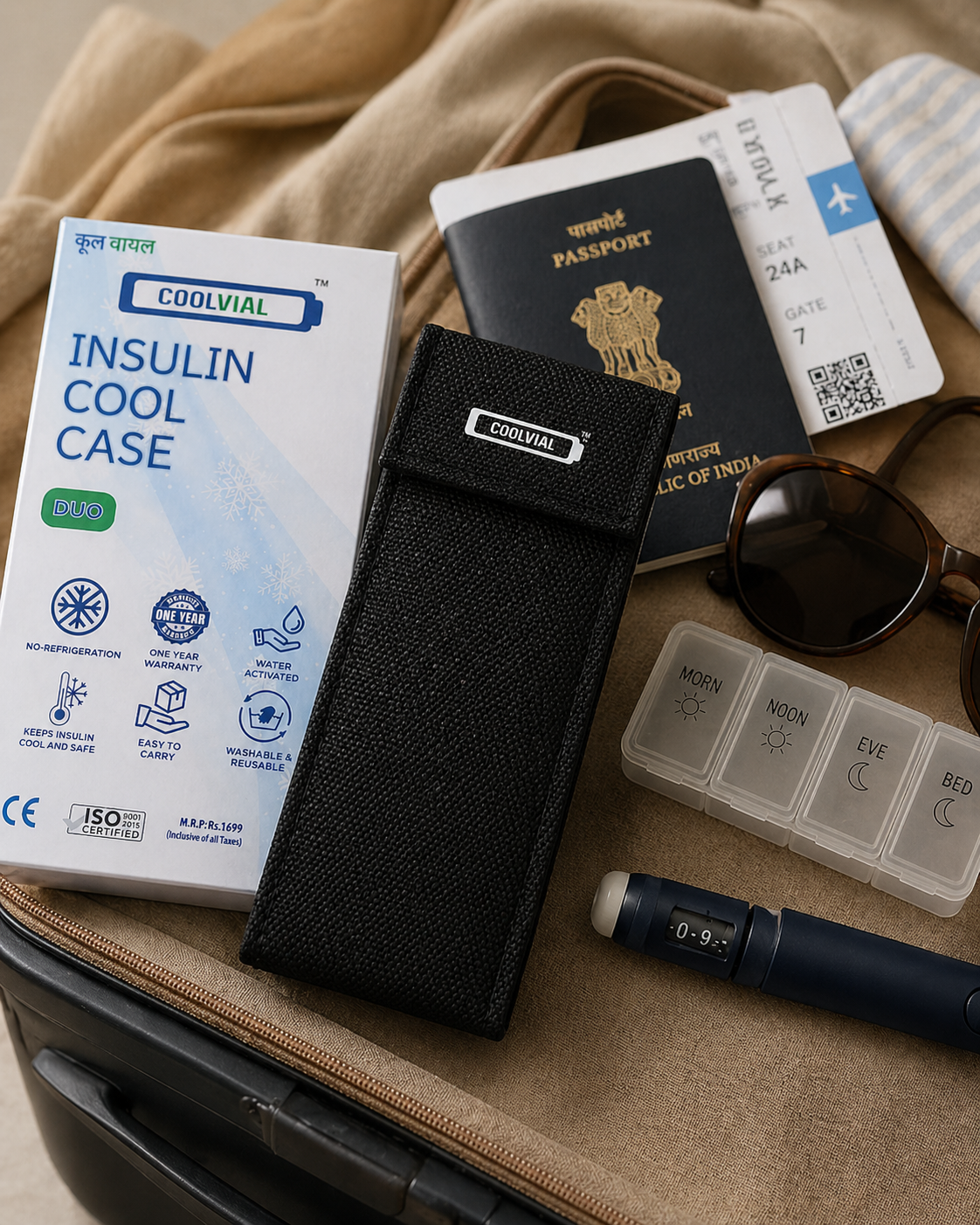
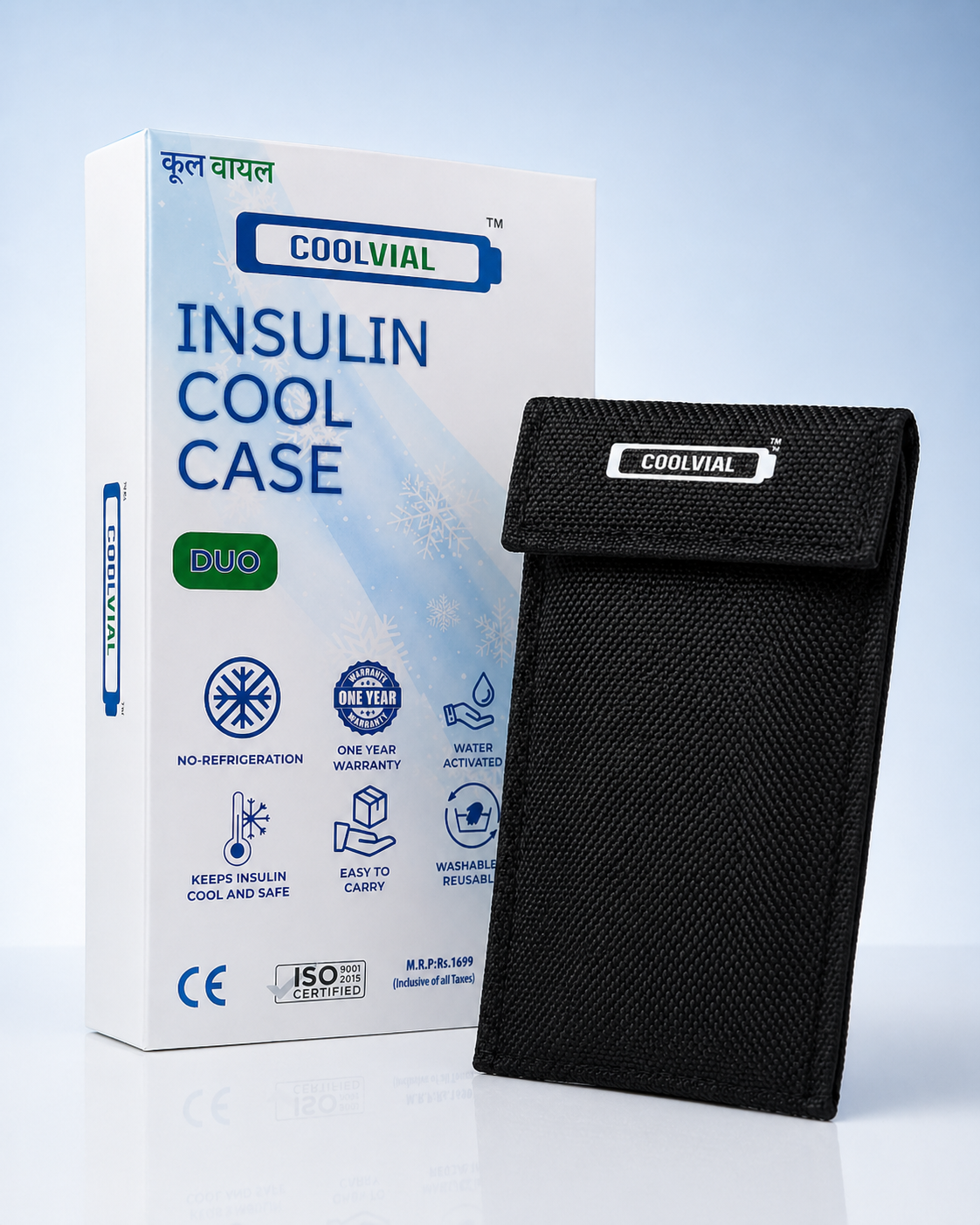
- Utilize Evaporative Cooling: For your in-use insulin pens, consider an evaporative cooling case like the COOLVIAL insulin cool case. These cases keep insulin cool through the simple process of evaporation, no electricity required. Simply activate it with cold water.
The Complete 5-Step Power Cut Survival Guide for Diabetics in Meerut
COOLVIAL keeps insulin safe in India's heat. 48+ hours, no electricity needed.
Scenario 3: The Day-Long Disruption (12-Hour Power Cut)
A 12-hour power cut, often experienced during heavy monsoons or peak summer load shedding in areas like Begum Bridge or parts of Sastri Nagar, demands more robust solutions. This is where active cooling methods become indispensable.
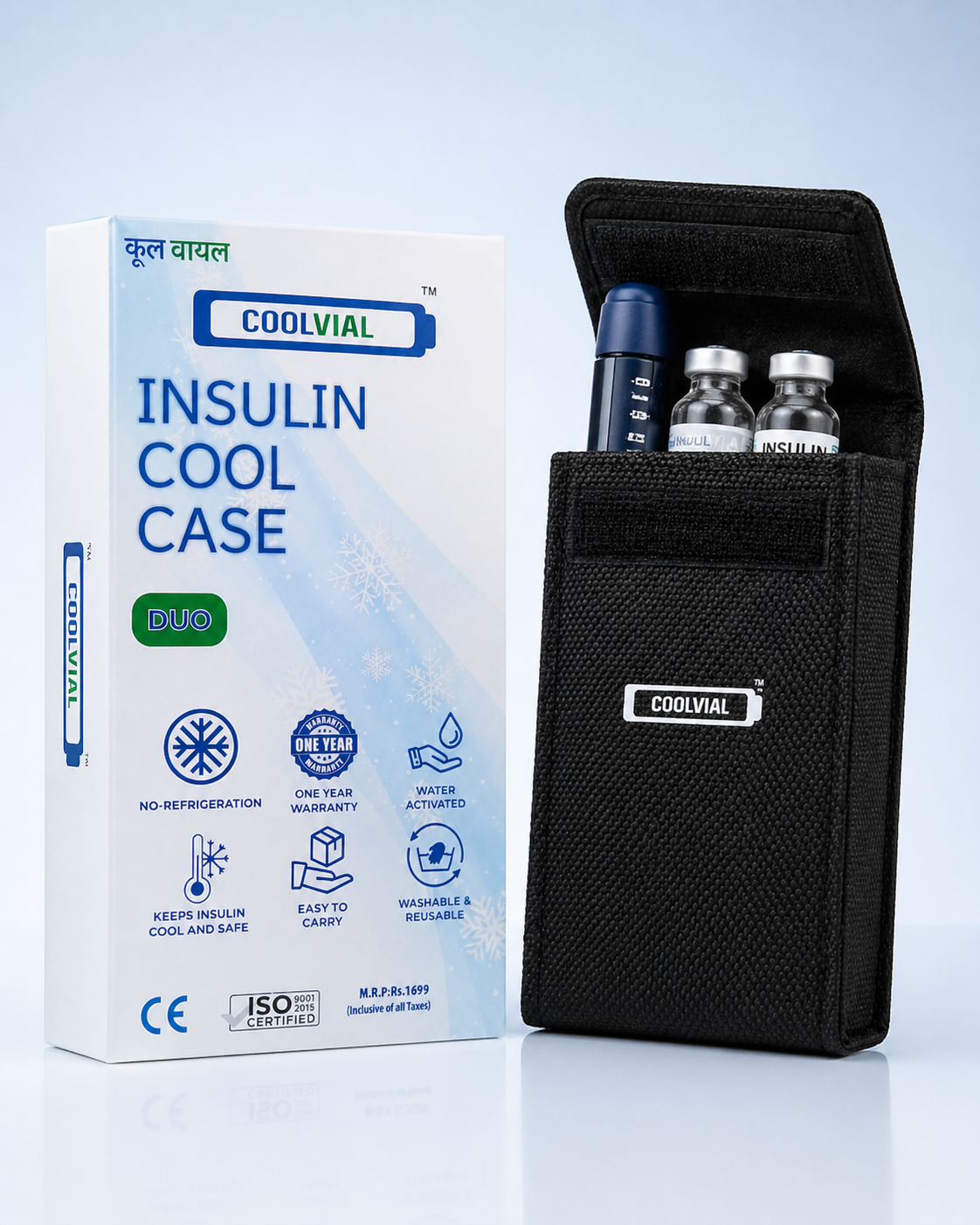
- Activate Your COOLVIAL Duo: If you own a COOLVIAL Duo, now is the time to activate its evaporative cooling cycle.
- Soak: Submerge the inner pouch in cold water for 2-3 minutes.
- Wipe: Gently wipe off excess water from the pouch.
- Insert: Place your insulin pens and/or vials into the activated pouch.
- Store: Put the pouch into the outer case.
- Benefit: The COOLVIAL Duo can keep insulin cool for 12-16 hours at safe temperatures (typically below 25°C even in extreme ambient temperatures up to 37.8°C), making it ideal for such extended outages. It holds 2 pens + 1 vial.
- Monitor and Re-activate: For cuts extending beyond 12 hours, you may need to re-soak your evaporative cooling case. Follow the product instructions.
- Consider Alternatives (if no COOLVIAL): If you don’t have an evaporative cooler, your insulated bag with regularly replaced ice packs is your next best option. However, this requires a continuous supply of ice, which might be challenging during a widespread power cut.
- Check Neighbours (if applicable): In apartment complexes with generator backup, a neighbour’s fridge might still be running. This could be a temporary solution for unopened insulin vials if you don’t have an evaporative cooler.
Scenario 4: The Prolonged Outage (24-Hour+ Power Cut)
A power cut lasting 24 hours or more is a serious situation for diabetics, especially with unopened insulin requiring refrigeration. This is where Meerut’s local resources become critical.
- Seek Generator-Backed Fridges:
- Neighbours/Friends: In housing societies or independent houses with robust generator/inverter setups, a neighbour’s refrigerator might be your best immediate option for storing unopened insulin. Don’t hesitate to reach out to trusted contacts.
- Local Businesses: Some small general stores or dairies with generator backup might offer temporary cold storage for a nominal fee. [Verify in 2026] This is not always guaranteed, but worth exploring in an emergency.
- Emergency Pharmacy Access:
- 24-Hour Pharmacies: Head to 24-hour pharmacies like Apollo Pharmacy or MedPlus. These establishments often have backup power and can store insulin in their refrigerators. Call ahead if possible to confirm availability and their ability to assist.
- Hospital Pharmacies: Anand Hospital (Sastri Nagar) and Subharti Medical College are major hospitals in Meerut. Their pharmacies often operate 24/7 and have reliable power backup for essential medications. Contact their pharmacy department for assistance.
- For a comprehensive list of emergency pharmacies, refer to: 24-Hour Pharmacies in Meerut for Insulin Emergencies — Updated List.
- Communicate with Your Doctor: Inform your endocrinologist or diabetologist about the situation. They can provide specific advice on insulin use and storage, and potentially adjust your regimen if insulin efficacy is compromised.
- Maintain Hydration and Blood Sugar Monitoring: During prolonged outages, stress and changes in routine can affect blood sugar. Continue to monitor your levels diligently and stay well-hydrated.
Beyond the Fridge: Smart Solutions for Insulin Cooling
While refrigerators are ideal, they are vulnerable to power cuts. This is where innovative, electricity-free solutions like the COOLVIAL Duo come into play, offering a reliable power cut survival guide for insulin storage.
The COOLVIAL Duo is an evaporative cooling case designed specifically for the Indian climate. Unlike simple insulated bags, it actively cools insulin by harnessing the natural process of evaporation.
How COOLVIAL Duo Works: The inner pouch contains crystals that, when activated by water, turn into a gel. This gel then slowly releases water through evaporation, drawing heat away from the insulin and maintaining a cool, safe temperature (typically 18-26°C) for 12-16 hours, even in ambient temperatures up to 37.8°C. This makes it perfect for Meerut’s hot summers and unpredictable power cuts.
Why COOLVIAL Duo is a Smart Choice:
- Electricity-Free: No batteries, no charging, no ice packs needed. Just water.
- Long-Lasting: Keeps insulin cool for 12-16 hours per activation cycle.
- Capacity: Holds 2 insulin pens and 1 vial, catering to most users’ needs.
- Certified Quality: CE certified and ISO 9001:2015 compliant, ensuring high standards.
- Made in India: Designed and manufactured locally, understanding local needs.
- Affordable: Priced at Rs 1,099 with code COOLHEAL (MRP Rs 1,699), making it accessible.
- Warranty: Comes with a 1-year warranty for peace of mind.
Comparison with Competitors:
- COOLVIAL Duo (Rs 1,099 with code COOLHEAL): Holds 2 pens + 1 vial, 12-16 hours cooling, CE certified, ISO 9001:2015, 1-year warranty, Made in India. Excellent value for money.
- FRIO (around Rs 1,900): Similar evaporative technology, good reputation, but higher price point.
- Outer Woods OW-12 (around Rs 999): Often a simple insulated bag with gel packs, which don’t offer the same active, sustained evaporative cooling as COOLVIAL or FRIO without external ice.
Emerging Solutions: Solar Inverters in Meerut Suburbs: Beyond personal cooling cases, many newer homes and housing societies in Meerut’s burgeoning suburbs are installing solar inverter setups. These systems store solar energy in batteries, providing a clean and reliable backup power source that can keep refrigerators running for extended periods, reducing reliance on the grid and offering a sustainable solution for insulin storage.
For more general tips on insulin storage, visit our mission page: Insulin Storage Tips.
Preparing Your Emergency Kit: A Proactive Approach
The Complete 5-Step Power Cut Survival Guide for Diabetics in Meerut
Insulin at 2-8°C for 48+ hours. Trusted by 10,000+ Indian diabetics.
The best power cut survival guide is one that emphasizes preparation. Having an emergency kit specifically for your diabetes management can make all the difference during an unexpected outage.
- Insulin Cooling Case: A pre-activated COOLVIAL Duo or similar evaporative cooling case.
- Thermometer: A small, accurate thermometer to check the temperature inside your refrigerator or cooler bag.
- Backup Insulin: If possible, have a small emergency supply of insulin that is not dependent on your main refrigerator.
- Blood Glucose Monitor & Strips: Ensure you have enough strips and working batteries for your glucometer.
- First Aid Kit: Basic first aid supplies.
- Water: Bottled water for hydration, especially during hot weather.
- Snacks: Non-perishable snacks to manage low blood sugar, like glucose tablets or biscuits.
- Important Contact Numbers: Keep a written list of your doctor, nearest hospital (e.g., Anand Hospital, Subharti Medical College, Saket Hospital), and 24-hour pharmacies (e.g., Apollo Pharmacy, MedPlus).
- Cash: ATMs might not work during prolonged power cuts.
- Torch/Power Bank: For illumination and charging your phone.
When to Discard Insulin: Safety First
Even with the best precautions, there might be times when you suspect your insulin has been compromised. Knowing when to discard it is crucial for your health.
- Visual Changes:
- Clear Insulin: Should always be clear and colorless. If it looks cloudy, discolored, or has particles, discard it.
- Cloudy Insulin (NPH/pre-mixed): Should be uniformly cloudy. If it has clumps, crystals, or a frosted appearance, discard it.
- Exposure to Extreme Temperatures: If insulin has been exposed to freezing temperatures (below 2°C) or excessive heat (above 30°C for prolonged periods, or above 40°C even briefly), it’s generally safer to discard it, even if it looks normal.
- Reduced Efficacy: If you notice your blood sugar levels are consistently higher than usual despite taking your regular insulin dose, it could be a sign that your insulin has lost its potency.
- Consult Your Doctor: When in doubt, always consult your endocrinologist or diabetologist. They can advise you on the safety of your insulin and guide you on obtaining a fresh supply.
For a broader perspective on managing diabetes in Meerut, including medical resources and lifestyle tips, read our article: Complete Diabetes Care Guide for Meerut Residents — 2026 Edition.
Frequently Asked Questions (FAQs)
Q: Can I use a regular ice box for insulin during a power cut? A: A regular ice box can be used for short durations, but ensure insulin does not directly touch ice or gel packs to prevent freezing. Wrap insulin in cloth and monitor temperature with a thermometer.
Q: How long can insulin stay out of the fridge safely? A: Unopened insulin must stay refrigerated. Opened/in-use insulin pens/vials can generally be kept at room temperature (up to 25-30°C) for 28 days, but Meerut’s summer heat often exceeds this, requiring active cooling like an evaporative case.
Q: Where can I find a 24-hour pharmacy in Meerut during a power cut? A: Apollo Pharmacy and MedPlus outlets are often open 24 hours. Hospital pharmacies at Anand Hospital (Sastri Nagar) or Subharti Medical College are also reliable options for insulin emergencies.
Q: What if my insulin freezes during a power cut? A: If insulin freezes, it must be discarded immediately, even if it thaws later. Freezing damages the insulin molecule, making it ineffective and potentially harmful.
Q: Is it safe to store insulin in a neighbor’s fridge during a long power cut? A: Yes, if your neighbour’s fridge has reliable backup power (like a strong inverter or generator), it’s a safe temporary solution for your unopened insulin vials/pens. Always ensure the temperature is between 2-8°C.
Q: How often should I reactivate my COOLVIAL Duo during a long power cut? A: The COOLVIAL Duo provides 12-16 hours of cooling per activation. During prolonged outages, you should reactivate it by re-soaking the inner pouch in cold water every 12-16 hours to maintain optimal cooling.
Conclusion
Navigating power cuts in Meerut with diabetes doesn’t have to be a source of anxiety. By understanding local power patterns, knowing the critical temperature requirements for insulin, and having a proactive power cut survival guide in place, you can protect your essential medication and maintain your health. Whether it’s a brief outage in Sadar Bazaar or a day-long disruption in Shastri Nagar, being prepared with an emergency kit and reliable cooling solutions is paramount.
The COOLVIAL Duo offers an affordable, effective, and electricity-free way to keep your insulin safe for extended periods, providing peace of mind during Meerut’s unpredictable climate challenges. Don’t let power cuts compromise your health.
Order COOLVIAL Duo at Rs 1,099 with code COOLHEAL at coolvial.com or via WhatsApp wa.me/918766952300
How We Researched This
Our comprehensive guide is based on a thorough analysis of insulin storage queries from diabetics in Meerut. We cross-referenced guidelines from the Research Society for the Study of Diabetes in India (RSSDI) (Source: https://www.rssdi.in/publications.html) and data from the Indian Council of Medical Research–India Diabetes (ICMR-INDIAB) study for national diabetes prevalence. Local Meerut hospital directories, pharmacy network information from Apollo Pharmacy and MedPlus, and general knowledge of Meerut’s infrastructure and climate patterns were also utilized to provide highly localized and actionable advice.
Medical Disclaimer
This article is for general information. Always consult your endocrinologist or diabetologist before changing insulin storage or dosing practices.