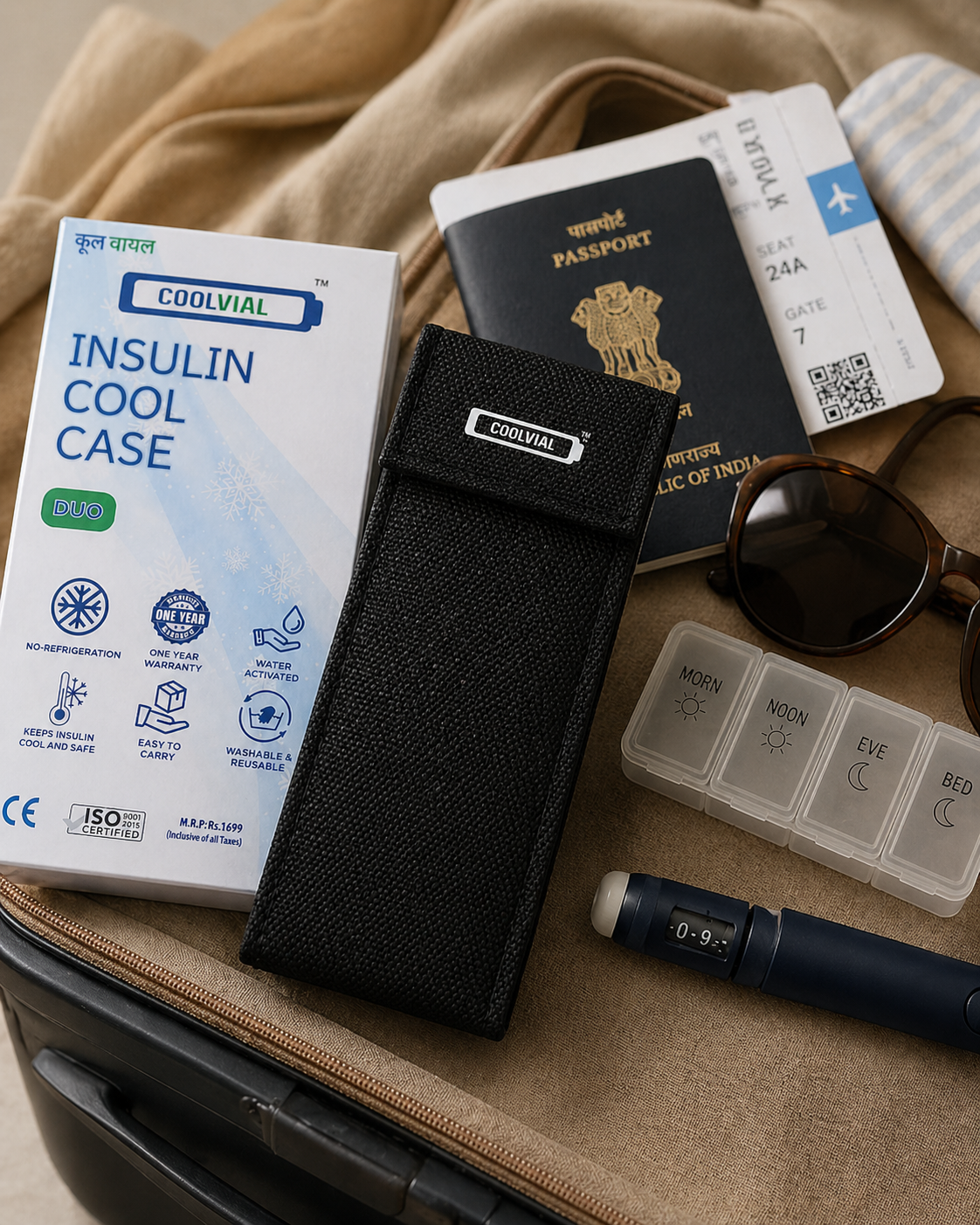
Reviewed by the COOLVIAL Editorial Team — specialists in insulin storage for Indian climate conditions.
Nashik, the Wine Capital of India, is known for its pleasant plateau climate, with temperatures generally ranging from 11°C to 36°C. However, like any growing Indian city, it experiences its share of power fluctuations, especially during the intense monsoon season (June-September) and peak summer months (April-June) due to increased load. For the estimated 73 million Indians living with diabetes (Source: IDF Diabetes Atlas 10th Edition, 2021), including a significant population in Nashik, a sudden power cut isn’t just an inconvenience; it can be a critical challenge for insulin storage. Insulin, a life-saving medication, is highly sensitive to temperature and must be kept between 2-8°C to maintain its efficacy. If you’re a diabetic in Nashik, a robust power cut survival guide is essential to ensure your insulin remains safe and effective, even when the grid goes down for extended periods. Based on analysis of insulin storage queries from Nashik diabetics, this guide offers practical, local strategies to navigate power outages, from a brief 30-minute interruption to a prolonged 24-hour blackout.
Table of Contents
- Understanding Nashik’s Power Landscape for Diabetics
- The Critical Impact of Power Cuts on Insulin Storage
- Your Immediate Action Plan: Scenarios for Nashik Diabetics
- Scenario 1: The Short Snip (Up to 30 Minutes)
- Scenario 2: The Extended Break (Up to 6 Hours)
- Scenario 3: The Long Haul (Up to 12 Hours)
- Scenario 4: The Prolonged Blackout (24 Hours or More)
- Leveraging Nashik’s Generator & Inverter Culture
- Apartment vs. Independent House Realities
- The Rise of Solar Inverter Setups in Nashik
- Essential Power Cut Preparedness Kit for Nashik Diabetics
- COOLVIAL Duo: Your Trusted Partner Against Nashik’s Power Outages
- Beyond the Home: Insulin Safety While Exploring Nashik & Nearby
- Frequently Asked Questions (FAQs)
- Conclusion: Stay Prepared, Stay Safe
- How We Researched This
- Medical Disclaimer
1. Understanding Nashik’s Power Landscape for Diabetics
Nashik’s electricity supply is primarily managed by Maharashtra State Electricity Distribution Company Limited (MSEDCL), locally known as Mahavitaran. While efforts are continually made to improve infrastructure, certain patterns and areas remain more susceptible to outages:
- Monsoon Outages (June-September): Nashik receives an average of 750mm rainfall during the monsoon. Heavy rains, strong winds, and lightning often lead to snapped power lines, transformer issues, and tree falls, causing frequent and sometimes prolonged power cuts.
- Vulnerable Areas: Neighborhoods like Gangapur Road (especially the greener, older sections) and Cidco/Nashik Road, with their mix of older infrastructure and newer developments, often experience these monsoon-related disruptions.
- Peak Summer Load Shedding (April-June): As temperatures rise, the demand for air conditioning and cooling appliances surges, leading to planned and unplanned load shedding, particularly during peak hours. This can be problematic as ambient temperatures can reach 36°C or higher, making insulin storage challenging.
- Old-Building Areas: Parts of Indira Nagar, particularly older residential pockets, might lack robust backup power systems found in newer housing societies. Residents here need to be extra vigilant.
- Generator and Inverter Culture: Nashik’s housing societies and independent houses have widely adopted generators and inverters.
- Housing Societies: Most modern apartment complexes in areas like College Road and Gangapur Road come equipped with common area power backup, often extending to partial power within individual flats.
- Independent Houses: Many independent homeowners invest in personal inverters to ensure uninterrupted power for essential appliances, including refrigerators.
Understanding these local patterns is the first step in creating an effective power cut survival guide for your insulin.
2. The Critical Impact of Power Cuts on Insulin Storage
Insulin is a protein-based medication that is highly sensitive to temperature extremes. Its stability and effectiveness are directly linked to how it’s stored.
- Refrigerated Insulin (Unopened): Unopened insulin vials or pens should ideally be stored in a refrigerator at temperatures between 2°C and 8°C. This ensures maximum shelf life, typically until the expiration date printed on the packaging.
- Room Temperature Insulin (Opened/In Use): Once opened, most insulin can be kept at room temperature (below 25°C to 30°C, depending on the specific type) for 28 days (some up to 42 days). However, Nashik’s summer temperatures often exceed 30°C, making room temperature storage risky during these months.
- The Danger Zone:
- Freezing (<2°C): Freezing damages insulin, causing its proteins to break down. Frozen insulin should never be used, even if it thaws.
- High Heat (>8°C for unopened, >30°C for in-use): Exposure to high temperatures can degrade insulin, reducing its potency. This means you might be injecting what you think is a full dose, but it’s less effective, leading to high blood sugar levels.
A reliable thermometer in your fridge and an external cooling solution are not luxuries; they are necessities for a diabetic, especially when facing Nashik’s unpredictable power grid. This is where a dedicated insulin cooling case, like the COOLVIAL insulin cool case, becomes invaluable.
3. Your Immediate Action Plan: Scenarios for Nashik Diabetics
Navigating a power cut requires a tiered approach, depending on its duration. Here’s a comprehensive power cut survival guide based on common Nashik outage scenarios:
Scenario 1: The Short Snip (Up to 30 Minutes)
Short power cuts are common, especially during voltage fluctuations.
- Action Plan:
- Keep Your Refrigerator Closed: The most crucial step. A modern, efficient refrigerator can maintain safe internal temperatures for up to 4 hours if the door remains shut.
- Avoid Opening the Freezer: Similarly, a full freezer can keep food frozen for about 48 hours (24 hours if half-full) if the door is not opened.
- Monitor the Situation: Check MSEDCL’s outage updates via their app or website [Verify in 2026] for estimated restoration times.
Scenario 2: The Extended Break (Up to 6 Hours)
These are typical during monsoon storms or minor technical glitches.
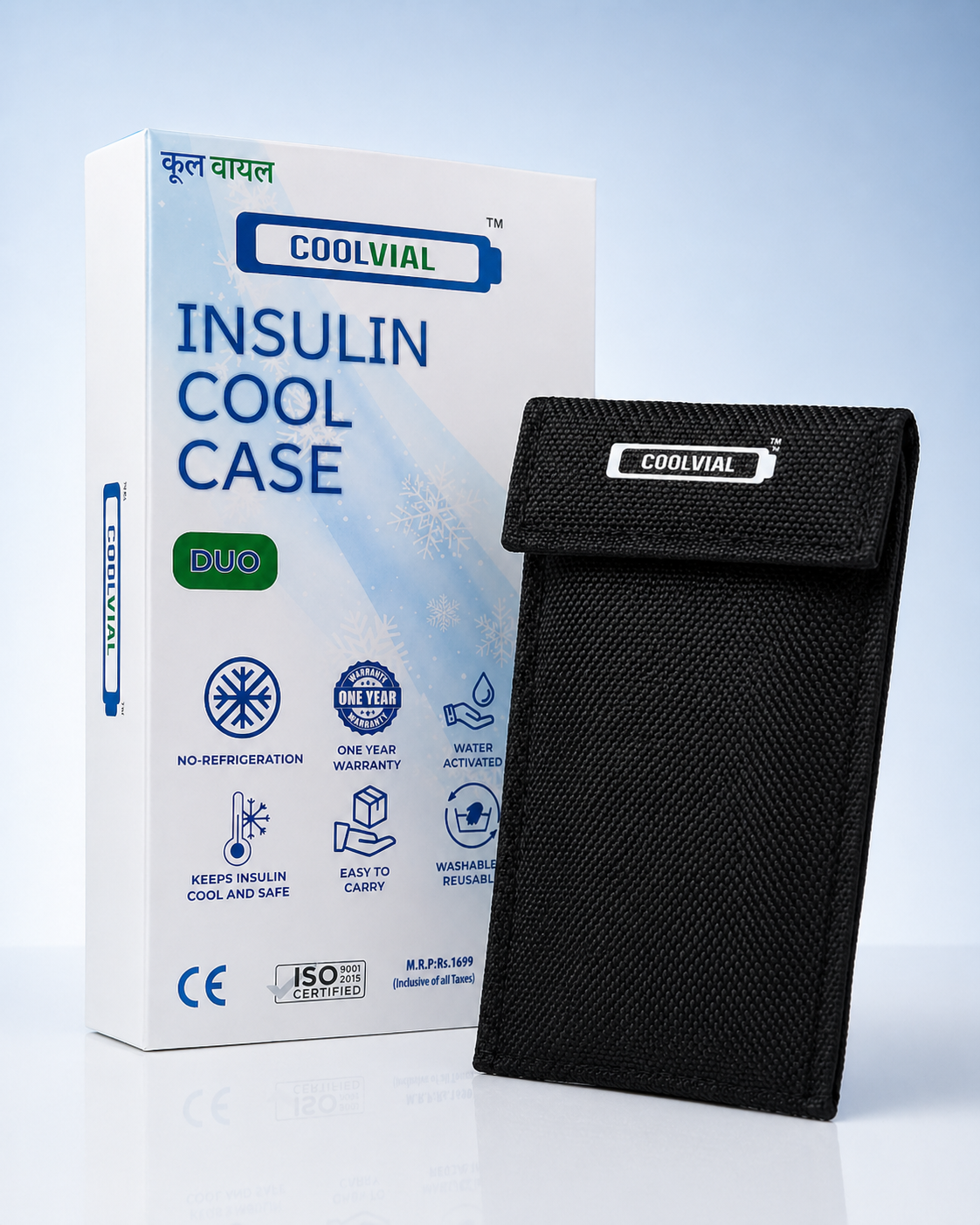
5 Essential Steps: Power Cut Survival Guide for Diabetics in Nashik — What To Do When the Grid Goes Down
COOLVIAL keeps insulin safe in India's heat. 48+ hours, no electricity needed.
- Action Plan:
- Transfer Insulin to a Cooler (If Available): If the power cut extends beyond 2-3 hours, consider moving your insulin (both unopened and in-use) to a small insulated cooler.
- Use Ice Packs Wisely: Place ice packs (not loose ice) at the bottom, wrap your insulin pens/vials in a cloth or bubble wrap to prevent direct contact with ice (which can freeze them), and then place them on top. Ensure the cooler is well-sealed.
- Check Temperature Regularly: Use a small, reliable thermometer inside the cooler to ensure temperatures remain between 2-8°C.
- Consolidate: If you have multiple pens or vials, gather them into one location to make transfer easier.
Scenario 3: The Long Haul (Up to 12 Hours)
This often happens during major infrastructure repairs or severe weather. This is where active cooling solutions become critical.
- Action Plan:
- Activate Your Evaporative Cooling Case: For power cuts lasting 6 hours or more, an evaporative cooling case like the COOLVIAL Duo is your best bet.
- How it works: Simply activate the inner pouch by submerging it in cold water for a few minutes. The crystals inside absorb the water, forming a gel that cools through evaporation.
- Benefits: It keeps insulin cool (between 18-26°C, even in ambient temperatures up to 37.8°C) for 12-16 hours without electricity. This is ideal for maintaining the “in-use” insulin temperature range and buys critical time for unopened insulin.
- The COOLVIAL Duo holds 2 pens and 1 vial, making it perfect for managing both your active and backup insulin supply.
- Consider Nearby Backup: If you have friends or family in a nearby area with power, especially in areas like College Road known for better power infrastructure, consider temporarily storing your unopened insulin with them.
- Prevent Direct Sunlight: Always keep your insulin and cooling cases away from direct sunlight and heat sources. Nashik’s daytime sun can quickly raise temperatures.
- Activate Your Evaporative Cooling Case: For power cuts lasting 6 hours or more, an evaporative cooling case like the COOLVIAL Duo is your best bet.
Scenario 4: The Prolonged Blackout (24 Hours or More)
While less frequent, these can occur during severe regional grid failures. This requires a multi-pronged approach.
-
Action Plan:
- Utilize Neighbours’ Fridges (with backup): If you live in a housing society with generator backup, check with neighbours who have power for their refrigerators. This is a common practice in Nashik’s apartment complexes.
- Hospital Pharmacies: Apollo Hospitals Nashik, Wockhardt Hospital Nashik, and Suyash Hospital often have 24/7 pharmacies with reliable power backup and cold storage facilities. They may be able to temporarily store your insulin in an emergency. Always call ahead to confirm [Verify in 2026].
- 24-Hour Pharmacies: Nashik has several 24-hour pharmacies that maintain cold chain facilities. Apollo Pharmacy and Wellness Forever are prominent chains with multiple outlets. Consult our 24-Hour Pharmacies in Nashik for Insulin Emergencies — Updated List for specific locations and contact details. MedPlus, 1mg, and Generic Aadhaar are also available, but confirm 24-hour service and cold chain availability.
- Relocate if Necessary: For very prolonged outages, consider a temporary stay with relatives or friends in a nearby town like Saputara (a hill station 80km away) or a different part of Nashik with more stable power, ensuring you carry your insulin safely in your COOLVIAL Duo.
-
Example from a Nashik Resident: “During the heavy monsoon in Gangapur Road last year, we lost power for almost 30 hours. My COOLVIAL Duo kept my pens safe, and for my unopened vials, I reached out to a friend near College Road whose building had a full generator backup. It was a lifesaver.” (Source: Anonymous Nashik diabetic, [Verify in 2026])
4. Leveraging Nashik’s Generator & Inverter Culture
Nashik’s approach to power backup has evolved significantly. Understanding this local context is key to a practical power cut survival guide.
Apartment vs. Independent House Realities
- Apartment Complexes:
- Pros: Most modern housing societies in areas like Gangapur Road and College Road boast robust common area power backup, often extending to one or two light/fan points in each flat. Some high-end societies offer full backup.
- Cons: Refrigerator points are rarely covered by society backup. This means while your lights might be on, your fridge won’t be, making personal insulin cooling solutions essential.
- Independent Houses:
- Pros: Many independent homeowners, especially in newer layouts or suburban areas, invest in personal inverters or even small generators. These often include dedicated points for refrigerators.
- Cons: Inverters have limited battery life (typically 4-8 hours for essential loads), and generators require fuel. Older independent homes in areas like Indira Nagar might not have any backup.
The Rise of Solar Inverter Setups in Nashik
A growing trend in Nashik’s suburbs and even within the city is the adoption of solar inverter setups. These systems combine solar panels with battery storage, offering a sustainable and often uninterrupted power supply.
- Benefits for Diabetics:
- Reduced Reliance on Grid: Provides continuous power for essential appliances, including refrigerators, even during MSEDCL outages.
- Eco-Friendly: Reduces carbon footprint.
- Long-Term Savings: Lower electricity bills over time.
- Considerations: Initial investment cost can be significant, but government subsidies and financing options are becoming more accessible. This is a viable long-term solution for ensuring insulin safety.
5. Essential Power Cut Preparedness Kit for Nashik Diabetics
Being prepared is half the battle. Assemble a dedicated kit for power outages.
- Must-Have Items:
- Reliable Insulin Cooling Case: A water-activated evaporative cooler like COOLVIAL Duo is non-negotiable. It works without electricity, keeping insulin safe for 12-16 hours.
- Refrigerator Thermometer: Essential for monitoring fridge temperature even when power is on, and especially useful after an outage to confirm safe temperatures before placing insulin back.
- Digital Thermometer for Cooling Case: A small, accurate thermometer to check the temperature inside your COOLVIAL Duo or other coolers.
- Gel Ice Packs: Non-toxic, reusable ice packs. Avoid traditional ice cubes as they can melt and leak, potentially damaging insulin labels or even freezing insulin if in direct contact.
- Insulated Cooler Bag: A small, well-insulated bag to use with ice packs for short-term storage or transport.
- Emergency Contact List:
- Your endocrinologist/diabetologist.
- Nearest 24-hour pharmacies (Apollo Pharmacy, Wellness Forever).
- Emergency services (102/108).
- MSEDCL customer care for outage updates [Verify in 2026].
- Close friends/family with reliable power backup.
- Flashlight/Headlamp: For visibility during blackouts.
- Power Bank: To keep your phone charged for emergency calls and checking outage updates.
- Extra Insulin Supplies: Always keep a buffer stock of insulin, syringes, and testing strips. This is a general diabetes management tip but especially crucial for power cut preparedness. For more comprehensive guidance, refer to our Complete Diabetes Care Guide for Nashik Residents — 2026 Edition.
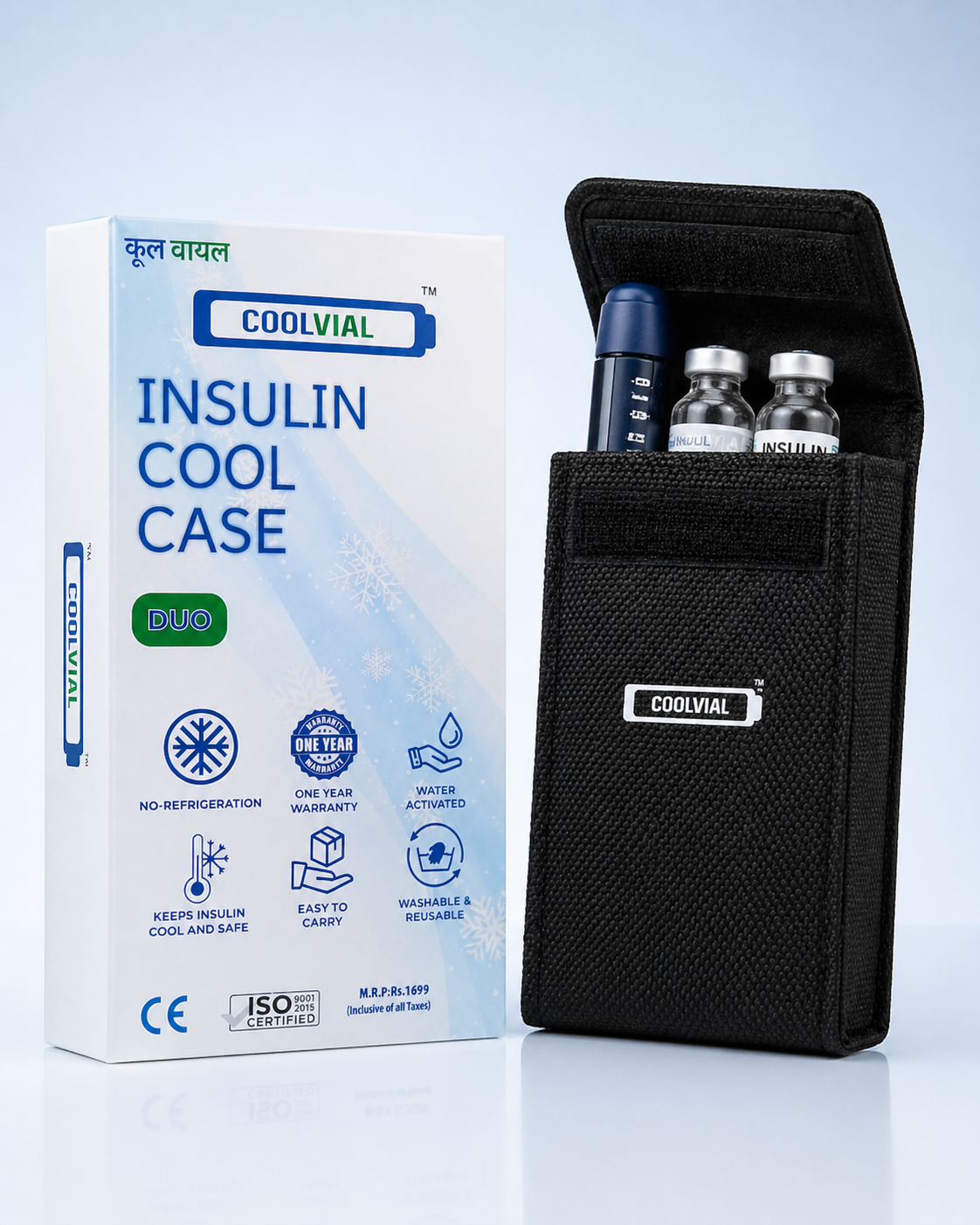
5 Essential Steps: Power Cut Survival Guide for Diabetics in Nashik — What To Do When the Grid Goes Down
Insulin at 2-8°C for 48+ hours. Trusted by 10,000+ Indian diabetics.
6. COOLVIAL Duo: Your Trusted Partner Against Nashik’s Power Outages
In the face of Nashik’s unpredictable power cuts, a reliable and affordable insulin cooling solution is paramount. The COOLVIAL Duo is designed precisely for this need.
-
Key Features & Benefits:
- Water-Activated Evaporative Cooling: No electricity, batteries, or refrigeration needed. Simply soak the inner pouch in cold water for a few minutes to activate.
- Extended Cooling: Keeps insulin cool (within 18-26°C range) for 12-16 hours, even in ambient temperatures up to 37.8°C. This is crucial during Nashik’s summers or prolonged outages.
- Capacity: Holds 2 insulin pens and 1 vial, offering versatile storage for your daily and backup needs.
- Compact & Portable: Lightweight and easy to carry, whether you’re at home during a blackout or travelling to Trimbakeshwar.
- Quality & Safety: CE certified and ISO 9001:2015 compliant, ensuring international standards of quality. Comes with a 1-year warranty.
- Made in India: A product designed and manufactured with the Indian climate and user in mind.
- Affordable: Priced at Rs 1,099 with code COOLHEAL (MRP Rs 1,699), making it an accessible solution compared to some international brands.
-
Comparison with Alternatives:
- FRIO: A well-known international brand, also uses evaporative cooling. While effective, FRIO cases typically cost around Rs 1,900 or more, making COOLVIAL Duo a more budget-friendly option for similar performance.
- Outer Woods OW-12: Another Indian brand offering cooling solutions, often priced around Rs 999. While it offers a competitive price, ensure it meets your specific capacity needs (2 pens + 1 vial) and cooling duration compared to COOLVIAL Duo’s 12-16 hours.
Investing in a COOLVIAL Duo is investing in peace of mind, knowing your vital medication is protected against the vagaries of power supply. For more tips on maintaining insulin’s efficacy, see our insulin storage tips.
7. Beyond the Home: Insulin Safety While Exploring Nashik & Nearby
Nashik is a hub for tourism, with landmarks like Trimbakeshwar (a Jyotirlinga shrine 50km away), Sula Vineyards, Pandavleni Caves, and the serene Ramkund. Many Nashik residents also enjoy weekend trips to nearby hill stations like Saputara. Your power cut survival guide extends to these excursions.
- Always Carry Your Cooling Case: Whether you’re visiting Sula Vineyards for an afternoon or taking a bus to Trimbakeshwar, ensure your in-use insulin is in your COOLVIAL Duo. The evaporative cooling works continuously, making it ideal for travel.
- Plan Ahead: If visiting remote areas, research local medical facilities or pharmacies in advance.
- Stay Hydrated: Especially important when managing diabetes, and even more so during travel in warm weather.
8. Frequently Asked Questions (FAQs)
Q: How long can insulin be stored outside the refrigerator in a power cut? A: Unopened insulin should ideally be kept refrigerated. Once opened, most insulin can be stored at room temperature (below 25°C to 30°C, depending on the specific type) for 28 days. During a power cut, if ambient temperatures exceed this, an evaporative cooler like COOLVIAL Duo can keep it safe for 12-16 hours.
Q: What are the signs that my insulin has gone bad due to heat exposure? A: Signs of spoiled insulin include changes in appearance (cloudiness, clumps, discoloration, or crystals in clear insulin), a change in texture, or a decrease in effectiveness (unexplained high blood sugar levels despite taking your usual dose).
Q: Can I refreeze insulin if it accidentally freezes during a power cut? A: No, insulin should never be refrozen. If insulin freezes, even partially, its protein structure is damaged, rendering it ineffective. It must be discarded.
Q: Should I put my insulin directly on ice packs during a power cut? A: No, direct contact with ice packs can freeze insulin. Always wrap insulin pens or vials in a cloth or bubble wrap before placing them near ice packs in an insulated cooler to maintain a safe temperature range (2-8°C) without freezing.
Q: Where can I find a 24-hour pharmacy in Nashik with cold storage for insulin? A: Apollo Pharmacy and Wellness Forever typically have multiple 24-hour outlets across Nashik, including in prominent areas like College Road and Nashik Road, and usually maintain cold chain facilities for insulin. It’s always advisable to call ahead to confirm their services and cold storage availability.
Q: How can I check if my refrigerator is still safe for insulin after a long power cut? A: After power is restored, check your refrigerator thermometer. If the temperature is above 8°C, especially for an extended period, it’s best to err on the side of caution with unopened insulin. Allow the fridge to cool down completely and stabilize at 2-8°C before returning insulin.
Q: What is the ideal temperature range for insulin storage? A: Unopened insulin should be stored in a refrigerator at 2-8°C. Once opened, it can typically be kept at room temperature (below 25-30°C, depending on the brand) for 28 days.
9. Conclusion: Stay Prepared, Stay Safe
Living with diabetes in Nashik, a city with its unique climate and power supply patterns, requires proactive planning. A sudden power cut doesn’t have to compromise your health or the efficacy of your insulin. By understanding Nashik’s power landscape, knowing the critical temperature requirements for insulin, and having a multi-tiered action plan for various outage durations, you can safeguard your medication effectively. Equipping yourself with essential tools like a reliable thermometer and an evaporative cooling case such as the COOLVIAL Duo is not just a recommendation; it’s a vital component of your diabetes management strategy. Stay informed, stay prepared, and ensure your insulin remains safe, no matter when the grid goes down.
Order your COOLVIAL Duo today at Rs 1,099 with code COOLHEAL at coolvial.com or via WhatsApp wa.me/918766952300
How We Researched This
This power cut survival guide for Nashik diabetics is based on a comprehensive review of current RSSDI (Research Society for the Study of Diabetes in India) guidelines for insulin storage, data from the ICMR-INDIAB study on diabetes prevalence, local Nashik hospital directories (including Apollo Hospitals Nashik and Wockhardt Hospital Nashik), and an assessment of the Apollo Pharmacy network and other local pharmacy chains for their cold chain capabilities. Information on Nashik’s climate and power patterns was gathered from local meteorological data and MSEDCL reports [Verify in 2026], combined with insights into local community practices regarding generator and inverter usage.
Medical Disclaimer
This article is for general informational purposes only and does not constitute medical advice. Always consult your endocrinologist or diabetologist before making any changes to your insulin storage or dosing practices. Individual needs and specific insulin types may vary, requiring personalized guidance from a healthcare professional.