
Reviewed by the COOLVIAL Editorial Team — specialists in insulin storage for Indian climate conditions.
The spiritual heart of India, Prayagraj, where the sacred rivers Ganga, Yamuna, and the mythical Saraswati converge at the Triveni Sangam, holds a unique charm, especially during the monsoon season. However, for the thousands of residents managing diabetes, the beauty of the Prayagraj monsoon brings with it a critical challenge: protecting life-saving insulin from the relentless humidity and potential flooding. Based on analysis of insulin storage queries from Prayagraj diabetics, safeguarding your medication during this period is paramount. With average rainfall often exceeding 1000mm between July and September, the city’s climate shifts dramatically, increasing risks of insulin degradation, mould on supplies, and disrupted access to pharmacies. This article outlines 5 essential strategies to protect your insulin vials from Prayagraj monsoon humidity damage, ensuring your diabetes management remains uninterrupted and effective.
Table of Contents
- Understanding the Prayagraj Monsoon: A Climate Overview for Diabetics
- The Hidden Dangers: How Humidity Damages Your Insulin and Supplies
- Monsoon Flooding in Prayagraj: Navigating Waterlogging and Its Impact on Insulin Access
- Transport Disruptions and Pharmacy Access in Prayagraj’s Rainy Season
- Refrigeration Risks During Prayagraj’s Humid Monsoon
- Essential Monsoon-Proofing for Your Insulin: Practical Solutions for Prayagraj Diabetics
- Your Monsoon Preparedness Checklist for Diabetics in Prayagraj
- What to Do If Your Insulin is Damaged or Stock is Destroyed
- Frequently Asked Questions (FAQ)
- Conclusion: Stay Cool, Stay Safe This Monsoon
Understanding the Prayagraj Monsoon: A Climate Overview for Diabetics
Prayagraj, nestled in the Gangetic plains of Uttar Pradesh, experiences a distinct climate cycle that profoundly impacts daily life, especially for those with medical needs like diabetes. The city’s climate typically features a hot, humid summer with temperatures soaring between 22°C and 44°C, followed by a relatively cold winter, particularly during the Kumbh Mela season. However, it’s the monsoon period, stretching from July to September, that presents unique challenges due to high humidity and significant rainfall.
During these months, Prayagraj receives an average of approximately 1000mm of rain (Source: Local Meteorological Data, [Verify in 2026]). This heavy precipitation, combined with warm temperatures that often remain above 25°C, creates an environment saturated with moisture. This high humidity is not just uncomfortable; it’s a silent threat to sensitive medications like insulin. Homes, particularly ground-floor apartments and older structures in areas like Katra/Mutthiganj, become susceptible to dampness, mould growth, and even water ingress, directly affecting insulin storage conditions.
Key characteristics of the Prayagraj monsoon that impact insulin storage:
- High Humidity: Relative humidity frequently reaches 80-95%, making air feel heavy and damp.
- Persistent Warmth: Despite rainfall, temperatures remain elevated, often in the range of 25-35°C.
- Heavy Rainfall: Intense downpours can lead to waterlogging and localized flooding.
- Mould Proliferation: The combination of warmth and moisture creates ideal conditions for mould to thrive on surfaces, clothing, and even medical supplies.
Understanding these climatic nuances is the first step in formulating an effective strategy for protecting your insulin during the Prayagraj monsoon. For more general guidance on managing diabetes in the city, refer to our Complete Diabetes Care Guide for Prayagraj Residents — 2026 Edition.
The Hidden Dangers: How Humidity Damages Your Insulin and Supplies
The high humidity prevalent during the Prayagraj monsoon poses several specific threats to your insulin and its associated supplies. Insulin is a protein, and like all proteins, it is susceptible to degradation when exposed to adverse conditions, including extreme temperatures and moisture. When insulin degrades, it loses its potency, meaning the dose you administer may not be as effective, leading to uncontrolled blood sugar levels.
Here’s how humidity can silently compromise your diabetes management:
How Humidity Affects Insulin Pens and Vials:
- Insulin Degradation: High humidity, especially when combined with warm temperatures, can accelerate the breakdown of insulin molecules. This process can lead to clumping, changes in appearance (cloudiness or discoloration), and a reduction in the insulin’s ability to lower blood glucose. Even minor degradation can significantly impact blood sugar control.
- Pen Mechanism Malfunction: Insulin pens often contain delicate electronic components and mechanical parts. Excessive moisture can corrode these elements, leading to sticky buttons, inaccurate dosing mechanisms, or complete pen failure. A malfunctioning pen can lead to missed doses or incorrect dosages, both dangerous for diabetics.
- Compromised Sterility: While insulin vials are sealed, prolonged exposure to high humidity can compromise the integrity of the rubber stopper or pen seal, increasing the risk of bacterial contamination, though this is less common than degradation.
Damage to Cardboard Packaging and Mould Risk:
- Packaging Integrity: Most insulin pens and vials come in cardboard boxes. High humidity causes cardboard to absorb moisture, become soggy, and lose its structural integrity. This can damage important labels, dosage instructions, and expiration dates printed on the packaging.
- Mould Proliferation: The damp, warm conditions in Prayagraj apartments and ground-floor homes during the monsoon are ideal for mould growth. Mould can appear on cardboard packaging, carrying a risk of contaminating the insulin pen or vial itself. In areas like Allahpur, Katra/Mutthiganj, and Naini, where older buildings might have poor ventilation, this risk is particularly high.
- Unpleasant Odours and Allergies: Mould can also produce spores that affect indoor air quality, potentially triggering respiratory issues or allergic reactions in sensitive individuals, adding another layer of discomfort during an already challenging season.
To combat these risks, proactive measures are essential. Understanding these specific threats helps you appreciate why specialized storage solutions, like the COOLVIAL insulin cool case, are not just conveniences but necessities during the Prayagraj monsoon.
Monsoon Flooding in Prayagraj: Navigating Waterlogging and Its Impact on Insulin Access
Prayagraj’s unique geographical position at the confluence of the Ganga and Yamuna rivers makes it particularly vulnerable to monsoon flooding. Heavy rainfall, coupled with rising river levels, can quickly lead to widespread waterlogging and, in severe cases, significant flooding across various parts of the city. This poses an immediate and direct threat to insulin supplies stored at home and significantly disrupts access to pharmacies.
Flood Risks and Waterlogging Hotspots:
- Ganga-Yamuna Confluence: The high water levels in these major rivers during the monsoon are a primary cause of flooding in low-lying areas. The water table rises, making drainage difficult.
- Civil Lines: While considered an upmarket and central area, Civil Lines is not immune to waterlogging, especially in underpasses and certain arterial roads, making transit difficult.
- Allahpur: This residential area, like many others, can experience significant water accumulation on roads and in lower-lying homes.
- Katra/Mutthiganj: As part of the old city, these densely populated areas with older infrastructure are particularly prone to severe waterlogging, which can persist for days.
- Naini: Located across the Yamuna, Naini can also face flooding challenges, especially closer to the riverbanks.
What to Do If Your Home or Building Floods:
- Prioritize Safety: Ensure the safety of yourself and your family first.
- Move Insulin Immediately: If floodwaters enter your home, immediately move all insulin supplies, including pens, vials, and other medications, to the highest possible, dry ground. Ideally, transfer them to a waterproof bag or container.
- Assess Damage: Once safe, inspect your insulin. If it has come into contact with floodwater, assume it is contaminated or compromised and should not be used. Floodwaters are often laden with sewage and contaminants.
- Contact Your Doctor: Inform your endocrinologist or diabetologist about the situation. They can advise on replacement protocols and temporary management strategies.
- Seek Emergency Supply: If your insulin is damaged, prioritize obtaining a replacement. Refer to the section below on where to source emergency insulin in Prayagraj.
| Neighborhood | Typical Flood Risk Level (Monsoon) | Impact on Insulin Access (General) |
|---|---|---|
| Civil Lines | Moderate to High (Waterlogging) | Moderate disruption to travel |
| Allahpur | High (Waterlogging, localized flooding) | Significant travel disruption |
| Katra/Mutthiganj | Very High (Severe waterlogging, flooding) | Severe disruption, prolonged access issues |
| Naini | Moderate to High (River proximity) | Moderate to severe travel disruption |
| Other Low-Lying Areas | High | Variable, often severe |
(Source: Local Resident Observations, [Verify in 2026])
5 Essential Strategies for Protecting Your Insulin Vials from Prayagraj Monsoon Humidity Damage
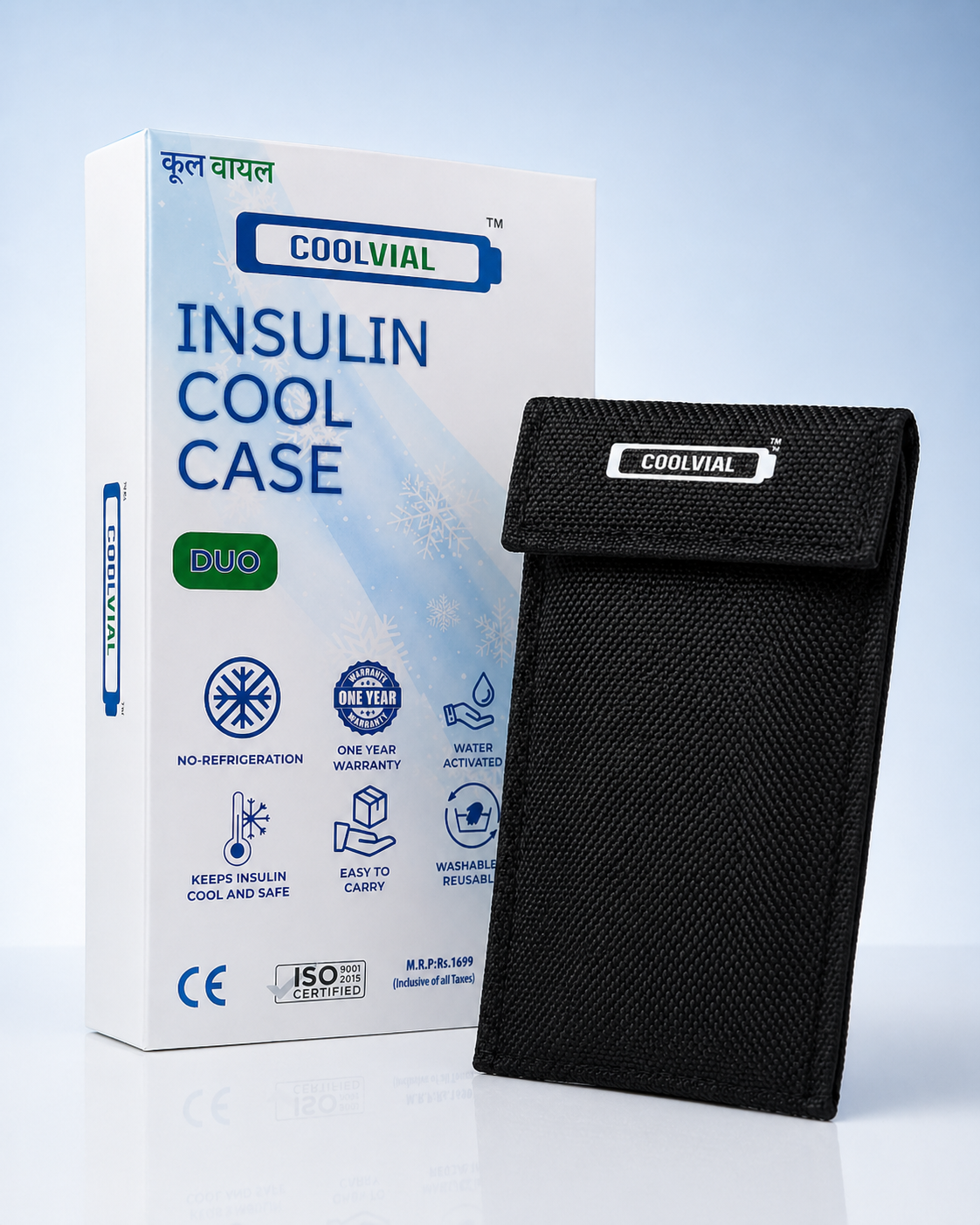
Insulin at 2-8°C for 48+ hours. Trusted by 10,000+ Indian diabetics.
The threat of flooding during the Prayagraj monsoon necessitates a robust emergency plan for insulin storage and procurement.
Transport Disruptions and Pharmacy Access in Prayagraj’s Rainy Season
Beyond the direct threat of humidity and flooding to your insulin supplies, the Prayagraj monsoon also brings significant challenges to accessing new medication. Heavy rainfall, waterlogging, and damaged roads can severely disrupt transport, making it difficult to reach pharmacies or receive home deliveries. This is a critical concern for diabetics who rely on regular insulin refills.
Impact on Pharmacy Delivery Services:
- 1mg and Generic Aadhaar: Online pharmacies like 1mg and Generic Aadhaar, which offer convenient home delivery, often face delays or temporary service suspensions in heavily waterlogged areas of Prayagraj. Their delivery personnel may struggle to navigate flooded streets, especially in neighborhoods like Katra/Mutthiganj and parts of Allahpur. This can leave patients without their essential medication for extended periods.
- Reduced Reach: Even if services are operational, the delivery radius might be limited, or delivery times significantly extended, causing anxiety and potential health risks.
Accessing Physical Pharmacies:
- Local Pharmacies: Reaching physical pharmacies such as Apollo Pharmacy (found in various locations including Civil Lines), MedPlus, or independent stores like Hindustan Pharmacy, can become a daunting task. Roads might be submerged, public transport disrupted, and auto-rickshaws or taxis may be unwilling or unable to ply certain routes.
- Emergency Stock: It’s crucial to have a small emergency stock of insulin at home, ideally a 7-10 day supply, to bridge any gaps caused by transport disruptions. This buffer can be a lifesaver when the monsoon hits its peak.
Planning for Pharmacy Access During Monsoon:
- Pre-Monsoon Stock-Up: Before the monsoon begins in July, ensure you have an adequate supply of insulin and other diabetes medications. Aim for at least a month’s worth if possible, stored safely.
- Identify Accessible Pharmacies: Identify pharmacies closest to your home that are located on higher ground or major roads less prone to waterlogging. Keep their contact numbers handy.
- Buddy System: Establish a buddy system with a trusted friend or family member who can assist in fetching medication if you are unable to travel.
- Doctor’s Support: Discuss a contingency plan with your doctor. They might be able to provide a prescription for a slightly larger supply to cover monsoon eventualities.
The proactive approach to securing your insulin supply and planning for potential access issues is a cornerstone of safe diabetes management during the Prayagraj monsoon.
Refrigeration Risks During Prayagraj’s Humid Monsoon
While insulin generally requires refrigeration (between 2°C and 8°C) for long-term storage, the monsoon season in Prayagraj introduces unique challenges to maintaining this cold chain, even within your refrigerator. The high ambient humidity, coupled with frequent power fluctuations and outages, can compromise your insulin’s integrity.
Humid-Fridge-Air Contamination Risks:
- Moisture Ingress: When you frequently open your refrigerator door in a highly humid environment, warm, moist air rushes in. This moisture can condense inside the fridge, leading to droplets forming on surfaces, including insulin vials.
- Temperature Fluctuations: Each time warm air enters, the internal temperature of the fridge rises, forcing the compressor to work harder to cool it down again. These constant temperature swings, even if minor, can stress insulin and accelerate its degradation.
- Mould Growth in Fridge: While less common for insulin directly, persistent high humidity inside the fridge can foster mould growth on food items or seals, potentially creating an unhygienic environment near your medication. Ensure your fridge is regularly cleaned and seals are intact.
Power Cuts and Their Impact:
Prayagraj, like many Indian cities, experiences power cuts, especially during the monsoon when heavy rains and strong winds can damage electrical infrastructure. These outages directly threaten insulin stored in a conventional refrigerator.
- Loss of Refrigeration: During a power cut, the refrigerator rapidly loses its cooling capacity. Insulin exposed to temperatures above 8°C for extended periods may begin to degrade.
- Temperature Spikes: A prolonged power outage can raise the fridge temperature significantly, potentially rendering your insulin unusable. For guidance on how to manage such situations, please consult our Power Cut Survival Guide for Diabetics in Prayagraj — What To Do When the Grid Goes Down.
Best Practices for Refrigeration During Monsoon:
- Minimize Door Openings: Open the refrigerator door as infrequently and for as short a duration as possible.
- Use Airtight Containers: Store your insulin vials and pens in an airtight, waterproof container within the refrigerator. This acts as a secondary barrier against moisture and temperature fluctuations.
- Monitor Temperature: Consider using a small refrigerator thermometer to monitor the internal temperature.
- Backup Solutions: For insulin in use (which can be stored at room temperature for up to 28 days), ensure it’s kept in a cool, dry place away from direct sunlight. For backup insulin, consider a non-electric cooling case that can maintain temperature during power outages.
| Refrigeration Risk | Monsoon Impact (Prayagraj) | Mitigation Strategy |
|---|---|---|
| Humid-Fridge-Air Contamination | Moisture condensation on vials, temperature fluctuations | Airtight containers, minimize door openings |
| Power Cuts | Loss of cooling, insulin degradation | Non-electric cooling case, emergency backup plan |
| Mould Growth (inside fridge/seals) | Unhygienic environment, potential contamination | Regular cleaning, intact seals, proper food storage |
These measures are crucial to ensure your insulin remains potent and safe for use throughout the humid and unpredictable Prayagraj monsoon.
Essential Monsoon-Proofing for Your Insulin: Practical Solutions for Prayagraj Diabetics
Effective insulin storage during the Prayagraj monsoon requires a multi-pronged approach, focusing on keeping your medication dry, cool, and secure. Incorporating practical solutions into your daily routine can significantly mitigate the risks posed by humidity and potential flooding.
Harnessing the Power of Desiccants and Airtight Storage:
- Silica Gel: These small packets, commonly found in new product packaging, are excellent desiccants. They absorb moisture from the air, creating a drier micro-environment.
- Sources in Prayagraj: You can find silica gel packets at local stationery shops, hardware stores, or general stores in areas like Civil Lines and Allahpur. Larger quantities or reusable options can be purchased online through platforms like Amazon India or Flipkart, which deliver to Prayagraj. Look for “rechargeable silica gel” beads that change colour when saturated and can be dried in sunlight or an oven.
- Usage: Place several silica gel packets inside your airtight insulin storage container. Replace or recharge them regularly, especially during peak monsoon humidity.
- Airtight Containers: These containers provide a physical barrier against moisture.
- Brands Available Locally: Reputable brands like Tupperware, Borosil, and Cello offer a range of airtight plastic and glass containers. You can find these at major supermarkets in Prayagraj (e.g., Easyday, Reliance Smart), department stores, or local kitchenware shops. For robust, waterproof options, look for containers with rubber gaskets and snap-on lids.
- Usage: Store your insulin vials, pens (if not in use), and even cardboard packaging inside these containers to shield them from ambient humidity.
The Role of Non-Electric Cooling Cases:
For insulin in use or for backup supplies, especially when refrigeration is compromised by power cuts or travel, non-electric cooling cases are indispensable. They offer a reliable way to maintain insulin within its safe temperature range (typically 18-26°C for in-use insulin, or 2-8°C for long-term storage with some cases) without electricity.
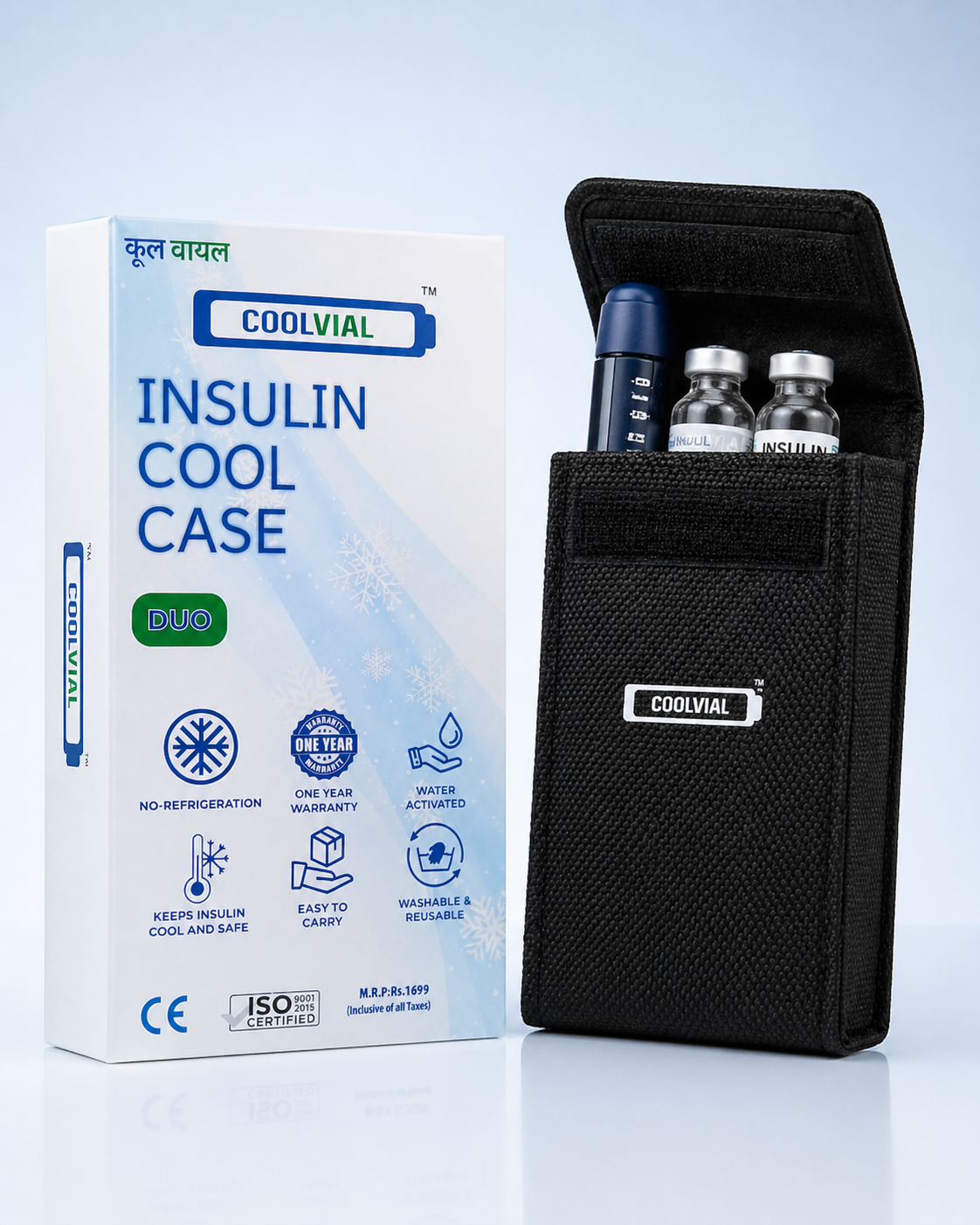
- COOLVIAL Duo: Your Monsoon Companion: The COOLVIAL Duo is specifically designed for the Indian climate, providing 12-16 hours of cooling without electricity. It holds 2 pens and 1 vial, making it ideal for daily use or short trips. Its water-activated evaporative cooling technology is simple, effective, and reliable.
- Benefits: CE certified, ISO 9001:2015 compliant, and comes with a 1-year warranty. Being Made in India, it’s tailored for local conditions.
- Cost-Effective: At Rs 1,099 with code COOLHEAL (MRP Rs 1,699), it offers significant value.
- Comparison with Alternatives:
- FRIO: A popular international brand, FRIO cases typically cost around Rs 1,900 and offer similar evaporative cooling. While effective, COOLVIAL Duo provides a more budget-friendly, locally manufactured alternative with comparable performance.
- Outer Woods OW-12: Another option, often priced around Rs 999, which may use gel packs or similar technology. While cheaper, it’s essential to compare the duration of cooling and capacity with COOLVIAL Duo to ensure it meets your specific needs during the Prayagraj monsoon.
5 Essential Strategies for Protecting Your Insulin Vials from Prayagraj Monsoon Humidity Damage
Choosing a reliable cooling case like the COOLVIAL Duo ensures your insulin remains potent and safe, providing peace of mind during the unpredictable monsoon season. For more general insulin storage tips, visit our insulin storage tips page.
Your Monsoon Preparedness Checklist for Diabetics in Prayagraj
A proactive approach to the Prayagraj monsoon can make all the difference in managing your diabetes effectively and safely. Use this comprehensive checklist to ensure you’re fully prepared for the challenges of the rainy season.
Essential Preparations Before Monsoon Starts:
- Adequate Insulin Stock: Ensure you have at least a 2-4 week supply of all your insulin types, pens, and vials. This buffer is critical for managing potential transport disruptions.
- Syringes/Needle Stock: Stock up on enough fresh syringes and pen needles for your extended insulin supply.
- Blood Glucose Monitoring Supplies: Ensure you have enough test strips, lancets, and a working glucometer with fresh batteries.
- Airtight Storage Containers: Purchase sturdy, waterproof, airtight containers for your insulin and other sensitive medical supplies.
- Silica Gel Packets: Buy a good supply of silica gel packets to place inside your storage containers and cupboards.
- Non-Electric Cooling Case: Invest in a reliable non-electric cooling case like the COOLVIAL Duo to protect insulin during power cuts or travel.
- Emergency Contact List: Keep a written list of your doctor’s number (endocrinologist/diabetologist), local pharmacy numbers (Apollo, MedPlus, Hindustan Pharmacy), and emergency contacts.
- Waterproof Bag/Pouch: Have a small, easily accessible waterproof bag for immediate transfer of insulin if your home is flooded.
- Prescription Copies: Keep digital and physical copies of your insulin prescriptions.
- First Aid Kit: Ensure your general first aid kit is well-stocked and includes items for minor cuts or infections, which can be more common in damp conditions.
During the Monsoon Season:
- Monitor Weather Forecasts: Stay updated on local weather alerts and flood warnings for Prayagraj.
- Secure Your Home: Ensure windows and doors are sealed to prevent water ingress. Clear drains and gutters.
- Elevate Valuables: If you live in a flood-prone area (e.g., Katra/Mutthiganj), keep insulin and other medications on higher shelves or elevated surfaces.
- Regular Insulin Inspection: Periodically check your insulin vials and pens for any signs of degradation (cloudiness, discoloration, clumps) or mould on packaging.
- Maintain Hygiene: Wash hands frequently, especially before handling insulin, to prevent infections in humid conditions.
- Stay Hydrated: Even in humid weather, it’s important to stay adequately hydrated.
- Avoid Contaminated Water: Do not use tap water that has been affected by flooding for any purpose, including washing insulin supplies.
- Inform Family/Caregivers: Ensure family members or caregivers know where your insulin and emergency supplies are kept and how to use them.
This checklist provides a robust framework to navigate the Prayagraj monsoon safely and keep your diabetes under control.
What to Do If Your Insulin is Damaged or Stock is Destroyed
Despite the best preparations, unforeseen circumstances like severe flooding or prolonged power outages during the Prayagraj monsoon can lead to your insulin being damaged or your entire stock destroyed. In such a critical situation, immediate action is necessary to ensure your health and safety.
Steps to Take Immediately:
- Do Not Use Compromised Insulin: If your insulin has been exposed to floodwater, extreme temperatures (above 26°C for too long, or frozen), or shows any signs of degradation (discoloration, cloudiness, particles, clumping), do not use it. Using compromised insulin can lead to ineffective blood sugar control, potentially causing hyperglycemia or other complications.
- Contact Your Doctor: Immediately reach out to your endocrinologist or diabetologist. Explain the situation in detail. They can guide you on immediate steps, provide a new prescription, and advise on temporary blood sugar management. Hospitals like SRN Hospital (Swaroop Rani Nehru) have departments that can assist.
- Seek Emergency Pharmacy Access:
- SRN Hospital (Swaroop Rani Nehru) Emergency Pharmacy: The emergency pharmacy at SRN Hospital (Swaroop Rani Nehru) is a critical resource in Prayagraj. It often operates 24/7 and is usually equipped to handle emergency medication needs. Head there with your prescription or a letter from your doctor.
- Phoenix Hospital (Civil Lines) & Yashlok Hospital: These private hospitals also have pharmacies that might be able to provide emergency supplies, though it’s always best to check their operational status during severe weather.
- Major Chain Pharmacies: If accessible, Apollo Pharmacy and MedPlus outlets are usually well-stocked. Call ahead to confirm availability and accessibility.
- Inform Family/Friends: Let your close contacts know about your situation so they can offer support, help with transport, or assist in procuring new supplies.
Important Considerations for Replacement:
- New Prescription: You will likely need a new prescription from your doctor to replace damaged insulin.
- Cost Implications: Be prepared for the cost of replacement insulin. Keep emergency funds accessible if possible.
- Storage of New Insulin: Once you obtain new insulin, ensure it is stored immediately and correctly using your monsoon-proofed methods (airtight containers, cooling cases like COOLVIAL Duo).
| Scenario | Immediate Action | Where to Get Help (Prayagraj) |
|---|---|---|
| Insulin exposed to floodwater | Discard immediately, do not use. | SRN Hospital (Swaroop Rani Nehru) emergency pharmacy, your diabetologist. |
| Insulin exposed to high temperatures/power cut | Inspect for degradation; if suspicious, discard. | Your doctor, Phoenix Hospital (Civil Lines) pharmacy, MedPlus. |
| Packaging mouldy, but vial/pen seems okay | Discard packaging. Clean pen/vial exterior with alcohol swab. Monitor insulin closely. | Consult your doctor if concerned. Replace if any doubt about integrity. |
| No access to regular pharmacy | Contact doctor for advice. Try hospital pharmacies. | SRN Hospital (Swaroop Rani Nehru), Apollo Pharmacy, MedPlus (if accessible). |
Your health is the priority. Never risk using insulin that you suspect has been compromised. Timely action and communication with healthcare professionals are key to a safe recovery from such incidents during the Prayagraj monsoon.
Frequently Asked Questions (FAQ)
Q: How does the Prayagraj monsoon specifically impact insulin storage? A: The Prayagraj monsoon brings high humidity (often 80-95%) and warm temperatures (25-35°C), which can accelerate insulin degradation, damage cardboard packaging, and promote mould growth in homes, posing significant risks to insulin potency and sterility.
Q: Can I store my insulin in the refrigerator during the monsoon in Prayagraj? A: Yes, insulin for long-term storage should be kept in the refrigerator (2-8°C). However, during the Prayagraj monsoon, high ambient humidity and frequent power cuts necessitate storing it in an airtight container within the fridge and having a non-electric cooling case like COOLVIAL Duo as a backup for power outages.
Q: What should I do if my home in Prayagraj floods and my insulin gets wet? A: If your insulin has been exposed to floodwater, assume it is contaminated and do not use it. Immediately contact your endocrinologist and seek an emergency replacement from pharmacies like the 24/7 emergency pharmacy at SRN Hospital (Swaroop Rani Nehru).
Q: Where can I buy silica gel and airtight containers in Prayagraj? A: Silica gel packets can be found at local stationery shops, hardware stores, or general stores in areas like Civil Lines. Airtight containers by brands like Tupperware or Borosil are available at major supermarkets or kitchenware stores across Prayagraj.
Q: How can COOLVIAL Duo help me manage insulin storage during the Prayagraj monsoon? A: The COOLVIAL Duo is a water-activated evaporative cooling case that keeps insulin cool for 12-16 hours without electricity. It’s ideal for protecting insulin during power cuts, travel, or when ambient temperatures are too high, offering a reliable, non-electric solution for Prayagraj’s humid conditions.
Q: What if I can’t reach a pharmacy due to waterlogging in areas like Katra/Mutthiganj? A: Before monsoon, stock up on 2-4 weeks of insulin. If transportation is disrupted, contact your doctor for advice and try to reach major hospital pharmacies like SRN Hospital (Swaroop Rani Nehru) which may be more accessible or have emergency stock.
Q: Is it safe to use insulin if its cardboard packaging has mould on it but the pen/vial looks fine? A: If only the cardboard packaging has mould, discard the packaging. Thoroughly clean the exterior of the pen or vial with an alcohol swab. However, if there’s any doubt about the integrity of the pen/vial or if mould appears on the medication itself, it’s safer to discard it and get a replacement, consulting your doctor first.
Conclusion: Stay Cool, Stay Safe This Monsoon
The Prayagraj monsoon, with its enchanting beauty and spiritual significance at the Triveni Sangam, brings with it a unique set of challenges for diabetes management. The relentless humidity, the pervasive risk of mould, the threat of flooding from the Ganga-Yamuna confluence, and the inevitable transport disruptions all conspire to make insulin storage a critical concern. However, with the right knowledge and proactive preparation, you can navigate these challenges with confidence and ensure your life-saving medication remains potent and safe.
By understanding the specific threats of humidity, securing your home against waterlogging in areas like Civil Lines or Katra/Mutthiganj, and implementing practical solutions like airtight containers and silica gel, you’re taking significant steps towards safeguarding your health. Crucially, investing in a reliable non-electric cooling solution like the COOLVIAL Duo provides an essential layer of protection against power cuts and high ambient temperatures, giving you peace of mind throughout the rainy season. Remember, your vigilance and preparedness are your best allies. Stay informed, stay prepared, and ensure your insulin stays cool and effective, no matter what the Prayagraj monsoon brings.
Order COOLVIAL Duo at Rs 1,099 with code COOLHEAL — coolvial.com or WhatsApp wa.me/918766952300
Methodology Note
How We Researched This — This article is based on a comprehensive review of RSSDI guidelines for diabetes management in India, data from the ICMR-INDIAB study on diabetes prevalence and care, local Prayagraj hospital directories, and information from the Apollo Pharmacy network regarding medication availability and logistics. Local climate data and anecdotal insights from Prayagraj residents regarding monsoon conditions and infrastructure challenges were also incorporated.
Medical Disclaimer
This article is for general information and educational purposes only. It is not a substitute for professional medical advice, diagnosis, or treatment. Always consult your endocrinologist or diabetologist before changing insulin storage or dosing practices, or if you have any medical questions or concerns.
5 Essential Strategies for Protecting Your Insulin Vials from Prayagraj Monsoon Humidity Damage
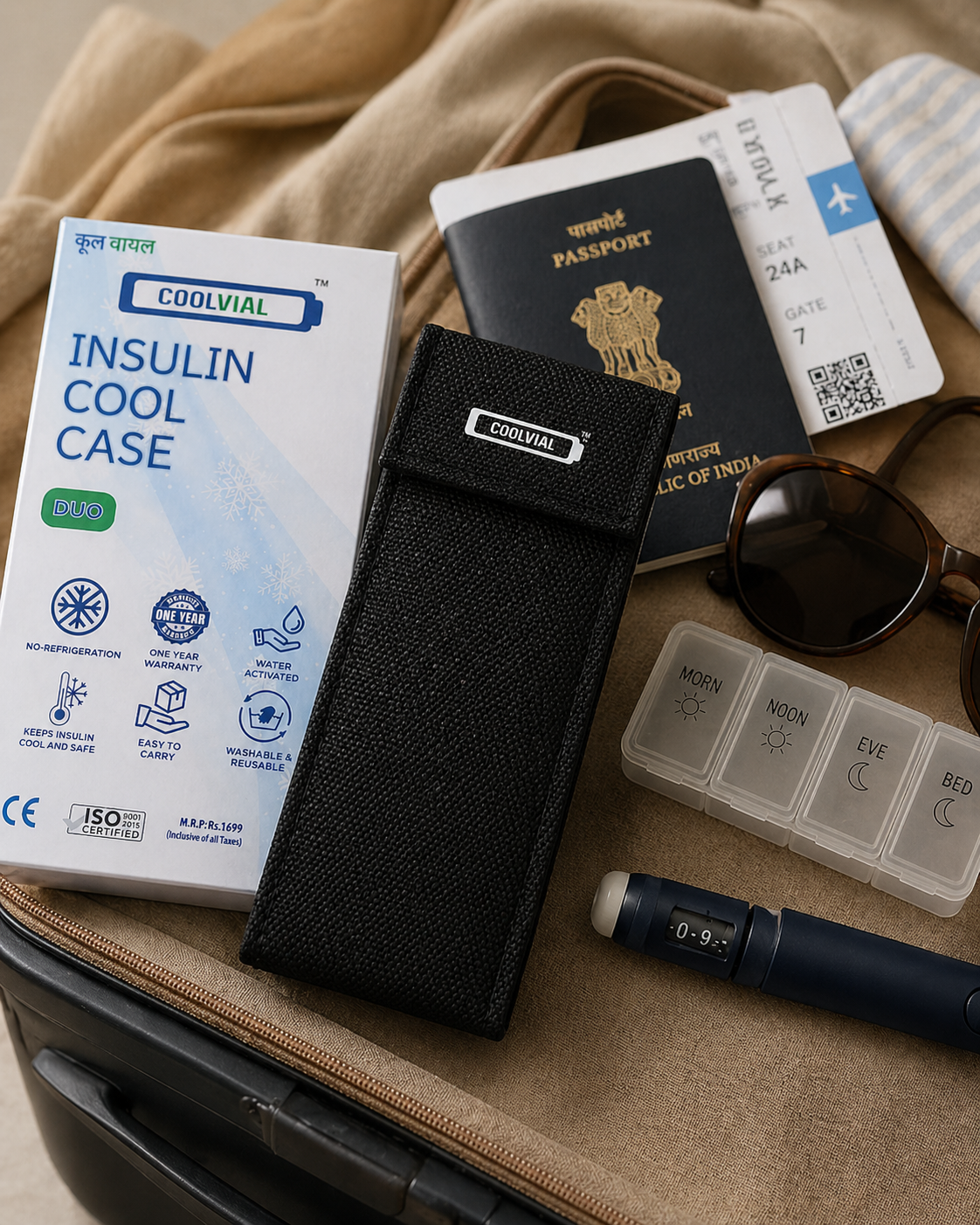
48+ hours at 2-8°C. No electricity. CE certified. Free delivery across India.
Order on WhatsApp — ₹1,099🛒 Buy Now — ₹1,099