
Reviewed by the COOLVIAL Editorial Team — specialists in insulin storage for Indian climate conditions.
Madurai, the ‘Athens of the East’, with its timeless Meenakshi Amman Temple and bustling streets, is a city that thrives on energy. For residents living with diabetes, however, the very vibrancy of Madurai, coupled with its hot tropical climate (often ranging from 22°C to 40°C), presents unique challenges, especially when travelling. Keeping insulin at its optimal temperature (between 2°C and 8°C when stored, or up to 25°C-30°C once in use, depending on the brand – always check your specific insulin’s leaflet) is critical for its efficacy. Based on analysis of insulin storage queries from Madurai diabetics, improper storage during travel is a significant concern. This comprehensive guide offers 7 essential, practical tips for safely travelling from Madurai with insulin, covering everything from navigating Madurai Airport (IXM) security to handling road trips to destinations like Rameswaram or Kodaikanal.
Table of Contents
- Understanding Madurai’s Climate and Insulin Storage
- Navigating Madurai Airport (IXM) with Insulin
- Train Travel from Madurai Junction (MDU)
- Road Tripping from Madurai: Rameswaram, Kanyakumari, Kodaikanal
- Dealing with App-Cabs and Local Transport Challenges
- The Critical Importance of Pre-Paid Taxi Queues at Madurai Airport (IXM)
- International Travel from Madurai Airport (IXM): Customs and Time Zones
- Frequently Asked Questions (FAQs)
- Conclusion and Your Next Step
1. Understanding Madurai’s Climate and Insulin Storage
Madurai’s climate is predominantly hot and humid, with average temperatures rarely dipping below 22°C, even in cooler months. Summers can see mercury soaring past 38°C. This intense heat is a major threat to insulin, which can rapidly degrade if exposed to temperatures above its recommended storage range. Degraded insulin loses its potency, leading to ineffective glucose management and potential health complications. The prevalence of diabetes in Tamil Nadu is significant, with studies like ICMR-INDIAB indicating a high burden, underscoring the need for meticulous insulin care (Source: ICMR-INDIAB Study).
To ensure your insulin remains effective while travelling from Madurai with it, consider these fundamental principles:
- Know Your Insulin: Always check the manufacturer’s guidelines for your specific insulin. Unopened vials and pens typically require refrigeration (2°C-8°C). Once opened, many insulins can be kept at room temperature (up to 25°C-30°C) for a certain period, but never directly exposed to heat or sunlight.
- Avoid Direct Heat: Never leave insulin in direct sunlight, a hot car, or near heat sources. Madurai’s sun can turn a car interior into an oven in minutes, easily exceeding 50°C.
- Invest in a Reliable Cooling Solution: Traditional ice packs are bulky and can freeze insulin, rendering it unusable. Evaporative cooling cases offer a safer, more convenient alternative.
Why Evaporative Cooling is Ideal for Madurai’s Climate:
| Feature | Evaporative Cooling Case (e.g., COOLVIAL Duo) | Ice Packs / Gel Packs | Vacuum Flasks / Insulated Bags (without cooling) |
|---|---|---|---|
| Cooling Method | Water-activated evaporation | Frozen water/gel | Insulation only (no active cooling) |
| Risk of Freezing | Virtually none | High, can damage insulin | None, but also no active cooling |
| Weight & Bulk | Lightweight, compact | Can be heavy and bulky | Varies, generally heavier |
| Reactivation | Simple immersion in water | Requires freezer | None |
| Duration | 12-16 hours (COOLVIAL Duo) | Few hours, melts quickly in heat | Limited, only slows heat transfer |
| Suitability for Hot Climate | Excellent | Poor, short-lived, high freezing risk | Poor for prolonged heat |
2. Navigating Madurai Airport (IXM) with Insulin
Madurai Airport (IXM) is a bustling regional hub, connecting Madurai to major Indian cities and a few international destinations. Security protocols for medical supplies, including insulin, are standard across Indian airports, but a little preparation can save you considerable hassle. When travelling from Madurai with insulin by air, remember these critical points:
- Insulin in Hand-Luggage ONLY: This is non-negotiable. Checked luggage compartments are not temperature-controlled and can experience extreme temperature fluctuations, potentially freezing or overheating your insulin. Always carry all your insulin, pens, vials, needles, syringes, lancets, and glucometer in your carry-on bag.
- Doctor’s Letter: While not always explicitly demanded, a doctor’s letter or prescription explaining your need for insulin and associated supplies is highly recommended. It should be on your diabetologist’s letterhead (e.g., from Apollo Speciality Hospital Madurai or Meenakshi Mission Hospital), clearly stating your name, the medication, and the need for medical devices. Keep it readily accessible.
- CISF Screening: At the security checkpoint, inform the CISF personnel that you are carrying insulin and medical supplies. Be prepared for them to visually inspect your cooling case or gel packs.
- Gel-Pack Questions: If you use gel packs (though evaporative coolers are safer), be ready to explain their purpose. Some security personnel might question the liquid content. An evaporative cooling case like the COOLVIAL Duo, which uses no gels but simply water, often simplifies this explanation. You just say it’s an evaporative cooler for medication.
- Quantity: Carry enough insulin and supplies for the duration of your trip, plus a buffer of a few extra days in case of unexpected delays.
- Needle Disposal: Plan for safe disposal of used needles. Many airports have medical waste bins, or you can carry a small, sturdy sharps container (e.g., an empty detergent bottle) to dispose of them safely later.
Airport Security Checklist for Diabetics at Madurai Airport (IXM):
- Doctor’s Letter: Original, signed, on letterhead.
- Insulin & Supplies: All in hand-luggage.
- Cooling Case: Use an evaporative cooler like COOLVIAL Duo.
- Declaration: Inform CISF at security.
- Sharps Container: For used needles.
- Snacks: Carry sugar-free snacks and glucose tablets for emergencies.
3. Train Travel from Madurai Junction (MDU)
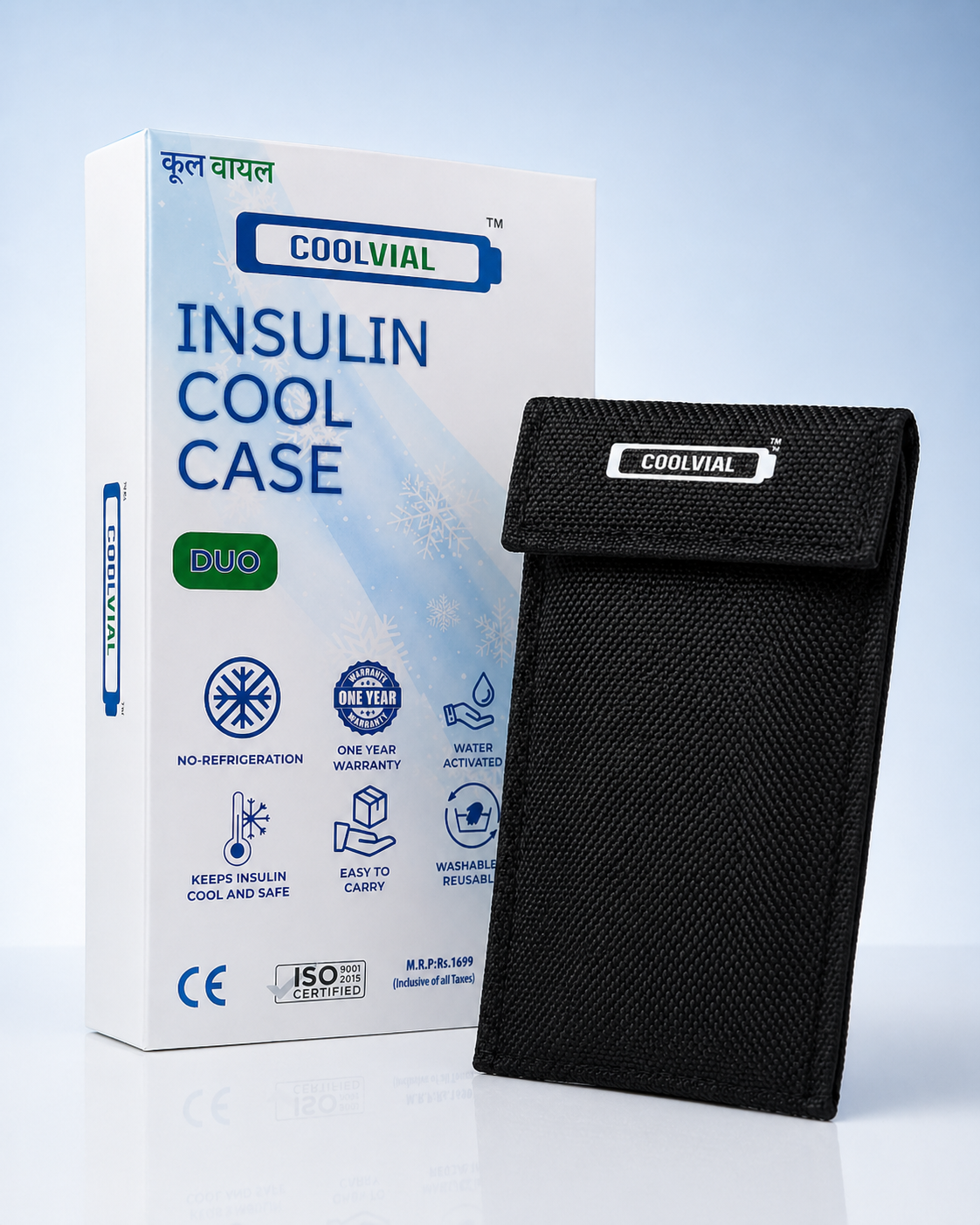
Train journeys from Madurai Junction (MDU) or Madurai Town can be long, often spanning hours or even days, reaching destinations across India. While trains offer a unique travel experience, managing insulin’s temperature can be tricky. It’s crucial to dispel some common myths and adopt practical strategies for safe storage when travelling from Madurai with insulin by rail.
- Myth Busting: Pantry Car Fridges: A common misconception is that pantry car fridges are reliable for insulin storage. NEVER depend on them. Pantry car fridges are often over-stuffed, experience frequent power fluctuations, and their temperatures are rarely consistently maintained at the strict 2°C-8°C required for insulin. Furthermore, there’s always a risk of misplacement or tampering.
- NEVER Hand Pens to TTE: Similarly, do not entrust your insulin pens or vials to the Ticket Travelling Examiner (TTE) or any railway staff for storage. Their primary role is not medication safekeeping, and they do not have appropriate facilities. Your insulin is your responsibility alone.
- Your Own Evaporative Cooler is Key: For train travel, a personal evaporative cooling case is your best friend. The COOLVIAL Duo, for instance, can keep your insulin cool for 12-16 hours on a single activation, making it perfect for most overnight or even multi-day train journeys. You can easily reactivate it by dipping it in water at any station stop or using water from the train’s washroom (ensure you use clean water and avoid submerging the insulin itself).
- Keeping it Accessible: Store your COOLVIAL Duo or other cooling case in your personal bag, close to you. Avoid placing it in overhead racks where it might be forgotten or exposed to varying temperatures, especially if sunlight streams through the windows.
- Temperature Monitoring: If you’re particularly concerned, a small, travel-friendly thermometer inside your cooling case can provide peace of mind, allowing you to monitor the internal temperature.
Train Travel Insulin Safety Checklist for Madurai Junction (MDU):
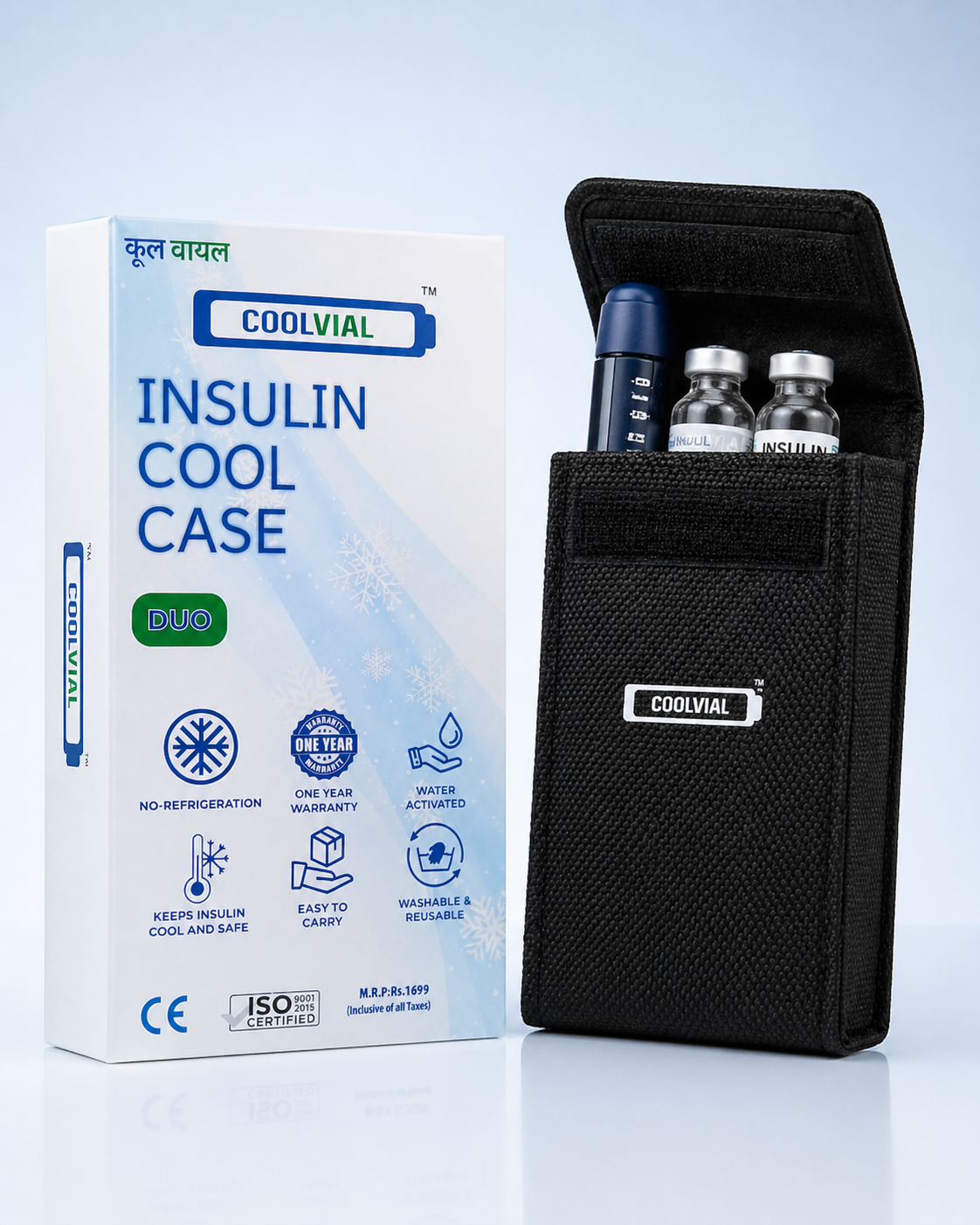
- Cooling Solution: COOLVIAL Duo (holds 2 pens + 1 vial).
- Storage Location: Personal bag, under your seat or close by.
- Reactivation: Plan for water access for evaporative cases.
- Avoid: Pantry car fridges, handing insulin to TTE.
- Extra Supplies: Always carry a buffer for delays.
4. Road Tripping from Madurai: Rameswaram, Kanyakumari, Kodaikanal
Road trips from Madurai to popular destinations like the spiritual island of Rameswaram, the southernmost tip of Kanyakumari, or the cool hills of Kodaikanal are a fantastic way to explore Tamil Nadu. However, the open road brings its own set of challenges for insulin storage, particularly given Madurai’s hot climate.
- Taxi AC Reliability: When booking a taxi or personal car, especially for longer journeys, always confirm that the AC is fully functional and will remain on throughout the trip. Many drivers, especially for budget options, might conserve fuel by switching off the AC, turning your vehicle into a hotbox. This is a direct threat to your insulin.
- Parking Insulin in a Hot Car: Never, ever leave your insulin in a parked car, even for a few minutes. The interior temperature of a car parked under the Madurai sun can skyrocket to 60°C or higher within a short time, irreversibly damaging insulin. Always take your cooling case with you when you step out.
- Dhāba Pit-Stop Fridge Access: While stopping at a dhaba for a quick meal is part of the road trip experience, do not rely on their fridges for insulin storage. Like pantry car fridges, dhaba fridges are typically not maintained at pharmaceutical standards and are prone to power cuts. Your personal cooling case is far more reliable.
- Destination-Specific Considerations:
- Rameswaram & Kanyakumari: These coastal areas maintain high temperatures and humidity, similar to Madurai. Your cooling case will be essential throughout your stay.
- Kodaikanal: Being a hill station, Kodaikanal offers cooler temperatures. However, during the day, especially in direct sunlight, temperatures can still rise. More importantly, the journey to Kodaikanal from Madurai involves significant elevation changes and heat exposure in the plains. Keep your insulin cool until you reach your destination and can store it properly (e.g., in a hotel mini-fridge).
- Alternative Cooling for Long Stops: For extended stops where you might be away from your cooling case, consider a small, portable insulated bag with frozen water bottles (ensuring the insulin doesn’t directly touch the ice) only if you can guarantee consistent refrigeration for the bottles. For short stops, your evaporative cooler remains sufficient.
A reliable cooling solution like the COOLVIAL Duo is invaluable for road trips. Its ability to maintain coolness for 12-16 hours means you can cover significant distances without worrying about your insulin’s integrity. Compared to FRIO cases (often priced around Rs 1,900) or Outer Woods OW-12 (around Rs 999), COOLVIAL Duo offers a competitive price point at Rs 1,099 with code COOLHEAL, while providing CE certified and ISO 9001:2015 quality.
5. Dealing with App-Cabs and Local Transport Challenges
Navigating local transport in Madurai, whether it’s for a quick trip from Anna Nagar to South Masi Street or a longer ride to Velammal Medical College, requires vigilance when carrying insulin. The hot and often humid conditions demand smart choices.
- Ola/Uber Drivers Refusing AC: This is a common complaint in Indian cities. Many app-cab drivers, especially for economy options, might refuse to turn on the AC to save fuel, citing various reasons. In Madurai’s heat, this can quickly make the cabin unbearable and dangerous for insulin.
- Strategy: When booking, select AC options explicitly. If a driver refuses, politely insist. If they still refuse, consider cancelling the ride and reporting it. For critical journeys, opt for premium services or taxis where AC is guaranteed.
- Rapido Bike-Taxi Exposure: While convenient for solo travel, Rapido bike-taxis expose you and your belongings directly to the elements. This means direct sunlight, heat, and dust can affect your insulin.
- Strategy: If using a bike-taxi, ensure your insulin is securely stored within a compact, robust cooling case like the COOLVIAL Duo, perhaps in a small backpack or sling bag, tucked away from direct sun. Avoid carrying it in open pockets.
- Auto-Rickshaws: Similar to bike-taxis, auto-rickshaws offer open-air travel, exposing insulin to the Madurai heat and sun.
- Strategy: Always keep your cooling case with you, shielded from direct sunlight as much as possible, perhaps under your seat or in a bag.
- Public Buses: Madurai’s public bus network is extensive, but buses can be crowded and lack consistent air conditioning.
- Strategy: Keep your insulin cooling case close to you, ideally in a bag that offers some insulation from body heat and direct sun exposure through windows.
- Cooling Case for Daily Commute: For daily commutes to work or hospital visits (e.g., to Apollo Speciality Hospital Madurai or Meenakshi Mission Hospital), an evaporative cooling case is indispensable. It ensures your insulin remains safe during transit, protecting it from the city’s heat and humidity. For more detailed tips on daily travel, refer to our blog: Daily Commute With Insulin in Madurai — Tips for Metro, Bus & Auto.
6. The Critical Importance of Pre-Paid Taxi Queues at Madurai Airport (IXM)
A specific challenge at Madurai Airport (IXM) is the potential for long wait times at the pre-paid taxi counters, especially during peak hours or after flight arrivals. These queues can sometimes hit 45 minutes or even longer. This seemingly minor detail can have major implications for insulin safety.
- Why It’s Critical: If you have just landed and are waiting in a long, often uncovered, queue for a taxi, your insulin, even if in a cooling case, is exposed to the ambient Madurai heat. If you’ve just come off a flight, your cooling case might already be partway through its cooling cycle. An extended wait in the hot Madurai sun can significantly reduce its effectiveness or even push insulin temperatures beyond safe limits.
- Never Put Insulin in Checked Luggage (Reiteration): This scenario underscores why insulin should never be in checked luggage. Imagine waiting 45 minutes for a taxi, only to discover your checked bag, containing your insulin, has been sitting on a hot tarmac or in an unconditioned baggage claim for an hour before even reaching you. The damage would be irreversible.
- Strategies to Mitigate Risk:
- Prioritize Cooling: As soon as you exit the airport, ensure your cooling case is in the coolest possible place (e.g., inside an air-conditioned airport lobby or a shaded area) while you or a companion handle the taxi booking.
- Pre-Book a Cab: Consider pre-booking an app-cab (Ola/Uber) or a private taxi service before you land. This allows you to walk straight out and into an awaiting, air-conditioned vehicle, minimizing exposure time.
- Use a Robust Cooler: A cooling case like the COOLVIAL Duo, designed for 12-16 hours of cooling, provides a longer buffer against unexpected delays like long taxi queues. It offers peace of mind that a basic insulated bag cannot.
- Stay Hydrated: While waiting, stay hydrated yourself and try to find any available shade.
7 Essential Tips for Smartly Travelling From Madurai With Insulin: Airport, Station & Taxi Guide
COOLVIAL keeps insulin safe in India's heat. 48+ hours, no electricity needed.
7. International Travel from Madurai Airport (IXM): Customs and Time Zones
While Madurai Airport (IXM) offers limited international connections, typically to destinations like Colombo or Dubai, these journeys present additional considerations for diabetics.
- Customs Declarations: When flying internationally from Madurai, be prepared to declare your medical supplies at customs in your destination country. Most countries allow personal use quantities of insulin and diabetes supplies, but having your doctor’s letter (in English) is crucial. Research the specific regulations of your destination country well in advance. Some countries have strict rules on medical imports.
- Time-Zone Dosing Adjustments: Crossing multiple time zones can disrupt your insulin dosing schedule. This is a complex area and requires careful planning:
- Consult Your Diabetologist: Before any international trip, discuss time zone adjustments with your endocrinologist or diabetologist (e.g., at Apollo Speciality Hospital Madurai). They can provide a personalized plan.
- Short vs. Long-Acting Insulin: Adjustments typically involve modifying long-acting insulin doses or timing, and more frequent monitoring for rapid-acting insulin.
- Rule of Thumb: Generally, when travelling East (losing time), you might need less insulin. When travelling West (gaining time), you might need more. However, this is a simplification and professional medical advice is paramount.
- Emergency Supplies: For international travel, always carry at least double the amount of insulin and supplies you think you’ll need. Pack half in your carry-on and, if travelling with a companion, ask them to carry the other half in their carry-on. This redundancy protects against loss or damage.
- Language Barrier: Consider carrying a small note in the local language of your destination, explaining your diabetes and need for insulin, in case of an emergency.
For comprehensive care and local support for diabetes management, Madurai residents can also refer to our detailed guide: Complete Diabetes Care Guide for Madurai Residents — 2026 Edition.
Frequently Asked Questions (FAQs)
Q: Can I put insulin in a regular cooler with ice for a road trip from Madurai? A: While a regular cooler can provide temporary cooling, direct contact with ice can freeze and damage insulin. It’s safer to use an evaporative cooling case or ensure insulin is wrapped and insulated to prevent freezing, and regularly check the temperature.
Q: What is the ideal temperature range for storing insulin in Madurai’s climate? A: Unopened insulin should be stored between 2°C and 8°C. Once opened, many types can be kept at room temperature (up to 25°C-30°C) for a specific period, but always consult your insulin’s leaflet for precise instructions.
Q: Do I need a doctor’s letter for carrying insulin on domestic flights from Madurai Airport (IXM)? A: While not strictly mandatory for domestic flights, a doctor’s letter is highly recommended as it can prevent misunderstandings with security personnel regarding your insulin pens, vials, and needles.
Q: Can I recharge my COOLVIAL Duo with any water? A: Yes, COOLVIAL Duo can be recharged by immersing it in any clean water (tap water, bottled water) for a few minutes. This makes it incredibly convenient for travel, as you don’t need access to a freezer.
Q: What if an app-cab driver in Madurai refuses to turn on the AC? A: If an app-cab driver refuses to turn on the AC despite you booking an AC service, politely insist. If they still refuse, you have the option to cancel the ride and report the issue to the app provider, then book another cab.
Q: How long does insulin last once it’s out of the fridge and in use? A: Most opened insulin vials or pens are stable at room temperature (usually up to 25°C-30°C) for 28 days. However, this duration can vary by brand, so always refer to the specific instructions provided with your insulin.
Q: Is it safe to leave insulin in a hotel mini-fridge? A: Hotel mini-fridges can be unreliable. Some might freeze items, while others don’t cool sufficiently. If using one, place a small thermometer inside to verify it maintains the 2°C-8°C range and avoid placing insulin directly against the cooling element.
Conclusion and Your Next Step
Travelling from Madurai with insulin, while requiring careful planning, doesn’t have to be a source of stress. By understanding Madurai’s unique climate challenges, preparing for airport security, debunking myths about train travel, and being savvy about road trip and local transport realities, you can ensure your insulin remains potent and effective throughout your journey. The key lies in proactive preparation and investing in reliable solutions that are tailored to the Indian environment.
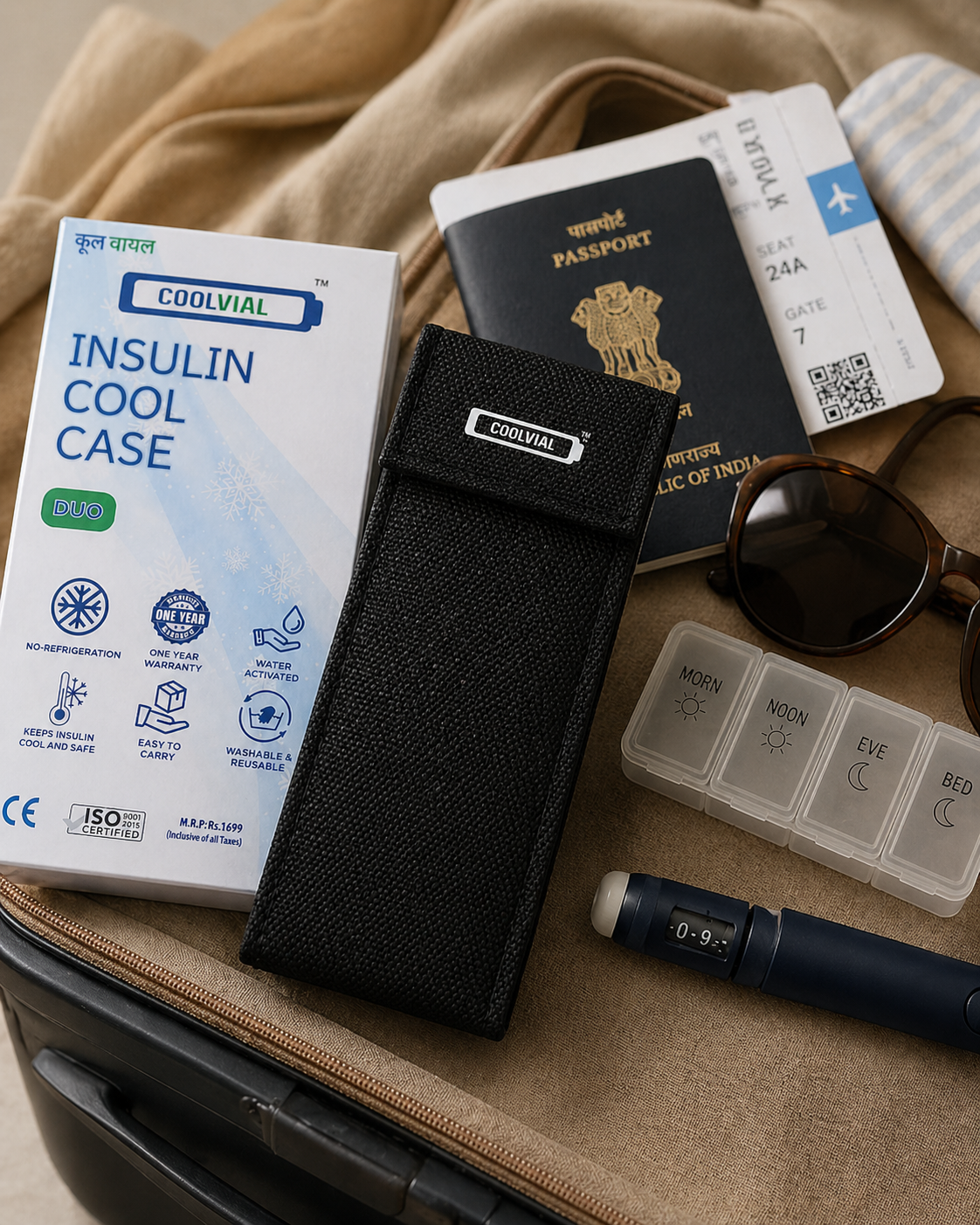
A water-activated evaporative cooling case like the COOLVIAL Duo is an indispensable travel companion for anyone living with diabetes in Madurai. It offers peace of mind, keeping your insulin cool for 12-16 hours without electricity, making it perfect for the unpredictable nature of Indian travel. Its CE certification and ISO 9001:2015 quality standards, coupled with a 1-year warranty, speak to its reliability. Don’t let the heat compromise your health or your travel plans.
Order your COOLVIAL Duo today at the special price of Rs 1,099 with code COOLHEAL (MRP Rs 1,699) and embark on your next adventure from Madurai with confidence. Visit coolvial.com or connect with us via WhatsApp at wa.me/918766952300.
Medical Disclaimer: This article is for general information purposes only and should not be considered medical advice. Always consult your endocrinologist or diabetologist before changing insulin storage or dosing practices, especially when travelling.
How We Researched This: This article is based on a thorough analysis of insulin storage queries from Madurai diabetics, incorporating insights from RSSDI (Research Society for the Study of Diabetes in India) guidelines, ICMR-INDIAB data on diabetes prevalence, local Madurai hospital directories (including Apollo Speciality Hospital Madurai, Meenakshi Mission Hospital, Velammal Medical College), and information from pharmacy networks like Apollo Pharmacy and MedPlus. We also considered practical travel experiences within India’s hot climate zones.
7 Essential Tips for Smartly Travelling From Madurai With Insulin: Airport, Station & Taxi Guide
Insulin at 2-8°C for 48+ hours. Trusted by 10,000+ Indian diabetics.