
Reviewed by the COOLVIAL Editorial Team — specialists in insulin storage for Indian climate conditions.
Agra, the city of the magnificent Taj Mahal, experiences a dramatic shift in its climate with the arrival of the monsoon. After enduring very hot summers with temperatures soaring between 22-45°C from May to June, the city welcomes the much-needed rains from July to September. However, this relief brings with it a surge in humidity, often reaching 85-95% (Source: India Meteorological Department, local Agra data [Verify in 2026]), which poses a significant threat to essential medications like insulin. For the thousands of diabetics in Agra, particularly the 11.4% of the Indian population living with diabetes (Source: WHO, 2023 [https://www.who.int/news-room/fact-sheets/detail/diabetes]), ensuring proper insulin storage during the monsoon is an urgent concern. This guide provides 7 essential steps for protecting your insulin vials and pens from humidity damage, mould, and other monsoon-related risks in Agra. Based on analysis of insulin storage queries from Agra diabetics, we understand the unique challenges you face.
Table of Contents
- Agra’s Monsoon Reality: Understanding the Climate Threat
- Humidity’s Silent Threat to Insulin: Beyond Just Temperature
- Navigating Waterlogging and Flooding Risks in Agra
- Pharmacy Access & Delivery Disruptions During Monsoon
- Refrigeration Risks: Humid-Fridge Air and Power Cuts
- Practical Solutions for Insulin Protection in Agra
- Emergency Insulin Procurement & Replenishment in Agra
- Your Essential Agra Monsoon-Prep Checklist for Diabetics
- Frequently Asked Questions (FAQ)
- Conclusion
Agra’s Monsoon Reality: Understanding the Climate Threat
Agra’s climate journey is quite distinct. From the scorching dry heat of May and June, where temperatures can hit 45°C, to a comparatively cold winter marked by dense fog, the monsoon season from July to September brings its own set of challenges. While the average temperature during monsoon settles to a more comfortable 25-35°C, the relative humidity skyrockets, often staying above 85% for days. This creates an environment ripe for moisture-related damage, not just for your home but critically for your life-saving insulin.
The pervasive dampness affects everything. Your clothes feel clammy, food spoils faster, and even electronic devices can malfunction. For insulin, which is a delicate protein, this high humidity can be detrimental. It’s not just about keeping it cool; it’s about keeping it dry. The unique combination of warmth and extreme moisture during the Agra monsoon is a perfect storm for insulin degradation if not properly managed.
- Agra’s Monsoon Climate Profile (July-September):
- Average Temperature: 25-35°C
- Relative Humidity: Typically 85-95% (Source: Local climate data [Verify in 2026])
- Rainfall: Moderate to heavy, often leading to waterlogging
- Common Issues: Mould growth, dampness, power fluctuations, transport disruptions
Humidity’s Silent Threat to Insulin: Beyond Just Temperature
Many diabetics are well-versed in keeping insulin cool, especially during Agra’s brutal summers. However, the monsoon presents a different, often overlooked, enemy: humidity. Insulin, whether in vials or pens, is highly susceptible to moisture. The cardboard packaging of insulin pens and vials can absorb moisture, leading to softening, disintegration, and even mould growth. More critically, prolonged exposure to high humidity can compromise the insulin itself.
Humidity can accelerate the degradation of insulin, making it less potent or even ineffective. This is particularly concerning if the moisture infiltrates the pen mechanism or the vial stopper. Beyond the medication, mould risk is a significant concern in Agra apartments and ground-floor homes. Damp walls, clothes, and even stored items can quickly become breeding grounds for mould, releasing spores that can contaminate your insulin storage area and potentially affect your respiratory health.
- How Humidity Damages Insulin:
- Packaging Degradation: Cardboard boxes and paper labels soften, tear, and become unreadable.
- Mould Growth: High humidity encourages mould on packaging, storage surfaces, and even inside damp refrigerators, potentially contaminating insulin or its immediate environment.
- Insulin Potency Reduction: While less direct than heat, sustained high humidity can contribute to insulin degradation, reducing its effectiveness over time.
- Pen Mechanism Issues: Moisture can seep into insulin pens, affecting the delicate mechanisms, leading to inaccurate dosing or malfunction.
- Hygiene Risk: Mould spores can be allergenic and irritate respiratory systems, a concern for overall health, especially for individuals managing a chronic condition like diabetes.
Navigating Waterlogging and Flooding Risks in Agra
While large-scale flooding from the Yamuna riverbank is an occasional risk, localised waterlogging is a very common occurrence in Agra during heavy monsoon showers. This can severely impact daily life, including access to essential services and the safety of your home. Key areas known for waterlogging include Sadar Bazaar (a central commercial hub), Tajganj (especially roads leading to the Taj Mahal area), and parts of Khandari. These areas can see streets submerged under several feet of water, making travel difficult or impossible.
If your home or building is on the ground floor, especially in low-lying areas, the risk of water ingress is higher. Even a few inches of standing water can damage stored items, including medicines. It’s crucial to have a plan for elevating your insulin and other essential supplies to higher ground within your home. Remember, floodwaters are often contaminated, so any insulin exposed to them should be considered compromised and safely discarded.
-
Monsoon Waterlogging Hotspots in Agra:
- Sadar Bazaar: Central market area, often experiences significant water accumulation.
- Tajganj: Roads and lanes near the Taj Mahal and Fatehabad Road can get waterlogged.
- Khandari: Certain residential pockets in this northern area are prone to standing water.
- Low-lying areas near Yamuna: While major floods are rare, localized inundation can occur during heavy rainfall.
-
Actions During Waterlogging/Flooding:
- Elevate Supplies: Move all medications, including insulin, to the highest possible shelf or upper floor.
- Seal Valuables: Place insulin and other critical items in waterproof bags or airtight containers.
- Assess Damage: If insulin is exposed to floodwaters, assume it’s compromised and do not use it.
- Stay Informed: Monitor local news and weather advisories for updates on water levels and safety.
- Emergency Contact: Keep emergency contact numbers readily available, including your doctor and local hospital.
Pharmacy Access & Delivery Disruptions During Monsoon
The heavy rains and subsequent waterlogging in Agra can cause significant transport disruptions. Roads become impassable, public transport is affected, and even personal vehicles struggle to navigate the submerged streets. This directly impacts your ability to reach pharmacies like Apollo Pharmacy, MedPlus, or Trust Pharmacy, and can cause severe delays for home delivery services from platforms like 1mg and Generic Aadhaar. Imagine needing an urgent insulin refill, only to find delivery services halted or local pharmacies inaccessible due to waterlogged roads in Sadar Bazaar or Tajganj.
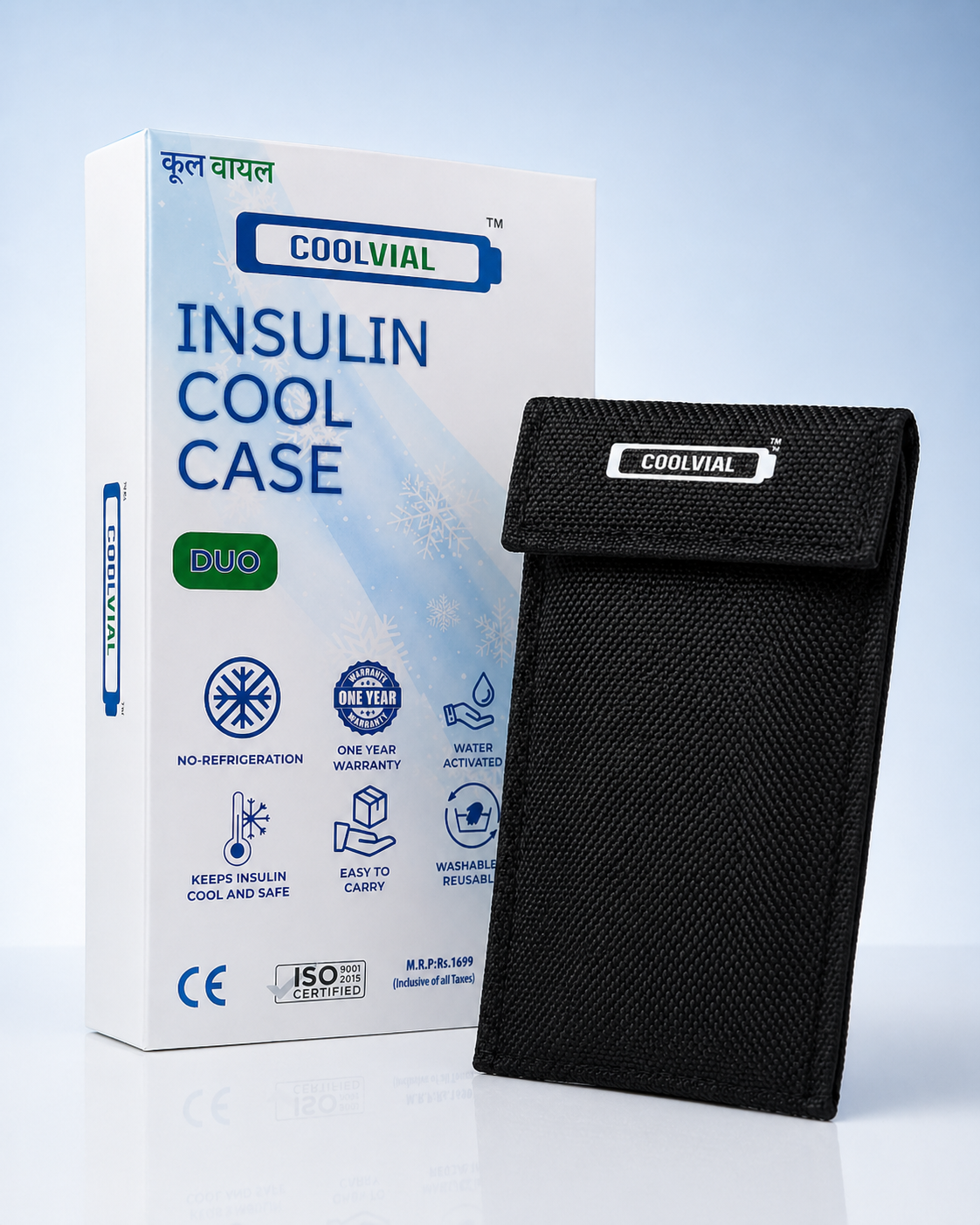
Planning ahead and maintaining a buffer stock of insulin and other diabetes essentials is paramount. This buffer should ideally be enough for at least 7-10 days, accounting for potential delays. Ensure your emergency kit includes not just insulin, but also needles, lancets, testing strips, and oral medications. Remember to store these in a cool, dry, and secure location, ideally within a reliable cooling case like the COOLVIAL insulin cool case that protects against both temperature and external moisture.
Agra Monsoon & Insulin — 7 Essential Steps to Protect Your Vials From Humidity Damage
Insulin at 2-8°C for 48+ hours. Trusted by 10,000+ Indian diabetics.
-
Monsoon Challenges for Pharmacy Access:
- Road Closures: Waterlogged streets in areas like Khandari and Sadar Bazaar make travel difficult.
- Public Transport Delays: Buses and auto-rickshaws face significant disruptions.
- Delivery Service Interruptions: 1mg and Generic Aadhaar, while convenient, may halt or delay services during severe weather.
- Staff Shortages: Pharmacy staff might face difficulties reaching their workplaces, impacting operating hours.
- Limited Stock: Localized transport issues can affect replenishment of pharmacy stocks.
-
Pharmacy Preparedness Tips:
- Maintain Buffer Stock: Aim for 7-10 days of insulin and other diabetes supplies.
- Check Pharmacy Hours: Call ahead to Apollo Pharmacy or MedPlus before venturing out during heavy rain.
- Utilize Online Services Cautiously: Place orders with 1mg or Generic Aadhaar well in advance, and have a backup plan.
- Know Emergency Options: Be aware of pharmacies open 24/7, such as the emergency pharmacy at SN Medical College (Sarojini Naidu).
- Waterproof Your Supplies: Use waterproof bags or containers for any medication you carry.
Refrigeration Risks: Humid-Fridge Air and Power Cuts
While refrigerators are essential for insulin storage, the Agra monsoon introduces unique risks. The high ambient humidity can lead to “humid-fridge air” contamination. When you frequently open your refrigerator door, especially in a humid environment, moist air enters and condenses inside. This can increase the humidity within the fridge itself, creating conditions conducive to mould growth on shelves, packaging, and even potentially affecting insulin vials if not properly sealed. A damp refrigerator is not a safe environment for insulin.
Beyond humidity, power cuts are a frequent occurrence during the monsoon. Heavy rains, strong winds, and lightning can cause outages that last for hours, sometimes even a full day or more, especially in residential areas like Sikandra and Tajganj. A prolonged power cut renders your refrigerator useless, exposing your insulin to fluctuating temperatures that can quickly degrade its potency. This is where a reliable, non-electric cooling solution becomes indispensable. For more detailed advice on managing such situations, refer to our Power Cut Survival Guide for Diabetics in Agra — What To Do When the Grid Goes Down.
-
Monsoon Refrigeration Risks:
- Humid-Fridge Air: Frequent door opening introduces moist air, leading to condensation and higher internal humidity.
- Mould Growth: Damp fridge interiors can foster mould, posing a hygiene risk and potential contamination source.
- Temperature Fluctuations: Power cuts cause fridge temperatures to rise, compromising insulin stability.
- Condensation on Insulin: Unsealed insulin vials or pens can accumulate condensation, leading to moisture damage.
-
Mitigating Refrigeration Risks:
- Minimize Door Opening: Reduce how often and how long you open the refrigerator door.
- Airtight Containers: Always store insulin in airtight, waterproof containers even inside the fridge.
- Regular Cleaning: Clean your refrigerator regularly with an anti-mould solution.
- Backup Cooling: Invest in a non-electric insulin cooling case for power cuts and travel.
- Monitor Temperature: Use a fridge thermometer to ensure stable temperatures.
Practical Solutions for Insulin Protection in Agra
Protecting your insulin during the Agra monsoon requires a multi-pronged approach that addresses both temperature and humidity. Fortunately, several practical solutions are available locally to help you safeguard your medication.
1. The Power of Silica Gel
Silica gel packets are excellent desiccants, meaning they absorb moisture from the air. You can easily find silica gel packets in various sizes at local stationery shops, hardware stores, or even online retailers in Agra. Place these packets inside your insulin storage containers, especially if you’re storing them in a cupboard or even in a refrigerator. Remember to replace them periodically, as they lose effectiveness once saturated with moisture. Many electronics stores in Sadar Bazaar or Khandari also stock larger reusable silica gel containers.
2. Airtight and Waterproof Containers
This is your first line of defense against humidity and potential waterlogging. Invest in good quality airtight, waterproof plastic containers. These are readily available at general stores, supermarkets like Reliance Fresh, or even online. Ensure the containers have a tight-fitting lid with a rubber seal to prevent any moisture from seeping in. Store your insulin vials and pens (still in their original packaging, if possible) inside these containers, along with a few silica gel packets.
3. The Indispensable COOLVIAL Duo
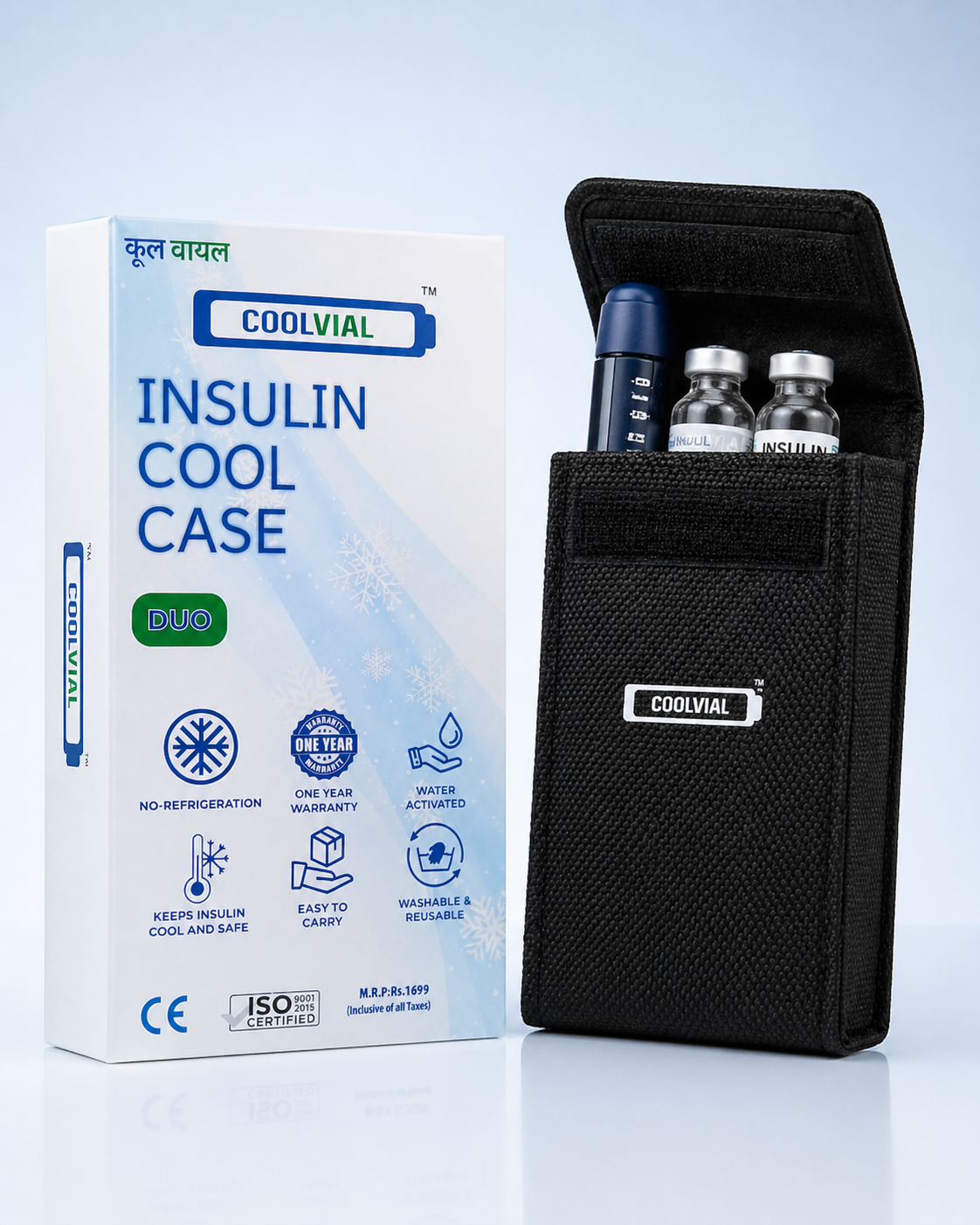
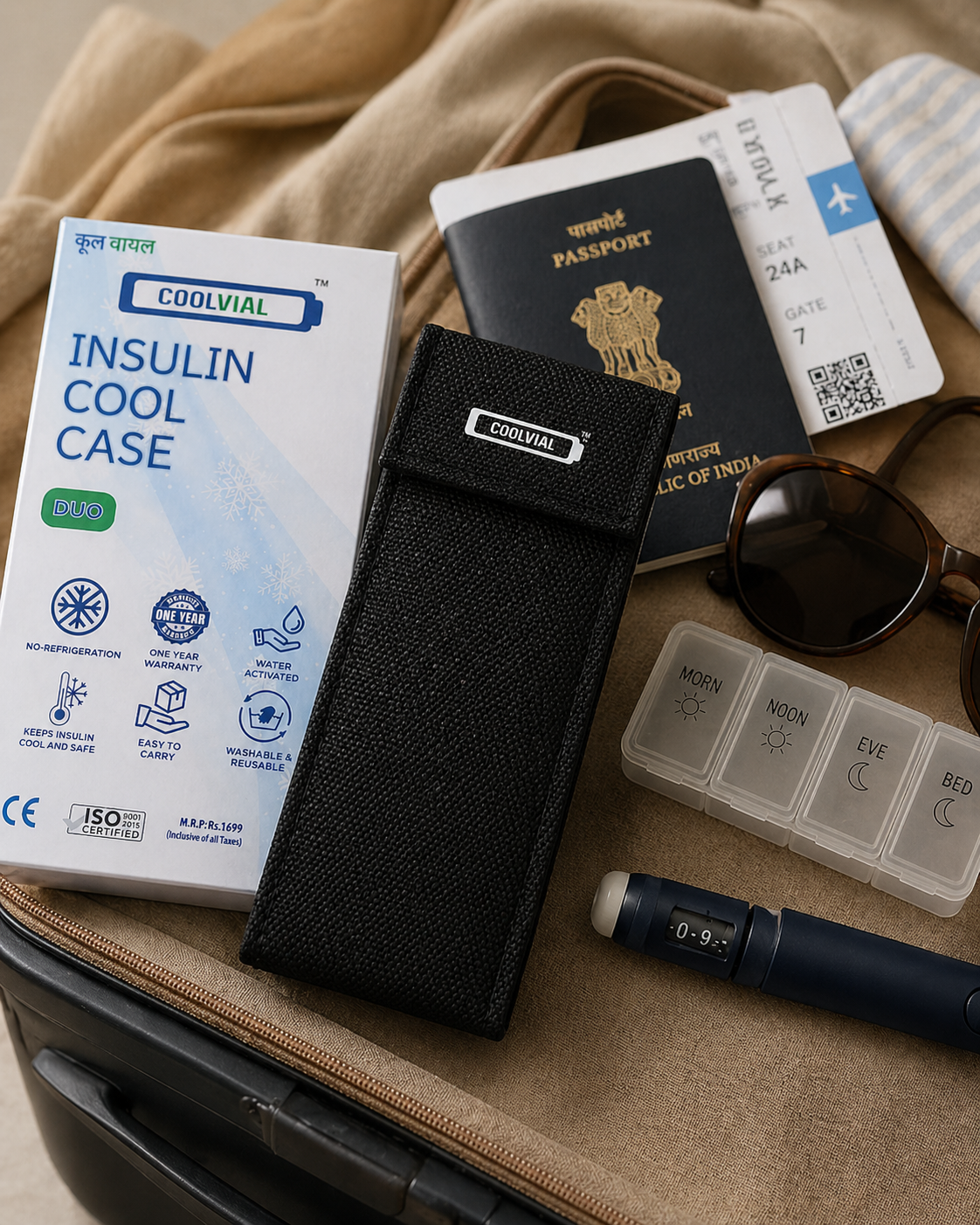
For diabetics in Agra, a water-activated evaporative cooling case like the COOLVIAL Duo is a game-changer, especially during the monsoon. It offers a reliable, electricity-free solution to keep your insulin cool (between 18-26°C) for 12-16 hours, even when ambient temperatures are high and humidity is soaring. This is crucial during power cuts or when you’re traveling across the city, perhaps visiting the Taj Mahal or Agra Fort, where refrigeration isn’t an option.
The COOLVIAL Duo holds 2 pens and 1 vial, making it ideal for most users. It’s CE certified, ISO 9001:2015 compliant, and comes with a 1-year warranty, assuring quality and reliability. Importantly, it’s Made in India, designed specifically for Indian climate conditions. Compared to alternatives like FRIO (which typically costs around Rs 1,900) or Outer Woods OW-12 (around Rs 999, but with different cooling technology and capacity), the COOLVIAL Duo offers an optimal balance of capacity, performance, and value at Rs 1,099 with code COOLHEAL. It protects your insulin from heat and indirectly from humidity by creating a stable microclimate. For comprehensive insulin storage tips, explore our insulin storage tips page.
- Key Insulin Protection Solutions for Agra:
- Silica Gel: Absorb excess moisture from storage areas. Source: Local stationery/hardware stores, online.
- Airtight Containers: Create a physical barrier against humidity and water. Source: General stores, supermarkets.
- COOLVIAL Duo: Non-electric cooling and humidity protection for insulin pens and vials. Ideal for power cuts, travel, and general monsoon use.
4. Strategic Home Storage Locations
Identify safe, elevated, and dry spots within your home for insulin storage. Avoid ground-level cupboards, areas near windows that might leak, or any spot prone to dampness. Upper shelves in central rooms, away from direct sunlight or external walls, are generally better. If you live in a ground-floor home in areas like Tajganj or Sadar Bazaar, this becomes even more critical due to waterlogging risks.
5. Regular Inspection
Agra Monsoon & Insulin — 7 Essential Steps to Protect Your Vials From Humidity Damage
During the monsoon, make it a habit to regularly inspect your insulin vials, pens, and their packaging for any signs of moisture damage, mould, or discoloration. If you notice any changes, it’s always safer to err on the side of caution and consult your doctor or pharmacy about replacement.
Emergency Insulin Procurement & Replenishment in Agra
Despite all precautions, situations can arise where your insulin supply is compromised or destroyed during the monsoon. Knowing where to source replacement insulin quickly is vital. Agra has several hospitals and pharmacies that can assist in an emergency.
- Emergency Insulin Sources in Agra:
- SN Medical College (Sarojini Naidu) Emergency Pharmacy: As a major government hospital, SN Medical College often has a 24/7 emergency pharmacy. This should be your first point of contact for urgent needs, especially if other pharmacies are inaccessible. (Source: Local Hospital Directory [Verify in 2026])
- Pushpanjali Hospital and Ravi Hospital: These private hospitals also have pharmacies that might offer extended hours or have emergency stock. It’s advisable to have their contact numbers handy.
- Apollo Pharmacy: Larger Apollo Pharmacy outlets might have better stock levels and potentially longer operating hours.
- MedPlus: Another reliable chain, often found in key neighborhoods.
- Trust Pharmacy: Local independent pharmacies can sometimes be a good resource if you have an established relationship.
Always carry your prescription and a valid ID when seeking emergency insulin. In cases of destroyed stock, explain the situation to the pharmacist or hospital staff. They might be able to guide you on replacement procedures or connect you with a doctor for a fresh prescription if needed. Having a backup prescription copy, either physical or digital, can save crucial time. For a broader understanding of healthcare resources, check our Complete Diabetes Care Guide for Agra Residents — 2026 Edition.
Your Essential Agra Monsoon-Prep Checklist for Diabetics
Being prepared is the best defense against the challenges of the Agra monsoon. Use this comprehensive checklist to ensure your insulin and diabetes management are secure.
-
Insulin & Medication Management:
- Buffer Stock: Ensure you have at least 7-10 days’ worth of insulin, pens, vials, needles, lancets, and test strips.
- COOLVIAL Duo: Prepare your COOLVIAL Duo or similar evaporative cool case. Ensure it’s clean and ready for activation.
- Airtight Containers: Store all insulin (even refrigerated) in waterproof, airtight containers with silica gel packets.
- Elevated Storage: Identify and use high, dry shelves or cupboards for insulin storage, away from ground level or damp walls.
- Regular Inspection: Check insulin and packaging frequently for moisture, mould, or discoloration.
- Backup Prescription: Keep a physical and digital copy of your insulin prescription.
-
Home & Environment Preparedness:
- Waterproofing: Seal windows and doors to prevent water ingress.
- Mould Control: Use dehumidifiers or anti-mould sprays in damp areas of your home, especially in ground-floor apartments in Sadar Bazaar or Tajganj.
- Emergency Kit: Assemble a general emergency kit including flashlights, batteries, power banks, and non-perishable food.
- Contact List: Keep emergency contact numbers for your doctor, local hospital (e.g., SN Medical College), and pharmacies readily accessible.
-
Connectivity & Access:
- Charged Devices: Keep mobile phones and power banks fully charged in anticipation of power cuts.
- Local Pharmacy Knowledge: Know the nearest 24/7 pharmacy or hospital emergency pharmacy.
- Transportation Plan: Have a backup plan for transportation if roads are waterlogged or public transport is disrupted.
-
Personal Health & Safety:
- Stay Hydrated: Even with humidity, staying hydrated is important.
- Foot Care: Protect your feet from dampness and potential infections; wear waterproof footwear.
- Monitor Blood Sugar: Be vigilant with blood sugar monitoring, as illness or stress from monsoon challenges can affect levels.
Frequently Asked Questions (FAQ)
Q: Can insulin be stored in a regular refrigerator during the Agra monsoon? A: Yes, unopened insulin should be stored in a refrigerator at 2-8°C. However, during the monsoon, ensure it’s in an airtight container to protect against humid-fridge air and condensation, and be prepared for power cuts with a non-electric cooling solution.
Q: How does high humidity affect insulin pens and vials? A: High humidity can cause the cardboard packaging to degrade, promote mould growth, and potentially compromise the insulin’s potency over time if moisture penetrates the pen mechanism or vial seal.
Q: What should I do if my home floods and my insulin is exposed to water? A: If your insulin is exposed to floodwaters, it should be considered contaminated and safely discarded. Contact your doctor or an emergency pharmacy like SN Medical College for a replacement immediately.
Q: Where can I buy silica gel in Agra to protect my insulin? A: Silica gel packets can be purchased from local stationery shops, hardware stores, or online retailers in various neighborhoods like Sadar Bazaar or Khandari.
Q: Is the COOLVIAL Duo effective in Agra’s high monsoon humidity? A: Yes, the COOLVIAL Duo uses evaporative cooling, which works by absorbing water and releasing it slowly through evaporation, effectively keeping insulin cool (18-26°C) and stable for 12-16 hours, even in high humidity conditions.
Q: What are the risks of using insulin that has been exposed to improper storage during monsoon? A: Insulin exposed to improper storage (e.g., extreme temperatures, high humidity, or contamination) can lose its potency, becoming less effective or even ineffective, leading to dangerously high blood sugar levels.
Q: Which Agra hospitals have emergency pharmacies for insulin in case of transport disruption? A: SN Medical College (Sarojini Naidu) has a 24/7 emergency pharmacy. Pushpanjali Hospital and Ravi Hospital also have pharmacies that may offer extended hours during emergencies.
Conclusion
The Agra monsoon, while bringing relief from the summer heat, demands heightened vigilance from diabetics regarding insulin storage. The pervasive humidity, coupled with risks of waterlogging, power cuts, and transport disruptions, creates a challenging environment for maintaining the efficacy of your life-saving medication. By understanding these threats and implementing the 7 essential steps outlined in this guide – from using silica gel and airtight containers to having a reliable non-electric cooling solution like the COOLVIAL Duo – you can safeguard your insulin and your health.
Proactive planning, maintaining a buffer stock, and knowing your local emergency resources, such as SN Medical College’s pharmacy, are not just recommendations but critical necessities. Embrace the monsoon with confidence, knowing you’ve taken every step to protect your insulin.
Order your COOLVIAL Duo today at Rs 1,099 with code COOLHEAL (MRP Rs 1,699) at coolvial.com or via WhatsApp wa.me/918766952300. Ensure your insulin stays safe, cool, and potent, come rain or shine.
Medical Disclaimer: This article is for general information. Always consult your endocrinologist or diabetologist before changing insulin storage or dosing practices.
How We Researched This: This article is based on a comprehensive review of RSSDI guidelines for diabetes management, ICMR-INDIAB data on diabetes prevalence in India, local Agra hospital directories, and information from established pharmacy networks like Apollo Pharmacy. We also considered common queries and challenges faced by diabetics in Agra regarding monsoon-related insulin storage.
Agra Monsoon & Insulin — 7 Essential Steps to Protect Your Vials From Humidity Damage
48+ hours at 2-8°C. No electricity. CE certified. Free delivery across India.
Order on WhatsApp — ₹1,099🛒 Buy Now — ₹1,099