Reviewed by the COOLVIAL Editorial Team — specialists in insulin storage for Indian climate conditions.
Agra, the city of the iconic Taj Mahal, is not just a hub of history and culture; it’s also home to thousands of individuals managing diabetes daily. For Agra residents, navigating diabetes care in a city known for its extreme climate, unique food culture, and evolving infrastructure requires a tailored approach. This complete diabetes care guide for Agra residents in 2026 provides essential, localized information to help you manage your condition effectively, ensuring your well-being amidst the city’s specific challenges. Based on analysis of insulin storage queries from Agra diabetics, we understand the local nuances. Uttar Pradesh, where Agra is located, faces a significant diabetes burden, with studies like ICMR-INDIAB indicating a prevalence rate of around 7.5% in urban areas (Source: ICMR-INDIAB study, [Verify in 2026]), highlighting the critical need for comprehensive local resources.
This guide will walk you through everything from top medical facilities and pharmacy networks to crucial insulin storage tips for Agra’s scorching summers and foggy winters, along with navigating power cuts, local transport, and the city’s rich culinary landscape.
Table of Contents
- Diabetes Prevalence in Uttar Pradesh and Agra-Specific Data
- Top Hospitals and Medical Facilities in Agra
- Your Pharmacy Network in Agra: Accessing Insulin and Supplies
- Navigating Agra’s Climate: Insulin Storage and Protection
- Power and Utility Challenges: Staying Safe During Load Shedding
- Transporting Insulin in Agra: Metro, Buses, Autos, and Taxis
- Food Culture in Agra: Diabetic-Friendly Choices and Navigating Local Delicacies
- Diabetes Support Groups and Resources in Agra
- Understanding Health Insurance for Diabetes in Agra
- Agra-Specific Challenges for Diabetics
- Frequently Asked Questions (FAQ)
- Agra Diabetes Care Checklist (Downloadable)
1. Diabetes Prevalence in Uttar Pradesh and Agra-Specific Data
Uttar Pradesh, India’s most populous state, faces a significant public health challenge with the rising prevalence of diabetes. While pan-India data from the ICMR-INDIAB study highlights a national prevalence of 11.4% (Source: ICMR-INDIAB, 2023, [Verify in 2026]), urban centers like Agra often report higher figures due to lifestyle factors such as sedentary habits, changing dietary patterns, and increased stress. For Agra specifically, local health surveys and hospital data suggest that diabetes affects a substantial portion of the adult population, particularly those above 40 years of age.
Understanding this local context is the first step in effective diabetes management. The city’s rapid urbanization and adoption of modern lifestyles contribute to these trends. Awareness campaigns and early screening initiatives are crucial for identifying individuals at risk and those with undiagnosed diabetes, which is a key focus for local healthcare providers.
Here are some key statistics and observations regarding diabetes in Agra and Uttar Pradesh:
- Uttar Pradesh Prevalence: Urban areas of UP, including Agra, show a diabetes prevalence rate of approximately 7.5% to 10%, with rural areas typically lower but steadily increasing (Source: ICMR-INDIAB data, [Verify in 2026]).
- Age Group at Risk: A significant increase in Type 2 diabetes cases is observed in the 30-60 age bracket, indicating that younger populations are also becoming susceptible.
- Comorbidity: Many diabetic patients in Agra also present with associated conditions such as hypertension and dyslipidemia, complicating overall health management.
- Awareness Gaps: Despite efforts, a notable percentage of the population remains unaware of their diabetic status or the importance of regular screening and lifestyle modifications.
Table 1: Diabetes Statistics Snapshot (Agra & Uttar Pradesh)
| Statistic | Data Point (Approx.) | Relevance to Agra Residents |
|---|---|---|
| Urban UP Prevalence | 7.5% - 10% (adults) | Highlights the high likelihood of knowing someone with diabetes, or having it yourself. |
| Undiagnosed Cases | Estimated 30-40% | Emphasizes the need for regular health check-ups and early detection. |
| Type 2 Diabetes onset | Increasingly seen in 30-40 year olds | Calls for proactive lifestyle management from a younger age. |
| Diabetes-related deaths | Significant contributor to non-communicable disease mortality | Underscores the importance of consistent care and complication prevention. |
This comprehensive understanding is vital for Agra residents to prioritize their health and seek timely medical intervention.
2. Top Hospitals and Medical Facilities in Agra
Agra offers a range of medical facilities, from government-run institutions to private super-specialty hospitals, equipped to handle diabetes care. Choosing the right hospital and endocrinologist is paramount for effective management. These facilities provide diagnostic services, treatment plans, and specialized consultations. For a deeper dive into expert opinions, refer to our guide on Best Diabetologists & Endocrinologists in Agra — 2026 Guide.
Here are some of the leading hospitals in Agra known for their diabetes care:
- SN Medical College (Sarojini Naidu Medical College): As a premier government medical college, SN Medical College offers comprehensive diabetes care at subsidized rates. It has departments of General Medicine, Endocrinology (though often integrated with General Medicine), and provides services like blood sugar monitoring, insulin initiation, and management of diabetic complications. It’s a key resource for the wider community in Agra.
- Pushpanjali Hospital: A well-known private hospital offering multi-specialty services, Pushpanjali Hospital has a dedicated endocrinology department or experienced diabetologists. They provide advanced diagnostic tests, personalized diet counseling, and management for complex diabetes cases, including gestational diabetes and Type 1 diabetes.
- Ravi Hospital: Another reputable private hospital in Agra, Ravi Hospital is recognized for its patient-centric approach and modern facilities. It houses experienced physicians who specialize in diabetes management, offering regular check-ups, medication adjustments, and patient education programs.
- Synergy Plus Hospital: This hospital is known for its advanced facilities and skilled medical professionals. It provides comprehensive care for diabetic patients, including critical care for complications, and often has specialists available for consultations.
- Upadhyay Hospital: A trusted name in local healthcare, Upadhyay Hospital offers personalized care for chronic conditions like diabetes. They focus on long-term management strategies, patient education, and preventive care to minimize complications.
- Apex Hospital Agra: Apex Hospital is a multi-specialty facility providing a wide range of medical services. Its internal medicine department often includes diabetologists who manage both Type 1 and Type 2 diabetes, offering integrated care for associated health issues.
Table 2: Key Diabetes Care Services Offered by Agra Hospitals
| Hospital | Type | Key Diabetes Services | Ayushman Bharat Acceptance (as of 2026) |
|---|---|---|---|
| SN Medical College | Government | General Medicine, Diagnostics, Insulin Management, Complication Care | Yes |
| Pushpanjali Hospital | Private | Endocrinology, Diabetology, Diet Counseling, Advanced Diagnostics, Gestational Diabetes | Yes (for specific schemes) |
| Ravi Hospital | Private | Physician Consultation, Blood Sugar Monitoring, Patient Education, Medication Mgmt. | [Verify in 2026] |
| Synergy Plus Hospital | Private | Diabetes Management, Critical Care for Complications, Specialist Consultations | [Verify in 2026] |
| Upadhyay Hospital | Private | Chronic Disease Management, Lifestyle Counseling, Preventive Care | [Verify in 2026] |
| Apex Hospital Agra | Private | Internal Medicine, Diabetology, Integrated Care for Comorbidities | [Verify in 2026] |
When choosing a hospital, consider factors like proximity, specialist availability, cost, and insurance acceptance. Regular follow-ups with your chosen healthcare provider are essential for keeping your diabetes in check.
3. Your Pharmacy Network in Agra: Accessing Insulin and Supplies
Access to reliable pharmacies is critical for managing diabetes, especially for obtaining insulin, oral medications, and testing supplies. Agra boasts a robust network of pharmacies, from large chains to local chemists, ensuring that essential supplies are readily available. For urgent needs, our guide on 24-Hour Pharmacies in Agra for Insulin Emergencies — Updated List provides an updated resource.
Here are the primary channels for accessing your diabetes medications and supplies in Agra:
A. Chain Pharmacies:
- Apollo Pharmacy: With multiple outlets across Agra, including in neighborhoods like Sadar Bazaar and Tajganj, Apollo Pharmacy offers a wide range of branded and generic medicines, including insulin. They are known for their organized inventory and often provide discounts.
- MedPlus: Similar to Apollo, MedPlus stores are strategically located in Agra, providing competitive pricing and a broad selection of pharmaceuticals. They also have loyalty programs that can be beneficial for regular purchases.
B. Online Pharmacies and Delivery Services:
- 1mg (now Tata 1mg): A popular online platform that delivers medicines directly to your doorstep. This can be particularly convenient for recurring prescriptions, offering a hassle-free experience.
- Other Online Platforms: Several other online pharmacies operate in Agra, offering convenience, privacy, and sometimes better pricing through discounts. Always ensure you purchase from reputable sources.
C. Local Chemists & Trust Pharmacy:
- Generic Aadhaar: This chain focuses on providing quality generic medicines at significantly lower prices, making essential diabetes medications more affordable for many. You can find their outlets in various parts of Agra.
- Trust Pharmacy: Often government-supported, these pharmacies aim to provide medicines at reasonable rates, focusing on accessibility for all economic strata. Their availability might be limited to specific locations.
- Independent Local Chemists: These are scattered throughout every neighborhood, from Khandari to Sikandra, offering quick access to basic medicines and over-the-counter supplies. Building a relationship with a trusted local chemist can be very helpful for quick advice and refills.
Table 3: Pharmacy Options for Diabetics in Agra
| Pharmacy Type | Advantages | Considerations |
|---|---|---|
| Apollo/MedPlus | Wide range, professional staff, often open late, discounts | Slightly higher prices for some items compared to generics. |
| 1mg (Online) | Convenience, home delivery, competitive pricing, broad selection | Requires planning (delivery time), internet access, digital payment. |
| Generic Aadhaar | Highly affordable generic medicines, good for cost savings | May not stock all specific brands or specialized insulin types. |
| Trust Pharmacy | Government-subsidized, highly affordable | Limited locations, potentially variable stock. |
| Local Chemists | Quick access, personalized service, emergency supplies | Stock might be limited for specialized insulin, prices can vary. |
When purchasing insulin, always verify the expiry date and ensure it has been stored correctly by the pharmacy. For those needing to store insulin while out and about, especially when purchasing from a pharmacy, consider a reliable insulin cooling case. For options on Where to Buy an Insulin Cooler in Agra — Top Stores, Pharmacies & Online Delivery, check our dedicated guide.
4. Navigating Agra’s Climate: Insulin Storage and Protection
Agra’s climate presents a significant challenge for insulin storage. The city experiences extreme weather conditions throughout the year: very hot summers (22-45°C from May to June), a humid monsoon season (July to September), and cold winters, often with dense fog. Insulin is highly sensitive to temperature fluctuations and can degrade rapidly if not stored correctly, losing its potency and potentially leading to dangerous blood sugar levels. This is a critical aspect of complete diabetes care guide in Agra.
Understanding Insulin Temperature Sensitivity:
- Unopened Insulin: Should be stored in a refrigerator, typically between 2°C and 8°C.
- Opened Insulin (in use): Can be kept at room temperature (below 25-30°C) for up to 28 days, depending on the specific brand. However, Agra’s summer temperatures routinely exceed this range, making safe storage outside a refrigerator virtually impossible without external aid.
- Freezing: Insulin must never be frozen, as this also destroys its efficacy.
- Heat Exposure: Temperatures above 30°C, especially prolonged exposure, can quickly degrade insulin. Even a few hours in a hot car or direct sunlight can render it ineffective.
Addressing Agra’s Climate Challenges:
Complete Diabetes Care Guide for Agra Residents — 2026 Edition
- Summer Heat (22-45°C): During May and June, Agra’s temperatures soar. Carrying insulin in a handbag or backpack is risky. Traditional ice packs can freeze insulin or melt quickly, creating condensation that damages pens and vials.
- Monsoon Humidity (July-September): High humidity, while not directly affecting insulin potency, can damage insulin pens and glucose meters, leading to malfunctions. Moisture can also compromise packaging. For specific advice, see Agra Monsoon & Insulin — Protecting Your Vials From Humidity Damage.
- Winter Cold and Fog: While less critical for degradation, extreme cold can make insulin thicker and harder to inject. Ensuring it’s not exposed to freezing temperatures is important.
The Solution: Water-Activated Evaporative Cooling Cases
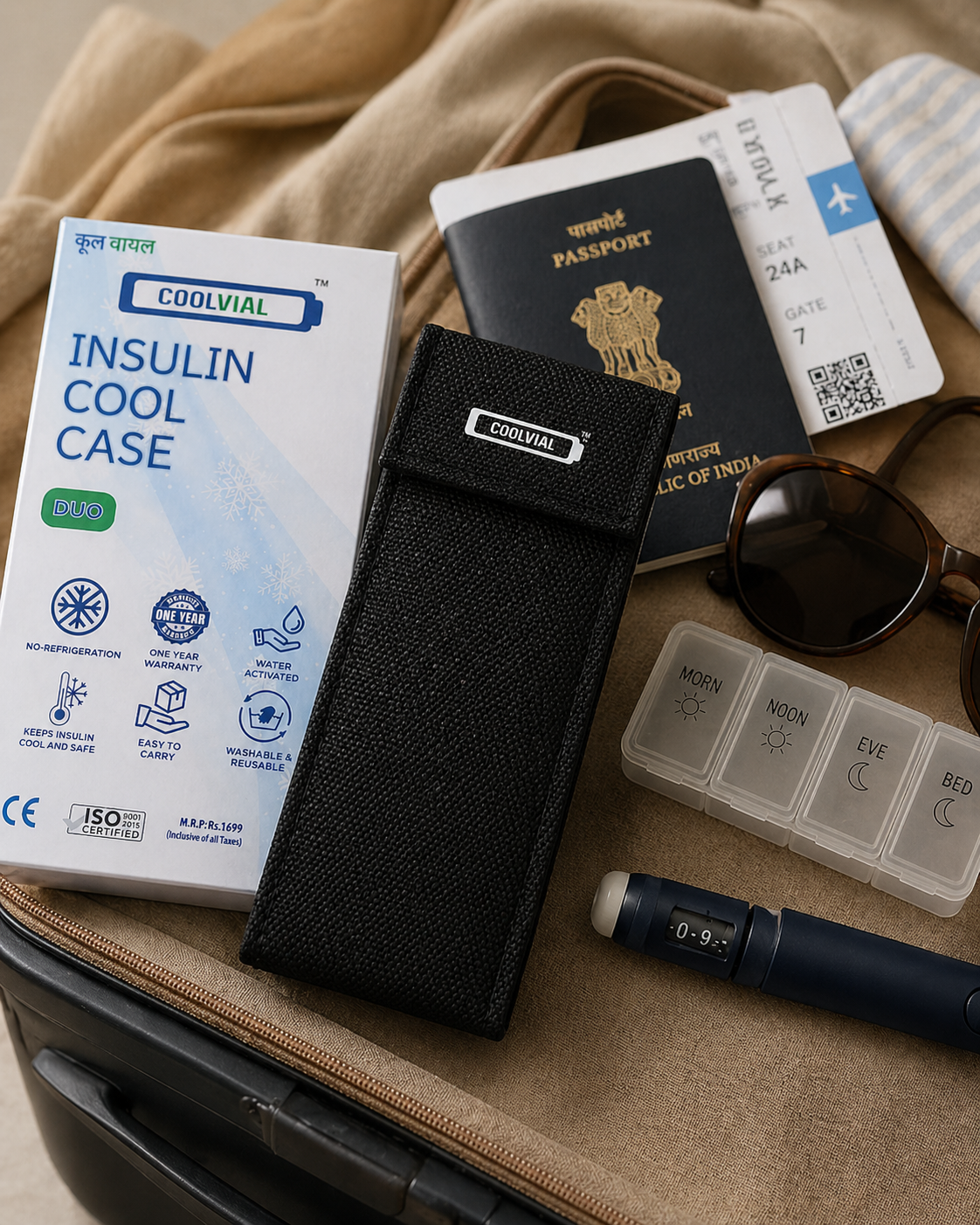
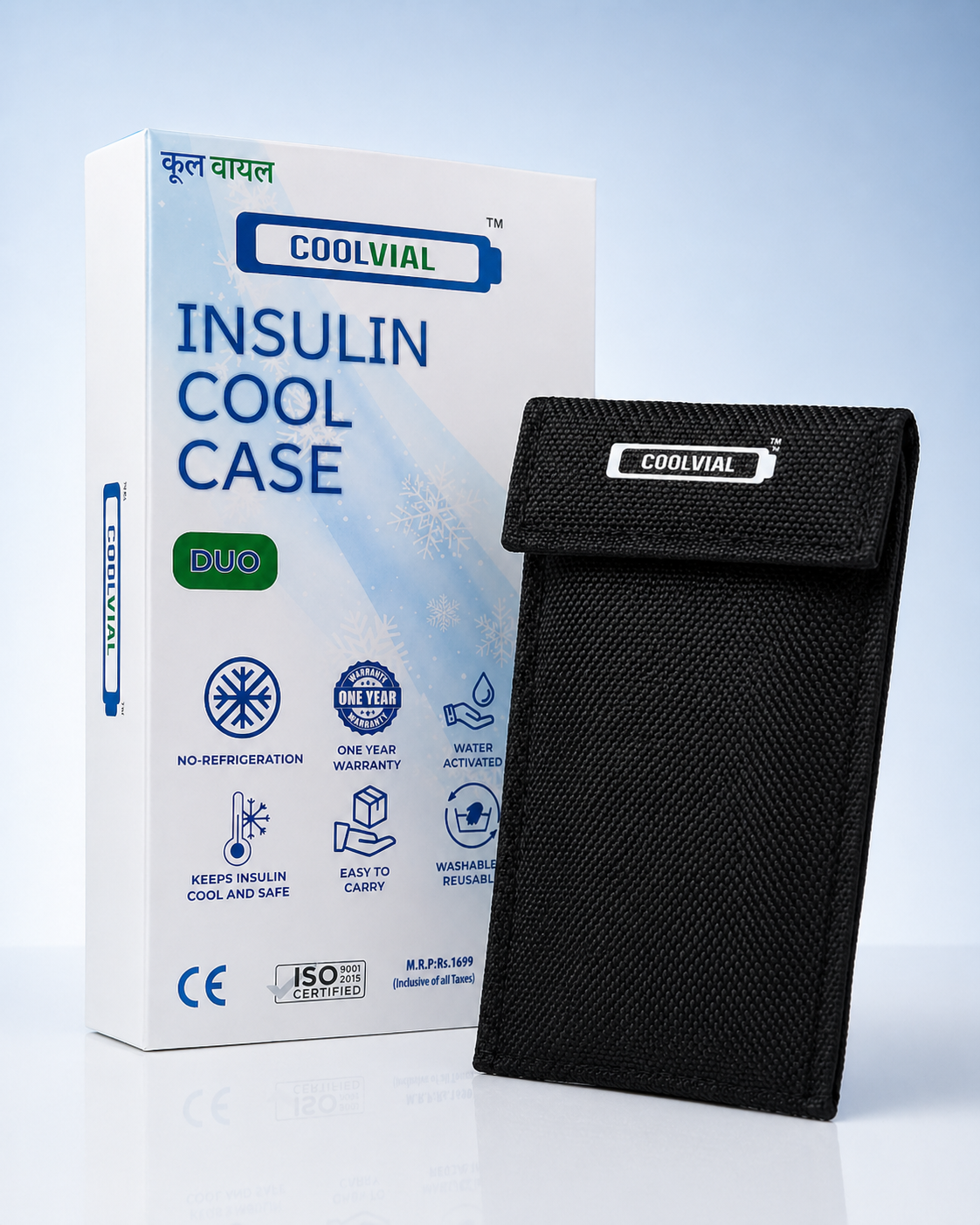
This is where specialized insulin cooling cases like the COOLVIAL Duo become indispensable for Agra residents. Unlike ice packs or refrigerators, these cases work on the principle of evaporative cooling, requiring no electricity, batteries, or refrigeration. You simply activate them with water, and they keep your insulin cool within the safe temperature range (typically 18-26°C) for extended periods.
COOLVIAL Duo: Your Ideal Companion in Agra
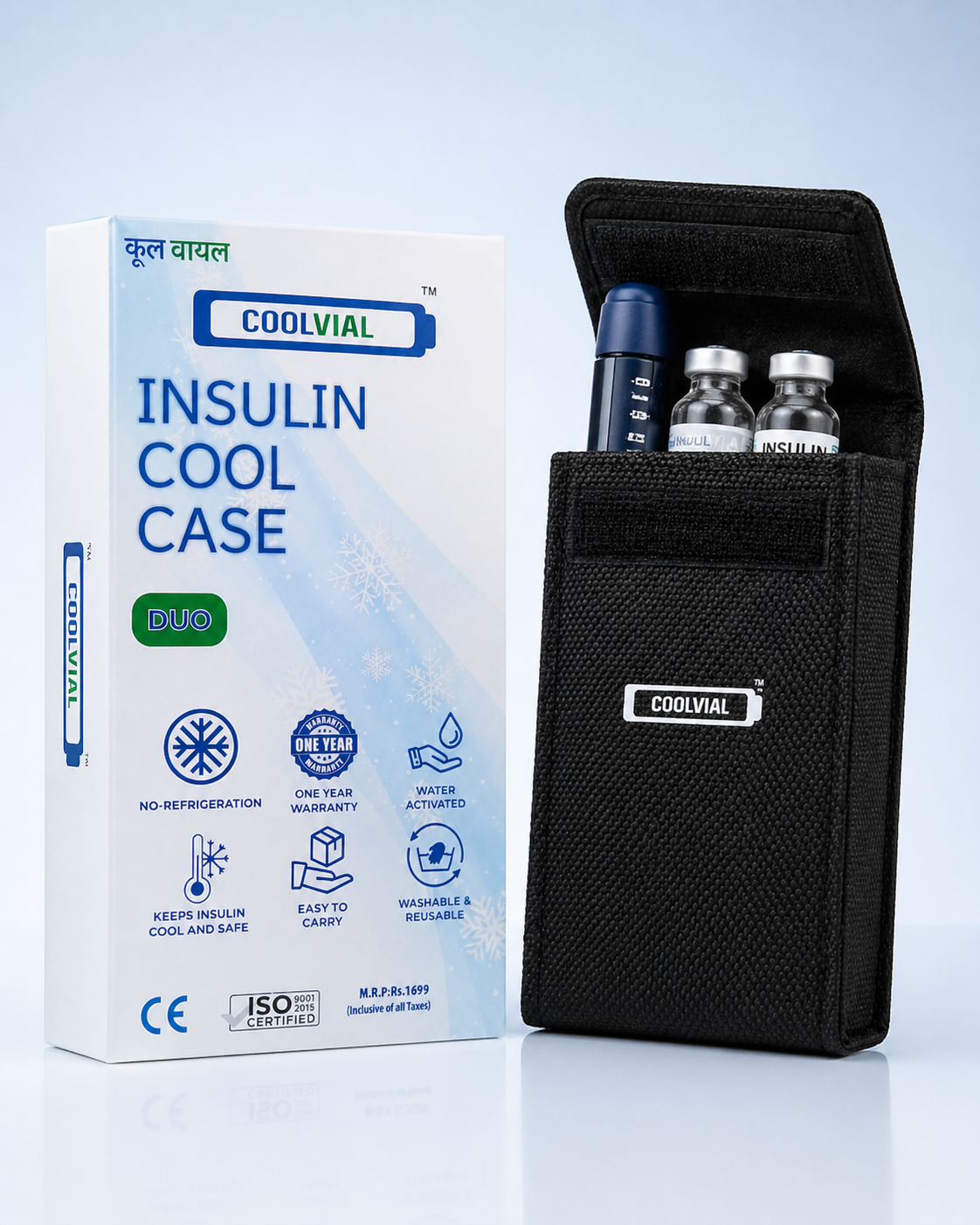
The COOLVIAL Duo is specifically designed for the Indian climate. It holds 2 insulin pens and 1 vial, making it ideal for daily use and travel. It keeps insulin cool for 12-16 hours, even in ambient temperatures up to 45°C.
- No Electricity Needed: Perfect for Agra’s frequent power cuts and when you’re on the go.
- Maintains Safe Temperature: Protects insulin from overheating without freezing it.
- Durable and Portable: Made in India, CE certified, and ISO 9001:2015 compliant, ensuring quality and reliability.
- Cost-Effective: Priced at Rs 1,099 with code COOLHEAL (MRP Rs 1,699), it offers superior value.
Comparison with Alternatives:
| Feature | COOLVIAL Duo (Rs 1,099) | FRIO Insulin Cooling Case (approx. Rs 1,900) | Outer Woods OW-12 (approx. Rs 999) |
|---|---|---|---|
| Cooling Method | Water-activated evaporative cooling | Water-activated evaporative cooling | Gel pack / Ice pack based (some models) |
| Electricity | No electricity required | No electricity required | May require freezing gel packs |
| Capacity | 2 pens + 1 vial | Varies, similar pen/vial capacity | Varies, often smaller capacity |
| Cooling Duration | 12-16 hours | Up to 45 hours (claim) | 8-12 hours |
| Indian Climate | Designed for and tested in Indian climates | Popular globally, effective in various climates | Some models less suited for extreme heat |
| Certifications | CE certified, ISO 9001:2015 | Medical device certification | Varies by model |
| Value | Excellent value for performance and features | Premium pricing | Budget-friendly, basic features |
For more detailed information on managing insulin in hot weather, explore our guide on How to Store Insulin in Agra Summer Heat — A Local’s Guide. Investing in a reliable cooling case like the COOLVIAL insulin cool case is a smart decision for any diabetic in Agra, offering peace of mind and ensuring the efficacy of your vital medication.
5. Power and Utility Challenges: Staying Safe During Load Shedding
Agra, like many Indian cities, experiences periodic power outages, commonly known as “load shedding.” These can range from planned, short durations to unpredictable, longer blackouts, especially during peak summer months when electricity demand is high. This reality necessitates proactive planning for diabetics, particularly concerning insulin storage and the use of electronic medical devices. Agra’s “inverter culture,” where many homes and businesses rely on inverters for backup power, is a testament to this challenge.
Impact of Power Cuts on Diabetics:
- Insulin Storage: The most immediate concern is maintaining the cold chain for insulin. Refrigerators lose their cooling capacity rapidly during prolonged outages, jeopardizing insulin’s potency.
- Glucometers and Insulin Pumps: While glucometers use batteries, insulin pumps rely on consistent power or battery backup. Extended power cuts can disrupt charging routines.
- Air Conditioning: The absence of AC during scorching summers can lead to discomfort and heat stress, which can indirectly affect blood sugar levels.
Strategies for Managing Diabetes During Load Shedding:
-
Backup Power Solutions:
- Home Inverters: A common solution in Agra. Ensure your inverter can power your refrigerator for at least a few hours during outages. Regularly check its battery health.
- Generators: For businesses or larger residences, a generator provides more robust backup power.
- Power Banks: Essential for charging glucometers, mobile phones (for emergency contacts), and other small electronic devices.
-
Insulin Storage Without Electricity:
- COOLVIAL Duo: This is where the COOLVIAL Duo truly shines. Since it requires no electricity, it offers a reliable, portable solution for keeping your insulin cool during power cuts. Simply activate it with water, and your insulin stays safe for 12-16 hours.
- Insulated Bags: While less effective than evaporative coolers, good quality insulated bags can provide temporary protection when combined with non-freezing gel packs.
- Thermal Flasks: For very short-term storage, a vacuum-insulated flask can help maintain a cooler temperature, but it’s not a long-term solution.
-
Emergency Preparedness Kit:
- Keep a small “power cut survival kit” ready, including extra glucometer batteries, a charged power bank, and a supply of non-perishable diabetic-friendly snacks.
- Ensure your emergency contacts are easily accessible.
Table 4: Power Cut Preparedness for Diabetics in Agra
| Scenario | Risk to Diabetics | Recommended Solution |
|---|---|---|
| Prolonged Refrigerator Outage | Insulin degradation due to high temperatures | COOLVIAL Duo, pre-charged power bank, backup inverter. |
| Uncharged Glucometer/Phone | Inability to monitor blood sugar or call for help | Keep power banks charged, extra batteries for glucometer. |
| Heat Stress (Summer) | Discomfort, potential impact on blood sugar | Stay hydrated, wear light clothing, seek cooler spots (if available). |
| Disrupted Routine | Missed medication, irregular meals | Pre-plan meals, set alarms for medication, carry emergency snacks. |
For a comprehensive approach to handling power disruptions, refer to our Power Cut Survival Guide for Diabetics in Agra — What To Do When the Grid Goes Down. Proactive planning and the right tools, like the COOLVIAL Duo, are essential for maintaining your diabetes management routine even when the grid goes down.
6. Transporting Insulin in Agra: Metro, Buses, Autos, and Taxis
Agra’s transportation network is evolving, with the Agra Metro under construction and a robust system of city buses, autos, e-rickshaws, and tourist taxis. While this offers convenience for commuting across the city, it also presents unique challenges for diabetics, particularly when transporting temperature-sensitive insulin. Whether you’re commuting to work, visiting family in Tajganj, or exploring landmarks like Agra Fort, careful planning is essential. This is a vital part of a complete diabetes care guide for a mobile lifestyle.
Challenges of Transporting Insulin in Agra:
- Temperature Fluctuations: Vehicles, especially during summer, can reach extreme internal temperatures. Even a short auto ride can expose insulin to damaging heat.
- Physical Damage: Bumps and jostles during travel can damage insulin pens or vials.
- Security Concerns: Keeping track of your insulin and supplies in crowded public transport.
Tips for Safe Insulin Transport:
- Use a Reliable Insulin Cooling Case: This is non-negotiable for anyone transporting insulin in Agra. The COOLVIAL Duo is perfectly suited for this. Its compact design holds 2 pens and 1 vial, keeping them cool for 12-16 hours without electricity. This ensures your insulin stays potent whether you’re taking an e-rickshaw to Sadar Bazaar or waiting for a bus.
- Protect from Physical Impact: Always place your insulin cooling case within a padded bag or compartment to absorb shocks.
- Carry Essential Supplies: Besides insulin, include extra needles, alcohol swabs, glucose tablets (for hypoglycemia), and your glucometer with spare batteries.
- Keep it Accessible: Store your insulin case in an easily accessible spot, not in the luggage compartment of a bus or the boot of a taxi, where temperatures can be uncontrolled.
Transport Options and Considerations:
- Agra Metro (Under Construction): Once operational, the metro promises air-conditioned travel, which will be a boon for insulin transport. However, the journey to and from stations, and potential delays, still require careful planning.
- City Buses: Buses can be crowded and lack air conditioning, especially during peak hours. Your insulin will be exposed to ambient temperatures inside the bus, making a cooling case essential.
- Autos and E-rickshaws: These open-air vehicles offer no temperature control. Direct sunlight and hot air can quickly compromise insulin. Always use a cooling case and keep it out of direct sun.
- Tourist Taxis/Cabs: While some cabs are air-conditioned, the cooling might not be consistent, especially during short rides. Never leave insulin unattended in a parked car.
Table 5: Insulin Transport Considerations for Agra’s Modes of Travel
| Mode of Transport | Temperature Control | Physical Security | Insulin Storage Recommendation |
|---|---|---|---|
| Agra Metro | Good (AC) | Good | COOLVIAL Duo for journey to/from stations and unforeseen delays. |
| City Buses | Poor | Moderate | COOLVIAL Duo is crucial; keep in personal bag, out of direct sunlight. |
| Autos/E-rickshaws | Very Poor | Moderate | COOLVIAL Duo is essential; keep close, shielded from sun. |
| Tourist Taxis | Variable (AC) | Good | COOLVIAL Duo always, even in AC cabs, for reliability. |
For those planning inter-city travel or flying, our guide on Travelling From Agra With Insulin — Airport, Station & Taxi Tips offers specific advice. Remember that while carrying insulin on flights, it should always be in your carry-on luggage. You can find official guidelines from the Directorate General of Civil Aviation (DGCA) regarding medical items at https://dgca.gov.in/pages/medical-requirements.html. For daily commutes, specific tips are available in Daily Commute With Insulin in Agra — Tips for Metro, Bus & Auto.
7. Food Culture in Agra: Diabetic-Friendly Choices and Navigating Local Delicacies
Agra’s culinary landscape is a delightful blend of Mughlai grandeur and local street food charm. From the iconic Petha to spicy Dalmoth and indulgent Bedhai-Jalebi, the city offers a feast for the senses. However, for individuals managing diabetes, navigating this rich food culture requires awareness and strategic choices. This section of our complete diabetes care guide helps you enjoy Agra’s flavors responsibly.
Understanding Agra’s Signature Dishes and Their Impact:
- Petha: Agra’s most famous sweet, made from ash gourd and sugar. It’s extremely high in sugar and carbohydrates, making it generally unsuitable for regular consumption by diabetics.
- Dalmoth: A savory, crunchy snack made from fried lentils and spices. While savory, it can be high in sodium and unhealthy fats due to frying. Portions must be controlled.
- Mughlai Cuisine: Rich, creamy gravies, biryanis, and kebabs characterize Mughlai food. Dishes often use heavy cream, ghee, and can be high in calories, fats, and carbohydrates.
- Bedhai-Jalebi: A popular breakfast combo. Bedhai (fried, puffy bread) is deep-fried, and Jalebi (deep-fried sweet pretzel soaked in sugar syrup) is pure sugar. Both are best avoided or consumed in very small, infrequent portions.
Strategies for Diabetic-Friendly Eating in Agra:
- Portion Control: Even for seemingly healthier options, managing portion sizes is key.
- Smart Swaps: Look for alternatives or modifications. For instance, opt for grilled kebabs instead of rich curries.
- Prioritize Protein and Fiber: Include lean proteins (chicken tikka, paneer tikka, dal) and plenty of non-starchy vegetables (salad, sabzis without heavy cream).
- Hydration: Drink plenty of water, especially in Agra’s hot climate, and avoid sugary beverages.
Table 6: Diabetic-Friendly Food Choices in Agra’s Food Scene
Complete Diabetes Care Guide for Agra Residents — 2026 Edition
48+ hours at 2-8°C. No electricity. CE certified. Free delivery across India.
Order on WhatsApp — ₹1,099🛒 Buy Now — ₹1,099| Agra Delicacy / Category | Diabetic Challenge | Diabetic-Friendly Alternative / Strategy |
|---|---|---|
| Petha, Jalebi | Very high sugar, refined carbs | Avoid entirely or consume a tiny piece on rare occasions. |
| Dalmoth | High fat (fried), sodium | Opt for baked namkeens or a small handful of plain roasted nuts/chana. |
| Mughlai Curries | High fat (ghee, cream), calories, refined carbs | Choose tandoori chicken/paneer, dal tadka, whole wheat roti. Ask for less oil/ghee. |
| Bedhai | Deep-fried refined flour | Opt for whole wheat roti, missi roti, or a small portion of a vegetable paratha (less oil). |
| Street Food (General) | Often high in oil, sugar, unknown ingredients | Choose fresh fruit, roasted chana, grilled corn (bhutta), or prepare snacks at home. |
| Beverages | Sugary sodas, lassi (sweet), chai with sugar | Water, buttermilk (chaas), unsweetened lemon water, green tea. |
When dining out, don’t hesitate to ask restaurants about ingredients or preparation methods. Many establishments are becoming more accommodating to dietary restrictions. For more specific recommendations, our guide to Diabetic-Friendly Restaurants & Cafes in Agra — Where to Eat Safely provides valuable insights. Enjoy Agra’s culinary delights, but always with a mindful approach to your diabetes management.
8. Diabetes Support Groups and Resources in Agra
Managing diabetes can be challenging, but you don’t have to do it alone. Support groups offer a invaluable network of individuals who understand your journey, providing emotional support, practical advice, and a sense of community. In Agra, several organizations and local initiatives contribute to this vital support system. Being part of such a group is an essential component of a holistic complete diabetes care guide.
Benefits of Joining a Diabetes Support Group:
- Emotional Support: Sharing experiences with others facing similar challenges can reduce feelings of isolation and stress.
- Practical Advice: Gain insights into managing diet, exercise, medication, and coping with complications from peers.
- Education and Awareness: Many groups invite healthcare professionals to give talks on new treatments, research, and lifestyle management.
- Motivation: Peer encouragement can help you stay motivated in your diabetes management routine.
- Advocacy: Collective voices can advocate for better healthcare policies and resources.
Key Diabetes Support Resources in and Around Agra:
- Diabetes India Chapter: Diabetes India is a national organization with local chapters that often organize awareness programs, patient education sessions, and support group meetings. Look for their local Agra chapter or events.
- Defeat Diabetes Foundation: This foundation works towards diabetes prevention and management through awareness campaigns, screening camps, and educational initiatives. They may have local presence or partnerships in Agra.
- Local Type 1 Groups: While Type 1 diabetes is less common, specific local groups or online communities often emerge to support individuals and families managing this condition, especially for children and adolescents. Inquire at major hospitals or through local endocrinologists.
- Hospital-Based Programs: Many hospitals, including some of those mentioned earlier (e.g., Pushpanjali Hospital), may run their own patient education programs, workshops, or informal support groups. Inquire with their endocrinology or general medicine departments.
- Online Forums and Social Media Groups: Beyond physical meetings, numerous online platforms connect diabetics across India. While not Agra-specific, these can offer a broad network of support and information.
Table 7: Ways to Find and Engage with Diabetes Support in Agra
| Method | How to Access | Benefits |
|---|---|---|
| Hospital Inquiry | Ask endocrinologists/diabetologists at SN Medical College, Pushpanjali, Ravi Hospital. | Direct access to medically-guided programs. |
| Online Search (Local) | Search for “Diabetes support group Agra” or “Type 1 diabetes Agra community.” | Discover local initiatives and online communities. |
| National Organizations | Check websites of Diabetes India, Defeat Diabetes Foundation for local chapters. | Access to broader resources and established networks. |
| Pharmacy Network | Ask pharmacists at Apollo, MedPlus; they often have community connections. | Pharmacists are often aware of local health initiatives. |
| Community Events | Look for health camps, awareness drives in local newspapers or community boards. | Opportunity to connect with health professionals and other patients. |
Engaging with a support network is a powerful tool in your diabetes management arsenal. It provides not just information, but also the emotional resilience needed to live a full and healthy life with diabetes in Agra.
9. Understanding Health Insurance for Diabetes in Agra
Health insurance is a critical aspect of long-term diabetes management, helping to cover the often-substantial costs of consultations, medications, tests, and potential hospitalizations. For residents of Agra, understanding the available insurance options—from government schemes to private plans—is vital for ensuring financial security and access to quality care. This section provides a complete diabetes care guide for navigating health insurance.
Key Insurance Options for Diabetics in Agra:
-
Ayushman Bharat Pradhan Mantri Jan Arogya Yojana (PMJAY):
- Coverage: This flagship government scheme provides a health cover of Rs 5 lakh per family per year for secondary and tertiary care hospitalization.
- Acceptance in Agra: Many hospitals in Agra, including SN Medical College and several private hospitals like Pushpanjali, are empanelled under Ayushman Bharat. It covers various diabetes-related treatments and complications requiring hospitalization.
- Eligibility: Primarily for economically vulnerable families based on specific deprivation criteria.
-
Uttar Pradesh State Health Schemes:
- The UP government may have its own state-specific health schemes that complement or extend coverage beyond PMJAY for certain populations. Inquire at district health offices or major government hospitals for the latest information.
-
Top Private Health Insurers:
- Many private insurance companies offer health plans that cover diabetes, though often with specific waiting periods and terms. It’s crucial to compare policies carefully.
- Leading Insurers: Companies like HDFC ERGO, ICICI Lombard, Bajaj Allianz, Max Bupa (Niva Bupa), Star Health, and Apollo Munich (HDFC ERGO) are prominent in India and offer plans that may include diabetes coverage.
- Key Considerations for Private Plans:
- Waiting Periods: Most policies have a waiting period (e.g., 2-4 years) before pre-existing conditions like diabetes are covered. Some specialized plans might offer shorter waiting periods at a higher premium.
- Sub-limits: Check for sub-limits on room rent, specific treatments, or doctor consultations.
- Co-payment: Some policies require you to pay a percentage of the claim amount.
- Day Care Procedures: Ensure coverage for procedures that don’t require 24-hour hospitalization (e.g., some diabetic foot care, eye procedures).
- Outpatient Department (OPD) Coverage: Very few plans offer comprehensive OPD coverage (doctor fees, tests, medicines), which is crucial for diabetes management. Look for plans with this feature if possible.
Table 8: Health Insurance Comparison for Diabetics in Agra
| Feature | Ayushman Bharat (PMJAY) | Private Health Insurance Plans |
|---|---|---|
| Eligibility | Socio-economic criteria | Anyone can purchase (medical underwriting) |
| Coverage Amount | Rs 5 lakh/family/year | Varies (e.g., Rs 5 lakh to 1 crore+) |
| Pre-existing Diabetes | Covered upon enrollment | Typically 2-4 year waiting period |
| Cashless Facility | Wide network of empanelled hospitals | Wide network of empanelled hospitals |
| Premium Cost | Free for eligible families | Varies significantly based on age, sum assured, features |
| OPD Coverage | Limited to hospitalization-related | Rare, but some plans offer it |
| Focus | Hospitalization (secondary/tertiary) | Comprehensive (can include critical illness, etc.) |
When choosing a plan, always read the policy document thoroughly, understand the terms and conditions, and clarify any doubts with the insurer. It’s advisable to consult with an insurance advisor who specializes in health plans for pre-existing conditions. Proactive insurance planning can significantly ease the financial burden of managing diabetes in Agra.
10. Agra-Specific Challenges for Diabetics
Beyond the common challenges of diabetes management, Agra presents a few unique local hurdles that diabetics should be aware of. Understanding these can help you better prepare and adapt your care routine, ensuring a truly complete diabetes care guide.
1. Air Quality: * The Challenge: Agra often experiences poor air quality, particularly during winter months due to agricultural stubble burning in surrounding regions and local industrial emissions. This leads to high levels of particulate matter (PM2.5, PM10). * Impact on Diabetics: Poor air quality can exacerbate respiratory issues, increase oxidative stress, and has been linked to increased insulin resistance and risk of cardiovascular complications in diabetics. It can also worsen existing diabetic neuropathy or nephropathy. * Preparedness: * Monitor daily Air Quality Index (AQI) reports. * Limit outdoor activities on high pollution days. * Consider using air purifiers indoors, especially if you have respiratory sensitivities. * Wear N95 masks when outdoors during severe pollution episodes. * Regularly consult your doctor for check-ups, particularly if you experience respiratory symptoms.
2. Monsoon Disruption and Flood Risk: * The Challenge: While Agra itself is not highly prone to severe flooding, parts of the city near the Yamuna riverbank can experience waterlogging during heavy monsoon rains (July-September). Monsoon also brings general disruptions, poor road conditions, and increased risk of infections. * Impact on Diabetics: * Travel Issues: Waterlogged roads can make commuting difficult, potentially delaying access to pharmacies or doctors. * Foot Care: Increased humidity and wet conditions elevate the risk of diabetic foot infections. * Humidity Damage: As discussed earlier, high humidity can affect insulin pens and glucose meters. * Preparedness: * Stock up on essential medications and supplies (including insulin) before the peak monsoon season. * Keep your insulin cooling case, like the COOLVIAL Duo, ready for any travel delays. * Practice meticulous foot care: keep feet dry, wear waterproof but breathable footwear, and inspect feet daily for cuts or sores. * Ensure your home is protected from water ingress. * Have emergency contacts and routes to hospitals pre-identified. * Refer to Agra Monsoon & Insulin — Protecting Your Vials From Humidity Damage for specific tips.
3. Infrastructure and Accessibility: * The Challenge: While Agra’s infrastructure is improving (e.g., metro construction), older parts of the city, narrow lanes, and uneven pavements can pose accessibility challenges, especially for individuals with mobility issues or diabetic neuropathy. * Impact on Diabetics: Difficulty in walking, increased risk of falls or foot injuries, and reduced physical activity. * Preparedness: * Wear comfortable, supportive footwear suitable for uneven terrain. * Plan your routes, opting for well-maintained roads and sidewalks where possible. * Use e-rickshaws or autos for shorter distances to avoid extensive walking on challenging paths. * Regularly check your feet for any signs of injury or pressure points.
Table 9: Agra-Specific Challenges and Diabetic Preparedness
| Challenge | Diabetic Impact | Preparedness Action |
|---|---|---|
| Poor Air Quality | Respiratory issues, increased CV risk | Monitor AQI, limit outdoor exposure, use masks/purifiers, regular check-ups. |
| Monsoon/Waterlogging | Travel disruption, foot infections, device damage | Stock up, use COOLVIAL, meticulous foot care, waterproof footwear. |
| Infrastructure | Mobility issues, foot injury risk | Wear supportive shoes, plan routes, use appropriate transport. |
By being aware of these Agra-specific challenges and implementing proactive strategies, you can minimize their impact on your diabetes management and maintain a healthy lifestyle in the city.
Frequently Asked Questions (FAQ)
Q: How often should an Agra resident get their diabetes checked, given the local climate? A: Given Agra’s extreme climate and its potential impact on overall health, an Agra resident with diabetes should ideally get a full check-up with their diabetologist every 3-6 months, with more frequent blood sugar monitoring at home.
Q: Can I use regular ice packs to keep my insulin cool during Agra’s summer? A: Regular ice packs are generally not recommended for insulin storage in Agra’s summer because they can freeze insulin (rendering it ineffective) or melt quickly, leading to condensation that can damage insulin pens and vials. Water-activated evaporative cooling cases, like COOLVIAL Duo, are a safer and more effective alternative.
Q: What should I do if my insulin gets exposed to Agra’s high summer temperatures for a few hours? A: If your insulin is exposed to temperatures above 30°C for several hours, it may lose potency. It is advisable to discard it and use a new vial or pen that has been stored correctly. Always monitor your blood sugar closely and consult your doctor if you notice unexpected changes.
Q: Are there any specific dietary considerations for diabetics when eating Agra’s local sweets like Petha? A: Agra’s local sweets like Petha and Jalebi are extremely high in sugar and refined carbohydrates and should be strictly avoided or consumed in very small, infrequent portions by diabetics. Opt for fresh fruits, roasted nuts, or healthier homemade snacks instead to manage your blood sugar effectively.
Q: How can I ensure my insulin is safe during power cuts in Agra? A: To ensure insulin safety during power cuts in Agra, utilize a water-activated evaporative cooling case like the COOLVIAL Duo, which keeps insulin cool for 12-16 hours without electricity. Additionally, ensure your home inverter can power your refrigerator for short durations, and have a backup supply of insulin if possible.
Q: What precautions should I take for foot care during Agra’s monsoon season? A: During Agra’s monsoon, practice meticulous foot care by keeping your feet dry, wearing waterproof but breathable footwear, and inspecting your feet daily for any cuts, blisters, or signs of infection. High humidity and dampness increase the risk of diabetic foot complications.
Q: Where can I find a reliable endocrinologist or diabetologist in Agra? A: You can find reliable endocrinologists and diabetologists in Agra by checking major hospitals like SN Medical College, Pushpanjali Hospital, and Ravi Hospital. Our dedicated guide, Best Diabetologists & Endocrinologists in Agra — 2026 Guide, provides detailed recommendations.
Agra Diabetes Care Checklist (Downloadable)
For your convenience, we’ve prepared a downloadable checklist to help Agra residents stay on top of their diabetes management. This comprehensive list covers everything from daily routines to emergency preparedness.
[Download Your Complete Agra Diabetes Care Checklist Here (PDF)] ([Verify in 2026] - Placeholder for actual PDF link)
Conclusion
Navigating diabetes in a dynamic city like Agra requires a proactive, informed, and localized approach. From understanding the prevalence of diabetes in Uttar Pradesh to selecting the right hospitals and pharmacies, managing your insulin’s integrity against the city’s extreme climate, and making smart choices amidst Agra’s rich food culture, every aspect contributes to your overall well-being. This complete diabetes care guide aims to empower you with the knowledge and tools necessary for effective management.
Remember, technology and planning are your allies. Products like the COOLVIAL Duo are specifically designed to address local challenges, offering peace of mind by keeping your vital insulin safe and potent, no matter the weather or power situation. With its robust design, no-electricity cooling, and capacity for 2 pens + 1 vial, it’s an essential item for any diabetic in Agra.
Stay informed, stay connected with your healthcare providers and support groups, and make smart lifestyle choices. Your health is your priority, and with the right resources, managing diabetes in Agra can be a seamless part of your life.
Order your COOLVIAL Duo today at just Rs 1,099 with code COOLHEAL (MRP Rs 1,699) at coolvial.com or via WhatsApp wa.me/918766952300.
How We Researched This: This article is based on a thorough analysis of insulin storage queries from Agra diabetics, combined with established guidelines from the Research Society for the Study of Diabetes in India (RSSDI), epidemiological data from the Indian Council of Medical Research - India Diabetes (ICMR-INDIAB) study, local Agra hospital directories, and the operational network of pharmacies like Apollo Pharmacy. Local insights into Agra’s climate, power patterns, and food culture were integrated to provide a truly localized and practical guide.
Medical Disclaimer: This article is for general information and educational purposes only. It is not a substitute for professional medical advice, diagnosis, or treatment. Always consult your endocrinologist or diabetologist before changing insulin storage or dosing practices, or if you have any questions regarding a medical condition.