Reviewed by the COOLVIAL Editorial Team — specialists in insulin storage for Indian climate conditions.
The Golden Temple city of Amritsar, with its rich heritage and vibrant culture, experiences a distinct climatic cycle. While the scorching summer heat (often reaching 42°C) and chilly winter fog (dropping to 4°C) pose their own challenges for insulin users, the monsoon season from July to September brings a different, often overlooked, threat: pervasive humidity. Based on analysis of insulin storage queries from Amritsar diabetics, protecting your insulin from humidity damage during the Amritsar monsoon is absolutely critical for maintaining its potency and ensuring effective diabetes management. With average rainfall soaring to around 700mm during these months, the air becomes thick with moisture, creating an environment ripe for insulin degradation and packaging damage. This comprehensive guide outlines 7 essential strategies to safeguard your vital medication.
Table of Contents
- Understanding the Amritsar Monsoon and Its Impact on Insulin
- The Hidden Dangers: How Humidity Damages Insulin and Packaging
- Safeguarding Your Home Insulin Supply During Monsoon
- Battling Humid-Fridge-Air Contamination Risks
- Essential Monsoon Prep: A Diabetic’s Checklist for Amritsar
- Navigating Transport Disruptions and Pharmacy Access in Amritsar Monsoon
- What to Do If Your Insulin is Damaged or Destroyed
- The Smart Solution: COOLVIAL Duo for All-Season Insulin Protection
- Frequently Asked Questions (FAQs)
- Conclusion and Call to Action
- Medical Disclaimer
- How We Researched This
1. Understanding the Amritsar Monsoon and Its Impact on Insulin
Amritsar’s climate is characterized by extremes, and the monsoon season, typically from July to September, is no exception. Following the intense summer heat, the arrival of the monsoon brings a welcome drop in temperature but a significant surge in humidity. While the average summer temperatures range from 22°C to a scorching 42°C, and winters can be very cold, often between 4°C and 19°C with dense fog, the monsoon period introduces a new challenge: relentless moisture. During these months, Amritsar receives approximately 700mm of rainfall, saturating the air with water vapor.
This high humidity creates an environment that can severely compromise the stability and efficacy of insulin. Insulin, a delicate protein, is highly sensitive to environmental factors. Exposure to excessive moisture, even without direct water contact, can initiate degradation processes. The immediate signs might not be visible, but over time, the insulin can lose its potency, leading to ineffective glucose control. This makes vigilance during the Amritsar monsoon insulin storage particularly crucial for local residents.
Here are key characteristics of Amritsar’s monsoon that impact insulin storage:
- Elevated Ambient Humidity: The air consistently holds a high percentage of moisture, making it difficult for items to dry and promoting dampness indoors.
- Fluctuating Temperatures: While cooler than summer, temperatures during monsoon can still vary, and the combination of warmth and humidity accelerates insulin degradation.
- Increased Risk of Mould Growth: Damp conditions encourage mould, which can affect packaging and storage areas, potentially contaminating insulin supplies.
- Reduced Air Circulation: Many homes seal windows and doors to prevent rain entry, which can trap humid air inside, exacerbating moisture problems.
2. The Hidden Dangers: How Humidity Damages Insulin and Packaging
The invisible threat of humidity during the Amritsar monsoon can have a profound impact on your insulin, even before you notice any visible changes. Insulin is a biological product, and its stability is directly linked to proper storage conditions. High moisture levels can trigger several degradation pathways, rendering your medication less effective or even inert.
Beyond the insulin itself, its packaging and delivery devices are also vulnerable. The cardboard boxes that house insulin vials and pens, often designed for dry climates, quickly succumb to moisture. This can lead to a cascade of problems, from structural damage to potential contamination. Recognising these risks is the first step in ensuring robust Amritsar monsoon insulin protection.
Here’s how humidity can damage your insulin and its packaging:
- Insulin Pens and Vials:
- Protein Denaturation: High humidity can accelerate the denaturation (unfolding) of the insulin protein, changing its molecular structure and reducing its biological activity. This means your insulin might not lower blood sugar as effectively.
- Aggregation: Moisture can cause insulin molecules to clump together, forming aggregates. These aggregates are less effective and can even trigger an immune response in some individuals.
- Contamination Risk: While not direct damage, humid conditions foster bacterial and fungal growth. If moisture infiltrates the pen mechanism or vial seal, it can introduce contaminants.
- Cardboard Packaging:
- Softening and Weakening: Cardboard absorbs moisture from the air, losing its structural integrity. This makes boxes flimsy, prone to tearing, and unable to protect the contents adequately.
- Ink Bleed and Label Degradation: The ink on labels can bleed or smudge, making important information like expiry dates, dosage instructions, and brand names illegible. This poses a significant safety risk.
- Mould and Mildew Growth: Damp cardboard is an ideal breeding ground for mould. This not only looks unpleasant but can release spores into the air, potentially contaminating your living space and even your insulin supplies if the packaging is compromised.
- Mould Risk in Amritsar Apartments and Ground-Floor Homes:
- Amritsar’s older buildings, especially in areas like the Walled City (Heritage/Golden Temple area), Lawrence Road, and some ground-floor homes, can be particularly susceptible to dampness and mould during monsoon. Poor ventilation, seepage, and lack of direct sunlight create ideal conditions for fungal growth on walls, furniture, and even within cupboards where insulin might be stored. This mould can release allergens and toxins, impacting respiratory health and posing a direct threat to the sterility of insulin packaging.
3. Safeguarding Your Home Insulin Supply During Monsoon
Your home is your primary storage location for insulin, and during the Amritsar monsoon, it requires extra attention to shield your medication from humidity. While Amritsar is generally well-drained, certain areas, particularly the Walled City and low-lying parts of Lawrence Road and Mall Road, can experience temporary waterlogging during heavy downpours. Even without direct flooding, the sheer atmospheric humidity demands a proactive approach to home storage.
Preventing humidity damage at home involves a combination of environmental control and smart storage solutions. It’s not just about keeping water out, but about managing the moisture in the air. Remember that insulin should ideally be stored between 2°C and 8°C in a refrigerator until opened, and then at room temperature (below 30°C) for up to 28 days, away from direct light and heat. Humidity can compromise these conditions even within the specified temperature range.
Here are practical steps to safeguard your home insulin supply during monsoon:
- Elevate Storage: If your home or building floods (a low-risk scenario but possible in waterlogging hotspots), ensure all medication is stored on high shelves or in upper cabinets, well above potential water levels.
- Utilize Airtight Containers:
- Store your insulin pens, vials, and even spare cardboard boxes in robust, airtight plastic or glass containers. Brands like Tupperware, Borosil, Cello, and Lock & Lock are widely available at local stores and online in Amritsar.
- These containers create a physical barrier against atmospheric moisture, protecting both the insulin and its packaging.
- Employ Desiccants (Silica Gel):
- Place silica gel packets inside your airtight containers along with your insulin. Silica gel is a powerful desiccant that absorbs moisture from the air, creating a dry micro-environment.
- You can source silica gel packets from various places in Amritsar: Apollo Pharmacy, MedPlus, local hardware stores, stationery shops, or online retailers like Amazon India. Look for reusable, indicating silica gel beads that change color when saturated, allowing you to reactivate them by drying.
- Improve Home Ventilation:
- While it’s important to keep rain out, ensure good air circulation within your home. Use exhaust fans in bathrooms and kitchens.
- Consider using dehumidifiers in damp rooms, especially in ground-floor homes or older apartments in the Walled City (Heritage/Golden Temple area) where mould risk is higher.
- Avoid Damp Areas for Storage:
- Never store insulin in bathrooms, near sinks, or in any area prone to dampness or condensation.
- Choose a dry, cool cupboard or shelf away from external walls that might seep moisture.
- Regularly Inspect Storage Areas:
- During monsoon, frequently check your storage areas for any signs of dampness, mould, or water seepage. Address any issues promptly.
For a broader perspective on managing diabetes in the city, consider reading our Complete Diabetes Care Guide for Amritsar Residents — 2026 Edition.
4. Battling Humid-Fridge-Air Contamination Risks
7 Essential Strategies: Protecting Your Insulin from Amritsar Monsoon Humidity Damage
While refrigerator storage is crucial for unopened insulin, the very environment inside your fridge can pose a hidden threat during the Amritsar monsoon. Modern refrigerators are designed to keep food fresh, but they also circulate air, and if the ambient air in your kitchen is highly humid, that moisture can find its way into your fridge and, subsequently, to your insulin. This “humid-fridge-air” can still cause issues, even at cold temperatures, by promoting condensation and potential contamination.
The internal environment of a refrigerator, especially one opened frequently, can fluctuate in humidity. This is particularly true in India, where power cuts are common, and refrigerators may not always maintain consistent conditions. When warm, humid air from the kitchen enters the fridge, it condenses on colder surfaces, including your insulin vials and pens. This condensation can create tiny droplets of water, leading to the same problems as external humidity, such as label degradation and potential compromise of the insulin’s sterility.
Here are best practices for battling humid-fridge-air contamination risks:
- Use a Dedicated Fridge Compartment: If possible, store insulin in a specific, dry compartment of the fridge, away from high-moisture foods like fresh vegetables.
- Store in Airtight Containers within the Fridge: Even inside the refrigerator, placing your insulin vials and pens in an additional airtight plastic container (like those from Tupperware or Borosil) provides an extra layer of protection against circulating humid air and condensation.
- Avoid the Freezer and Fridge Door: Never store insulin in the freezer (it will destroy the insulin). Also, avoid the fridge door, as it’s the warmest and most temperature-unstable part of the refrigerator due to frequent opening and closing.
- Ensure Proper Sealing: Double-check that your insulin vials and pens are always tightly capped or sealed before placing them in the fridge.
- Limit Fridge Opening: Try to minimize how often and how long you open your refrigerator door, especially during peak monsoon humidity, to reduce the influx of warm, moist air.
- Regular Fridge Maintenance: Ensure your fridge is clean and free of excessive frost build-up, which can indicate moisture issues.
For more detailed advice on keeping your insulin safe in varying temperatures, refer to our article on How to Store Insulin in Amritsar Summer Heat — A Local’s Guide.
5. Essential Monsoon Prep: A Diabetic’s Checklist for Amritsar
Preparedness is key to navigating the Amritsar monsoon safely, especially for individuals managing diabetes. A well-thought-out monsoon-prep checklist can make all the difference in protecting your insulin, ensuring uninterrupted access, and maintaining your health. This comprehensive list goes beyond basic storage and considers the unique challenges posed by the season in Amritsar.
The Indian population faces a significant diabetes burden, with an estimated 101 million people living with diabetes in 2021 (Source: IDF Diabetes Atlas 10th edition, https://www.idf.org/aboutdiabetes/what-is-diabetes/facts-figures.html). This underscores the critical need for robust insulin management strategies, particularly in challenging climates like Amritsar during monsoon. Being proactive can prevent potential health crises and ensure your medication remains effective.
Here’s an essential monsoon-prep checklist for diabetics in Amritsar:
- Stockpile Essential Supplies:
- Insulin: Ensure you have at least a 2-week to 1-month supply of all your insulin types (unopened and opened vials/pens).
- Syringes/Pen Needles: Stock up on an adequate number of sterile syringes or pen needles.
- Test Strips & Lancets: Have enough for consistent blood glucose monitoring.
- Alcohol Swabs: Essential for maintaining hygiene during injections.
- Hypoglycemia Treatment: Keep fast-acting glucose (e.g., glucose tablets, juice boxes, hard candies) readily available.
- Secure Insulin Storage Solutions:
- Airtight Containers: Purchase several high-quality airtight plastic or glass containers (e.g., Tupperware, Borosil, Cello, Lock & Lock) to store insulin and related supplies. These are readily available at general stores and supermarkets across Amritsar.
- Silica Gel Packets: Buy a good supply of silica gel. Look for moisture-indicating types that can be reused. Sources include Apollo Pharmacy, MedPlus, local hardware shops, and online platforms.
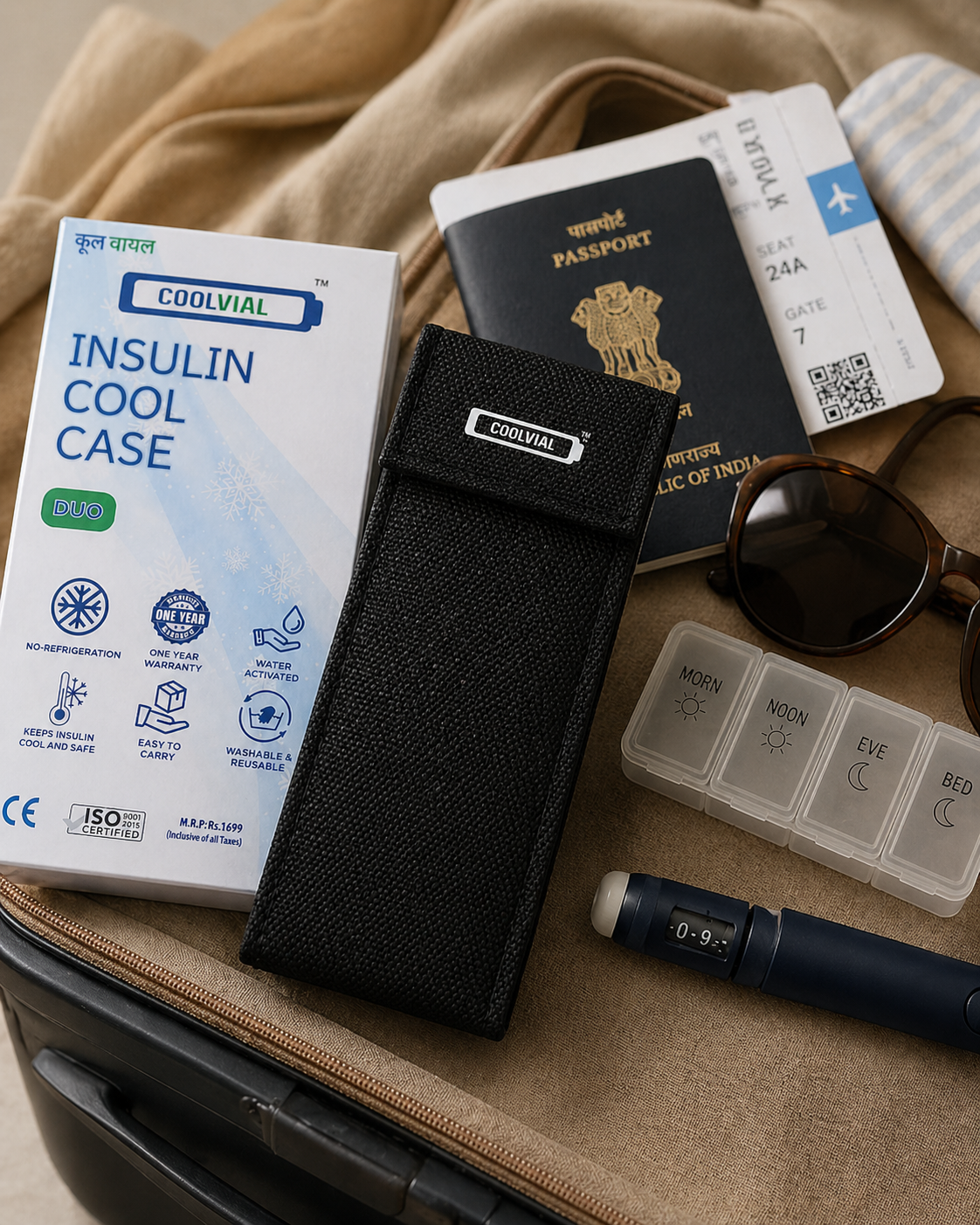
- COOLVIAL Duo: Invest in a reliable, water-activated evaporative cooling case like the COOLVIAL insulin cool case. The COOLVIAL Duo is specifically designed for Indian conditions, holding 2 pens and 1 vial, keeping insulin cool for 12-16 hours without electricity. It’s a crucial backup for power cuts and travel.
- Emergency Contact Information:
- Keep a written list of your doctor’s number, emergency contacts, and the address and phone number of Fortis Escorts Amritsar (Majitha-Verka Bypass) emergency pharmacy.
- Power Backup Plan:
- Ensure your phone is always charged. Have power banks ready for your phone and any glucose meters that require charging.
- Consider a small UPS for your refrigerator if power cuts are frequent in your area (e.g., in some parts of Ranjit Avenue or Mall Road).
- Waterproofing for Travel:
- If you need to carry insulin outside, use waterproof bags or pouches in addition to your cooling case to protect against rain.
- Regular Home Inspections:
- Check for leaks in your home, especially around windows and roofs. Address any issues before the monsoon intensifies.
- Inspect storage cabinets for dampness or mould.
- Medication Review:
- Before monsoon, review your insulin stock with your doctor to ensure you have enough and to understand any specific storage advice they might have for the season.
6. Navigating Transport Disruptions and Pharmacy Access in Amritsar Monsoon
The Amritsar monsoon, while bringing relief from the heat, often brings with it significant logistical challenges that can impact daily life, including access to essential medications like insulin. Heavy rainfall can lead to waterlogging, traffic jams, and disruptions in public transport, making it difficult to reach pharmacies, especially for those relying on delivery services or located far from major medical hubs.
Areas like the Walled City (Heritage/Golden Temple area), Lawrence Road, and Mall Road are particularly prone to waterlogging during intense downpours, causing traffic bottlenecks. This directly affects the timely delivery of medications from online pharmacies like 1mg and local services like Frontier Medicare, which might experience delays or even temporary suspension of services in affected zones. Such disruptions highlight the importance of proactive planning for Amritsar monsoon insulin access.
Here are strategies for navigating transport disruptions and ensuring pharmacy access:
- Pre-Monsoon Stock-Up: As detailed in the checklist, ensure you have a sufficient buffer stock of insulin (at least 2-4 weeks’ supply) before the monsoon fully sets in. This minimizes the need for urgent pharmacy visits during peak rainfall.
- Identify Multiple Pharmacy Options:
- Have a list of nearby pharmacies, including their contact numbers and operating hours. Include major chains like Apollo Pharmacy and MedPlus, as well as smaller local Generic Aadhaar stores.
- Crucially, know the location and hours of Fortis Escorts Amritsar (Majitha-Verka Bypass) emergency pharmacy, which often operates 24/7.
- Utilize Emergency Pharmacy Services:
- In case of extreme need, the emergency pharmacy at Fortis Escorts Amritsar (Majitha-Verka Bypass) is a reliable option, even if it requires a longer commute. Plan your route in advance, considering potential waterlogging hotspots.
- Buddy System/Local Support:
- Establish a “monsoon buddy” system with a trusted friend, family member, or neighbor who can assist in fetching medication if you are unable to travel.
- Consider Early Morning/Late Evening Visits:
- If you must visit a pharmacy, try to do so during non-peak hours or when rainfall is lighter, as roads tend to be less congested.
- Keep Your COOLVIAL Duo Handy:
- If you do need to travel to a pharmacy, ensure your COOLVIAL insulin cool case is activated and ready to safely transport your newly acquired insulin, protecting it from both heat and humidity during transit.
For guidance on managing other emergency situations, read our Power Cut Survival Guide for Diabetics in Amritsar — What To Do When the Grid Goes Down.
7. What to Do If Your Insulin is Damaged or Destroyed
Despite all precautions, accidents can happen, especially during the challenging Amritsar monsoon. High humidity, waterlogging, or even prolonged power cuts can compromise your insulin supply. It’s crucial to know how to identify spoiled insulin and, more importantly, what steps to take if your medication is damaged or destroyed. Using compromised insulin can lead to ineffective blood sugar control and potentially serious health consequences.
Never assume that insulin is safe to use if there’s any doubt about its storage conditions or appearance. When it comes to your health, it’s always better to err on the side of caution and replace any questionable insulin.
Here’s an action plan if your insulin is damaged or destroyed:
7 Essential Strategies: Protecting Your Insulin from Amritsar Monsoon Humidity Damage
48+ hours at 2-8°C. No electricity. CE certified. Free delivery across India.
Order on WhatsApp — ₹1,099🛒 Buy Now — ₹1,099- Signs of Spoiled Insulin:
- Change in Appearance: Clear insulin should remain clear. If it becomes cloudy, discolored, or contains particles or “clumps,” it is likely spoiled. Cloudy insulin (like NPH) should appear uniformly cloudy; if it has clear patches or appears granular, discard it.
- Texture Change: If insulin feels gritty or unusually thick.
- Abnormal Smell: Any unusual or foul odor.
- Loss of Potency: If your blood sugar levels are consistently higher than usual despite correct dosing, it might indicate that your insulin has lost its effectiveness.
- Damaged Packaging: If vials are cracked, seals are broken, or pen mechanisms are visibly damaged or corroded due to moisture.
- Water Exposure: If insulin pens or vials have been submerged in water or exposed to heavy moisture for an extended period, even if they look fine.
- Immediate Steps:
- Do NOT Use: If you suspect your insulin is spoiled, do not use it.
- Contact Your Doctor: Immediately call your endocrinologist or diabetologist. Explain the situation and ask for guidance on temporary dosing adjustments or alternative strategies until you can obtain new insulin.
- Source Replacement Insulin:
- Your primary and most reliable option for emergency replacement in Amritsar is the Fortis Escorts Amritsar (Majitha-Verka Bypass) emergency pharmacy. They typically maintain a comprehensive stock and operate 24/7.
- Other pharmacies like Apollo Pharmacy, MedPlus, or larger Generic Aadhaar outlets might also have stock, but their hours or delivery capabilities might be impacted by monsoon conditions.
- Document the Incident: Note down what happened, when, and which insulin was affected. This information can be helpful for your doctor and for insurance purposes if applicable.
- Safe Disposal: Dispose of spoiled insulin safely as per local guidelines. Do not simply throw it in the regular trash. Consult your pharmacy for proper disposal methods.
8. The Smart Solution: COOLVIAL Duo for All-Season Insulin Protection
While diligent home storage and monsoon preparedness are vital, carrying insulin outside your home in Amritsar, especially during the humid monsoon, presents unique challenges. This is where a reliable, portable cooling solution becomes indispensable. The market offers several options, but for the Indian climate and diabetic’s needs, the COOLVIAL Duo stands out as a smart, practical, and cost-effective choice for Amritsar monsoon insulin protection and beyond.
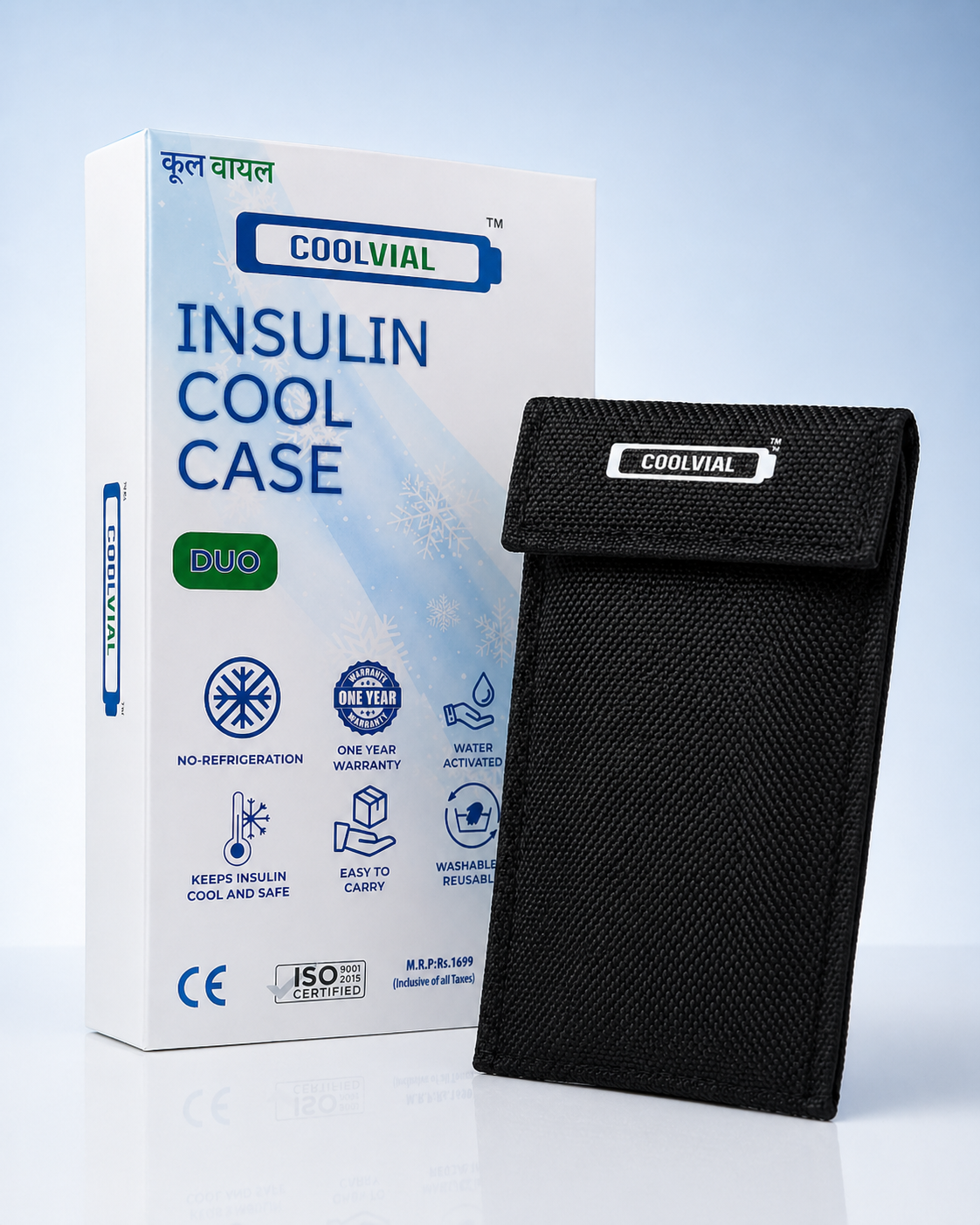
The COOLVIAL Duo is a water-activated evaporative insulin cooling case designed specifically to keep your insulin cool and safe without the need for electricity, refrigeration, or ice packs. This makes it an ideal companion for daily commutes, visits to family or friends, or any situation where you might be away from a refrigerator for an extended period during Amritsar’s varied climate conditions. Its CE certification and ISO 9001:2015 standards confirm its quality and reliability, and as a “Made in India” product, it’s tailored for local conditions.
COOLVIAL Duo — Your Monsoon Insulin Guardian:
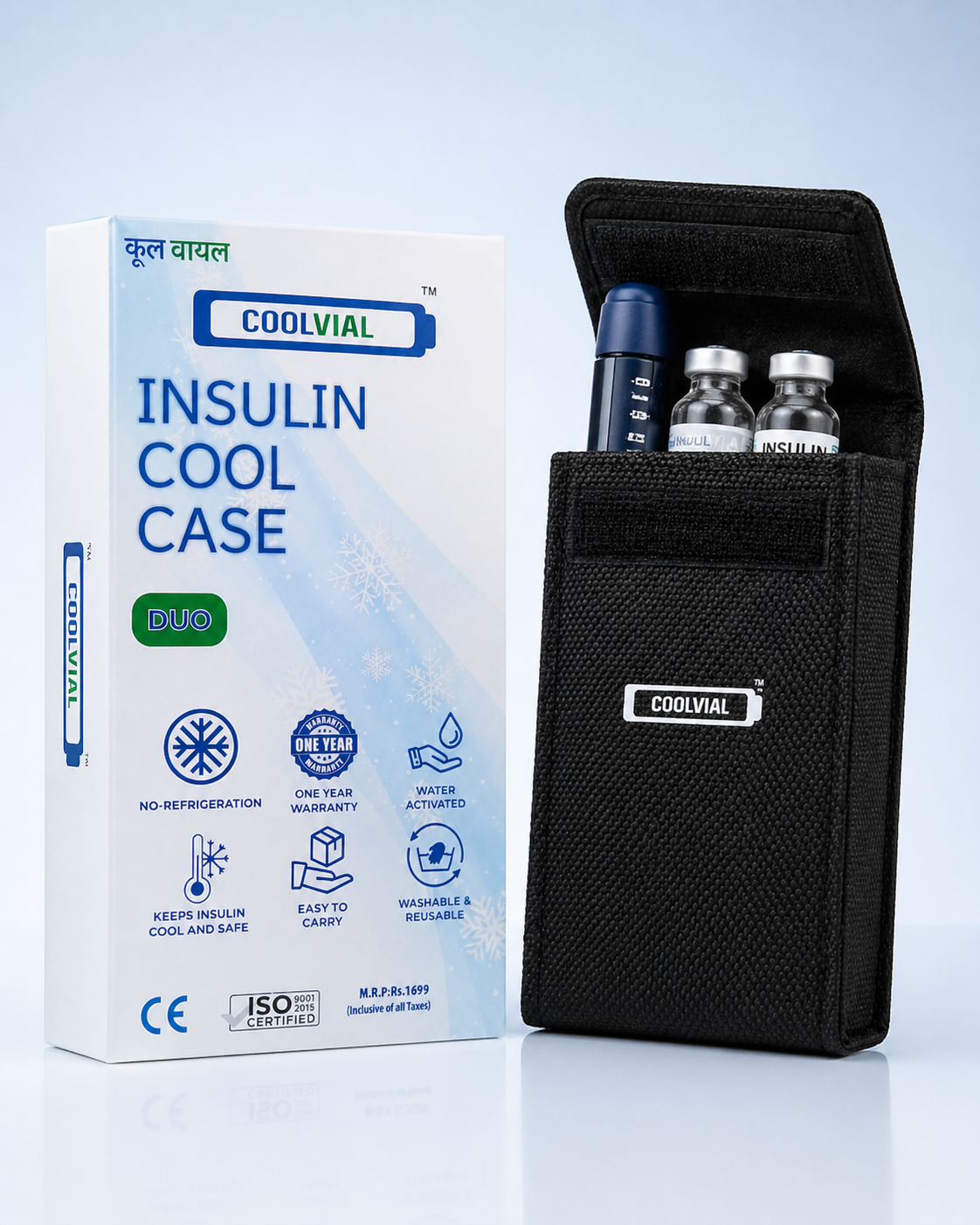
- Capacity: The COOLVIAL Duo is thoughtfully designed to hold 2 insulin pens and 1 insulin vial simultaneously, catering to most users’ daily needs. This flexibility means you don’t have to choose between carrying pens or vials; you can carry both.
- Cooling Duration: Once activated with water, it maintains a safe temperature for your insulin for an impressive 12-16 hours. This duration is ample for a full day out in Amritsar, including travel through potential monsoon disruptions, ensuring your insulin remains potent.
- No Electricity Needed: This is its biggest advantage during monsoon, when power cuts can be frequent and unpredictable. Simply activate it with water, and it uses evaporative cooling to keep your insulin safe.
- Humidity Protection: The outer casing and the evaporative cooling mechanism inherently protect your insulin from external humidity, creating a micro-environment that is both cool and dry. This directly addresses the core challenge of Amritsar’s monsoon.
- Cost-Effective: Priced at an MRP of Rs 1,699, you can currently get the COOLVIAL Duo for just Rs 1,099 with code COOLHEAL. This makes it an incredibly accessible solution compared to some alternatives.
- Warranty: It comes with a 1-year warranty, providing peace of mind regarding its durability and performance.
Comparison with Alternatives:
- FRIO Cooling Cases: Often considered a premium brand, FRIO cases typically retail around Rs 1,900 or more in India. While effective, they are significantly more expensive than the COOLVIAL Duo.
- Outer Woods OW-12: Another popular option, Outer Woods OW-12, might be slightly cheaper (around Rs 999). However, it’s important to compare features like cooling duration, capacity, and certifications to ensure it meets your specific needs for a critical medication like insulin. The COOLVIAL Duo offers a compelling balance of price, capacity, and certified reliability.
For comprehensive insulin storage tips and to explore our range of products, visit our website. The COOLVIAL Duo offers a practical, affordable, and certified solution to keep your insulin safe from the Amritsar monsoon’s humidity and heat, giving you the freedom and confidence to manage your diabetes effectively, no matter the weather.
Frequently Asked Questions (FAQs)
Q: Can I store insulin in an ordinary plastic bag during Amritsar monsoon? A: Storing insulin in an ordinary plastic bag during the Amritsar monsoon is not recommended. Such bags offer no protection against heat, humidity, or physical damage, and they can trap moisture, potentially harming the insulin or its packaging.
Q: How can I tell if my insulin has been damaged by humidity? A: If your insulin has been damaged by humidity, it might appear cloudy, discolored, or contain particles if it was originally clear. Cloudy insulin might have clear patches or look granular. Additionally, if its packaging is damp, mouldy, or illegible, it’s a sign of potential damage.
Q: Are dehumidifiers effective for insulin storage in Amritsar homes? A: Dehumidifiers can be very effective for insulin storage in Amritsar homes, especially in damp rooms or ground-floor apartments during monsoon. They reduce ambient humidity, creating a drier environment that helps protect insulin and its packaging from moisture damage.
Q: Where can I buy silica gel packets in Amritsar? A: Silica gel packets are widely available in Amritsar. You can typically find them at local pharmacies like Apollo Pharmacy and MedPlus, hardware stores, stationery shops, and various online retailers like Amazon India.
Q: What is the ideal temperature range for storing unopened insulin vials in Amritsar? A: Unopened insulin vials should ideally be stored in a refrigerator between 2°C and 8°C. This temperature range helps maintain their potency for the longest possible duration, typically until the expiry date printed on the packaging.
Q: How does COOLVIAL Duo protect insulin from monsoon humidity? A: The COOLVIAL Duo protects insulin from monsoon humidity through its evaporative cooling mechanism, which naturally creates a slightly drier micro-environment around the insulin. Its robust design also physically shields the pens and vials from external moisture and condensation, ensuring safe storage without electricity.
Q: What should I do if my home floods and my insulin gets submerged? A: If your home floods and your insulin gets submerged, you must immediately discard it, even if it appears sealed, as its sterility and efficacy will likely be compromised. Contact your doctor and then proceed to Fortis Escorts Amritsar (Majitha-Verka Bypass) emergency pharmacy for replacement insulin.
Q: Is it safe to use insulin if its cardboard box is mouldy but the pen/vial inside looks fine? A: It is not safe to use insulin if its cardboard box is mouldy, even if the pen or vial inside appears visually fine. Mould indicates high humidity, which could have compromised the insulin’s sterility or potency. Discard the insulin and obtain a fresh supply to ensure your safety and treatment effectiveness.
Conclusion and Call to Action
The Amritsar monsoon, with its characteristic humidity and potential for disruptions, presents a unique set of challenges for individuals managing diabetes. Protecting your insulin from moisture damage is not merely a recommendation; it is a critical aspect of maintaining effective blood sugar control and ensuring your well-being. From understanding the specific risks posed by the city’s climate to implementing robust home storage solutions and having a reliable travel companion, every step counts.
By adopting the 7 essential strategies outlined in this guide – including meticulous home storage, vigilant fridge practices, comprehensive monsoon preparedness, and smart solutions like the COOLVIAL Duo – you can confidently navigate the wet season. Remember, proactive planning and access to reliable information and tools are your best defenses against the monsoon’s impact on your vital medication. Don’t let humidity compromise your health or your peace of mind.
Take control of your insulin safety this monsoon. Order your COOLVIAL Duo today at Rs 1,099 with code COOLHEAL at coolvial.com or via WhatsApp wa.me/918766952300.
Medical Disclaimer
This article is for general information. Always consult your endocrinologist or diabetologist before changing insulin storage or dosing practices.
How We Researched This
This article was developed based on a thorough review of RSSDI (Research Society for the Study of Diabetes in India) guidelines for insulin storage, ICMR-INDIAB (Indian Council of Medical Research - India Diabetes) study data on diabetes prevalence, local Amritsar hospital directories for emergency services, and an understanding of the Apollo Pharmacy network and other local retail outlets for product availability. Climatic data for Amritsar was sourced from meteorological records.