
Reviewed by the COOLVIAL Editorial Team — specialists in insulin storage for Indian climate conditions.
Yes, insulin can absolutely go bad in Indian heat, often becoming ineffective and posing significant health risks if used. When ambient temperatures consistently rise above 30°C, the protein structure of insulin can quickly degrade, rendering it less potent or even useless, directly impacting blood sugar control for millions of diabetics. Recognizing the 7 critical signs your insulin has spoiled in Indian heat is vital for your safety and effective diabetes management. This comprehensive guide will equip you with the knowledge to protect your life-saving medication.
India’s diverse and often extreme climate presents unique challenges for insulin users. From the scorching summers of Rajasthan and Delhi to the humid monsoons of Mumbai and Kolkata, maintaining insulin’s integrity at its recommended temperature range of 2–8°C (for unopened vials/pens) or below 25–30°C (for opened/in-use insulin, depending on type) is a constant battle. This article will delve into why insulin is so sensitive to heat, the precise signs of spoilage, and practical, India-specific strategies to ensure your insulin remains safe and effective, ultimately empowering you to manage your diabetes confidently, even in the harshest conditions.
Table of Contents
- 1. The Critical Challenge: Why Insulin Storage Matters in India’s Climate
- 2. Understanding Insulin Stability: How Temperature Affects its Efficacy
- 3. Spotting the Danger: Can Insulin Go Bad in Indian Heat? 7 Practical Signs of Spoilage
- 4. Navigating India’s Unique Challenges: Regional Climates and Storage Solutions
- 5. Empowering Diabetics: Your Smart Solution for Safe Insulin in Indian Heat
- 6. Essential Quick Reference: Your Insulin Storage Checklist & FAQs
1. The Critical Challenge: Why Insulin Storage Matters in India’s Climate
India is home to a significant and growing number of people living with diabetes. According to the WHO, diabetes affects millions globally, and India alone had an estimated 101 million people living with diabetes in 2023 (Source: WHO Fact Sheet on Diabetes). For these individuals, insulin is a life-saving medication, but its efficacy is highly dependent on proper storage, especially in our country’s often extreme climate. The question of “can insulin go bad in Indian heat” is not just theoretical; it’s a daily, critical concern.
The Indian subcontinent experiences a wide spectrum of climatic conditions. Summers in regions like Delhi, Rajasthan, and Uttar Pradesh routinely see temperatures soaring above 40°C, often touching 45-48°C. Even coastal cities like Chennai and Mumbai, while not reaching such extreme highs, suffer from high humidity which can amplify the perceived heat and stress on medications. During these relentless heatwaves, standard room temperatures can easily exceed the safe limits for insulin storage.
Beyond the ambient heat, India faces other infrastructure challenges that impact insulin viability. Frequent power cuts, especially during peak summer months and in rural areas, mean that refrigerators may not maintain consistent cool temperatures. A study by the Council on Energy, Environment and Water (CEEW) in 2020 revealed that 78% of Indian households, particularly in smaller towns and villages, experience daily power cuts, often lasting several hours. This intermittent power supply can cause insulin stored in refrigerators to repeatedly warm up and cool down, a cycle that can accelerate its degradation.
Furthermore, travel across India, whether by train, bus, or even car, often involves prolonged exposure to heat without reliable cooling options. A journey from Bengaluru to Hyderabad or from Kolkata to Puri, for example, can easily expose insulin to temperatures well above 30°C for hours. This constant threat makes understanding insulin spoilage and adopting robust storage solutions absolutely paramount for the health and well-being of Indian diabetics. Without proper care, your insulin can go bad in Indian heat, rendering it ineffective and leading to dangerously uncontrolled blood sugar levels.
Here’s a quick look at how India’s climate impacts insulin:
| Climate Region | Typical Summer Conditions | Insulin Storage Challenge |
|---|---|---|
| North & Central India | Extreme dry heat, 40-48°C, frequent power cuts | Direct heat exposure, refrigerator temperature fluctuations |
| Coastal & South India | High humidity, 30-35°C, high perceived heat, occasional power cuts | Humidity stress, consistent heat, potential mold growth |
| Northeast India | Humid, heavy monsoons, 28-35°C, infrastructure issues | Humidity, lack of reliable refrigeration |
| Hilly Regions (e.g., Himalayas) | Moderate temperatures, but travel can be challenging | Exposure during transport to higher temperatures |
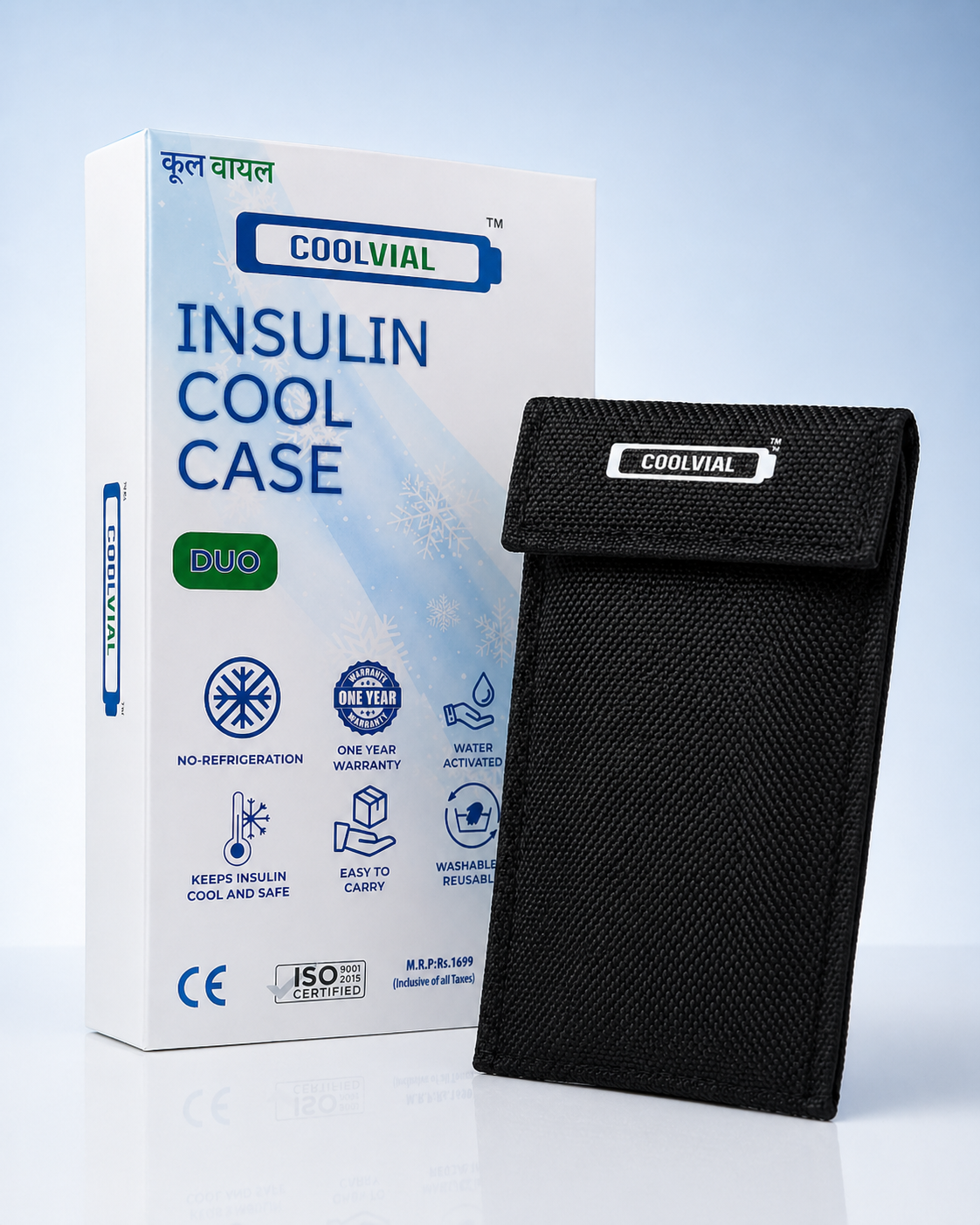
"Finally a cooler that works in Indian summers. Insulin stayed perfect during a 3-day power cut." — Ramesh, Chennai
7 Critical Signs Your Insulin Has Spoiled in Indian Heat: A Complete Guide
CE Certified · Free Delivery · 1-Year Warranty · Made for India
📲 Buy on WhatsApp — ₹1,099🛒 Buy Now — ₹1,0992. Understanding Insulin Stability: How Temperature Affects its Efficacy
Insulin is a protein hormone, and like all proteins, its structure is sensitive to environmental conditions, particularly temperature. Its therapeutic action depends on its precise three-dimensional shape. When exposed to heat, this delicate structure can unravel or “denature,” a process that essentially changes the insulin molecule, making it less effective or even completely inactive. This degradation is irreversible.
The primary mechanism by which heat damages insulin is through the breaking of its chemical bonds. This leads to aggregation (insulin molecules clumping together) or hydrolysis (breaking down into smaller, inactive fragments). Once these changes occur, the insulin can no longer bind effectively to its receptors in the body, which means it cannot lower blood glucose as intended. This is why knowing “can insulin go bad in Indian heat” is so crucial; using degraded insulin is akin to not taking any insulin at all, potentially leading to hyperglycemia and acute complications like diabetic ketoacidosis (DKA).
Factors like direct sunlight, vigorous shaking, and freezing can also accelerate this degradation. Direct sunlight, even for short periods, can cause rapid temperature spikes within the insulin vial or pen, leading to immediate damage. Similarly, excessive shaking can disrupt the protein structure, while freezing can cause the insulin to lose its potency due to structural changes upon thawing.
Insulin’s Ideal Temperature Ranges
Understanding the precise temperature requirements for insulin is fundamental to safe storage.
- Unopened Insulin: Unopened vials, cartridges, or pens should always be stored in a refrigerator, ideally at a temperature between 2°C and 8°C. This ensures maximum shelf life, usually until the expiration date printed on the packaging. Storing insulin below 2°C can lead to freezing, which is damaging, while above 8°C can start the degradation process prematurely.
- Opened/In-Use Insulin: Once a vial or pen is opened or started, it can generally be stored at room temperature, typically between 15°C and 25°C, for a limited period, usually 28 days (4 weeks). Some specific types of insulin pens or vials might allow storage up to 30°C or for up to 6 weeks, but it’s crucial to check the manufacturer’s specific guidelines. However, in India, where room temperatures frequently exceed 25°C, especially during summer, relying solely on “room temperature” storage is risky. If your room temperature is consistently above 25°C, even opened insulin needs to be kept cooler.
Factors Accelerating Degradation
Beyond just heat, several other factors can significantly accelerate insulin degradation:
- Direct Sunlight: UV radiation and heat from direct sunlight are highly detrimental. Never leave insulin exposed to direct sun, even for a few minutes.
- Freezing: Freezing insulin can damage its protein structure, making it ineffective. If insulin freezes, it must be discarded, even if it thaws and appears normal.
- Vigorous Shaking: While some insulin types require gentle rolling to mix, vigorous shaking can create air bubbles and disrupt the insulin molecule.
- Temperature Fluctuations: Repeated cycles of warming and cooling (e.g., due to power cuts) are more damaging than constant, slightly elevated temperatures. Each cycle contributes to protein denaturation.
- Expiration Date: Always adhere to the expiration date. Even perfectly stored insulin will eventually lose potency. For opened insulin, strictly follow the 28-day (or manufacturer-specified) rule, regardless of the printed expiration date.
Ignoring these guidelines can lead to a situation where your insulin has gone bad in Indian heat, silently compromising your diabetes management.
 Cool Case" style="width:120px;height:120px;object-fit:contain;border-radius:8px;flex-shrink:0;">
7 Critical Signs Your Insulin Has Spoiled in Indian Heat: A Complete Guide
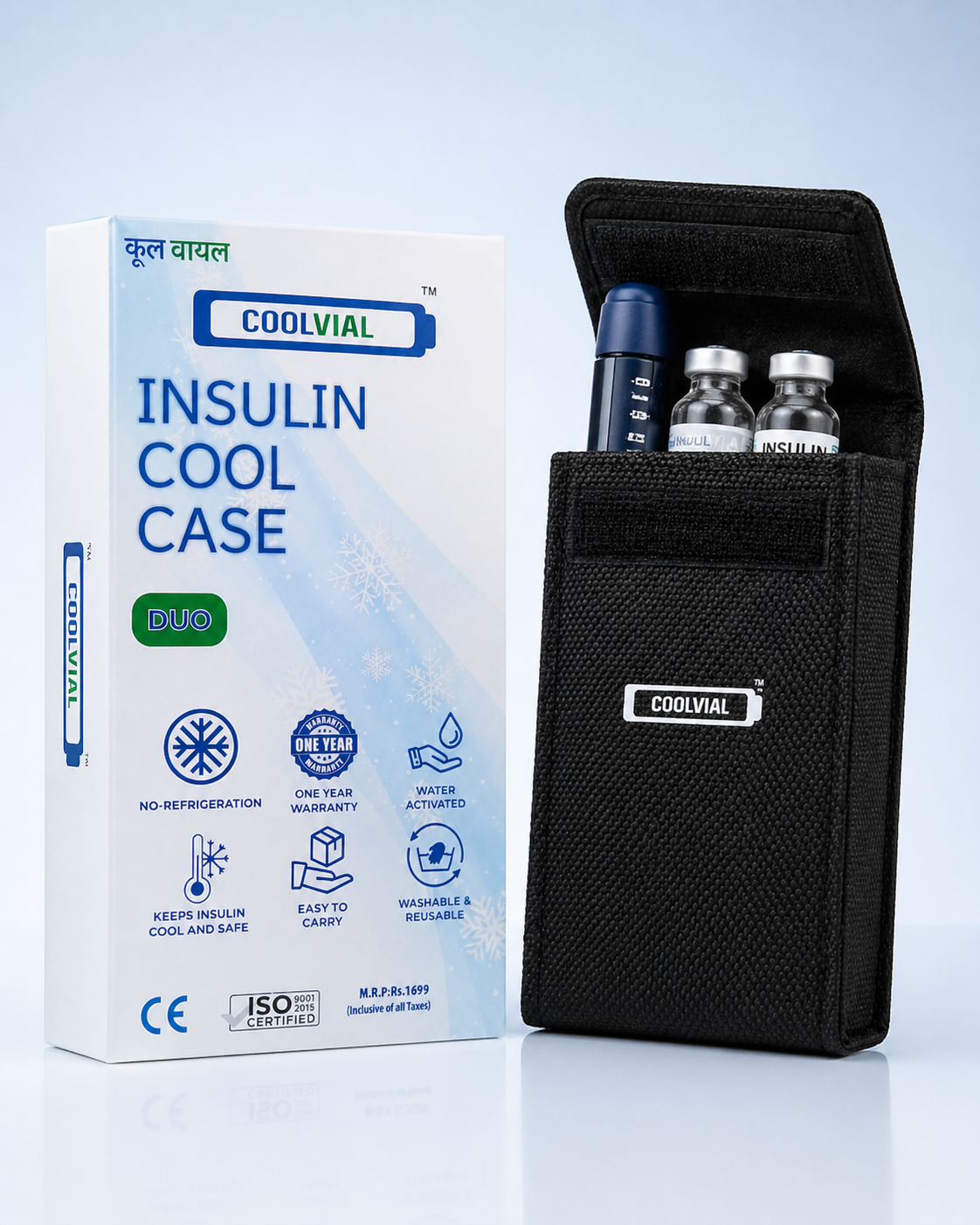
Keep your insulin safe in India's extreme heat. COOLVIAL works for 48+ hours without electricity.
3. Spotting the Danger: Can Insulin Go Bad in Indian Heat? 7 Practical Signs of Spoilage
It’s not always obvious when insulin has been compromised by heat. Unlike food, it doesn’t always smell or look overtly “spoiled.” However, there are clear visual and functional indicators that your insulin may have gone bad in Indian heat. Being vigilant about these signs is a critical part of safe diabetes management. If you notice any of these changes, it’s best to discard the insulin and use a fresh supply. Using spoiled insulin can lead to dangerously high blood sugar levels, as it simply won’t work.
Here are 7 practical signs that your insulin has spoiled:
- Change in Clarity (for clear insulins): Most rapid-acting (e.g., Humalog, Novolog, Aprida) and some long-acting (e.g., Lantus, Levemir) insulins are clear and colorless, like water. If you notice cloudiness, particles, flakes, or a hazy appearance in a normally clear insulin, it has likely degraded.
- Change in Color: While most insulins are clear, some are naturally cloudy or milky (e.g., NPH, some premixed insulins like 70/30). However, if your insulin, regardless of its original clarity, develops a yellowish or brownish tint, it’s a strong indicator of spoilage. Discard it immediately.
- Presence of Solid Particles or “Clumps”: If you see any solid particles, “snowflakes,” crystals, or clumps floating in the insulin solution, or sticking to the sides of the vial/pen, it indicates protein aggregation, meaning the insulin has gone bad. This is a definitive sign of spoilage.
- Unusual Texture or Consistency: Gently roll the vial or pen between your palms. If the insulin feels unusually gritty, sandy, or sticky when you inject it, or if it doesn’t flow smoothly, its consistency may have changed due to heat damage.
- Reduced Effectiveness (High Blood Sugar): This is perhaps the most critical functional sign. If you’ve been taking your usual insulin dose and your blood sugar levels are consistently higher than expected, despite no changes in diet, activity, or illness, your insulin might have lost its potency. This is particularly concerning if you suspect your insulin was exposed to heat. This is a clear indicator that your insulin has spoiled, and you should consider changing to a fresh vial or pen.
- Frothiness or Foam: While some air bubbles are normal during mixing or drawing insulin, persistent frothiness or foam that doesn’t dissipate quickly can be a sign of degradation.
- Insulin Freezing: If insulin has been accidentally frozen and then thawed, it’s considered spoiled, even if it appears normal. Freezing irrevocably damages the protein structure.
Remember, when in doubt, it’s always safer to discard the insulin and use a new vial or pen. The cost of a new vial is far less than the potential health complications from using ineffective medication. For more comprehensive guidance on preserving your medication, you can refer to our insulin storage tips.
4. Navigating India’s Unique Challenges: Regional Climates and Storage Solutions
Managing diabetes in India requires a nuanced understanding of how diverse regional climates impact insulin storage. The generic advice of “store at room temperature” becomes problematic when “room temperature” can mean 35°C in Delhi in May or 28°C with 90% humidity in Kochi during monsoon. This section offers India-specific context to help you prevent your insulin from going bad in Indian heat.
- North & Central India (e.g., Delhi, Jaipur, Lucknow, Bhopal):
- Climate: Characterized by extreme dry heat in summer (often 40-48°C), followed by humid monsoons. Winters can be cold.
- Challenges: Scorching heat can quickly degrade insulin left exposed. Frequent power cuts mean refrigerators may not maintain consistent temperatures. Travel by road or rail during summer can be particularly risky.
- Solutions: Always use an insulated cool case. Avoid keeping insulin in cars, especially when parked. During power cuts, keep refrigerator doors closed. Consider a portable, non-electric cooling solution like the COOLVIAL insulin cool case for daily use and travel.
- Coastal & South India (e.g., Mumbai, Chennai, Bengaluru, Kochi):
- Climate: High humidity year-round, with temperatures consistently above 25°C, peaking around 30-35°C. Heavy monsoons.
- Challenges: High humidity can stress packaging and accelerate degradation in conjunction with heat. Consistent warm temperatures mean “room temperature” is rarely suitable for opened insulin.
- Solutions: Dehumidifiers can help if insulin is stored within the home. Ensure insulin is never stored near windows or in direct sunlight. A reliable cool case is essential for daily commutes and any outdoor activities, like attending local festivals such as Ganesh Chaturthi in Mumbai or Pongal in Chennai.
- East & Northeast India (e.g., Kolkata, Guwahati, Bhubaneswar):
- Climate: Hot and extremely humid summers and monsoons.
- Challenges: Similar to coastal areas, high humidity combined with heat creates a challenging environment. Infrastructure in some remote parts of the Northeast can make consistent refrigeration difficult.
- Solutions: Prioritize portable cooling solutions. For long journeys, plan ahead for ice packs or cooling facilities. Be extra cautious during monsoon season when humidity is at its peak.
- Hilly Regions (e.g., Shimla, Darjeeling):
- Climate: Generally cooler, but lower altitudes can still experience significant heat.
- Challenges: While ambient temperatures are often more favorable, the primary challenge here might be during travel to and from these regions, which often involves passing through hotter plains.
- Solutions: Ensure insulin is protected during transit. For trekking or outdoor activities, a robust cool case is indispensable.
General India-Specific Tips:
- Power Cuts: During a power cut, keep your refrigerator door closed as much as possible to retain cold air. For in-use insulin, immediately transfer it to a reliable cool case.
- Travel: Whether you’re taking a long-distance Indian Railways journey or a state bus, never pack insulin in checked luggage (which can freeze) or leave it exposed on a dashboard. Always carry it with you in a dedicated, temperature-controlled bag.
- Rural Areas: Access to consistent refrigeration can be limited. Here, non-electric cooling solutions become even more critical.
- Festivals & Outdoor Events: Indian festivals often involve spending long hours outdoors. Always carry your insulin in a cool case to prevent it from going bad in Indian heat while you enjoy the festivities.
By understanding these regional nuances and implementing appropriate storage strategies, you can significantly reduce the risk of your insulin spoiling, ensuring your diabetes management remains effective wherever you are in India.
5. Empowering Diabetics: Your Smart Solution for Safe Insulin in Indian Heat
The constant worry about “can insulin go bad in Indian heat?” is a heavy burden for many. Diabetics across India deserve a reliable, practical, and affordable solution to protect their life-saving medication. This is where innovations like the COOLVIAL insulin cool case step in, offering peace of mind and consistent temperature control, even in the most challenging Indian conditions.
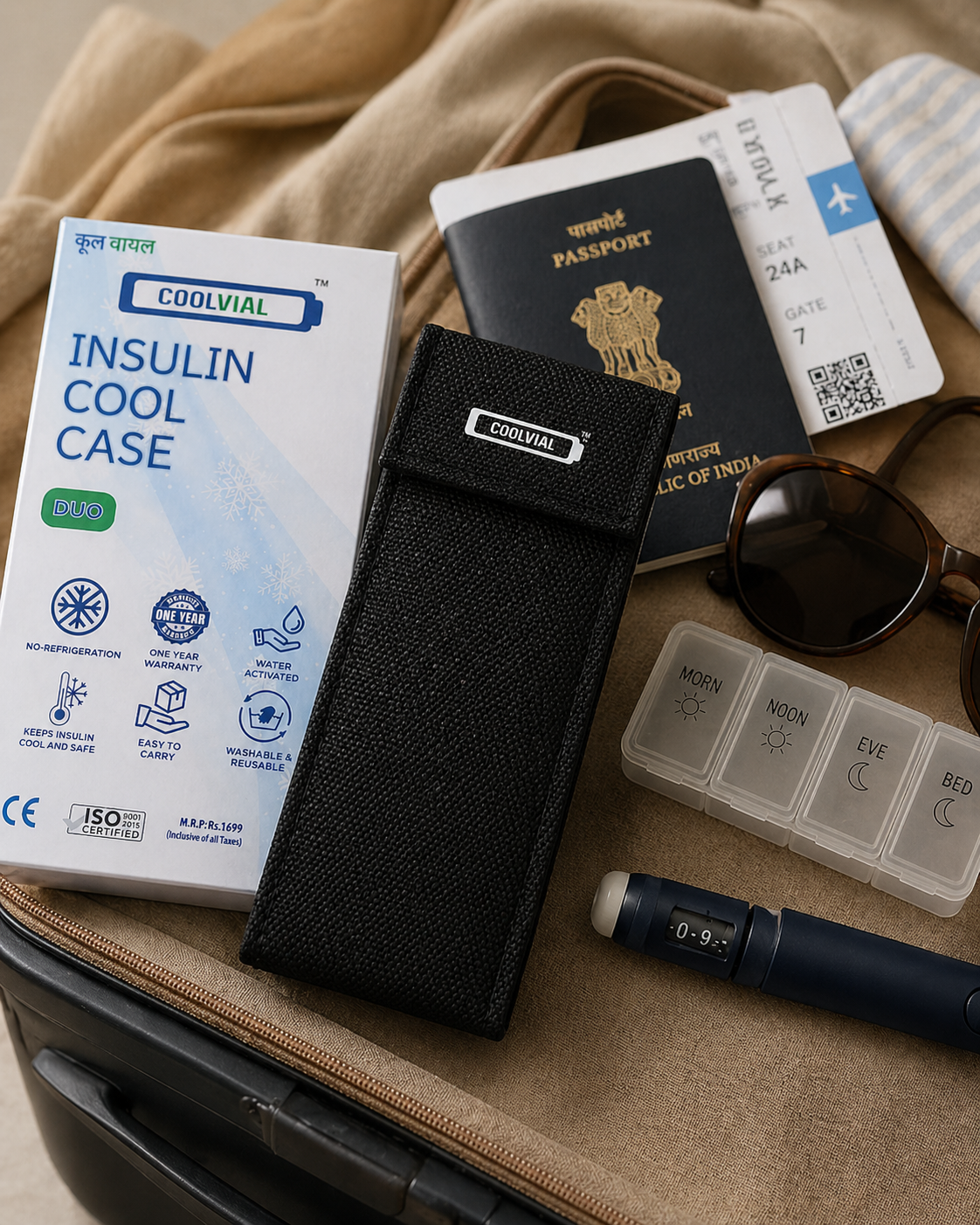
The COOLVIAL insulin cool case is specifically designed with the Indian climate in mind. It provides a simple yet highly effective way to maintain the optimal temperature for your insulin, ensuring it remains potent and safe to use. Unlike bulky refrigerators or cumbersome ice packs that require constant freezing, COOLVIAL
7 Critical Signs Your Insulin Has Spoiled in Indian Heat: A Complete Guide
COOLVIAL keeps insulin at 2-8°C for 48+ hours. No electricity needed. Trusted by 10,000+ diabetics.