
Reviewed by the COOLVIAL Editorial Team — specialists in insulin storage for Indian climate conditions.
Insulin, a life-saving protein, is highly sensitive to temperature fluctuations, especially heat. This sensitivity is the core of the science behind why insulin needs cooling explained for India. Its complex molecular structure can degrade rapidly above 30°C, losing potency and becoming ineffective or even harmful. Maintaining insulin within its recommended temperature range of 2–8°C for unopened vials and 15–25°C for opened vials/pens is absolutely critical for managing diabetes effectively, preventing complications for millions across India. Understanding these 7 critical principles ensures that every dose delivers its intended benefit, safeguarding health and well-being.
Diabetes affects a significant portion of the Indian population, with over 101 million people living with the condition in 2023 alone (Source: IDF Diabetes Atlas 2023). For many, insulin therapy is a cornerstone of treatment. However, the efficacy of this vital medication hinges entirely on its proper storage. In a country like India, characterized by extreme temperatures, varying climates, and often inconsistent infrastructure, the challenge of maintaining insulin’s integrity is immense. This comprehensive guide will delve deep into the scientific reasons behind insulin’s temperature sensitivity, offer practical, India-specific storage tips, and introduce effective solutions to ensure your insulin remains potent and safe.
Table of Contents
- Why Insulin Storage Matters Critically in India: The Unique Challenges
- Understanding the Core Science Behind Insulin’s Temperature Sensitivity
- The Essential Science Behind Why Insulin Needs Cooling: Practical Tips for Indian Diabetics
- Navigating India’s Diverse Climate: Region-Specific Storage Challenges
- Ensuring Insulin Integrity with COOLVIAL Cool Cases: The Science Behind Why Insulin Needs Cooling, Explained Practically
- Frequently Asked Questions (FAQ) about Insulin Storage in India
- Conclusion: Empowering Diabetics with Knowledge and Tools
Why Insulin Storage Matters Critically in India: The Unique Challenges
India presents a unique set of challenges for individuals requiring insulin therapy. The sheer scale of diabetes prevalence, coupled with diverse geographical and infrastructural conditions, makes proper insulin storage a matter of public health importance. Without understanding the science behind why insulin needs cooling explained for India, many patients risk using compromised medication.
The Harsh Reality of India’s Climate
India experiences a wide range of climatic conditions, from the scorching summers of Rajasthan and Uttar Pradesh where temperatures can soar above 45°C, to the humid monsoons across coastal regions like Mumbai and Kerala, and even sub-zero winters in the Himalayan states. Insulin, a delicate protein, is highly vulnerable to these extreme variations. Even moderate heat or prolonged exposure to sunlight can quickly degrade its efficacy.
Infrastructure Gaps and Power Fluctuations
Reliable refrigeration is a cornerstone of insulin storage. However, many Indian households, particularly in tier-2 and tier-3 cities and rural areas, experience frequent power cuts, sometimes lasting several hours daily during peak summer. This intermittent electricity supply poses a significant threat to insulin stored in conventional refrigerators, which lose their cooling capacity rapidly without power. A 2023 survey indicated that power outages remain a common challenge across various Indian states, directly impacting essential medical storage.
Travel and Lifestyle Factors
For many Indians, daily commutes, long-distance bus or train travel, and participation in festivals or family gatherings are integral parts of life. These activities often involve spending extended periods outdoors or in environments without consistent temperature control. Carrying insulin safely during such times becomes a major concern. A vial left in a car during a summer afternoon in Delhi can become ineffective within an hour. The need for portable, reliable cooling solutions is not a luxury but a necessity for active individuals.
Economic Implications of Spoiled Insulin
Insulin is an expensive medication for many, especially when considering long-term therapy. When insulin spoils due to improper storage, it not only jeopardizes the patient’s health but also leads to significant financial strain as replacement doses are required. This economic burden can be particularly heavy for low-income families, making the investment in proper storage an economic imperative as well as a health one.
Common Insulin Storage Mistakes in India:
| Mistake | Impact on Insulin | Why it’s common in India |
|---|---|---|
| Storing in direct sunlight | Rapid degradation, loss of potency | Lack of awareness, outdoor activities, travel |
| Leaving in hot vehicles | Denaturation, irreversible damage | Long commutes, road trips, high ambient temperatures |
| Frequent power cuts | Temperature fluctuations, reduced shelf life | Inconsistent electricity supply in many regions |
| Freezing insulin | Molecular damage, aggregation, ineffective | Misunderstanding refrigeration, accidental freezer placement |
| Using expired insulin | Reduced efficacy, unpredictable blood sugar | Lack of proper tracking, desperation due to cost |
Understanding these challenges highlights the critical importance of mastering the science behind why insulin needs cooling explained for India and adopting practical solutions for safe storage.
"Finally a cooler that works in Indian summers. Insulin stayed perfect during a 3-day power cut." — Ramesh, Chennai
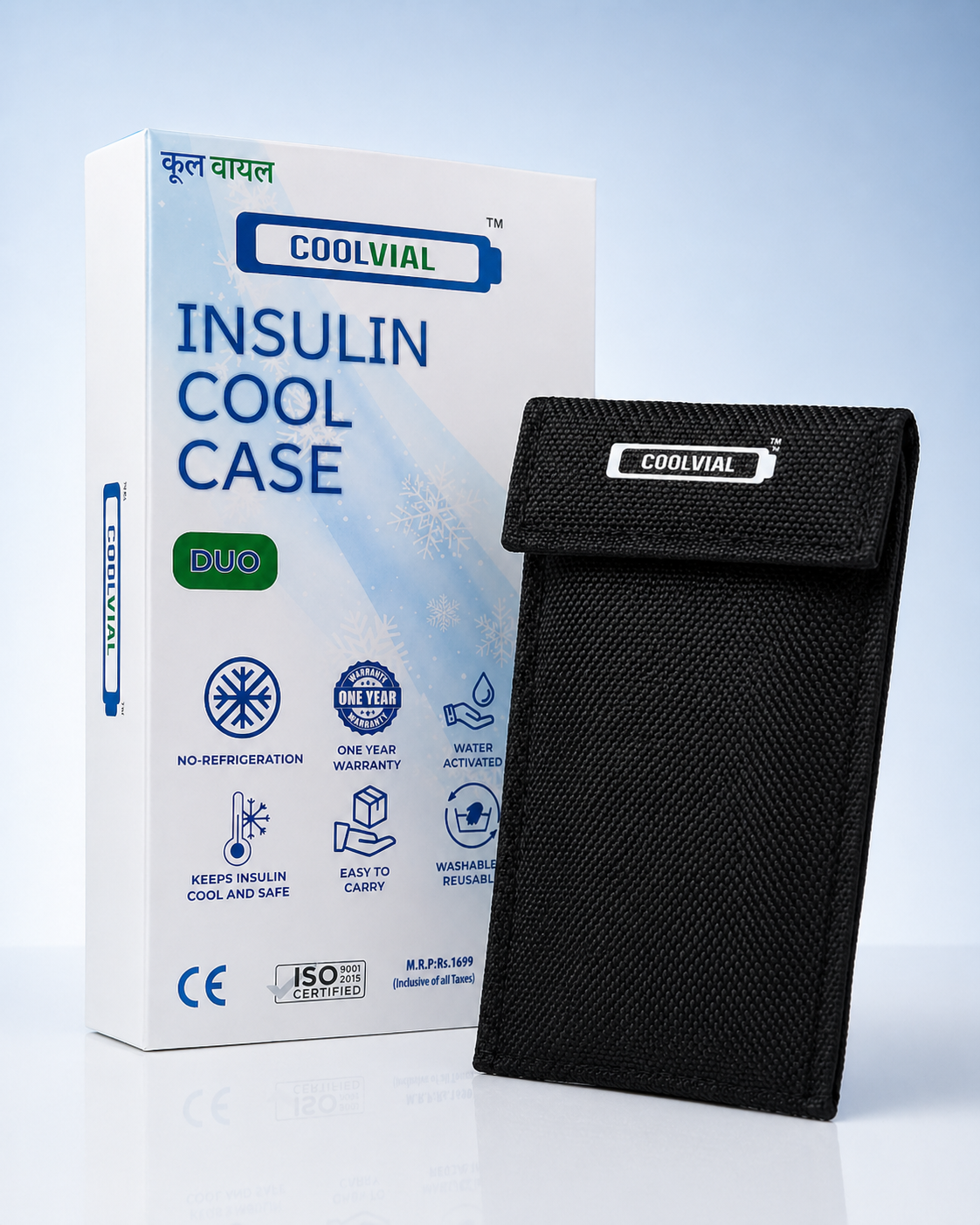
The 7 Critical Principles: The Science Behind Why Insulin Needs Cooling — Explained for India
CE Certified · Free Delivery · 1-Year Warranty
📲 Buy on WhatsApp — ₹1,099Understanding the Core Science Behind Insulin’s Temperature Sensitivity
The 7 Critical Principles: The Science Behind Why Insulin Needs Cooling — Explained for India
COOLVIAL keeps insulin safe in India's heat. 48+ hours, no electricity needed.
The fundamental reason insulin requires precise temperature control lies in its biochemical nature. Insulin is a protein, a complex molecule with a specific three-dimensional structure that is essential for its biological activity. When this structure is compromised, insulin loses its ability to regulate blood sugar, rendering it ineffective.
Principle 1: Insulin’s Delicate Protein Structure
Insulin is a polypeptide hormone, meaning it’s made up of amino acid chains folded into a specific shape. This intricate folding allows it to bind to insulin receptors on cells, signaling them to absorb glucose from the bloodstream. The stability of this structure is maintained by various chemical bonds (e.g., disulfide bonds, hydrogen bonds).
- Alpha-helix and Beta-sheet conformations: Insulin’s secondary structure involves these specific patterns, crucial for its function.
- Tertiary structure: The overall 3D shape, vital for receptor binding.
- Quaternary structure: Insulin often exists as dimers or hexamers, which can dissociate into active monomers.
Principle 2: The Process of Denaturation
When insulin is exposed to temperatures outside its optimal range, especially high heat, it undergoes a process called denaturation. Denaturation is the disruption of the protein’s complex three-dimensional structure, causing it to unfold or change shape.
- Irreversible damage: Once denatured, insulin cannot typically revert to its original, functional form.
- Loss of activity: A denatured insulin molecule can no longer effectively bind to cell receptors, leading to reduced or complete loss of its glucose-lowering effect.
- Visible changes: Sometimes, denatured insulin might appear cloudy, discolored, or contain particles, though often, the degradation is invisible to the naked eye.
Principle 3: Aggregation and Fibrillation
Beyond denaturation, high temperatures can also cause insulin molecules to aggregate or form fibrils. This means the denatured protein molecules clump together, forming insoluble particles.
- Blocked delivery: These aggregates can clog insulin pens or syringes, making delivery difficult or impossible.
- Reduced absorption: Even if administered, aggregated insulin may not be properly absorbed by the body, leading to unpredictable blood sugar levels.
- Immunogenicity: In some cases, aggregated insulin can trigger an immune response, potentially leading to allergic reactions or antibody formation that further reduces insulin effectiveness.
Principle 4: Temperature-Specific Degradation
Different temperature ranges have distinct effects on insulin:
- Freezing (below 0°C): Freezing causes ice crystals to form, which can physically damage the insulin protein structure, leading to denaturation and aggregation. Frozen insulin should always be discarded, even if thawed.
- Optimal Refrigerated Storage (2°C to 8°C): This is the ideal temperature range for unopened insulin vials and pens. It significantly slows down the degradation process, preserving insulin’s potency for its full shelf life (typically until the expiry date printed on the packaging). This range is crucial for long-term storage.
- Room Temperature Storage (15°C to 25°C): Once opened, insulin vials and pens can typically be stored at room temperature for a limited period (usually 28 days for most insulins, though some newer formulations may allow up to 42 days). While convenient, this is a compromise; degradation still occurs, just at a slower rate than in warmer conditions. This range is acceptable for active use, but not for long-term storage.
- High Temperatures (above 25°C, especially above 30°C): This is the most dangerous range for insulin. Exposure to temperatures above 30°C, even for short durations, can rapidly accelerate denaturation and aggregation, leading to a significant loss of potency within hours. Above 40°C, the damage is almost instantaneous and irreversible.
Insulin Storage Temperature Guidelines:
| Condition | Temperature Range | Duration | Action |
|---|---|---|---|
| Unopened | 2°C to 8°C (Refrigerated) | Until expiry date (often 2-3 years) | Ideal for long-term storage |
| Opened (in-use) | 15°C to 25°C (Room Temp) | Typically 28 days (check specific product label) | Do not refrigerate once in-use to avoid temperature shock |
| Freezing | Below 0°C | Instant damage | DISCARD immediately |
| High Heat | Above 30°C | Rapid degradation (hours/minutes) | DISCARD immediately |
Understanding these scientific principles is fundamental to appreciating the science behind why insulin needs cooling explained for India and why adherence to storage guidelines is non-negotiable for effective diabetes management.
The Essential Science Behind Why Insulin Needs Cooling: Practical Tips for Indian Diabetics
Navigating daily life with diabetes in India requires more than just understanding the science; it demands practical application of that knowledge. Here are crucial tips to ensure your insulin remains effective, embodying the science behind why insulin needs cooling explained for India in real-world scenarios.
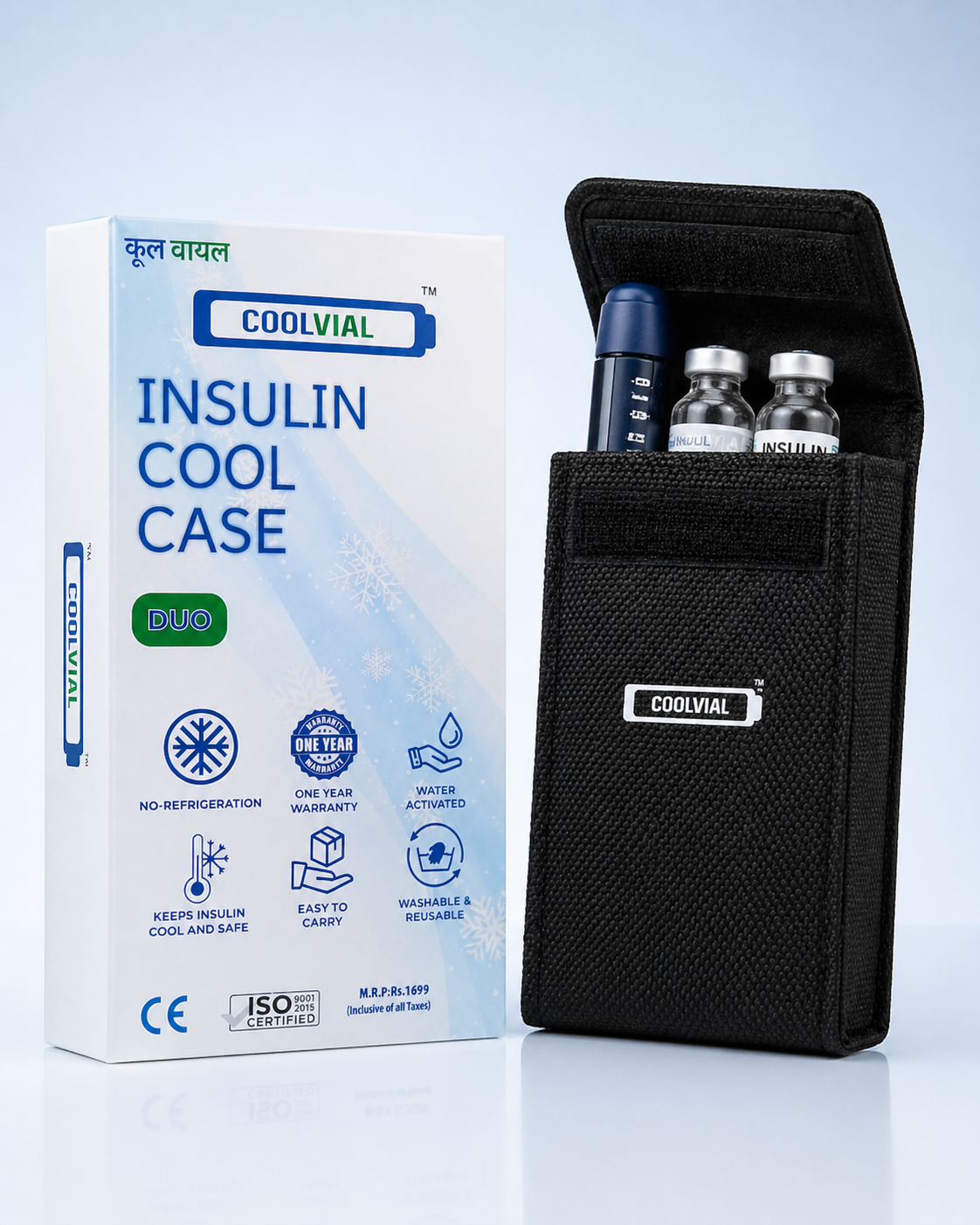
The 7 Critical Principles: The Science Behind Why Insulin Needs Cooling — Explained for India
Insulin at 2-8°C for 48+ hours. Trusted by 10,000+ Indian diabetics.
-
Refrigeration is Your Primary Ally (for unopened insulin):
- Always store unopened insulin vials and pens in the refrigerator, ideally at the back or middle shelf, where temperatures are most stable (2°C to 8°C). Avoid the door, which experiences frequent temperature fluctuations.
- Never place insulin in the freezer compartment or too close to the freezer wall, as accidental freezing will render it unusable.
- If you experience frequent power cuts, consider a small, dedicated medical refrigerator with battery backup if feasible, or invest in reliable cool cases.
-
Room Temperature for Opened Insulin (with caveats):
- Once you start using an insulin vial or pen, it’s generally recommended to store it at room temperature (15°C to 25°C) for up to 28 days (or as specified by the manufacturer).
- Avoid re-refrigerating insulin once it’s been opened and brought to room temperature, as frequent temperature changes can also degrade it.
- Always write the date of opening on the vial or pen to track its shelf life accurately.
-
Protect from Direct Sunlight and Heat:
- Never leave insulin in direct sunlight, on windowsills, near heat sources like stoves, heaters, or in a hot car. Even a few minutes in intense Indian sun can cause irreparable damage.
- When outdoors, keep your insulin in a bag or case that offers insulation from ambient heat.
-
Travel Smart with Insulin:
- For travel within India, especially during summer months or to warmer regions, a reliable cool case is indispensable. These cases are designed to maintain the required temperature range for extended periods.
- Do not put insulin in checked luggage on flights, as cargo holds can experience extreme temperatures that could freeze or overheat your medication. Always carry it in your hand luggage.
- When traveling by train or bus, keep your cool case with you, away from direct sunlight or hot windows.
-
Emergency Preparedness:
- Always have a backup supply of insulin, if possible, stored separately.
- In case of extended power outages, use a cooler with ice packs, ensuring the insulin does not come into direct contact with ice (wrap it in a cloth).
- Consider a COOLVIAL insulin cool case for daily use and travel. It offers a robust solution for maintaining insulin’s efficacy in varying Indian conditions.
-
Regular Inspection:
- Before each use, visually inspect your insulin. It should be clear and colorless (for most types). If it looks cloudy, discolored, or has particles, discard it immediately, even if it’s within its expiry date.
- Pay attention to changes in blood sugar levels. Unexplained high blood sugar might indicate that your insulin has lost its potency due to improper storage.
-
Consult Your Doctor or Pharmacist:
- Always clarify specific storage instructions for your particular brand of insulin with your healthcare provider. Different formulations might have slightly different guidelines.
- If you suspect your insulin has been compromised, do not use it. Seek advice from your doctor.
By adhering to these practical tips, Indian diabetics can confidently manage their insulin, ensuring that the science behind why insulin needs cooling explained for India translates into effective, life-saving therapy every day.
Navigating India’s Diverse Climate: Region-Specific Storage Challenges
India’s vast geography means that “Indian climate” is a mosaic of varied conditions, each posing unique challenges to insulin storage. Understanding these regional nuances is key to implementing effective storage strategies, truly embodying the science behind why insulin needs cooling explained for India.
The Scorching Summers: North and Central India
Regions like Delhi, Rajasthan, Uttar Pradesh, Madhya Pradesh, and parts of Gujarat experience extremely hot and dry summers, with temperatures frequently exceeding 40-45°C.
- Challenge: Intense ambient heat rapidly degrades insulin. Power cuts are common, leaving refrigerators ineffective. Water coolers might not provide sufficient cooling, and air conditioning is not universally available or constantly on.
- Solution: Reliance on robust, portable cool cases becomes paramount. For homes, consider insulated storage boxes within refrigerators to minimize impact during power cuts. Ensure vehicles are not used for insulin storage, even for short periods.
Humid Monsoons: Coastal and Eastern India
States like Maharashtra (Mumbai), Kerala, West Bengal (Kolkata), and the North-East face high humidity and moderate to high temperatures during monsoon season.
- Challenge: While not as hot as peak summer, high humidity combined with temperatures around 30-35°C can still accelerate insulin degradation. Fungus and mold can also be concerns for storage environments, though less directly for insulin itself.
- Solution: Airtight, insulated containers are crucial to protect from humidity. Ensure cool cases are well-sealed to prevent moisture ingress. Regular monitoring of refrigerator temperatures is vital, as humidity can affect appliance efficiency.
Moderate to Cold Winters: North India and Hill Stations
Northern plains experience cold winters (e.g., Punjab, Haryana) while hill stations like Shimla and Ladakh can see sub-zero temperatures.
- Challenge: The primary risk here is accidental freezing, particularly if insulin is left near windows or in unheated vehicles overnight.
- Solution: Store insulin away from exterior walls and windows. During travel to cold regions, keep insulin in an inner pocket or a well-insulated bag to protect it from freezing, but avoid direct body heat. Never leave insulin in a cold car overnight.
Plateau and Southern India: Varied Conditions
The Deccan Plateau and Southern states (e.g., Karnataka, Tamil Nadu, Andhra Pradesh) generally have moderate to warm climates year-round, with high humidity in coastal areas.
- Challenge: Consistent warmth means insulin is always at risk if not actively cooled. Power fluctuations are still a concern in many areas.
- Solution: Consistent use of refrigeration for unopened insulin and a reliable cool case for daily use and travel are essential. Awareness campaigns about proper storage are particularly important here due to the persistent warm climate.
Regional Insulin Storage Considerations:
| Region | Predominant Climate Challenge | Specific Risks | Recommended Storage Strategy |
|---|---|---|---|
| North/Central India (Summer) | Extreme Heat (40-45°C+) | Rapid degradation, power cut impact | COOLVIAL cool case essential, insulated home storage. |
| Coastal/Eastern India (Monsoon) | High Humidity, Moderate Heat | Degradation, moisture ingress, appliance stress | Airtight cool cases, consistent refrigeration, regular checks. |
| North India (Winter/Hills) | Cold/Freezing Temperatures | Accidental freezing, structural damage | Keep away from cold windows, insulated non-freezing travel cases. |
| Southern/Plateau India | Consistent Warmth | Ongoing degradation risk, power fluctuations | Daily cool case use, diligent refrigeration, open-date tracking. |
Beyond climate, cultural practices and infrastructure also play a role. During festivals like Diwali, Holi, or Durga Puja, travel increases, and routines are disrupted. During these times, people are often away from home for extended periods, making portable cooling solutions like a COOLVIAL insulin cool case invaluable. Similarly, the widespread use of two-wheelers for transport means insulin is often exposed to ambient conditions unless properly protected.
Understanding these region-specific factors ensures that **the science behind why insulin needs
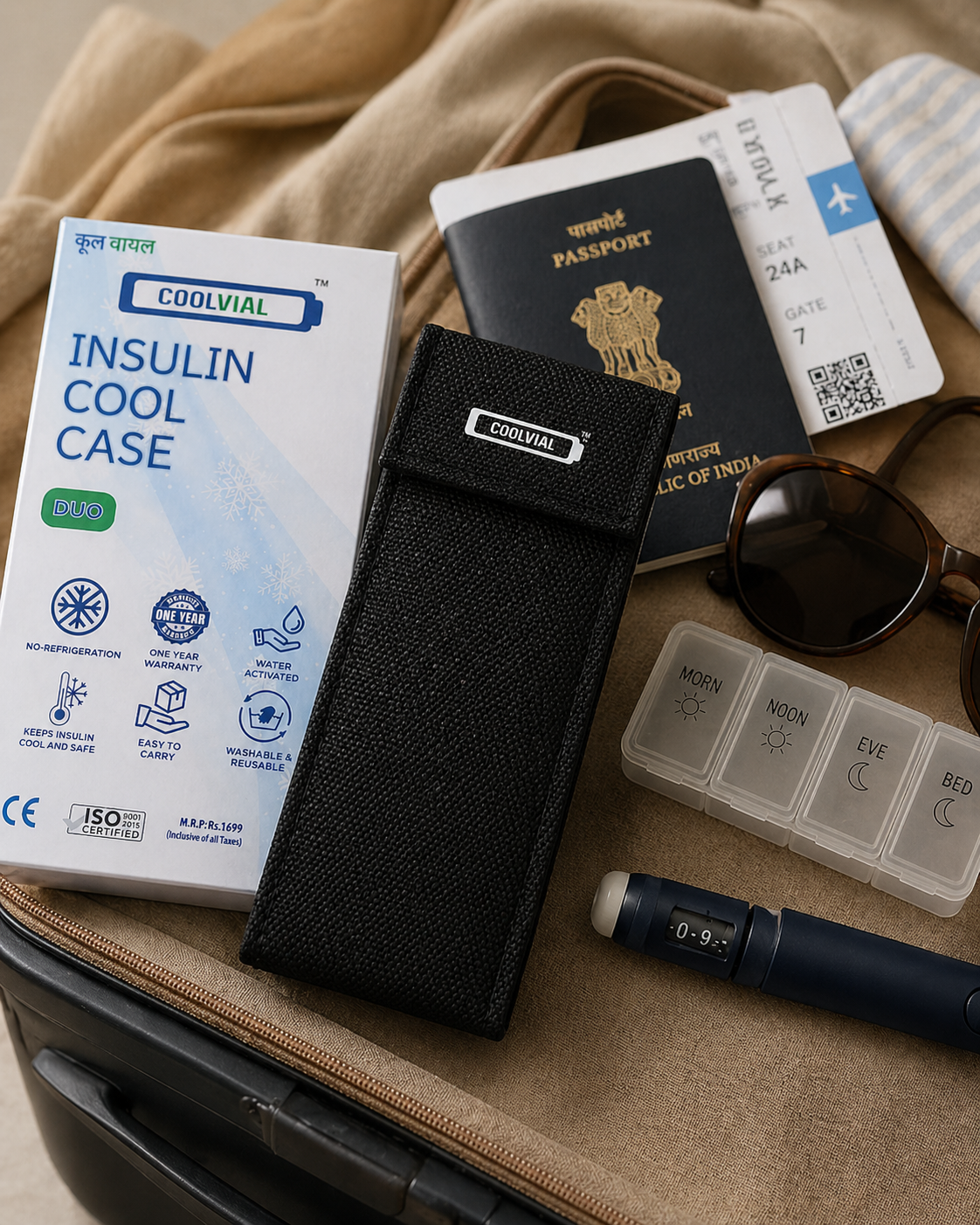
The 7 Critical Principles: The Science Behind Why Insulin Needs Cooling — Explained for India
Keep your insulin safe in India's extreme heat. COOLVIAL works for 48+ hours without electricity.