Reviewed by the COOLVIAL Editorial Team — specialists in insulin storage for Indian climate conditions.
Receiving a diabetes diagnosis that requires insulin can feel overwhelming, especially for first-time users in India. The initial phase often brings a flurry of questions about how to manage this vital medication effectively. A common concern is insulin’s sensitivity to temperature; it must be stored between 2-8°C when unopened and typically below 25-30°C once in use, as temperatures above this can rapidly degrade it, rendering it ineffective. This comprehensive guide provides essential insulin FAQs for first-time users in India, offering clarity on storage, administration, travel, and daily management. You’ll learn practical strategies to integrate insulin into your routine confidently, ensuring your health remains a top priority amidst India’s diverse climatic conditions and lifestyle.
Table of Contents
- Why Managing Insulin Correctly Matters in India: The Unique Challenges
- Understanding Insulin: Core Concepts and How It Works
- Practical Tips for Insulin Management: Essential Insulin FAQs for First-Time Users in India
- Navigating Insulin Care in India: Climate, Travel, and Daily Life
- Smart Insulin Management: The COOLVIAL Solution for Indian Conditions
- Essential Insulin FAQs for First-Time Users in India: Quick Reference
- Conclusion: Empowering Your Insulin Journey
Why Managing Insulin Correctly Matters in India: The Unique Challenges
India stands at the forefront of the global diabetes epidemic, with alarming statistics highlighting the critical need for effective diabetes management. According to the International Diabetes Federation (IDF), India had 101 million people living with diabetes in 2023, making it the country with the second-highest number of diabetics worldwide (Source: International Diabetes Federation). For newly diagnosed individuals, particularly those requiring insulin, understanding its proper handling is not just important – it’s life-saving. Incorrect storage or administration can lead to ineffective medication, resulting in uncontrolled blood sugar levels and severe health complications.
The Indian context presents unique challenges for insulin users. The country’s vast geography encompasses extreme climatic variations, from the scorching summers of Rajasthan and Uttar Pradesh, where temperatures can soar above 45°C, to the humid monsoons of Mumbai and Chennai. Maintaining insulin’s efficacy demands strict adherence to temperature guidelines, which can be difficult in these conditions. Many regions, especially rural areas, also face frequent and prolonged power cuts, making refrigeration unreliable.
Beyond climate, the Indian lifestyle involves extensive travel, often by bus or train, for work, family visits, or festivals like Diwali and Holi. Carrying insulin safely during these journeys, particularly when cold chain infrastructure is not always guaranteed, adds another layer of complexity. First-time insulin users in India must be equipped with the knowledge and tools to navigate these environmental and logistical hurdles. This guide on insulin FAQs for first-time users in India aims to provide that essential knowledge, empowering individuals to take control of their health despite these challenges.
Understanding Insulin: Core Concepts and How It Works
Embarking on insulin therapy can feel like entering a new world of medical terminology and procedures. However, grasping a few core concepts will significantly boost your confidence and ensure effective management. Insulin is not a cure for diabetes, but a vital hormone replacement that helps your body use glucose for energy.
What is Insulin and Why Do I Need It?
Insulin is a natural hormone produced by the pancreas. Its primary role is to regulate blood sugar levels by allowing glucose (sugar) from the food you eat to enter cells, where it’s used for energy. In people with diabetes, either the pancreas doesn’t produce enough insulin (Type 1 diabetes) or the body doesn’t use insulin effectively (Type 2 diabetes, often requiring insulin as the disease progresses). Insulin therapy directly addresses this deficiency or resistance, helping to keep blood glucose within a healthy range, preventing complications like nerve damage, kidney disease, and vision loss.
Types of Insulin and Delivery Methods
Insulin comes in various forms, each with a different onset, peak, and duration of action. Your doctor will prescribe the type best suited for your specific needs, diet, and lifestyle.
- Rapid-acting insulin: Starts working within 5-15 minutes, peaks in 30-90 minutes, lasts 3-5 hours. Taken before meals.
- Short-acting insulin: Starts working in 30-60 minutes, peaks in 2-4 hours, lasts 5-8 hours. Taken before meals.
- Intermediate-acting insulin: Starts working in 1.5-4 hours, peaks in 4-12 hours, lasts 12-18 hours. Often taken once or twice daily.
- Long-acting insulin: Starts working in 1-2 hours, has no pronounced peak, lasts up to 24 hours or more. Taken once daily, usually at the same time.
- Pre-mixed insulin: Combines two types of insulin (e.g., rapid and intermediate) in one injection.
Delivery methods commonly used by first-time insulin users in India include:
10 Essential Insulin FAQs for First-Time Users in India: A Complete Guide
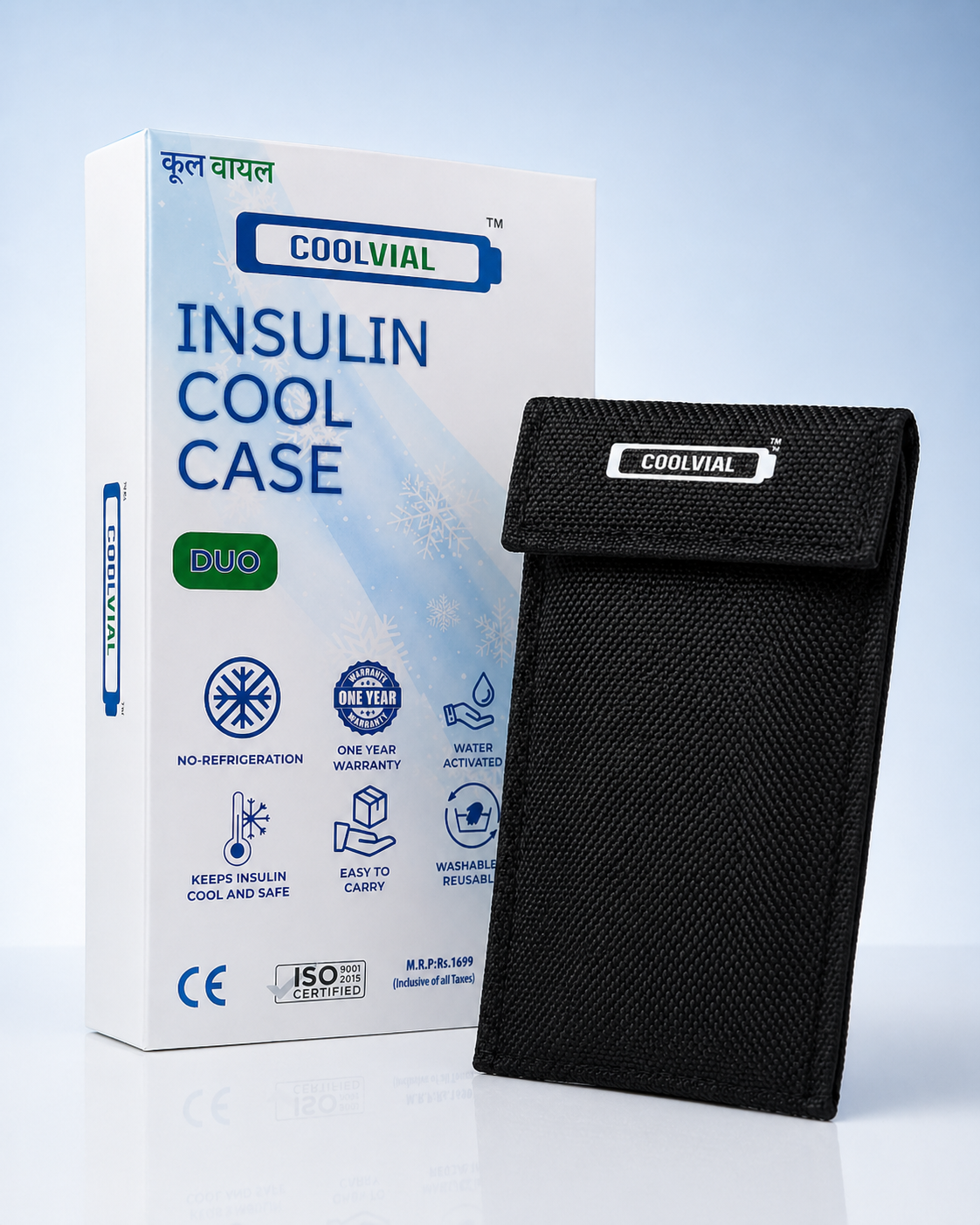
Don't let Indian heat spoil your insulin. COOLVIAL protects it for 48+ hours.
- Vials and Syringes: Insulin is drawn from a vial using a syringe and injected. This method offers flexibility in dosing.
- Insulin Pens (Pre-filled or Reusable): These devices make administration simpler and more discreet. Pre-filled pens are disposable after the insulin is used, while reusable pens use replaceable cartridges.
10 Essential Insulin FAQs for First-Time Users in India: A Complete Guide
Insulin at 2-8°C for 48+ hours. Trusted by 10,000+ Indian diabetics.
Understanding Insulin Storage: The Golden Rules
Proper insulin storage is paramount for its effectiveness. Insulin is a protein and can degrade rapidly if exposed to extreme temperatures.
| Condition | Unopened Insulin (Vials/Pens) | Opened Insulin (Vials/Pens in use) |
|---|---|---|
| Temperature | 2°C to 8°C (refrigerator) | Below 25-30°C (room temperature) |
| Duration | Until the expiration date on the packaging | Varies by type, typically 28 days (4 weeks) for vials/pens. Some pens up to 42 days (6 weeks). Check product leaflet. |
| Key Points | Store horizontally. Do NOT freeze. Protect from light. | Do NOT refrigerate once opened. Keep at room temperature. Protect from direct sunlight and extreme heat. |
Critical Storage Tips:
- Never freeze insulin: If insulin freezes, it loses its potency and must be discarded.
- Avoid direct sunlight: Store insulin away from windows or car dashboards.
- Check expiry dates: Always use insulin before its expiration date.
- Inspect insulin visually: Before each use, check for changes in appearance (cloudiness, particles, discoloration). Clear insulin should remain clear; cloudy insulin (intermediate-acting) should appear uniformly milky. If it looks unusual, discard it.
- Travel storage: When traveling, especially in India’s heat, special storage solutions like a COOLVIAL insulin cool case are essential to maintain the correct temperature range.
These golden rules are crucial for all insulin users, especially for insulin FAQs for first-time users in India, where ambient temperatures can quickly compromise medication.
Practical Tips for Insulin Management: Essential Insulin FAQs for First-Time Users in India
Navigating insulin therapy as a first-time user in India involves more than just understanding the medication; it requires integrating practical habits into your daily life. These essential tips will help you manage your insulin effectively and confidently.
-
Mastering Injection Technique:
- Rotation is Key: Always rotate injection sites (abdomen, thighs, upper arms, buttocks) to prevent lipohypertrophy (lumps or fatty deposits under the skin) and ensure consistent absorption. Do not inject into the exact same spot repeatedly.
- Cleanliness: Wash your hands thoroughly with soap and water before handling insulin or injecting.
- Angle: Most insulin injections are subcutaneous (under the skin). Your doctor or diabetes educator will demonstrate the correct angle (usually 90 degrees, sometimes 45 degrees for very thin individuals).
- Needle Disposal: Always use a new, sterile needle for each injection. Dispose of used needles safely in a puncture-resistant container (e.g., a hard plastic bottle with a screw-on lid), not directly in household trash. Many pharmacies in India offer needle disposal services.
-
Timing Your Doses:
- Consistency: Adhere strictly to the timing prescribed by your doctor. Rapid-acting insulin is typically taken 5-15 minutes before a meal, while short-acting is taken 30-60 minutes before. Long-acting insulin is usually taken once a day at a consistent time, regardless of meals.
- Meal Planning: Coordinate your insulin doses with your meal schedule. If you miss a meal or eat later than planned, consult your doctor on adjusting your insulin dose to avoid hypoglycemia (low blood sugar).
-
Monitoring Blood Glucose:
- Regular Checks: Regular blood glucose monitoring is non-negotiable. It provides vital feedback on how your insulin, diet, and activity levels are affecting your blood sugar.
- Record Keeping: Maintain a logbook or use a digital app to record your blood sugar readings, insulin doses, and meal timings. This data is invaluable for your doctor to fine-tune your treatment plan.
-
Travel Preparedness:
- Doctor’s Letter: Always carry a doctor’s prescription and a letter explaining your need for insulin and syringes, especially when traveling by air or across states in India.
- Sufficient Supply: Pack double the amount of insulin and supplies you think you’ll need, just in case of delays or emergencies.
- Temperature Control: This is critical. Insulin must be kept cool, but not frozen. For travel, especially across the hot plains of Punjab or the humid coastal regions, a reliable cooling solution is indispensable. Consider investing in a high-quality insulin cool case to protect your medication.
-
Recognizing Hypoglycemia (Low Blood Sugar):
- Symptoms: Be aware of the signs: sweating, shakiness, dizziness, hunger, rapid heartbeat, confusion.
- Treatment: Always carry a fast-acting source of glucose, like glucose tablets, hard candies, or a small juice box. Treat immediately.
- Inform Others: Ensure family, friends, and colleagues know you have diabetes and how to help in case of a hypoglycemic episode.
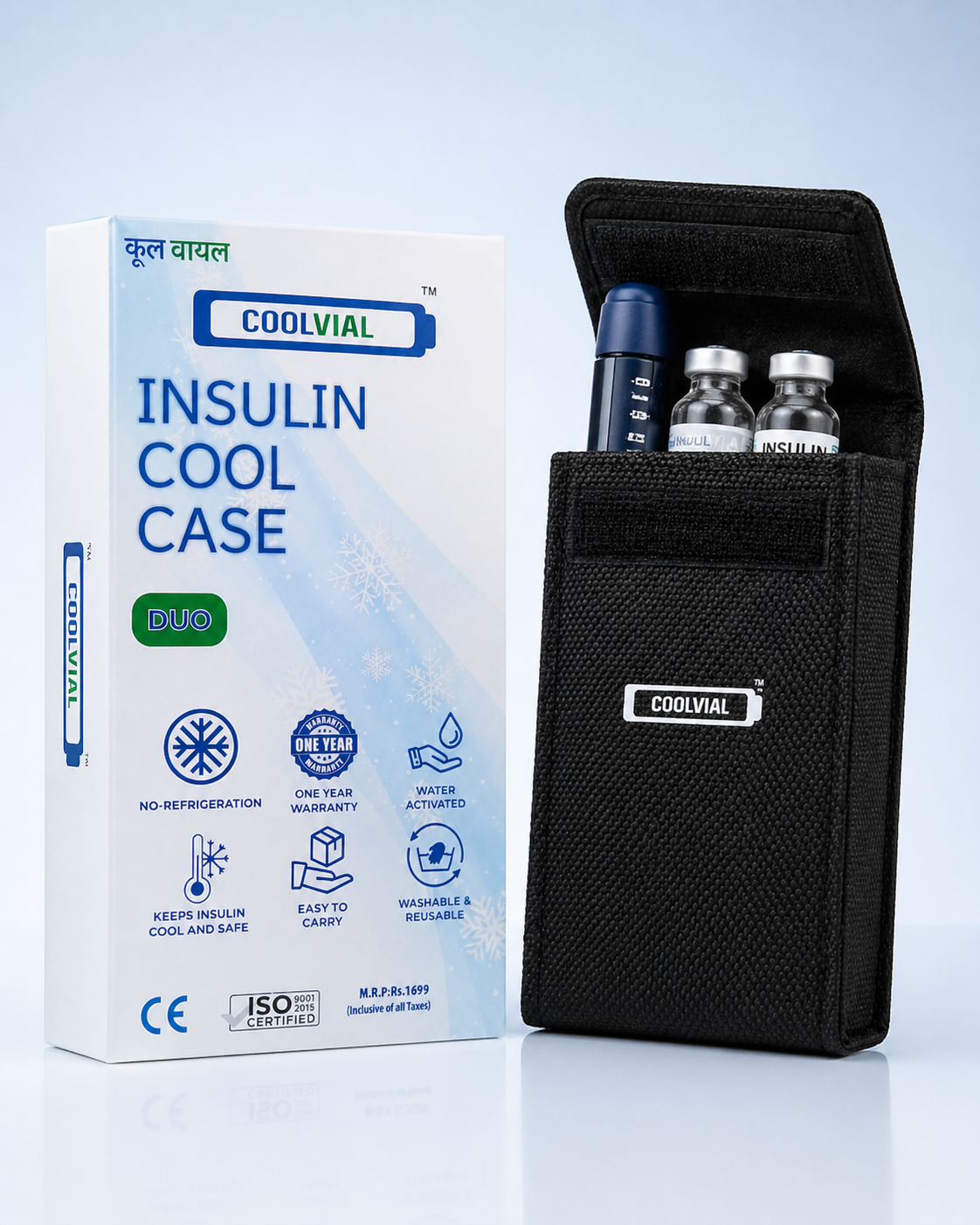
These practical tips address common insulin FAQs for first-time users in India, helping to build a robust foundation for effective diabetes management. For reliable insulin storage, especially on the go, remember to check out the COOLVIAL insulin cool case for peace of mind.
"Finally a cooler that works in Indian summers. Insulin stayed perfect during a 3-day power cut." — Ramesh, Chennai
10 Essential Insulin FAQs for First-Time Users in India: A Complete Guide
CE Certified · Free Delivery · 1-Year Warranty
📲 Buy on WhatsApp — ₹1,099Navigating Insulin Care in India: Climate, Travel, and Daily Life
10 Essential Insulin FAQs for First-Time Users in India: A Complete Guide
Managing insulin in India requires a deep understanding of the local environment and lifestyle. The country’s unique characteristics, from its diverse climate to its vibrant festivals and sometimes challenging infrastructure, directly impact how first-time insulin users in India must approach their daily care.
1. Battling the Indian Climate:
- Scorching Summers: Regions like Delhi, Rajasthan (Jaipur, Jodhpur), Uttar Pradesh (Lucknow, Varanasi), and parts of Madhya Pradesh experience extreme summer heat, often exceeding 40°C, and sometimes even 45°C. Unopened insulin must stay refrigerated (2-8°C), while opened vials/pens should remain below 25-30°C. Leaving insulin in a car for even a short period in these temperatures can render it useless.
- Humid Monsoons: Coastal cities such as Mumbai, Chennai, and Kolkata, and states like Kerala, face high humidity during monsoon season. While temperatures might be lower than summer peaks, humidity can still make conditions uncomfortable and potentially impact insulin if not stored correctly, as warmth and moisture can accelerate degradation.
- Power Cuts: A significant challenge across India, particularly in smaller towns and rural areas, are frequent and sometimes prolonged power cuts. A 2022 survey indicated that up to 78% of Indian households face daily power cuts in summer (Source: Local surveys and media reports). This makes relying solely on a refrigerator for insulin storage risky, necessitating alternative cooling methods.
2. The Dynamics of Indian Travel:
- Train and Bus Journeys: Long-distance travel by Indian Railways or state buses is common. These journeys can be extended, and conditions inside coaches, especially non-AC ones, can become very hot. Carrying insulin in a regular bag is simply not an option.
- Air Travel: While airport security allows insulin and supplies, the journey to and from the airport, waiting times, and potential baggage delays mean insulin needs constant protection from temperature fluctuations.
- Festival Travel: India’s vibrant festival calendar, with occasions like Diwali, Holi, Eid, and Durga Puja, often involves extensive family travel. These periods can mean crowded public transport, unpredictable schedules, and often, stays in homes without ideal storage conditions. Preparing for such travel is a crucial part of insulin FAQs for first-time users in India.
3. Integrating Insulin into Daily Life:
- Outdoor Activities and Work: Many professions and daily routines in India involve significant time outdoors, whether it’s working in agriculture, commuting in urban traffic, or simply running errands. Insulin needs to be protected throughout the day.
- Eating Out and Social Gatherings: Indian cuisine is diverse and social gatherings often involve meals. While managing diet is key, carrying insulin discreetly and administering it on time requires planning, especially when away from home for extended periods.
- Access to Pharmacies: While major cities have good pharmacy access, availability of specific insulin types or emergency supplies might be limited in remote areas. It’s always wise to carry ample reserves.
Understanding these unique Indian contexts is vital. It highlights why passive storage methods are insufficient and why active, reliable cooling solutions are not a luxury, but a necessity for first-time insulin users in India to maintain their health and quality of life.
Smart Insulin Management: The COOLVIAL Solution for Indian Conditions
For first-time insulin users in India, the challenges of climate, travel, and power cuts can make insulin management seem daunting. This is where smart, reliable solutions become invaluable. The COOLVIAL insulin cool case (available at ₹1,099 via WhatsApp wa.me/918766952300) offers a practical and effective answer to these very real concerns. It’s designed specifically to meet the needs of Indian diabetics, ensuring their life-saving medication remains potent, no matter the external conditions.
COOLVIAL understands that insulin storage tips are only effective if they are practical and accessible. Our cool case addresses the core problem: maintaining insulin within its safe temperature range (typically 2-8°C for unopened, and below 25-30°C for opened) without constant refrigeration. This is crucial for all forms of insulin, whether in vials or pens, protecting it from degradation due to heat.
How COOLVIAL Solves Indian Challenges:
- Heat Protection: During the scorching summers in cities like Ahmedabad, Nagpur, or Hyderabad, the COOLVIAL case provides a reliable barrier against high ambient temperatures. It keeps insulin cool for extended periods, far surpassing the capabilities of regular insulated bags that merely delay heat transfer.
- Power Cut Reliability: In regions prone to power outages, a COOLVIAL cool case becomes an essential backup. It ensures your opened insulin remains at a safe temperature even when your refrigerator isn’t working, preventing spoilage and maintaining treatment continuity.
- Travel Companion: For daily commutes or long journeys by train to Bengaluru, bus to Chandigarh, or car across the Western Ghats, the COOLVIAL case offers peace of mind. It’s compact, discreet, and robust enough to protect insulin from bumps and temperature spikes, making it an indispensable item for your diabetes travel kit. This is a common point in insulin FAQs for first-time users in India about travel.
- User-Friendly Design: Designed with the Indian user in mind, it’s easy to activate and use. Many models require pre-cooling in a refrigerator, but then offer hours of reliable cooling power without electricity, making it ideal for rural settings or outdoor activities.
Investing in a COOLVIAL insulin cool case means investing in your health and independence. It simplifies the complex task of insulin storage, allowing first-time users in India to focus on living their lives, rather than constantly worrying about their medication’s integrity. It’s a small change that makes a huge difference in managing diabetes effectively in India’s unique environment. For more information on insulin storage tips and how COOLVIAL can help, explore our resources.
Essential Insulin FAQs for First-Time Users in India: Quick Reference
Navigating insulin therapy for the first time brings many questions. Here are some of the most common insulin FAQs for first-time users in India, providing concise, direct answers to help you manage your diabetes with confidence.
Q: What happens if my insulin gets too hot or too cold? A: If insulin gets too hot (above 30°C for opened insulin, or above 8°C for unopened over extended periods), it can lose its potency and become ineffective. If it freezes, its structure is damaged, making it unusable. Always discard insulin that has been exposed to extreme temperatures or shows changes in appearance.
Q: How often should I change my injection site? A: You should rotate your injection site with every injection. Using the same spot repeatedly can lead to skin changes like lumps or hardened areas (lipohypertrophy), which can affect insulin absorption and make it less effective. Your doctor or diabetes educator can show you suitable rotation patterns across your abdomen, thighs, and arms.
Q: Can I reuse insulin needles or pen needles? A: No, you should never reuse insulin needles or pen needles. Each needle is designed for a single use. Reusing needles can cause them to become dull, bent, or contaminated, leading to pain, infection, and damage to the injection site. Always use a new, sterile needle for every injection.
Q: How long can I keep an opened insulin pen or vial at room temperature? A: Once opened, most insulin pens and vials can be kept at room temperature (below 25-30°C) for a specific period, typically 28 days (4 weeks). Some specific
10 Essential Insulin FAQs for First-Time Users in India: A Complete Guide
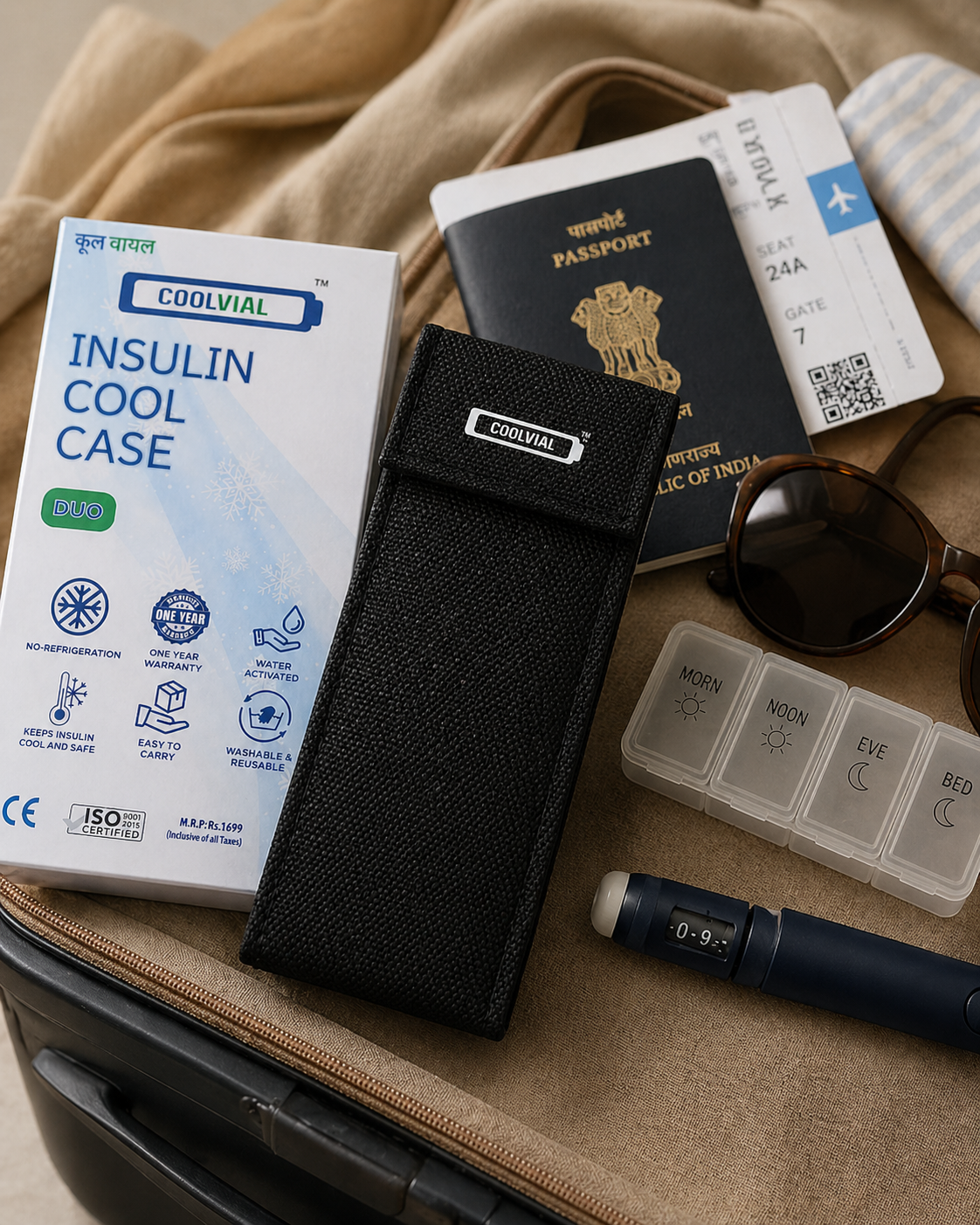
48+ hours at 2-8°C. No electricity. CE certified. Free delivery across India.
Order on WhatsApp — ₹1,099🛒 Buy Now — ₹1,099