Reviewed by the COOLVIAL Editorial Team — specialists in insulin storage for Indian climate conditions.
For Tresiba storage in India, unopened pens should always be refrigerated at a temperature between 2°C and 8°C. Once a Tresiba FlexTouch pen or cartridge is opened, it can be kept at room temperature, typically up to 30°C, for a maximum of 8 weeks (56 days). However, it is crucial to avoid direct sunlight, extreme heat, and freezing temperatures, which can quickly degrade insulin’s effectiveness. With India’s diverse and often challenging climate, understanding these specific temperature guidelines and implementing smart storage solutions is paramount for the over 101 million people living with diabetes in the country (Source: International Diabetes Federation, 2023).
Living with diabetes in India presents unique challenges, especially when it comes to maintaining the efficacy of critical medications like Tresiba. This long-acting insulin analog requires careful handling to ensure it delivers consistent blood sugar control. From the scorching summers of Rajasthan to the humid monsoons of Kerala and the biting winters of the Himalayas, Indian weather extremes can easily compromise insulin if not stored correctly. This comprehensive guide will equip you with 10 essential Tresiba storage tips for India, covering everything from optimal room temperature conditions to safe travel practices and strategies to combat intense heat. By understanding these principles, you can confidently manage your Tresiba, ensuring its potency and your well-being, regardless of where you are in India.
Table of Contents
- Why Tresiba Storage Matters Critically in India’s Climate
- Core Concepts of Tresiba Storage: Understanding Temperature & Shelf Life
- Practical Tresiba Storage Tips for India: Room Temperature, Travel, and Heat
- India-Specific Context: Navigating Diverse Climates and Unique Challenges
- Smart Tresiba Storage with COOLVIAL Cool Cases
- Quick Reference: Tresiba Storage FAQ
- Conclusion: Ensuring Safe Tresiba Storage for Your Health
Why Tresiba Storage Matters Critically in India’s Climate
India’s vast geography and varied climate zones present a formidable challenge for insulin users. Unlike cooler, more temperate regions, many parts of India experience prolonged periods of high temperatures, often exceeding 40°C during summer months. Cities like Delhi, Ahmedabad, and Nagpur regularly touch 45°C, while coastal areas such as Mumbai, Chennai, and Kolkata grapple with extreme humidity that can make even moderate temperatures feel stifling. These conditions directly impact the stability of insulin, including Tresiba.
Insulin is a protein, and like many proteins, it is sensitive to temperature extremes. Exposure to high heat can cause insulin to degrade, losing its potency and potentially becoming ineffective. This means that a dose of degraded Tresiba might not lower blood sugar levels as expected, leading to hyperglycaemia and its associated health risks. Conversely, freezing insulin can damage its molecular structure, rendering it unusable. The delicate balance of maintaining Tresiba within its recommended temperature range is thus not just a matter of convenience but a critical aspect of diabetes management.
Beyond the ambient temperatures, India’s infrastructure can add layers of complexity. Frequent power cuts, especially in rural areas and during peak summer, can disrupt refrigeration, making it challenging to store unopened Tresiba pens reliably. Public transport, such as long train journeys or bus travel across states, often lacks climate control, exposing insulin to fluctuating and potentially damaging temperatures. Even in urban settings, a forgotten pen in a car parked under the sun can quickly reach dangerous temperatures.
Considering these factors, understanding the nuances of Tresiba storage in India becomes an indispensable skill for anyone managing diabetes. It empowers individuals to take proactive steps to protect their medication, ensuring that every dose of Tresiba is as effective as intended. The stakes are high: compromised insulin can lead to poor glycemic control, increasing the risk of both acute complications like diabetic ketoacidosis and long-term issues affecting the kidneys, eyes, and nerves. Therefore, mastering the art of Tresiba storage in India is a cornerstone of effective diabetes care.
| Indian Climate Zone | Typical Summer Temperatures | Key Storage Challenges |
|---|---|---|
| North (Delhi, UP) | 35°C - 45°C+ | Extreme dry heat, power cuts |
| West (Rajasthan, Gujarat) | 40°C - 50°C+ | Intense desert heat, remote travel |
| South (Chennai, Bangalore) | 30°C - 40°C, High Humidity | Heat + humidity, frequent travel |
| East (Kolkata, Odisha) | 30°C - 38°C, Very High Humidity | Humidity, monsoons, power cuts |
| Central (MP, Maharashtra) | 35°C - 42°C | Dry heat, varied infrastructure |
Core Concepts of Tresiba Storage: Understanding Temperature & Shelf Life
Understanding the fundamental principles of Tresiba storage is the first step towards ensuring its effectiveness, especially within the challenging Indian climate. Tresiba (insulin degludec) is a modern, ultra-long-acting insulin, and while it boasts some stability advantages over older insulins, it remains susceptible to temperature extremes. Adhering to specific guidelines is non-negotiable for safe Tresiba storage in India.
Unopened Tresiba Pens and Cartridges
10 Essential Tresiba Storage Tips for India: Room Temperature, Travel & Heat Survival Guide
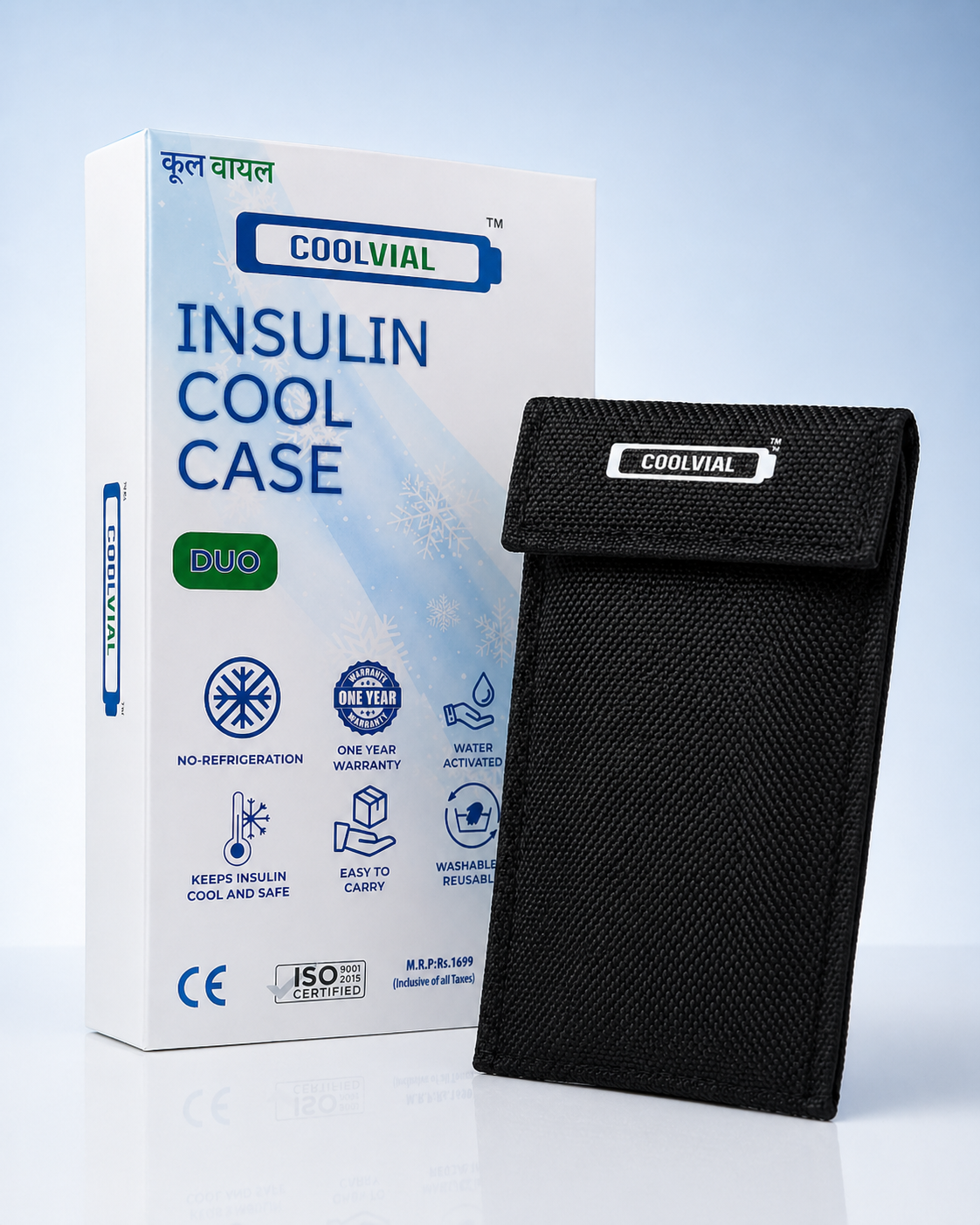
48+ hours at 2-8°C. No electricity. CE certified. Free delivery across India.
Order on WhatsApp — ₹1,099🛒 Buy Now — ₹1,099Unopened Tresiba FlexTouch pens and Penfill cartridges must be stored in a refrigerator at temperatures between 2°C and 8°C. This is the standard recommendation for all insulins that have not yet been put into use. Storing Tresiba in the refrigerator helps maintain its full potency until its expiry date. It is crucial to remember a few points for refrigerated storage:
- Do not freeze Tresiba: Freezing can irreversibly damage the insulin, making it ineffective. If Tresiba freezes, even partially, it must be discarded.
- Avoid the freezer compartment: Store it in the main body of the refrigerator, away from the freezer, to prevent accidental freezing.
- Original packaging: Keep Tresiba in its original carton to protect it from light, which can also degrade insulin over time.
Opened Tresiba Pens and Cartridges
Once a Tresiba FlexTouch pen or Penfill cartridge is opened (i.e., the needle has been attached and used for the first time), its storage requirements change. It no longer needs to be refrigerated. Instead, it can be kept at room temperature, provided that temperature does not exceed 30°C.
- Duration: An opened Tresiba pen or cartridge can be stored at room temperature (below 30°C) for a maximum of 8 weeks (56 days). After this period, even if there is insulin remaining, it must be discarded. This 8-week stability is a significant advantage of Tresiba over many other insulins, which typically last only 28 days once opened.
- Light protection: Continue to protect the pen from direct light. While it doesn’t need its original carton, ensure it’s not left exposed on a windowsill or in direct sun.
- Away from heat sources: Keep the pen away from direct heat sources like radiators, stoves, or the dashboard of a car.
Understanding “Room Temperature” in India
The term “room temperature” is highly variable in India. While pharmaceutical guidelines often cite “up to 25°C” or “up to 30°C,” actual indoor temperatures in many Indian homes, especially during summer, can easily exceed these limits. This is where the challenge for Tresiba storage in India truly lies. If your room temperature consistently goes above 30°C, even an opened Tresiba pen is at risk of degradation. It’s vital to monitor ambient temperatures and take proactive measures if they rise too high.
Signs of Degraded Insulin
It’s important to be able to identify if your Tresiba has been compromised, as degraded insulin may look normal but be ineffective.
- Appearance change: Tresiba is a clear, colourless solution. If it appears cloudy, discoloured, or has particles floating in it, it must be discarded.
- Texture change: If it feels gritty or has clumps, it’s likely degraded.
- Reduced effectiveness: The most critical sign is if your blood sugar levels are consistently higher than usual despite taking your regular dose. This indicates the insulin may have lost its potency.
| Tresiba Storage Condition | Temperature Range | Duration | Key Considerations |
|---|---|---|---|
| Unopened (Refrigerated) | 2°C - 8°C | Until Expiry Date | Do NOT freeze. Keep in original carton. |
| Opened (Room Temperature) | Up to 30°C (Max) | 8 Weeks (56 days) | Do NOT refrigerate after opening. Avoid direct heat/light. |
| Damaged (Discard) | Below 0°C (Frozen) or Above 30°C (Prolonged) | Immediately | Discard if frozen, cloudy, discolored, or ineffective. |
Practical Tresiba Storage Tips for India: Room Temperature, Travel, and Heat
Navigating the complexities of Tresiba storage in India requires practical strategies tailored to the country’s unique environment. These tips focus on maintaining ideal conditions for your insulin, whether you’re at home, travelling, or facing the peak of summer.
-
Monitor Your Home Environment:
- Thermometer Check: Place a thermometer in the room where you store your opened Tresiba. If the temperature frequently exceeds 30°C, you need a different solution.
- Coolest Spot: Identify the coolest spot in your home. This might be a cupboard away from windows, appliances, and direct sunlight. Avoid kitchen areas which often get warm.
- Air Circulation: Ensure good air circulation in storage areas. If possible, use fans or air coolers to keep the ambient room temperature stable.
-
Strategic Refrigeration for Unopened Pens:
- Middle Shelf: Store unopened Tresiba in the middle shelf of your refrigerator. This area usually has the most consistent temperature, away from the colder back wall (risk of freezing) and the warmer door.
- Backup Plan for Power Cuts: Given India’s frequent power cuts, especially in rural areas or during monsoons, consider a small, insulated container with ice packs inside your fridge. In case of a prolonged power outage, transfer your unopened Tresiba into this container within the fridge to extend its cool life.
10 Essential Tresiba Storage Tips for India: Room Temperature, Travel & Heat Survival Guide
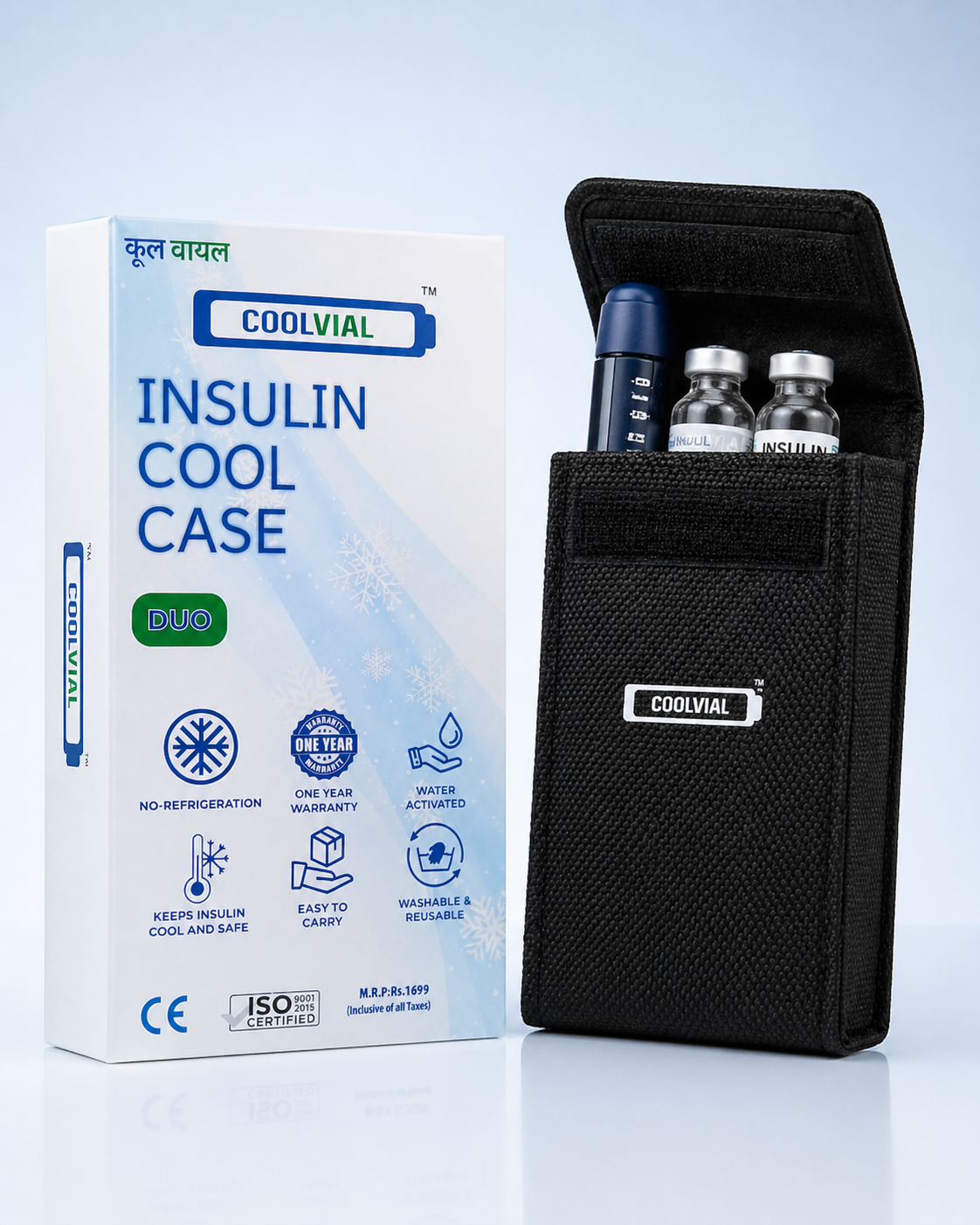
Don't let Indian heat spoil your insulin. COOLVIAL protects it for 48+ hours.
- Invest in a Reliable Insulin Cool Case:
- For opened Tresiba pens that need to be kept below 30°C, and especially for travel or areas with high ambient temperatures, an insulin cool case is indispensable. Products like the COOLVIAL insulin cool case are designed specifically for this purpose. They use evaporative cooling or gel packs to maintain a safe temperature range (typically 18-25°C) for several hours or even days without electricity.
- Always have one ready: Consider it an essential part of your diabetes kit, just like your glucometer.
-
Smart Travel Strategies:
- Hand Luggage Only: When flying, always carry your Tresiba in your carry-on luggage. Cargo holds can experience extreme temperatures that will damage insulin.
- Train and Bus Travel: For long journeys by train or bus, pack your Tresiba in a high-quality cool case. If feasible, request access to a refrigerator on trains (often available in AC compartments or with pantry staff) for unopened pens. For opened pens, ensure your cool case is effective for the duration.
- Car Travel: Never leave Tresiba in a parked car, even for short periods. Car interiors can heat up rapidly, far exceeding 30°C, even in moderate weather. Always carry it with you or use a cool case.
-
Protection from Direct Sunlight and Heat Sources:
- Avoid Windowsills: Never leave Tresiba pens on windowsills, near heaters, or on top of electronic devices that generate heat.
- Beach/Outdoor Activities: When enjoying outdoor activities, always keep your insulin in a cool case and in the shade. Direct sun exposure can degrade it in minutes.
-
Emergency Preparedness:
- Keep a Spare: If possible, always have a spare unopened Tresiba pen refrigerated. This provides a buffer in case your current pen gets compromised.
- Doctor’s Contact: Have your doctor’s contact information readily available in case you suspect your insulin has been damaged and you need a prescription for a new supply.
-
Dispensing and Administration:
- Inject at Room Temperature: While storage rules are strict, insulin should ideally be injected at room temperature to reduce discomfort. Allow a refrigerated pen to warm up naturally for 15-20 minutes before injection if you’re sensitive to cold. However, never use external heat sources to warm it up.
-
Understand Tresiba’s 8-Week Stability:
- Tresiba offers a longer post-opening stability (8 weeks) compared to many other insulins (usually 4 weeks). This flexibility is valuable for Tresiba storage in India, especially for those who might use it less frequently or travel for extended periods. Mark the opening date on the pen or use a calendar reminder.
-
Hydration and Personal Cooling:
- While not directly a storage tip, staying hydrated and keeping yourself cool helps your body manage blood sugar levels, reducing the immediate impact if insulin potency is slightly compromised due to unforeseen storage issues. This is particularly important during Indian summers.
-
Regular Review of Storage Practices:
- Periodically review your Tresiba storage in India practices. Are you still using the best spot in your home? Is your cool case working effectively? Has your travel routine changed? Continuous vigilance ensures optimal insulin efficacy.
These practical tips for Tresiba storage in India are designed to integrate seamlessly into daily life, empowering individuals to manage their diabetes with confidence and peace of mind.
India-Specific Context: Navigating Diverse Climates and Unique Challenges
The vast and diverse landscape of India presents a kaleidoscope of climatic conditions, each posing distinct challenges for Tresiba storage. From the arid plains of Rajasthan to the humid coastal regions and the temperate hills, understanding these nuances is key to effective insulin management. This section delves into the specific environmental factors and common scenarios Indian diabetics encounter.
Extreme Heat and Dryness in Northern and Western India
Regions like Rajasthan, Gujarat, Uttar Pradesh, and parts of Madhya Pradesh experience scorching summers where temperatures can consistently soar above 45°C, often reaching 50°C. In such dry heat, insulin can degrade rapidly.
- Challenge: Keeping opened Tresiba pens below 30°C without refrigeration is nearly impossible without active cooling. Water-based evaporative cool cases are highly effective here due to the dry air, but need frequent re-wetting.
- Scenario: A diabetic in Jaipur travelling by local bus in May, with ambient temperatures hitting 48°C, needs a robust cooling solution for their Tresiba. Leaving it in a bag will quickly render it useless.
High Humidity in Coastal and Eastern India
Coastal cities such as Mumbai, Chennai, Kolkata, and regions like Kerala and Odisha, experience high temperatures coupled with extreme humidity, especially during monsoon season. While temperatures might not reach 50°C, the “real feel” can be much higher, and humidity itself can affect storage.
- Challenge: Evaporative cooling methods are less effective in high humidity. Gel-pack based cool cases that are pre-chilled are often a better option. Mould and fungal growth can also be a minor concern if packaging gets damp, though less so for the insulin itself.
- Scenario: A diabetic in Kochi during July monsoons, facing daily power cuts and humid air, must rely on passive cooling solutions that don’t depend on electricity or dry air.
Power Cuts and Unreliable Electricity Supply
A significant challenge across many parts of India, particularly in smaller towns and rural areas, is the inconsistent electricity supply. This directly impacts the ability to refrigerate
10 Essential Tresiba Storage Tips for India: Room Temperature, Travel & Heat Survival Guide
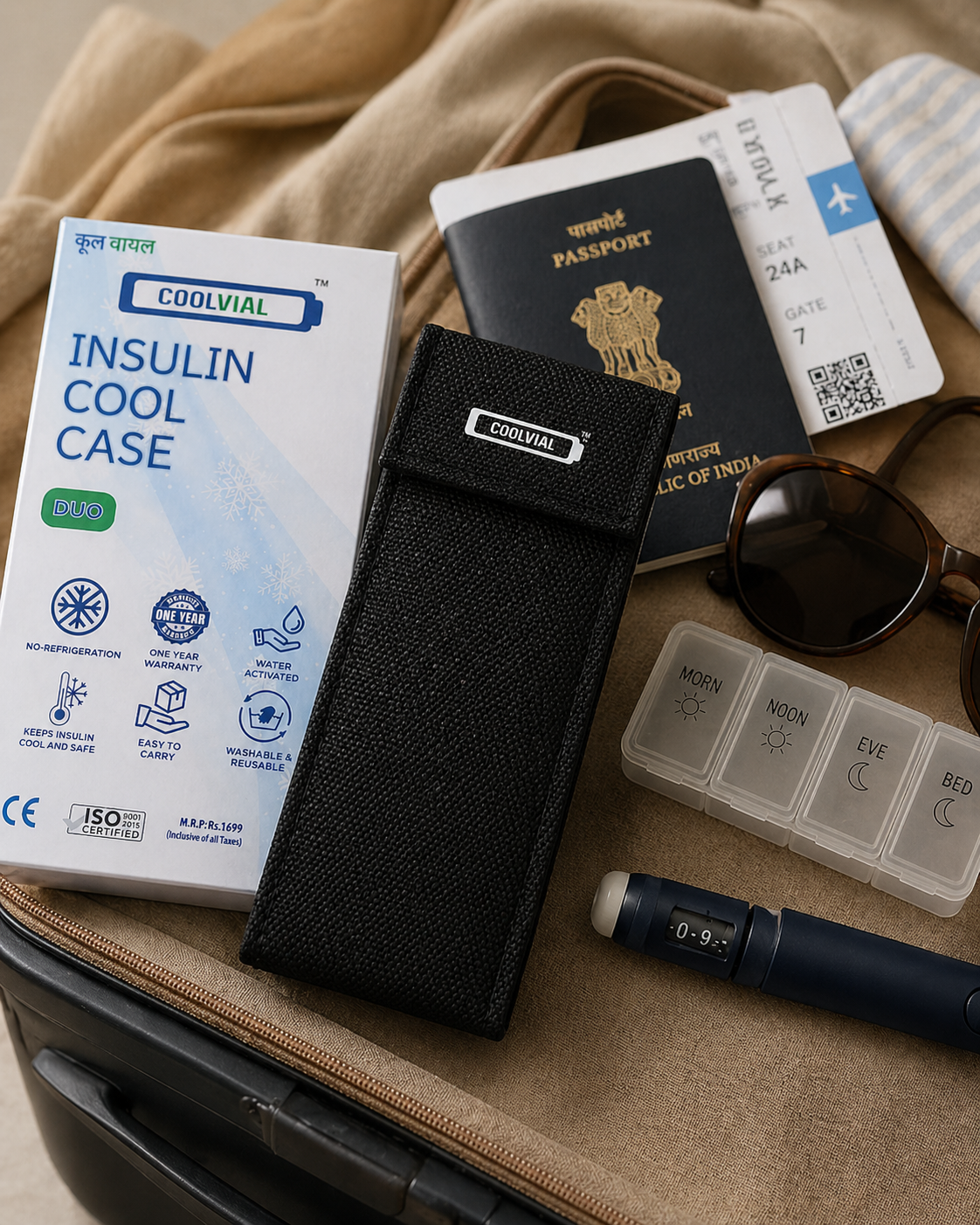
COOLVIAL keeps insulin at 2-8°C for 48+ hours. No electricity needed.
10 Essential Tresiba Storage Tips for India: Room Temperature, Travel & Heat Survival Guide
COOLVIAL keeps insulin safe in India's heat. 48+ hours, no electricity needed.