Reviewed by the COOLVIAL Editorial Team — specialists in insulin storage for Indian climate conditions.
For diabetics planning a rejuvenating escape to the sun-kissed beaches of Goa, the serene backwaters of Kerala, or the pristine islands of Andaman, ensuring safe insulin storage during Goa, Kerala & Andaman beach holidays in India is paramount. Insulin, a life-saving medication, is highly sensitive to temperature fluctuations and can lose its efficacy if not stored correctly, particularly in tropical climates where temperatures often exceed 30°C. To protect your insulin from the heat and humidity, it’s crucial to maintain it within the recommended temperature range of 2-8°C for unopened vials and pens. This comprehensive guide provides 7 essential tips and strategies to help you manage your insulin effectively, ensuring your beach holiday remains stress-free and enjoyable. You will learn about core storage principles, practical travel hacks, and India-specific considerations to keep your insulin potent and ready for use.
Table of Contents
- Why Safe Insulin Storage Matters in India’s Tropical Climates
- Understanding Insulin: Core Storage Concepts and Temperature Guidelines
- Practical Tips for Insulin Storage During Goa, Kerala & Andaman Beach Holidays in India
- Navigating India’s Unique Challenges: Climate, Travel, and Power Supply
- COOLVIAL: Your Trusted Partner for Insulin Storage During Goa, Kerala & Andaman Beach Holidays in India
- Frequently Asked Questions About Insulin Storage While Traveling
- Your Stress-Free Beach Holiday Awaits
Why Safe Insulin Storage Matters in India’s Tropical Climates
India’s coastal regions, including the popular tourist destinations of Goa, Kerala, and the Andaman & Nicobar Islands, are renowned for their breathtaking beaches, lush greenery, and vibrant culture. However, these tropical paradises also present significant challenges for individuals managing diabetes, primarily due to their consistently high temperatures and humidity levels. Protecting insulin from degradation in such conditions is not merely a recommendation; it’s a critical aspect of health management that directly impacts the effectiveness of the medication and, consequently, your well-being.
Insulin is a protein-based medication that is highly susceptible to extreme temperatures. When exposed to heat above its recommended storage range, typically 2-8°C for unopened vials and 15-25°C for opened vials/pens, its molecular structure can change. This alteration can lead to a reduction in potency, making the insulin less effective at lowering blood glucose levels. In severe cases, high temperatures can completely inactivate insulin, rendering it useless. For an estimated 101 million diabetics in India (Source: International Diabetes Federation, 2023), understanding and implementing proper insulin storage during Goa, Kerala & Andaman beach holidays in India is non-negotiable.
The average daytime temperatures in Goa, Kerala, and the Andaman Islands frequently hover around 30-35°C, often feeling much hotter due to high humidity. These conditions are well above the safe limits for insulin storage, posing a constant threat to its stability. Furthermore, travel itself adds another layer of complexity. Long journeys by road, rail, or air can expose insulin to fluctuating temperatures inside vehicles, luggage compartments, or during transit stops. Even upon arrival, ensuring a consistent cool environment in hotel rooms, especially during potential power cuts common in some parts of India, requires diligent planning.
Failing to maintain the correct insulin storage during Goa, Kerala & Andaman beach holidays in India can have serious health implications. Ineffective insulin can lead to dangerously high blood sugar levels, increasing the risk of hyperglycaemia, diabetic ketoacidosis (DKA), and other acute complications that could quickly turn a dream holiday into a medical emergency. Therefore, proactive measures and reliable solutions are essential to ensure your insulin remains viable throughout your tropical getaway. This article aims to equip you with the knowledge and tools to confidently manage your insulin needs, allowing you to fully enjoy the beauty and tranquility of India’s stunning coastal destinations.
Understanding Insulin: Core Storage Concepts and Temperature Guidelines
Effective insulin storage during Goa, Kerala & Andaman beach holidays in India begins with a clear understanding of how insulin works and its specific storage requirements. Insulin is a delicate biological product, and its stability is directly linked to temperature. Adhering to manufacturer guidelines is crucial for maintaining its efficacy.
Key Principles of Insulin Storage:
-
Unopened Insulin:
- Refrigeration is Key: Unopened insulin vials, cartridges, or pens should be stored in a refrigerator at temperatures between 2°C and 8°C (36°F and 46°F). This is the optimal range to ensure maximum shelf life, usually until the expiration date printed on the packaging.
- Avoid Freezing: Insulin must never be frozen. If insulin freezes, even partially, it loses its potency and should be discarded. The freezing process can denature the protein, making it ineffective.
- Protect from Light: Direct sunlight and intense artificial light can degrade insulin. Always store insulin in its original carton or a dark place to protect it from light exposure.
-
Opened/In-Use Insulin:
- Room Temperature Storage (Limited Time): Once an insulin vial or pen is opened or punctured, it can generally be stored at room temperature (below 25°C to 30°C, depending on the specific insulin type and manufacturer) for a limited period, typically 28 days (4 weeks) to 42 days (6 weeks). Always check the specific manufacturer’s instructions for your insulin.
- Avoid Extreme Heat: Even for in-use insulin, exposure to temperatures above 30°C can significantly reduce its effectiveness. This is particularly critical in places like Goa, Kerala, and the Andaman Islands where ambient temperatures often exceed this threshold.
- Discard After Period: Regardless of how much insulin is left, an opened vial or pen should be discarded after its specified in-use period (e.g., 28 days) due to sterility concerns and potential loss of potency over time.
"Finally a cooler that works in Indian summers. Insulin stayed perfect during a 3-day power cut." — Ramesh, Chennai
7 Essential Tips for Safe Insulin Storage During Goa, Kerala & Andaman Beach Holidays in India
CE Certified · Free Delivery · 1-Year Warranty
📲 Buy on WhatsApp — ₹1,099- Signs of Spoiled Insulin:
- Appearance Change: Clear insulin should remain clear. If it appears cloudy, discoloured, or has particles floating in it, it may be spoiled.
- Texture Change: Insulin that has been exposed to extreme temperatures might become granular or stringy.
- Effectiveness: If your blood sugar levels are consistently higher than usual despite taking your regular insulin dose, it could be a sign that your insulin has lost its potency.
7 Essential Tips for Safe Insulin Storage During Goa, Kerala & Andaman Beach Holidays in India
48+ hours at 2-8°C. No electricity. CE certified. Free delivery across India.
Order on WhatsApp — ₹1,099🛒 Buy Now — ₹1,099Insulin Storage Temperature Guidelines
| Insulin State | Recommended Temperature Range | Key Considerations |
|---|---|---|
| Unopened | 2°C - 8°C (Refrigerated) | Maximum shelf life until expiration date. Never freeze. |
| Opened/In-Use | Up to 25°C - 30°C (Room Temp) | Check specific manufacturer guidelines (e.g., 28 days). |
| Spoils Above | > 30°C | Potency rapidly decreases; discard if exposed for long. |
| Freezing Point | < 0°C | Insulin denatures; becomes ineffective. Discard. |
(Source: Diabetes UK): The general guidance for insulin storage is to keep unopened insulin in the fridge and opened insulin at room temperature, but never above 25°C, or 30°C for some types, for up to 28 days. It is important to remember that these guidelines are crucial for maintaining the integrity of the medication. Ignoring them can compromise your health and undermine your diabetes management efforts, especially when planning for insulin storage during Goa, Kerala & Andaman beach holidays in India.
Practical Tips for Insulin Storage During Goa, Kerala & Andaman Beach Holidays in India
Embarking on a beach holiday in India’s tropical regions requires meticulous planning for insulin management. The high temperatures and humidity of Goa, Kerala, and the Andaman Islands demand proactive strategies to ensure your insulin remains effective. Here are 7 practical tips for safe insulin storage during Goa, Kerala & Andaman beach holidays in India:
-
Consult Your Doctor Before Travel:
- Prescription & Letter: Obtain a letter from your doctor detailing your diabetes diagnosis, your insulin regimen, and the need to carry syringes, needles, and other supplies. This is crucial for airport security and in case of medical emergencies.
- Extra Supplies: Ask for extra prescriptions for all your medications, including insulin, in case you lose any supplies or need to extend your trip. Always carry more insulin than you anticipate needing.
-
Pack Smart for Travel Days:
- Carry-On Luggage: Always carry all your insulin and diabetes supplies in your carry-on bag. Never put insulin in checked luggage, as temperatures in the cargo hold can fluctuate wildly and even freeze insulin.
- Original Packaging: Keep insulin in its original packaging to protect it from light and for easy identification by security personnel.
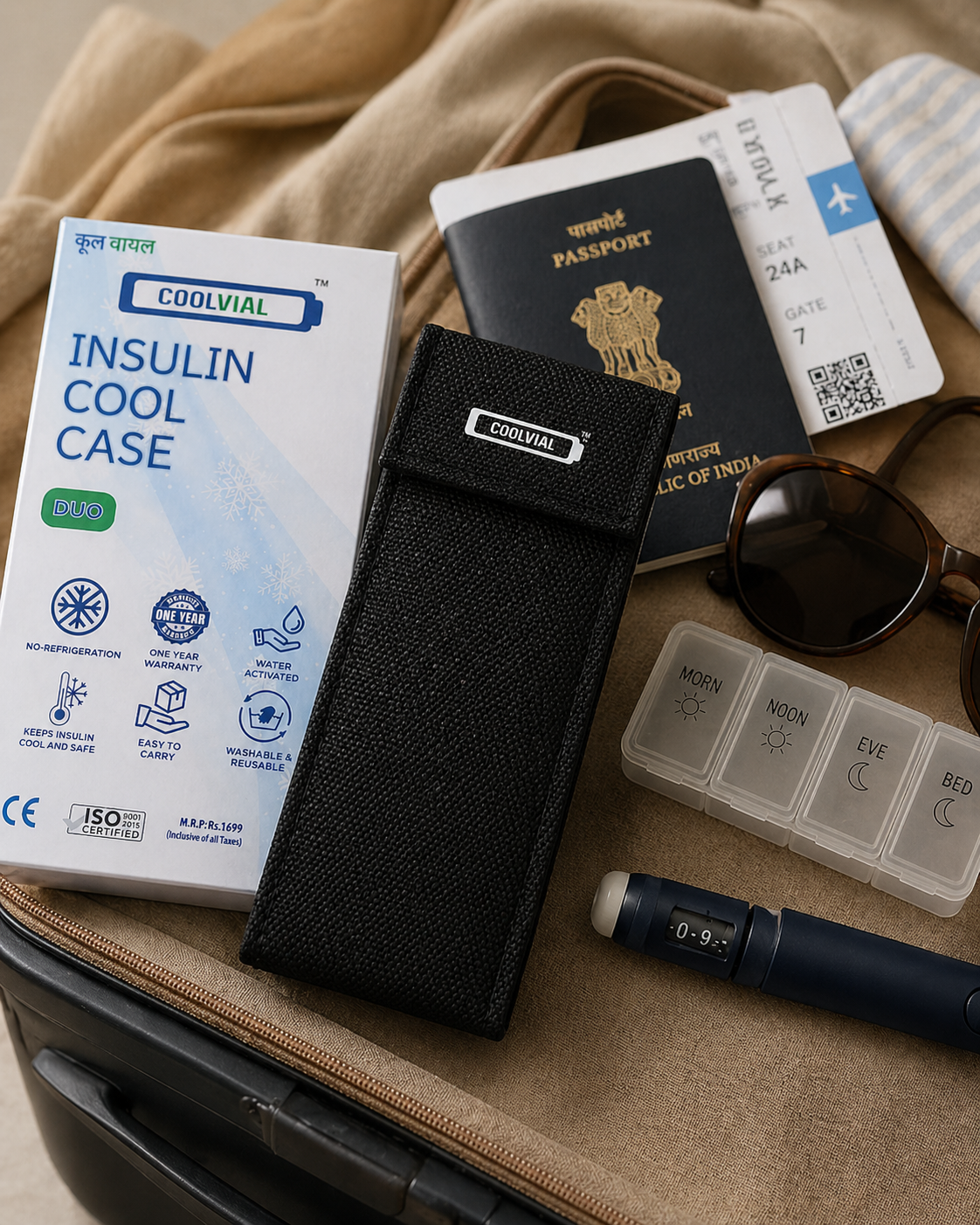
- Cooling Solutions: Invest in a reliable insulin cool case. For short journeys (a few hours), insulated bags with gel packs or ice packs might suffice, but for longer travel, especially within India’s hot climate, a dedicated insulin cool case is indispensable for maintaining the required temperature for insulin storage during Goa, Kerala & Andaman beach holidays in India.
-
On-Site Storage at Your Accommodation:
- Hotel Mini-Fridge: Upon arrival, check if your hotel room has a mini-fridge. If it does, ensure it’s working correctly and set to the appropriate temperature (2-8°C) for your unopened insulin. Avoid placing insulin near the freezer compartment to prevent accidental freezing.
- Backup Plan: If no fridge is available, or if you prefer a more portable solution, continue using your insulin cool case. Some hotels might offer to store your insulin in their main kitchen fridge; always label your supplies clearly.
- Avoid Direct Heat/Sunlight: Never leave insulin exposed to direct sunlight, on windowsills, or in hot cars, even for short periods. Keep it in the coolest part of your room, away from heat sources.
-
Managing Insulin During Excursions:
- Portable Cool Case: When heading out for a day at the beach, sightseeing, or a boat trip, transfer the insulin you’ll need for the day (and a little extra) into your portable cool case.
- Limit Exposure: Take out only the insulin dose you need at the moment of injection. Minimize the time insulin spends outside its cool environment.
- Hydration: While not directly related to insulin storage, staying well-hydrated is vital for diabetics in hot climates. Carry plenty of water.
-
Be Prepared for Power Cuts:
- Cool Case Reliability: In many parts of India, especially remote areas or during peak summer, power cuts can be frequent and prolonged. A good quality insulin cool case provides a crucial buffer, maintaining temperature stability even without electricity.
- Backup Gel Packs: If using passive cooling solutions, carry extra gel packs that can be re-frozen if a fridge is available, or swapped out for fresh ones.
-
Monitor Your Insulin’s Condition:
- Visual Inspection: Regularly check your insulin for any changes in appearance (cloudiness, particles, discoloration).
- Blood Sugar Monitoring: Pay close attention to your blood glucose levels. Unexplained high readings could indicate that your insulin has lost potency due to improper storage.
-
Emergency Contact Information:
- Local Doctor/Hospital: Research local doctors or hospitals at your destination before you travel. Note down their contact details.
- Diabetic Associations: Have contact information for national or local diabetes associations in India, which might offer guidance in an emergency.
By following these practical tips, you can significantly mitigate the risks associated with insulin storage during Goa, Kerala & Andaman beach holidays in India, ensuring your medication remains effective and your health is protected.
Navigating India’s Unique Challenges: Climate, Travel, and Power Supply
Traveling with insulin in India, especially to its tropical coastal regions, presents a unique set of challenges beyond typical international travel advice. The sheer diversity of climate, infrastructure, and local conditions across the subcontinent demands specific preparation and awareness for effective insulin storage during Goa, Kerala & Andaman beach holidays in India.
Climate Extremes and Humidity: Goa, Kerala, and the Andaman Islands are characterized by high temperatures and pervasive humidity for much of the year. While temperatures in Delhi can soar above 45°C in summer, coastal areas like Goa often experience average daytime temperatures of 30-35°C with 70-90% humidity. This combination is particularly detrimental to insulin. High humidity can also affect other diabetes supplies, such as test strips, making them less accurate. It’s not just about keeping insulin cool but also protecting it from moisture.
Varied Travel Infrastructure: Travel within India can involve a mix of air, train, and bus journeys, each with its own storage implications:
- Air Travel: While flights are generally air-conditioned, delays on the tarmac, especially in bustling airports like Mumbai, Chennai, or Kochi, can expose carry-on luggage to heat. Always keep insulin close to you.
- Train Travel: Indian Railways offers air-conditioned coaches (AC classes), which are typically cooler and safer for insulin. However, general compartments can be hot and crowded. Power sockets are available in AC coaches for charging devices, but not for continuous cooling of insulin.
- Bus Travel: Long-distance bus journeys, particularly non-AC buses, can be very hot. Even AC buses might not maintain consistent cooling, especially during stops or if the AC unit struggles in extreme heat.
- Road Trips: If traveling by car, avoid placing insulin in the glove compartment or boot, which can become extremely hot. Keep it in the main cabin, ideally in a cool case, away from direct sunlight through windows.
Unpredictable Power Supply: One of the most significant challenges in India, especially outside major metropolitan areas, is the inconsistency of power supply. While major hotels in tourist hubs like Candolim in Goa or Kovalam in Kerala usually have generators, smaller accommodations or guesthouses might experience frequent and prolonged power cuts. This directly impacts the reliability of refrigerators. According to some reports, up to 78% of Indian households face daily power cuts in summer, with durations varying significantly. This makes reliance on hotel fridges alone risky for insulin storage during Goa, Kerala & Andaman beach holidays in India. A personal, reliable cooling solution becomes essential.
Local Availability of Supplies: While major cities have well-stocked pharmacies, finding specific insulin brands or types in remote areas of the Andaman Islands or smaller villages in Kerala might be challenging. Always carry enough supplies for your entire trip, plus a buffer. Familiarize yourself with the generic names of your insulin if you need to explain it to a local pharmacist.
Cultural and Environmental Factors:
- Festivals and Crowds: Traveling during popular festivals like Diwali or Onam can mean crowded public transport and higher temperatures due to body heat, further complicating insulin storage.
- Outdoor Activities: Beach holidays involve spending significant time outdoors. Whether you’re exploring the beaches of Palolem in Goa, the backwaters of Alappuzha in Kerala, or the coral reefs of Havelock Island in the Andamans, your insulin needs constant protection from the elements.
Given these unique Indian conditions, a robust strategy for insulin storage during Goa, Kerala & Andaman beach holidays in India must account for more than just average temperatures. It requires foresight, adaptability, and the right tools to ensure your insulin remains safe and effective, regardless of the travel mode or destination.
COOLVIAL: Your Trusted Partner for Insulin Storage During Goa, Kerala & Andaman Beach Holidays in India
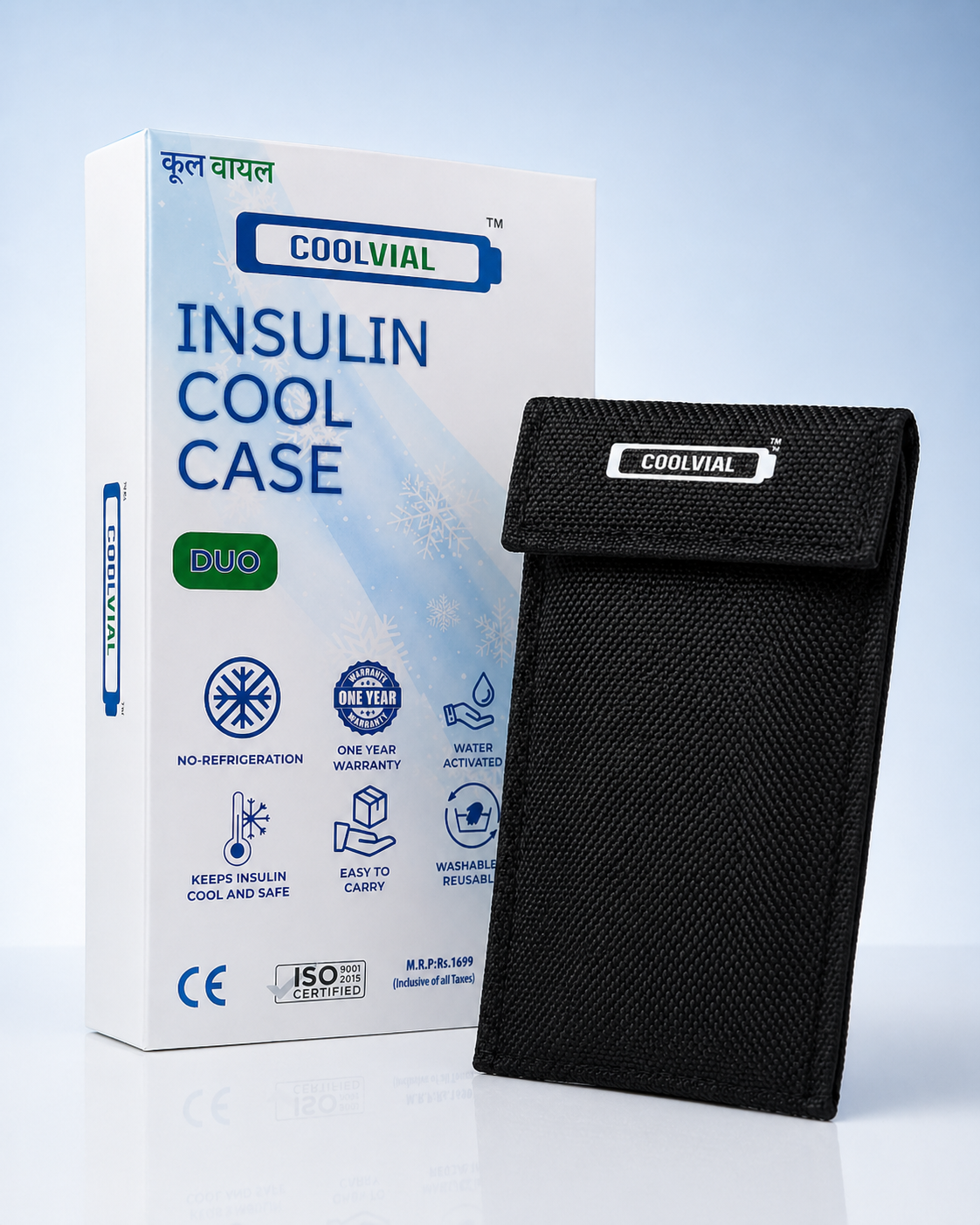
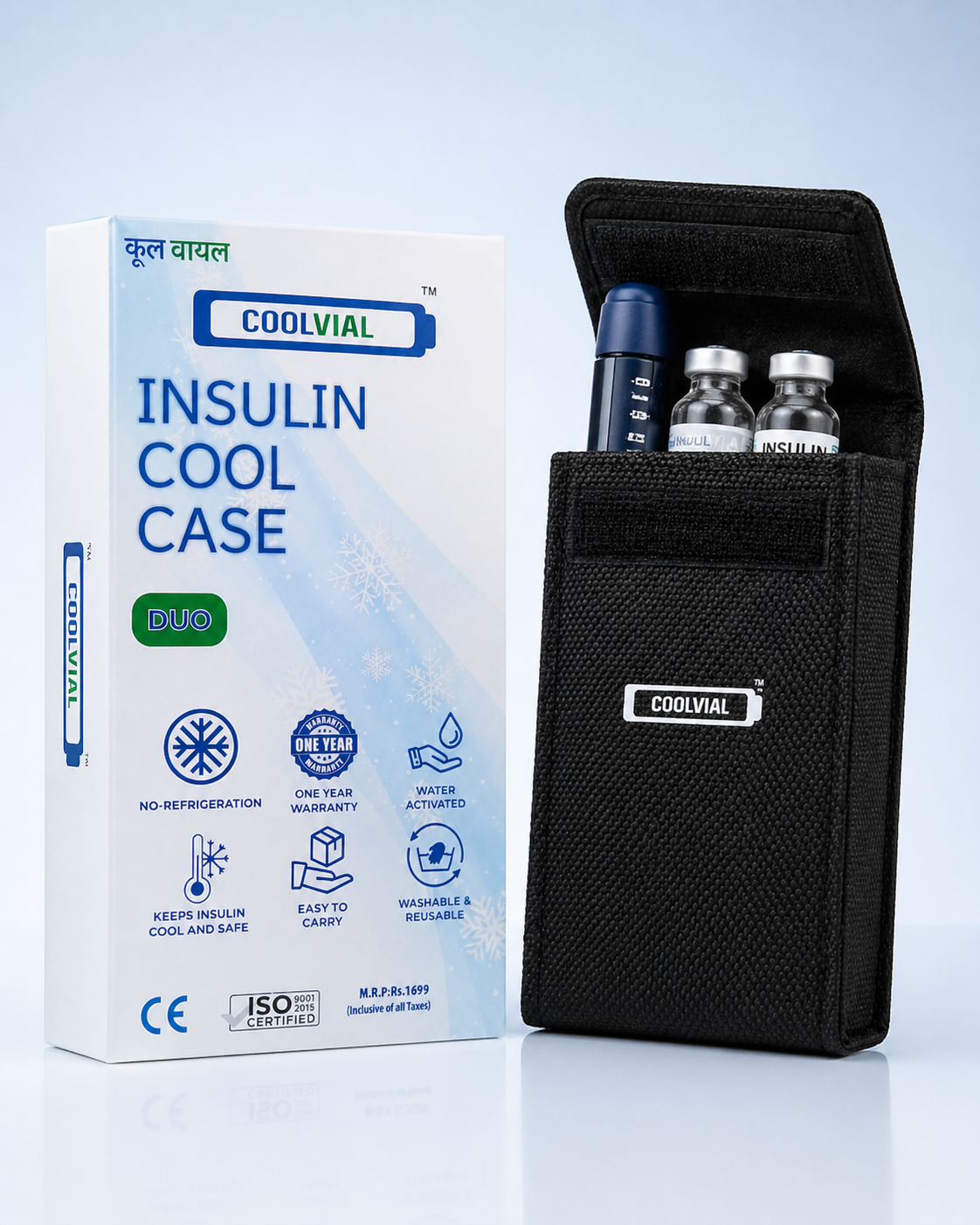
When planning your much-anticipated beach holiday to the beautiful coastal states of Goa, Kerala, or the idyllic Andaman & Nicobar Islands, ensuring the integrity of your life-saving insulin is paramount. The tropical heat and humidity of these regions demand a reliable solution that goes beyond basic insulated bags. This is where the COOLVIAL insulin cool case steps in as an indispensable travel companion, specifically designed to meet the rigorous demands of insulin storage during Goa, Kerala & Andaman beach holidays in India.
The COOLVIAL insulin cool case offers a practical and effective method for maintaining your insulin at the optimal temperature range, typically 2-8°C, which is critical for preserving its potency. Unlike conventional ice packs that can freeze insulin or melt quickly in extreme heat, COOLVIAL cases utilize advanced cooling technology to provide a stable, controlled environment. This sustained cooling capability is vital when you’re navigating bustling Indian markets, relaxing on a sun-drenched beach, or enduring long journeys by train or bus where refrigeration is unavailable or unreliable.
One of the primary benefits of the COOLVIAL case is its independence from external power sources for extended periods. This feature is particularly crucial in India, where power cuts can be an unpredictable reality, especially in more remote or less developed tourist areas. You can rest assured that your insulin will remain safe even if your hotel room loses power overnight or if you’re exploring an island without access to electricity. This peace of mind allows you to fully immerse yourself in your holiday experience, whether it’s exploring the historic churches of Old Goa, cruising through the serene backwaters of Alleppey, or snorkeling in the clear waters of Radhanagar Beach.
Investing in a COOLVIAL insulin cool case is an investment in your health and holiday enjoyment. It eliminates the constant worry about insulin spoilage, enabling you to focus on creating unforgettable memories. It’s compact, durable, and designed for ease of use, making it an ideal choice for carrying your insulin pens, vials, and cartridges securely. For diabetics in India, having a dedicated solution for insulin storage during Goa, Kerala & Andaman beach holidays in India means freedom to travel without compromise. You can confidently buy COOLVIAL at ₹1,099 and embark on your journey knowing your insulin is protected.
Our commitment at COOLVIAL extends beyond just providing a product; we aim to empower individuals with diabetes to live full, active lives without being constrained by their condition. We understand the unique challenges posed by the Indian climate and have engineered our cool cases to withstand these conditions, ensuring your insulin remains effective from the moment you leave home until you return. For more insulin storage tips and resources, we invite you to explore our mission and guides.
Frequently Asked Questions About Insulin Storage While Traveling
Traveling with diabetes, especially to warm climates, often brings up many questions regarding medication management. Here are some frequently asked questions about insulin storage during Goa, Kerala & Andaman beach holidays in India, with clear, concise answers.
Q: What happens if my insulin gets too hot during my trip to Goa? A: If your insulin gets too hot (consistently above 30°C for extended periods), it can lose its potency and become less effective at lowering your blood sugar. You might notice your blood glucose levels running higher than usual, even with your regular doses. Visually, the insulin might appear cloudy or discolored if it’s clear insulin, or become granular.
Q: Can I store my insulin in a hotel mini-fridge in Kerala? A: Yes, you can generally store unopened insulin in a hotel mini-fridge in Kerala, provided the temperature remains between 2-8°C. However, always check the fridge’s temperature with a thermometer if possible, and avoid placing insulin directly in contact with the freezer compartment to prevent accidental freezing. For opened insulin, ensure the room temperature is below 25-30°C.
Q: Is it safe to carry insulin through airport security in India? A: Yes, it is safe and necessary to carry insulin and all diabetes supplies (pens, vials, syringes, lancets) in your carry-on luggage when flying within or from India. You should carry a doctor’s letter or prescription confirming your need for these medications and supplies to avoid issues with
7 Essential Tips for Safe Insulin Storage During Goa, Kerala & Andaman Beach Holidays in India
Keep your insulin safe in India's extreme heat. COOLVIAL works for 48+ hours without electricity.
7 Essential Tips for Safe Insulin Storage During Goa, Kerala & Andaman Beach Holidays in India
COOLVIAL keeps insulin safe in India's heat. 48+ hours, no electricity needed.