Reviewed by the COOLVIAL Editorial Team — specialists in insulin storage for Indian climate conditions.
Cyclones are an annual reality for coastal regions of India, bringing with them not just high winds and floods, but also widespread power outages and disruptions. For the millions of individuals managing diabetes, ensuring safe insulin storage during cyclones in coastal India (Odisha, AP, Bengal) is not merely a convenience, but a critical aspect of health management. Insulin, a life-saving medication, is highly sensitive to temperature fluctuations; it begins to lose its potency if exposed to temperatures above 30°C, and can freeze and become ineffective if stored below 2°C. The World Health Organization (WHO) recommends storing unopened insulin vials and pens in a refrigerator between 2-8°C (Source: WHO Fact Sheets - Diabetes). This comprehensive guide outlines 10 essential steps, specifically tailored for the unique challenges faced by diabetics in cyclone-prone areas like Odisha, Andhra Pradesh, and West Bengal, to protect their vital medication. By understanding and implementing these practical strategies, you can maintain insulin efficacy and safeguard your health even when disaster strikes. This guide is dedicated to equipping you with the knowledge for effective insulin storage during cyclones in coastal India.
Table of Contents
- Why Safe Insulin Storage During Cyclones is Crucial in India
- Understanding Insulin Sensitivity and Storage Basics
- 10 Practical Tips for Insulin Storage During Cyclones in Coastal India
- India-Specific Challenges and Solutions for Diabetics
- COOLVIAL: Your Reliable Partner for Insulin Storage During Cyclones
- Quick Reference: Cyclone Insulin Storage Checklist & FAQ
- Conclusion: Empowering Diabetics Through Preparedness
Why Safe Insulin Storage During Cyclones is Crucial in India
India, particularly its extensive coastal belt, is highly susceptible to severe weather events. States like Odisha, Andhra Pradesh, and West Bengal frequently face the wrath of cyclones, bringing torrential rains, devastating floods, and prolonged power outages. These conditions pose unique and significant challenges for individuals living with diabetes, especially concerning the critical need for safe insulin storage during cyclones in coastal India (Odisha, AP, Bengal). According to the International Diabetes Federation (IDF), India had 101 million adults living with diabetes in 2023, making it a nation with one of the highest diabetic populations globally. Many of these individuals reside in or travel through these coastal regions, directly putting their insulin supply at risk during emergencies. The challenges for proper insulin storage during cyclones in coastal India are multifaceted.
The primary concern is insulin’s extreme sensitivity to temperature. Unopened insulin must be kept refrigerated at 2-8°C. Once opened, it can generally be stored at room temperature (up to 25-30°C, depending on the specific brand and type) for 28 days, but never above 30°C, as higher temperatures rapidly degrade its effectiveness. During a cyclone, refrigerators become non-functional due to power cuts, which can last for days or even weeks in remote areas of districts like Ganjam in Odisha or Krishna in Andhra Pradesh. The ambient temperatures in these regions often remain high, even during stormy weather, easily exceeding the safe limits for insulin. This emphasizes the urgency of robust strategies for insulin storage during cyclones in coastal India (Odisha, AP, Bengal).
Moreover, the disruption of transportation routes can make it impossible to access pharmacies or medical facilities for fresh insulin supplies. Flooding can also contaminate insulin if vials or pens are submerged in water. Without proper storage, insulin can lose its potency, leading to elevated blood sugar levels, which can quickly escalate into serious health complications like diabetic ketoacidosis (DKA) or hyperglycemic hyperosmolar state (HHS), requiring immediate medical intervention. These conditions become even more dangerous when emergency services are stretched thin during a natural disaster. Therefore, proactive planning for insulin storage during cyclones in coastal India is an indispensable part of disaster preparedness for every diabetic.
Impact of Climate on Insulin Efficacy
Coastal India’s humid, tropical climate exacerbates the challenge. Even without a direct cyclone, average temperatures often hover around 28-35°C in regions like Chennai or Visakhapatnam, pushing the upper limits for opened insulin. During a cyclone, the combination of high humidity and elevated temperatures, coupled with a lack of electricity, creates an environment where insulin can rapidly spoil. The high humidity and heat significantly complicate insulin storage during cyclones. This makes specialized solutions for maintaining cool temperatures crucial for maintaining the viability of this life-sustaining medication. Understanding these regional specificities is vital for effective insulin storage during cyclones in coastal India.
Economic and Health Burden
The loss of insulin due to improper storage not only poses a severe health risk but also an economic burden. Insulin is an expensive medication, and replacing spoiled supplies can be a significant financial strain for many Indian families, especially those impacted by cyclone damage to their homes or livelihoods. Ensuring adequate and safe insulin storage during cyclones in coastal India directly contributes to reducing these health and economic risks, promoting peace of mind for diabetics and their families across the affected states.
Understanding Insulin Sensitivity and Storage Basics
Insulin is a delicate protein hormone, and its effectiveness is highly dependent on being stored within a specific temperature range. Deviations from this range can lead to its degradation, making it less potent or completely ineffective. Understanding these fundamental storage principles is the first step towards ensuring safe insulin storage during cyclones in coastal India (Odisha, AP, Bengal).
Ideal Temperature Ranges for Insulin
Insulin comes in various forms, primarily vials and pens, and their storage guidelines are quite precise:
- Unopened Insulin:
- Must be refrigerated at 2°C to 8°C (36°F to 46°F). This temperature range ensures maximum shelf life, typically until the expiration date printed on the package.
- Never freeze insulin. Freezing destroys its molecular structure, rendering it ineffective. If insulin has been frozen, it must be discarded, even if it thaws.
- Opened (In-use) Insulin:
- Can generally be stored at room temperature, typically between 15°C and 30°C (59°F to 86°F), for a period of 28 days (or sometimes up to 42 days, depending on the specific brand and type – always check the manufacturer’s leaflet).
- It should never be refrigerated once opened if it will be used at room temperature, as repeated temperature changes can also affect its stability. However, if kept continuously refrigerated after opening, it can last longer, though this isn’t the standard recommendation for in-use insulin.
- Must be protected from direct sunlight and extreme heat. Even brief exposure to high temperatures (e.g., leaving it in a car in summer) can significantly reduce its potency.
| Insulin State | Recommended Temperature Range | Duration (Typical) | Key Precautions |
|---|---|---|---|
| Unopened | 2°C to 8°C (Refrigerated) | Until Expiration | Do NOT freeze |
| Opened (In-use) | 15°C to 30°C (Room Temp) | 28 days to 6 weeks | Avoid direct sun, extreme heat |
Risks of Improper Storage
Improper insulin storage, especially during challenging conditions like cyclones, carries several risks:
- Loss of Potency: The most common risk. When insulin is exposed to temperatures outside its recommended range, particularly heat above 30°C, its protein structure can break down. This means that even if you inject the full dose, you might not be receiving the full therapeutic effect, leading to elevated blood sugar levels.
- Contamination: During floods, if insulin vials or pens are exposed to contaminated water, they can become unsanitary and unsafe to use, even if the temperature was maintained.
- Physical Damage: Vials can break if mishandled or if they freeze. Pens can also be damaged, making them unusable.
- Freezing: As mentioned, freezing destroys insulin. This can happen if insulin is placed directly on ice packs without proper insulation, or if a refrigerator’s temperature drops too low during a power surge.
10 Essential Steps for Safe Insulin Storage During Cyclones in Coastal India (Odisha, AP, Bengal)
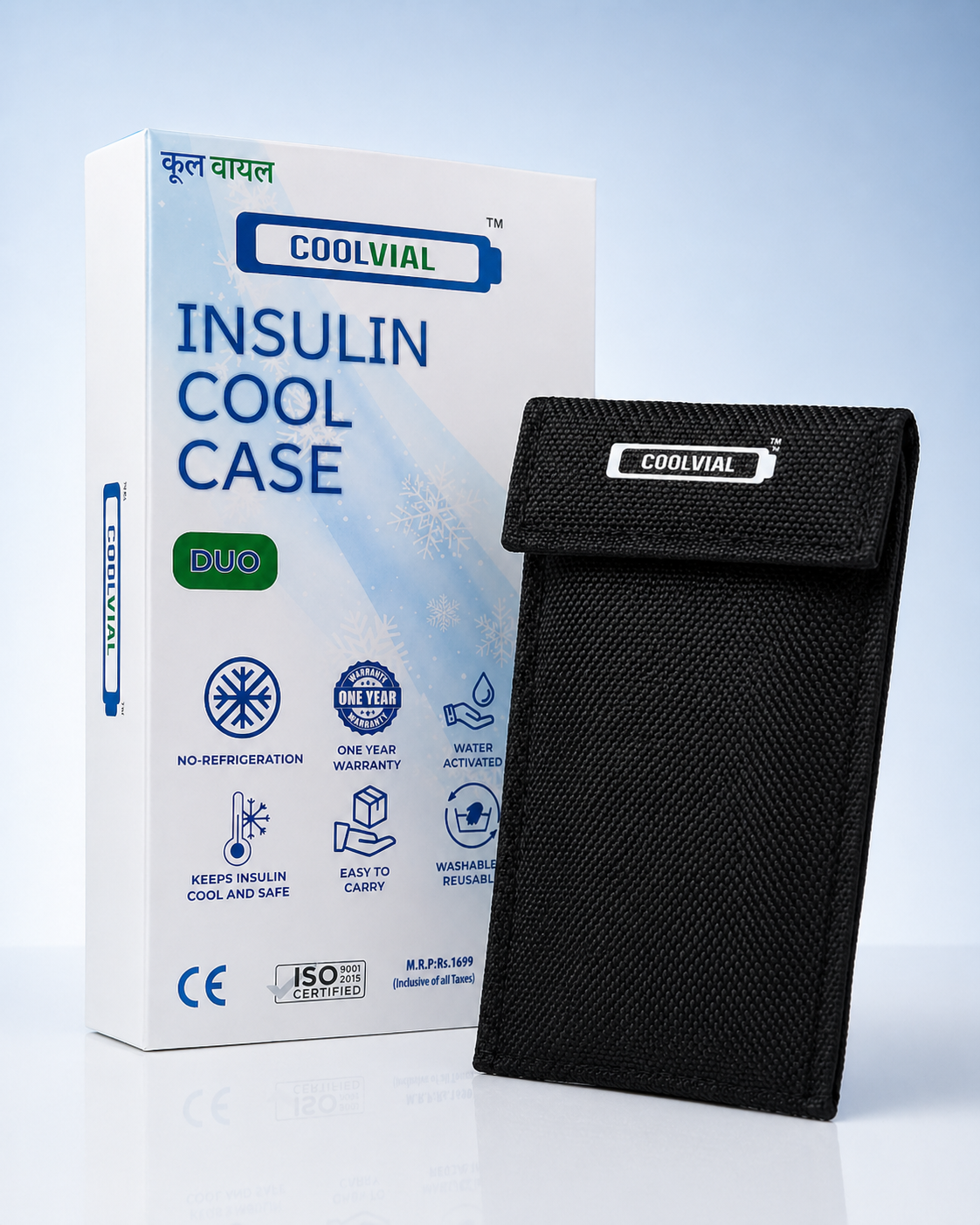
48+ hours at 2-8°C. No electricity. CE certified. Free delivery across India.
Order on WhatsApp — ₹1,099🛒 Buy Now — ₹1,099Recognizing these vulnerabilities is essential for developing a robust plan for insulin storage during cyclones in coastal India (Odisha, AP, Bengal). Preparedness involves not just knowing the rules, but having the right tools and strategies to implement them effectively when conventional refrigeration is unavailable. These storage basics are fundamental for any plan addressing insulin storage during cyclones.
10 Practical Tips for Insulin Storage During Cyclones in Coastal India
Preparing for a cyclone involves more than just securing your home; it means safeguarding your health essentials. For diabetics in coastal regions, a proactive approach to insulin storage during cyclones in coastal India (Odisha, AP, Bengal) is paramount. Here are 10 practical tips to ensure your insulin remains safe and effective through the storm. Implementing these practical tips ensures optimal insulin storage during cyclones.
Pre-Cyclone Preparedness
- Stock Up Wisely: Ensure you have at least a 2-week to 1-month supply of insulin, syringes/pens, testing strips, and lancets. Don’t wait until a cyclone warning is issued; maintain this buffer consistently. This reduces last-minute stress and potential unavailability.
- Prepare an Emergency Diabetes Kit:
- Insulin Supply: Include both unopened (refrigerated) and in-use (room temperature) insulin.
- Cooling Method: Pack gel packs (not ice, to prevent freezing), a small insulated bag, or a specialized insulin cool case.
- Monitoring Supplies: Blood glucose meter, extra test strips, lancets, and spare batteries.
- Hypoglycemia Treatment: Glucose tablets, hard candies, or glucagon emergency kit.
- Medication List: A list of all your medications, dosages, and emergency contact information.
- Doctor’s Note: A letter from your doctor explaining your condition and medication needs, which can be helpful if you need to evacuate or seek medical attention.
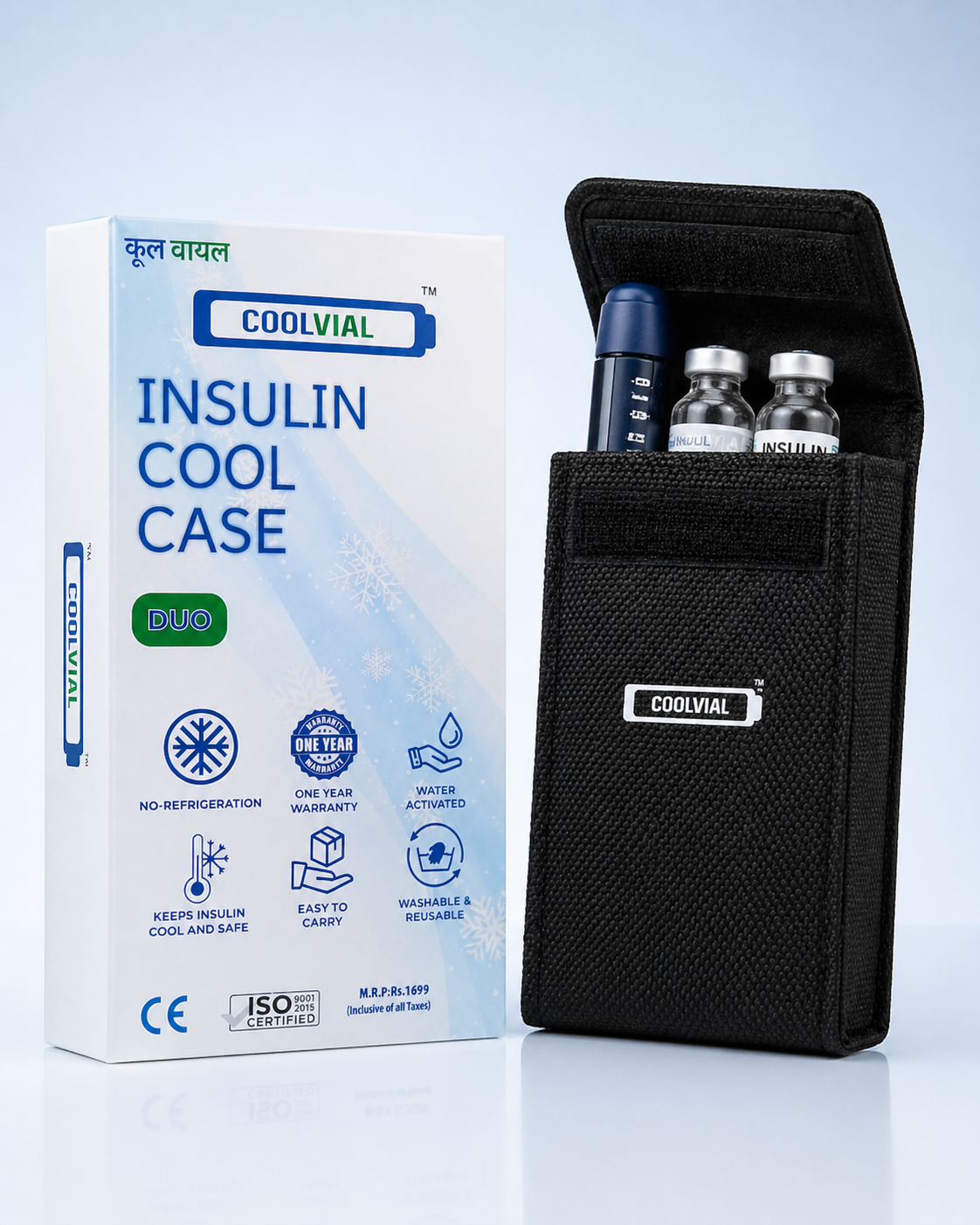
- Invest in a Reliable Insulin Cool Case: A high-quality, portable insulin cool case, like the COOLVIAL insulin cool case, is invaluable. These cases are designed to maintain insulin at the ideal temperature range (2-8°C or 15-25°C for opened insulin) for extended periods without electricity, using advanced cooling technology. This is far superior to makeshift solutions.
- Charge All Devices: Ensure your phone, power banks, and any battery-operated medical devices (like glucose meters) are fully charged. Power outages can last for days.
- Identify Evacuation Routes and Shelters: Know where designated cyclone shelters are and if they have provisions for medical needs. Share your diabetes management plan with family members.
During and After the Cyclone
- Secure Your Insulin Cool Case: Keep your insulin cool case in a safe, dry place, away from direct sunlight or potential water damage. If evacuating, it should be the first item you secure.
- Monitor Insulin Temperature: If using gel packs or a cooler, monitor the temperature inside regularly with a small thermometer. Ensure the insulin never touches ice directly. Rotate frozen gel packs to maintain consistency.
- Conserve Insulin (If Supplies Are Low): If you anticipate prolonged disruption, discuss with your doctor (if contact is possible) about adjusting doses. Never self-adjust without medical advice. Prioritize using insulin that is closest to its expiry date or has been opened longest.
- Check Insulin Appearance Before Use: Always inspect insulin for changes in color, clarity, or texture before injecting. If it appears cloudy (unless it’s naturally cloudy insulin like NPH), has particles, or shows any signs of degradation, it should not be used. Discard any insulin that you suspect has been exposed to extreme temperatures.
- Seek Medical Help if Needed: If you run out of insulin, suspect your insulin has spoiled, or experience consistently high or low blood sugar levels, seek immediate medical attention. During a cyclone, emergency services might be overwhelmed, but prioritizing your health is crucial. Local community leaders or relief camps can often guide you to the nearest operational medical facility.
By following these steps, individuals can significantly improve their ability to manage diabetes effectively and safely, even amidst the chaos and challenges presented by cyclones in coastal India. These steps are crucial for effective insulin storage during cyclones in coastal India.
India-Specific Challenges and Solutions for Diabetics
The unique geographical and infrastructural landscape of India, particularly its coastal regions, presents distinct challenges for diabetics during natural disasters. Addressing these specific issues is key to effective insulin storage during cyclones in coastal India (Odisha, AP, Bengal).
Coping with Prolonged Power Cuts
Coastal districts like Puri and Ganjam in Odisha, East Godavari and Nellore in Andhra Pradesh, and South 24 Parganas and Purba Medinipur in West Bengal are highly vulnerable to prolonged power outages. These can last for several days, sometimes even weeks, making conventional refrigeration impossible. A 2022 study by the Council on Energy, Environment and Water (CEEW) found that 78% of Indian households face daily power cuts, with rural areas experiencing longer durations. This everyday reality intensifies during cyclones. Effective strategies for insulin storage during cyclones in coastal India must account for these realities.
Solutions for Power Cuts:
- Portable Power Solutions: While generators might be an option for some, they are not always practical or accessible. Power banks for charging phones and meters are essential.
- Phase Change Material (PCM) Coolers: These advanced cool cases use PCM technology to maintain a stable temperature for extended periods, often much longer than simple gel packs, without needing electricity. They are designed for specific temperature ranges, making them ideal for insulin. This makes specialized strategies for insulin storage during cyclones in coastal India essential.
- Community Support: In many Indian villages and towns, community networks are strong. Identifying neighbours or community centers with access to generators or solar power can be a lifeline for temporary refrigeration. However, relying solely on external support is risky; personal preparedness is always best.
Access to Healthcare and Supplies
Cyclones can severely disrupt transportation and communication networks. Roads might be blocked by fallen trees or floodwaters, making it difficult to reach pharmacies or hospitals in cities like Bhubaneswar, Visakhapatnam, or Kolkata. Local pharmacies might also run out of essential supplies or be unable to operate due to power cuts. This challenge is particularly acute in remote villages that already have limited access to medical facilities.
Solutions for Access Issues:
- Advance Stockpiling: As mentioned earlier, keeping a buffer stock of insulin and other diabetes supplies is critical. This should be a year-round practice, not just during cyclone season.
- Local Emergency Contacts: Have a list of emergency numbers for local doctors, pharmacies, and district disaster management authorities. Knowing whom to call when phone lines are intermittently working can save precious time. This proactive approach improves insulin storage during cyclones and general diabetes management.
- Government Relief Efforts: Be aware of government-established relief camps and medical aid stations. These facilities often prioritize essential medication distribution during disasters. Keep identification and medical records handy.
- Travel Preparedness: If you need to travel by train or bus to a safer location, ensure your insulin is securely stored in a portable cool case. Indian Railways and bus services can experience significant delays during cyclones, making long-term temperature control vital.
Water Contamination and Damage
Flooding is a common consequence of cyclones, and it poses a direct threat to insulin. Water can damage packaging, labels, and even the insulin itself if vials or pens are not watertight. Contaminated floodwaters also present a risk of infection if they come into contact with injection sites or open wounds.
10 Essential Steps for Safe Insulin Storage During Cyclones in Coastal India (Odisha, AP, Bengal)
Don't let Indian heat spoil your insulin. COOLVIAL protects it for 48+ hours.
Solutions for Water Damage:
- Waterproof Storage: Store your emergency diabetes kit, including your insulin cool case, in a waterproof bag or container. Dry bags, commonly used for outdoor activities, can be very effective.
- Elevated Storage: Keep your emergency kit on higher ground within your home to protect it from rising floodwaters.
- Inspection: Always thoroughly inspect insulin vials and pens for any signs of water damage, compromised seals, or contamination before use. When in doubt, it’s safer to discard and seek replacement.
By proactively addressing these India-specific challenges, diabetics in coastal regions can significantly enhance their resilience and ensure the continuous, safe insulin storage during cyclones in coastal India (Odisha, AP, Bengal).
COOLVIAL: Your Reliable Partner for Insulin Storage During Cyclones
In the face of unpredictable weather events like cyclones in coastal India, having a dependable solution for insulin storage is not just an option, but a necessity. COOLVIAL offers an innovative and practical answer to the challenges of maintaining insulin efficacy during power cuts and high ambient temperatures. COOLVIAL offers a dedicated solution for insulin storage during cyclones. Our COOLVIAL insulin cool case, priced affordably at ₹1,099, is specifically designed with the Indian climate and emergency conditions in mind, making it an essential component of your preparedness plan for insulin storage during cyclones in coastal India (Odisha, AP, Bengal).
How COOLVIAL Cool Cases Work
COOLVIAL insulin cool cases utilize advanced cooling technology, often involving specialized gel packs or vacuum insulation, to maintain a stable, cool temperature for your insulin without needing electricity. Unlike regular ice packs that can freeze insulin or melt quickly, COOLVIAL cases are engineered for precision temperature control:
- Sustained Cooling: Our cases are designed to keep insulin within the critical 2-8°C range (for unopened vials/pens) or the 15-25°C range (for in-use pens/vials) for extended periods – typically 24-48 hours or even longer, depending on the model and external conditions. This extended duration is vital during prolonged power outages common in cyclone-affected areas.
- Durable and Portable Design: Made from robust materials, COOLVIAL cases are built to withstand the rigors of travel and emergency situations. Their compact and lightweight design ensures easy portability, fitting comfortably into an emergency kit or travel bag, whether you’re evacuating by bus or simply moving to a safer room in your home.
- Protection from Elements: Beyond temperature control, the cases offer a protective barrier against physical damage and moisture, crucial when dealing with heavy rains and potential flooding.
Benefits for Coastal Indian Diabetics
For individuals managing diabetes in regions frequently hit by cyclones, such as Odisha, Andhra Pradesh, and West Bengal, COOLVIAL cool cases provide immense peace of mind and practical benefits:
- Reliable Temperature Control: No more worrying about your refrigerator’s power supply. COOLVIAL ensures your insulin stays at the correct temperature, protecting its potency and your health. This highlights its value for insulin storage during cyclones in coastal regions.
- Enhanced Mobility and Evacuation Safety: When evacuation orders are issued, you can quickly and confidently take your insulin with you, knowing it’s protected. This is crucial for residents of low-lying areas in places like the Sundarbans or Chilika Lake surroundings.
- Cost-Effective Solution: At ₹1,099, the COOLVIAL cool case is an affordable, one-time investment that safeguards expensive insulin supplies, preventing wastage due to spoilage. This is particularly important for families who depend on government-supplied insulin or have limited financial resources. Our cases represent a smart investment for every diabetic, and you can easily buy your COOLVIAL cool case at ₹1,099 today.
- Reduced Stress and Anxiety: Knowing you have a reliable solution for insulin storage during cyclones in coastal India (Odisha, AP, Bengal) significantly reduces the stress and anxiety associated with emergency preparedness. This allows you to focus on other safety measures for your family and home.
Investing in a COOLVIAL insulin cool case is a proactive step towards ensuring continuous, effective diabetes management, even when faced with the most challenging environmental conditions. It’s a small investment for immense security and health.
Quick Reference: Cyclone Insulin Storage Checklist & FAQ
When a cyclone threat looms over coastal India, quick and precise action for managing your diabetes supplies is paramount. This section provides a concise checklist for immediate reference and answers common questions about insulin storage during cyclones in coastal India (Odisha, AP, Bengal). This checklist is vital for effective insulin storage during cyclones in coastal India.
Emergency Insulin Storage Checklist
Having an organized checklist can help ensure no critical step is missed during a stressful period.
- Insulin Supply:
- Have at least a 2-week to 1-month supply of all insulin types (unopened & in-use).
- Check expiry dates; prioritize using older stock first.
- Cooling Equipment:
- Pack your COOLVIAL insulin cool case with pre-chilled gel packs.
- Ensure gel packs are not frozen solid if they will be directly next to insulin.
- Include a small thermometer for temperature monitoring.
- Diabetes Supplies:
- Extra blood glucose meter, test strips (at least 200), lancets (at least 50).
- Spare batteries for meter or a fully charged power bank.
- Glucose tablets or fast-acting sugar source for hypoglycemia.
- Glucagon emergency kit (if prescribed).
- Antiseptic wipes, cotton balls.
- Documentation:
- Photocopies/digital copies of prescriptions, doctor’s contact, and medical history.
- Emergency contact list (family, friends, local health services).
- Government-issued ID.
- Waterproofing:
- Store entire diabetes kit in a sturdy, waterproof bag (e.g., dry bag, large zip-lock bags).
- Keep kit elevated from potential floodwaters.
- Communication:
- Fully charged mobile phone and power bank.
- Know local emergency numbers (e.g., 112 for general emergencies, local hospital helplines).
Frequently Asked Questions
Q: What happens if my insulin gets too hot during a power cut? A: If insulin is exposed to temperatures above 30°C, its protein structure can degrade, causing it to lose potency. This means it won’t lower your blood sugar effectively, even if you inject the correct dose. Always inspect insulin for changes in color or clarity, and if you suspect spoilage, it’s safer to discard it and seek a fresh supply. Understanding these nuances is key to effective insulin storage during cyclones.
Q: Can I use regular ice to keep my insulin cool during a cyclone? A: Using regular ice is risky. Direct contact with ice can freeze insulin, rendering it ineffective. If you must use ice, ensure it’s in a sealed bag and wrap your insulin vials/pens in a cloth or paper towel to create a barrier, then place them in an insulated container with the ice, monitoring the temperature carefully. A purpose-built cool case with gel packs is a much safer option for safe insulin storage during a cyclone.
Q: How long can insulin stay out of the refrigerator during a cyclone? A: Unopened insulin should ideally remain refrigerated. However, once removed from refrigeration, it can generally be kept at room temperature (up to 25-30°C) for up to 28 days (check your specific insulin’s leaflet). If the ambient temperature exceeds this, its potency will diminish much faster. This is why a device like the COOLVIAL cool case is essential for maintaining optimal temperatures for insulin storage during cyclones.
Q: What if I have to evacuate and can’t carry much? A: Prioritize your emergency diabetes kit, especially your insulin and its cooling solution. A compact COOLVIAL insulin cool case is designed for portability. Keep all essential medical documents, a small supply of glucose for hypoglycemia, and contact information with you. Inform evacuation center staff about your diabetes needs immediately upon arrival.
Q: How do I know if my insulin has gone bad without a thermometer? A: While a thermometer is best, you can look for visual cues. Insulin should be clear and colorless (except for NPH, which is cloudy). If it appears cloudy (for clear insulin), has clumps, crystals, or a different color, it has likely spoiled. If you’re unsure, and especially if your blood sugar levels are unexplainedly high after injecting, it’s safer to assume it’s compromised and replace it.
Conclusion: Empowering Diabetics Through Preparedness
Navigating life with diabetes in cyclone-prone coastal regions of India, such as Odisha, Andhra Pradesh, and West Bengal, demands meticulous planning and robust preparedness. The challenge of maintaining safe insulin storage during cyclones in coastal India (Odisha, AP, Bengal) is significant, but it is a challenge that can be overcome with the right knowledge and tools. By understanding insulin’s temperature sensitivity, preparing a comprehensive emergency kit, and investing in reliable cooling solutions, individuals can protect their vital medication and, by extension, their health.
The 10 essential steps outlined in this guide provide a clear roadmap for proactive management, from stockpiling supplies to understanding India-specific challenges like prolonged power cuts and access disruptions. These measures are crucial for ensuring proper insulin storage during cyclones. Products like the COOLVIAL insulin cool case are specifically engineered to provide the crucial temperature control needed during such emergencies, offering a practical and affordable solution for every diabetic.
Your health should never be compromised by natural disasters. Empower yourself with knowledge and prepare today to ensure your insulin remains effective, no matter what the weather brings. For reliable and affordable insulin cooling solutions tailored for the Indian climate, consider the COOLVIAL insulin cool case. For more comprehensive insulin storage tips, visit our mission page. You can purchase your COOLVIAL cool case at ₹1,099 by reaching out via WhatsApp at wa.me/918766952300. Take this critical step towards securing your well-being during any emergency for optimal insulin storage during cyclones in coastal India.
10 Essential Steps for Safe Insulin Storage During Cyclones in Coastal India (Odisha, AP, Bengal)
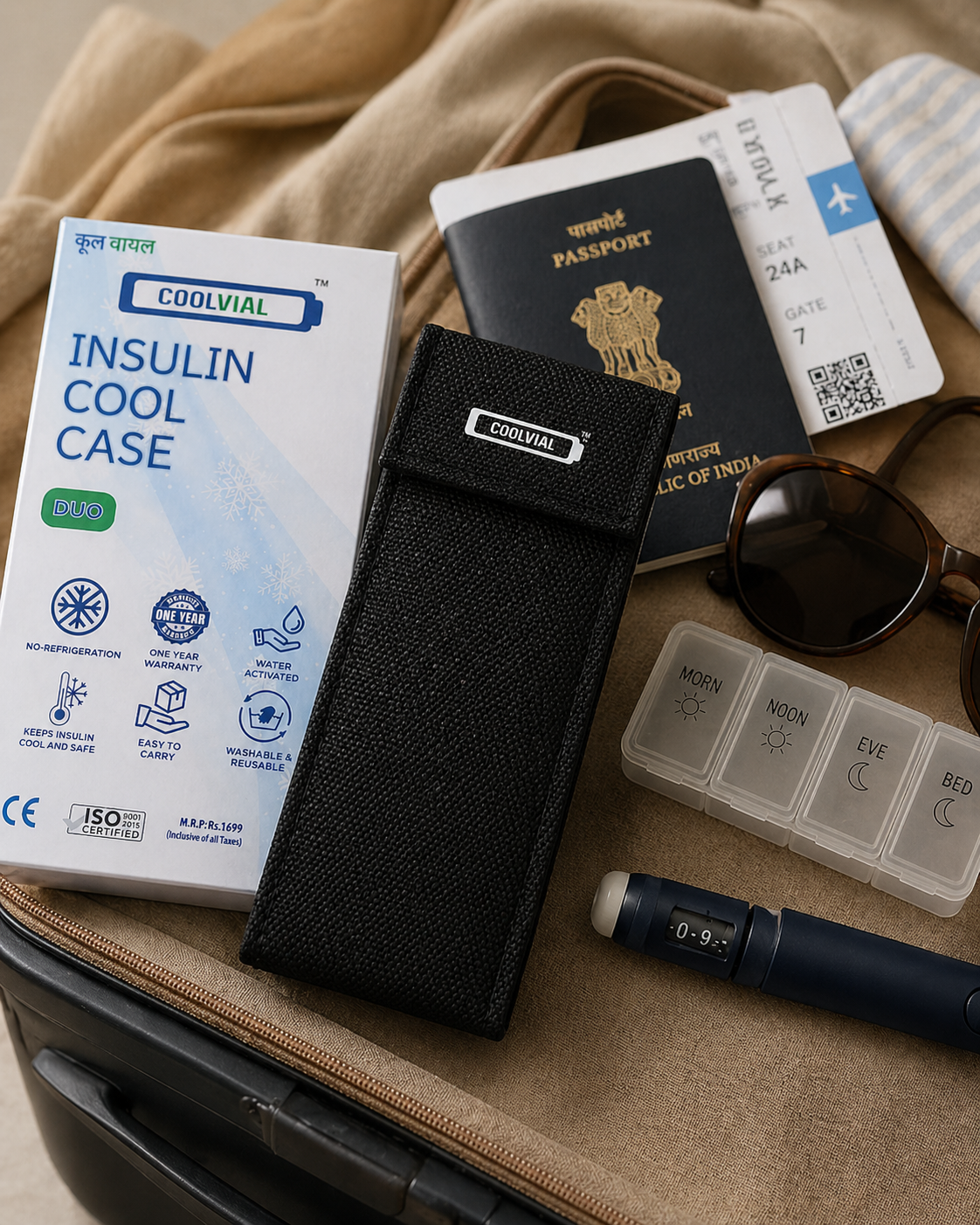
Keep your insulin safe in India's extreme heat. COOLVIAL works for 48+ hours without electricity.
10 Essential Steps for Safe Insulin Storage During Cyclones in Coastal India (Odisha, AP, Bengal)
COOLVIAL keeps insulin safe in India's heat. 48+ hours, no electricity needed.