Reviewed by the COOLVIAL Editorial Team — specialists in insulin storage for Indian climate conditions.
For millions of Indians managing diabetes, ensuring insulin remains potent and effective is a daily challenge, especially given our country’s unique climate and infrastructure. An emergency insulin storage kit every Indian household should own is not just a convenience; it’s a life-saving necessity. Insulin, a temperature-sensitive medication, must be stored correctly, typically between 2°C and 8°C in a refrigerator, or at controlled room temperature (15-25°C) once opened, to maintain its efficacy. Exposing insulin to temperatures above 30°C can quickly degrade its protein structure, rendering it ineffective, a critical concern in India where summer temperatures often soar past 40°C. This article will guide you through assembling a complete 7-point emergency insulin storage kit, offering practical advice and India-specific solutions to protect this vital medication, even during unexpected power cuts or travel.
India faces a significant diabetes burden, with 101 million people living with diabetes in 2023, according to the International Diabetes Federation (IDF) (Source: IDF Diabetes Atlas). For these individuals, consistent access to effective insulin is non-negotiable. However, challenges like frequent power outages, especially in rural areas or during monsoon seasons, and the high ambient temperatures across most of the country, pose substantial risks to insulin viability. Understanding how to create a robust emergency insulin storage kit is paramount for every household managing diabetes, ensuring peace of mind and continuity of care.
Table of Contents
- Why an Emergency Insulin Storage Kit Matters in India: The Unpredictable Reality
- Core Concepts of Insulin Storage: Understanding the Science
- Assembling Your Practical Emergency Insulin Storage Kit
- India-Specific Contexts for Safe Insulin Storage
- COOLVIAL: Your Essential Component for an Emergency Insulin Storage Kit
- Quick Reference: Essential Checklist and FAQs for Insulin Storage
Why an Emergency Insulin Storage Kit Matters in India: The Unpredictable Reality
India’s diverse geography and climate present unique challenges for insulin users. From the scorching summers of Rajasthan and Uttar Pradesh, where temperatures can exceed 45°C, to the humid monsoons across coastal regions and the persistent power fluctuations in many states, insulin is constantly at risk. A staggering 78% of Indian households face daily power cuts, particularly during peak summer months, impacting not just comfort but also the integrity of temperature-sensitive medications like insulin. This makes having a reliable emergency insulin storage kit not merely a recommendation but a critical aspect of diabetes management.
Consider the scenario: a sudden, prolonged power outage hits during a sweltering Delhi summer. Your refrigerator, the primary storage for unopened insulin vials, quickly loses its cooling capacity. Without an alternative, your precious insulin could become compromised within hours. Or imagine travelling by train from Mumbai to Bengaluru for a family wedding during the festive season. The journey could take over 24 hours, and maintaining the cold chain for insulin pens or vials is often overlooked amidst the hustle. These real-life situations underscore the urgent need for proactive planning and a well-equipped emergency insulin storage kit.
Beyond climate and infrastructure, social factors also play a role. Many Indian families live in multi-generational households, where awareness about specific medication storage needs might vary. Educating family members about the importance of an insulin storage kit and how to use it is as crucial as assembling the kit itself. Moreover, during festivals like Diwali or Eid, when travel increases and routines are disrupted, the risk of improper insulin storage can rise significantly. This emphasizes the need for a comprehensive and accessible solution that empowers every Indian household to manage diabetes safely and effectively, regardless of external circumstances.
Core Concepts of Insulin Storage: Understanding the Science
Insulin is a protein, and like many proteins, its structure is highly sensitive to temperature extremes. Both freezing and excessive heat can irreversibly damage insulin, making it less effective or even completely inert. Understanding the science behind insulin’s stability is the first step in building an effective emergency insulin storage kit.
Optimal Temperature Ranges:
- Unopened Insulin: Vials and pens should be stored in a refrigerator, typically between 2°C and 8°C. This ensures maximum shelf life, often until the expiry date printed on the packaging. Freezing insulin will destroy it.
- Opened (In-Use) Insulin: Once a vial or pen is opened, it can generally be stored at room temperature (below 25°C, or ideally between 15°C and 25°C) for up to 28 days (four weeks). Some specific insulin types may have slightly different guidelines; always check the manufacturer’s instructions. Crucially, even opened insulin should never be exposed to direct sunlight or temperatures above 30°C.
Why Temperature Matters: At temperatures above 30°C, insulin molecules can aggregate and form clumps, reducing their ability to be absorbed by the body. This process is accelerated in high humidity. Conversely, if insulin freezes, the delicate protein structure breaks down, and it becomes unusable. Visual signs of compromised insulin include cloudiness, discoloration, or the presence of particles, though damage can occur even without visible changes. Therefore, a reliable emergency insulin storage kit must protect against both heat and cold.
Insulin Storage Temperature Guidelines
| Insulin State | Recommended Temperature Range | Duration | Risk of Damage |
|---|---|---|---|
| Unopened | 2°C - 8°C (Refrigerator) | Until expiry date | Freezing (below 0°C) or overheating (above 30°C) |
| Opened (In-Use) | 15°C - 25°C (Room Temp) | Up to 28 days (check specific brand) | Direct sunlight, heat (above 30°C), freezing |
| Emergency/Travel | 2°C - 25°C (Controlled) | Depending on device/method (e.g., cool case) | Fluctuations, high heat, direct sunlight, freezing |
It’s vital to remember that these are general guidelines. Always consult the specific instructions provided with your insulin brand, as variations exist. For instance, some newer insulin formulations might have slightly extended room temperature stability. However, the fundamental principle remains: maintaining a stable, cool environment is key to preserving insulin efficacy. This knowledge forms the bedrock for selecting appropriate components for your emergency insulin storage kit. An understanding of these principles empowers you to make informed decisions about protecting your vital medication.
Assembling Your Practical Emergency Insulin Storage Kit
Building a comprehensive emergency insulin storage kit every Indian household should own involves more than just a cool box; it requires a strategic collection of items designed to maintain optimal conditions under various challenging scenarios. Here’s a detailed breakdown of the 7 essential components:
The Complete 7-Point Emergency Insulin Storage Kit Every Indian Household Should Own
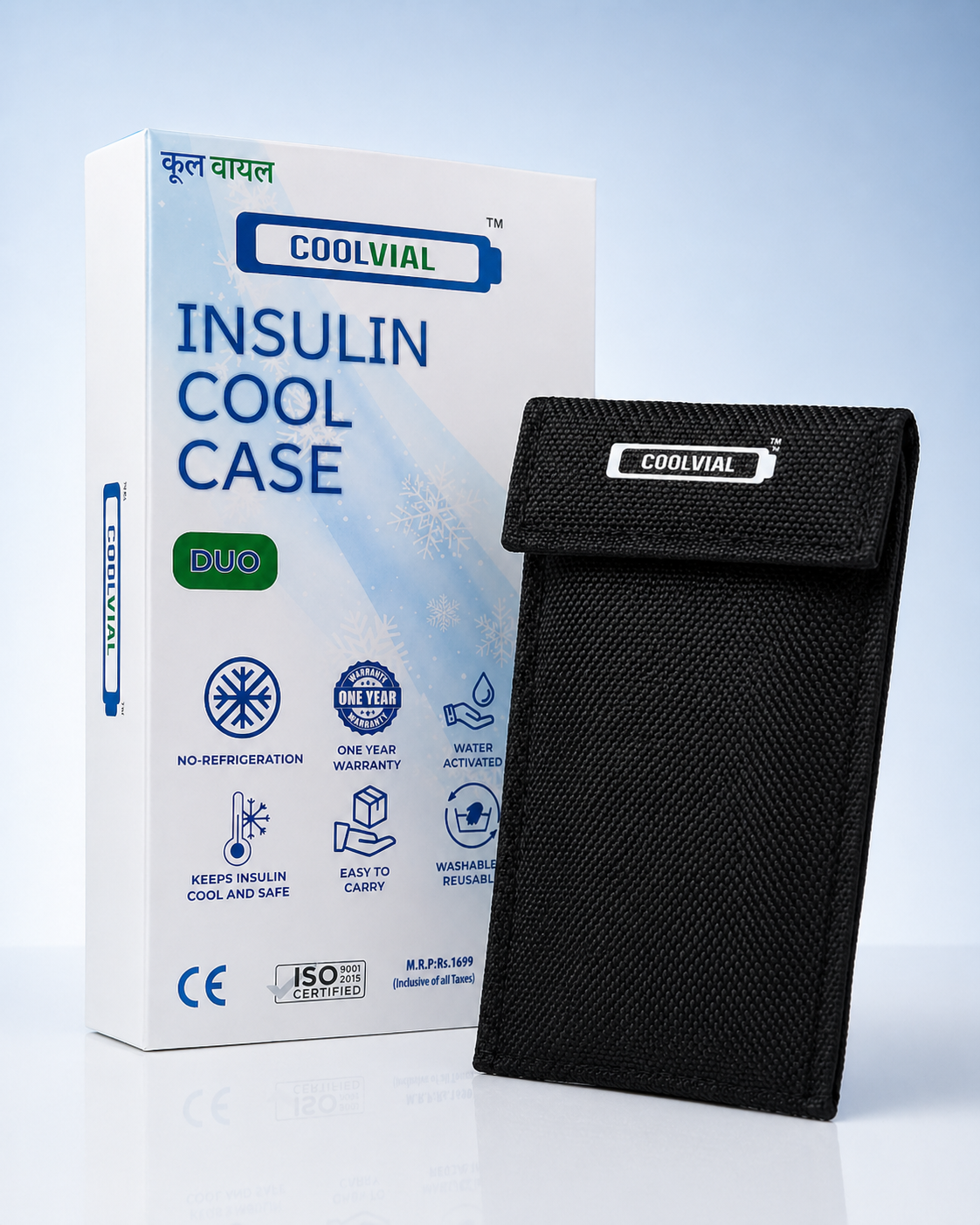
COOLVIAL keeps insulin at 2-8°C for 48+ hours. No electricity needed. Trusted by 10,000+ diabetics.
The Complete 7-Point Emergency Insulin Storage Kit Every Indian Household Should Own
-
Reliable Insulin Cool Case (e.g., COOLVIAL): This is the cornerstone of your kit. A high-quality, insulated cool case specifically designed for insulin is crucial. It should be capable of maintaining temperatures within the safe range (2-25°C) for extended periods, even in ambient Indian heat. Look for cases that use gel packs or phase-change materials, not just ice, to avoid freezing the insulin. The COOLVIAL insulin cool case is engineered precisely for these conditions, offering robust insulation and reliable cooling.
-
Backup Cooling Elements: Always have extra cooling elements, such as spare gel packs or a set of small, reusable ice packs. If your primary cool case uses gel packs, ensure you have a few pre-chilled in your refrigerator’s freezer section. For travel, consider having a small, insulated pouch with a single gel pack for immediate use, in addition to your main cool case.
-
Digital Thermometer with Min/Max Function: A small, portable digital thermometer is indispensable. It allows you to monitor the temperature inside your cool case or emergency storage area, ensuring it stays within the safe range. A min/max function is particularly useful, as it records the highest and lowest temperatures reached, providing a clear picture of any fluctuations. This vigilance is key to preventing insulin degradation.
-
Current Insulin Supply & Syringes/Pens: Store at least a 7-day backup supply of your current insulin (vials or pens) in your kit. This ensures you have immediate access if your main supply is compromised or inaccessible. Include extra needles, alcohol swabs, and any other necessary injection supplies. Clearly label the insulin with its type and expiry date.
-
Emergency Contact Information: Keep a laminated card with emergency contact numbers: your doctor, local pharmacy, and a trusted family member or friend. In a crisis, quick access to this information can be vital for obtaining medical advice or replacement supplies.
-
Medication List & Prescriptions: Include a copy of your current insulin prescription and a list of all your medications, dosages, and allergies. This is invaluable if you need to seek medical attention away from home or refill a prescription in an unfamiliar location. A doctor can quickly understand your needs with this information.
-
Waterproof Bag/Container: Protect your kit contents from moisture, especially during monsoons or accidental spills. A sturdy, waterproof ziplock bag or a small, hard-shell container can safeguard insulin, thermometer, and documents from water damage.
Key Considerations for Your Kit:
- Regular Checks: Periodically check your kit’s contents, especially expiry dates on insulin and functionality of cooling elements.
- Accessibility: Store your kit in an easily accessible location, known to all adult members of the household.
- Education: Ensure all family members understand the importance of the kit and how to use its components.
These components collectively form a resilient emergency insulin storage kit, providing peace of mind and protection for your essential medication against India’s unpredictable challenges.
India-Specific Contexts for Safe Insulin Storage
India’s unique environmental and logistical landscape necessitates a tailored approach to insulin storage. The challenges are manifold, from extreme weather patterns to travel complexities and variable infrastructure. Understanding these specific contexts is crucial for effectively utilizing an emergency insulin storage kit every Indian household should own.
1. Extreme Temperatures:
- Summer Heatwaves: Cities like Nagpur, Jaipur, and Chennai regularly experience temperatures exceeding 40°C, and sometimes even 45°C. In such conditions, insulin left even briefly in a car or an uncooled room can quickly degrade. A robust cool case is not just for travel; it’s for daily use to protect insulin when stepping out.
- Winter Cold: While less common for insulin degradation, temperatures can drop significantly in northern states like Punjab and Haryana. Freezing temperatures can also damage insulin, so ensuring your emergency kit protects against both extremes is important, especially if storing it in an unheated area.
2. Frequent Power Outages: As mentioned, power cuts are a common occurrence across India, from metropolitan areas like Bengaluru and Hyderabad experiencing load shedding, to more prolonged outages in rural parts of Bihar or Odisha. A refrigerator’s cooling capacity can only last for a few hours without power. An emergency insulin storage solution that doesn’t rely on continuous electricity is vital. This is where a passive cool case, designed to maintain temperature for 24-48 hours, becomes indispensable.
3. Travel and Commuting:
- Long-Distance Train/Bus Journeys: Indian railways and bus networks connect the length and breadth of the country. Journeys can be long, often exceeding 12-24 hours. Maintaining refrigeration throughout such travel is impractical. A personal insulin cool case allows diabetics to travel with confidence, whether for work or family events, without compromising their medication.
- Local Commutes: Even daily commutes in crowded public transport or auto-rickshaws, especially during peak summer, can expose insulin to significant heat. Carrying insulin in a small, personal cool pouch is a smart habit.
- Festivals and Pilgrimages: During major festivals like Kumbh Mela, Ratha Yatra, or Ganesh Chaturthi, millions travel, often to remote locations or for extended periods. These situations demand careful planning for medication storage, making an emergency insulin storage kit a non-negotiable item.
4. Humidity and Monsoon Season: Coastal cities like Kochi, Kolkata, and Mumbai experience high humidity, especially during the monsoon. While humidity itself doesn’t directly damage insulin’s efficacy, it can affect packaging and the performance of certain cooling methods. Ensuring your kit includes waterproof elements and that your cool case is designed for humid environments is beneficial.
The Complete 7-Point Emergency Insulin Storage Kit Every Indian Household Should Own
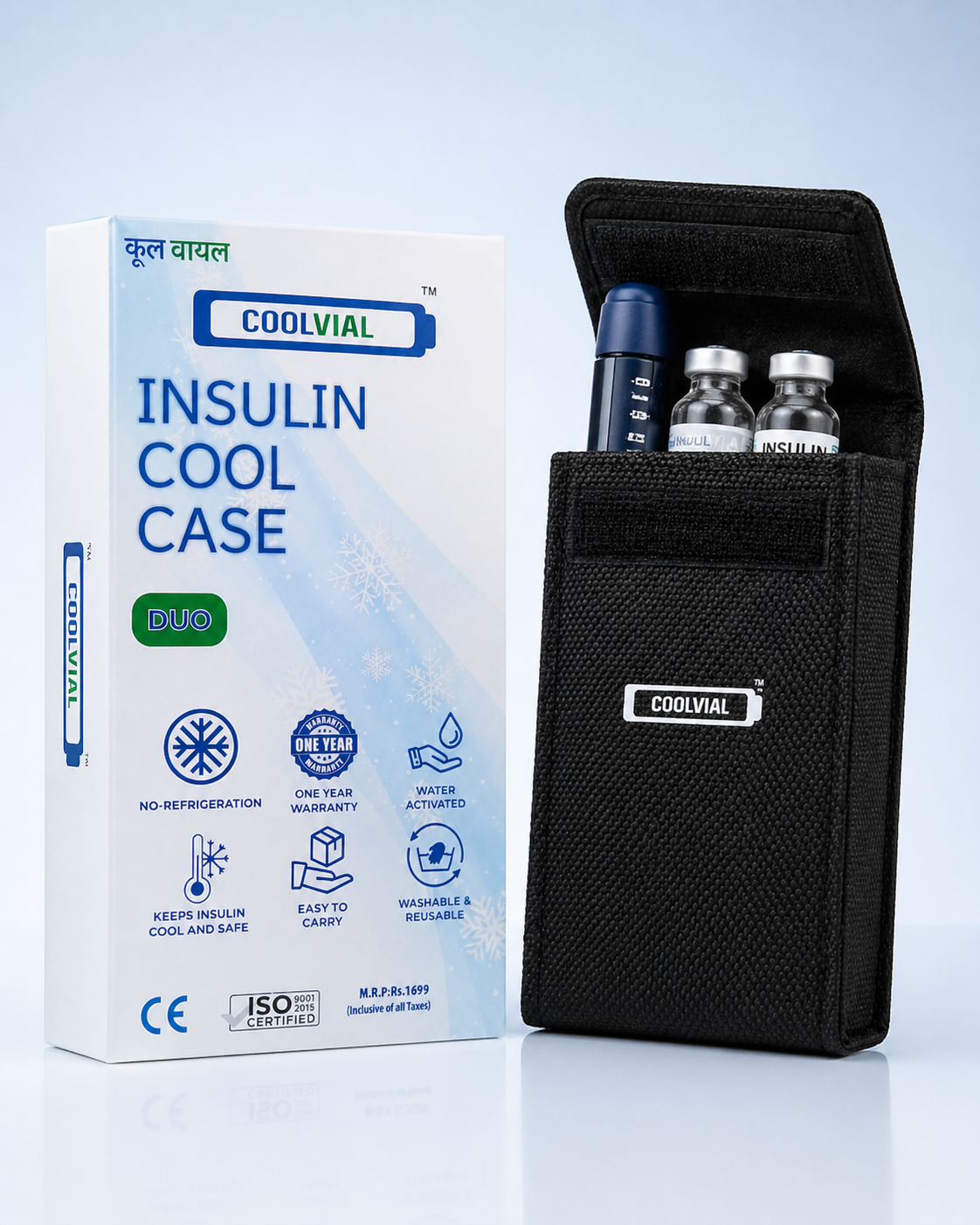
Keep your insulin safe in India's extreme heat. COOLVIAL works for 48+ hours without electricity.
The Complete 7-Point Emergency Insulin Storage Kit Every Indian Household Should Own
48+ hours at 2-8°C. No electricity. CE certified. Free delivery across India.
Order on WhatsApp — ₹1,099🛒 Buy Now — ₹1,0995. Rural Access and Awareness: In many remote areas, access to reliable electricity or pharmacies with consistent cold storage facilities can be limited. An emergency insulin storage kit empowers individuals in these regions to manage their diabetes independently, reducing reliance on external infrastructure that might not always be available. Education within these communities about proper insulin storage is also paramount.
These India-specific challenges highlight why a generic approach to insulin storage is insufficient. A carefully curated emergency insulin storage kit that accounts for these realities provides the necessary resilience and adaptability for effective diabetes management across the diverse Indian landscape.
COOLVIAL: Your Essential Component for an Emergency Insulin Storage Kit
When it comes to building a reliable emergency insulin storage kit every Indian household should own, the choice of an insulin cool case is paramount. This is where COOLVIAL stands out as a dedicated solution, specifically designed with India’s unique challenges in mind. Our COOLVIAL insulin cool case (₹1,099) offers a practical, affordable, and highly effective way to protect your vital medication from the heat and power uncertainties prevalent across the country.
Why COOLVIAL is indispensable for your kit:
- Designed for Indian Conditions: COOLVIAL cool cases are engineered to perform optimally in high ambient temperatures, maintaining the crucial 2°C to 25°C range for extended periods. This makes it ideal for managing insulin during long power cuts in Chennai, travelling across the scorching plains of Rajasthan, or navigating the humid monsoons of Kerala.
- Reliable Temperature Control: Unlike simple ice packs that can freeze insulin, COOLVIAL utilizes advanced insulation and cooling elements that ensure a stable, safe temperature without risk of freezing. This precision is critical for maintaining insulin’s efficacy.
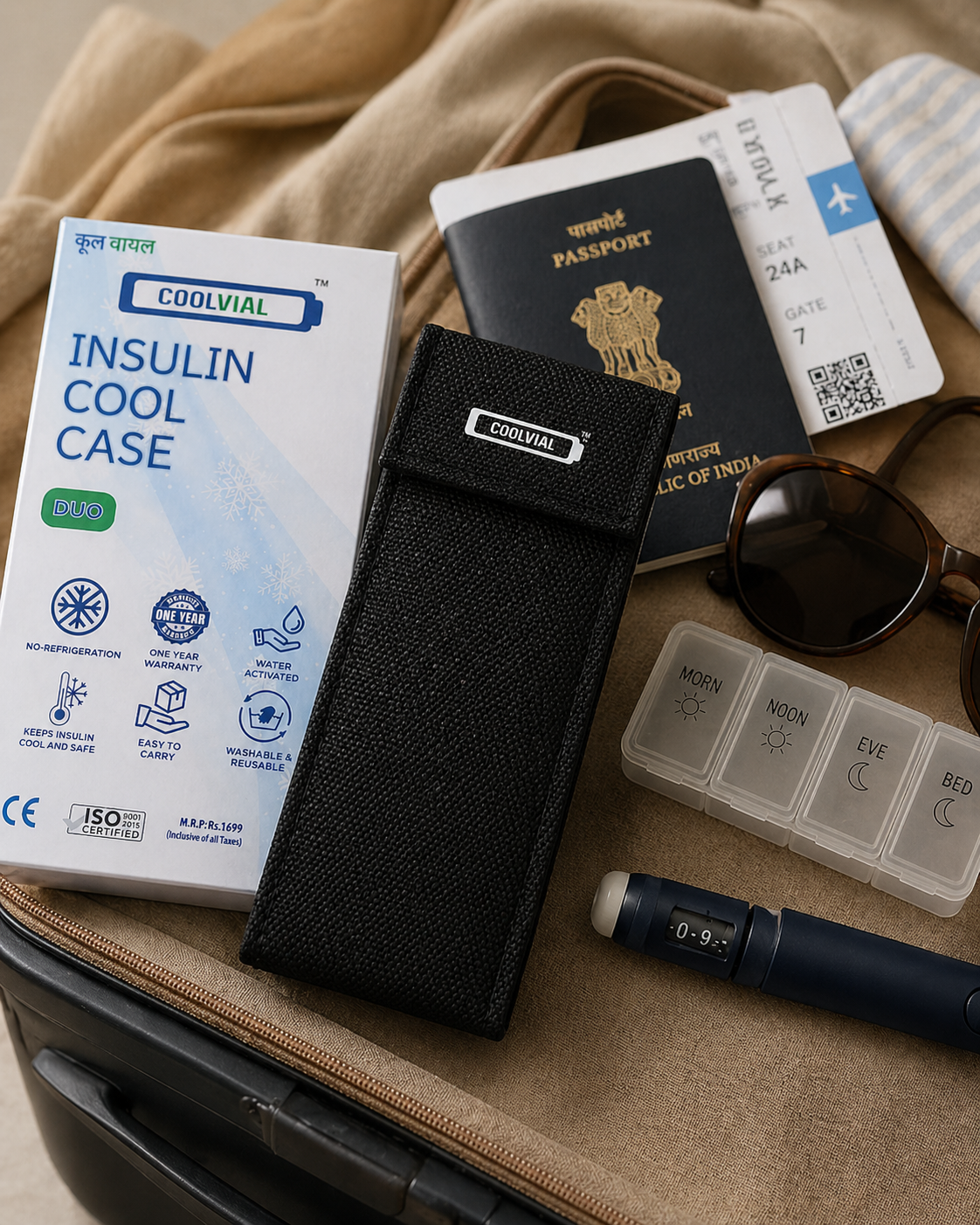
- Portability and Convenience: The compact and lightweight design of the COOLVIAL cool case makes it easy to carry, whether you’re commuting to work, embarking on a family vacation, or simply need a safe place for your insulin during a local power outage. It seamlessly integrates into your daily life and travel plans.
- Cost-Effective Solution: At just ₹1,099, the COOLVIAL insulin cool case offers an accessible solution for millions of Indian families. Investing in a quality cool case like COOLVIAL is a small price to pay for the peace of mind and protection it offers to life-saving medication.
- Durability for Daily Use: Built to withstand regular use, COOLVIAL cases are robust and durable, ensuring they remain a reliable part of your emergency insulin storage kit for years to come.
Integrating a COOLVIAL insulin cool case into your emergency insulin storage kit elevates its effectiveness significantly. It addresses the most common and critical threat to insulin—temperature instability—with a product tailored for the Indian environment. When unexpected events occur, having a COOLVIAL cool case means you won’t have to worry about your insulin’s integrity, allowing you to focus on your health and well-being. This investment is an investment in uninterrupted diabetes management and a healthier life.
Quick Reference: Essential Checklist and FAQs for Insulin Storage
Having a well-organized emergency insulin storage kit is crucial. This quick reference guide provides a checklist for your kit and answers some common questions to ensure you’re always prepared.
Emergency Insulin Storage Kit Checklist:
- COOLVIAL Insulin Cool Case: Your primary temperature control solution.
- Backup Cooling Elements: Pre-chilled gel packs or small ice packs.
- Digital Thermometer: With min/max function to monitor temperatures.
- 7-Day Insulin Supply: Extra vials/pens of your current insulin.
- Injection Supplies: Needles, alcohol swabs, lancets, testing strips.
- Emergency Contact Card: Doctor, pharmacy, trusted family/friend.
- Medication List/Prescriptions: Doses, allergies, doctor’s details.
- Waterproof Bag: To protect contents from moisture.
- Small Flashlight/Headlamp: For low-light situations during power cuts.
- Hand Sanitizer: For hygiene before injections, especially when travelling.
Frequently Asked Questions (FAQs) for Insulin Storage:
Q: What happens if insulin gets too hot? A: If insulin gets too hot (above 30°C), its protein structure can degrade, making it less effective or completely ineffective. This can lead to dangerously high blood sugar levels. Even if it looks normal, it may be compromised.
Q: Can I use frozen insulin after it thaws? A: No, insulin that has been frozen should never be used, even if it thaws and appears normal. Freezing irreversibly damages the insulin molecules, rendering them ineffective and potentially harmful.
Q: How long can insulin be kept out of the refrigerator in an emergency? A: Unopened insulin should ideally stay refrigerated (2-8°C). Once opened, most insulin can be stored at controlled room temperature (15-25°C) for up to 28 days. In an emergency, a quality cool case like COOLVIAL can maintain these temperatures for many hours, protecting it from ambient heat.
Q: Is it safe to travel with insulin on long journeys in India? A: Yes, it is safe to travel with insulin on long journeys in India, provided you use a reliable insulin cool case. This will protect your insulin from fluctuating temperatures in buses, trains, or even during flight layovers. Always carry insulin in your hand luggage if flying.
Q: What should I do if I suspect my insulin has been exposed to extreme temperatures? A: If you suspect your insulin has been exposed to extreme temperatures (too hot or frozen), it’s safest to discard it and use a fresh vial or pen from your properly stored supply. Consult your doctor or pharmacist if you have any doubts about its potency.
Conclusion
Building a robust emergency insulin storage kit every Indian household should own is an act of proactive care, ensuring that life-sustaining medication remains effective, come what may. India’s unique climate, infrastructure challenges, and vibrant travel culture necessitate a well-thought-out strategy for insulin management beyond daily routines. By understanding the science of insulin stability and assembling the 7 essential components discussed, you empower yourself and your loved ones with the resilience needed to face unexpected power cuts, travel disruptions, or extreme weather conditions.
Prioritizing safe insulin storage is not merely about convenience; it’s about maintaining consistent blood sugar control and preventing potentially serious health complications. The investment in a comprehensive kit, spearheaded by a reliable solution like the COOLVIAL insulin cool case, offers invaluable peace of mind. Don’t wait for an emergency to realize the importance of proper insulin protection. Take the proactive step today to secure your health.
To get your essential COOLVIAL cool case and complete your emergency insulin storage kit, you can easily buy COOLVIAL at ₹1,099 via WhatsApp. Simply message us at wa.me/918766952300 and ensure your insulin is always safe, no matter where life takes you in India. For more detailed insulin storage tips, visit our mission page.
The Complete 7-Point Emergency Insulin Storage Kit Every Indian Household Should Own
Keep your insulin safe in India's extreme heat. COOLVIAL works for 48+ hours without electricity.