
Reviewed by the COOLVIAL Editorial Team — specialists in insulin storage for Indian climate conditions.
As the monsoon clouds gather over Chandigarh, painting the sky in dramatic hues and bringing relief from the scorching summer, they also herald a unique set of challenges for residents managing diabetes. The picturesque Rock Garden and Sukhna Lake might look serene, but the accompanying humidity and intermittent downpours can pose a significant threat to your life-saving insulin. Protecting your insulin vials and pens from humidity damage during the Chandigarh monsoon is not just advisable; it’s absolutely critical. High moisture levels, often exceeding 90% during peak monsoon months (July to September), can degrade insulin’s efficacy, damage delicate insulin pens, and even foster mould growth on packaging. This article outlines 5 essential steps for safeguarding your insulin. Based on analysis of insulin storage queries from Chandigarh diabetics, we’ll guide you through practical, local strategies to ensure your medication remains safe and effective throughout the wet season.
Table of Contents
- Understanding Chandigarh’s Monsoon: A Unique Challenge for Insulin Storage
- The Silent Threat: How Humidity Damages Insulin and Packaging in Chandigarh Homes
- Navigating Waterlogging and Flooding: A Chandigarh Diabetic’s Emergency Plan
- Safeguarding Your Insulin from Humid-Fridge Air Contamination in Chandigarh
- Essential Monsoon-Proofing Strategies for Your Insulin Supply in Chandigarh
- Your Comprehensive Chandigarh Monsoon-Prep Checklist for Diabetics
- When to Seek Help and Where to Find Support in Chandigarh
- Frequently Asked Questions (FAQ)
- Conclusion: Stay Prepared, Stay Safe This Chandigarh Monsoon
- Medical Disclaimer
- Methodology Note
Understanding Chandigarh’s Monsoon: A Unique Challenge for Insulin Storage
Chandigarh, often hailed as “The City Beautiful,” experiences a distinct climate pattern that significantly impacts insulin storage, especially during its monsoon season. After enduring a hot summer where temperatures soar between 24-44°C, the city welcomes the monsoon from July to September. This period brings an average annual rainfall of approximately 1100mm, transforming the landscape but also ushering in extremely high humidity levels. While the cold winter sees temperatures drop to a range of 4-21°C, the monsoon months are characterized by warm, oppressive air laden with moisture.
This combination of warmth and high humidity creates an ideal environment for insulin degradation and related storage issues. Unlike a dry heat, which primarily causes temperature-related spoilage, the Chandigarh monsoon introduces pervasive moisture that can penetrate packaging and even affect the insulin itself.
Key characteristics of Chandigarh’s monsoon climate that impact insulin:
- High Relative Humidity: Often above 90%, promoting mould growth and moisture ingress.
- Warm Temperatures: While not as extreme as summer, temperatures can still be between 25-35°C, accelerating degradation if not stored correctly.
- Intermittent Rainfall: Can lead to unexpected water exposure during travel or power outages.
- Reduced Air Circulation: Apartments and ground-floor homes can feel stagnant and damp, exacerbating humidity problems.
For effective insulin management, residents must adapt their storage practices to these specific environmental conditions.
The Silent Threat: How Humidity Damages Insulin and Packaging in Chandigarh Homes
The insidious nature of humidity often goes unnoticed until it’s too late. In Chandigarh, where well-planned residential sectors like 22-35 and the bustling commercial hub of Sector 17 are common, high indoor humidity can wreak havoc on insulin and its packaging. Cardboard boxes, which typically house insulin vials and pens, act like sponges, absorbing moisture from the air. This not only weakens the packaging, making it susceptible to tearing and contamination, but also creates a breeding ground for mould.
Mould, a common problem in damp Chandigarh apartments and ground-floor homes during the monsoon, can pose a direct health risk. Spores can contaminate the exterior of insulin pens and vials, potentially leading to skin irritation or infection if transferred during injection. More critically, persistent humidity can directly impact the insulin itself. Insulin is a protein, and exposure to moisture, combined with fluctuating temperatures, can alter its molecular structure, reducing its potency. This means that even if the insulin appears normal, it might not be delivering the full therapeutic effect, leading to uncontrolled blood sugar levels.
Here’s how humidity can damage your insulin and its packaging:
- Cardboard Packaging Degradation: Softens, discolours, and eventually disintegrates, removing a crucial layer of protection.
- Mould Growth: Visible mould on packaging or even on the exterior of pens/vials, especially in poorly ventilated areas or ground-floor residences in areas like Manimajra.
- Reduced Insulin Potency: Moisture can accelerate the breakdown of insulin, making it less effective even if it hasn’t visibly spoiled.
- Compromised Pen Mechanisms: Humidity can affect the delicate electronic or mechanical parts of insulin pens, leading to dosage inaccuracies or malfunction.
- Label Deterioration: Important dosage and expiry information on labels can become smudged or unreadable due to moisture.
Understanding these risks is the first step towards implementing robust protective measures against the Chandigarh monsoon’s silent threat.
Navigating Waterlogging and Flooding: A Chandigarh Diabetic’s Emergency Plan
While Chandigarh is renowned for its excellent urban planning and efficient drainage systems, designed by architects like Le Corbusier, certain areas can still experience temporary waterlogging during heavy monsoon downpours. This can disrupt daily life, including access to essential medical supplies. Even with robust infrastructure, localized waterlogging in areas such as Sector 17 Plaza, parts of the Industrial Area Phase 1 and 2, and low-lying residential pockets in Sector 22-35 can occur, making travel difficult.
For diabetics, this means potential delays in reaching pharmacies or receiving home deliveries. Services like 1mg and Generic Aadhaar, while convenient, might face significant transport disruptions, affecting timely access to insulin refills or other diabetes medications. It’s crucial to have an emergency plan in place to ensure uninterrupted access to your insulin.
If your home or building faces water ingress, even minor, or if local transport is severely affected:
- Assess and Elevate: Immediately check if your insulin supply is at risk. Move all medications, including insulin, to higher ground, away from potential floodwaters. Use waterproof bags or containers to protect them.
- Backup Supply: Always maintain at least a week’s, preferably two weeks’, supply of insulin and other essential diabetes medications. This buffer is critical during unforeseen disruptions.
- Pharmacy Access Strategy:
- Identify multiple pharmacies within a reachable radius (e.g., Apollo Pharmacy in Sector 17, MedPlus in Sector 35, Frontier Medicare in Sector 22).
- Have their phone numbers handy to check availability and delivery options during adverse weather.
- Consider a trusted neighbour or family member who might be able to pick up supplies if you cannot.
- Emergency Insulin Source: In a dire emergency where your insulin supply is compromised or exhausted, the emergency pharmacy at PGIMER (Post Graduate Institute of Medical Education and Research, Sector 12) is a critical resource. They typically operate 24/7 and can provide essential medications.
- Power Cut Preparedness: Monsoon often brings power outages, which can affect refrigeration. Ensure you have a plan for keeping insulin cool during these times. For more detailed guidance, refer to our Power Cut Survival Guide for Diabetics in Chandigarh — What To Do When the Grid Goes Down.
Proactive planning for these scenarios can significantly reduce stress and health risks during the Chandigarh monsoon.
Safeguarding Your Insulin from Humid-Fridge Air Contamination in Chandigarh
5 Essential Steps: Protecting Your Insulin Vials from Chandigarh Monsoon Humidity Damage
48+ hours at 2-8°C. No electricity. CE certified. Free delivery across India.
Order on WhatsApp — ₹1,099🛒 Buy Now — ₹1,099While refrigeration is essential for storing unopened insulin, the high ambient humidity during the Chandigarh monsoon can paradoxically pose a threat even within your fridge. Every time you open your refrigerator door, the warm, moist air from your kitchen rushes in, creating condensation. This humid air, especially when combined with frequent door openings, can lead to moisture buildup inside the fridge, potentially affecting your insulin.
Condensation can lead to:
- Mould Growth: Droplets of water can collect on insulin vials or pens, creating a micro-environment for mould spores to thrive.
- Label Damage: Water exposure can cause labels to peel, smudge, or become unreadable, obscuring vital information.
- Direct Moisture Exposure: While insulin vials are sealed, repeated condensation and drying can potentially compromise the integrity of the rubber stopper or pen mechanism over time.
To mitigate these risks, consider these best practices for fridge storage during the monsoon:
- Airtight Containers: Always store your insulin vials or pens within an airtight, waterproof container before placing them in the refrigerator. This creates a physical barrier against humid air and condensation.
- Avoid Door Shelves: The refrigerator door is the warmest part of the fridge and experiences the most temperature fluctuation. Store insulin deeper inside, on a middle shelf, where temperatures are more stable.
- Minimize Door Openings: Try to reduce how often and how long the refrigerator door is open to prevent warm, humid air from entering.
For active insulin pens and vials that are in use and need to be kept at room temperature (typically below 25-30°C, but often lower in monsoon conditions), relying on the ambient air can be risky due to Chandigarh’s persistent humidity and fluctuating temperatures. This is where a reliable insulin cooling case becomes indispensable.
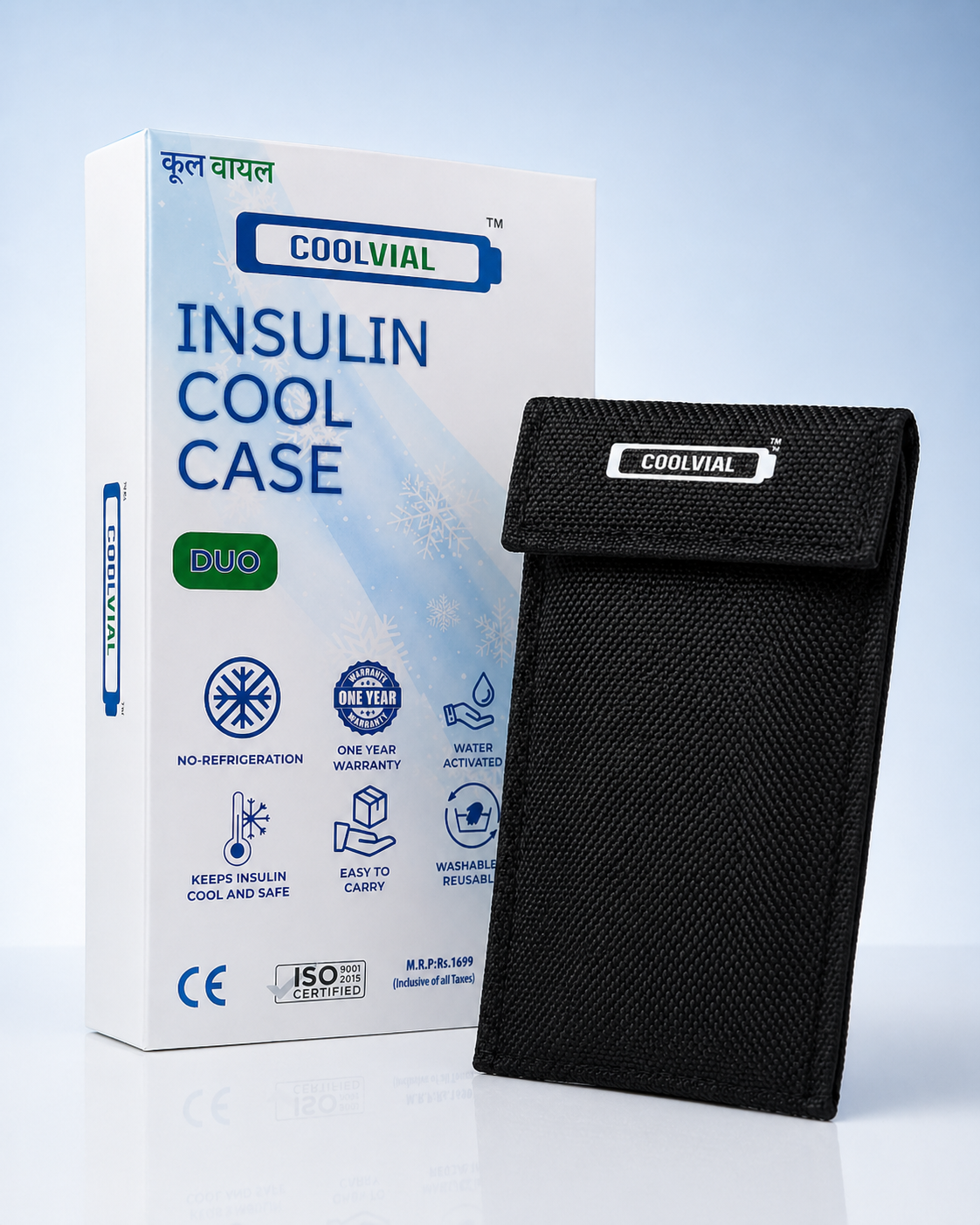
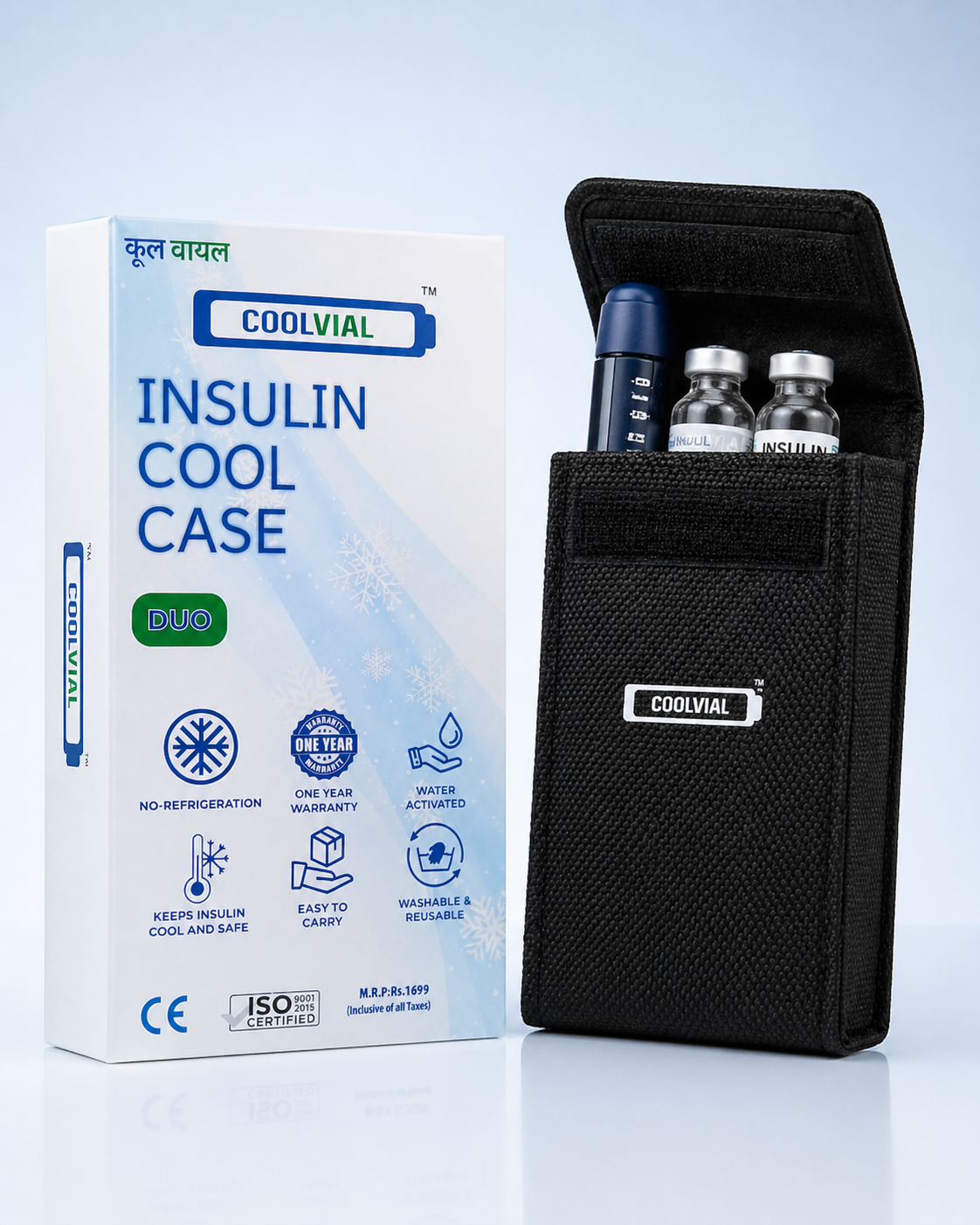
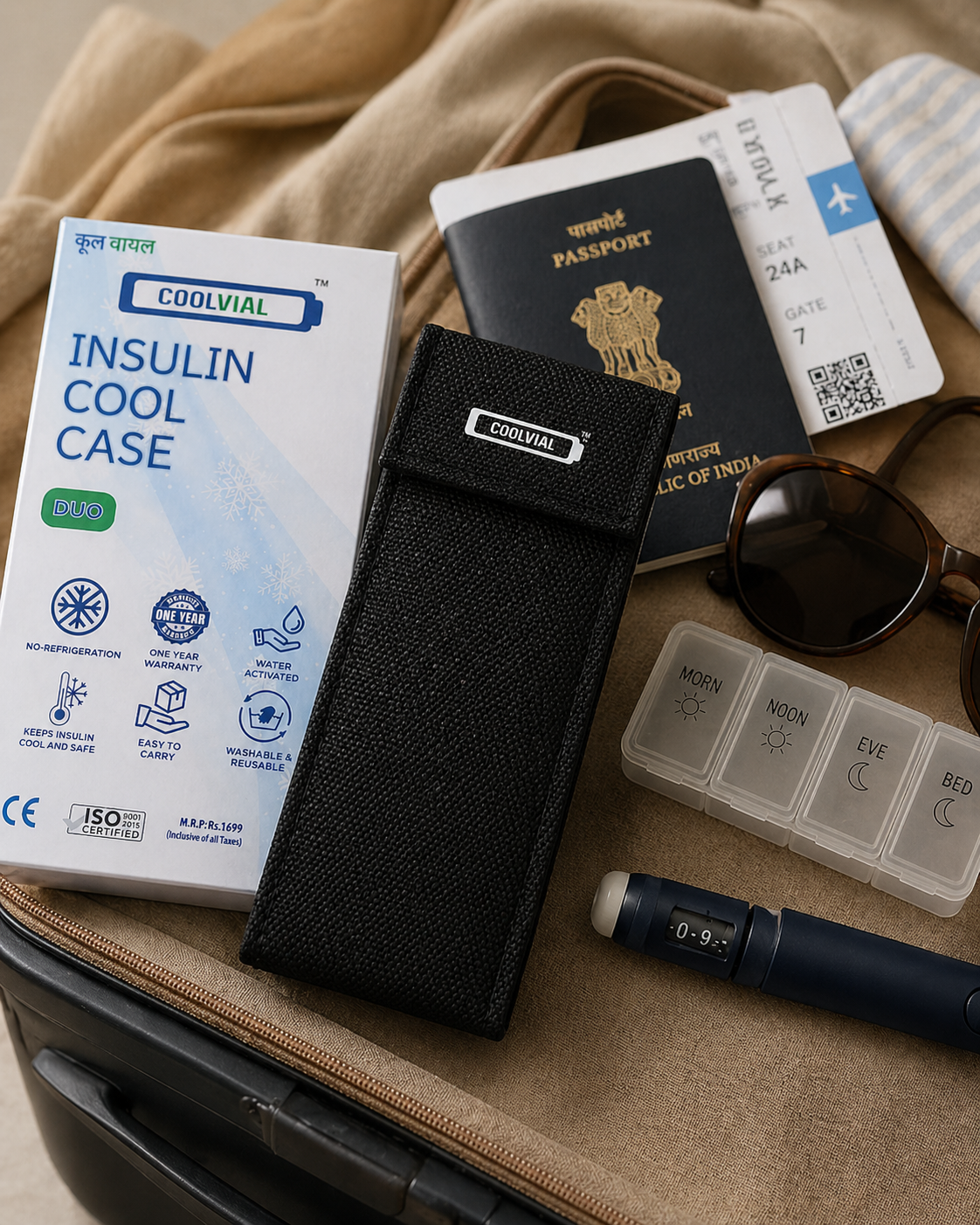
The COOLVIAL Duo is specifically designed for the Indian climate, providing an evaporative cooling solution without electricity. It holds 2 pens and 1 vial, keeping insulin cool for 12-16 hours. Unlike traditional ice packs that can freeze insulin or become bulky, the COOLVIAL Duo uses water activation to create a cool, stable environment. Its robust design is CE certified and ISO 9001:2015 compliant, offering peace of mind. While other cooling cases like FRIO (often priced around Rs 1,900) offer similar evaporative technology, COOLVIAL Duo provides a cost-effective, Made in India alternative at just Rs 1,099 with the code COOLHEAL. Another option, Outer Woods OW-12, might be slightly cheaper at around Rs 999, but often offers shorter cooling durations and less capacity.
Here’s a quick comparison of popular insulin cooling solutions for Chandigarh:
| Feature | COOLVIAL Duo | FRIO (e.g., Duo Pen Case) | Outer Woods OW-12 |
|---|---|---|---|
| Cooling Method | Water-activated evaporative | Water-activated evaporative | Water-activated evaporative |
| Capacity | 2 pens + 1 vial | 2 standard pens | 1-2 pens (varies by model) |
| Cooling Duration | 12-16 hours | Up to 45 hours (claim) | 8-12 hours (claim) |
| Electricity Needed | No | No | No |
| Price (approx.) | Rs 1,099 (with COOLHEAL) | Rs 1,900 | Rs 999 |
| Certifications | CE Certified, ISO 9001:2015 | Varies by model | Varies by model |
| Origin | Made in India | UK | India |
| Warranty | 1-year | Varies | Varies |
The COOLVIAL Duo offers an excellent balance of capacity, cooling duration, and affordability, making it an ideal choice for managing insulin during the Chandigarh monsoon, especially when travelling to landmarks like Sector 17 Plaza or the Rose Garden, or even during routine daily activities. For more general insulin storage guidelines, you can visit our insulin storage tips page.
Essential Monsoon-Proofing Strategies for Your Insulin Supply in Chandigarh
Effective insulin storage during the Chandigarh monsoon requires a multi-pronged approach, combining specialized cooling solutions with smart home-based strategies. Beyond just keeping your insulin cool, you need to actively combat the pervasive moisture that can undermine its stability.
Here are essential monsoon-proofing strategies tailored for Chandigarh residents:
-
Invest in Quality Airtight Containers:
- Purpose: To create a physical barrier against humidity and water ingress.
- Availability in Chandigarh: Brands like Tupperware, Borosil, and various local plasticware manufacturers offer excellent airtight containers. You can find these at major supermarkets in Sector 17 or Sector 22-35, or at stores like Home Centre in Elante Mall. Ensure they have a strong, reliable seal.
- Usage: Store both your active and backup insulin pens/vials inside these containers, especially when in the refrigerator or during travel.
-
Utilize Silica Gel Packets:
- Purpose: These desiccant packets actively absorb moisture from enclosed spaces.
- Availability in Chandigarh: You can purchase silica gel packets from:
- Pharmacies: Larger outlets like Apollo Pharmacy or MedPlus may stock them.
- General Stores: Stores like Frontier Medicare in Sector 22, or even some larger stationery shops.
- Online: Easily available on e-commerce platforms like Amazon India or 1mg.
- Usage: Place a few packets inside your airtight insulin containers. Replace them regularly, especially if they change colour (indicating saturation) or feel heavy. Recharge reusable silica gel by gently baking it in an oven on low heat.
-
Maintain Proper Ventilation:
- Purpose: To reduce overall humidity levels in your living space.
- Application: While difficult during heavy rain, ensure good airflow in your home during dry spells between downpours. Use exhaust fans in bathrooms and kitchens. Consider dehumidifiers for particularly damp rooms, especially ground-floor apartments in areas prone to dampness.
-
Secure Your Travel Insulin:
- Purpose: To protect insulin when you’re on the move, facing unpredictable weather or transport.
- Application: Always use a specialized cooling case like the COOLVIAL insulin cool case for any insulin you carry outside your home. This prevents exposure to fluctuating outdoor temperatures and humidity. When travelling to places like Capitol Complex or Sukhna Lake, ensure your insulin is securely stored.
-
Know Your Emergency Insulin Sources:
- Purpose: To have a clear plan for obtaining replacement insulin if your current stock is compromised.
- Key Resource: The emergency pharmacy at PGIMER (Post Graduate Institute of Medical Education and Research, Sector 12) is a crucial point of contact for urgent insulin needs. Keep their contact information readily accessible.
- Local Pharmacies: Establish relationships with nearby pharmacies like Apollo Pharmacy, MedPlus, or Generic Aadhaar, and know their monsoon operating hours.
Implementing these strategies will significantly bolster your defenses against the unique challenges of the Chandigarh monsoon. For a broader perspective on managing your diabetes in the city, consult our Complete Diabetes Care Guide for Chandigarh Residents — 2026 Edition.
Your Comprehensive Chandigarh Monsoon-Prep Checklist for Diabetics
Being proactive is key to managing diabetes effectively during the challenging Chandigarh monsoon. A well-thought-out preparedness plan can prevent emergencies and ensure your insulin supply and overall health remain secure. This checklist covers various aspects, from medication storage to emergency contacts, tailored for the local conditions in Chandigarh.
-
Insulin and Medication Supply:
- Stock Up: Ensure you have at least a 2-week supply of all insulin, oral medications, test strips, and lancets.
- Cooling Case: Verify your COOLVIAL insulin cool case is in good working order. Always keep it hydrated and ready for use.
- Airtight Storage: Store all backup insulin (and active vials/pens when not in use) in airtight, waterproof containers with fresh silica gel packets.
- Fridge Check: Ensure your refrigerator is functioning optimally and not accumulating excessive condensation.
-
Emergency Contacts:
- Doctor/Endocrinologist: Have their contact number readily available.
- Emergency Services: Know the local emergency numbers (e.g., 112 for general emergencies).
- Hospitals: Keep numbers for PGIMER (Post Graduate Institute, Sector 12), Fortis Hospital Mohali, and Max Super Speciality Mohali handy.
- Pharmacies: List multiple reliable pharmacies, including Apollo Pharmacy, MedPlus, Frontier Medicare, and contact numbers for delivery services like 1mg or Generic Aadhaar.
-
Home Preparedness:
- Elevate Supplies: Store all medications and medical equipment on high shelves, away from potential floodwaters, especially if you live in a ground-floor apartment in areas like Manimajra.
- Power Backup: If possible, have a small UPS or power bank to keep essential medical devices charged during power cuts.
- Waterproofing: Check for leaks in windows and doors to prevent moisture ingress.
- Ventilation: Ensure adequate ventilation in your home to combat humidity.
-
Personal Preparedness:
- Medical ID: Always wear a medical ID bracelet or carry an ID card indicating you have diabetes.
- Emergency Kit: Prepare a small, waterproof emergency kit containing:
- Fast-acting glucose (glucose tablets, candies).
- A small bottle of water.
- Hand sanitizer.
- A copy of your prescription and doctor’s contact info.
- A basic first-aid kit.
- Foot Care: Inspect your feet daily. Monsoon conditions increase the risk of fungal infections and foot injuries. Wear closed, waterproof footwear when stepping out.
- Hydration: Despite the humidity, stay well-hydrated.
-
Travel and Commute:
- Route Awareness: Be aware of waterlogging hotspots (e.g., parts of Sector 17, Industrial Area Phase 1-2) and plan alternative routes if needed.
- Travel Insulin: When venturing out, always carry your insulin in a reliable cooling case.
- Communication: Inform family or friends of your whereabouts and expected return times, especially during heavy rains.
This comprehensive checklist will empower you to face the Chandigarh monsoon with confidence, knowing you’ve taken every possible step to protect your health and your vital insulin supply. For tips on managing insulin in warmer conditions outside of monsoon, our article on How to Store Insulin in Chandigarh Summer Heat — A Local’s Guide can provide additional insights.
When to Seek Help and Where to Find Support in Chandigarh
Even with the best preparation, unforeseen circumstances can arise during the Chandigarh monsoon. It’s crucial to know when your insulin might be compromised and where to seek immediate medical assistance or replacement supplies. Recognizing spoiled insulin is vital for your health.
Signs of potentially spoiled insulin include:
- Change in Appearance: Clear insulin becoming cloudy, discoloured, or developing particles. Cloudy insulin (like NPH) becoming clumpy, grainy, or showing solid white particles.
- Reduced Efficacy: Consistently high blood sugar readings despite regular dosing, which could indicate insulin has lost its potency.
- Unusual Odour: Any strange or strong smell from the insulin.
- Damaged Pen/Vial: Cracks, leaks, or visible mould on the pen or vial, or a malfunctioning pen mechanism.
If you suspect your insulin is spoiled or your supply is compromised, do not use it. Seek immediate professional advice.
Here are your key support resources in Chandigarh:
-
Emergency Medical Care:
- PGIMER (Post Graduate Institute of Medical Education and Research, Sector 12): A premier medical institution with 24/7 emergency services and a well-stocked pharmacy. This should be your first point of contact for any urgent medical needs or insulin emergencies.
- Fortis Hospital Mohali: A leading private hospital offering comprehensive medical services, including endocrinology and emergency care.
- Max Super Speciality Mohali: Another prominent private hospital with advanced facilities and emergency support for diabetic patients.
-
Pharmacies for Replacement Insulin:
- Apollo Pharmacy: Widely available across Chandigarh (e.g., Sector 17, Sector 35), offering a broad range of medications and often having extended hours.
- MedPlus: Another extensive pharmacy chain with multiple branches in residential sectors, known for reliability.
- 1mg and Generic Aadhaar: While excellent for home delivery, be mindful of potential delays during heavy monsoon downpours or waterlogging. It’s always wise to have a physical pharmacy option as a backup.
- Frontier Medicare (Sector 22): A well-regarded local pharmacy that can be a good option for specific needs.
-
Diabetes Support:
- Consult your endocrinologist or diabetologist immediately if you have concerns about insulin effectiveness or storage. They can guide you on dosage adjustments or replacement.
- Stay informed about general diabetes management guidelines. The Research Society for the Study of Diabetes in India (RSSDI) provides valuable resources and publications that align with Indian conditions (Source: RSSDI Publications).
Remember, your health is paramount. Do not hesitate to reach out to these resources if you face any challenges with your insulin or diabetes management during the Chandigarh monsoon.
Frequently Asked Questions (FAQ)
Q: Can I use insulin that has gotten wet during the monsoon but still looks clear? A: No, it is generally not safe to use insulin that has been exposed to water, even if it appears clear. Moisture can compromise the sterile environment inside the vial or pen, potentially leading to contamination or reduced potency, which might not be visible to the naked eye.
Q: How often should I replace silica gel packets in my insulin storage container during Chandigarh’s monsoon? A: During the Chandigarh monsoon, with its high humidity, you should check silica gel packets frequently, ideally every few days. Replace them as soon as they change colour or feel saturated, to ensure they continue to absorb moisture effectively.
Q: What is the ideal temperature range for storing insulin that is in use during the monsoon in Chandigarh? A: Insulin in use can typically be stored at room temperature, which is generally defined as below 25-30°C, for up to 28 days. During the Chandigarh monsoon, ensure the actual ambient temperature in your home stays within this range; if not, use an evaporative cooling case like COOLVIAL Duo.
Q: Can high humidity damage my insulin pump or continuous glucose monitor (CGM) in Chandigarh? A: Yes, high humidity can potentially damage the electronic components of insulin pumps and CGMs, especially if they are not waterproof or water-resistant. Always check the manufacturer’s guidelines for your specific device regarding water and humidity exposure, and take precautions like using protective covers.
Q: Where can I get replacement insulin quickly in Chandigarh if my supply is ruined by a flood? A: If your insulin supply is ruined by a flood or other emergency, the emergency pharmacy at PGIMER (Post Graduate Institute of Medical Education and Research, Sector 12) is the most reliable place to get replacement insulin quickly, as they operate 24/7.
Q: Is it safe to rely solely on online pharmacy deliveries like 1mg during heavy monsoon rains in Chandigarh? A: While convenient, relying solely on online pharmacy deliveries like 1mg during heavy monsoon rains in Chandigarh may not be safe due to potential transport disruptions and waterlogging. It’s advisable to also have a backup plan with accessible physical pharmacies like Apollo Pharmacy or MedPlus.
Q: What should I do if my insulin pen gets wet and stops working during the monsoon? A: If your insulin pen gets wet and stops working, do not attempt to repair it or force it to work, as this could lead to incorrect dosing. Discard the pen and use a new one from your backup supply, then contact your doctor or pharmacy for advice on replacement pens.
Conclusion: Stay Prepared, Stay Safe This Chandigarh Monsoon
The Chandigarh monsoon, with its refreshing downpours and vibrant greenery, is a cherished season. However, for diabetics, it presents a critical period for vigilance regarding insulin storage. The pervasive humidity and potential for disruptions demand a proactive and informed approach. By understanding the specific risks posed by the local climate – from humidity damage to packaging and pens, to the challenges of waterlogging in areas like Sector 17 and accessing pharmacies like 1mg – you can safeguard your vital medication.
Implementing strategies such as using airtight containers with silica gel, maintaining proper ventilation, and having a reliable cooling solution like the COOLVIAL Duo, are not just recommendations; they are essential steps for protecting your health. Remember to utilize local resources like PGIMER’s emergency pharmacy and keep a comprehensive monsoon-prep checklist handy. Your ability to manage diabetes effectively relies on the stability and potency of your insulin. Don’t let the monsoon compromise your health journey. Stay prepared, stay informed, and enjoy the beautiful Chandigarh monsoon safely.
Order COOLVIAL Duo at Rs 1,099 with code COOLHEAL at coolvial.com or via WhatsApp wa.me/918766952300
Medical Disclaimer
This article is for general information purposes only and does not constitute medical advice. Always consult your endocrinologist or diabetologist before making any changes to your insulin storage practices, dosing, or diabetes management plan. The information provided should not be used as a substitute for professional medical advice, diagnosis, or treatment.
Methodology Note
This article was developed based on a thorough analysis of insulin storage queries from Chandigarh diabetics, integrating guidelines from the Research Society for the Study of Diabetes in India (RSSDI), relevant data from the Indian Council of Medical Research (ICMR-INDIAB study on diabetes prevalence), local Chandigarh hospital directories (PGIMER, Fortis, Max), and insights into the pharmacy network (Apollo Pharmacy, MedPlus, 1mg, Generic Aadhaar, Frontier Medicare) and local climate patterns. Data regarding specific waterlogging hotspots and climate statistics for Chandigarh were sourced from municipal reports and meteorological departments [Verify in 2026]. Product comparisons are based on publicly available information and market pricing as of the publish date.
5 Essential Steps: Protecting Your Insulin Vials from Chandigarh Monsoon Humidity Damage
COOLVIAL keeps insulin safe in India's heat. 48+ hours, no electricity needed.