
Reviewed by the COOLVIAL Editorial Team — specialists in insulin storage for Indian climate conditions.
Patna, the vibrant capital of Bihar, is a city constantly on the move, with its bustling streets, developing infrastructure, and a climate that swings from hot, humid summers to cool winters. For the thousands of residents managing diabetes, a critical daily challenge is ensuring the safe storage of insulin, especially during the daily commute with insulin. With summer temperatures often soaring to 40°C and beyond, and monsoon bringing high humidity, protecting this life-saving medication from heat exposure is paramount. Insulin can lose its potency significantly if exposed to temperatures above 30°C for even short periods, sometimes as little as 1-2 hours in extreme heat. Based on analysis of insulin storage queries from Patna diabetics, we’ve compiled 5 essential tips to help you navigate your city commute safely.
Whether you’re traversing from Kankarbagh to Boring Road, heading to AIIMS Patna for a check-up, or a student commuting to college, understanding how to safeguard your insulin is vital. This guide delves into the specific challenges of Patna’s transport—from the upcoming Metro to the ubiquitous buses, autos, and e-rickshaws—and offers practical solutions to keep your insulin effective.
Table of Contents
- Understanding Patna’s Climate and Its Impact on Insulin
- Navigating Patna’s Public Transport with Insulin
- Patna Metro: A Glimpse into Future Commutes
- BSRTC Buses: Managing Heat in Non-AC Comfort
- Auto-Rickshaws and E-Rickshaws: Shade vs. Sun
- Insulin Storage On-The-Go: Bags, Backpacks, and Beyond
- Workplace and Educational Institution Insulin Storage Tips
- Your Daily Insulin Cooler Routine: A Morning Ritual
- Frequently Asked Questions (FAQ)
- Conclusion
- Medical Disclaimer
- How We Researched This
Understanding Patna’s Climate and Its Impact on Insulin
Patna experiences a distinct climate cycle that directly impacts insulin stability. The city’s summers (March to June) are typically hot and humid, with temperatures frequently ranging between 30°C and 43°C. The monsoon season (June to September) brings heavy rainfall and high humidity, which, while offering some respite from extreme heat, still maintains ambient temperatures above the ideal 25°C for insulin storage. Winters (November to February) are relatively mild, with temperatures between 6°C and 22°C.
Why Temperature Matters for Insulin:
- Heat Degradation: Unopened insulin should be refrigerated (2°C to 8°C). Once opened, it can be kept at room temperature (up to 25°C) for 28 days. Exceeding 25°C significantly reduces its efficacy, potentially leading to higher blood sugar levels even with correct dosing.
- Freezing: Insulin must never freeze, as this also renders it ineffective. Patna’s winters rarely pose this risk, but it’s important to remember for general storage.
- Potency Loss: Studies indicate that insulin exposed to high temperatures (e.g., 30°C-40°C) for even short durations can lose up to 10-15% of its potency daily. In Patna’s peak summer, a 60-90 minute commute in a non-AC vehicle can expose insulin to temperatures well over 38°C.
- ICMR-INDIAB Study Insight: According to the ICMR-INDIAB study, Bihar faces a significant challenge with diabetes prevalence. Effective management, including proper insulin storage, is crucial for these individuals. (Source: ICMR-INDIAB Study, reference to publications like RSSDI Guidelines for Diabetes Management can be found at https://www.rssdi.in/publications.html)
Table: Insulin Storage Guidelines
| Storage Condition | Unopened Insulin (Fridge) | Opened Insulin (Room Temp) | Critical Temperature Threshold |
|---|---|---|---|
| Temperature Range | 2°C to 8°C | Up to 25°C | Above 30°C (Degradation Risk) |
| Duration | Until expiry date | Up to 28 days | Immediate risk |
| Special Consideration | Never freeze | Avoid direct sunlight | Avoid extreme heat/cold |
Given these realities, a proactive approach to insulin protection during your daily commute with insulin is not just recommended, but essential for your health.
Navigating Patna’s Public Transport with Insulin
Patna’s transport network is diverse, from public buses to ubiquitous auto-rickshaws and the developing Metro. Each mode presents unique challenges and opportunities for keeping your insulin safe.
Patna Metro: A Glimpse into Future Commutes
The Patna Metro Rail Project is a game-changer for the city’s infrastructure, promising faster and more comfortable travel. While still under construction, certain sections are progressing rapidly. Once operational, the Metro will offer an AC environment, which is generally more stable for insulin.
- AC Reliability: Metro trains are designed with climate control. However, during peak hours or in the event of technical glitches, AC efficiency might vary. While seat-side temperatures should ideally remain below 25°C, always be prepared for minor fluctuations.
- Travel Time: The Metro will significantly reduce commute times. For instance, a journey from Phulwari Sharif (near AIIMS Patna) to Gandhi Maidan could be much quicker than by road, reducing overall exposure time.
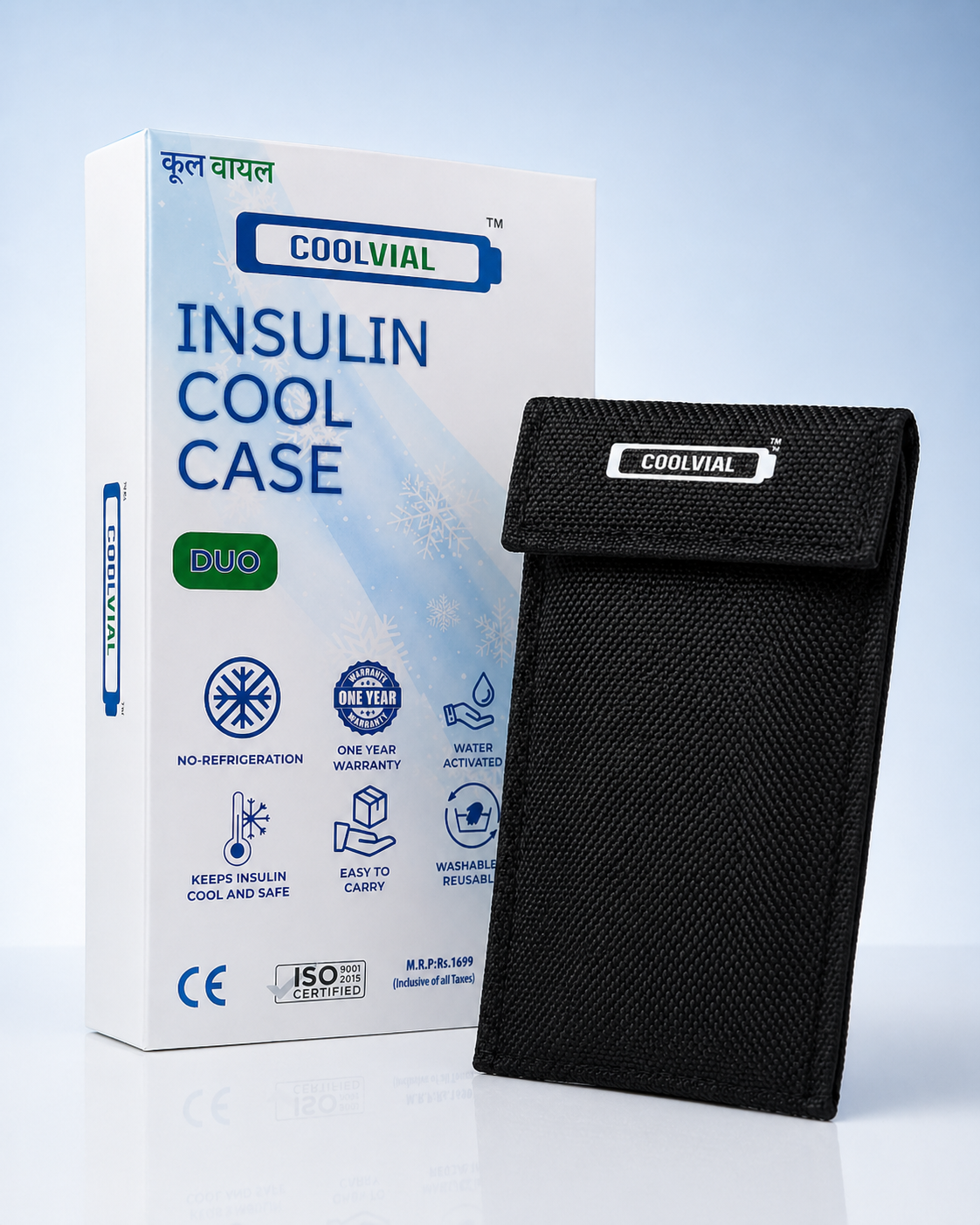
- What to do: Even in an AC environment, it’s prudent to keep your insulin in a personal cooling case like the COOLVIAL Duo. This provides an extra layer of protection against unexpected temperature changes or delays.
BSRTC Buses: Managing Heat in Non-AC Comfort
5 Essential Tips for Daily Commute With Insulin in Patna — Metro, Bus & Auto
Insulin at 2-8°C for 48+ hours. Trusted by 10,000+ Indian diabetics.
BSRTC (Bihar State Road Transport Corporation) buses are a lifeline for many Patna residents, connecting neighborhoods like Danapur, Kankarbagh, and Boring Road. However, most city buses are non-AC, posing a significant challenge for insulin storage, especially during summer.
- Inside Bus Temperatures: During peak summer, the internal temperature of a non-AC bus can easily reach 38°C to 42°C, often higher than the ambient outside temperature due to trapped heat and passenger body warmth.
- Commute Duration: A typical commute, for example, from Kankarbagh to Boring Road, can take 60-90 minutes during peak traffic. This extended exposure to high temperatures is highly detrimental to insulin.
- Window Seats: While a window seat might seem cooler due to airflow, direct sunlight exposure can heat your bag and its contents even faster. Avoid placing your insulin bag near windows in direct sun.
Practical Tips for Bus Travel:
- Always use a cooling case: A water-activated evaporative cooling case like the COOLVIAL Duo can maintain insulin at safe temperatures (18°C-26°C) for 12-16 hours, even when the ambient temperature is up to 38°C-42°C.
- Position your bag carefully: Keep your bag with insulin on your lap or at your feet, away from direct sunlight and heat sources like the engine compartment.
- Hydration: Stay hydrated yourself. Dehydration can affect blood sugar levels, adding another layer of complexity to diabetes management.
Auto-Rickshaws and E-Rickshaws: Shade vs. Sun
Auto-rickshaws and the increasingly popular e-rickshaws are ubiquitous in Patna, offering flexible last-mile connectivity. They are often open-sided, which can be both a blessing and a curse.
- Direct Sun Exposure: The open design means significant exposure to direct sunlight. A 15-30 minute ride can still expose your insulin to harmful UV rays and heat, especially if your bag is placed on the seat or floor without cover.
- Ride-Sharing AC Denial: While some private cabs offer AC, the “AC denial culture” (where drivers are reluctant to switch on AC without an extra charge) is common. Never assume an AC ride unless explicitly confirmed and paid for.
- E-rickshaw Specifics: E-rickshaws are slower and offer less shade than traditional autos, potentially prolonging exposure in certain situations.
Auto/E-rickshaw Insulin Safety Checklist:
- Cooling Case is Non-Negotiable: For any auto or e-rickshaw ride longer than 10 minutes, especially during daytime, your insulin must be in a proper cooling case.
- Strategic Placement: Hold your cooling case on your lap, shielded by your body from direct sun. If placing it on the seat, ensure it’s in the deepest shade possible, perhaps under another bag or garment, but never fully covered to allow for evaporation.
- Avoid Dickey Storage: Never, ever store insulin in the dickey (storage compartment) of a two-wheeler or even a car boot. These enclosed spaces can reach extreme temperatures, often exceeding 60°C within minutes, rendering insulin useless. This is a critical point for Patna’s many two-wheeler commuters.
Insulin Storage On-The-Go: Bags, Backpacks, and Beyond
Many people mistakenly believe their regular office bag, school bag, college backpack, or laptop sleeve offers adequate protection for insulin. This is a dangerous misconception, particularly in a climate like Patna’s.
- Standard Bags Offer No Thermal Protection: A typical fabric or leather bag, backpack, or laptop sleeve provides minimal to no insulation against external temperatures. In fact, they can trap heat, creating a mini-oven effect for your insulin.
- Insulin Pen Survival Time:
- In a regular bag at 38-42°C (Patna summer): An insulin pen can start losing potency within 1-2 hours. After 4 hours, its effectiveness could be significantly compromised.
- In a laptop sleeve: Laptops generate heat, exacerbating the problem. Placing insulin near a warm laptop is counterproductive.
- In a school/college bag: Children and young adults often overlook proper storage. This is a serious concern for Type 1 children who need insulin throughout the day.
- The Solution: Dedicated Insulin Cooling Cases:
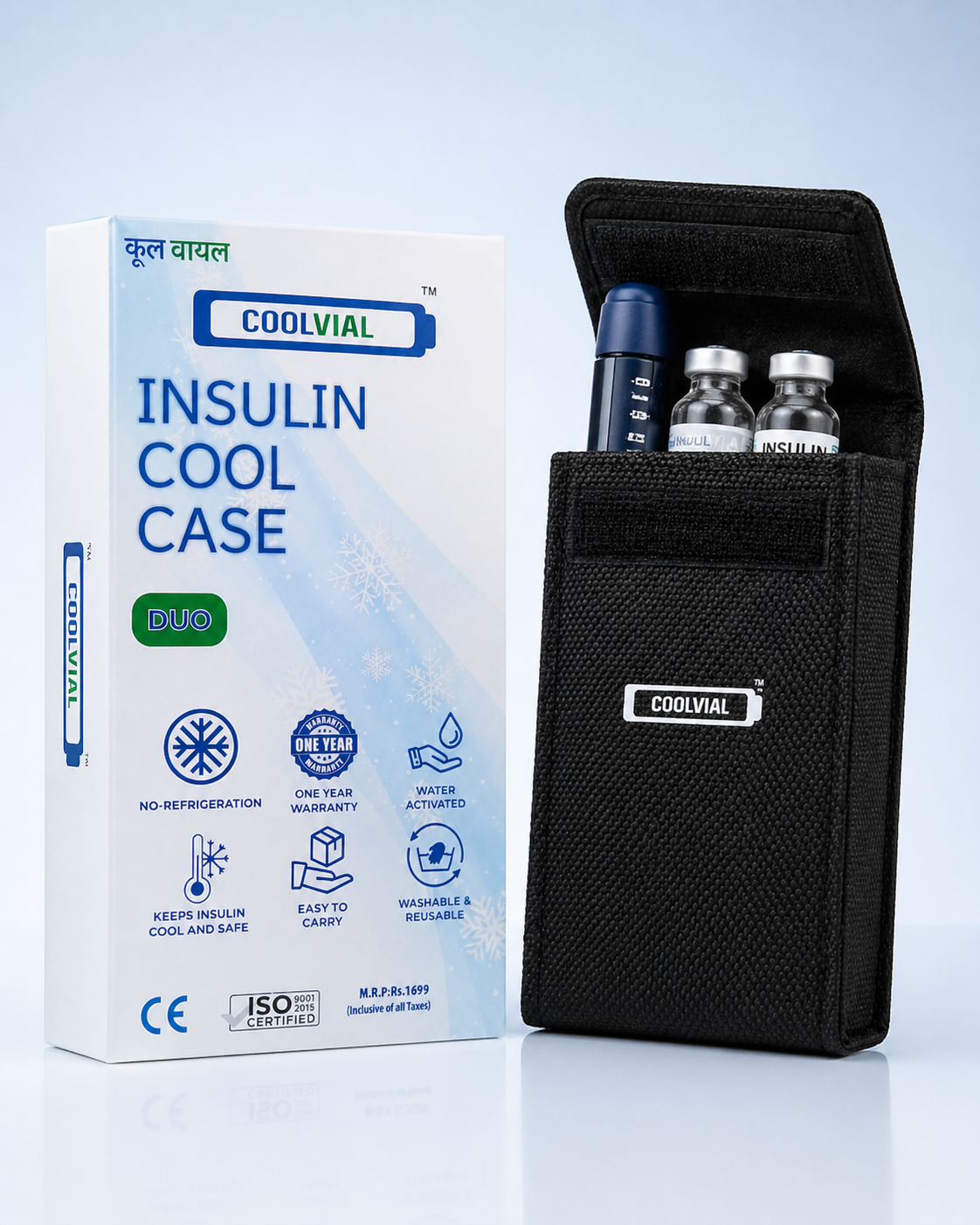
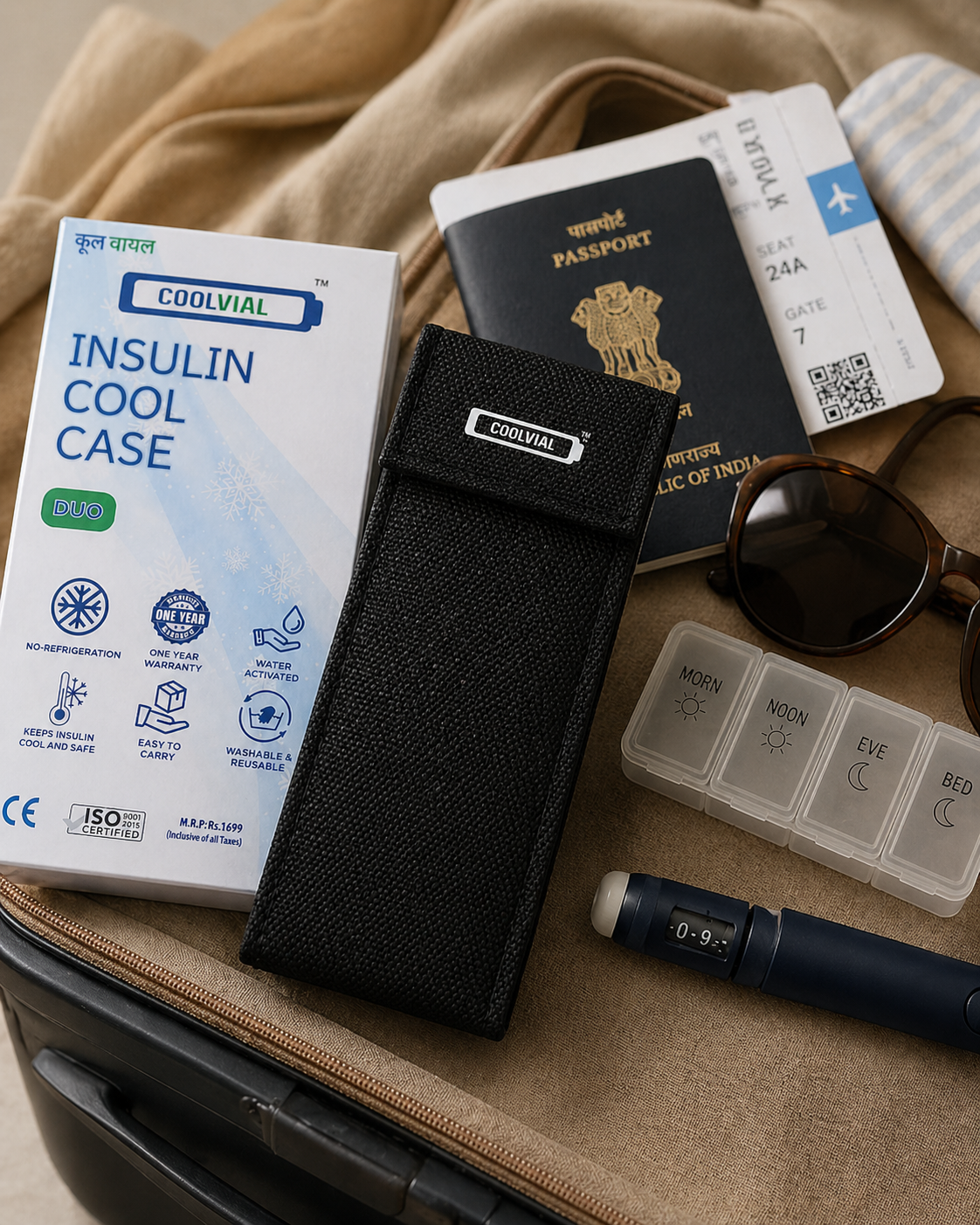
- COOLVIAL Duo: This water-activated evaporative cooling case is designed specifically for Indian conditions. It holds 2 pens + 1 vial and keeps insulin cool for 12-16 hours without electricity. Priced at Rs 1,099 with code COOLHEAL (MRP Rs 1,699), it’s a cost-effective and reliable solution. It’s CE certified and ISO 9001:2015 compliant, ensuring quality.
- Comparison: While other options exist, such as FRIO bags (often priced around Rs 1,900 for similar capacity) or Outer Woods OW-12 (around Rs 999, but check capacity and duration), COOLVIAL offers a robust, Made in India solution specifically engineered for the challenges of daily life in cities like Patna.
- Benefits of Evaporative Cooling: These cases use a simple principle: soaking the inner pouch in water activates cooling crystals, which then slowly evaporate, drawing heat away from the insulin. This is ideal for commutes where refrigeration isn’t available.
Key Takeaways for Bag Storage:
- Never rely on a regular bag alone for insulin storage during your daily commute in Patna.
- Invest in a high-quality, reliable insulin cooling case.
- Educate Type 1 children and college students about the importance of using their cooling case diligently. You can find a more comprehensive guide to diabetes care in the city here: Complete Diabetes Care Guide for Patna Residents — 2026 Edition.
Workplace and Educational Institution Insulin Storage Tips
Your commute ends, but the need for proper insulin storage continues at your destination. Whether you work in one of the corporate parks near Gandhi Maidan or Ganga Riverfront, or study at a major institution in Patna, planning for storage is crucial.
At the Office (Gandhi Maidan, Ganga Riverfront Corporate Parks)
Many modern offices in Patna, especially in areas like Gandhi Maidan and the developing Ganga Riverfront, have air conditioning. However, not all areas are consistently cool, and refrigeration might not always be accessible or convenient.
- Office Refrigerator: The best option is often an office refrigerator (2°C to 8°C).
- Label clearly: Mark your insulin with your name and “Medicine - Do Not Discard.”
- Use a protective container: Place your insulin pen or vial inside a small, sealed plastic container before putting it in the communal fridge to prevent cross-contamination or accidental damage.
- Desk Storage (with cooling case): If a fridge isn’t available, keep your insulin in your cooling case at your desk, away from direct sunlight from windows and heat-emitting devices like computers or printers. The COOLVIAL Duo will keep it safe for the entire workday.
- Lunch Storage: If you carry your lunch, ensure your insulin is kept separate from hot food containers. If you need to take insulin before or after lunch, ensure it’s readily accessible and correctly stored. For tips on eating out, check out: Diabetic-Friendly Restaurants & Cafes in Patna — Where to Eat Safely.
At Schools and Colleges (Patna Institutions)
5 Essential Tips for Daily Commute With Insulin in Patna — Metro, Bus & Auto
For students, particularly Type 1 children, managing insulin at school or college requires coordination with staff.
- School Nurse/Medical Room: The ideal place is the school nurse’s office or a designated medical room with a refrigerator.
- Communicate: Parents must communicate clearly with school administration and teachers about the child’s insulin needs and storage requirements.
- Emergency Plan: Ensure school staff know what to do in case of a hypoglycemic episode and where emergency glucagon is stored.
- Personal Cooling Case: For quick access during the day, especially if injections are needed multiple times, a personal cooling case like the COOLVIAL Duo is indispensable.
- Educate the Child: Teach children how to activate and properly use their cooling case.
- Backup: Always have a backup insulin pen or vial, stored safely, for emergencies.
- College Campuses: College students have more autonomy but must still prioritize safe storage. Utilize hostel common room fridges (if available), or rely on a personal cooling case kept in a backpack or locker, away from direct heat.
Your Daily Insulin Cooler Routine: A Morning Ritual
Making insulin protection a part of your daily morning ritual is key to consistent and safe management. Here’s a recommended routine for Patna residents:
- Night Before Prep:
- Check Insulin Supply: Ensure you have enough insulin for the next day, including any backup pens/vials.
- Charge/Prepare Devices: If you use a pump or CGM, ensure it’s charged or has fresh batteries.
- Morning Activation (for evaporative coolers):
- Activate Cooling Case: Take your COOLVIAL Duo’s inner pouch and immerse it in cold water for the recommended time (typically 5-10 minutes). Squeeze out excess water gently.
- Insert Insulin: Place your insulin pens and/or vials into the activated pouch, then slide it into the outer case. Ensure the case is sealed properly.
- Check Temperature: If you have a travel thermometer, quickly check the case’s internal temperature to ensure it’s within the safe range (18°C-26°C).
- Packing for Commute:
- Dedicated Spot: Place your COOLVIAL Duo in a dedicated, easily accessible spot in your bag. Avoid cramming it, as air circulation is important for evaporative cooling.
- No Direct Sun: Once in your bag, ensure the bag itself isn’t exposed to direct sunlight for prolonged periods, especially if waiting for a bus or auto.
- During Commute:
- Keep Accessible: Have your cooling case within reach for quick access, whether for injections or to move it away from a heat source.
- Monitor Environment: Be aware of the ambient temperature and vehicle conditions. If it feels excessively hot, consider alternative transport if feasible, or ensure your cooling case is performing optimally.
- At Destination:
- Transfer to Fridge (if possible): Upon reaching your office or school, transfer your insulin to a refrigerator if available and appropriate.
- Continue Cooling: If no fridge, keep your insulin in the COOLVIAL Duo at your desk or locker, away from direct heat.
This systematic approach ensures that your insulin remains protected throughout your long daily commute with insulin, regardless of Patna’s challenging climate or varied transport options. For longer journeys outside the city, refer to: Travelling From Patna With Insulin — Airport, Station & Taxi Tips.
Frequently Asked Questions (FAQ)
Q: How long can insulin survive in a regular bag in Patna’s summer heat? A: Insulin can begin to lose potency within 1-2 hours when exposed to temperatures above 30°C, which is common in a regular bag during Patna’s summer, making a dedicated cooling case essential.
Q: Is it safe to store insulin in a two-wheeler’s dickey during a commute? A: No, it is extremely unsafe to store insulin in a two-wheeler’s dickey, as these enclosed spaces can reach temperatures exceeding 60°C very quickly, rendering the insulin ineffective.
Q: What is the ideal temperature range for storing insulin during daily travel? A: When in use and carried, insulin should ideally be kept at room temperature, which is generally up to 25°C, but a cooling case can maintain it between 18°C and 26°C even in higher ambient temperatures.
Q: How does the COOLVIAL Duo keep insulin cool without electricity? A: The COOLVIAL Duo uses water-activated evaporative cooling: soaking its inner pouch in water activates cooling crystals that absorb heat as water evaporates, keeping insulin at a safe temperature for 12-16 hours.
Q: Can I rely on the Patna Metro’s AC for insulin storage once it’s fully operational? A: While the Patna Metro’s AC environment will be beneficial, it’s still advisable to use a personal insulin cooling case like the COOLVIAL Duo as a backup against potential AC fluctuations or delays.
Q: Where can I buy a reliable insulin cooling case in Patna? A: While specific local pharmacy stock (like Apollo Pharmacy, MedPlus, 1mg, Generic Aadhaar, Trust Pharmacy) may vary, you can easily order a CE certified COOLVIAL Duo online at coolvial.com or via WhatsApp.
Q: My child with Type 1 diabetes commutes to school by bus in Patna. What’s the best advice for them? A: Ensure your child always carries their insulin in a water-activated cooling case like the COOLVIAL Duo, and communicate with the school staff about proper storage in the medical room if available.
Conclusion
Navigating your daily commute with insulin in Patna, whether by the upcoming Metro, BSRTC bus, or auto-rickshaw, demands careful planning and reliable solutions. Patna’s extreme temperatures and diverse transport options pose significant challenges to maintaining insulin potency. By understanding the risks, adopting smart storage practices, and making a dedicated insulin cooling case like the COOLVIAL Duo an integral part of your routine, you can ensure your medication remains effective and your health is protected.
Remember, protecting your insulin is protecting your health. Don’t let Patna’s heat compromise your diabetes management. Be prepared, stay cool, and commute confidently.
Order your COOLVIAL Duo today at Rs 1,099 with code COOLHEAL at coolvial.com or via WhatsApp wa.me/918766952300 to experience peace of mind during every journey. You can also explore more about safe insulin storage on our website: insulin storage tips.
Medical Disclaimer
This article is for general information. Always consult your endocrinologist or diabetologist before changing insulin storage or dosing practices.
How We Researched This
This article is based on a comprehensive review of insulin storage guidelines from reputable bodies such as the RSSDI (Research Society for the Study of Diabetes in India), relevant data from the ICMR-INDIAB study on diabetes prevalence in India, local Patna hospital directories (including AIIMS Patna, Paras HMRI Hospital, Medanta Patna), and insights into local pharmacy networks like Apollo Pharmacy and MedPlus. We’ve combined this with an understanding of Patna’s specific climate conditions and public transport realities to provide practical, localized advice.
5 Essential Tips for Daily Commute With Insulin in Patna — Metro, Bus & Auto
48+ hours at 2-8°C. No electricity. CE certified. Free delivery across India.
Order on WhatsApp — ₹1,099🛒 Buy Now — ₹1,099