Reviewed by the COOLVIAL Editorial Team — specialists in insulin storage for Indian climate conditions.
For safe insulin storage in India’s diverse and often extreme climate, understanding the differences between evaporative and ice-pack insulin coolers is crucial. While both aim to keep insulin within its safe temperature range of 2–8°C (when unopened) or below 25-30°C (after opening), evaporative coolers often prove superior in dry regions due to their ability to maintain stable temperatures without requiring constant refrigeration for ice packs. Conversely, ice-pack coolers offer versatility for shorter durations or in more humid environments, provided the ice packs can be reliably refrozen. This guide explores which works better in India, offering 7 essential tips to help you make an informed choice for your insulin cooling needs.
Table of Contents
- Why Reliable Insulin Cooling Matters Critically in India
- Understanding the Core Mechanisms: Evaporative vs. Ice-Pack Coolers
- Evaporative vs Ice-Pack Insulin Coolers: Practical Tips for Indian Conditions
- India’s Diverse Climate: Tailoring Your Insulin Cooling Strategy
- Choosing the Right Solution: COOLVIAL for Reliable Insulin Cooling in India
- Essential Insulin Storage FAQs for Indian Diabetics
Why Reliable Insulin Cooling Matters Critically in India
Maintaining insulin at its correct temperature is not merely a recommendation; it’s a critical aspect of diabetes management, especially in a country like India. India, with its vast geographical spread, experiences a wide range of climatic conditions, from the scorching summers of Rajasthan and Delhi reaching well above 45°C to the humid monsoons of Mumbai and Chennai. Insulin, a sensitive protein, begins to lose its potency when exposed to temperatures above 30°C, and freezing can irreversibly damage it (Source: NCBI). The World Health Organization (WHO) recommends storing unopened insulin at 2–8°C, while opened vials or pens can be kept at room temperature (typically below 25°C, but never exceeding 30°C) for up to 28 days.
The challenge in India is compounded by several factors. According to the International Diabetes Federation (IDF), India had 101 million diabetics in 2023, a number projected to rise, making safe insulin storage a widespread concern. Frequent power cuts, especially during summer and monsoon seasons, are a common reality across many parts of the country. A 2022 survey indicated that approximately 78% of Indian households face daily power cuts in summer, which can compromise the integrity of refrigerated ice packs.
Traveling for work, family, or festivals also presents a significant hurdle. Whether by train, bus, or car, maintaining a stable temperature for insulin can be difficult. The fluctuating temperatures inside vehicles, coupled with the unavailability of refrigeration facilities on long journeys, demand robust and reliable cooling solutions. Without proper storage, insulin can degrade, becoming less effective and potentially leading to dangerously high blood sugar levels. This not only impacts a patient’s health but also wastes valuable medication.
The imperative for effective insulin cooling solutions in India is therefore immense. Diabetics need practical, affordable, and durable options that can withstand the country’s unique environmental challenges. Choosing between evaporative vs ice-pack insulin coolers becomes a decision directly impacting health outcomes and peace of mind.
Here’s a quick overview of ideal insulin storage temperatures:
| Insulin State | Recommended Temperature Range | Duration |
|---|---|---|
| Unopened (Fridge) | 2°C to 8°C | Until expiration date |
| Opened (Room Temp) | Below 25-30°C | Up to 28 days (check specific insulin type) |
| Freezing Point | 0°C or below | Avoid at all costs (damages insulin) |
| Danger Zone | Above 30°C | Insulin potency degrades rapidly |
Understanding the Core Mechanisms: Evaporative vs. Ice-Pack Coolers
When considering evaporative vs ice-pack insulin coolers, it’s essential to understand how each technology works. Both methods aim to keep insulin cool, but they achieve this through distinct principles, making them suitable for different conditions prevalent in India.
Evaporative Coolers: The Power of Water
Evaporative coolers, often referred to as “evaporation cooling wallets” or “pouches,” rely on the simple yet effective principle of evaporative cooling. This is the same natural process that cools your body when you sweat. The device typically consists of an inner pouch containing polycrystals or gel beads that, when soaked in water, absorb it and expand into a gel. This gel then slowly releases water through evaporation from the outer fabric layers. As water evaporates, it draws heat from the immediate surroundings, thus cooling the contents inside the pouch.
"Finally a cooler that works in Indian summers. Insulin stayed perfect during a 3-day power cut." — Ramesh, Chennai
7 Essential Tips: Evaporative vs Ice-Pack Insulin Coolers – Which Works Better in India?
CE Certified · Free Delivery · 1-Year Warranty
📲 Buy on WhatsApp — ₹1,0997 Essential Tips: Evaporative vs Ice-Pack Insulin Coolers – Which Works Better in India?
- How it works: You activate the cooler by immersing the inner pouch in cold water for a few minutes (usually 5-10 minutes). The polycrystals absorb the water, turning into a gel. This gel then slowly releases the water vapor through the breathable outer fabric. The evaporation process pulls heat away from the insulin, maintaining a stable, cool temperature.
- Advantages in India:
- No electricity needed: This is a significant benefit in areas prone to power cuts or during travel where refrigeration is unavailable.
- Maintains stable temperature: Evaporative coolers typically maintain insulin at 15-25°C, which is ideal for opened insulin pens and vials (recommended for up to 28 days after opening by most manufacturers). They actively cool below ambient temperature, even in hot conditions, as long as there is sufficient evaporation.
- Lightweight and portable: Once activated, they are easy to carry.
- Reusable: Can be reactivated simply by re-soaking in water.
- Disadvantages in India:
- Performance in high humidity: Evaporative cooling efficiency decreases significantly in high humidity. In coastal cities like Mumbai, Chennai, or Kolkata during monsoon season, where humidity often exceeds 80-90%, the rate of evaporation slows down, reducing the cooling effect.
- Requires water: While readily available in most places, access to clean water for activation might be a minor inconvenience in very remote areas.
- Limited cooling range: Generally keeps insulin below 25°C, which is excellent for opened insulin, but not sufficient for the 2-8°C required for unopened, long-term storage.
Ice-Pack Coolers: The Dependability of Frozen Gel
Ice-pack insulin coolers, also known as gel-pack or hard-case coolers, utilize pre-frozen gel packs or ice packs to maintain a low temperature. These coolers typically consist of an insulated container, often made of durable plastic or fabric, designed to hold insulin vials or pens alongside frozen gel packs. The insulation helps to prevent heat transfer from the outside, while the cold from the gel packs keeps the insulin cool.
- How it works: Gel packs are frozen in a freezer (typically for 8-12 hours) until solid. These frozen packs are then placed inside the insulated cooler alongside the insulin. The cold energy from the melting gel packs absorbs heat from the insulin and the surrounding environment, keeping the internal temperature low.
- Advantages in India:
- Effective in all humidity levels: Unlike evaporative coolers, their cooling performance is not affected by ambient humidity. They work equally well in the dry heat of Rajasthan and the humid climate of Kerala.
- Lower temperature range: Can maintain temperatures closer to the 2-8°C range for a limited period, making them suitable for transporting unopened insulin or keeping insulin very cold for shorter durations.
- Robust for short trips: Excellent for day trips, short flights, or commutes where refreezing facilities are accessible.
- Disadvantages in India:
- Requires refrigeration: This is the primary drawback. Ice packs need access to a freezer for 8-12 hours to be effective. In areas with frequent power cuts (which are common across India, especially in rural areas or during peak summer), this can be a major challenge.
- Risk of freezing insulin: If insulin comes into direct contact with a fully frozen gel pack, there’s a risk of the insulin freezing, rendering it ineffective. A buffer layer is often recommended.
- Limited duration: The cooling duration is limited by how long the gel packs stay frozen, typically 8-24 hours depending on the cooler’s insulation and ambient temperature.
- Bulkier and heavier: Often more cumbersome than evaporative pouches, especially when carrying multiple frozen packs.
Here’s a comparative table for quick reference:
| Feature | Evaporative Coolers | Ice-Pack Coolers |
|---|---|---|
| Cooling Mechanism | Water evaporation from a gel | Frozen gel/ice packs |
| Power Requirement | None (only water for activation) | Freezer required for gel packs |
| Temperature Maintained | Typically 15-25°C (below ambient) | Typically 2-8°C for initial hours, then rises |
| Humidity Impact | Performance decreases in high humidity | Unaffected by humidity |
| Duration | 3-4 days per activation (can be reactivated) | 8-24 hours (depends on insulation and ambient temp) |
| Risk to Insulin | Minimal risk of freezing | Risk of freezing if direct contact with frozen pack |
| Portability | Very lightweight, compact | Can be bulkier, heavier with frozen packs |
| Best Use Case | Dry climates, long-term travel, power cut areas | Humid climates, short trips, initial very cold storage |
Evaporative vs Ice-Pack Insulin Coolers: Practical Tips for Indian Conditions
Choosing between evaporative vs ice-pack insulin coolers in India requires a practical approach, considering the local climate, travel patterns, and access to resources. Here are 7 essential tips to guide your decision and ensure your insulin remains effective:
-
Assess Your Local Climate:
- Dry Regions (e.g., Rajasthan, Delhi, Uttar Pradesh, Punjab, parts of Maharashtra): Evaporative coolers are highly effective here. The low humidity allows for efficient water evaporation, providing consistent cooling. They are an excellent choice for daily use and travel within these areas.
- Humid Regions (e.g., Coastal Maharashtra, Kerala, Tamil Nadu, West Bengal, Northeast India): Ice-pack coolers generally perform better in high humidity. Since evaporation is hindered, an evaporative cooler might not provide adequate cooling. However, ensure you have reliable access to a freezer to refreeze your gel packs.
-
Consider Your Travel Habits:
- Long Journeys without Refrigeration (trains, buses, remote areas): Evaporative coolers are often the superior choice. A simple re-soak in water can reactivate them for days, making them ideal for extended travel across India’s vast network without worrying about power or freezers.
- Short Trips with Freezer Access (flights with hotel stay, daily commute to office): Ice-pack coolers can be convenient for these scenarios. You can freeze packs overnight and enjoy reliable cooling for the day. Always pack your insulin with a buffer (like cloth) to prevent direct contact with frozen packs.
-
Factor in Power Reliability:
- Areas with Frequent Power Cuts: Evaporative coolers are a lifeline. Their independence from electricity means your insulin stays safe even when the grid fails. This is a critical advantage in many Indian towns and villages.
- Areas with Stable Power: If you have consistent electricity and a working refrigerator/freezer, ice-pack coolers are a viable option for maintaining lower temperatures, especially for unopened insulin.
-
Understand Insulin Temperature Needs:
- Opened Insulin (in-use pens/vials): Most manufacturers recommend storage below 25-30°C for up to 28 days. Evaporative coolers typically maintain this range effectively.
- Unopened Insulin (long-term storage/transport): Ideally kept at 2-8°C. For this, an ice-pack cooler is better, but you must ensure the insulin doesn’t freeze. Consider a cooler with a temperature indicator or use a digital thermometer.
-
Always Carry Backup & Monitor:
- Regardless of the cooler type, always carry a small backup supply of insulin if possible.
- Consider investing in a small, portable digital thermometer to monitor the internal temperature of your cooler, especially during long journeys or extreme weather. This helps confirm your chosen method is working.
-
Hydration for Evaporative Coolers:
- If using an evaporative cooler, carry a small bottle of clean water for re-soaking. While tap water is usually fine, having bottled water ensures purity in unknown locations. Re-soaking every 3-4 days maintains optimal cooling.
-
Pre-Cooling for Ice-Pack Coolers:
- Before placing insulin in an ice-pack cooler, pre-cool the cooler itself for 15-30 minutes with the frozen packs. This helps establish a stable cold environment faster and extends the cooling duration. Avoid placing insulin directly against fully frozen packs; use a fabric barrier.
7 Essential Tips: Evaporative vs Ice-Pack Insulin Coolers – Which Works Better in India?
48+ hours at 2-8°C. No electricity. CE certified. Free delivery across India.
Order on WhatsApp — ₹1,099🛒 Buy Now — ₹1,099India’s Diverse Climate: Tailoring Your Insulin Cooling Strategy
India’s geographical diversity presents unique challenges and opportunities for insulin storage. From the arid deserts of Rajasthan to the humid coastal plains and the temperate hills, a one-size-fits-all approach to insulin cooling won’t work. Understanding these regional nuances is key to deciding which solution – evaporative vs ice-pack insulin coolers – is best suited.
North India: Extreme Summers and Moderate Winters
Cities like Delhi, Lucknow, Jaipur, and Chandigarh experience scorching summers where temperatures frequently soar past 40°C, often reaching 45°C or higher. Humidity is relatively low during these peak summer months.
- Recommendation: Evaporative coolers are highly effective here. The dry heat allows for maximum evaporative cooling, keeping insulin safely below 25°C. For daily commutes or short trips, they offer unparalleled convenience without relying on electricity. During winter, ambient temperatures are often within the safe range, reducing the need for active cooling.
West India: Varying Humidity and Heat
Regions like Gujarat and parts of Maharashtra (away from the coast) can be hot and dry, similar to North India. However, coastal cities like Mumbai and Goa experience high heat combined with extreme humidity, especially during the monsoon season (June to September).
- Recommendation:
- Dryer parts: Evaporative coolers work well.
- Coastal/Humid parts (e.g., Mumbai, Surat, Goa): Ice-pack coolers are generally preferred during humid periods. The high moisture in the air significantly reduces the efficiency of evaporative cooling. However, the challenge of power cuts in urban slums or rural areas of Maharashtra means that reliable access to a freezer for ice packs is paramount. Consider a combination approach – evaporative for dry seasons, ice-pack for monsoons if freezer access is guaranteed.
South India: Tropical Heat and High Humidity
Cities such as Chennai, Bengaluru, Hyderabad, and those in Kerala and Tamil Nadu experience tropical climates characterized by high temperatures and persistent humidity throughout much of the year, especially on the coasts.
- Recommendation: Ice-pack coolers are often the more reliable choice due to the high humidity. However, power infrastructure can be a concern. For those in metropolitan areas with stable electricity, ice-pack coolers provide consistent low temperatures. For individuals traveling through rural Karnataka or Kerala, where power cuts are common, a robust, long-lasting ice-pack cooler is essential, coupled with a strategy for refreezing packs, perhaps at guesthouses or small shops with refrigerators. For short duration travel, a high-quality COOLVIAL insulin cool case designed for Indian conditions can offer peace of mind.
East and Northeast India: Monsoon Challenges
States like West Bengal, Bihar, Assam, and the rest of the Northeast experience significant monsoon rainfall and high humidity for several months. Summers can be hot and humid, while winters are milder.
- Recommendation: Similar to South India, ice-pack coolers are often more suitable during humid periods. The widespread nature of power cuts in many parts of the Northeast, however, makes evaporative coolers an appealing alternative for those periods when humidity is lower or during travel where freezer access is impossible. For daily use, understanding the microclimate of your specific location is vital.
Traveling Across India (Trains, Buses, Festivals):
Long-distance travel, often involving multiple days, or attending festivals like Diwali, Holi, or Durga Puja, where routines are disrupted and access to standard amenities might be limited, demands careful planning.
- Recommendation: For extended journeys without guaranteed freezer access, an evaporative cooler is often the most practical solution. Its ability to reactivate with just water makes it incredibly versatile. For shorter trips or when moving between locations with reliable refrigeration (e.g., hotels), an ice-pack cooler can work. Always carry enough insulin for your trip, plus a buffer, and consider splitting your supply between two different cooling methods if possible, for added security.
Choosing the Right Solution: COOLVIAL for Reliable Insulin Cooling in India
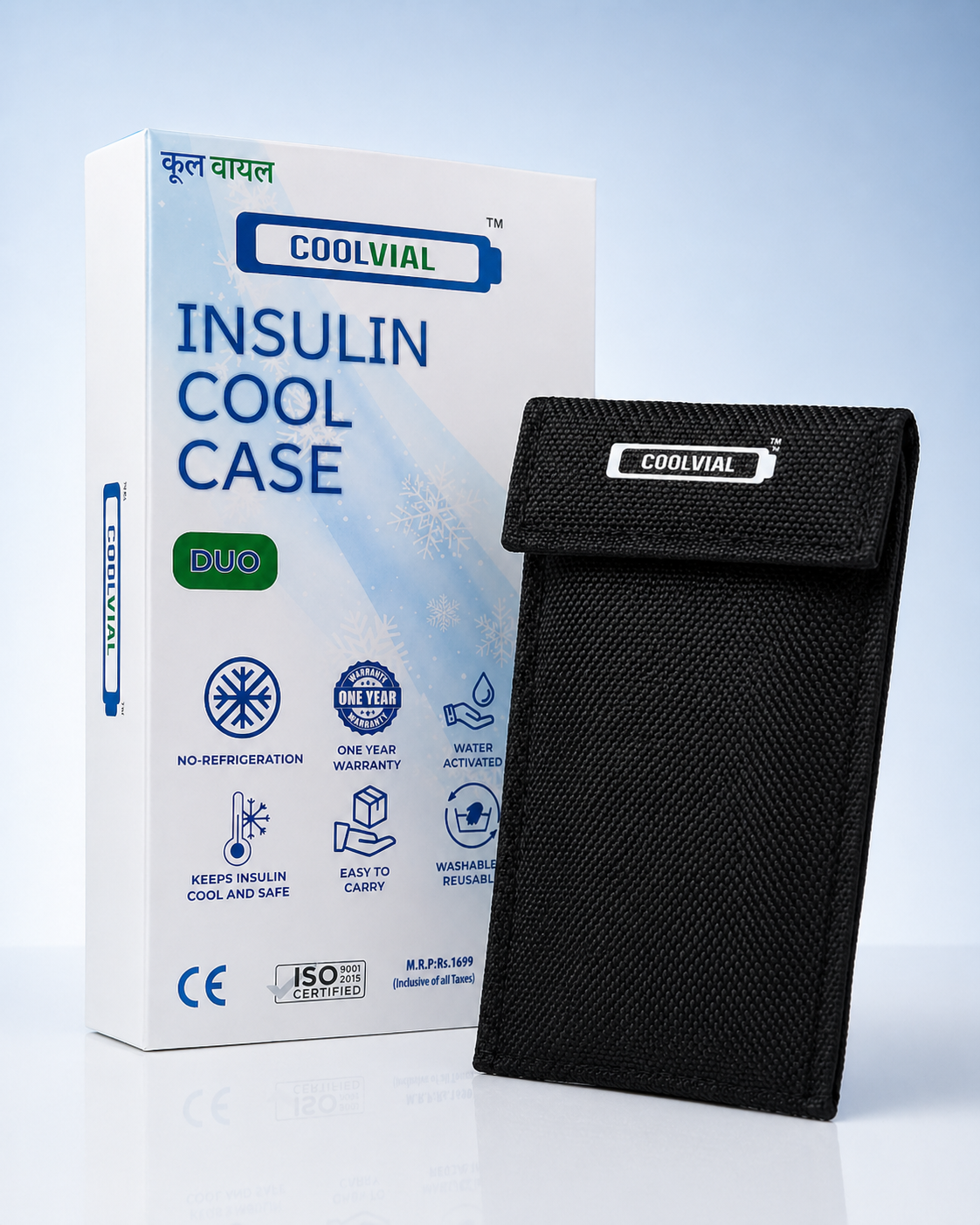
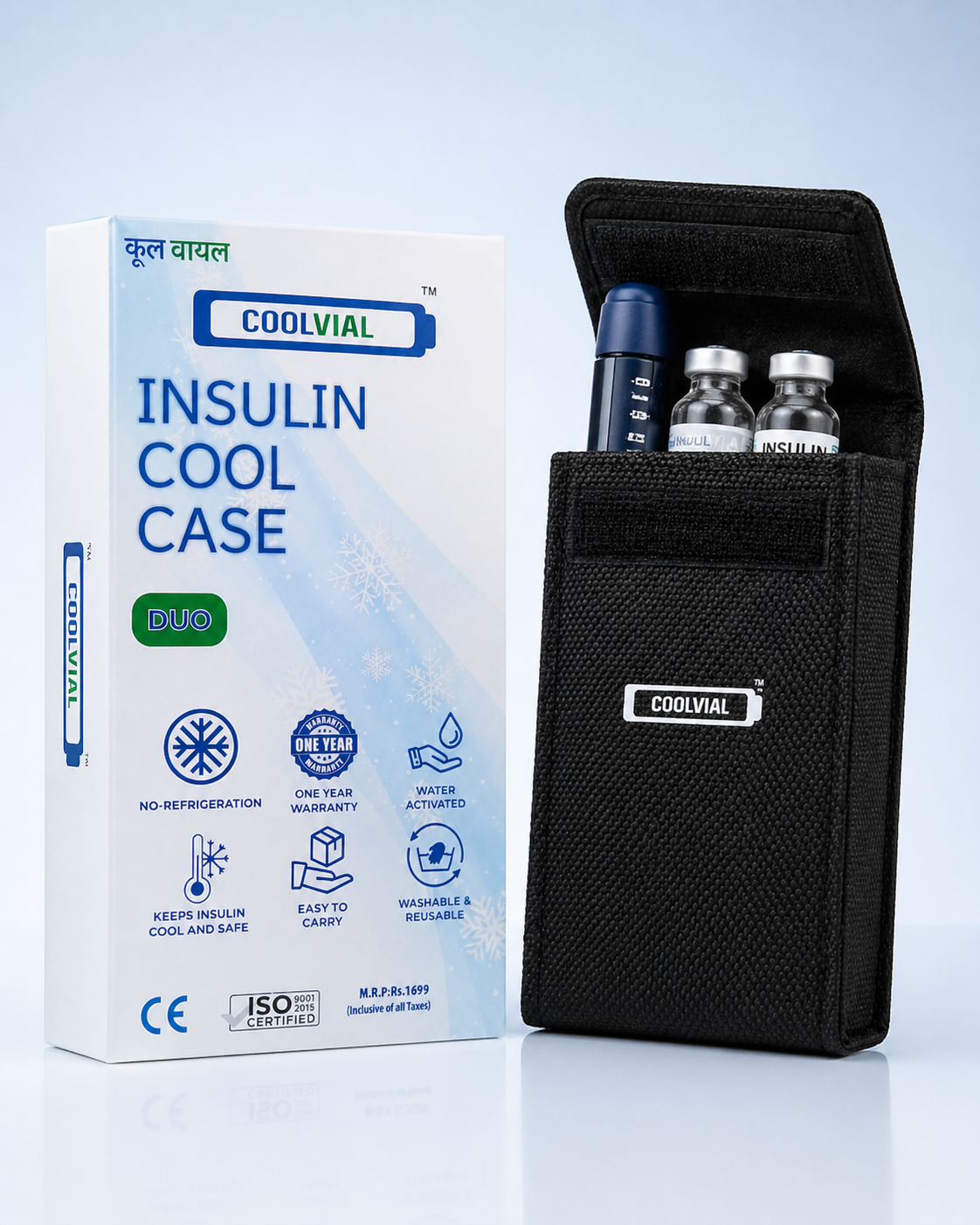
Navigating the complexities of insulin storage in India’s varied environment requires a reliable and well-engineered solution. This is where COOLVIAL insulin cool cases come into play, offering a practical and effective answer to the question of which cooling method works better. While the choice between evaporative vs ice-pack insulin coolers depends on individual circumstances, COOLVIAL offers features designed to address the specific challenges faced by Indian diabetics.
COOLVIAL understands that for many, a combination of convenience, durability, and effectiveness is paramount. Our insulin cool cases are designed to maintain insulin within its safe temperature range, protecting it from both excessive heat and accidental freezing, a common concern with direct ice-pack contact.
Key Advantages of COOLVIAL Insulin Cool Cases:
- Optimized for Indian Climate: COOLVIAL cases are engineered to perform effectively even in high ambient temperatures, providing a crucial buffer against the Indian summer heat. They utilize advanced insulation and cooling technology to keep your insulin safe.
- Reliable Temperature Control: Our cases are designed to maintain insulin at a stable, safe temperature, typically within the 15-25°C range for extended periods. This is ideal for opened insulin pens and vials, ensuring potency during your daily routine or travels.
- Portability and Convenience: Understanding the need for mobility, COOLVIAL cases are compact, lightweight, and easy to carry. Whether you are commuting to work in Bengaluru, traveling by train to your hometown for Diwali, or simply out for the day in Chennai, your insulin remains protected.
- Durability: Made with high-quality materials, COOLVIAL cases are built to withstand the rigors of daily use and travel across India’s diverse terrains.
- Independence from Electricity (for evaporative variants): For our evaporative models, the freedom from electrical reliance is a game-changer, especially in regions with unreliable power supply. Just a few minutes of soaking in water ensures days of cooling. For our ice-pack variants, the insulation is superior, extending the life of your frozen packs.
When considering evaporative vs ice-pack insulin coolers which works better in India, COOLVIAL offers robust solutions that integrate the best aspects of reliable insulin cooling. Our products are designed with the Indian diabetic in mind, providing peace of mind whether you’re at home in Pune or traveling through the remote parts of Himachal Pradesh.
To experience the reliability and convenience of a COOLVIAL insulin cool case, you can buy COOLVIAL at ₹1,099 directly via WhatsApp. We are committed to ensuring that every Indian diabetic has access to safe and
"Finally a cooler that works in Indian summers. Insulin stayed perfect during a 3-day power cut." — Ramesh, Chennai
7 Essential Tips: Evaporative vs Ice-Pack Insulin Coolers – Which Works Better in India?
CE Certified · Free Delivery · 1-Year Warranty
📲 Buy on WhatsApp — ₹1,099