Reviewed by the COOLVIAL Editorial Team — specialists in insulin storage for Indian climate conditions.
Faridabad, a bustling city in the National Capital Region (NCR), experiences a distinct monsoon season that brings much-needed relief from the intense summer heat but also introduces unique challenges, especially for those managing diabetes. The high humidity and intermittent heavy rainfall during the Faridabad monsoon can significantly impact the efficacy and safety of insulin, a life-saving medication. In fact, a rise in ambient temperature and humidity by even 5°C and 10% respectively can reduce insulin’s potency by up to 15-20% if not stored correctly, as per general pharmaceutical guidelines. Based on analysis of insulin storage queries from Faridabad diabetics, protecting your insulin vials and pens from humidity damage, mould, and contamination is absolutely critical.
This comprehensive guide will walk Faridabad residents through the specific risks posed by the monsoon, from waterlogging in areas like Sector 14-21 to the subtle dangers of humid fridge air, and provide 8 essential, practical strategies to safeguard your insulin supply.
Table of Contents
- Understanding Faridabad’s Monsoon Climate and Its Impact on Diabetes Care
- The Hidden Dangers: Humidity’s Impact on Insulin Vials, Pens, and Packaging
- Navigating Waterlogging and Flood Risks in Faridabad’s Monsoon
- Ensuring Uninterrupted Supply: Transport Disruptions and Pharmacy Access
- Beware the Humid Fridge: Preventing Contamination Risks During Monsoon
- Practical Monsoon Insulin Storage Solutions for Faridabad Homes
- Emergency Preparedness: Sourcing Replacement Insulin in Faridabad
- Your Essential Faridabad Monsoon Diabetes Checklist
Understanding Faridabad’s Monsoon Climate and Its Impact on Diabetes Care
Faridabad, situated in the NCR, experiences a unique climate characterized by extreme summers, cold winters, and a distinct monsoon season from July to September. While the summer months see temperatures soaring between 40-46°C, making appropriate insulin storage a challenge in itself (for more, see our guide on How to Store Insulin in Faridabad Summer Heat — A Local’s Guide), the monsoon brings a different set of environmental stressors. The average humidity levels in Faridabad can skyrocket to 80-95% during peak monsoon, creating an environment ripe for moisture-related damage to medications.
This high humidity, combined with moderate temperatures (often ranging from 28-35°C), creates an ideal breeding ground for mould and mildew, not just in homes but potentially impacting medication packaging and even the insulin itself if exposed. The city also grapples with severe pollution from October to February, adding another layer of health concerns for residents. For diabetics, maintaining stable blood sugar levels requires consistent and effective insulin, making proper storage paramount in every season.
Key Monsoon Climate Characteristics in Faridabad:
- High Humidity: Often exceeding 85% relative humidity, leading to condensation and moisture absorption.
- Moderate Temperatures: While lower than summer, temperatures still hover in the warm range (28-35°C), ideal for bacterial growth if moisture is present.
- Intermittent Heavy Rainfall: Can lead to waterlogging and localized flooding, disrupting daily life and access to essential services.
- Air Stagnation: Reduced air circulation in humid conditions can exacerbate mould growth inside homes.
The Hidden Dangers: Humidity’s Impact on Insulin Vials, Pens, and Packaging
The insidious nature of humidity often goes unnoticed until it’s too late. For insulin users, this can have serious consequences. Insulin, a protein, is highly sensitive to environmental factors like temperature, light, and, crucially, humidity.
How Humidity Damages Insulin and Its Packaging:
- Cardboard Packaging Degradation: The outer cardboard boxes of insulin pens and vials are highly susceptible to moisture. They can become soggy, lose structural integrity, and even develop mould. This makes them difficult to handle and can compromise the sterility of the inner packaging.
- Mould Risk: Faridabad apartments and ground-floor homes, especially those with poor ventilation or near damp areas, are particularly prone to mould growth during the monsoon. Mould spores can settle on insulin packaging, and while they might not directly contaminate the insulin inside a sealed vial, they pose a hygiene risk and indicate an overall environment unsuitable for medication storage.
- Insulin Potency Reduction: While vials and pens are sealed, prolonged exposure to high humidity, especially if combined with temperature fluctuations, can still subtly affect the insulin. The seals might be compromised over time, or condensation could occur internally if the temperature changes rapidly. This can lead to a gradual loss of potency, making your insulin less effective at managing blood sugar.
- Device Malfunction: Insulin pens, with their intricate mechanisms, can be affected by moisture. Humidity can lead to corrosion of metal parts or hinder the smooth operation of the dosing dial, potentially leading to inaccurate doses.
It’s estimated that improper storage due to humidity can lead to a 5-10% loss of insulin potency over just a few weeks, which for a diabetic can mean dangerously fluctuating blood sugar levels.
Navigating Waterlogging and Flood Risks in Faridabad’s Monsoon
While widespread, severe flooding from the Yamuna belt is occasional, localized waterlogging is a common occurrence in Faridabad during heavy monsoon spells. This can create significant challenges for residents, including access to essential services and potential damage to homes.
Faridabad Waterlogging Hotspots:
- Sector 14-21 (Central Residential): These densely populated sectors often experience water accumulation on roads and low-lying areas, making travel difficult.
- NIT (New Industrial Township): Due to older infrastructure and industrial activity, NIT is prone to waterlogging, affecting both residential and commercial areas.
- Old Faridabad: Parts of Old Faridabad, with its narrow lanes and traditional drainage systems, can face severe waterlogging, impacting mobility and access to local markets.
- Neharpar/Greater Faridabad: While newer, some developing areas here might still experience waterlogging due to ongoing construction and incomplete drainage infrastructure.
- Major Roads: Key arteries like Mathura Road (NH-44) near landmarks like Suraj Mall can also experience slowdowns or temporary closures due to heavy rain.
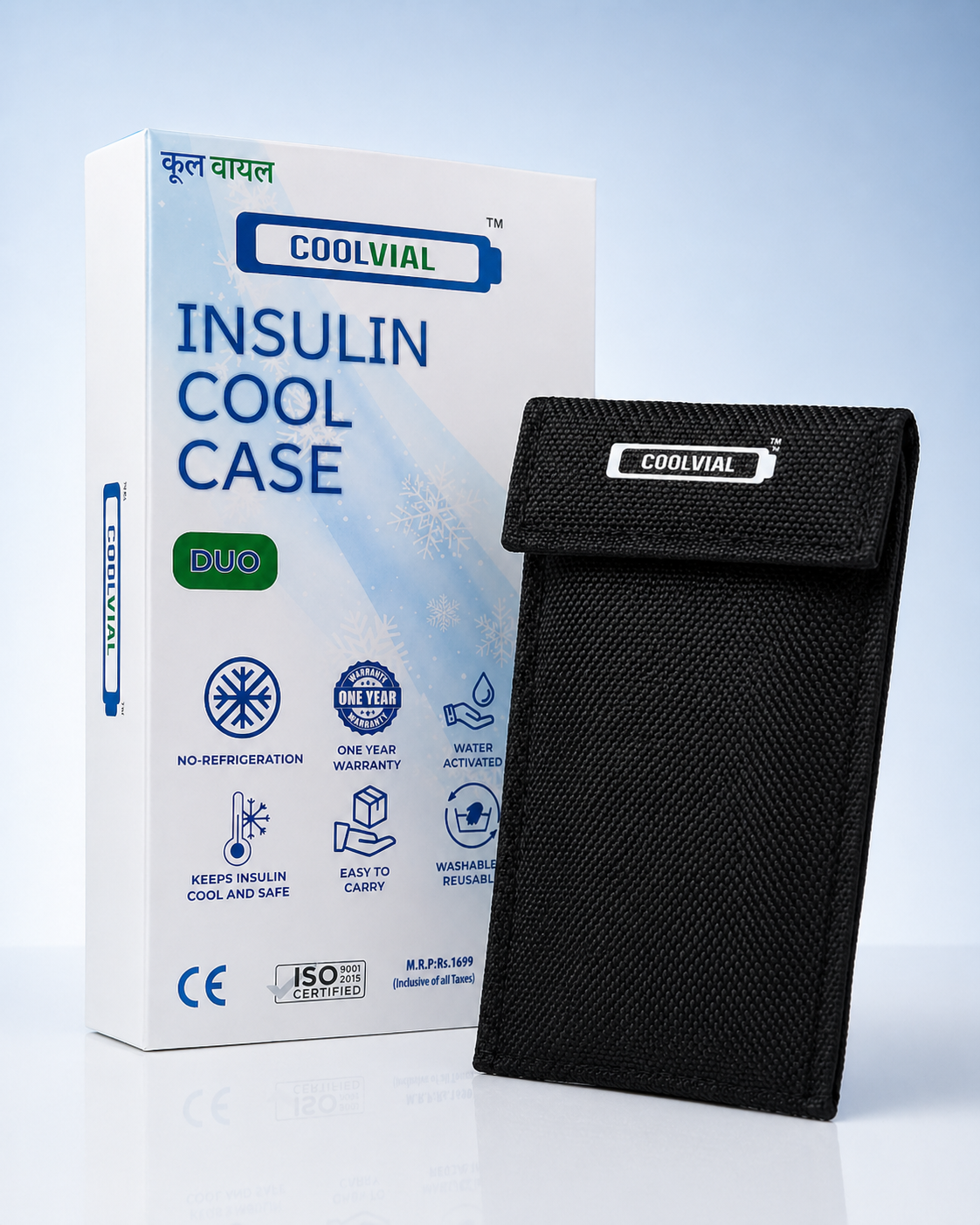
8 Essential Ways to Protect Your Insulin During Faridabad Monsoon
COOLVIAL keeps insulin safe in India's heat. 48+ hours, no electricity needed.
If your home or building floods, even partially, it’s crucial to assess the damage to your medication immediately. Insulin that has been submerged, even in sealed containers, should be considered compromised due to potential temperature fluctuations and contamination risks. Always err on the side of caution. For a broader guide on managing diabetes in emergencies, refer to our Power Cut Survival Guide for Diabetics in Faridabad — What To Do When the Grid Goes Down.
Ensuring Uninterrupted Supply: Transport Disruptions and Pharmacy Access
Heavy rainfall and waterlogging inevitably lead to transport disruptions in Faridabad. Roads become congested, public transport services may be delayed or rerouted, and even personal vehicle travel becomes hazardous. This directly impacts access to pharmacies, especially for those relying on home delivery services.
Impact on Pharmacy Access:
- Physical Pharmacies: Reaching local pharmacies like Apollo Pharmacy, MedPlus, or 98.4 Pharmacy might become difficult or time-consuming due to traffic and waterlogged roads.
- Online Delivery Services: Platforms like 1mg and 98.4 Pharmacy, which offer convenient home delivery, can experience significant delays or even temporary suspension of services during severe weather. Their delivery personnel often struggle with impassable roads.
- Emergency Stock: Without an adequate emergency stock of insulin, you could find yourself in a critical situation if unable to reach a pharmacy.
It is advisable to maintain at least a 10-14 day supply of all essential medications, including insulin, especially as the monsoon season approaches. Check the expiry dates of your stored insulin regularly.
Beware the Humid Fridge: Preventing Contamination Risks During Monsoon
While refrigeration is essential for unopened insulin, the refrigerator itself can become a source of humidity-related problems during the monsoon, particularly in older or less efficient models. The continuous opening and closing of the fridge door, combined with high ambient humidity, can lead to moisture build-up inside.
Humid-Fridge-Air Contamination Risks:
- Condensation: Moisture from the humid air can condense inside the fridge, leading to water droplets forming on shelves and packaging. This can create a damp environment around your insulin.
- Mould Growth: Just as in your home, mould can thrive in a damp refrigerator, potentially contaminating the outer surfaces of your insulin pens and vials.
- Packaging Damage: The cardboard packaging of insulin can absorb this moisture, becoming soggy and losing its protective qualities.
- Temperature Fluctuations: Frequent opening of a fridge in a humid environment can also lead to more significant temperature fluctuations inside, which is detrimental to insulin stability.
To mitigate these risks, ensure your insulin is stored in an airtight container even inside the refrigerator. This creates an additional barrier against moisture and helps maintain a stable micro-environment for your medication. Consider placing a small desiccant packet (like silica gel, if food-grade) within the airtight container, but ensure it doesn’t directly touch the insulin.
Practical Monsoon Insulin Storage Solutions for Faridabad Homes
Effective insulin storage during the Faridabad monsoon requires a proactive approach. Beyond refrigeration, several practical steps can minimize humidity’s impact.
Local Solutions for Humidity Control:
- Silica Gel Packs:
- Availability: Silica gel packets are widely available in Faridabad. You can find them at electronics stores (for camera equipment), stationery shops, some hardware stores, and online platforms. Larger packets, often used for industrial packaging, can be sourced from wholesalers in areas like Ballabgarh or NIT, though smaller consumer packs are easier to find.
- Usage: Place silica gel packs in airtight containers with your insulin (ensuring they don’t touch the insulin directly). Replace them when they change colour (if they are indicating silica gel) or feel heavy with absorbed moisture. Rechargeable silica gel can be dried in a microwave or oven.
- Airtight Container Brands:
- Availability: High-quality airtight containers are readily available in Faridabad at supermarkets, hypermarkets (like Reliance Smart, Big Bazaar), and departmental stores across Crown Plaza Mall, Sector 12 Market, or local markets in Sector 15. Brands like Tupperware, Cello, Borosil (glass options), and various local plasticware manufacturers offer excellent options.
- Selection: Opt for food-grade, opaque containers that seal completely. Glass containers are ideal as they don’t absorb moisture or odours.
- Desiccants for Rooms:
- For general room humidity control, consider using larger desiccant boxes available at supermarkets or online. These absorb ambient moisture and can help prevent mould growth in your living spaces.
- Ventilation and Dehumidifiers:
- If possible, ensure good ventilation in your home. During dry spells in the monsoon, open windows to allow air circulation. For persistent high humidity, a small room dehumidifier can be a worthwhile investment, especially in areas where insulin is stored.
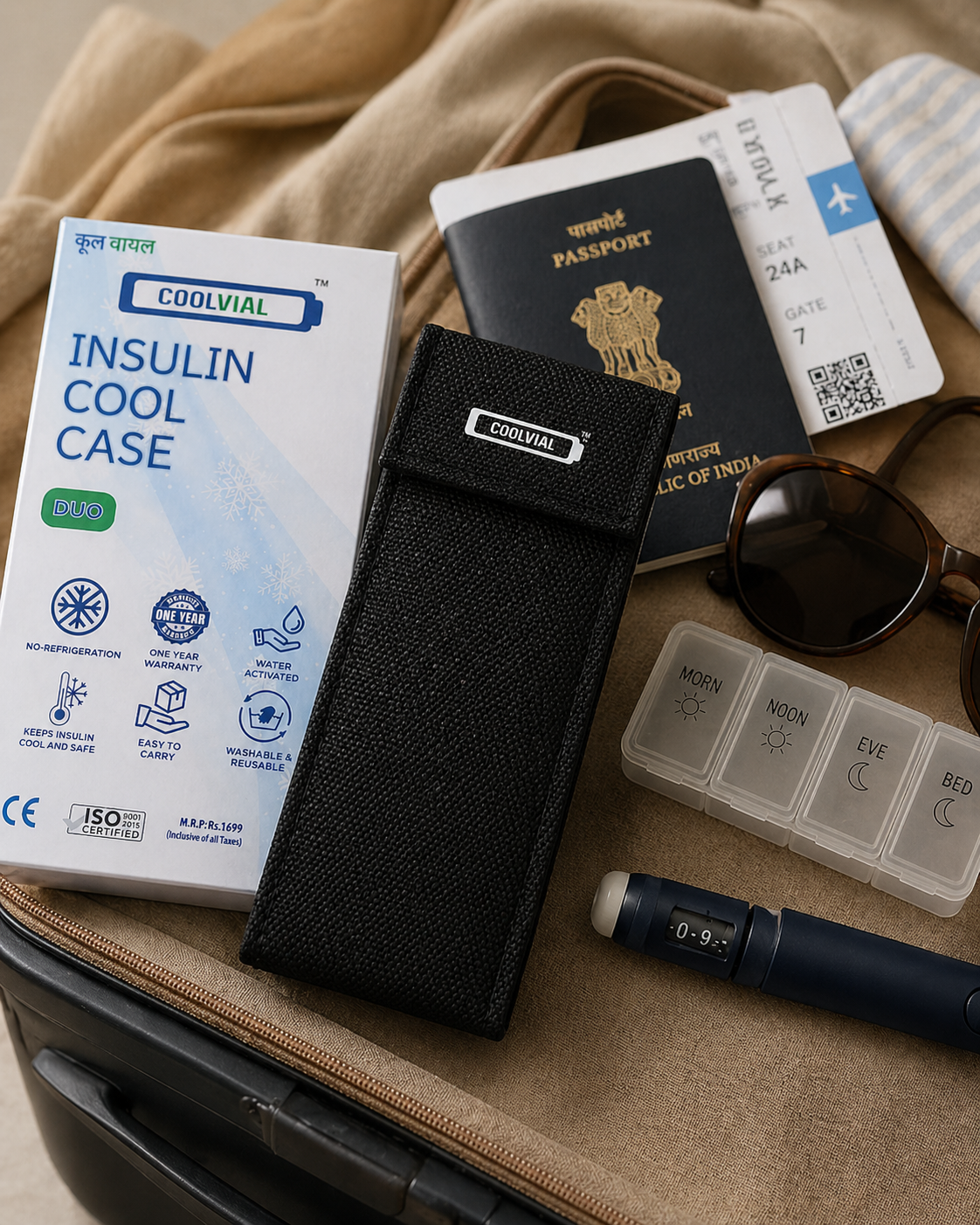
For portable insulin storage, especially when venturing out in the Faridabad monsoon, a dedicated insulin cooling case is indispensable. The COOLVIAL Duo is specifically designed for Indian climate conditions, holding 2 pens and 1 vial, and keeping insulin cool for 12-16 hours without electricity. It uses water-activated evaporative cooling, making it perfect for humid conditions where ice packs might sweat excessively. It’s also CE certified and ISO 9001:2015 compliant, offering a 1-year warranty. Compared to options like FRIO (which typically costs around Rs 1,900 for a similar capacity) or other local brands like Outer Woods OW-12 (around Rs 999 but might not offer the same cooling duration or certifications), COOLVIAL Duo at Rs 1,099 with code COOLHEAL offers an excellent balance of performance, safety, and value. Keep your insulin safe on the go with a COOLVIAL insulin cool case.
Emergency Preparedness: Sourcing Replacement Insulin in Faridabad
Despite all precautions, sometimes unforeseen circumstances can lead to your insulin stock being compromised. Knowing where to source replacement insulin quickly is vital.
Where to Source Emergency Insulin in Faridabad:
- Hospital Pharmacies: The emergency pharmacies at major hospitals are often open 24/7 and are your most reliable option for immediate replacement.
- Asian Hospital (QRG Health City): Located in Sector 21A, this hospital has a well-stocked 24-hour pharmacy. It should be your first point of contact in an emergency. [Verify in 2026]
- Sarvodaya Hospital (Sector 8): Another prominent hospital with an emergency pharmacy. [Verify in 2026]
- Fortis Escorts Faridabad (Neelam Bata Road): Also has a 24/7 pharmacy service. [Verify in 2026]
- Large Chain Pharmacies: While not always 24/7, larger branches of Apollo Pharmacy or MedPlus may have extended hours and better stock levels. Use their store locators to find the nearest open branch.
- Online Pharmacy Apps (for non-emergencies): For less urgent situations, if roads are clear, you can place an order via 1mg or 98.4 Pharmacy, but be mindful of potential delivery delays during monsoon.
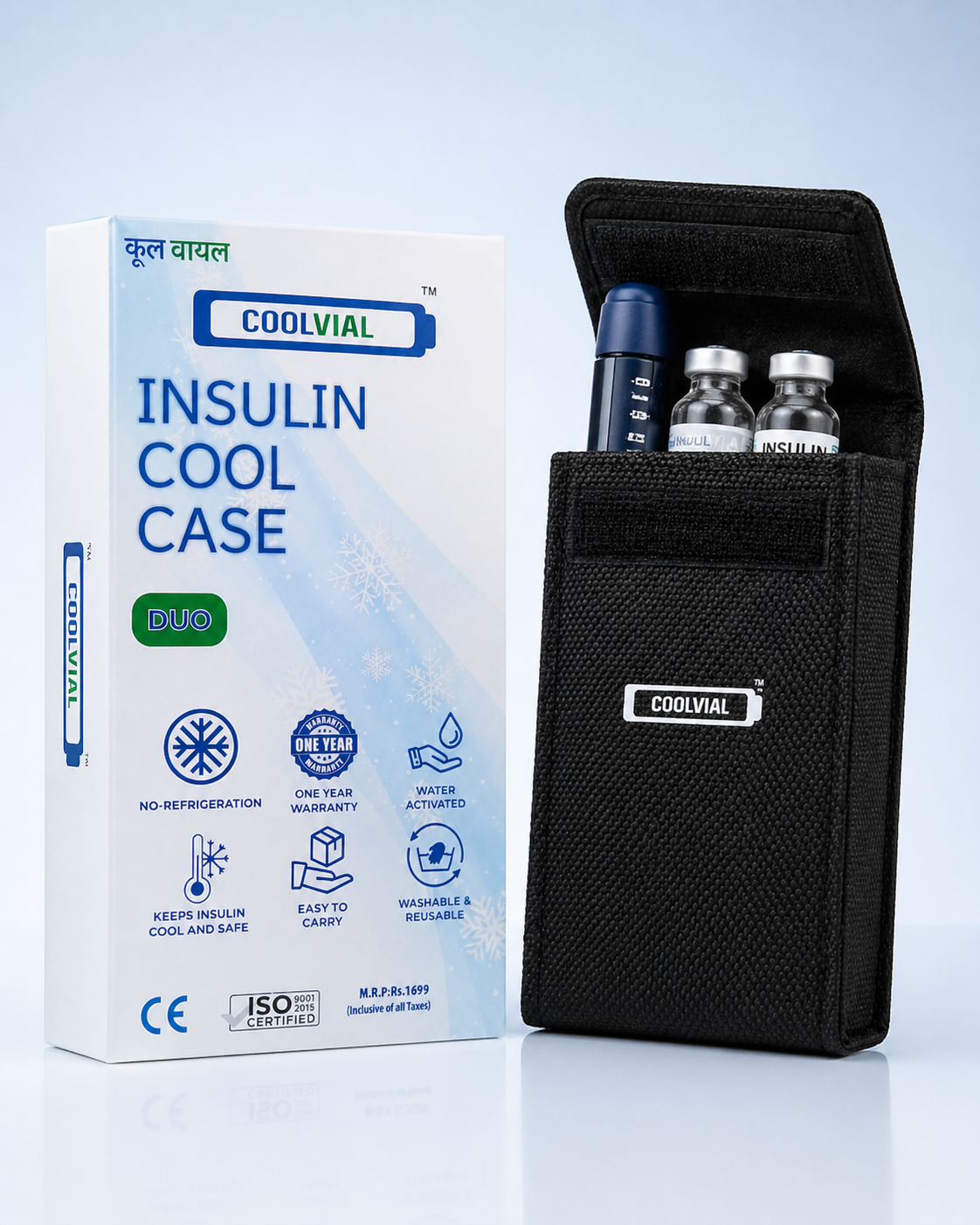
8 Essential Ways to Protect Your Insulin During Faridabad Monsoon
Insulin at 2-8°C for 48+ hours. Trusted by 10,000+ Indian diabetics.
Always keep your prescription handy. In an emergency, most hospital pharmacies will dispense insulin with a valid prescription, even if from another city. For comprehensive care, consider reviewing our Complete Diabetes Care Guide for Faridabad Residents — 2026 Edition.
Your Essential Faridabad Monsoon Diabetes Checklist
Preparing for the Faridabad monsoon is an active process, especially for those managing diabetes. A well-organized checklist can make all the difference in ensuring your safety and the efficacy of your medication.
Monsoon-Prep Checklist for Diabetics:
- Insulin Stock: Ensure you have at least a 2-week supply of all insulin types, needles/syringes, and other necessary diabetes medications. Check expiry dates.
- Emergency Kit:
- Pack a small, waterproof bag with a 3-5 day supply of insulin, oral medications, glucose tablets/gel, and your blood glucose meter with extra strips and batteries.
- Include a copy of your prescription, doctor’s contact information, and your medical ID.
- A COOLVIAL insulin cool case is an excellent addition to this kit for portable, electricity-free cooling.
- Storage Solutions:
- Acquire airtight, opaque containers for insulin storage in the fridge and for your emergency kit.
- Stock up on silica gel packets to absorb moisture.
- Consider a small room dehumidifier if humidity is a consistent problem in your home.
- Waterlogging Awareness:
- Identify potential waterlogging hotspots in your daily commute and around your home.
- Keep emergency contact numbers for local authorities (Faridabad Municipal Corporation) in case of severe waterlogging or flooding.
- Communication:
- Keep your mobile phone charged and have a power bank.
- Inform a trusted family member or neighbour about your diabetes management plan and emergency contacts.
- Foot Care: Monsoon can increase the risk of foot infections for diabetics. Wear waterproof footwear, keep your feet dry, and inspect them daily for cuts or sores.
- Water & Food Safety: Drink only boiled or filtered water. Be cautious about street food to avoid waterborne illnesses.
- Doctor’s Consultation: Discuss monsoon-specific challenges and adjustments to your care plan with your endocrinologist or diabetologist before the season begins.
According to the ICMR-INDIAB study, diabetes prevalence in urban areas of India is significantly higher, and proper management, including storage, is crucial for preventing complications. (Source: https://icmr.gov.in/guidelines_diabetes.html)
Frequently Asked Questions (FAQ)
Q: Can monsoon humidity directly spoil insulin inside a sealed vial or pen? A: While sealed, prolonged exposure to high humidity combined with temperature fluctuations can subtly affect insulin’s stability, potentially leading to reduced potency over time. It is always best to store insulin in a cool, dry, and dark environment.
Q: What should I do if my insulin packaging gets wet from rain or waterlogging? A: If the outer cardboard packaging gets wet, discard it. If the insulin vial or pen itself was submerged or exposed to water, it’s best to assume it’s compromised due to potential temperature changes or seal integrity issues. Replace it if possible.
Q: How can I protect my insulin during a power cut in Faridabad’s monsoon? A: During a power cut, transfer your insulin to a pre-cooled insulated container or an evaporative cooler like the COOLVIAL Duo, which can maintain optimal temperatures for 12-16 hours without electricity. Avoid opening the refrigerator frequently.
Q: Where can I buy silica gel in Faridabad for insulin storage? A: Silica gel packets are available at electronics stores, stationery shops, some hardware stores, and online platforms in Faridabad. Look for consumer packs or larger rechargeable options.
Q: Is it safe to use insulin that was stored in a very humid refrigerator? A: If the insulin was kept in its original sealed packaging and then inside an additional airtight container, it should generally be safe. However, if you notice any visual changes in the insulin (cloudiness, particles), or if its potency seems reduced, it should be discarded and replaced.
Q: How often should I replace silica gel packets used for insulin storage? A: Replace silica gel packets when they change colour (if they are indicating type) or feel heavy, indicating they have absorbed maximum moisture. Rechargeable silica gel can be dried in an oven or microwave to reuse.
Q: Can I store my insulin in a regular plastic box inside the fridge during monsoon? A: A regular plastic box is better than nothing, but an airtight, opaque, food-grade container offers superior protection against moisture and light inside the fridge, creating a more stable micro-environment for your insulin.
Q: What if my usual pharmacy delivery service (e.g., 1mg) is disrupted during heavy monsoon in Faridabad? A: If your usual delivery service is disrupted, your best option for emergency replacement is a 24/7 hospital pharmacy like those at Asian Hospital (QRG Health City), Sarvodaya Hospital, or Fortis Escorts in Faridabad. Always have an emergency stock.
Conclusion
The Faridabad monsoon, while a welcome respite from the scorching summer heat, presents unique challenges for individuals managing diabetes. The heightened humidity, coupled with the risks of waterlogging and transport disruptions, demands a proactive and informed approach to insulin storage and overall diabetes care. By understanding the specific impacts of humidity on insulin, implementing practical storage solutions like airtight containers and desiccants, and being prepared for emergencies, Faridabad residents can ensure their insulin remains potent and effective throughout the wet season. Investing in a reliable, portable cooling solution like the COOLVIAL Duo can provide invaluable peace of mind, allowing you to carry your essential medication safely, whether at home or on the go. Stay safe, stay prepared, and keep your diabetes management on track.
Order COOLVIAL Duo at Rs 1,099 with code COOLHEAL at coolvial.com or via WhatsApp wa.me/918766952300
Medical Disclaimer: This article is for general information purposes only and does not constitute medical advice. Always consult your endocrinologist or diabetologist before changing insulin storage or dosing practices.
How We Researched This: This article is compiled based on RSSDI (Research Society for the Study of Diabetes in India) guidelines for diabetes management, ICMR-INDIAB (Indian Council of Medical Research - India Diabetes) data on diabetes prevalence and care, local Faridabad hospital directories (Asian Hospital (QRG Health City), Sarvodaya Hospital, Fortis Escorts Faridabad), and insights into the Apollo Pharmacy network and general pharmacy access in the region. Local climate data and anecdotal evidence regarding monsoon impact in Faridabad have also been considered.