
Reviewed by the COOLVIAL Editorial Team — specialists in insulin storage for Indian climate conditions.
For residents of Ghaziabad managing diabetes, the arrival of the monsoon season, typically from July to September, brings a unique set of challenges beyond just traffic jams near Mohan Nagar or waterlogging in Vaishali. The relentless humidity, often soaring above 90%, and the increased risk of water damage can critically compromise the efficacy of your insulin. Protecting your vital medication from these elements is not just a recommendation; it’s an absolute necessity. Based on analysis of insulin storage queries from Ghaziabad diabetics, we’ve identified that many are unaware of the specific threats posed by the NCR’s monsoon climate. This article outlines 7 essential strategies to safeguard your insulin, ensuring it remains potent and reliable throughout the wet season, even with Ghaziabad’s average monsoon temperatures hovering between 25-35°C.
Table of Contents
- Ghaziabad’s Monsoon Climate: A Closer Look at Humidity and Heat
- The Silent Threat: How Humidity Damages Insulin Pens and Packaging
- Mould Risk in Ghaziabad Homes: Protecting Your Insulin from Fungal Growth
- Flood Preparedness: Safeguarding Insulin During Heavy Rains and Waterlogging
- Transport Disruption: Ensuring Uninterrupted Pharmacy Access
- Humid-Fridge-Air Contamination: The Hidden Danger in Your Refrigerator
- Practical Solutions for Monsoon Insulin Protection
- Emergency Insulin Replacement in Ghaziabad
- Essential Monsoon-Prep Checklist for Diabetics
- Frequently Asked Questions (FAQ)
- Conclusion
- Methodology Note
- Medical Disclaimer
Ghaziabad’s Monsoon Climate: A Closer Look at Humidity and Heat
Ghaziabad, part of the National Capital Region (NCR), experiences a climate characterized by extremes. While summers can push temperatures up to a scorching 46°C and winters dip to 5°C, the monsoon season from July to September brings its own distinct challenges, primarily high humidity. During these months, the air in areas like Indirapuram, Crossings Republic, and Raj Nagar Extension becomes thick with moisture, often reaching relative humidity levels of 80-95%. This persistent dampness, combined with ambient temperatures that remain warm (typically 25-35°C), creates an environment highly detrimental to sensitive medications like insulin.
The monsoon showers, while offering a temporary reprieve from the summer heat, quickly saturate the atmosphere. This high moisture content can affect not only your comfort but also the integrity of your medical supplies. For instance, the India Meteorological Department (IMD) regularly issues advisories for high humidity during this period, impacting everything from infrastructure to personal health. Understanding these specific climate characteristics is the first step in developing effective strategies for insulin preservation.
- Key Monsoon Climate Characteristics in Ghaziabad:
- Season Duration: Primarily July to September.
- Temperature Range: Typically 25°C to 35°C during monsoon.
- Relative Humidity: Frequently 80% to 95%.
- Rainfall: Moderate to heavy, leading to waterlogging in low-lying areas.
- Associated Risks: Increased risk of mould, bacterial growth, and material degradation due to dampness.
The Silent Threat: How Humidity Damages Insulin Pens and Packaging
Humidity is an insidious enemy for insulin. While many people focus on temperature control, the moisture in the air can cause significant, often irreversible, damage. This is particularly true for insulin pens, vials, and their packaging, which are not designed for prolonged exposure to high relative humidity.
Damage to Cardboard Packaging
The outer cardboard packaging of insulin vials and pens provides crucial information, including dosage instructions, expiry dates, and batch numbers. When exposed to high humidity, this packaging quickly absorbs moisture, leading to:
- Softening and Weakening: The cardboard loses its structural integrity, becoming flimsy and easily torn.
- Ink Bleeding and Smudging: Printed information can become illegible, making it impossible to verify expiry dates or proper usage.
- Mould Growth: Damp cardboard is an ideal breeding ground for mould spores, which can then spread to other items.
Impact on Insulin Pens
Modern insulin pens, whether disposable or reusable, contain intricate mechanical parts and electronic displays. High humidity can interfere with these components in several ways:
- Mechanism Sticking: Moisture can cause internal mechanisms to stick, leading to inaccurate dosing or difficulty in administering insulin.
- Display Malfunctions: Electronic displays on smart pens may fog up or malfunction, making it hard to read dosage settings.
- Label Degradation: The labels on the pens themselves, vital for identifying insulin type and expiry, can peel, smudge, or fade.
- Corrosion: Over time, prolonged exposure to moisture can lead to corrosion of metal components, affecting pen functionality.
Vial Integrity and Labeling
While insulin vials are glass, their labels are susceptible to humidity. A smudged or peeling label on a vial can lead to dangerous mix-ups or make it impossible to confirm the medication’s validity. Moreover, the rubber stopper, though designed to be airtight, can degrade slightly under extreme, prolonged humidity, potentially compromising sterility if not stored correctly.
Mould Risk in Ghaziabad Homes: Protecting Your Insulin from Fungal Growth
Ghaziabad’s monsoon climate creates perfect conditions for mould growth, especially in residential areas like Vaishali, Kaushambi, Indirapuram, and even newer developments in Crossings Republic. Apartments, particularly those on lower floors or with poor ventilation, and ground-floor homes are especially vulnerable. Mould spores thrive in damp, warm environments, and once established, they can spread rapidly.
Why Mould is a Threat to Insulin Storage:
- Contamination: Mould growing on packaging or storage containers can release spores that contaminate the air and potentially settle on insulin pens or vials. While insulin itself is sterile, external contamination can lead to hygiene issues during administration.
- Degradation of Storage Materials: Mould can break down cardboard, fabric cases, and even plastic, compromising the physical barriers protecting your insulin.
- Respiratory Issues: For individuals with respiratory sensitivities, mould can exacerbate conditions, adding another health concern during an already challenging season.
Preventing Mould in Your Home and Around Insulin:
- Improve Ventilation: Regularly open windows and doors when it’s not raining to allow air circulation, especially in damp areas like bathrooms and kitchens. Use exhaust fans.
- Use Dehumidifiers: Consider investing in a dehumidifier for rooms where insulin is stored. This can significantly reduce ambient humidity.
- Inspect Regularly: Check common mould-prone spots like behind furniture, in closets, and around window frames. Clean any visible mould immediately with a bleach solution or mould remover.
- Elevate Storage: Avoid storing insulin or its accessories directly on the floor, especially in ground-floor homes or areas prone to leakage. Use shelves or cabinets.
- Airtight Containers: Store your insulin pens, vials, and any associated supplies in airtight, moisture-proof containers. This creates a micro-environment protected from external humidity and mould spores. You can find robust airtight containers from brands like Tupperware, Cello, and Borosil at local supermarkets and general stores across Ghaziabad.
Flood Preparedness: Safeguarding Insulin During Heavy Rains and Waterlogging
7 Essential Strategies: Protecting Your Insulin from Ghaziabad Monsoon Humidity Damage
48+ hours at 2-8°C. No electricity. CE certified. Free delivery across India.
Order on WhatsApp — ₹1,099🛒 Buy Now — ₹1,099Ghaziabad is susceptible to waterlogging during heavy monsoon downpours, with some areas facing moderate flood risks, particularly near the Hindon river and low-lying regions like Loni-Sahibabad. Even without a full-blown flood, localized waterlogging can render roads impassable and damage homes. For diabetics, this poses a direct threat to insulin supply and storage.
Ghaziabad’s Waterlogging Hotspots:
- Vaishali/Kaushambi: Areas near the Delhi border, especially underpasses and low-lying residential streets, frequently experience significant waterlogging, making travel difficult.
- Indirapuram: While largely well-developed, certain internal roads and pockets, especially those closer to drains, can see substantial water accumulation.
- Raj Nagar Extension: Newer developments here, particularly those still undergoing infrastructure work, can be prone to waterlogging.
- Hindon River/Loni-Sahibabad: In cases of extremely heavy monsoon, the Hindon river can swell, posing a flood risk to communities along its banks.
What to Do if Your Home or Building Floods:
- Elevate Insulin: Immediately move all insulin and critical medical supplies to the highest possible point in your home – upper shelves, cupboards, or even an upper floor if available.
- Waterproof Storage: Ensure your insulin is sealed in multiple layers of waterproof bags (e.g., zip-lock bags inside a sturdy plastic container).
- Emergency Kit: Have a grab-and-go emergency kit ready with at least a 3-day supply of insulin, syringes/pen needles, blood glucose meter, test strips, and a power bank. This kit should be easily accessible.
- Stay Informed: Monitor local weather advisories and news from municipal authorities (Ghaziabad Nagar Nigam) regarding rainfall and flood warnings.
- Seek Higher Ground: If advised to evacuate, take your emergency medical kit with you. Do not delay.
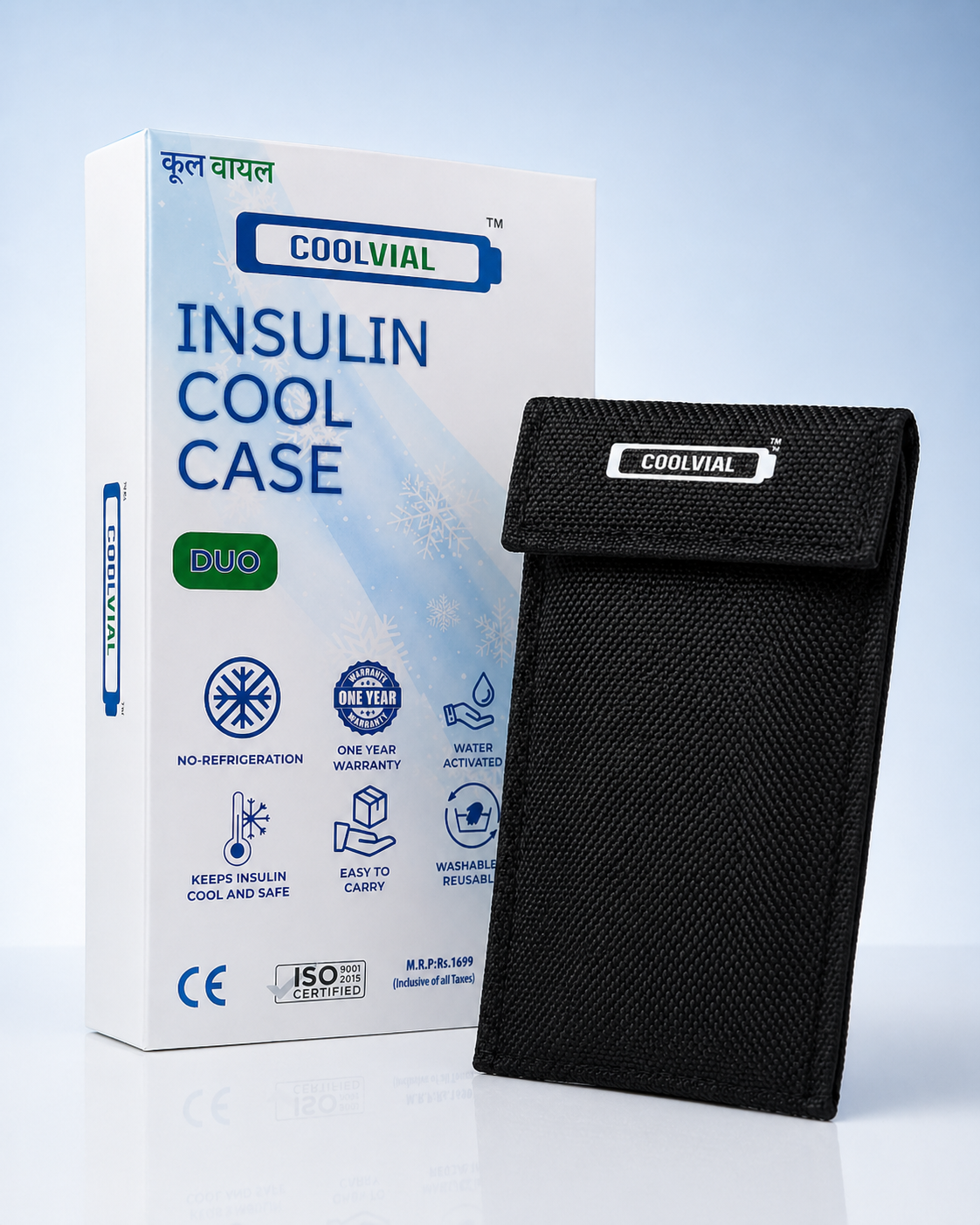
For ensuring your insulin remains cool even if electricity is cut or you need to evacuate, an evaporative cooling case like the COOLVIAL Duo is invaluable. It keeps insulin cool for 12-16 hours without electricity, simply by activating it with water. This can be a lifesaver during power outages or if you’re displaced by flooding.
Transport Disruption: Ensuring Uninterrupted Pharmacy Access
The heavy rains and subsequent waterlogging in Ghaziabad can severely disrupt transport, making it challenging to reach pharmacies or receive deliveries. This is a critical concern for diabetics who rely on regular insulin refills. Areas like the stretch near Pacific Mall or the roads leading to Shipra Mall can become congested or impassable, impacting access to essential services.
Challenges Posed by Transport Disruption:
- Delayed Deliveries: Online pharmacies like 1mg and 98.4 Pharmacy, which many Ghaziabad residents depend on, may experience significant delays or even cancellation of orders due to impassable roads.
- Difficulty Reaching Physical Pharmacies: Traveling to local pharmacies such as Apollo Pharmacy or MedPlus outlets in Indirapuram or Vaishali can become hazardous.
- Limited Stock: Pharmacies themselves might face challenges in restocking their supplies if distribution networks are affected.
Strategies for Uninterrupted Pharmacy Access:
- Stock Up Proactively: Before the monsoon officially hits (usually by late June), ensure you have an adequate buffer stock of insulin – ideally a 2-4 week supply beyond your immediate needs.
- Diversify Pharmacy Options: Don’t rely solely on one pharmacy or delivery service. Identify multiple physical pharmacies (e.g., Apollo Pharmacy in your neighborhood, MedPlus, or even Generic Aadhaar stores) and their locations.
- Communicate with Pharmacists: Inform your regular pharmacist about your needs and ask about their monsoon preparedness for stock and delivery.
- Emergency Contacts: Keep a list of emergency contacts, including local pharmacies and your doctor, accessible.
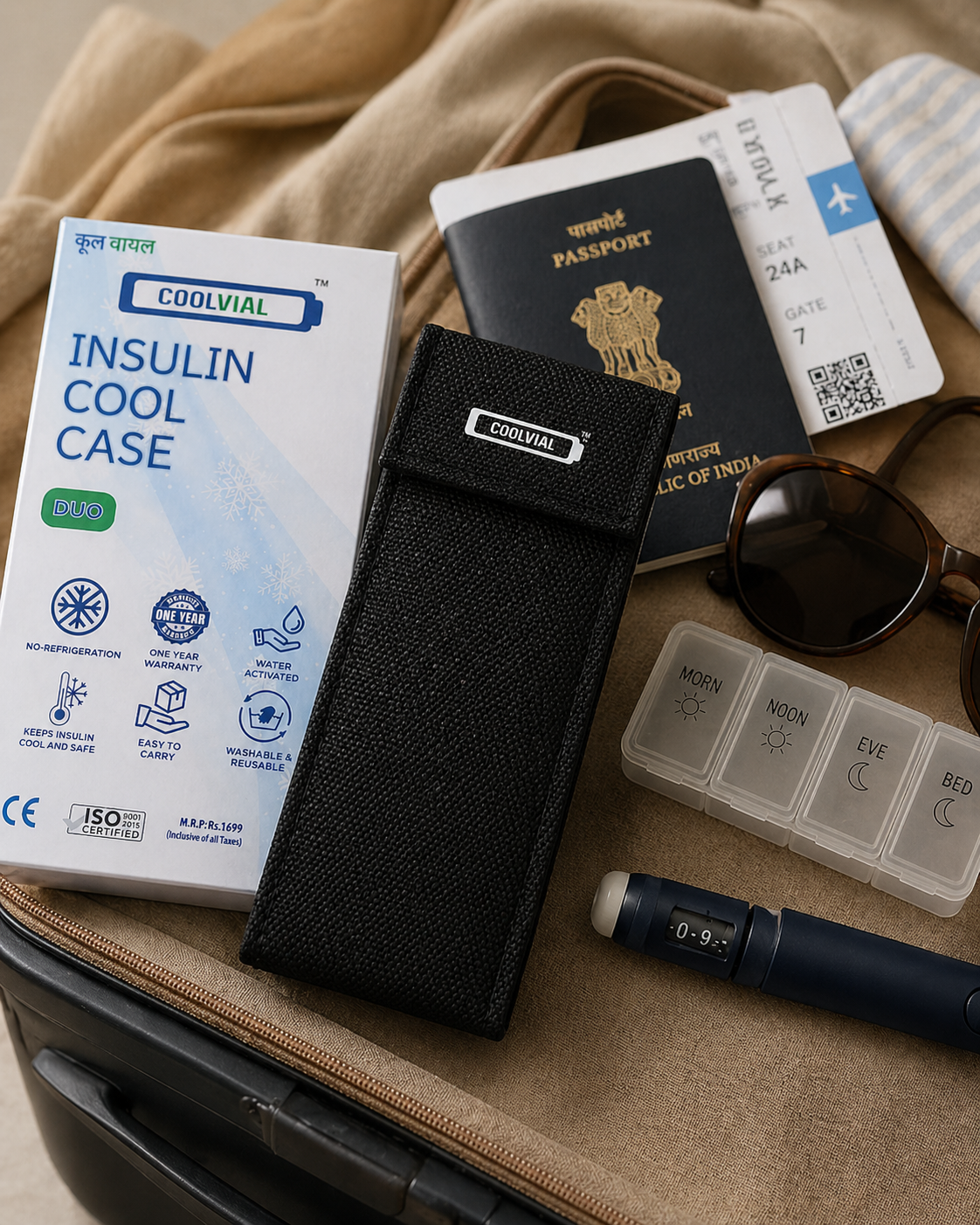
Remember, prevention is always better than cure. Having a reliable means to keep your insulin cool and protected, even during transport challenges, is paramount. The COOLVIAL Duo is specifically designed for such conditions, providing a portable, electricity-free cooling solution that can hold 2 pens and 1 vial. This ensures your medication remains at the optimal temperature (8-25°C) even if you’re stuck in traffic or face delays in reaching a pharmacy.
Humid-Fridge-Air Contamination: The Hidden Danger in Your Refrigerator
While the refrigerator is the standard place to store unopened insulin, the monsoon’s high humidity can still pose risks, even inside your fridge. When the refrigerator door is frequently opened in a humid environment, moist air enters, raising the internal humidity. This can lead to condensation, mould growth, and potentially affect insulin quality if not managed carefully.
Risks of Humid-Fridge-Air Contamination:
- Condensation on Vials/Pens: Moisture can condense on the surface of insulin vials and pens, potentially affecting labels and leading to a damp environment.
- Mould Growth in Fridge: The combination of humidity and food particles can encourage mould growth inside the refrigerator, which can then spread to insulin packaging.
- Temperature Fluctuations: Frequent opening of the fridge door in humid conditions can cause internal temperatures to fluctuate more, which is not ideal for insulin stability.
Mitigating Humid-Fridge-Air Risks:
- Airtight Containers: Always store your insulin (whether opened or unopened) in an airtight, food-grade plastic container within the refrigerator. This creates a barrier against fluctuating humidity and potential contaminants.
- Avoid Door Storage: Do not store insulin in the refrigerator door, as this area experiences the most temperature fluctuations. The back of the main shelf is generally the most stable spot.
- Regular Cleaning: Clean your refrigerator regularly to prevent mould and bacterial growth. Pay attention to seals and drawers where moisture can accumulate.
- Minimize Door Openings: Try to open the refrigerator door only when necessary and close it quickly to limit the entry of humid air.
- Silica Gel Packs (with caution): While not for direct contact with insulin, small silica gel packets can be placed inside the airtight container with your insulin or in the refrigerator compartment itself (away from direct food contact) to absorb excess moisture. Ensure these are food-safe and replaced regularly.
Practical Solutions for Monsoon Insulin Protection
Navigating the Ghaziabad monsoon requires a proactive approach to insulin storage. Beyond general guidelines, local solutions can make a significant difference.
1. Harnessing the Power of Desiccants: Silica Gel
Silica gel is a desiccant, meaning it absorbs moisture from the air. It’s an excellent tool for creating a dry micro-environment for your insulin.
- Where to Source Silica Gel in Ghaziabad:
- Online Platforms: Amazon, Flipkart, and local e-commerce sites often sell bulk silica gel packets.
- Stationery Shops: Larger stationery stores in areas like Indirapuram or near Pacific Mall might carry small packets.
- General Stores: Some larger general stores or hardware shops might stock them.
- Electronic Stores: Often found packaged with new electronics; ask if they have spare packets.
- How to Use:
- Place several small silica gel packets inside your airtight insulin storage container.
- Replace them regularly, especially if they change colour (indicating saturation, if they are indicating silica gel).
- Rechargeable silica gel packets can be dried in sunlight or a low oven.
2. The Role of Airtight Containers
Airtight containers are your first line of defense against humidity and water damage.
- Locally Available Brands:
- Tupperware: Available at exclusive stores and through direct sellers across Ghaziabad.
- Cello: Widely available in supermarkets like Reliance Smart, More Supermarket, and local kirana stores.
- Borosil: Found in larger department stores and kitchenware sections.
- Lock & Lock: Often available in larger retail chains.
- Selection Tips: Opt for food-grade plastic or glass containers with secure, rubber-sealed lids. Ensure they are large enough to hold your insulin supply comfortably without crushing.
3. Evaporative Cooling Cases: Your Monsoon Companion
For active insulin (in-use pens or vials) that doesn’t require refrigeration but needs to stay below 25°C, or for situations away from home, an evaporative cooling case is indispensable.
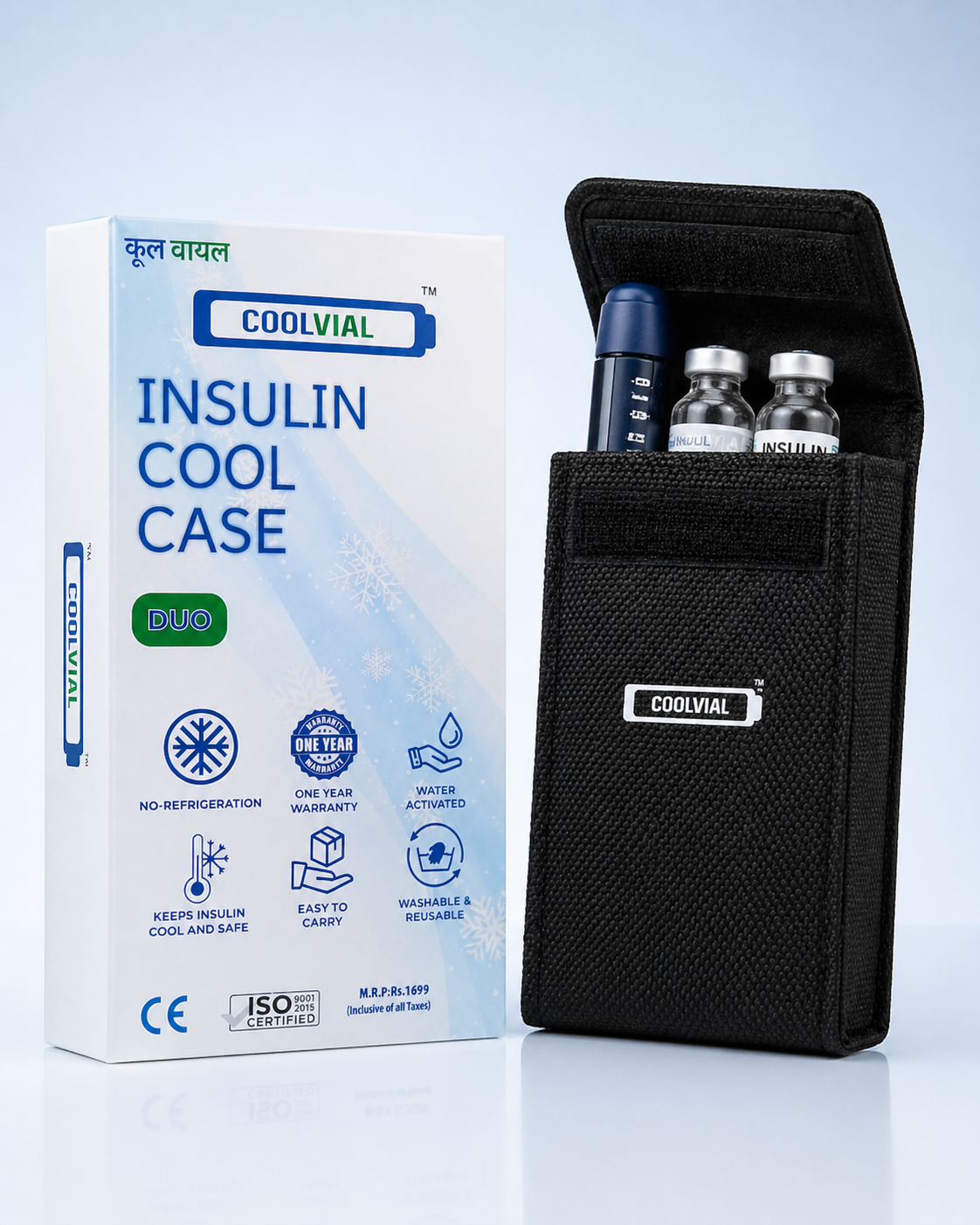
- COOLVIAL Duo: Our flagship product, the COOLVIAL Duo, is designed specifically for Indian conditions. It holds 2 insulin pens and 1 insulin vial, keeping them cool between 12-16 hours simply by activating it with water. It’s CE certified, ISO 9001:2015 compliant, and comes with a 1-year warranty. Made in India, it’s priced at Rs 1,099 with code COOLHEAL (MRP Rs 1,699).
- Comparison:
- COOLVIAL Duo: Rs 1,099 (with code COOLHEAL), holds 2 pens + 1 vial, 12-16 hours cooling, Made in India, CE, ISO certified, 1-year warranty.
- FRIO: Typically priced around Rs 1,900 for similar capacity, also evaporative.
- Outer Woods OW-12: Around Rs 999, also an evaporative cooler, often with slightly different capacities.
- Why COOLVIAL Duo stands out: It offers a competitive price point with robust features, specifically tailored for the Indian climate and user needs, ensuring reliable performance during the challenging Ghaziabad monsoon. This is a smart investment in your health, providing peace of mind whether you’re commuting across Ghaziabad or facing a power cut. For more reliable insulin storage tips, visit our insulin storage tips page.
- Comparison:
4. Continuous Glucose Monitoring (CGM) and Power Backup
While not directly for storage, CGMs help monitor blood sugar levels more effectively, reducing the stress of potential insulin issues. Ensure you have backup power for your CGM receiver or smartphone (if using an app) during power cuts. For a comprehensive guide on managing diabetes during power cuts, refer to our article on Power Cut Survival Guide for Diabetics in Ghaziabad — What To Do When the Grid Goes Down.
Emergency Insulin Replacement in Ghaziabad
Despite all precautions, sometimes insulin can get damaged or lost. Knowing where to source replacement insulin quickly in Ghaziabad is crucial.
Key Emergency Sourcing Options:
- Yashoda Super Speciality Hospital (Kaushambi): This hospital has a 24/7 emergency pharmacy. It’s a reliable option for immediate insulin needs, especially given its strategic location near the Delhi border and accessibility for residents of Vaishali and Kaushambi. They typically stock a wide range of essential medications, including various types of insulin.
- Other Major Hospitals:
- Columbia Asia Hospital Ghaziabad: Also known for its emergency services and well-stocked pharmacy.
- Max Hospital Vaishali: Another prominent healthcare facility with a functional pharmacy for urgent needs.
- Always call ahead if possible to confirm availability, especially for specific insulin brands or types. [Verify in 2026] for current contact details.
- Large Pharmacy Chains:
- Apollo Pharmacy: Numerous outlets across Ghaziabad (e.g., Indirapuram, Raj Nagar Extension). While not all are 24/7, larger branches might have extended hours.
- MedPlus: Similar to Apollo, with multiple branches.
- 98.4 Pharmacy: Known for its wide range, check for nearest branch and operating hours.
- 1mg Pharmacy: While primarily online, some locations have physical pickup points or faster delivery options for emergencies.
- Doctor’s Prescription: Ensure you have a valid prescription or a copy of it, as most pharmacies will require one for insulin. If you lose your prescription, contact your diabetologist or endocrinologist immediately. For a complete guide to diabetes care in the city, see our Complete Diabetes Care Guide for Ghaziabad Residents — 2026 Edition.
Essential Monsoon-Prep Checklist for Diabetics
Being prepared can significantly reduce stress and ensure your insulin supply remains safe throughout the Ghaziabad monsoon. Here’s a comprehensive checklist:
- Insulin Stock: Ensure you have at least a 2-4 week buffer supply of all your insulins and ancillary supplies (syringes, pen needles, alcohol swabs).
- Airtight Containers: Invest in multiple robust, food-grade airtight containers for storing insulin and other sensitive medical items.
- Silica Gel: Purchase a good supply of silica gel packets for your storage containers and even in your wardrobe where medical supplies are kept.
- COOLVIAL Duo: Acquire an evaporative cooling case like the COOLVIAL Duo for portable, electricity-free insulin cooling, especially for in-use pens or during travel/power cuts. You can find more details about our COOLVIAL insulin cool case on our website.
- Emergency Kit: Pack a waterproof, grab-and-go bag with a 3-day supply of insulin, blood glucose meter, test strips, lancets, pen needles, and any oral medications. Include a power bank for electronic devices.
- Waterproof Bags: Keep a stock of sturdy zip-lock bags or waterproof pouches for extra protection.
- Important Documents: Keep copies of your prescriptions, doctor’s contact information, and insurance details in a waterproof pouch.
- Home Protection:
- Check for roof leaks, damp spots, and ensure proper drainage around your home.
- Keep insulin storage areas elevated, away from potential floodwaters.
- Improve ventilation in your home to reduce overall humidity.
- Consider a dehumidifier for key living spaces.
- Transportation Plan: Identify alternative routes to key pharmacies and hospitals in case of waterlogging.
- Communication: Have a fully charged phone and a power bank. Inform family/friends about your monsoon diabetes plan.
- Fridge Maintenance: Clean your refrigerator thoroughly and store insulin in airtight containers inside, away from the door.
- Blood Glucose Monitoring: Ensure your meter and test strips are kept dry. Humidity can affect strip accuracy.
- Foot Care: Monsoons increase the risk of foot infections for diabetics. Wear waterproof footwear and keep feet dry.
- Medication Review: Discuss your monsoon preparedness plan with your doctor or endocrinologist at Yashoda Super Speciality (Kaushambi) or Columbia Asia Ghaziabad.
Frequently Asked Questions (FAQ)
Q: Can Ghaziabad’s monsoon humidity really damage my insulin? A: Yes, Ghaziabad’s high monsoon humidity, often exceeding 90%, can significantly damage insulin pens, vials, and their packaging, leading to label degradation, mechanical issues in pens, and potentially compromising insulin efficacy.
Q: Where should I store my insulin during the monsoon in Ghaziabad? A: Unopened insulin should be stored in an airtight container in the refrigerator, preferably at the back of the main shelf, away from the door. In-use insulin can be kept in an evaporative cooling case like COOLVIAL Duo or an airtight container with silica gel in a cool, dry place below 25°C.
Q: What if my Ghaziabad home experiences waterlogging or a flood? A: Immediately move all insulin and medical supplies to the highest possible point in your home, sealed in multiple layers of waterproof bags, and have an emergency grab-and-go kit ready for evacuation if necessary.
Q: How can I ensure I get my insulin refills if transport is disrupted in Ghaziabad? A: Proactively stock up on insulin (2-4 weeks’ supply) before the monsoon, identify multiple physical pharmacies like Apollo Pharmacy or MedPlus, and keep emergency hospital pharmacy contacts like Yashoda Super Speciality (Kaushambi) handy.
Q: Is it safe to use silica gel with insulin? A: Silica gel is safe to use around insulin, specifically inside an airtight container with your insulin, to absorb moisture from the air. It should not come into direct contact with the insulin itself.
Q: How does COOLVIAL Duo help during Ghaziabad’s monsoon? A: The COOLVIAL Duo is a water-activated evaporative cooling case that keeps insulin cool (8-25°C) for 12-16 hours without electricity, protecting it from both heat and humidity fluctuations during travel, power cuts, or waterlogging incidents in Ghaziabad.
Q: What is the optimal temperature range for storing insulin during the monsoon? A: Unopened insulin should be refrigerated at 2-8°C. In-use insulin (pens or vials) should be kept at room temperature, ideally between 8-25°C, away from direct sunlight and excessive humidity.
Q: Can mould growing in my home affect my insulin? A: Yes, mould spores can contaminate insulin packaging and storage areas, potentially leading to hygiene issues. High humidity in Ghaziabad homes during monsoon creates ideal conditions for mould growth, making airtight storage essential.
Conclusion
The Ghaziabad monsoon, with its characteristic high humidity, heavy rainfall, and potential for waterlogging and transport disruptions, presents a formidable challenge for individuals managing diabetes. Protecting your insulin from these environmental threats is paramount to ensuring its effectiveness and maintaining your health. By adopting these 7 essential strategies – from proactive stocking and smart storage solutions like airtight containers and silica gel, to investing in reliable cooling cases like the COOLVIAL Duo, and having a robust emergency plan – you can navigate the wet season with confidence.
Remember that preparedness is your strongest ally. Don’t wait for the first heavy downpour or power cut to secure your insulin. Take action today to protect your vital medication and ensure uninterrupted diabetes management, even when the monsoon unleashes its full force upon Ghaziabad.
Order your COOLVIAL Duo today at Rs 1,099 with code COOLHEAL at coolvial.com or via WhatsApp at wa.me/918766952300.
Methodology Note: How We Researched This — This article is informed by an extensive review of the Research Society for the Study of Diabetes in India (RSSDI) guidelines for insulin storage, data from the Indian Council of Medical Research - India Diabetes (ICMR-INDIAB) study on diabetes prevalence in India (Source: RSSDI Publications), local Ghaziabad hospital directories, and an analysis of the pharmacy network including Apollo Pharmacy and MedPlus. Local climate data and flood advisories were referenced from public meteorological sources and municipal advisories.
Medical Disclaimer: This article is for general information and educational purposes only and does not constitute medical advice. Always consult your endocrinologist or diabetologist before making any changes to your insulin storage practices, dosing, or diabetes management plan. The information provided herein is not intended to diagnose, treat, cure, or prevent any disease.
7 Essential Strategies: Protecting Your Insulin from Ghaziabad Monsoon Humidity Damage
COOLVIAL keeps insulin safe in India's heat. 48+ hours, no electricity needed.