
Reviewed by the COOLVIAL Editorial Team — specialists in insulin storage for Indian climate conditions.
Ghaziabad, a bustling city in Uttar Pradesh and a key part of the National Capital Region (NCR), presents unique challenges and opportunities for diabetes management. With its extreme climate, ranging from scorching summers of 46°C to chilly winters of 5°C, and a growing population experiencing rapid lifestyle shifts, residents living with diabetes need tailored information. This complete diabetes care guide for Ghaziabad residents offers a holistic approach, detailing essential local resources and practical strategies to navigate the city’s specific conditions in 2026. Based on analysis of insulin storage queries from Ghaziabad diabetics, we understand the critical need for reliable information. Studies indicate that Uttar Pradesh, including Ghaziabad, faces a significant diabetes burden, with prevalence rates steadily rising (Source: ICMR-INDIAB). This guide provides a roadmap for optimal diabetes care, from finding the best healthcare to ensuring insulin safety amidst power cuts and monsoon disruptions.
Table of Contents
- Diabetes Prevalence in Uttar Pradesh and Ghaziabad
- Top Hospitals and Healthcare Facilities for Diabetics in Ghaziabad
- Pharmacy Network and Insulin Accessibility in Ghaziabad
- Ghaziabad’s Climate Reality and Insulin Storage Challenges
- Power and Utility — Navigating Load Shedding in Ghaziabad
- Transport — Commuting with Diabetes in Ghaziabad
- Food Culture — Diabetic-Friendly Eating in Ghaziabad
- Diabetes Support Groups and Community in Ghaziabad
- Diabetes Insurance and Financial Aid in Ghaziabad
- Ghaziabad-Specific Environmental Challenges for Diabetics
- Frequently Asked Questions (FAQ)
- How We Researched This
- Conclusion and Call to Action
- Medical Disclaimer
1. Diabetes Prevalence in Uttar Pradesh and Ghaziabad
Uttar Pradesh, India’s most populous state, faces a significant and growing burden of non-communicable diseases, including diabetes. The ICMR-INDIAB study revealed that the prevalence of diabetes in Uttar Pradesh stands at approximately 10.3% in urban areas and 6.8% in rural areas (Source: RSSDI Publications). Ghaziabad, as a rapidly urbanizing Tier 2 city within the NCR, is particularly susceptible to the lifestyle changes that drive diabetes rates upwards. These include sedentary jobs, increased consumption of processed foods, and high stress levels associated with metropolitan living.
The city’s demographic profile, characterized by a mix of long-term residents and a significant migrant population, further complicates public health efforts. Awareness campaigns and screening programs are crucial to identify individuals at risk or those living with undiagnosed diabetes. Early detection and intervention are key to preventing complications and managing the condition effectively.
Key Risk Factors for Diabetes in Ghaziabad:
- Urban Lifestyle: Sedentary work, lack of physical activity.
- Dietary Shifts: Increased intake of fast food, sugary beverages, and refined carbohydrates, common in North Indian, Mughlai, and Punjabi-style cuisines.
- Stress: High-pressure work environments and daily commuting stress.
- Genetic Predisposition: A significant factor in the Indian population.
- Environmental Factors: Exposure to air pollution, particularly severe in Ghaziabad during winters, which can exacerbate insulin resistance.
- Obesity and Overweight: Rising rates among both adults and children.
Understanding these local factors is the first step towards a comprehensive diabetes care guide.
2. Top Hospitals and Healthcare Facilities for Diabetics in Ghaziabad
Access to quality healthcare is paramount for effective diabetes management. Ghaziabad boasts a network of super-speciality and multi-speciality hospitals equipped with endocrinology departments and diabetologists. These facilities offer diagnostic services, treatment plans, and patient education programs. For those seeking expert medical advice, exploring options like Best Diabetologists & Endocrinologists in Ghaziabad — 2026 Guide can provide detailed insights into specific practitioners and their specializations.
Leading Hospitals with Diabetes Care Units in Ghaziabad:
- Yashoda Super Speciality Hospital (Kaushambi): Known for its comprehensive medical services, including dedicated endocrinology and diabetology departments. It serves a large population from Vaishali and Kaushambi.
- Columbia Asia Hospital Ghaziabad: A well-regarded facility offering advanced diagnostics and treatment for various medical conditions, including diabetes. Their team of specialists provides personalized care plans.
- Max Hospital Vaishali: A prominent healthcare provider in the NCR, Max Hospital Vaishali features state-of-the-art infrastructure and experienced endocrinologists, catering to complex diabetes cases and complications.
- Manas Hospital: A trusted local hospital providing general medicine and specialized care, including diabetes management.
- Sarvodaya Hospital: Offers a range of medical services with a focus on patient-centric care, often including diabetes clinics and educational programs.
- Saraswati Medical & Dental College: While primarily a teaching hospital, it provides accessible healthcare services and often has specialists in various fields, including internal medicine that handles diabetes.
Comparison of Key Facilities for Diabetes Care:
| Hospital Name | Specialization Focus (Diabetes) | Key Features | Location/Neighborhood |
|---|---|---|---|
| Yashoda Super Speciality (Kaushambi) | General Diabetology, Endocrinology, Diabetes Education | Advanced diagnostics, 24/7 emergency, multi-speciality | Kaushambi (near Delhi border, convenient for Vaishali) |
| Columbia Asia Hospital Ghaziabad | Personalized Diabetes Management, Lifestyle Counseling | International standards, modern infrastructure, patient-centric | Near Indirapuram |
| Max Hospital Vaishali | Complex Diabetes Cases, Complication Management | Super-speciality care, experienced endocrinologists | Vaishali (easily accessible from Indirapuram, Mohan Nagar) |
| Manas Hospital | General Diabetes Care, Community Health Programs | Affordable care, local accessibility | [Verify in 2026] |
| Sarvodaya Hospital | Holistic Diabetes Management, Patient Education | Comprehensive services, focus on wellness | [Verify in 2026] |
| Saraswati Medical & Dental College | Academic & Clinical Diabetes Care, Research | Teaching hospital, varied specialist availability | [Verify in 2026] |
When choosing a hospital, consider factors like proximity, specialist availability, insurance acceptance, and patient reviews.
3. Pharmacy Network and Insulin Accessibility in Ghaziabad
A robust pharmacy network is essential for consistent access to insulin, blood glucose monitoring supplies, and other diabetes medications. Ghaziabad has a widespread presence of both large retail pharmacy chains and independent local chemists. For urgent needs, knowing about 24-Hour Pharmacies in Ghaziabad for Insulin Emergencies — Updated List can be a lifesaver.
Prominent Pharmacy Chains and Services in Ghaziabad:
- Apollo Pharmacy: Widely available across neighborhoods like Vaishali, Indirapuram, and Raj Nagar Extension, offering a comprehensive range of medicines, health products, and often basic health check-ups. Many operate extended hours.
- MedPlus: Another large chain known for competitive pricing and a broad inventory, including various insulin brands and diabetes care products.
- 1mg (Tata 1mg): While having physical stores, 1mg is particularly strong in online delivery, providing convenience for home delivery of medications, including insulin, across Ghaziabad.
- 98.4 Pharmacy: Focuses on personalized care and often has pharmacists available for consultations, which can be beneficial for diabetes management.
- Generic Aadhaar: Specializes in affordable generic medicines, making essential diabetes medications more accessible to a wider population.
- Local Chemists: Numerous independent pharmacies are scattered throughout Ghaziabad, often offering personalized service and quick availability, especially in smaller lanes and residential areas.
Types of Pharmacies and Their Advantages for Diabetics:
| Pharmacy Type | Advantages for Diabetics | Considerations |
|---|---|---|
| Retail Chains | Wide stock, standardized pricing, often extended hours | May require specific brand availability check |
| Online Pharmacies | Home delivery, convenience, discounts, access to rare meds | Delivery time, cold chain maintenance for insulin |
| Generic Stores | Cost-effective medications, increasing accessibility | Brand preference, physician approval for generics |
| Local Chemists | Personalized service, quick access, familiar staff | Stock variety may be limited, may not be 24/7 |
When purchasing insulin, always verify the expiration date and ensure proper cold chain storage during transport, especially from online pharmacies. For Ghaziabad residents, knowing Where to Buy an Insulin Cooler in Ghaziabad — Top Stores, Pharmacies & Online Delivery can be invaluable for safe transport.
4. Ghaziabad’s Climate Reality and Insulin Storage Challenges
Ghaziabad, part of the NCR, experiences extreme climatic conditions that pose significant challenges for insulin storage. Temperatures can fluctuate drastically, from a searing 46°C in summer (May-July) to a bone-chilling 5°C in winter (December-February). The monsoon season (July-September) brings high humidity and occasional heavy rainfall. These environmental factors directly impact insulin efficacy if not stored correctly.
Insulin is a temperature-sensitive medication. Unopened insulin should be refrigerated between 2-8°C. Once opened, it can be kept at room temperature (below 25-30°C, depending on the specific insulin type) for up to 28 days. However, Ghaziabad’s “room temperature” often exceeds this limit, especially during summers. Exposure to temperatures above 30°C can degrade insulin, reducing its potency and potentially leading to dangerously high blood sugar levels.
Seasonal Insulin Storage Tips for Ghaziabad:
- Summer (May-July, up to 46°C):
- Refrigeration is Key: Always store unopened insulin in the refrigerator.
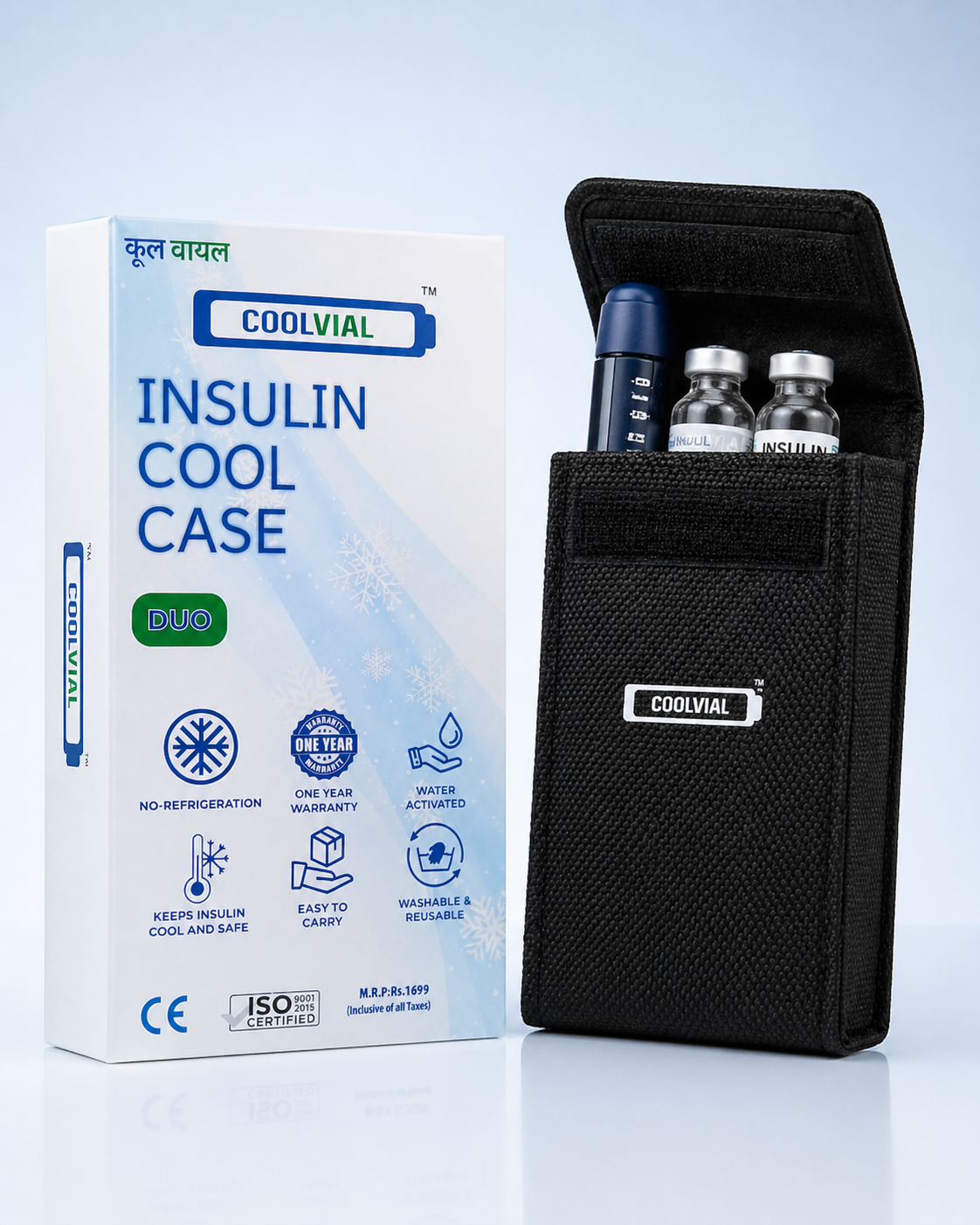
- Portable Cooling: For opened insulin or when traveling, a reliable insulin cooling case is essential. Products like the COOLVIAL Duo, which uses water-activated evaporative cooling, are perfect for Ghaziabad’s intense heat, keeping insulin cool for 12-16 hours without electricity. This is a vital tool for preventing insulin degradation.
- Avoid Direct Sunlight: Never leave insulin in a car or exposed to direct sunlight.
- Learn more about How to Store Insulin in Ghaziabad Summer Heat — A Local’s Guide.
- Monsoon (July-September, high humidity):
- Humidity Control: High humidity can affect insulin pens and vials, potentially causing condensation or damage to electronic components of pens. Store insulin in airtight containers within the cooler or fridge.
- Keep Dry: Ensure your cooling case or storage area remains dry to prevent mold or bacterial growth.
- For specific advice, refer to Ghaziabad Monsoon & Insulin — Protecting Your Vials From Humidity Damage.
- Winter (December-February, down to 5°C):
- Avoid Freezing: While cold, ensure insulin does not freeze, as this also renders it ineffective. Do not store insulin directly against the freezer compartment of a refrigerator.
- Room Temperature Caution: If room temperature drops below 5°C, consider using a warm, insulated pouch to protect active insulin from freezing.
For optimal insulin storage tips, always follow manufacturer guidelines and consult your doctor. The COOLVIAL Duo, priced at Rs 1,099 with code COOLHEAL, offers a cost-effective and reliable solution for Ghaziabad’s challenging climate, especially when compared to alternatives like FRIO (around Rs 1,900) or Outer Woods OW-12 (around Rs 999), while holding 2 pens and 1 vial for 12-16 hours.
5. Power and Utility — Navigating Load Shedding in Ghaziabad
Ghaziabad, like many cities in Uttar Pradesh, experiences periodic power cuts, locally known as “load shedding.” While the situation has improved in recent years, unexpected outages can still occur, particularly during peak demand in summers or during monsoon storms. This poses a significant challenge for diabetics who rely on refrigeration for insulin storage. The “inverter culture” is prevalent in Ghaziabad, with many households having battery backups.
Impact of Power Cuts on Insulin Storage:
- Refrigeration Loss: A prolonged power cut means your refrigerator stops working, potentially exposing insulin to unsafe temperatures.
- Temperature Fluctuations: Frequent short power cuts can lead to repeated temperature changes, which can also degrade insulin over time.
Strategies for Managing Insulin During Power Cuts:
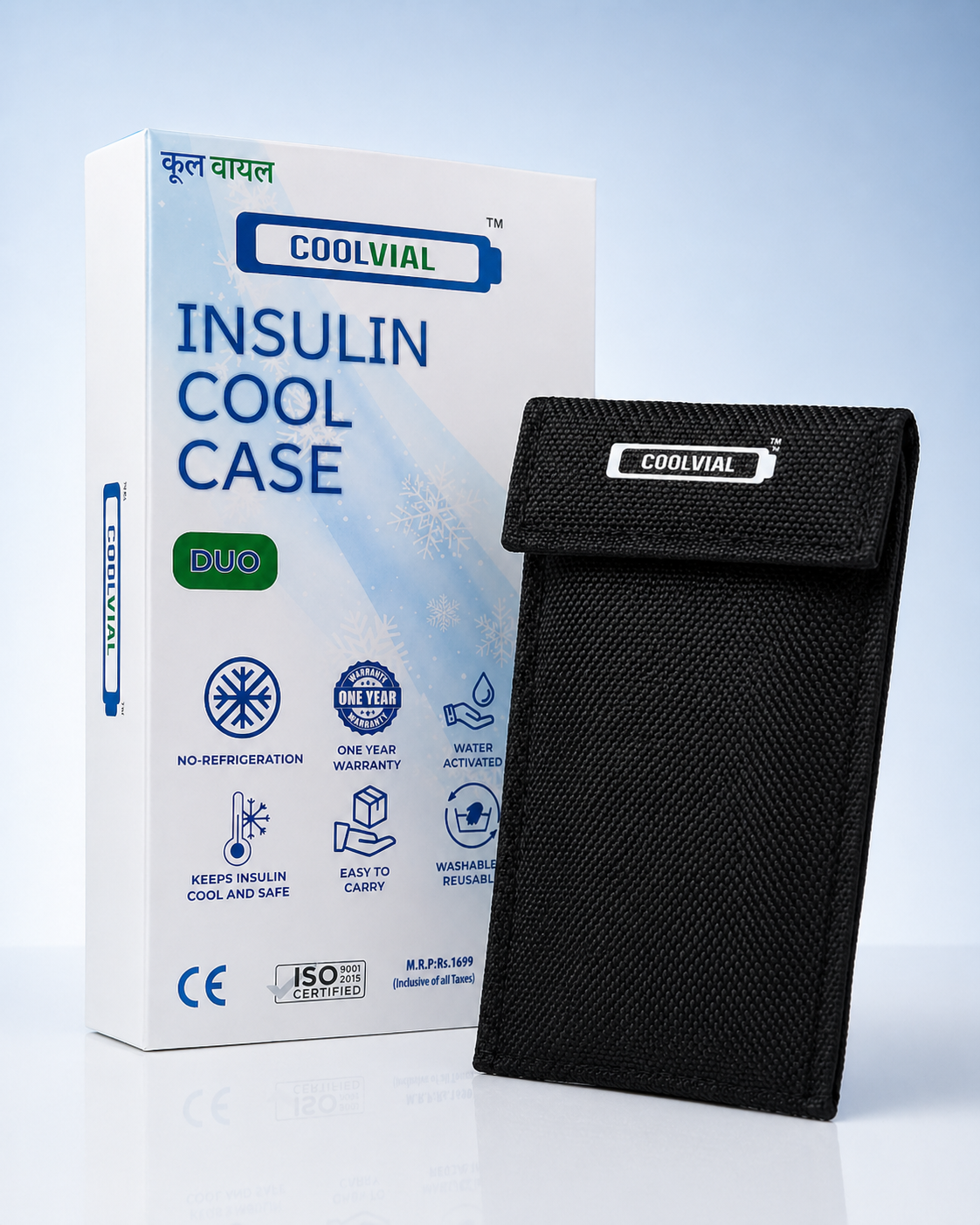
- Invest in an Insulin Cooling Case: A water-activated evaporative cooler like the COOLVIAL Duo is a non-negotiable item for Ghaziabad diabetics. It doesn’t require electricity and can keep insulin cool for 12-16 hours, providing a crucial buffer during power outages. Its CE certification and ISO 9001:2015 adherence offer peace of mind.
- Inverter/UPS Systems: Ensure your refrigerator is connected to a reliable inverter or UPS system that can provide backup power for several hours. [Verify in 2026] local discom data for average power cut durations in your area to determine required battery backup capacity.
- Ice Packs/Gel Packs: Keep a stock of frozen ice packs or gel packs in your freezer. In case of a prolonged outage, these can be used to create a temporary cool environment for insulin, though less reliable than a dedicated cooler.
- Know Your Insulin: Understand how long your specific insulin type can be safely stored at room temperature (e.g., typically 28 days for opened vials/pens if below 25-30°C).
- Emergency Kit: Prepare a small emergency kit with extra insulin, syringes, and testing supplies.
For a detailed plan, consult our Power Cut Survival Guide for Diabetics in Ghaziabad — What To Do When the Grid Goes Down. Investing in a Made-in-India COOLVIAL Duo not only supports local manufacturing but also provides a robust solution for Ghaziabad’s unique power challenges.
6. Transport — Commuting with Diabetes in Ghaziabad
Ghaziabad’s extensive transport network, connecting it to Delhi and Meerut, is a boon for residents but also presents specific considerations for diabetics. Whether you’re using the Delhi Metro, Rapid Rail, UP Roadways buses, or autos, maintaining insulin integrity and managing blood sugar levels on the go requires planning.
Ghaziabad’s Transportation Network:
- Delhi Metro (Blue/Red Lines): The Blue Line extends through Ghaziabad (Vaishali, Kaushambi), offering a fast and efficient way to travel to Delhi. The Red Line connects to Mohan Nagar. Metro coaches are air-conditioned, providing a relatively stable temperature environment.
- Rapid Rail (RRTS) to Meerut: The recently launched Rapid Rail Transit System (RRTS) connects Ghaziabad to Meerut, offering high-speed commuting. These trains are also climate-controlled.
- UP Roadways Buses: A vast network of buses connects Ghaziabad to other parts of Uttar Pradesh and neighboring states. These can be crowded and often lack air conditioning, making temperature control a concern.
- Autos and Cabs: Auto-rickshaws and app-based cabs (Ola, Uber) are widely available for local travel. Autos are open-air, exposing insulin to ambient temperatures, while cabs typically offer AC.
Tips for Daily Commute with Insulin in Ghaziabad:
- Use a Portable Cooler: For any commute longer than 30 minutes, especially in summer or if using non-AC transport, carry your insulin in a reliable cooling case. The COOLVIAL Duo is lightweight and compact, easily fitting into a bag.
- Plan Your Journey: If possible, travel during cooler parts of the day.
- Carry Snacks and Water: Traffic jams are common, especially on roads connecting to Delhi or around major landmarks like Pacific Mall and Shipra Mall. Always carry diabetic-friendly snacks and water to manage unexpected delays and prevent hypoglycemia.
- Emergency Contact: Keep a list of emergency contacts and medical information readily accessible.
- Blood Glucose Monitor: Carry your blood glucose meter and strips to check levels if you feel unwell or suspect a change.
For more detailed guidance on safe travel, refer to Travelling From Ghaziabad With Insulin — Airport, Station & Taxi Tips and Daily Commute With Insulin in Ghaziabad — Tips for Metro, Bus & Auto.
7. Food Culture — Diabetic-Friendly Eating in Ghaziabad
Ghaziabad’s vibrant food scene, heavily influenced by North Indian, Mughlai, and Punjabi-style cuisines, is a delight for foodies but can be challenging for diabetics. Rich in carbohydrates, fats, and often sugar, many traditional dishes require careful consideration. From street food near Mohan Nagar to family restaurants in Indirapuram, making informed choices is crucial for blood sugar management.
Characteristics of Ghaziabad’s Food Culture:
- North Indian Staples: Roti, naan, rice, dal, sabzi. Often prepared with generous amounts of oil/ghee.
- Mughlai Delicacies: Kebabs, biryanis, kormas, rich gravies.
- Punjabi-style Food: Butter chicken, chole bhature, parathas, lassi.
- Street Food: Chaat, golgappe, aloo tikki, samosas, jalebis. These are often high in sugar, refined flour, and unhealthy fats.
- Sweet Tooth: Desserts like gulab jamun, barfi, and kulfi are popular.
Tips for Diabetic-Friendly Eating in Ghaziabad:
- Portion Control: Even healthy foods can spike blood sugar if consumed in large quantities. Be mindful of portion sizes, especially with rice and bread.
- Prioritize Proteins and Fiber: Opt for grilled or tandoori meats (like chicken tikka, fish tikka), lentils (dal), and vegetable-rich dishes. These help slow down glucose absorption.
- Smart Substitutions:
- Choose whole wheat roti/chapati over naan or paratha.
- Ask for less oil/ghee in gravies and vegetable preparations.
- Opt for plain lassi or buttermilk instead of sugary lassi.
- Select fresh fruit over traditional sweets.
- Street Food Caution: Enjoy street food sparingly. Look for healthier options like roasted chana (chickpeas) or fruits. Always ensure hygiene.
- Communicate with Restaurants: Don’t hesitate to ask restaurant staff for modifications like “less oil,” “no sugar,” or “more vegetables.” Many establishments are accommodating.
- Hydration: Drink plenty of water throughout the day.
For specific recommendations on dining out safely, explore Diabetic-Friendly Restaurants & Cafes in Ghaziabad — Where to Eat Safely. Remember, managing diabetes doesn’t mean giving up on Ghaziabad’s delicious food; it means making smarter choices.
8. Diabetes Support Groups and Community in Ghaziabad
Living with diabetes can sometimes feel isolating, but a strong support network can make a significant difference. Diabetes support groups offer a platform for individuals to share experiences, exchange tips, and find emotional encouragement. In Ghaziabad, several organizations and local initiatives foster such communities.
Key Support Organizations and Groups:
- Diabetes India Chapter: Diabetes India is a national organization that often has local chapters or affiliated groups. These chapters organize awareness programs, medical camps, and patient interaction sessions. Search for their presence or activities in Ghaziabad.
- Defeat Diabetes Foundation: This foundation works towards diabetes awareness, prevention, and management. They may have outreach programs or community events in Ghaziabad.
- Local Type 1 Diabetes Groups: For individuals with Type 1 diabetes, peer support is invaluable. Often, these groups form organically through hospitals, schools, or social media. They provide a safe space to discuss insulin regimens, carbohydrate counting, and managing the condition in daily life.
- Hospital-Based Support Programs: Many hospitals, including Yashoda Super Speciality (Kaushambi) or Max Hospital Vaishali, may run their own diabetes education programs or support groups facilitated by dietitians or diabetes educators.
Benefits of Joining a Diabetes Support Group:
- Emotional Support: Connect with others who understand your challenges.
- Knowledge Sharing: Learn practical tips for diet, exercise, medication management, and insulin storage from fellow patients.
- Motivation: Stay motivated to adhere to your treatment plan.
- Advocacy: Participate in awareness campaigns and advocacy efforts.
- Access to Resources: Discover local resources, events, and medical updates.
How to Find a Support Group in Ghaziabad:
- Ask Your Doctor: Your diabetologist or endocrinologist is often the best source for information on local support groups.
- Hospital Patient Services: Inquire at the patient services desk of major hospitals.
- Online Forums and Social Media: Search for “Diabetes Support Ghaziabad” or “Type 1 Diabetes Ghaziabad” on platforms like Facebook or WhatsApp.
- Community Centers: Check with local community centers or NGOs in neighborhoods like Indirapuram or Raj Nagar Extension.
Engaging with a supportive community can significantly enhance your journey of living with diabetes in Ghaziabad.
9. Diabetes Insurance and Financial Aid in Ghaziabad
Managing diabetes involves ongoing expenses for medication, testing supplies, doctor visits, and sometimes specialized equipment. Understanding insurance options and available financial aid schemes is crucial for Ghaziabad residents. India has made strides in healthcare coverage, but navigating the complexities requires clear information.
Complete Diabetes Care Guide for Ghaziabad Residents — 2026 Edition
COOLVIAL keeps insulin safe in India's heat. 48+ hours, no electricity needed.
Government Schemes and Public Insurance:
- Ayushman Bharat Pradhan Mantri Jan Arogya Yojana (PMJAY): This flagship national health protection scheme provides health cover of up to Rs 5 lakh per family per year for secondary and tertiary care hospitalization. Many Ghaziabad hospitals, including private ones, are empanelled under Ayushman Bharat. It covers various diabetes-related complications requiring hospitalization.
- Uttar Pradesh State Health Schemes: The state government of Uttar Pradesh may have additional health schemes or funds for economically weaker sections, which can provide assistance for chronic conditions like diabetes. Check official UP government health department websites for the latest updates.
Private Health Insurance:
Several private insurance companies offer health plans that cover diabetes, though often with waiting periods and specific terms.
Top Private Insurers for Diabetes in India (check for Ghaziabad presence):
- HDFC ERGO Health Insurance: Known for plans that cover pre-existing conditions after a waiting period.
- Star Health and Allied Insurance: Offers specialized policies for diabetics (e.g., Star Diabetes Safe Insurance Policy) with shorter waiting periods for specific conditions.
- Apollo Munich Health Insurance (now HDFC ERGO): Good coverage options.
- Max Bupa Health Insurance (now Niva Bupa): Comprehensive plans.
- Bajaj Allianz Health Insurance: Wide network of hospitals.
Comparison of Insurance Options for Diabetics:
| Insurance Type | Coverage Focus (Diabetes) | Key Considerations |
|---|---|---|
| Ayushman Bharat PMJAY | Hospitalization for complications, secondary/tertiary care | Income-based eligibility, government empanelled hospitals only |
| State Schemes (UP) | Varies, often for economically weaker sections | Specific eligibility criteria, limited scope |
| Private (General) | Hospitalization, pre-existing conditions (with waiting period) | Waiting periods (1-4 years), premium costs, exclusions |
| Private (Specialized) | Specific diabetes plans, shorter waiting periods for diabetes | Higher premiums, may have specific network hospitals |
Tips for Choosing and Utilizing Insurance:
- Read Policy Documents Carefully: Pay close attention to waiting periods for pre-existing conditions, sub-limits, exclusions, and the list of network hospitals in Ghaziabad.
- Compare Plans: Don’t settle for the first plan. Compare benefits, premiums, and claim settlement ratios across different insurers.
- Understand OPD Coverage: Most policies primarily cover hospitalization. Some specialized plans might offer limited OPD (outpatient department) coverage for consultations or diagnostics.
- Maintain Records: Keep meticulous records of all medical expenses, prescriptions, and diagnostic reports for smooth claim processing.
Financial planning is an integral part of long-term diabetes management.
10. Ghaziabad-Specific Environmental Challenges for Diabetics
Beyond climate and power, Ghaziabad presents other environmental factors that require special attention from diabetics. These include flood risk, air quality, and general monsoon disruptions, all of which can impact health and access to care.
1. Flood Risk: Ghaziabad has a moderate flood risk, particularly in low-lying areas near the Hindon River and during heavy monsoon seasons. Areas like Loni and Sahibabad have experienced waterlogging and localized flooding.
- Impact on Diabetics:
- Access to Healthcare: Flooded roads can cut off access to hospitals and pharmacies, making it difficult to get insulin or medical attention.
- Insulin Storage: Refrigerators can be damaged during floods, and power outages are common, jeopardizing insulin storage.
- Foot Care: Floodwaters are often contaminated, posing a severe risk of infections for diabetics, who are prone to foot complications.
- Preparedness:
- Keep an emergency supply of insulin and other essential medications for at least 3-5 days.
- Store insulin safely in a waterproof, portable cooler like the COOLVIAL Duo, which protects against both heat and moisture.
- Have a plan for reaching alternative healthcare facilities if your usual ones are inaccessible.
- Prioritize foot hygiene and avoid walking in floodwaters.
2. Air Quality: Ghaziabad consistently ranks among the most polluted cities globally, especially during the winter months (October-February) due to stubble burning, vehicular emissions, and industrial pollution. The Air Quality Index (AQI) often reaches “severe” levels.
- Impact on Diabetics:
- Respiratory Issues: Poor air quality can exacerbate respiratory problems, which are already a concern for some diabetics.
- Inflammation: Exposure to fine particulate matter (PM2.5) can increase systemic inflammation, potentially worsening insulin resistance and increasing the risk of cardiovascular complications.
- Mitigation:
- Monitor daily AQI levels and limit outdoor activities on high pollution days.
- Wear N95 masks when venturing out during severe pollution.
- Use air purifiers at home.
- Consult your doctor for advice on managing respiratory health.
3. Monsoon Disruption (Beyond Humidity): While humidity affects insulin, the monsoon season also brings other disruptions.
- Increased Infections: Waterborne and vector-borne diseases (dengue, malaria) are more prevalent. Diabetics have a weakened immune system, making them more susceptible to severe outcomes.
- Traffic and Commute: Heavy rains can cause significant traffic delays and public transport disruptions, affecting timely access to meals or medication.
- Power Outages: Monsoon storms are a common cause of power cuts, as discussed earlier.
- Preparedness:
- Stay vigilant about hygiene to prevent infections.
- Use mosquito repellents and ensure no stagnant water around your home.
- Carry your insulin in a secure, waterproof cooler. For more tips, see Ghaziabad Monsoon & Insulin — Protecting Your Vials From Humidity Damage.
- Plan for longer commute times and carry emergency snacks.
Understanding these specific Ghaziabad challenges is crucial for a proactive and resilient diabetes management plan.
Frequently Asked Questions (FAQ)
Q: How do I keep my insulin cool during Ghaziabad’s extreme summers without a refrigerator? A: Use a water-activated evaporative cooling case like the COOLVIAL Duo, which can keep insulin cool for 12-16 hours without electricity, making it ideal for Ghaziabad’s power cuts and high temperatures.
Q: Where can I find a diabetologist in Ghaziabad? A: Top hospitals in Ghaziabad like Yashoda Super Speciality (Kaushambi), Columbia Asia Ghaziabad, and Max Hospital Vaishali have dedicated endocrinology and diabetology departments with experienced specialists.
Q: Are there 24-hour pharmacies in Ghaziabad for insulin emergencies? A: Yes, major pharmacy chains like Apollo Pharmacy and MedPlus often have branches operating 24/7 or with extended hours in prominent Ghaziabad neighborhoods, which can be located using online search or apps.
Q: What should I do if there’s a prolonged power cut and my insulin is in the fridge? A: Transfer your insulin to a portable, water-activated cooling case; if unavailable, use a well-insulated container with ice packs, ensuring insulin does not directly touch the ice.
Q: How can I eat safely at restaurants in Ghaziabad with diabetes? A: Opt for grilled or tandoori dishes, ask for less oil/ghee, choose whole wheat options over refined flour, and prioritize protein and fiber-rich foods, communicating your dietary needs to the restaurant staff.
Q: Does Ayushman Bharat cover diabetes treatment in Ghaziabad? A: Ayushman Bharat PMJAY covers hospitalization for diabetes-related complications and secondary/tertiary care in empanelled hospitals in Ghaziabad, providing significant financial relief for eligible families.
Q: Is it safe to carry insulin on the Delhi Metro in Ghaziabad? A: Yes, the Delhi Metro is air-conditioned and generally safe for carrying insulin; however, for longer commutes or if transitioning to non-AC transport, it’s advisable to carry insulin in a portable cooling case.
Q: How does Ghaziabad’s air pollution affect diabetics? A: Poor air quality can exacerbate respiratory issues and increase systemic inflammation, potentially worsening insulin resistance and cardiovascular risks for diabetics, necessitating precautions like wearing masks outdoors on high pollution days.
How We Researched This
This comprehensive diabetes care guide for Ghaziabad residents was meticulously compiled using a multi-faceted research approach. We referenced official RSSDI (Research Society for the Study of Diabetes in India) guidelines for diabetes management and insulin storage best practices. Data on diabetes prevalence was drawn from the ICMR-INDIAB study, providing a national and state-level context. Local Ghaziabad hospital directories, including information from Yashoda Super Speciality (Kaushambi), Columbia Asia Ghaziabad, and Max Hospital Vaishali, were consulted to identify key healthcare providers. We also analyzed the pharmacy network, including chains like Apollo Pharmacy, MedPlus, and online platforms, to assess insulin accessibility. Local climate data from NCR weather reports, information on power utility patterns from local discom (distribution company) data [Verify in 2026], and insights into Ghaziabad’s specific environmental challenges were integrated to provide a truly localized and actionable resource.
Conclusion and Call to Action
Ghaziabad, with its dynamic environment and specific challenges, demands a proactive and informed approach to diabetes management. From navigating extreme temperatures and power cuts to making healthy food choices and accessing quality healthcare, understanding your local resources is key to living well with diabetes. This complete diabetes care guide aims to empower you with the knowledge and tools necessary for optimal health in 2026 and beyond.
Remember, proper insulin storage is non-negotiable in Ghaziabad’s climate. The COOLVIAL Duo offers a reliable, electricity-free solution, keeping your insulin safe and effective for 12-16 hours. Its robust design, CE certification, ISO 9001:2015 compliance, and 1-year warranty make it a smart investment for every diabetic in Ghaziabad. Don’t compromise on your health.
Order your COOLVIAL Duo today at Rs 1,099 with code COOLHEAL (MRP Rs 1,699) at coolvial.com or via WhatsApp wa.me/918766952300. Take control of your diabetes care with COOLVIAL – proudly Made in India for Indian conditions.
Medical Disclaimer
This article is for general informational purposes only and does not constitute medical advice. Always consult your endocrinologist or diabetologist before making any changes to your insulin storage, dosing practices, medication, diet, or exercise regimen. The information provided here should not be used as a substitute for professional medical advice, diagnosis, or treatment.
Complete Diabetes Care Guide for Ghaziabad Residents — 2026 Edition
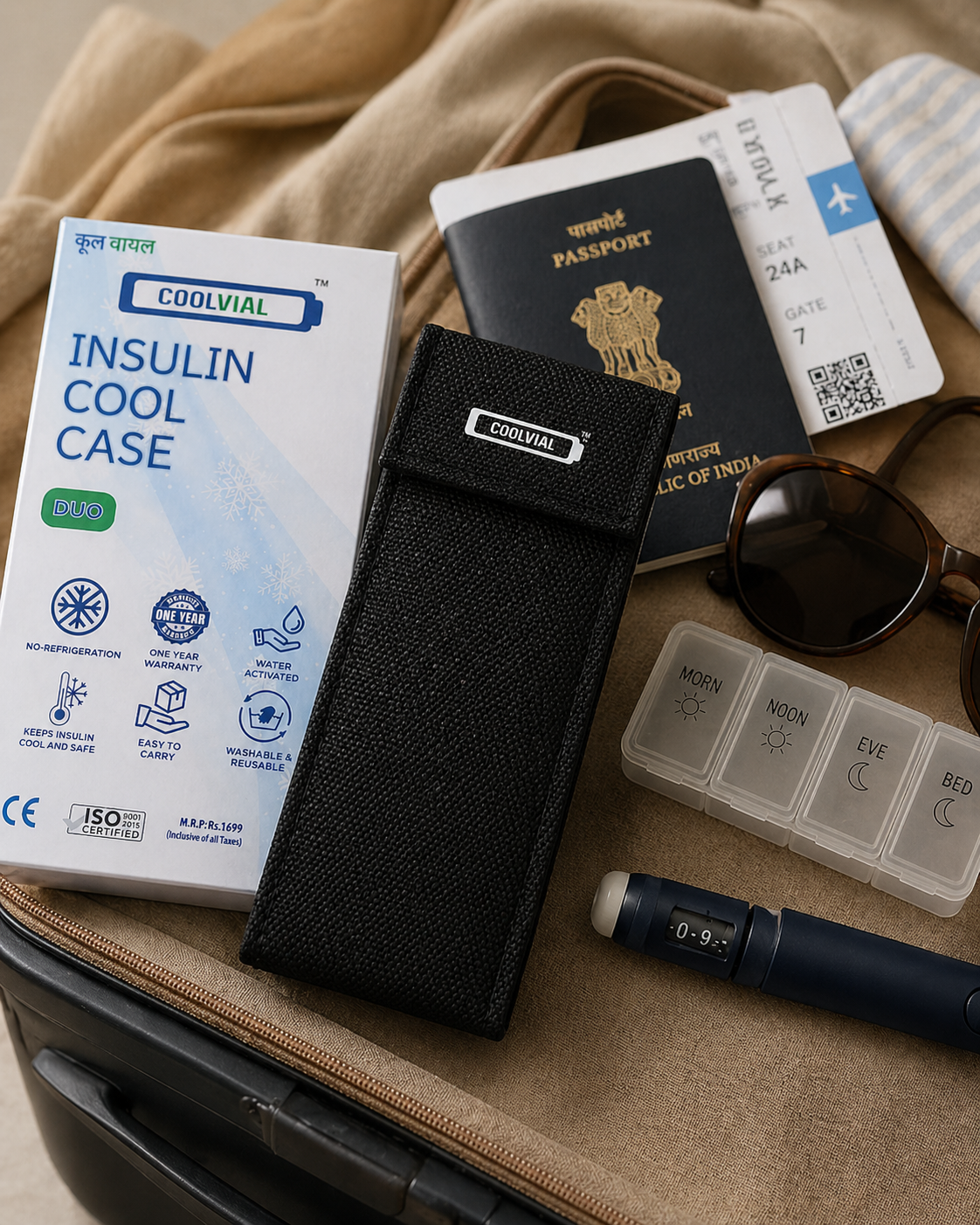
Insulin at 2-8°C for 48+ hours. Trusted by 10,000+ Indian diabetics.