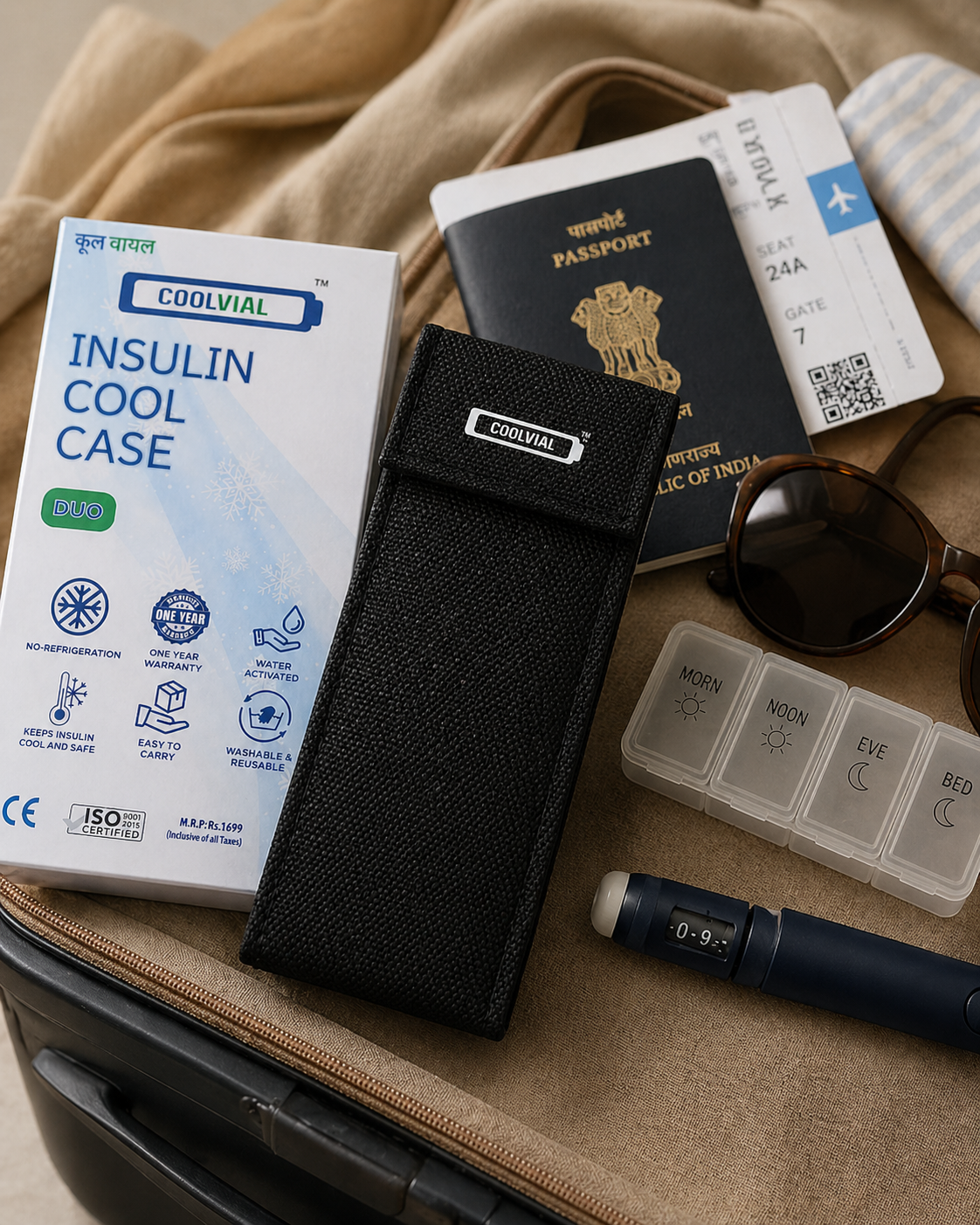
Reviewed by the COOLVIAL Editorial Team — specialists in insulin storage for Indian climate conditions.
Bengaluru, often celebrated as India’s “Garden City” and “Silicon Valley,” is known for its remarkably pleasant, salubrious climate. With year-round temperatures typically ranging from a comfortable 18°C to 33°C, it’s tempting to assume that insulin storage here is straightforward. However, this mildness can be deceptive. While extreme heat waves are rare, specific local conditions still pose significant risks to insulin efficacy. Understanding how to store insulin correctly in this unique environment is crucial for every Bengalurean managing diabetes.
Based on an analysis of insulin storage queries from Bengaluru diabetics, we’ve identified that overlooked factors like car interiors, brief but humid monsoons, and weekend getaways can compromise your insulin. With over 77 million people living with diabetes in India (Source: IDF Diabetes Atlas 10th Edition), proper storage is a national health priority. This guide offers 5 essential strategies tailored for Bengaluru’s climate, ensuring your insulin remains potent and effective, whether you’re commuting through the IT corridor or enjoying a quiet evening in Jayanagar.
Table of Contents
- Bengaluru’s Climate: A Closer Look at Insulin Storage Challenges
- Understanding Insulin’s Temperature Thresholds
- Everyday Insulin Storage in Bengaluru Homes: WFH & Apartment Living
- Central & South Bengaluru Apartments
- Monsoon Season Precautions (June-October)
- Insulin Storage on the Go: Commutes, Cars, and Weekend Trips
- Navigating Bengaluru’s Traffic and Car Interiors
- Weekend Getaways to Mysuru, Coorg, and Beyond
- Essential Tools for Optimal Insulin Storage: The COOLVIAL Duo
- General Guidelines from Bengaluru’s Experts
- Frequently Asked Questions (FAQ)
- Conclusion: Your Partner in Diabetes Management
- Methodology Note
- Medical Disclaimer
1. Bengaluru’s Climate: A Closer Look at Insulin Storage Challenges
Bengaluru’s reputation for pleasant weather often leads to a false sense of security regarding insulin storage. The average maximum temperature rarely exceeds 33°C, which is generally within the acceptable range for in-use insulin (typically up to 30°C for many brands, though always check your specific product leaflet). However, this broad range doesn’t account for microclimates and specific situations that can push temperatures beyond safe limits.
Consider these scenarios in Bengaluru:
- Sun-baked Vehicles: Even on a pleasant 28°C day, the interior of a parked car can soar to 35°C or higher within minutes, especially if left under the sun near MG Road or Brigade Road.
- Monsoon Humidity: From June to October, the Southwest monsoon brings approximately 970mm of moderate rainfall. While temperatures might drop slightly, the increase in humidity can still affect insulin, especially if storage isn’t airtight. For more details, refer to our specific guide: Bengaluru Monsoon & Insulin — Smart Storage During the Rainy Season.
- Power Fluctuations: While Bengaluru generally has stable power, occasional outages, especially during heavy rains, can impact refrigerator temperatures.
- Travel and Commutes: Daily commutes across the city, from Whitefield to Electronic City, or weekend trips to nearby destinations like Mysuru or Coorg, expose insulin to varied and often uncontrolled temperatures.
The key to how to store insulin in Bengaluru isn’t just about avoiding extreme heat, but about mitigating these subtle yet significant risks that can degrade insulin potency over time. This proactive approach ensures your medication is always effective.
2. Understanding Insulin’s Temperature Thresholds
Before we delve into specific storage strategies, it’s vital to grasp the general rules for insulin. These are universal, regardless of Bengaluru’s climate, but form the foundation of all local recommendations.
Insulin is a protein, and like many proteins, it is sensitive to temperature extremes. Both freezing and excessive heat can damage its molecular structure, rendering it ineffective.
- Unopened Insulin:
- Must be stored in a refrigerator (2°C to 8°C).
- Never store it in the freezer. Freezing can break down the insulin, making it unusable.
- Check the expiry date printed on the vial or pen.
- Opened (In-Use) Insulin:
- Can generally be kept at room temperature (below 30°C for most brands) for up to 28 days (4 weeks). Always refer to your specific insulin’s package insert for exact guidelines, as some may have slightly different limits (e.g., 25°C or 32°C).
- Do not refrigerate once opened, unless specified by your doctor or manufacturer, as repeated temperature changes can also affect its stability.
- Keep it away from direct sunlight and extreme heat.
Signs of Damaged Insulin:
- Clumping or “frosting”: Insulin should be clear (unless it’s NPH or a cloudy mixture, which should be uniformly cloudy).
- Discoloration: Any change in color.
- Solid particles: Visible particles floating in the solution.
- Reduced effectiveness: Your blood glucose levels might be higher than usual despite taking your regular dose.
If you suspect your insulin is compromised, do not use it. Dispose of it safely and use a fresh pen or vial. Consult your diabetologist at Manipal Hospital (Old Airport Road) or Apollo Hospital (Bannerghatta Road) for guidance.
3. Everyday Insulin Storage in Bengaluru Homes: WFH & Apartment Living
For many Bengalureans, especially those working from home (WFH) in areas like Indiranagar or Koramangala, insulin storage primarily revolves around the home environment. While Bengaluru’s general ambient temperatures are mild, specific practices are crucial.
Central & South Bengaluru Apartments
Apartments in densely populated areas like Central Bengaluru (MG Road, Indiranagar) and South Bengaluru (Jayanagar, JP Nagar, Koramangala) can experience higher indoor temperatures than detached homes, especially during peak afternoon hours or if they lack proper ventilation.
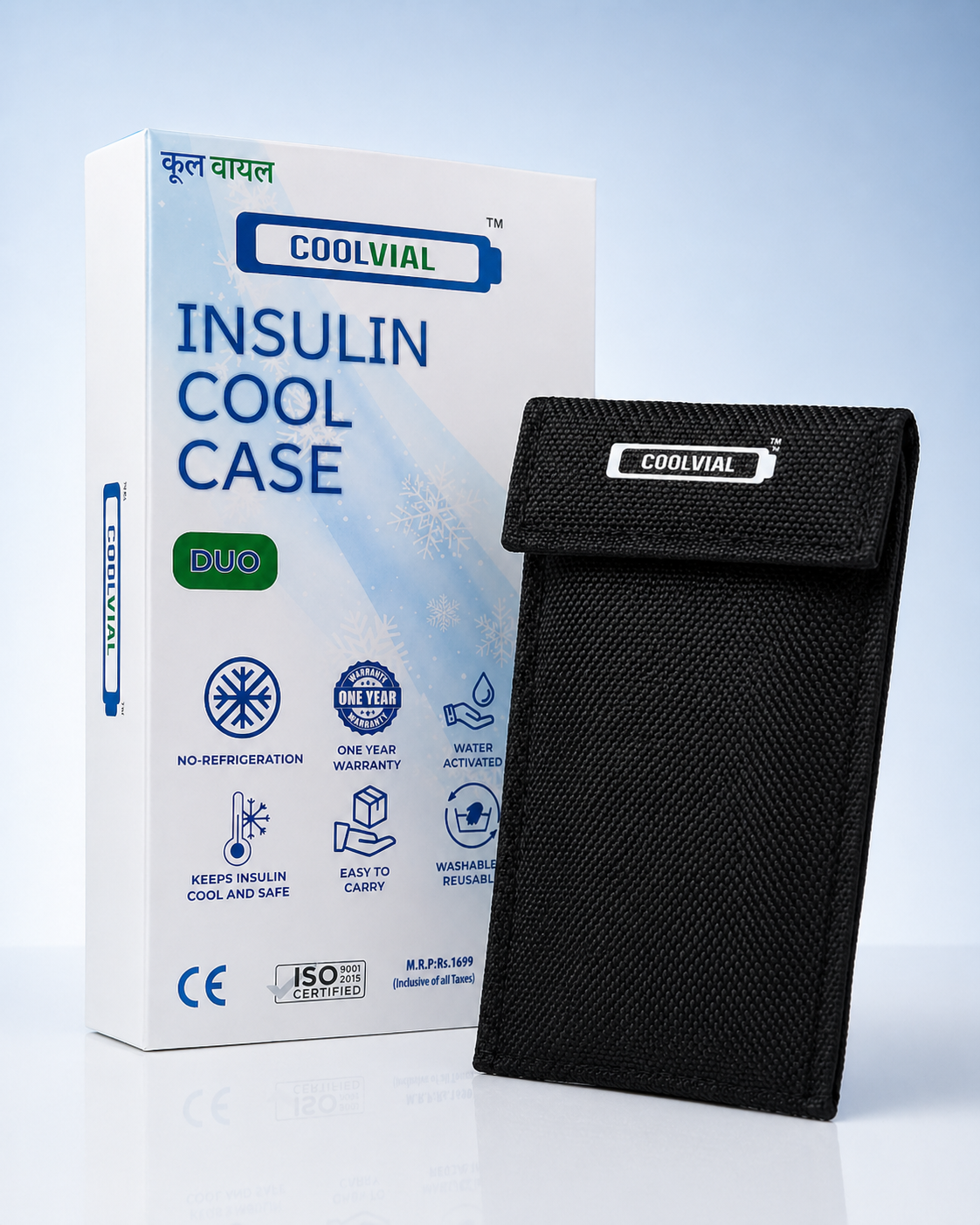
5 Essential Ways to Store Insulin in Bengaluru's Mild Climate — A Local's Guide
COOLVIAL keeps insulin safe in India's heat. 48+ hours, no electricity needed.
- Refrigerator Practices for Unopened Insulin:
- Store unopened insulin in the main body of your refrigerator, not in the door. The door experiences more temperature fluctuations due to frequent opening and closing.
- Keep it away from the freezer compartment to prevent accidental freezing.
- Consider a dedicated container to protect vials and pens from food items and potential spills.
- Room Temperature Storage for In-Use Insulin:
- Choose the coolest room in your apartment. This might be a bedroom facing away from the afternoon sun.
- Avoid window sills, kitchen counters (especially near stoves or ovens), and bathrooms, which can get humid.
- Use a table or shelf away from direct sunlight.
- Even if the ambient temperature is 28°C, a lamp or electronic device nearby could create a warmer microclimate.
Monsoon Season Precautions (June-October)
The Southwest monsoon brings a distinct shift in Bengaluru’s climate, marked by increased humidity. While temperatures might be lower, humidity can still be a concern for insulin, particularly if the seals on pens or vials are compromised.
- Humidity Management:
- Ensure your chosen storage spot is not near any damp areas.
- If you notice condensation inside storage boxes, dry them thoroughly.
- Consider placing a small desiccant pack (like silica gel, often found in new product packaging) near your in-use insulin, but not in direct contact with it, to absorb excess moisture.
- Power Outages:
- During monsoon, brief power cuts are more common. Keep your refrigerator door closed as much as possible to maintain internal temperature.
- For opened insulin, if ambient temperatures rise significantly (e.g., above 30°C for extended periods), consider temporary cooling solutions.
For comprehensive details on managing your insulin during the rainy season, read our dedicated article: Bengaluru Monsoon & Insulin — Smart Storage During the Rainy Season.
4. Insulin Storage on the Go: Commutes, Cars, and Weekend Trips
Bengaluru’s dynamic lifestyle, from daily commutes to spontaneous getaways, presents unique challenges for insulin storage. This is where the mild climate’s deceptive nature truly comes into play.
Navigating Bengaluru’s Traffic and Car Interiors
Whether you’re stuck in traffic on the Outer Ring Road heading to an IT park in Whitefield or making a quick trip to Cubbon Park, your car can become an insulin hazard.
- The “Oven Effect”:
- Even on a mild 25°C day, a car parked in the sun for an hour can reach internal temperatures of 40°C to 50°C. This is well above insulin’s safe limit.
- Never leave insulin in a parked car, even for “just a few minutes.”
- Commuting with Insulin:
- If you carry insulin daily, ensure it’s protected from body heat and ambient temperatures. A simple cloth pouch is often insufficient.
- For IT professionals commuting from North Bengaluru (Hebbal, Yelahanka) to East Bengaluru (Marathahalli), where travel times can exceed an hour or two, a reliable cooling solution is non-negotiable.
- Consider using a compact, evaporative cooling case. The COOLVIAL Duo, for instance, is ideal for carrying 2 pens and 1 vial, keeping them cool for 12-16 hours without electricity. It’s a lifesaver for those long Bengaluru commutes.
Weekend Getaways to Mysuru, Coorg, and Beyond
Bengalureans love their weekend escapes to nearby hill stations and cultural sites. Destinations like Mysuru, Coorg, Ooty, or even a short drive to Nandi Hills, while offering a refreshing break, require careful planning for insulin storage.
- Hotel Room Temperatures: Even in air-conditioned rooms, power cuts can occur, or the AC might be off when you’re out exploring.
- Travel Time: A drive to Coorg can take 5-6 hours. During this time, insulin in a regular bag is vulnerable.
- Activities: Trekking, sightseeing, or simply enjoying the outdoors means your insulin will be exposed to fluctuating temperatures.
For these 2-day getaways, a robust, portable cooling solution is absolutely essential. Relying solely on a hotel fridge is risky, as mini-fridges often aren’t cold enough or consistent.
5. Essential Tools for Optimal Insulin Storage: The COOLVIAL Duo
Given the nuanced challenges of how to store insulin in Bengaluru, a reliable cooling case is not a luxury, but a necessity. Evaporative cooling cases offer a smart, electricity-free solution, perfect for both daily use and travel.
The COOLVIAL Duo is designed specifically for the Indian climate and the needs of a mobile diabetic. Here’s why it’s an excellent choice for Bengaluru residents:
- Sustained Cooling: It keeps insulin cool (between 18°C and 26°C) for 12-16 hours, even in ambient temperatures up to 33°C. This covers your entire workday, a lengthy commute, or a day trip.
- Capacity: The Duo holds 2 insulin pens and 1 vial, or 3 pens, offering flexibility for different insulin regimens.
- Water-Activated: Simply immerse the inner pouch in cold water for a few minutes, and it’s ready. No ice packs, no refrigeration, no batteries needed. This is incredibly convenient for travel or when power is unreliable.
- Durable and Reusable: Made with high-quality materials, it’s designed for daily, long-term use.
- Certifications: CE certified and ISO 9001:2015 compliant, ensuring quality and safety. Plus, it comes with a 1-year warranty.
- Made in India: Built for local conditions and readily available.
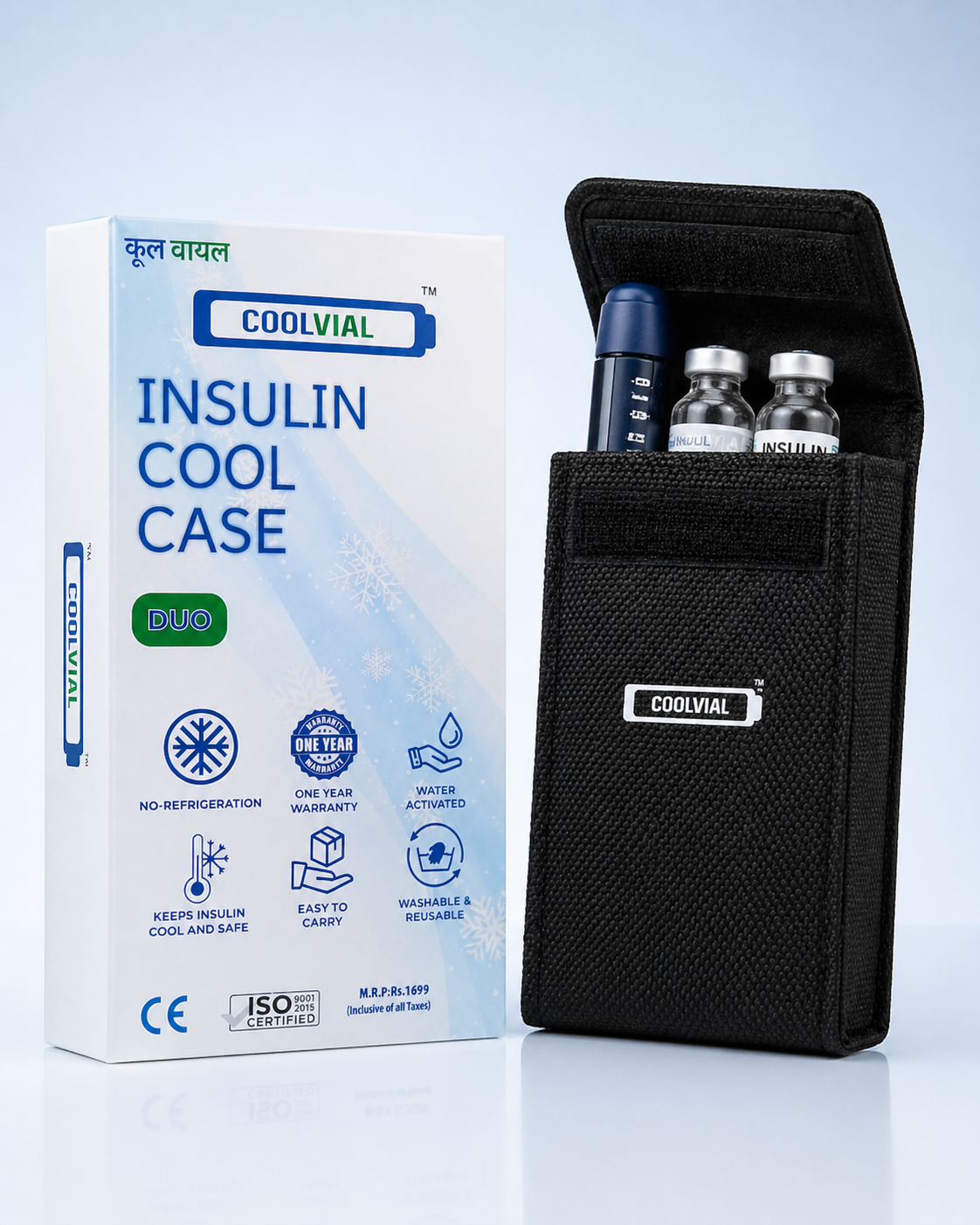
5 Essential Ways to Store Insulin in Bengaluru's Mild Climate — A Local's Guide
Insulin at 2-8°C for 48+ hours. Trusted by 10,000+ Indian diabetics.
How COOLVIAL Duo Compares: While other brands like FRIO (often priced around Rs 1,900) offer similar evaporative cooling, COOLVIAL Duo provides comparable performance and capacity at a more accessible price point. Another option, Outer Woods OW-12 (around Rs 999), is a soft cooler bag which typically requires ice packs or gel packs, meaning it’s heavier, bulkier, and needs pre-freezing – less convenient for daily, spontaneous use than a water-activated solution. For effortless, consistent cooling, the COOLVIAL Duo stands out. Learn more about the COOLVIAL insulin cool case and our general insulin storage tips.
This makes the COOLVIAL Duo an indispensable companion for anyone managing diabetes in Bengaluru, from students attending classes near Christ University to professionals working in IT hubs like Manyata Tech Park.
6. General Guidelines from Bengaluru’s Experts
Local healthcare providers consistently emphasize the importance of proper insulin storage. Manipal Hospital (Old Airport Road), a leading medical institution in Bengaluru, advises patients to always follow manufacturer guidelines and consider their daily routines.
Here are general best practices endorsed by diabetologists:
- Read the Label: Always check the specific storage instructions for your brand of insulin. These can vary slightly.
- Avoid Temperature Extremes:
- Never freeze insulin.
- Avoid direct heat sources like radiators, ovens, or car dashboards.
- Keep away from direct sunlight.
- Keep it Clean: Store insulin in a clean environment, free from dust and contaminants.
- Travel Smart: When traveling, always carry your insulin in your carry-on luggage, not checked baggage, to protect it from extreme temperatures in the cargo hold. A reliable cooling case like the COOLVIAL Duo is crucial here.
- Emergency Preparedness: Have a plan for power outages or unexpected travel delays. Knowing how to store insulin in such situations can prevent medication waste.
- Regular Check-ups: Discuss your insulin storage habits with your doctor at Apollo Hospital (Bannerghatta Road) or Fortis Hospital (Cunningham Road) during your regular check-ups. They can offer personalized advice based on your lifestyle.
For a broader understanding of diabetes management in the city, consider reading our comprehensive guide: Complete Diabetes Care Guide for Bengaluru Residents — 2026 Edition.
7. Frequently Asked Questions (FAQ)
Q: Can I store my insulin in the door of my refrigerator in Bengaluru? A: It is generally not recommended to store unopened insulin in the refrigerator door. The door experiences significant temperature fluctuations each time it is opened and closed, which can compromise insulin stability over time.
Q: My car was parked in the sun for an hour near Indiranagar 100ft Road. Is my insulin still safe if I left it inside? A: If your insulin was left in a car parked in the sun for an hour, it is highly likely that its temperature exceeded safe limits (typically 30°C). Even on a mild Bengaluru day, car interiors can reach 40-50°C. It is best to discard potentially compromised insulin and use a fresh pen or vial.
Q: How long can COOLVIAL Duo keep insulin cool during a trip from Bengaluru to Mysuru? A: The COOLVIAL Duo is designed to keep insulin cool for 12-16 hours, even in ambient temperatures up to 33°C. A trip from Bengaluru to Mysuru (typically 3-4 hours) is well within its cooling capacity, making it an ideal travel companion.
Q: Where can I buy insulin and diabetes supplies in Bengaluru? A: Insulin and diabetes supplies are readily available at major pharmacy chains across Bengaluru, including Apollo Pharmacy, MedPlus, Davaindia, as well as online platforms like Netmeds (headquartered in Bengaluru) and PharmEasy.
Q: Is Bengaluru’s monsoon humidity harmful to insulin? A: While the monsoon temperatures are generally mild, high humidity from June to October can be a concern if insulin pens or vials are not properly sealed or stored. Excess moisture can potentially affect the integrity of the medication or its delivery device.
Q: What is the optimal temperature range for in-use insulin in Bengaluru? A: Most in-use insulin should be stored at room temperature, typically below 30°C, for up to 28 days. Always refer to the specific manufacturer’s instructions for your insulin, as some brands may have slightly different limits.
Q: Can I reuse the COOLVIAL Duo after its cooling period? A: Yes, the COOLVIAL Duo is designed for repeated use. Simply re-immerse the inner pouch in cold water for a few minutes to reactivate its evaporative cooling properties. It’s a durable and long-lasting solution.
Q: Should I worry about insulin freezing in Bengaluru’s climate? A: Freezing is generally not a concern in Bengaluru’s mild climate, as temperatures rarely drop below 18°C. However, ensure unopened insulin stored in a refrigerator is placed away from the freezer compartment to prevent accidental freezing.
8. Conclusion: Your Partner in Diabetes Management
Bengaluru’s salubrious climate offers a comfortable living environment, but it demands specific vigilance when it comes to how to store insulin. The subtle risks of car heat, humid monsoons, and the demands of an active lifestyle mean that a “set it and forget it” approach to insulin storage is simply not enough. Protecting your insulin from degradation is paramount to ensuring effective diabetes management and maintaining your quality of life.
By adopting proactive storage strategies—from smart home practices in Jayanagar to using a reliable cooling case for your commutes to Whitefield or weekend adventures to Coorg—you can safeguard your medication. The COOLVIAL Duo offers an innovative, practical, and affordable solution, giving you peace of mind and the freedom to live your life to the fullest in the Garden City.
Don’t let preventable temperature fluctuations compromise your health. Take control of your insulin storage today.
Order COOLVIAL Duo at Rs 1,099 with code COOLHEAL at coolvial.com or via WhatsApp wa.me/918766952300.
Methodology Note
How We Researched This — This article is based on a comprehensive review of RSSDI (Research Society for the Study of Diabetes in India) guidelines, ICMR-INDIAB (Indian Council of Medical Research - India Diabetes) study data, local Bengaluru hospital directories, and insights from the Apollo Pharmacy network regarding common patient queries and practices. Information on local climate specifics was derived from meteorological data for Bengaluru, Karnataka.
Medical Disclaimer
This article is for general informational purposes only and does not constitute medical advice. Always consult your endocrinologist or diabetologist, such as those at Manipal Hospital (Old Airport Road) or Fortis Hospital (Cunningham Road), before changing insulin storage or dosing practices.