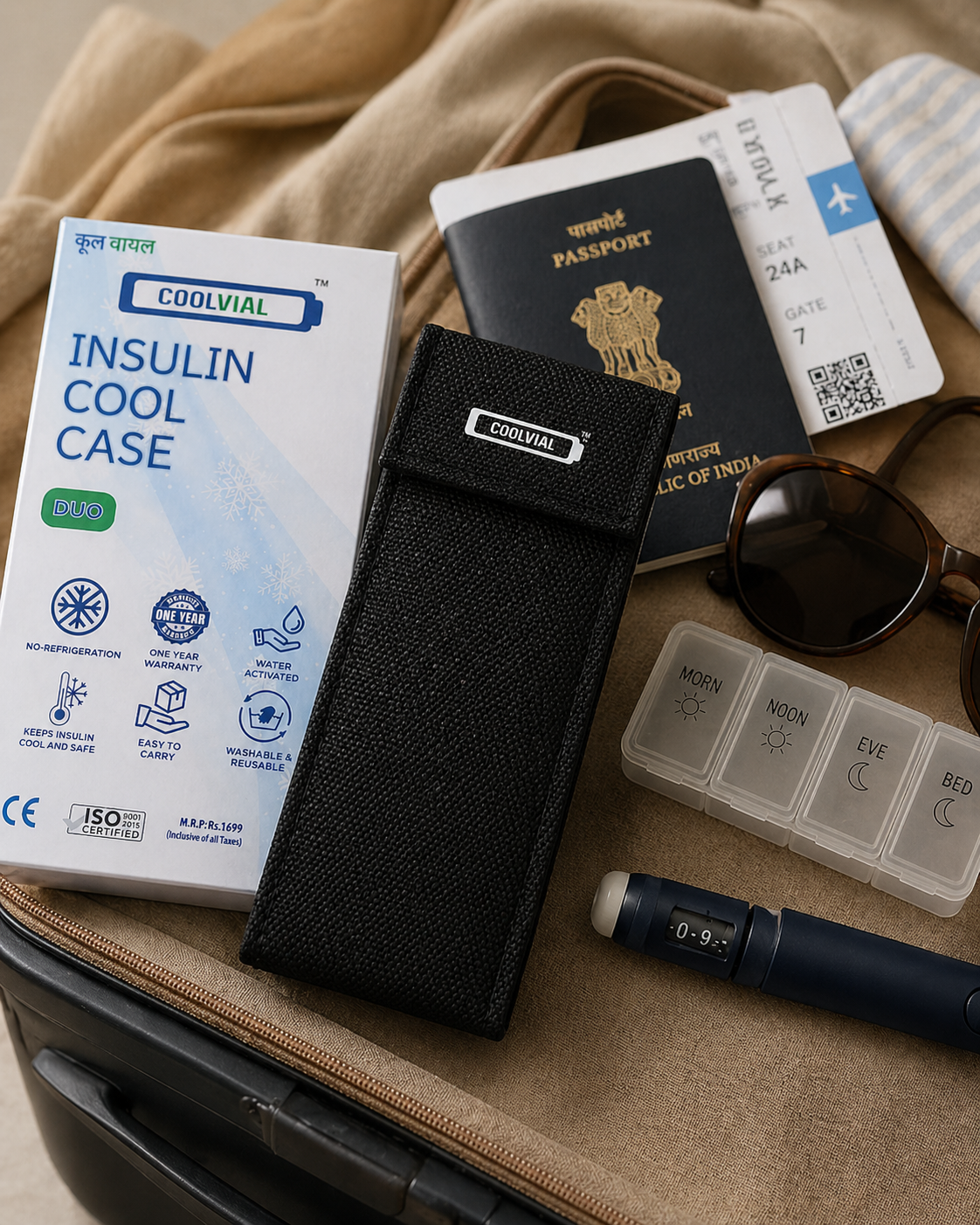
Reviewed by the COOLVIAL Editorial Team — specialists in insulin storage for Indian climate conditions.
For anyone managing diabetes in Jamshedpur, the arrival of summer isn’t just about longer days and mangoes; it brings a critical challenge: how to store insulin safely amidst the city’s scorching heat and unpredictable power cuts. Our beloved Steel City, with its temperatures soaring past 40°C from April to June, and indoor temperatures often hovering between 33-38°C even at night in non-AC homes, presents a unique environment for insulin users. Based on analysis of insulin storage queries from Jamshedpur diabetics, maintaining insulin potency is a constant concern. This comprehensive local’s guide provides 7 essential strategies to ensure your insulin remains effective, protecting your health and peace of mind.
Table of Contents
- Understanding Jamshedpur’s Unique Climate Challenges for Insulin Storage
- The Silent Threat: Indoor Temperatures in Non-AC Jamshedpur Homes
- Navigating Power Cuts and Refrigerator Stability in the Steel City
- The Power of Evaporative Cooling: Does it Work in Jamshedpur’s Humidity?
- Water Quality Matters: Activating Your Cooling Case in Jamshedpur
- Local Storage Realities: Bistupur vs. Sonari/Kadma & Adityapur
- Peak Heat & Power Cut Combo: A Jamshedpur Survival Plan
- Expert Recommendations: What Tata Main Hospital Advises
- Practical Tips for Everyday Insulin Storage in Jamshedpur
- Frequently Asked Questions (FAQs)
- Conclusion
Understanding Jamshedpur’s Unique Climate Challenges for Insulin Storage
Jamshedpur, a meticulously planned industrial city nestled in Jharkhand, experiences a climate that can be particularly harsh on temperature-sensitive medications like insulin. From March to June, the city bakes under intense heat, with average maximums often exceeding 38°C and frequently touching 40°C or higher during peak summer months. This period is swiftly followed by the monsoon season (June to September), bringing heavy rainfall (around 1400mm annually) and high humidity levels.
Insulin, whether in vials or pens, is highly sensitive to extreme temperatures. It needs to be stored within a narrow range to maintain its efficacy. Unopened insulin should ideally be refrigerated between 2°C and 8°C, while opened vials or pens can typically be kept at room temperature (below 25°C) for up to 28 days, depending on the specific brand. However, “room temperature” in Jamshedpur is a far cry from what the manufacturers envision.
Here’s why Jamshedpur’s climate is a significant challenge:
- Intense Heat: Prolonged exposure to temperatures above 25°C can degrade insulin, reducing its potency and making it less effective in managing blood sugar levels. This can lead to dangerously high glucose readings.
- High Humidity: While not directly degrading insulin in the same way heat does, high humidity, especially during the monsoon, can damage insulin pens or vials through condensation, affecting their integrity or the delivery mechanism.
- Sudden Weather Shifts: The transition from scorching heat to heavy monsoon rains can bring rapid changes in ambient temperature and humidity, making consistent storage challenging.
The Silent Threat: Indoor Temperatures in Non-AC Jamshedpur Homes
Many homes across Jamshedpur, particularly in older residential areas like Sakchi and Kadma, or even some parts of Bistupur, rely on natural ventilation rather than air conditioning. During April, May, and June, the indoor temperatures in these non-AC homes can become a silent threat to insulin. It’s not uncommon for rooms to register temperatures between 33°C and 38°C, even late into the night. This persistent warmth is well above the recommended 25°C maximum for opened insulin.
The problem is insidious because insulin degradation isn’t always visible. It doesn’t necessarily change color or become cloudy immediately. The primary effect is a gradual loss of potency, meaning you might be injecting the correct dose but receiving less therapeutic effect, leading to uncontrolled blood sugar levels. This can be particularly dangerous for individuals whose bodies are already working hard to manage glucose.
Risks associated with improper indoor storage include:
- Reduced Potency: Insulin loses its ability to lower blood sugar effectively, leading to hyperglycemia.
- Increased Dosing: Patients might feel the need to take higher doses to achieve the same effect, which is wasteful and can be risky if they switch back to potent insulin without adjusting.
- Compromised Health: Poor blood sugar control can lead to long-term complications of diabetes, such as neuropathy, retinopathy, and nephropathy.
- Financial Burden: Insulin is expensive. Wasting degraded insulin due to improper storage adds an unnecessary financial strain on families.
For a broader understanding of managing diabetes in the local context, refer to our Complete Diabetes Care Guide for Jamshedpur Residents — 2026 Edition.
Navigating Power Cuts and Refrigerator Stability in the Steel City
Jamshedpur, despite being an industrial hub, is not immune to power cuts, especially during the peak summer months when electricity demand surges. These outages can range from short, intermittent flickers to prolonged hours-long disruptions, severely impacting the stability of refrigerators – the primary storage method for unopened insulin.
A refrigerator’s internal temperature can rise quickly during a power cut. While a well-insulated, full fridge might maintain its temperature for a few hours, frequent or extended outages can push the temperature above the safe 8°C limit for unopened insulin. This fluctuating temperature environment can be just as damaging as consistent high heat, as it exposes insulin to repeated thermal stress.
Here’s a look at typical fridge stability during power cuts:
| Power Cut Duration | Fridge Temperature Response (Approx.) | Impact on Insulin |
|---|---|---|
| 1-2 hours | Remains mostly stable (below 8°C) | Minimal risk |
| 2-4 hours | Starts to rise (8-12°C) | Moderate risk, check temperature |
| 4-6 hours | Rises significantly (12-18°C) | High risk, consider alternative storage |
| 6+ hours | Approaches ambient room temperature | Insulin likely compromised |
(Source: General refrigeration guidelines, actual performance varies by fridge model and insulation.)
It’s crucial not to open the refrigerator door unnecessarily during a power cut to help maintain the internal temperature. However, for continuous and reliable cooling, especially for opened insulin or during extended outages, relying solely on the fridge is not a viable long-term strategy in Jamshedpur.
7 Essential Strategies: How to Store Insulin in Jamshedpur Summer Heat — A Local's Guide
The Power of Evaporative Cooling: Does it Work in Jamshedpur’s Humidity?
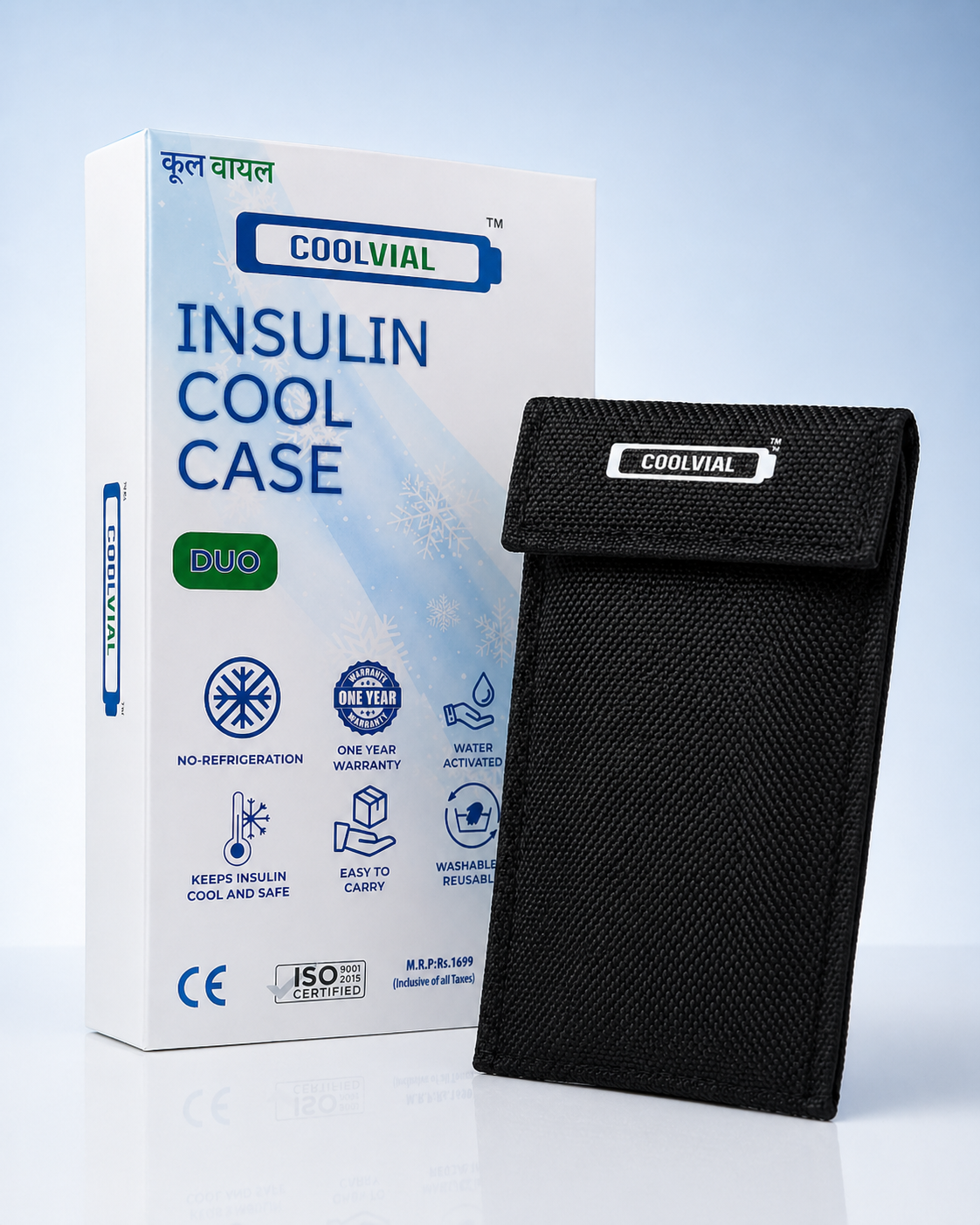
Evaporative cooling technology, used in products like the COOLVIAL Duo, offers a brilliant, electricity-free solution for keeping insulin cool. It works on a simple scientific principle: as water evaporates from a surface, it draws heat away, thereby cooling the object. This is the same principle that cools our bodies when we sweat.
A common question among Jamshedpur residents, particularly given the city’s high humidity during monsoon, is: “Does evaporative cooling still work effectively?” The answer is a resounding yes, though its efficiency can vary slightly with relative humidity, it remains highly effective even in humid conditions. This is because evaporative cooling primarily depends on the wet-bulb temperature, not just the ambient relative humidity. As long as the wet-bulb temperature is lower than the ambient temperature (which it almost always is, unless humidity is 100% and air is stagnant), evaporation will occur, and cooling will take place.
For Jamshedpur’s climate, even during the monsoon season when relative humidity can be high, the air usually has enough capacity to absorb moisture, allowing evaporative cooling to function. This means you can confidently use an evaporative cooling case like the COOLVIAL Duo to keep your insulin pens and vials at a safe temperature (typically 18-26°C), well within the recommended range for opened insulin, for extended periods – often 12-16 hours without any electricity.
Benefits of using an evaporative cooling case in Jamshedpur:
- Electricity-Free Operation: No reliance on power, making it ideal during load shedding or travel.
- Consistent Temperature: Maintains insulin within the safe 18-26°C range, protecting its potency.
- Portability: Lightweight and easy to carry, perfect for daily commutes to Tata Steel Plant, visits to Jubilee Park, or trips to P&M Mall.
- Durability: Designed for repeated use, offering a long-term, cost-effective solution.
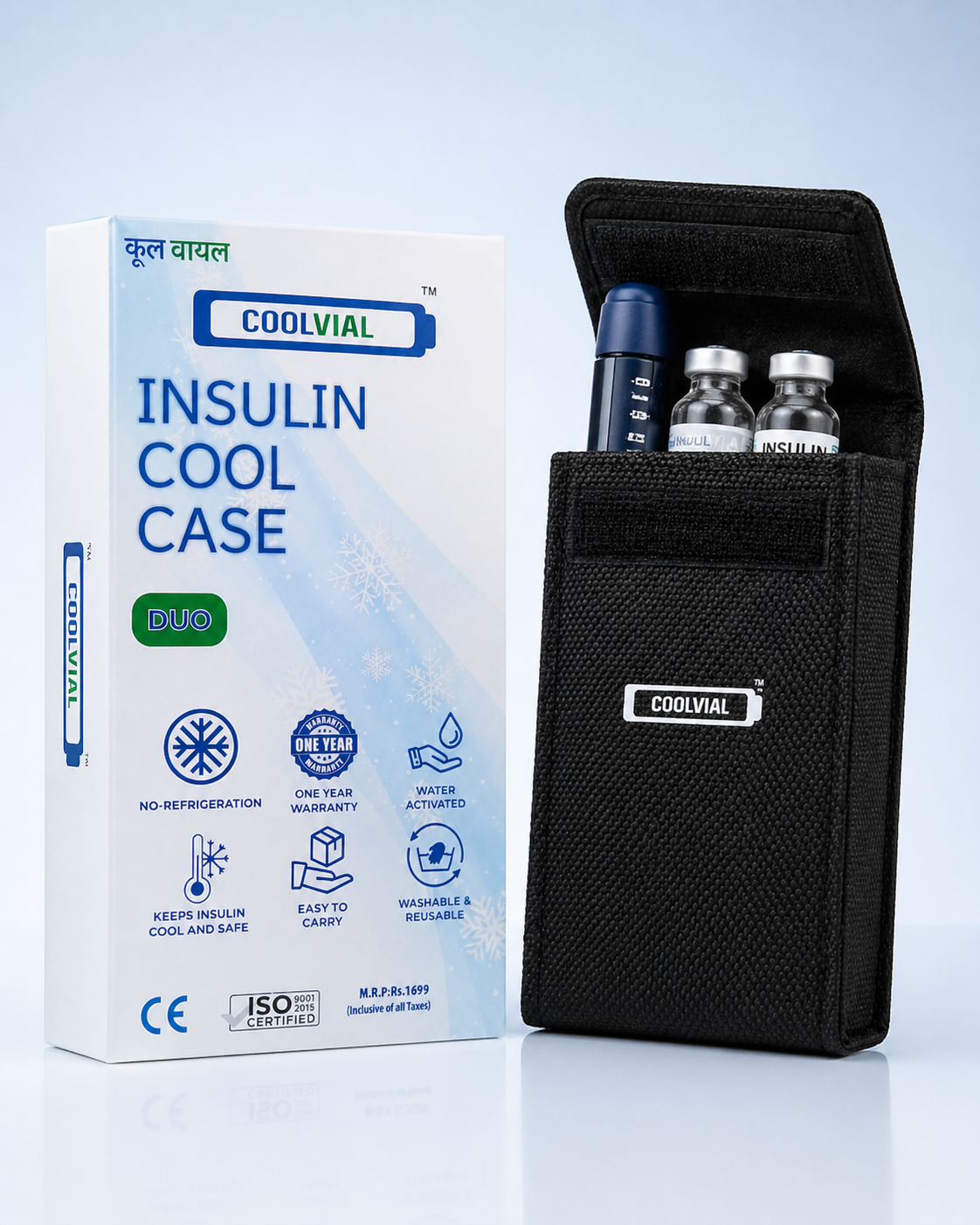
Speaking of reliable, portable cooling, the COOLVIAL Duo is an excellent example of this technology tailored for Indian conditions. It’s designed to hold 2 insulin pens and 1 vial, keeping them cool for 12-16 hours without any electricity. Priced at just Rs 1,099 with code COOLHEAL (MRP Rs 1,699), it offers an affordable and robust solution. It’s CE certified, ISO 9001:2015 compliant, comes with a 1-year warranty, and is proudly Made in India. Compared to alternatives like FRIO (often around Rs 1,900) or Outer Woods OW-12 (around Rs 999), COOLVIAL Duo strikes a balance of capacity, cooling duration, and certified quality at a competitive price, making it a smart choice for Jamshedpur residents.
Water Quality Matters: Activating Your Cooling Case in Jamshedpur
Activating an evaporative cooling case like COOLVIAL Duo is simple: you just immerse it in water for a few minutes. However, the quality of water you use, especially in Jamshedpur, can play a role in the longevity and cleanliness of your cooling case. Jamshedpur, like many Indian cities, can have varying water quality, including areas with hard water or water containing sediments.
While tap water will technically activate the cooling crystals, using hard water over time can lead to a buildup of mineral deposits on the fabric of the cooling case. This might reduce its evaporative efficiency slightly and leave a residue. Sediments can also potentially clog the fabric pores.
For optimal performance and to prolong the life of your cooling case, especially if you live in an area of Jamshedpur known for hard water, consider these options for activation:
- Bottled Water: Readily available at any local kirana store, Apollo Pharmacy, or MedPlus, bottled water is generally free of minerals and sediments.
- RO (Reverse Osmosis) Water: If you have an RO filter at home, this is an excellent option as it provides purified water.
- Filtered Tap Water: Basic tap water filters can remove larger sediments, making it a better choice than unfiltered water.
While using purified water is a recommendation for best practice, it’s important to note that even regular tap water will activate the COOLVIAL Duo effectively. The goal is to avoid potential long-term buildup that could affect performance.
Local Storage Realities: Bistupur vs. Sonari/Kadma & Adityapur
Jamshedpur’s neighborhoods, each with its unique characteristics, present slightly different challenges and conveniences for insulin users. Understanding these local realities can help tailor your insulin storage strategy.
-
Bistupur (Central Commercial):
- Pros: High concentration of pharmacies (Apollo Pharmacy, MedPlus, Frank Ross, 1mg, Generic Aadhaar are all easily accessible near Bistupur Main Road) means easy access to fresh insulin supplies. More commercial establishments might have AC, offering temporary cool zones.
- Cons: High traffic, bustling environment means more time spent outdoors in heat if commuting. Parking can be an issue, exposing insulin to car heat.
- Reality: Residents here might have better access to AC in offices or malls (like P&M Mall), but the outdoor heat during daily errands is intense.
-
Sonari/Kadma (Residential):
- Pros: Quieter, more residential feel. Residents might spend more time at home, potentially managing indoor temperatures more actively.
- Cons: Often older homes with less insulation, leading to higher indoor temperatures. Slightly further from major commercial pharmacies, though local chemist shops are present.
- Reality: The challenge here is primarily the sustained high indoor temperatures, making a reliable home-based cooling solution paramount.
-
Adityapur (Industrial):
- Pros: Many residents work in industrial settings which might have controlled environments.
- Cons: Often involves travel through industrial zones, potentially with higher ambient temperatures due to industrial activity. Power cuts can sometimes be more frequent or longer.
- Reality: Commuting with insulin and managing storage during work hours in potentially warmer environments is a key concern.
Regardless of your neighborhood, the core principle remains: insulin must be kept cool. Whether you’re navigating the crowds of Bistupur, relaxing in Sonari, or working in Adityapur, a personal cooling solution like the COOLVIAL Duo is an invaluable companion.
Peak Heat & Power Cut Combo: A Jamshedpur Survival Plan
The absolute worst-case scenario for insulin users in Jamshedpur is the combination of peak summer heat (May-June) and a prolonged power cut. In such a situation, your refrigerator quickly becomes unreliable, and ambient temperatures can easily soar past 35°C indoors. This demands a proactive survival plan to ensure your insulin’s integrity.
7 Essential Strategies: How to Store Insulin in Jamshedpur Summer Heat — A Local's Guide
48+ hours at 2-8°C. No electricity. CE certified. Free delivery across India.
Order on WhatsApp — ₹1,099🛒 Buy Now — ₹1,099Here’s a step-by-step plan for managing insulin during these critical times:
- Prioritize Evaporative Cooling: Always have your COOLVIAL Duo or similar evaporative cooling case ready. Activate it immediately if a power cut begins and you anticipate it will be prolonged. Ensure you have clean water (bottled or RO) available for activation.
- Strategic Storage: Keep your activated cooling case in the coolest part of your home – perhaps a shaded room away from windows, or on the ground floor if you have one. Avoid placing it near heat-generating appliances.
- Limited Fridge Access: If a power cut occurs, keep your refrigerator door closed as much as possible to preserve the cold. Only open it if absolutely necessary, and quickly retrieve what you need.
- Backup Plan for Unopened Insulin: For unopened insulin vials that require refrigeration, if a power cut extends beyond 4-6 hours, and you don’t have a reliable power backup, consider transferring them to an activated evaporative cooling case if space allows, or use ice packs in a insulated box (ensure insulin doesn’t directly touch ice).
- Monitor Insulin Appearance: Regularly check your insulin for any changes in appearance (cloudiness, particles, discoloration). While degradation isn’t always visible, these are clear signs of damage.
- Seek Cooler Environments (if possible): If the heat and power cut are extreme and prolonged, and your home is unbearable, consider spending time in a cooler, air-conditioned environment if accessible (e.g., a relative’s home with a generator, a local community center if available). Ensure your insulin travels with you in its cooling case.
- Emergency Supplies: Maintain a small buffer of insulin, perhaps a few days’ supply, stored safely in your cooling case, ready for any emergency.
For additional advice on protecting your insulin from environmental factors, particularly humidity, explore our article on Jamshedpur Monsoon & Insulin — Protecting Your Vials From Humidity Damage.
Expert Recommendations: What Tata Main Hospital Advises
Tata Main Hospital (TMH) in Bistupur is a cornerstone of healthcare in Jamshedpur, with a dedicated endocrinology department that provides vital guidance to patients with diabetes. Their recommendations for insulin storage align with national and international guidelines, but with a practical understanding of local climate challenges.
Key recommendations from endocrinologists, often echoed at TMH and other facilities like Brahmananda Narayana Multispeciality Hospital in Adityapur, include:
- Strict Temperature Adherence: Always aim to keep unopened insulin between 2°C and 8°C (refrigerated) and opened insulin below 25°C (room temperature). Never freeze insulin.
- Avoid Direct Sunlight: Direct sunlight can rapidly degrade insulin. Always keep insulin away from windows, car dashboards, or any direct light source.
- Use a Cooling Case for Travel and Daily Use: For anyone stepping out for even a short period, especially during Jamshedpur’s summer, a reliable insulin cooling case is strongly advised. This includes commutes, shopping trips to Bistupur Main Road, or even just relaxing at Jubilee Park.
- Monitor Expiry Dates: Always adhere to the expiry dates on your insulin. Opened insulin typically lasts 28 days at room temperature (below 25°C), but this duration is significantly reduced if exposed to higher temperatures.
- Consult Your Doctor: If you suspect your insulin has been compromised due to improper storage, or if your blood sugar levels are unexpectedly high despite injecting your usual dose, consult your endocrinologist or diabetologist at TMH or your local clinic immediately.
These expert guidelines are crucial for maintaining effective diabetes management, especially in a challenging climate like Jamshedpur’s.
Practical Tips for Everyday Insulin Storage in Jamshedpur
Beyond the specific challenges, incorporating smart storage habits into your daily routine is essential for anyone using insulin in Jamshedpur. These practical tips can make a significant difference in maintaining your insulin’s potency and your peace of mind.
Here are everyday tips to safeguard your insulin:
- Never Leave Insulin in a Car: A parked car in Jamshedpur’s summer can reach internal temperatures of 50-60°C within minutes. This is a death sentence for insulin. Always take your insulin with you, ideally in an insulin cool case.
- Use a Thermometer: Consider keeping a small, inexpensive thermometer near your insulin storage area at home to monitor ambient temperatures, especially in non-AC rooms.
- Plan Ahead for Outings: If you’re heading to Dimna Lake for a picnic or spending the day at the Tata Steel Plant, pack your insulin in an activated cooling case like COOLVIAL Duo.
- Rotate Stock: Use older opened insulin supplies first. When you pick up new insulin from Apollo Pharmacy or MedPlus, ensure you’re rotating your stock to prevent any from expiring or losing potency due to prolonged storage.
- Protect from Physical Damage: Besides temperature, protect your insulin pens and vials from drops or impacts that could damage them. Keep them in a protective case.
- Be Mindful of Humidity: While evaporative cooling cases manage temperature, during the monsoon, ensure your insulin pens and vials are not exposed to excessive condensation or dampness, which can affect the pen’s mechanism. For more general tips, visit our insulin storage tips page.
- Stay Hydrated: While not directly related to insulin storage, staying well-hydrated helps your body cope with the heat, which is important for overall diabetes management.
By integrating these habits, you can build a robust defense against the harsh realities of Jamshedpur’s climate, ensuring your insulin remains effective and your health is protected.
Frequently Asked Questions (FAQs)
Q: Can I store insulin in a normal water cooler in Jamshedpur’s summer? A: No, a normal water cooler is not recommended for insulin storage. While it might offer some cooling, it lacks precise temperature control and can expose insulin to inconsistent temperatures or excessive moisture, which can compromise its potency.
Q: How do I know if my insulin has gone bad due to heat in Jamshedpur? A: Insulin may not always show visible signs of degradation, but look for cloudiness, discoloration, or particles in clear insulin. If your blood sugar levels are consistently high despite your usual dose, suspect compromised insulin and consult your doctor.
Q: Is it safe to carry insulin in my pocket during Jamshedpur summer? A: No, it is generally not safe to carry insulin directly in your pocket, as body heat combined with ambient temperatures can quickly raise its temperature above safe limits, especially during Jamshedpur’s intense summer. Always use an appropriate cooling case.
Q: What is the ideal temperature range for opened insulin pens in Jamshedpur? A: The ideal temperature range for opened insulin pens is below 25°C. In Jamshedpur, where ambient temperatures often exceed this, an evaporative cooling case like COOLVIAL Duo is essential to maintain this range.
Q: Can I use ice packs to store insulin during a power cut? A: You can use ice packs in an insulated bag, but ensure the insulin does not come into direct contact with the ice, as freezing temperatures will destroy insulin. Wrap the insulin in a cloth or use a layer of insulation between it and the ice pack.
Q: Where can I buy a reliable insulin cooling case in Jamshedpur? A: While specific brands might vary, you can inquire at major pharmacies like Apollo Pharmacy or MedPlus in Bistupur. However, for a guaranteed quality product like COOLVIAL Duo, it’s best to order directly from coolvial.com.
Q: How often should I check my insulin’s temperature if I’m relying on a cooling case during Jamshedpur’s peak heat? A: During peak Jamshedpur heat, it’s advisable to check your cooling case’s effectiveness, perhaps by feeling its coolness, and reactivating it with water as per instructions to ensure continuous cooling, especially if you’re out for extended periods.
Conclusion
Navigating Jamshedpur’s extreme summer heat and the challenges of power cuts while managing diabetes demands vigilance and the right tools. We’ve explored how typical indoor temperatures, refrigerator instability, and even water quality can impact your insulin. The key takeaway is that proactive measures, particularly utilizing reliable, electricity-free cooling solutions, are not just convenient but essential for maintaining insulin potency and, by extension, your health.
Whether you’re a long-time resident of Sonari or a new professional in Bistupur, understanding how to store insulin effectively in Jamshedpur’s unique climate is paramount. Products like the COOLVIAL Duo offer a practical, affordable, and certified solution to keep your insulin safe, providing peace of mind even in the most challenging conditions. Don’t let the Jamshedpur summer compromise your health management. Equip yourself with the knowledge and the right tools.
Order COOLVIAL Duo at Rs 1,099 with code COOLHEAL at coolvial.com or via WhatsApp wa.me/918766952300.
How We Researched This
This article is based on a comprehensive review of RSSDI (Research Society for the Study of Diabetes in India) guidelines for insulin storage, ICMR-INDIAB (Indian Council of Medical Research - India Diabetes) study data on diabetes prevalence and challenges in India, local Jamshedpur hospital directories (including Tata Main Hospital and Brahmananda Narayana Multispeciality), and information from established pharmacy networks like Apollo Pharmacy. Local climate data and common residential conditions in Jamshedpur were factored in to provide a truly localized and practical guide for residents.