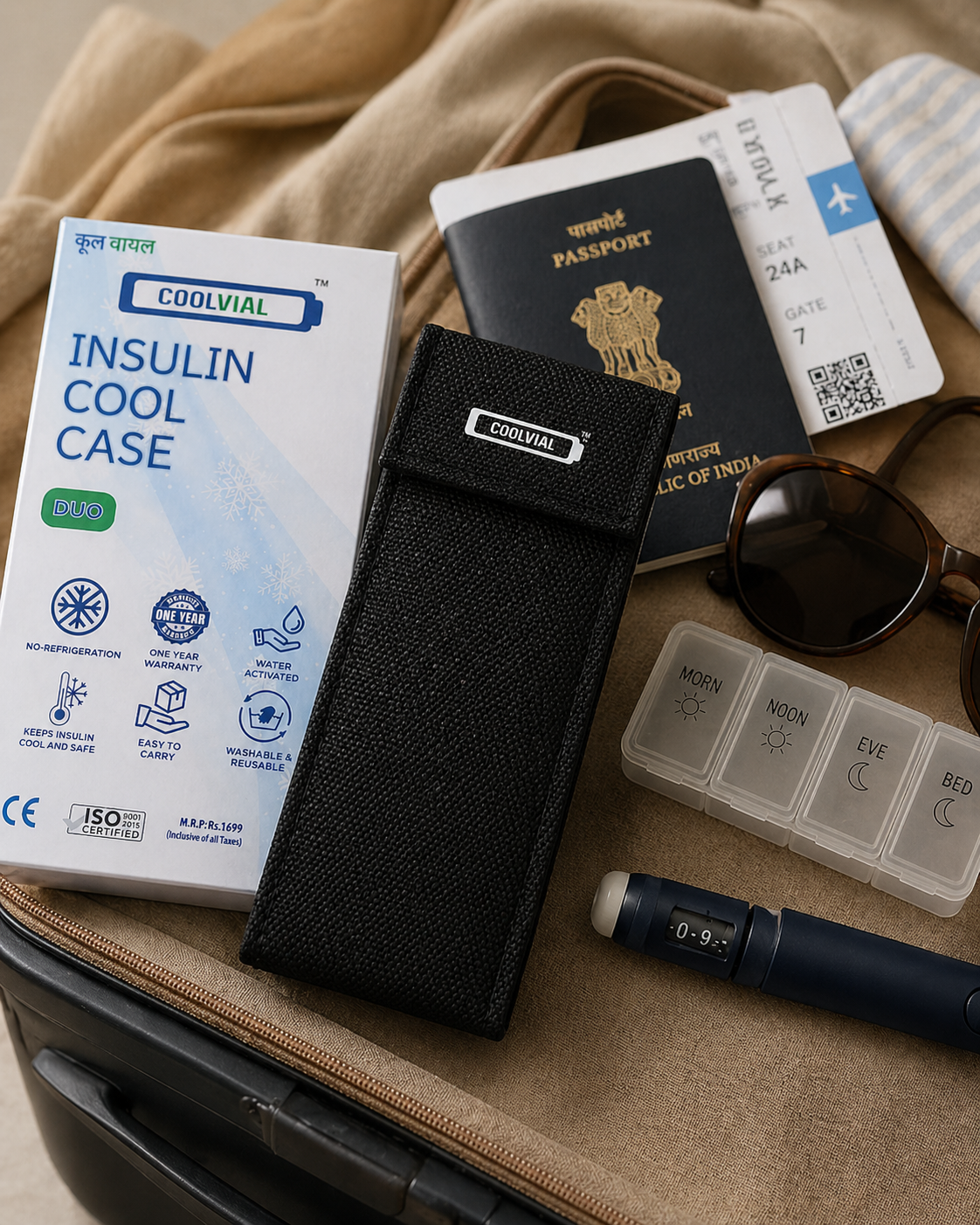
Reviewed by the COOLVIAL Editorial Team — specialists in insulin storage for Indian climate conditions.
Jamshedpur, the Steel City of India, is renowned for its meticulously planned infrastructure and industrial prowess. However, come monsoon season, from June to September, this vibrant city experiences a unique set of challenges, especially for its residents managing chronic conditions like diabetes. With average annual rainfall touching nearly 1400mm (Source: India Meteorological Department historical data for Jharkhand [Verify in 2026]), the hot and humid climate, fluctuating between 12-40°C, creates an environment where proper Jamshedpur monsoon insulin storage becomes not just a recommendation, but a critical necessity. Based on analysis of insulin storage queries from Jamshedpur diabetics, humidity poses a significant threat, potentially degrading insulin efficacy and damaging storage equipment. This article provides 7 essential tips to help you protect your insulin vials and pens from the pervasive humidity, mould, and waterlogging risks unique to Jamshedpur’s monsoon, ensuring your life-saving medication remains potent and safe.
Table of Contents
- Understanding Jamshedpur’s Monsoon: A Threat to Insulin Integrity
- The Silent Destroyer: Humidity Damage to Insulin Pens and Packaging
- Mould Risk in Jamshedpur Homes: A Hidden Danger for Diabetics
- Navigating Waterlogging and Flooding Risks in the Steel City
- Monsoon’s Impact on Pharmacy Access and Deliveries in Jamshedpur
- The Humid-Fridge-Air Conundrum: Protecting Insulin from Contamination
- Essential Monsoon-Ready Insulin Storage Solutions for Jamshedpur
- Your Practical Monsoon-Prep Checklist for Diabetics in Jamshedpur
- Frequently Asked Questions (FAQ)
- Conclusion and Call to Action
- Medical Disclaimer
- Methodology Note
1. Understanding Jamshedpur’s Monsoon: A Threat to Insulin Integrity
Jamshedpur’s climate is characterized by its distinct seasons, with the monsoon period (June to September) bringing heavy rainfall and high humidity. This industrial city, nestled in Jharkhand, experiences ambient temperatures ranging from a low of 12°C in winter to a scorching 40°C in summer, but during the monsoon, temperatures typically hover between 25°C and 35°C, coupled with relative humidity often exceeding 85-90%. This combination creates an ideal breeding ground for moisture-related issues that can severely compromise insulin and its storage.
The planned nature of Jamshedpur, with its well-engineered drainage systems, generally mitigates widespread severe flooding compared to many other Indian cities. However, the sheer volume of rainfall, sometimes concentrated over short periods, can still lead to localized waterlogging and persistent dampness. This persistent moisture in the air and within homes is the primary antagonist to insulin stability. Insulin, a protein, is sensitive to extreme temperatures and moisture, which can cause its molecular structure to break down, reducing its effectiveness.
Jamshedpur’s Monsoon Profile:
- Duration: Typically June to September.
- Average Rainfall: Approximately 1400mm annually (Source: India Meteorological Department historical data [Verify in 2026]).
- Temperature Range: 25°C to 35°C during monsoon.
- Humidity Levels: Frequently above 85-90%.
- Impact on Environment: Increased dampness, reduced evaporation, conducive to mould growth.
Understanding these specific climatic conditions is the first step towards formulating an effective insulin protection strategy for residents of Bistupur, Sakchi, Sonari, Kadma, and Adityapur.
2. The Silent Destroyer: Humidity Damage to Insulin Pens and Packaging
The pervasive humidity during the Jamshedpur monsoon can act as a silent but potent destroyer of your insulin supplies. While insulin vials and pens are designed to be robust, prolonged exposure to high moisture levels can have several detrimental effects, both on the medication itself and its delivery mechanisms. This is particularly crucial for those relying on insulin pens, which have intricate mechanical parts.
Direct Damage to Insulin Pens:
- Degradation of Plastic Components: Over time, high humidity can cause the plastic casing of insulin pens to become brittle or sticky. This can lead to cracks, affecting the structural integrity of the pen and potentially exposing the insulin cartridge to further environmental damage.
- Compromised Rubber Seals: The tiny rubber seals (plungers, septums) within insulin pens and vials are critical for maintaining sterility and preventing leakage. Humidity can cause these seals to degrade, leading to microscopic breaches that allow air or moisture to enter, compromising the insulin’s sterility and effectiveness.
- Battery Compartment Issues (for Smart Pens): Modern smart insulin pens often contain electronic components and batteries. High humidity can lead to corrosion within the battery compartment, causing malfunction or complete failure of the pen’s smart features, such as dose logging or Bluetooth connectivity.
- Reduced Injection Smoothness: Moisture can also affect the lubricant on the pen’s plunger mechanism, leading to a less smooth injection experience or even jamming.
Damage to Cardboard Packaging:
- Weakening and Disintegration: Insulin is often packaged in cardboard boxes. High humidity causes cardboard to absorb moisture, leading to softening, warping, and eventual disintegration. This compromises the protective function of the packaging, leaving vials and pens vulnerable.
- Mould Growth: Damp cardboard is an excellent substrate for mould. Once mould starts growing on the packaging, it can spread to other items and indicate a pervasive moisture problem in your storage area.
- Legibility Issues: Moisture can smudge or fade important information printed on the packaging, such as expiry dates, batch numbers, and dosage instructions. This can lead to confusion and potentially unsafe medication use.
It’s vital to recognize these subtle signs of humidity damage. For more general advice on insulin storage, including managing temperature extremes, you might find our guide on How to Store Insulin in Jamshedpur Summer Heat — A Local’s Guide equally useful.
3. Mould Risk in Jamshedpur Homes: A Hidden Danger for Diabetics
Jamshedpur’s monsoon season creates an environment ripe for mould growth, particularly in residential areas like Sonari and Kadma, where many homes, especially ground-floor apartments, might experience persistent dampness. Mould, a type of fungus, thrives in humid, warm, and poorly ventilated spaces. Its presence is not only unsightly but also poses significant health risks and can directly impact the safety and efficacy of your medical supplies, including insulin.
Why Mould is a Concern for Diabetics:
- Compromised Sterility: While insulin vials and pens are sealed, persistent mould growth in the storage environment indicates high humidity that can compromise packaging. If mould spores settle on the outer surfaces of your insulin pens or vials, they can potentially contaminate the injection site during administration, leading to skin infections. For individuals with diabetes, who are already at a higher risk of infections and slower wound healing, this is a serious concern.
- Respiratory Issues: Mould releases spores into the air, which can trigger allergic reactions, asthma attacks, and other respiratory problems. Diabetics, particularly those with co-existing respiratory conditions, need a clean air environment to maintain overall health.
- Damage to Medical Devices: Beyond insulin, mould can damage other diabetes management tools such as blood glucose meters, test strips, and lancets. Moisture can cause electronic devices to malfunction and render test strips inaccurate, leading to unreliable readings and potentially dangerous dosing decisions.
Preventing Mould Growth in Your Jamshedpur Home:
- Improve Ventilation: Ensure good airflow, especially in damp areas like bathrooms, kitchens, and ground-floor rooms. Open windows when the weather permits (not during heavy rain), or use exhaust fans.
- Use Dehumidifiers: Consider investing in a dehumidifier for particularly damp rooms. This can significantly reduce ambient humidity levels, making it harder for mould to thrive.
- Regular Cleaning: Clean surfaces regularly with anti-fungal solutions, especially in areas prone to dampness. Pay attention to corners, behind furniture, and inside cupboards.
- Fix Leaks Promptly: Repair any plumbing leaks, roof leaks, or seepage from walls immediately. Even small leaks can create persistent damp spots that encourage mould.
- Elevate Storage: Avoid storing insulin or other medical supplies directly on floors or against exterior walls, which are more susceptible to dampness. Use shelves or cupboards away from direct walls.
- Airtight Containers: Store insulin and related supplies in airtight, moisture-proof containers (as discussed in Section 7) to create a barrier against ambient humidity and mould spores.
- Monitor Humidity: Consider using a hygrometer to monitor the humidity levels in your home. Aim to keep indoor humidity below 60%.
Addressing mould proactively is a crucial aspect of maintaining a safe and healthy environment for your diabetes management during the Jamshedpur monsoon.
7 Essential Tips: Jamshedpur Monsoon & Insulin — Protecting Your Vials From Humidity Damage
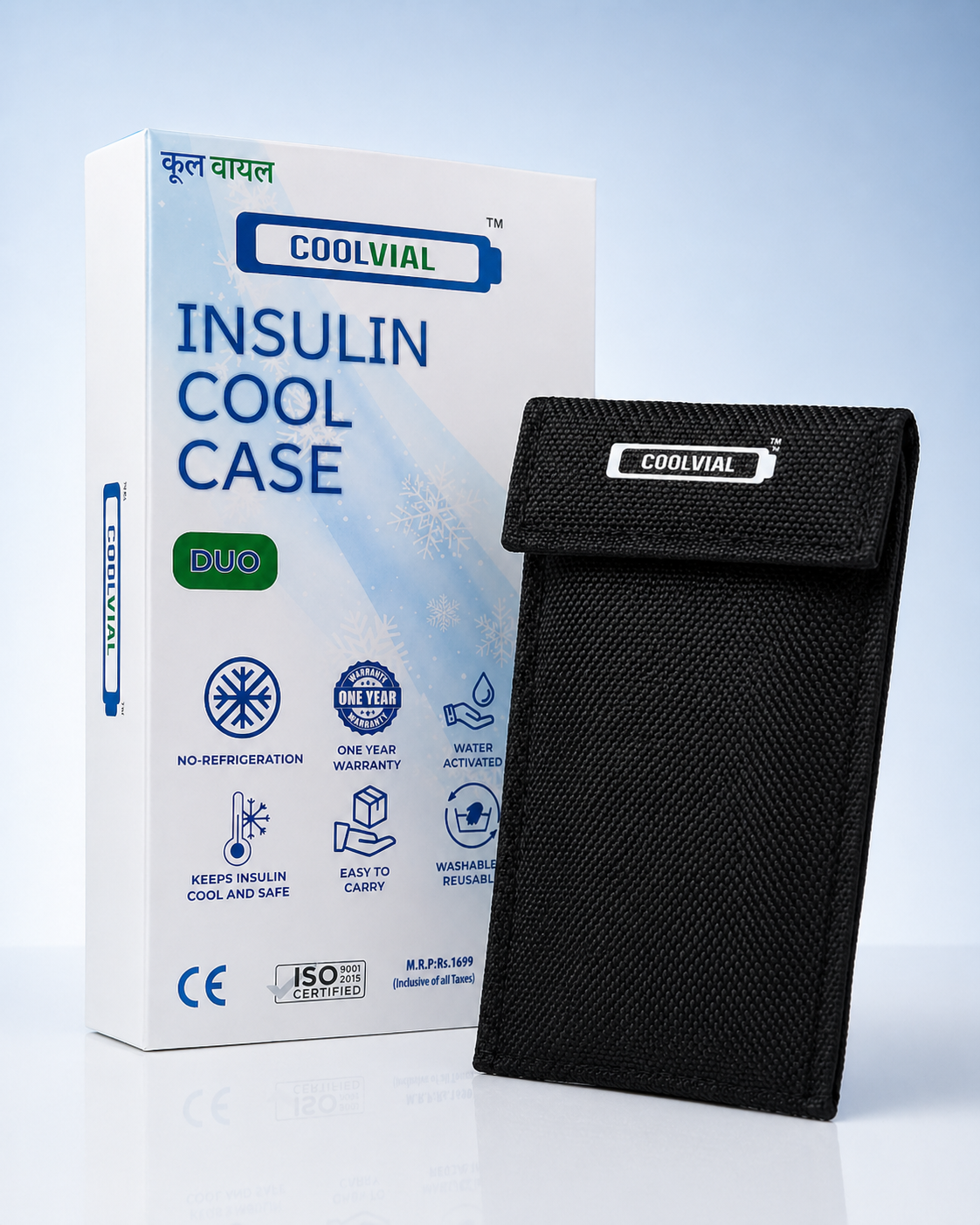
COOLVIAL keeps insulin safe in India's heat. 48+ hours, no electricity needed.
4. Navigating Waterlogging and Flooding Risks in the Steel City
Jamshedpur, being a planned industrial city, boasts a comparatively robust drainage system, especially in newer sectors. The Subarnarekha river, which flows near the city, is generally well-managed with embankments, reducing the risk of widespread riverine flooding within the main urban areas. However, even with superior infrastructure, the intensity of monsoon rainfall can lead to localized waterlogging, posing temporary but significant challenges for residents, especially those managing diabetes.
Waterlogging Hotspots in Jamshedpur:
- Bistupur Main Road: As a central commercial hub, Bistupur can experience temporary waterlogging during heavy downpours, making pedestrian and vehicular movement difficult. This can disrupt access to pharmacies or clinics.
- Sakchi (Older Central Areas): Being an older, more densely populated part of the city, some lanes and low-lying areas in Sakchi are prone to water accumulation, affecting local transport and accessibility.
- Sonari/Kadma (Residential): Certain residential pockets, particularly those with older drainage infrastructure or in low-lying areas, may experience temporary water accumulation on streets, impacting daily commutes and home access.
- Adityapur (Industrial Area): While primarily industrial, parts of Adityapur can also face waterlogging, potentially affecting those who live or work there and rely on local services.
What to Do if Your Home or Building Floods (Low Risk, but Preparedness is Key):
- Prioritize Safety: If your home is at risk of flooding, prioritize the safety of yourself and your family. Move to higher ground if advised by authorities.
- Elevate Valuables and Medical Supplies: Before heavy rains, move all critical documents, electronics, and especially your insulin and diabetes supplies, to the highest possible shelves or upper floors.
- Emergency Kit Access: Ensure your emergency diabetes kit (which should include extra insulin, syringes/pens, test strips, and a cooling case like COOLVIAL Duo) is easily accessible and waterproofed.
- Power Disconnection: If water enters your home, disconnect electrical power to prevent shocks.
- Contact Authorities: For any significant flooding, contact local municipal authorities or emergency services for assistance.
While Jamshedpur’s planned drainage generally handles monsoon waters effectively, being aware of potential waterlogging hotspots and having a preparedness plan can prevent last-minute panic and ensure your insulin supply remains safe and accessible.
5. Monsoon’s Impact on Pharmacy Access and Deliveries in Jamshedpur
The heavy rains and associated waterlogging during the Jamshedpur monsoon can significantly disrupt daily life, including access to essential services like pharmacies. For diabetics, an uninterrupted supply of insulin and other medications is non-negotiable. Transport disruptions can delay deliveries and make it challenging to reach physical pharmacies, especially in areas prone to waterlogging.
Challenges During Monsoon:
- Transport Disruption: Localized waterlogging in areas like Bistupur Main Road or certain lanes in Sakchi can make roads impassable for vehicles, including delivery services and personal transport.
- Delivery Delays: Online pharmacies such as 1mg, while convenient, may experience significant delays in delivery due to adverse weather and poor road conditions. Frank Ross pharmacies, which also offer home delivery, might face similar issues.
- Limited Access to Physical Stores: Reaching your regular pharmacy, like an Apollo Pharmacy in Bistupur or a MedPlus outlet, might become difficult if your neighborhood is waterlogged or if public transport is affected.
Ensuring Uninterrupted Insulin Supply:
- Stock Up on Essentials: Ideally, keep a buffer stock of insulin (at least a 2-week supply beyond your current usage) before the monsoon season intensifies. This is a crucial aspect of Complete Diabetes Care Guide for Jamshedpur Residents — 2026 Edition.
- Diversify Pharmacy Sources: Don’t rely on a single pharmacy or delivery service.
- Physical Pharmacies: Identify multiple accessible pharmacies within different neighborhoods. For instance, if Bistupur is waterlogged, an Apollo Pharmacy in another accessible area or a MedPlus might be reachable. Generic Aadhaar pharmacies offer affordable options, but check their monsoon preparedness.
- Emergency Pharmacy Access: In case of critical need and widespread disruption, the emergency pharmacy at Tata Main Hospital (TMH, Bistupur) is a vital resource. They typically maintain stock for emergencies and operate 24/7, making them a reliable last resort for replacement insulin if your stock is destroyed or inaccessible.
- Communicate with Your Pharmacy: If you anticipate issues, call your regular pharmacy in advance to understand their monsoon delivery policies and potential delays.
- Use a Reliable Cooling Case: Carry your insulin in a water-activated evaporative cooling case like the COOLVIAL Duo when venturing out. This protects your insulin from temperature fluctuations and humidity, especially if you get stranded or delayed. It keeps insulin cool for 12-16 hours without electricity, providing peace of mind during unexpected travel disruptions.
By planning ahead and knowing your local resources, you can minimize the impact of monsoon-related disruptions on your insulin supply in Jamshedpur.
6. The Humid-Fridge-Air Conundrum: Protecting Insulin from Contamination
Many diabetics store their in-use insulin in the refrigerator, as recommended by manufacturers. While refrigeration is essential for maintaining insulin’s potency, the high ambient humidity of the Jamshedpur monsoon can introduce a unique challenge: the “humid-fridge-air conundrum.” When warm, moisture-laden air from your kitchen enters the refrigerator every time the door is opened, it rapidly cools and condenses. This condensation can settle on your insulin vials and pens, leading to potential issues.
Risks of Humid-Fridge-Air Contamination:
- Moisture on Vials/Pens: Condensation forms tiny water droplets on the surfaces of your insulin. While the insulin itself is sealed, this constant dampness creates a moist environment around the pen or vial.
- Bacterial and Fungal Growth: Moisture, combined with the presence of dust or other airborne particles that might enter the fridge, creates an ideal breeding ground for bacteria and fungi (including mould). These microorganisms can proliferate on the outer surfaces of your insulin packaging.
- Compromised Hygiene at Injection Site: If you handle an insulin pen or vial that has surface bacterial or fungal growth and then inject, there’s a risk of transferring these microorganisms to your skin. For diabetics, who are more susceptible to infections and have slower healing times, this can lead to skin infections or complications at the injection site.
- Degradation of Labels and Packaging: Persistent moisture can also cause labels on vials and pens to peel, smudge, or become unreadable, making it difficult to identify the insulin type, dosage, or expiry date.
Safe Fridge Storage During Monsoon:
- Use Airtight Containers: Always place your insulin vials and pens in clean, airtight, food-grade plastic containers before refrigerating them. This acts as a barrier, preventing condensation from settling directly on the insulin.
- Avoid Door Shelves: Store insulin in the main body of the refrigerator, preferably towards the front of a middle shelf. The temperature on door shelves fluctuates more, and they are more exposed to humid air when the door is opened.
- Minimize Door Openings: Try to open the refrigerator door as infrequently as possible and close it quickly to reduce the ingress of humid air.
- Regular Cleaning: Clean your refrigerator regularly to prevent any build-up of moisture or potential mould. Wipe down surfaces with a mild disinfectant.
- Check for Condensation: Periodically inspect your airtight containers and insulin for any signs of moisture. If you notice condensation inside the container, wipe it dry immediately and ensure the container is properly sealed.
For those situations where refrigeration isn’t ideal or reliable – such as during frequent power cuts (common in monsoon) or when travelling within or outside Jamshedpur – a portable, non-electric solution is invaluable. The COOLVIAL Duo is specifically designed for such conditions. This water-activated evaporative cooling case can hold 2 pens and 1 vial, keeping your insulin cool at safe temperatures (typically 18-26°C) for 12-16 hours without electricity. It’s a robust alternative to direct fridge storage, especially for in-use insulin, providing protection against both heat and the humid-fridge-air conundrum. Compared to competitors, COOLVIAL Duo offers a balance of capacity and cooling duration, priced at Rs 1,099 (with code COOLHEAL) against FRIO’s similar products often retailing around Rs 1,900, and more basic pouches like Outer Woods OW-12 at Rs 999. COOLVIAL provides CE certification, ISO 9001:2015, and a 1-year warranty, ensuring quality and reliability for Indian conditions.
7. Essential Monsoon-Ready Insulin Storage Solutions for Jamshedpur
Beyond simply refrigerating insulin, the Jamshedpur monsoon demands a more comprehensive approach to storage. The goal is to create a micro-environment for your insulin that is protected from high humidity, temperature fluctuations, and potential physical damage. Incorporating specific accessories and practices can make a significant difference.
Recommended Storage Accessories and Practices:
- Silica Gel Packets:
- Function: Silica gel is a desiccant, meaning it absorbs moisture from the air. Placing small packets of silica gel within your insulin storage containers can help maintain a dry environment.
- Where to Source in Jamshedpur: Silica gel packets can often be found at larger pharmacies like Apollo Pharmacy, MedPlus, or even general stores that sell electronics or leather goods (as they are used to prevent moisture damage). You can also readily order them online from platforms like Amazon India or Flipkart. Look for reusable (indicating type changing colour when saturated) or disposable packets.
- Usage: Place a few packets inside your airtight container along with your insulin. Replace them when they change color (if reusable) or after a few weeks (if disposable), especially during peak monsoon.
- Airtight Containers:
- Function: These containers provide a physical barrier against external humidity, dust, and potential water splashes. They are essential for protecting insulin stored in the refrigerator from condensation and for keeping backup supplies dry.
- Brands Available Locally: You can find high-quality airtight containers from brands like Tupperware, Borosil (glass), or Cello (plastic) at most large supermarkets in P&M Mall or local houseware stores in Sakchi and Bistupur. Look for containers with strong, secure lids that create a tight seal.
- Usage: Always store your insulin pens and vials, ideally in their original cardboard packaging (which also offers some insulation), inside these airtight containers. This protects them from both direct moisture and the humid air inside your refrigerator.
- Original Packaging:
- Importance: While airtight containers add a layer of protection, keeping insulin in its original cardboard packaging (inside the airtight container) is still beneficial. The cardboard provides an additional buffer against minor temperature fluctuations and light exposure, and importantly, it contains vital information like batch numbers, expiry dates, and usage instructions.
- Temperature Monitoring:
- Practice: Consider using a small, reliable thermometer in your refrigerator to ensure it maintains the correct temperature range (typically 2-8°C). During monsoon, power fluctuations can sometimes affect fridge performance.
- Portable Cooling Solutions:
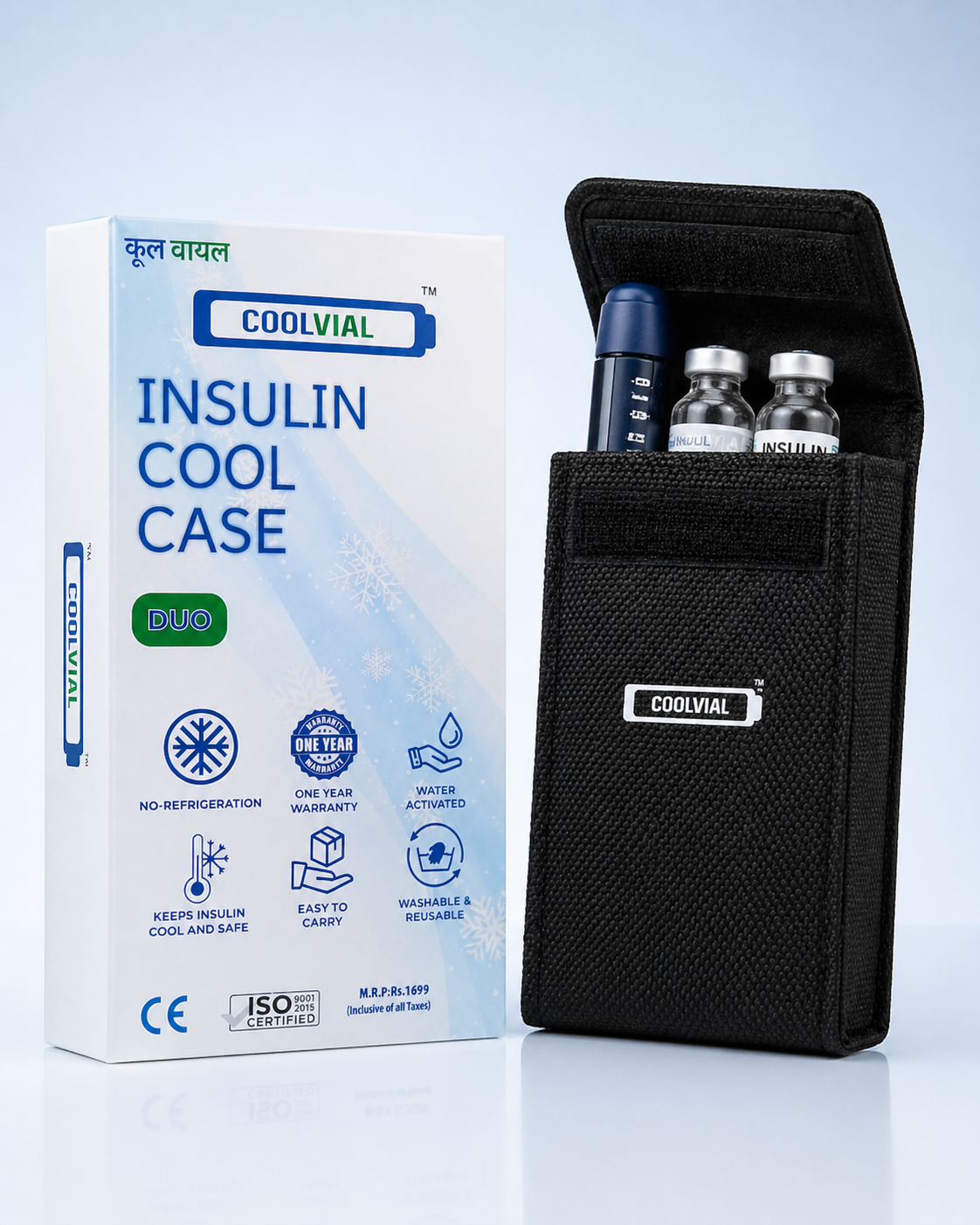
- Essential: For in-use insulin or when you need to carry insulin outside your home for even a few hours, a portable cooling solution is non-negotiable. The COOLVIAL Duo is an excellent choice for Jamshedpur’s climate. It provides active evaporative cooling for 12-16 hours without electricity, ensuring your insulin stays within the safe temperature range (18-26°C) regardless of external humidity or power availability. It’s an Indian-made, CE certified product that specifically addresses the needs of diabetics in hot and humid conditions.
7 Essential Tips: Jamshedpur Monsoon & Insulin — Protecting Your Vials From Humidity Damage
Insulin at 2-8°C for 48+ hours. Trusted by 10,000+ Indian diabetics.
By combining these strategies, you create multiple layers of protection for your insulin, safeguarding it against the specific challenges posed by the Jamshedpur monsoon. Don’t forget to check our general insulin storage tips for year-round best practices.
8. Your Practical Monsoon-Prep Checklist for Diabetics in Jamshedpur
Being prepared is the best defense against the challenges posed by the Jamshedpur monsoon. For individuals managing diabetes, a comprehensive checklist ensures that your insulin, supplies, and overall health remain secure. This list covers everything from medication storage to emergency contacts, tailored for the unique conditions of the Steel City.
Step-by-Step Monsoon Preparation:
- Insulin Stock Assessment:
- Ensure you have at least a 2-week buffer supply of all your insulin types and dosages.
- Check expiry dates for all current and backup insulin.
- Verify the integrity of vials/pens for any prior damage or cloudiness.
- Secure Storage at Home:
- Invest in durable, airtight containers for all insulin and diabetes supplies.
- Purchase silica gel packets and place them inside these containers to absorb moisture.
- Elevate all medical supplies to higher shelves, away from floors and exterior walls, to protect against dampness and potential waterlogging.
- Consider a dehumidifier for particularly humid rooms in your home, especially in ground-floor residences in Sonari or Kadma.
- Pharmacy and Supply Chain Preparedness:
- Identify at least two alternative pharmacies in different parts of Jamshedpur (e.g., Apollo Pharmacy, MedPlus, Generic Aadhaar) that are accessible even during heavy rains.
- Familiarize yourself with the emergency pharmacy services at Tata Main Hospital (TMH, Bistupur) for critical, last-minute insulin needs.
- Anticipate potential delays in home deliveries from services like Frank Ross or 1mg and plan accordingly.
- Emergency Diabetes Kit Assembly:
- Pack a waterproof bag with:
- At least 3-5 days’ worth of insulin (in a portable cooling case).
- Syringes/pen needles.
- Blood glucose meter, test strips, and lancets.
- Glucagon emergency kit (if prescribed).
- Oral diabetes medications (if applicable).
- Snacks for hypoglycemia (glucose tablets, juice boxes).
- Your doctor’s contact information and a copy of your prescription.
- A COOLVIAL Duo is an essential part of this kit, offering 12-16 hours of cooling without electricity, perfect for travel or power outages. You can learn more and order your COOLVIAL insulin cool case here.
- Pack a waterproof bag with:
- Power Backup and Management:
- Ensure your inverter or power backup system is fully charged and functional, as power cuts are common during the monsoon. Our Power Cut Survival Guide for Diabetics in Jamshedpur — What To Do When the Grid Goes Down offers detailed advice.
- Keep spare batteries for your blood glucose meter and other electronic devices.
- Personal Health & Hygiene:
- Maintain strict foot hygiene to prevent fungal infections, a common monsoon concern for diabetics.
- Monitor blood sugar levels more frequently, as illness or stress from monsoon conditions can affect control.
- Communication and Contacts:
- Keep a list of emergency contacts, including your endocrinologist/diabetologist and family members.
- Charge your mobile phone and consider a power bank for backup.
- Stay informed about local weather advisories and road conditions.
By meticulously following this checklist, Jamshedpur residents with diabetes can navigate the monsoon season with confidence, ensuring their health and vital medication are protected.
Frequently Asked Questions (FAQ)
Q: Can insulin really get damaged by humidity, even if it’s sealed in a pen or vial? A: Yes, persistent high humidity, especially during the Jamshedpur monsoon, can degrade the plastic components and rubber seals of insulin pens and vials over time, potentially compromising the integrity of the medication. It can also cause mould growth on external packaging and affect electronic components in smart pens.
Q: My home in Kadma gets very damp during the monsoon. How can I protect my insulin from mould? A: To protect your insulin from mould in damp homes in Kadma, store it in airtight containers with silica gel packets. Ensure good ventilation, clean regularly with anti-fungal solutions, and elevate your supplies from floors and walls.
Q: What should I do if my regular pharmacy in Sakchi is inaccessible due to waterlogging? A: If your regular pharmacy in Sakchi is inaccessible, try contacting other major pharmacies like Apollo Pharmacy or MedPlus in accessible areas of Jamshedpur. For emergencies, the 24/7 emergency pharmacy at Tata Main Hospital (TMH, Bistupur) is a reliable option for replacement insulin.
Q: Is it safe to store insulin in the refrigerator during Jamshedpur’s humid monsoon? A: While refrigeration is generally safe, the high ambient humidity during Jamshedpur’s monsoon can lead to condensation inside the fridge, potentially causing moisture build-up on insulin vials/pens and fostering bacterial or fungal growth. Always store insulin in clean, airtight containers within the refrigerator to prevent this.
Q: How does the COOLVIAL Duo protect insulin during the monsoon without electricity? A: The COOLVIAL Duo uses water-activated evaporative cooling, which works by absorbing water and allowing it to evaporate slowly. This natural process draws heat away from the insulin, keeping it at a safe temperature range (18-26°C) for 12-16 hours, ideal for Jamshedpur’s humid climate and during power cuts or travel.
Q: Where can I buy silica gel packets and airtight containers in Jamshedpur? A: You can find silica gel packets at larger pharmacies like Apollo Pharmacy, general stores, or online retailers. Airtight containers (e.g., Tupperware, Borosil, Cello) are available at supermarkets in P&M Mall or houseware stores in Sakchi and Bistupur.
Q: What is the optimal temperature range for insulin during the monsoon? A: Unopened insulin should be stored in a refrigerator between 2-8°C. Once opened, most insulin can be kept at room temperature (below 25-30°C, depending on manufacturer guidelines) for 28-56 days. During Jamshedpur’s monsoon, when ambient temperatures can be high, maintaining this room temperature often requires a cooling case like COOLVIAL Duo.
Conclusion and Call to Action
The Jamshedpur monsoon, with its characteristic heavy rainfall and pervasive humidity, presents unique challenges for individuals managing diabetes. Protecting your insulin from degradation, mould, and the logistical hurdles of waterlogging is paramount to ensuring consistent and effective diabetes management. By understanding the specific risks, from humidity-induced damage to the humid-fridge-air conundrum, and implementing proactive strategies, you can safeguard your vital medication.
Adopting practices such as using airtight containers, incorporating silica gel, and having a robust emergency plan, including reliable access to alternative pharmacies like Tata Main Hospital’s emergency pharmacy, will empower you to navigate this season with confidence. Furthermore, integrating a dependable cooling solution like the COOLVIAL Duo into your daily routine and emergency kit provides an essential layer of protection against both heat and humidity, ensuring your insulin remains potent and safe for 12-16 hours without electricity.
Don’t let the monsoon compromise your health. Take control of your insulin storage this season.
Order COOLVIAL Duo at just Rs 1,099 with code COOLHEAL at coolvial.com or via WhatsApp wa.me/918766952300 today and experience peace of mind during Jamshedpur’s monsoon.
Medical Disclaimer
This article is for general information and educational purposes only. It is not intended to be a substitute for professional medical advice, diagnosis, or treatment. Always consult your endocrinologist or diabetologist before changing insulin storage or dosing practices, or if you have any questions regarding a medical condition.
Methodology Note
This article was researched and compiled based on a comprehensive review of several authoritative sources. These include current RSSDI (Research Society for the Study of Diabetes in India) guidelines for insulin storage, data from the ICMR-INDIAB (Indian Council of Medical Research - India Diabetes) study for diabetes prevalence and management in India (Source: IDF Diabetes Atlas 10th edition, 2021, indicates over 101 million diabetics in India, emphasizing the need for proper care), and information from local Jamshedpur hospital directories (Tata Main Hospital, Brahmananda Narayana Multispeciality, Tinplate Hospital) and pharmacy networks (Apollo Pharmacy, MedPlus, Frank Ross, 1mg, Generic Aadhaar). Local climate data for Jamshedpur’s monsoon patterns and temperature ranges were referenced from the India Meteorological Department [Verify in 2026]. Specific local insights regarding waterlogging hotspots and community experiences were incorporated to provide a highly localized and practical guide for Jamshedpur residents.