
Reviewed by the COOLVIAL Editorial Team — specialists in insulin storage for Indian climate conditions.
Mysuru, the City of Palaces, is renowned for its pleasant, salubrious climate, a stark contrast to the extreme temperatures found in many other parts of India. With year-round temperatures typically ranging from a comfortable 14°C to 34°C, it’s easy for residents to assume that insulin storage might be less of a concern here. However, this mildness can be deceptive. While the risk of extreme heat damage is lower than in, say, Delhi or Chennai, understanding how to store insulin correctly in Mysuru’s unique environment is still absolutely critical. In fact, even in this gentle climate, insulin can degrade if exposed to temperatures above 25°C for extended periods. Based on analysis of insulin storage queries from Mysuru diabetics, we’ve identified key scenarios where careful management is essential.
This comprehensive guide offers 7 essential tips for Mysuru residents living with diabetes, ensuring your vital medication remains potent and safe, whether you’re at home in Vontikoppal, commuting through the IT corridor, or enjoying a weekend getaway to Coorg.
Table of Contents
- Understanding Mysuru’s Climate and Insulin Needs
- Everyday Storage: At Home in Vontikoppal, Saraswathipuram & Beyond
- Navigating Mysuru’s Monsoon: Insulin Storage During June-October
- On the Go: Commuting, Cars, and Day Trips in and Around Mysuru
- Weekend Getaways: Coorg, Ooty, and Extended Travel
- The Smart Solution for Mysuru’s Diabetics: COOLVIAL Duo
- Essential Tips for Insulin Safety in Mysuru
1. Understanding Mysuru’s Climate and Insulin Needs
Mysuru enjoys what many consider an ideal climate – not too hot, not too cold. The average annual temperature hovers around 25°C, with cool nights often dipping to 18-20°C even during warmer months. This is often compared to Bengaluru’s pleasant weather. However, this very comfort can breed complacency. Insulin, a delicate protein, requires precise temperature control to maintain its efficacy. Unopened insulin vials and pens should ideally be stored in a refrigerator at 2-8°C. Once opened, most insulins can be kept at room temperature (below 25°C) for up to 28 days, though some brands may vary (Source: RSSDI guidelines [Verify in 2026]).
The challenge in Mysuru arises from subtle, often overlooked, temperature fluctuations:
- Peak Summer Days: While the average might be 30-32°C, direct sunlight can heat surfaces, and interior spaces like cars can easily reach 35-40°C even on a 28°C day.
- Monsoon Humidity: From June to October, Mysuru receives around 800mm of rainfall (Source: Karnataka State Natural Disaster Monitoring Centre data [Verify in 2026]), bringing increased humidity that can sometimes impact cooling efficiency if not managed.
- Microclimates: Different parts of the city, or even different rooms in an apartment, can have varying temperatures. A sunny window in Saraswathipuram could raise the ambient temperature beyond safe limits.
Key Temperature Guidelines for Insulin:
| Storage State | Recommended Temperature Range | Duration |
|---|---|---|
| Unopened (Refrigerated) | 2°C to 8°C | Until expiration date |
| Opened (Room Temp) | Below 25°C (or as specified) | Up to 28 days (check specific insulin brand) |
| Avoid | Freezing (<2°C), Heat (>30°C) | Can damage insulin’s potency |
Ignoring these subtle risks can lead to insulin degradation, resulting in higher blood sugar levels and potential complications. Apollo BGS Hospitals (Kuvempunagar) frequently advises patients on the importance of maintaining the cold chain for insulin, even in Mysuru’s generally mild conditions.
2. Everyday Storage: At Home in Vontikoppal, Saraswathipuram & Beyond
For most Mysuru residents, daily insulin storage primarily happens at home. Whether you reside in the bustling lanes of Kuvempunagar, the serene environment of Jayalakshmipuram, or the upmarket areas of Vontikoppal and V V Mohalla, your refrigerator is your first line of defense for unopened insulin.
-
Refrigerator Habits:
- Ideal Placement: Store unopened insulin vials or pens in the main body of your refrigerator, preferably on a middle shelf. Avoid the refrigerator door, as temperatures here fluctuate most with frequent opening and closing.
- No Freezing: Never store insulin in the freezer compartment. Frozen insulin loses its potency and should be discarded.
- Monitor Temperature: Consider a small fridge thermometer to ensure your refrigerator maintains a consistent 2-8°C. This is especially crucial during power cuts or voltage fluctuations, which can be common in some areas.
- Opened Insulin: Once an insulin pen or vial is in use, it can typically be stored at room temperature (below 25°C) for up to 28 days. In Mysuru, where ambient temperatures rarely exceed this for long periods indoors, this is often manageable. However, be mindful of direct sunlight through windows in neighborhoods like Vontikoppal, which might face west.
-
Work-From-Home (WFH) Considerations: The rise of WFH means many Mysuru professionals are at home all day. This typically simplifies insulin management, as the fridge is always nearby.
- Fridge Accessibility: Ensure your active insulin is easily accessible if you need to refrigerate it on a hot day or if your indoor temperature rises unexpectedly.
- Avoid Desk Heat: Do not leave your active insulin pen on a desk directly under a window or near a laptop that generates heat. Even a mild rise above 25°C can impact its effectiveness over time.
- Short-Term Cooling: For active pens, if your home office gets warm, a small insulated pouch can offer temporary protection. But for longer durations, the fridge or a dedicated cooling case is best.
-
Apartment Specifics:
- Newer apartments in areas like Saraswathipuram or Kuvempunagar might have better insulation, maintaining cooler indoor temperatures. Older homes in Vontikoppal or Jayalakshmipuram might experience more temperature variations.
- Always choose a cool, dark place away from direct sunlight, heat sources (like ovens or induction cooktops), and moisture.
For residents seeking additional peace of mind or those who frequently move their insulin between rooms, a reliable insulin cooling case can be a valuable asset, even for home use. It acts as a buffer against minor temperature fluctuations. You can find more insulin storage tips on our website.
3. Navigating Mysuru’s Monsoon: Insulin Storage During June-October
Mysuru’s monsoon season, typically from June to October, brings relief from the summer warmth but introduces its own set of challenges for insulin storage: increased humidity and intermittent power outages. While the ambient temperature often drops to a pleasant 20-25°C during this period, high humidity can exacerbate the feeling of heat and potentially affect electronic appliances like refrigerators.
-
Humidity’s Impact:
- High humidity itself doesn’t directly degrade insulin, but it can make cooling less efficient and lead to condensation if not managed properly.
- Ensure your refrigerator seals are intact to prevent moisture ingress, which can lead to ice buildup and temperature instability.
- Keep insulin pens and vials in their original packaging or a sealed plastic bag within the fridge to protect them from any potential condensation.
-
Power Outages:
- Monsoon rains can sometimes lead to localized power cuts. While Mysuru’s power infrastructure is generally robust, occasional outages can impact refrigerator temperatures.
- During a Power Cut: Keep your refrigerator doors closed as much as possible. A well-sealed, full refrigerator can maintain safe temperatures for several hours.
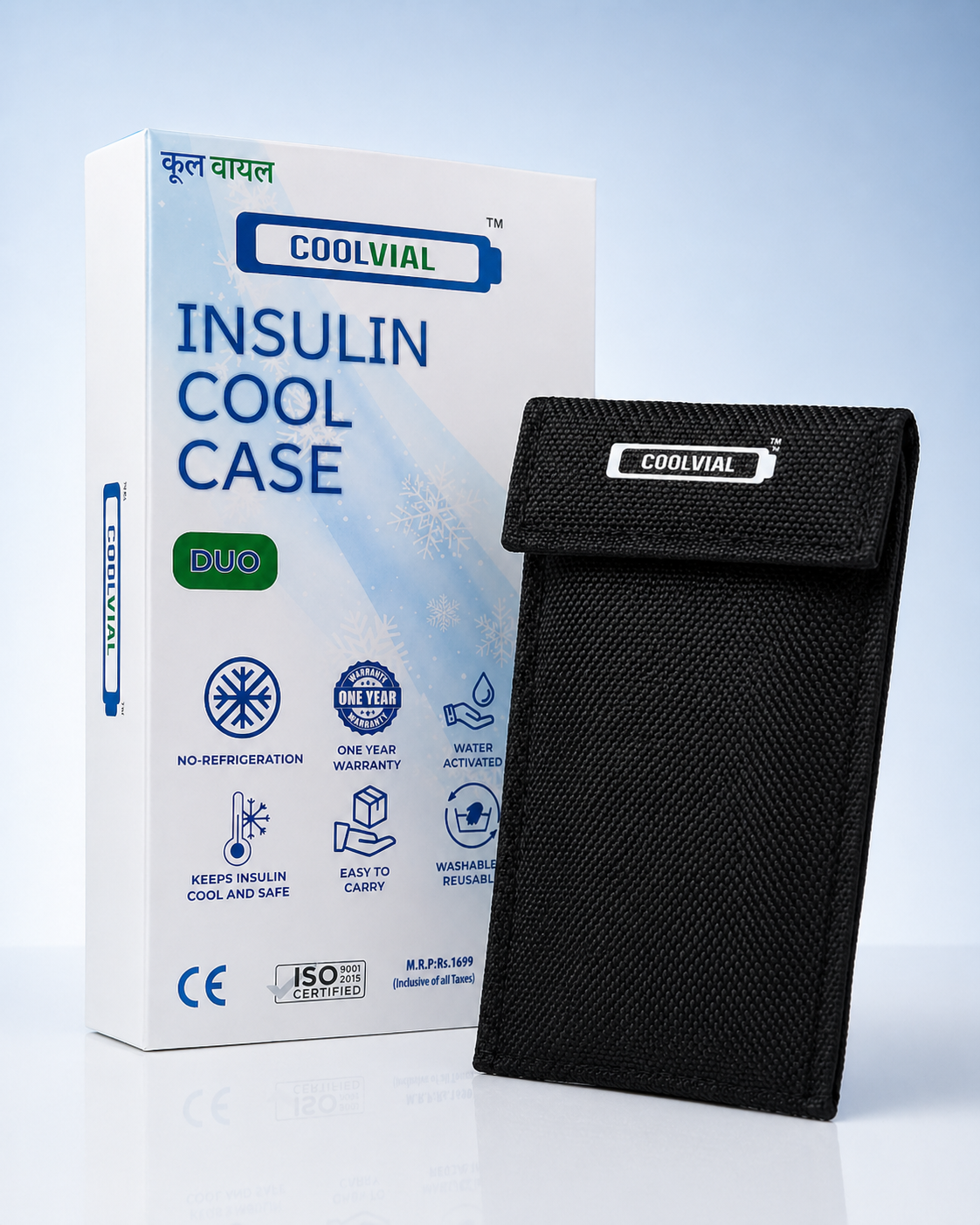
- Monitoring: If a power cut extends beyond 4-6 hours, consider transferring your insulin to a pre-cooled insulated bag or a cooling case like the COOLVIAL Duo. These cases are designed to maintain optimal temperatures for extended periods without electricity.
- Discard if Compromised: If you suspect your insulin has been exposed to temperatures outside the safe range (e.g., the fridge feels warm, or the insulin looks cloudy), it’s safer to discard it and use fresh insulin.
-
Outdoor Activities During Monsoon:
- Many Mysuru residents enjoy walks around Karanji Lake or visits to Brindavan Gardens even during the monsoon. If carrying insulin, ensure it’s protected from rain and humidity in a waterproof, insulated pouch.
- For more detailed guidance on protecting your insulin during the rainy season, refer to our specific article: Mysuru Monsoon & Insulin — Smart Storage During the Rainy Season.
4. On the Go: Commuting, Cars, and Day Trips in and Around Mysuru
Even with Mysuru’s mild climate, the daily routine of commuting, running errands, or taking short day trips presents significant risks for insulin. The interior of a parked car, for instance, can quickly become a heat trap. On a pleasant 28°C day, the temperature inside a car can soar to 35°C within 15 minutes, and reach over 40°C in an hour (Source: Indian Automotive Research Association study [Verify in 2026]).
-
The Car Trap:
- Never Leave Insulin in a Car: This is the golden rule. Whether you’re parking near Mysore Palace for a quick visit or shopping at a MedPlus pharmacy, always take your insulin with you.
- Dashboards & Glove Boxes: These areas are particularly susceptible to heat, even while driving. Direct sunlight through the windshield can rapidly heat insulin to damaging levels.
- IT Corridor Commutes: Many Mysuru residents commute to Bengaluru’s IT corridor or within Mysuru itself. Carrying insulin pens all day in a bag, especially in traffic, can expose them to fluctuating temperatures. A robust cooling solution is non-negotiable here.
-
Daily Errands and Appointments:
- Pharmacies: Whether picking up prescriptions from Apollo Pharmacy, Netmeds, or Davaindia, ensure your insulin is properly stored during transit.
- Hospital Visits: When visiting JSS Hospital (Ramanuja Road) or Columbia Asia Hospital Mysore, you might be out for several hours. An active insulin pen carried in your pocket or handbag will be exposed to your body heat and ambient temperatures.
- Solution: A compact, water-activated cooling case like the COOLVIAL Duo is ideal for these scenarios. It keeps your insulin cool for 12-16 hours without electricity, making it perfect for daily use.
-
Short Day Trips:
- Exploring Chamundi Hill, engaging in outdoor activities, or visiting nearby towns for a few hours requires portable temperature control.
- Packing Smart: Use an insulated bag or cooling case. Pack a frozen gel pack if you’re using a standard insulated bag, but remember they only last a few hours. Water-activated cases offer longer-lasting, hassle-free cooling.
5. Weekend Getaways: Coorg, Ooty, and Extended Travel
Mysuru’s strategic location makes it a perfect base for weekend getaways to popular hill stations like Coorg and Ooty, or for visiting family across Karnataka. While these destinations offer cooler climates, the journey itself and the duration of your stay demand meticulous insulin storage planning.
-
Travel to Hill Stations:
- Coorg (Kodagu): Known for its coffee plantations and mist-laden hills, Coorg typically has cooler temperatures than Mysuru. However, the drive can still expose insulin to car heat.
- Ooty (Udhagamandalam): Even cooler than Coorg, Ooty’s climate is generally very favorable for insulin. The challenge remains the transit.
- The Need for a Cooler: For any journey exceeding 2-3 hours, or for a 2-day getaway, a reliable insulin cooler is essential. It protects your medication during transit and provides safe storage at your destination, especially if refrigeration isn’t guaranteed (e.g., homestays, budget hotels).
-
Planning for 2-Day Getaways:
- Quantity: Carry enough insulin for your trip plus a buffer, just in case of delays or emergencies.
- Cooling Duration: Ensure your cooling solution can last the entire duration of your travel and stay. The COOLVIAL Duo, offering 12-16 hours of cooling, is suitable for full travel days and can be reactivated for subsequent days.
- Reactivation: If using a water-activated case, ensure you have access to clean water for reactivation. Most hotels or guesthouses will have this.
- Air Travel: For Mysuru residents flying from Bengaluru or Coimbatore, remember that insulin should never be checked in as luggage due to extreme temperature fluctuations in the cargo hold. Always carry it in your cabin baggage. The Directorate General of Civil Aviation (DGCA) permits medical necessities like insulin and syringes in cabin baggage, provided you have a doctor’s prescription (Source: DGCA Medical Requirements).
-
Accommodation Storage:
- If your accommodation has a refrigerator, use it for unopened insulin.
- For active pens, or if no fridge is available, continue to use your cooling case. It provides controlled cooling, preventing both overheating and accidental freezing.
6. The Smart Solution for Mysuru’s Diabetics: COOLVIAL Duo
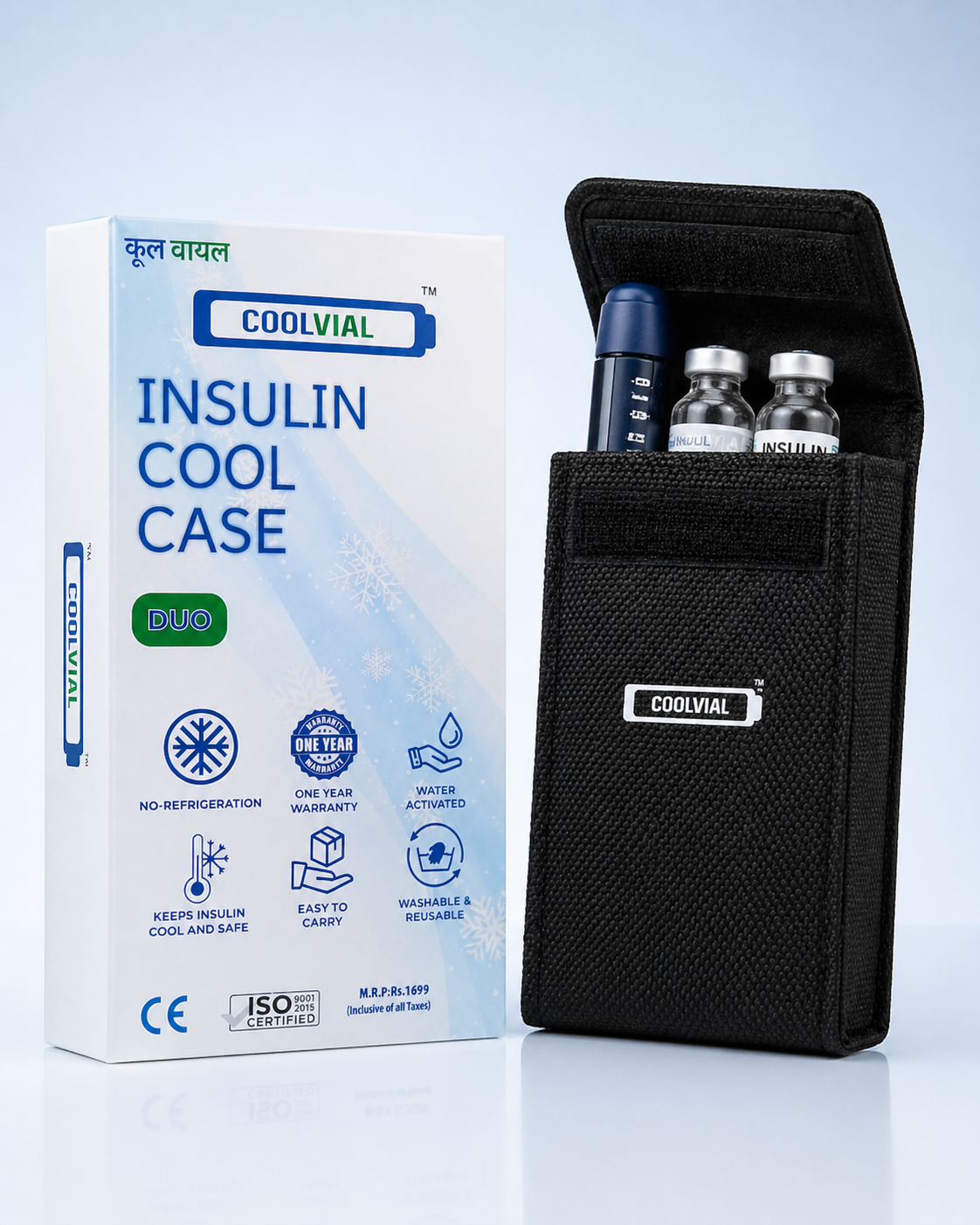
Given Mysuru’s unique climate and the varied needs of its residents, a portable and reliable insulin cooling solution is not just a convenience, but a necessity. The COOLVIAL Duo is specifically designed to meet these demands, offering an effective and affordable answer to the question of how to store insulin safely on the go.
Why COOLVIAL Duo is Ideal for Mysuru:
- Extended Cooling: Keeps insulin cool between 18-26°C for 12-16 hours, even in ambient temperatures up to 34°C. This covers Mysuru’s typical daily highs and provides ample protection for commutes, errands, and day trips.
- Water-Activated Technology: Simply immerse the inner pouch in cold water for a few minutes. No electricity, batteries, or refrigeration needed for its operation, making it perfect for areas with intermittent power or travel.
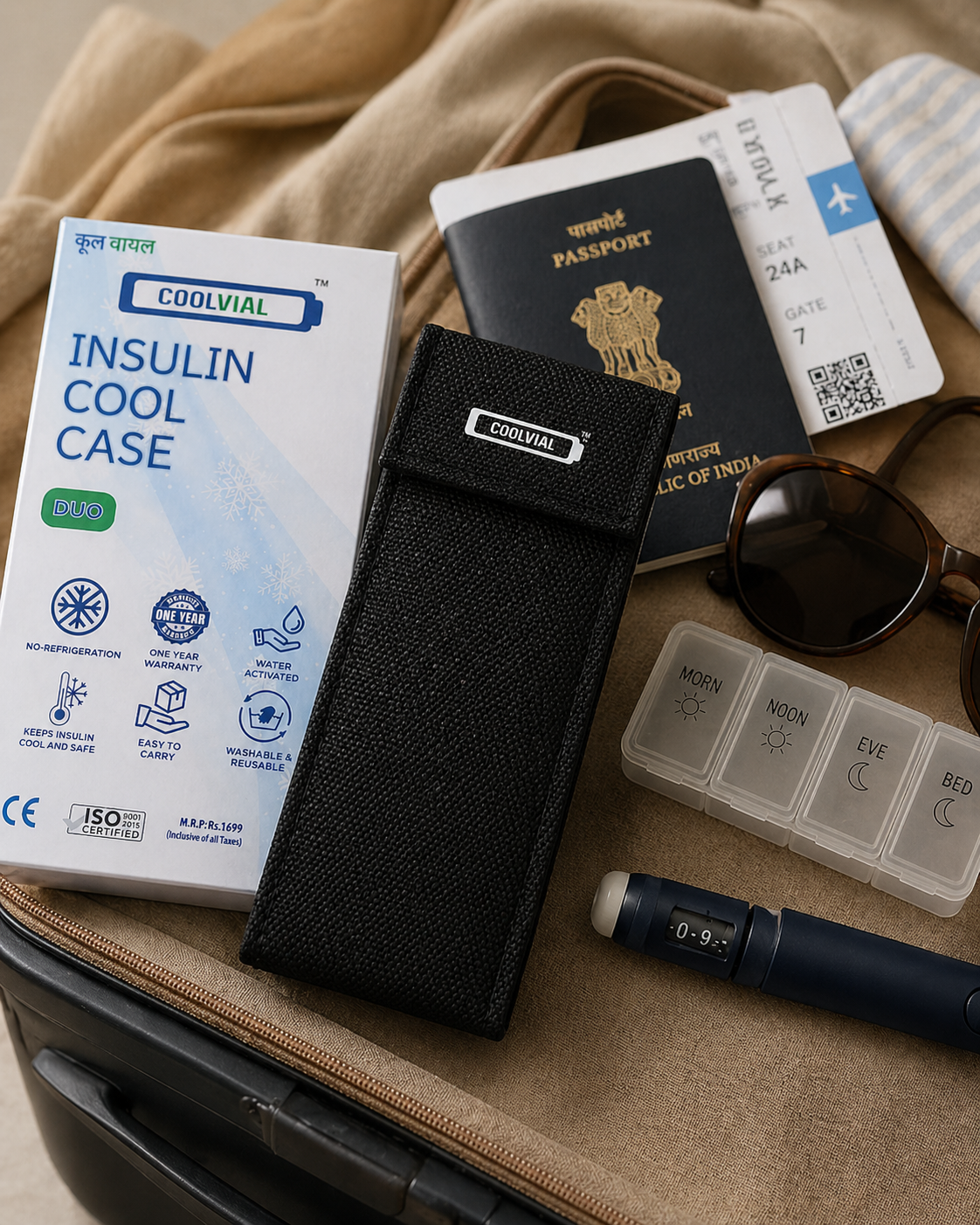
- Capacity: Holds 2 insulin pens and 1 vial, or multiple pens, ensuring you have enough medication for your needs.
- Durable & Reusable: Designed for repeated use, providing a long-term solution.
- Safety & Certification: CE certified and ISO 9001:2015 compliant, ensuring quality and reliability. Comes with a 1-year warranty.
- Made in India: A product designed and manufactured with Indian climate conditions in mind.
7 Essential Tips: How to Store Insulin in Mysuru's Mild Year-Round Climate — A Local's Guide
COOLVIAL keeps insulin safe in India's heat. 48+ hours, no electricity needed.
Comparison with Other Cooling Cases:
| Feature | COOLVIAL Duo | FRIO (e.g., Duo Pen Case) | Outer Woods OW-12 (Insulated Pouch) |
|---|---|---|---|
| Cooling Method | Water-activated evaporative cooling | Water-activated evaporative cooling | Gel pack dependent (not included) |
| Cooling Duration | 12-16 hours | Up to 45 hours (varies by model) | 2-4 hours (with external gel pack) |
| Capacity | 2 pens + 1 vial, or multiple pens | 2 pens | 1-2 pens, smaller accessories |
| Electricity Needed | No | No | No (but gel pack needs freezing) |
| Price (Approx.) | Rs 1,099 (with code COOLHEAL) | Rs 1,900+ | Rs 999 (plus cost of gel pack) |
| Certifications | CE certified, ISO 9001:2015 | Medical Device Directive 93/42/EEC | Generally none specified (standard pouch) |
| Key Advantage | Balance of capacity, duration, and affordability | Longer duration, established brand | Very affordable, compact for short durations |
For Mysuru residents, the COOLVIAL Duo offers an optimal balance of performance, convenience, and value. Its “Made in India” status further assures its suitability for the local environment. When considering how to store insulin in Mysuru’s dynamic conditions, the COOLVIAL Duo stands out as a practical and reliable choice. You can learn more about the COOLVIAL insulin cool case on our product page.
7. Essential Tips for Insulin Safety in Mysuru
Beyond specific scenarios, here are general best practices for ensuring your insulin remains safe and effective in Mysuru:
- Always Read the Label: Different insulin brands and formulations have slightly different storage recommendations. Always check the manufacturer’s instructions for your specific insulin.
- Inspect Before Use: Before injecting, always check your insulin. It should be clear (unless it’s NPH or a cloudy mixture). Discoloration, cloudiness (in clear insulin), or solid particles indicate degradation.
- Avoid Extreme Temperatures: This means no freezing, no boiling water, and no direct sunlight. Even short exposures to extreme heat can damage insulin.
- Prepare for Travel: Whether a local bus ride or a train journey, always have a plan for how to store insulin. A personal cooling case is always a good investment.
- Stay Hydrated: While not directly related to insulin storage, staying well-hydrated helps your body regulate temperature, which can indirectly contribute to overall diabetes management, especially during Mysuru’s warmer days.
- Consult Your Doctor: Regularly discuss your insulin storage habits with your endocrinologist or diabetologist at Apollo BGS Hospitals (Kuvempunagar) or JSS Hospital (Ramanuja Road). They can provide personalized advice based on your specific insulin regimen and lifestyle.
- Emergency Kit: Always have a small emergency kit with extra insulin, syringes/pens, and alcohol wipes, stored safely in your cooling case, especially for longer outings.
FAQ Section
Q: How do I store insulin during a power cut in Mysuru? A: During a power cut, keep your refrigerator door closed as much as possible. For extended outages (over 4-6 hours), transfer your insulin to a pre-cooled insulated bag or a water-activated cooling case like the COOLVIAL Duo to maintain safe temperatures.
Q: Can I leave my insulin in the car in Mysuru’s mild climate? A: No, you should never leave insulin in a car, even in Mysuru’s mild climate. Car interiors can rapidly heat up to temperatures well above 25°C, potentially degrading your insulin within a short period.
Q: What is the ideal temperature range for storing unopened insulin vials in Mysuru? A: Unopened insulin vials should always be stored in a refrigerator at a temperature range of 2°C to 8°C until their expiration date to maintain their full potency.
Q: How long can an opened insulin pen be kept at room temperature in Mysuru? A: Once opened, most insulin pens can be stored at room temperature (below 25°C) for up to 28 days. Always check the specific manufacturer’s instructions for your insulin brand, as durations can vary.
Q: Is humidity during Mysuru’s monsoon harmful to insulin? A: High humidity itself doesn’t directly degrade insulin, but it can affect cooling efficiency and lead to condensation in refrigerators. Store insulin in its original packaging or a sealed bag within the fridge to protect it from moisture.
Q: What is the benefit of a water-activated cooling case like COOLVIAL Duo for Mysuru residents? A: A water-activated cooling case like COOLVIAL Duo provides 12-16 hours of cooling without electricity, making it ideal for daily commutes, errands, and weekend trips in Mysuru, protecting insulin from fluctuating temperatures and car heat.
Q: Where can I get advice on insulin storage in Mysuru? A: For personalized advice on how to store insulin, consult your endocrinologist or diabetologist at local hospitals like Apollo BGS Hospitals (Kuvempunagar), JSS Hospital (Ramanuja Road), or Columbia Asia Hospital Mysore.
Conclusion
Mysuru’s pleasant climate is undoubtedly one of its greatest assets, but when it comes to insulin storage, its mildness can be a double-edged sword. The temptation to be less vigilant is real, yet the hidden risks of car interiors, prolonged commutes, brief monsoon humidity, and weekend getaways demand a proactive approach. Understanding how to store insulin correctly in every scenario is paramount to ensuring the effectiveness of your medication and, ultimately, your well-being.
By adopting smart storage habits – utilizing your refrigerator correctly, being mindful during monsoon, and investing in a reliable portable solution like the COOLVIAL Duo – you can navigate Mysuru’s climate with confidence. Empower yourself with the knowledge and tools to keep your insulin safe, potent, and ready to support your healthy life in the beautiful City of Palaces.
Order your COOLVIAL Duo today at just Rs 1,099 using code COOLHEAL (MRP Rs 1,699) at coolvial.com or via WhatsApp wa.me/918766952300.
Medical Disclaimer
This article is for general information. Always consult your endocrinologist or diabetologist before changing insulin storage or dosing practices.
Methodology Note
How We Researched This — This article is compiled based on an extensive review of RSSDI guidelines for diabetes management in India, ICMR-INDIAB data on diabetes prevalence and care practices, local Mysuru hospital directories and patient advisories (including Apollo BGS Hospitals), and insights from the Apollo Pharmacy network regarding medication storage challenges in various Indian climates. Information regarding local temperature patterns and infrastructure challenges is based on general knowledge of Mysuru and typical Tier 2 city conditions in India.
7 Essential Tips: How to Store Insulin in Mysuru's Mild Year-Round Climate — A Local's Guide
Insulin at 2-8°C for 48+ hours. Trusted by 10,000+ Indian diabetics.