
Reviewed by the COOLVIAL Editorial Team — specialists in insulin storage for Indian climate conditions.
Jaipur, the Pink City, is renowned for its majestic forts, vibrant culture, and unique desert climate. While the city’s charm is undeniable, its weather patterns, especially during the brief monsoon season from July to September, present distinct challenges for individuals managing diabetes. The low total rainfall, typically ranging from 360-600mm annually, often masks the disruptive nature of pre-monsoon dust storms, locally known as ‘loo’ or ‘aandhi’, and the sudden, intense downpours that follow. These Jaipur dust storms and subsequent wet spells require careful planning to protect essential medications like insulin. Based on analysis of insulin storage queries from Jaipur diabetics, a significant concern is safeguarding insulin pens and vials from fine Thar desert dust, which can compromise devices and medication efficacy. With over 77 million diabetics in India (Source: IDF Diabetes Atlas 10th Edition), ensuring proper insulin storage is a critical health priority. This article outlines 10 practical strategies to keep your insulin safe and potent amidst Jaipur’s unique weather.
Table of Contents
- Jaipur’s Monsoon Paradox: Dust First, Then Downpour
- The Silent Threat: How Dust Compromises Insulin Pens and Vials
- Strategic Storage: Zip-Lock Bags and Airtight Containers
- Wiping Down: Needle Hygiene in Dusty Conditions
- Navigating Urban Floods: Protecting Medicines in the Walled City
- Power Outages: Ensuring Insulin Stability During Grid Disruptions
- Travel Smart: Monsoon Getaways to Ajmer-Pushkar or Sariska
- The Power of Evaporative Cooling: COOLVIAL Duo vs. Traditional Methods
- Expert Guidance from SMS Hospital and Local Pharmacies
- Leveraging Desiccants: Silica Gel for Moisture Control
- Frequently Asked Questions (FAQ)
Jaipur’s Monsoon Paradox: Dust First, Then Downpour
Jaipur’s wet season is a fascinating, albeit challenging, meteorological event. Unlike regions with prolonged, heavy rainfall, Jaipur experiences a “monsoon paradox.” The season typically begins with intense pre-monsoon dust storms from late May through June. These ‘aandhi’ events can reduce visibility to mere meters, carrying fine sand and particulate matter from the Thar Desert across the city. Average wind speeds during these storms can reach 40-50 km/h [Verify in 2026], creating a pervasive dust problem. Following these disruptive dust storms, the actual monsoon bursts in July and August bring concentrated, often heavy, rainfall. While the total volume of rain might be modest compared to coastal cities, its intensity can lead to localized flash floods, especially in older areas like the Pink City (Walled City). This dual threat—first dust, then sudden water—creates a complex environment for insulin storage.
- Key Characteristics of Jaipur’s Wet Season:
- Pre-Monsoon Dust Storms (May-June): Characterized by strong winds and fine sand from the Thar Desert.
- Brief Monsoon Bursts (July-September): Short periods of heavy rainfall, capable of causing localized flooding.
- Low Overall Rainfall: Annual average precipitation around 360-600 mm, but highly concentrated.
- Humidity Spike: Post-dust, during monsoon, humidity can rise significantly, affecting storage.
The Silent Threat: How Dust Compromises Insulin Pens and Vials
The fine, abrasive dust carried by Jaipur dust storms poses a significant, yet often underestimated, threat to insulin pens and vials. This isn’t just about keeping things clean; it’s about safeguarding the delicate mechanics of your insulin delivery device and the sterility of your medication. Dust particles, especially those from the Thar desert, are incredibly fine and can penetrate tiny crevices.
- Potential Points of Dust Contamination:
- Pen Dose Dials: Dust can lodge within the clicking mechanism, leading to inaccurate dosing or jamming. A sticky dial might indicate dust ingress.
- Vial Septums: While sealed, repeated piercing with needles can introduce dust particles if the septum or needle is not clean, potentially contaminating the insulin inside.
- Pen Cartridge Area: The clear window where you see the insulin cartridge can accumulate dust, obscuring visibility and making it harder to check for clarity or bubbles.
- Cooler Fabric/Lining: If using an evaporative cooler, dust can accumulate on the fabric, and if not properly cleaned, could transfer to the insulin pen.
This contamination isn’t just a hygiene issue; it can affect the functionality of your pen and the sterility of your insulin. A compromised dose dial means uncertain medication delivery, a critical risk for diabetes management. Always ensure your insulin delivery devices are protected from environmental factors.
Strategic Storage: Zip-Lock Bags and Airtight Containers
Given the pervasive nature of dust during Jaipur dust storms and the sudden humidity during monsoon, a multi-layered approach to insulin storage is crucial. Simply placing your insulin pen in a cooler might not be enough. The first line of defense against dust and moisture is an airtight barrier.
- Implementing Multi-Layered Protection:
- Individual Zip-Lock Bags: Place each insulin pen or vial, along with its cap, into a small, clean, heavy-duty zip-lock bag. Ensure all air is squeezed out before sealing. This prevents direct contact with dust and moisture.
- Airtight Container: Store these individually bagged pens/vials inside a larger, robust airtight plastic container. This adds another layer of physical protection against impacts and provides a secure environment.
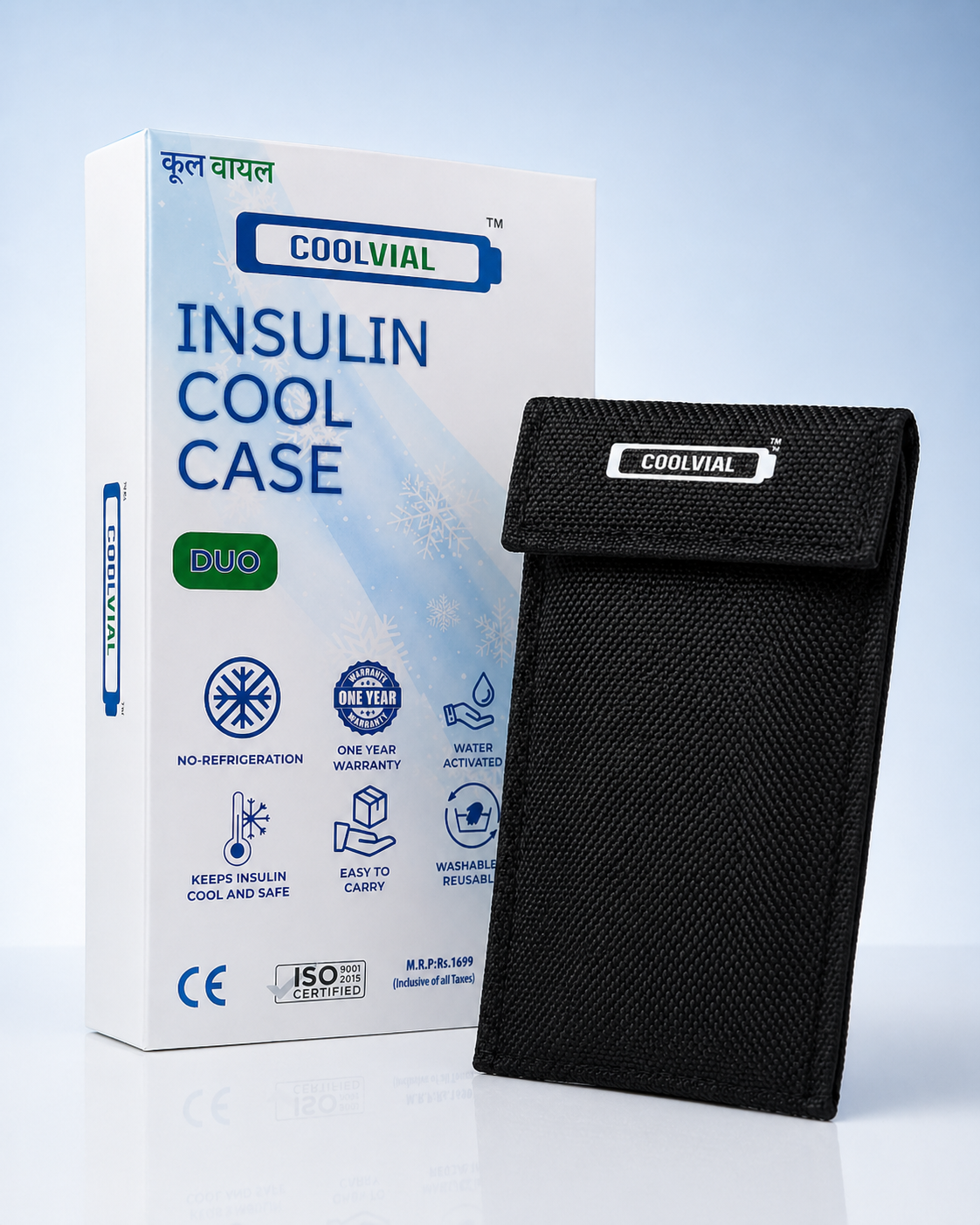
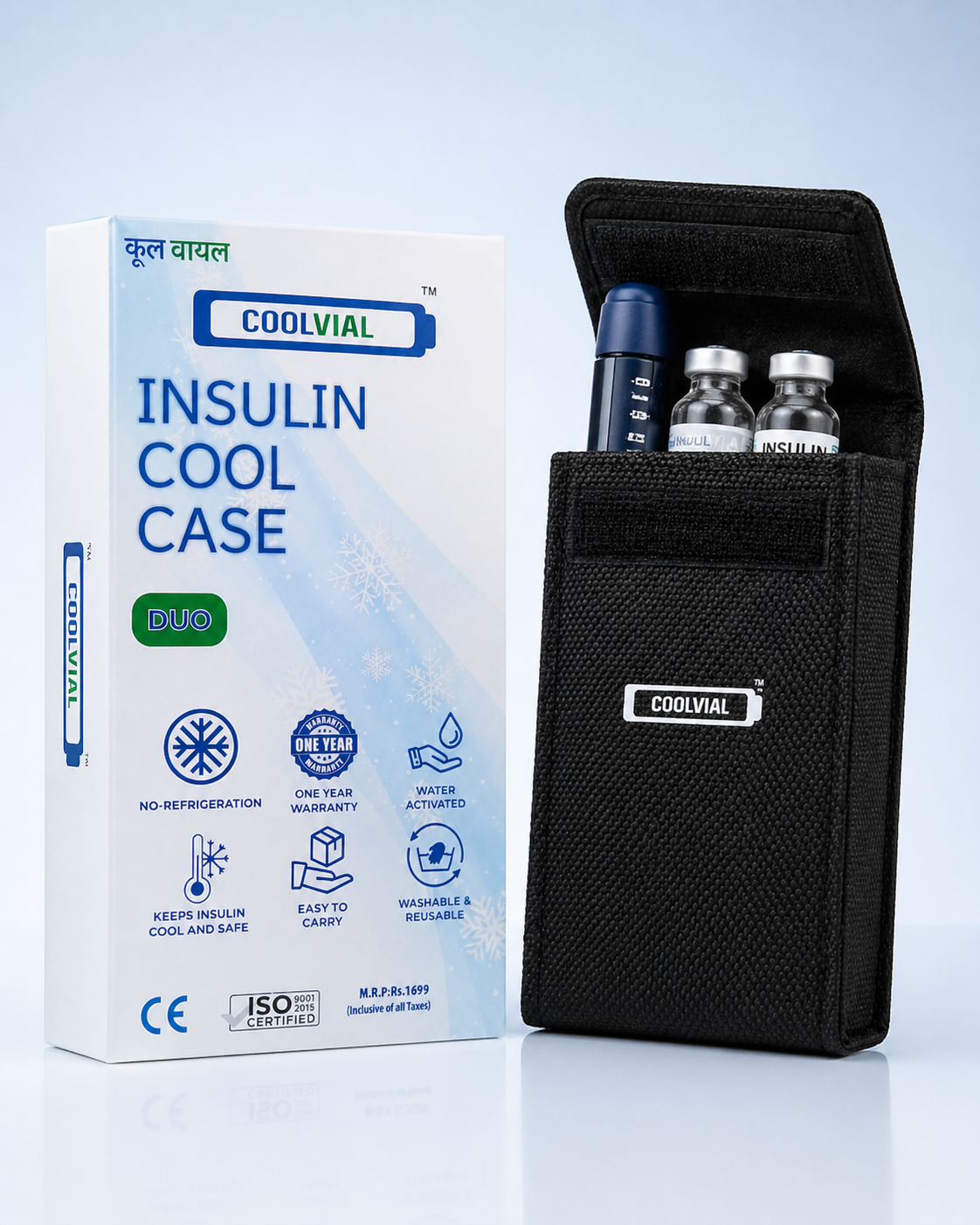
- COOLVIAL Duo Integration: Place the airtight container, holding your bagged insulin, into your COOLVIAL Duo evaporative cooling case. The COOLVIAL Duo is designed to keep insulin at safe temperatures (typically 18-26°C) for 12-16 hours without electricity, even when ambient temperatures soar to 25-45°C. This combination offers both temperature control and enhanced physical protection from dust and water.
This strategy ensures that even if the outer layer of your COOLVIAL Duo gets dusty or damp, your insulin pens and vials remain pristine and functional. The COOLVIAL Duo, priced at Rs 1,099 with code COOLHEAL (MRP Rs 1,699), is CE certified and ISO 9001:2015 compliant, providing reliable cooling, but adding these extra layers of physical protection is a smart practice in Jaipur’s challenging climate.
Wiping Down: Needle Hygiene in Dusty Conditions
Maintaining strict hygiene, especially for injection sites and needles, is always important for individuals on insulin. However, during Jaipur’s dusty pre-monsoon and monsoon phases, this becomes even more critical. Fine dust particles can settle on everything, including your insulin pen and the needle itself.
- Best Practices for Needle Hygiene in Dust:
- Always Wipe the Pen: Before attaching a new needle, and especially before each injection, gently wipe the rubber stopper of your insulin pen with an alcohol swab. This removes any dust or debris that might have settled.
- Clean the Injection Site: Use a fresh alcohol swab to clean the skin at your chosen injection site. Allow it to air dry completely before injecting. Do not fan or blow on the site, as this can reintroduce airborne dust.
- Inspect the Needle: Quickly inspect the new needle before attaching it to the pen. While needles come in sterile packaging, a quick visual check can identify any accidental contamination if dropped or exposed.
- Dispose Properly: After injection, immediately recap the needle and dispose of it in a sharps container. Never reuse needles, as this increases the risk of infection and dulls the needle, making injections more painful.
SMS Hospital (largest govt, C-Scheme) and other healthcare providers in Jaipur consistently emphasize the importance of sterile injection practices to prevent infections, which can be exacerbated by environmental dust. This simple step can significantly reduce the risk of introducing foreign particles into your body or your insulin supply.
Navigating Urban Floods: Protecting Medicines in the Walled City
Jaipur’s historic Pink City, with its intricate network of narrow lanes and older drainage systems, is particularly vulnerable to flash floods during heavy monsoon downpours. Even a brief, intense spell of rain can lead to waterlogging and ground-floor flooding, posing a direct threat to medicine stores and residential areas.
- Protecting Your Insulin During Flash Floods:
- Elevate Storage: If you live or work in low-lying areas, especially within the Walled City, consider storing your emergency insulin supply and cooling cases like the COOLVIAL Duo on higher shelves or elevated platforms.
- Waterproof Containers: Even inside a COOLVIAL, which protects from heat, an additional robust, fully waterproof container is essential for flood-prone situations. Think heavy-duty plastic boxes with secure clamps, available at local stores near landmarks like Albert Hall.
- Emergency Grab Bag: Prepare a small, waterproof emergency kit with essential medications, including insulin, a COOLVIAL Duo, and other supplies. This bag should be easily accessible for quick evacuation if needed. For more comprehensive guidance, refer to our blog post: Complete Diabetes Care Guide for Jaipur Residents — 2026 Edition.
- Local Pharmacy Awareness: Be aware of pharmacies in your area, such as Apollo Pharmacy or MedPlus in C-Scheme, that might be on higher ground or have better flood protection. Keep their numbers handy for emergency refills. Dhanwantary and Generic Aadhaar are also reliable options.
Flash floods can be sudden and destructive. Being prepared with elevated and waterproof storage solutions is key to ensuring your insulin remains safe and usable, even when the streets outside your home in neighborhoods like Pink City turn into temporary rivers.
Power Outages: Ensuring Insulin Stability During Grid Disruptions
Dust storms in Jaipur, with their strong winds, can frequently lead to power outages. Damaged power lines, overloaded grids, and localized faults are common occurrences, especially during the transition from dry heat to monsoon. These disruptions can last for hours, or even days in extreme cases, posing a serious threat to insulin stored in refrigerators.
- Managing Insulin During Power Cuts:
- Reliable Cooling Solution: This is where an electricity-independent cooling solution becomes indispensable. The COOLVIAL Duo, which keeps insulin cool for 12-16 hours without power, is a lifesaver during such events. It uses water-activated evaporative cooling, requiring no refrigeration or ice packs.
- Check Local Power Updates: Stay informed about power restoration efforts by Jaipur Vidyut Vitran Nigam Limited (JVVNL) [Verify in 2026]. Many neighborhoods, from Malviya Nagar to Vaishali, experience these outages.
- Emergency Backup: Always have a backup plan. For short outages, a COOLVIAL Duo is sufficient. For longer durations, consider having a friend or family member with a stable power supply who can store your insulin, or investigate local pharmacies like 1mg in Mansarovar that might offer temporary cold storage [Verify in 2026].
- Monitor Insulin Temperature: If you suspect your insulin has been exposed to extreme temperatures due to a prolonged power cut, consult your doctor. For further information on managing insulin during power disruptions, read our guide: Power Cut Survival Guide for Diabetics in Jaipur — What To Do When the Grid Goes Down.
The COOLVIAL Duo (Rs 1,099 with code COOLHEAL) is explicitly designed for such scenarios, offering peace of mind when the grid goes down. While competitors like FRIO (often around Rs 1,900) offer similar evaporative cooling, COOLVIAL Duo provides a cost-effective, Made-in-India solution with CE certification and ISO 9001:2015 standards, making it a reliable choice for Jaipur’s unpredictable power situation.
Travel Smart: Monsoon Getaways to Ajmer-Pushkar or Sariska
The brief monsoon brings a refreshing change to Rajasthan’s landscape, turning arid regions lush green and making short getaways appealing. Many Jaipur residents take advantage of this time for trips to nearby destinations like the holy city of Ajmer-Pushkar or the wildlife sanctuary of Sariska. However, traveling with insulin during this period requires careful planning, especially regarding temperature and dust protection.
- Insulin Care for Monsoon Travel:
- Pack Your COOLVIAL Duo: Whether you’re traveling by car, bus, or train, your COOLVIAL Duo is your best companion. It will keep your insulin cool and safe for 12-16 hours, ideal for day trips or overnight stays without reliable refrigeration. Remember, it holds 2 pens + 1 vial.
- Extra Protection from Dust and Rain: Even inside your COOLVIAL, use the zip-lock bag and airtight container method discussed earlier. This is particularly important when visiting dusty sites or during unexpected rain showers.
- Route Planning and Stops: If driving to Ajmer (approx. 135 km from Jaipur) or Sariska (approx. 107 km), plan your stops. Minimize exposure to direct sunlight inside the car.
- Hydration: Always carry drinking water to stay hydrated, as the humidity can be deceptive.
- Emergency Supplies: Pack extra insulin, needles, and alcohol swabs. Know the location of pharmacies along your route or at your destination.
- Check Weather Forecasts: Monsoon travel can be unpredictable. Check local weather forecasts for Ajmer, Pushkar, or Sariska before you leave to anticipate heavy rainfall or lingering dust.
For those heading out of Jaipur, the convenience and reliability of a portable, non-electric cooling solution like the COOLVIAL Duo are unparalleled. It ensures your adventure isn’t hampered by concerns about insulin integrity. For more tips on managing insulin in varying climates, visit our insulin storage tips page.
The Power of Evaporative Cooling: COOLVIAL Duo vs. Traditional Methods
When it comes to keeping insulin cool in Jaipur’s challenging climate, evaporative cooling technology offers a superior, non-electric solution. The COOLVIAL Duo leverages this principle, providing a reliable alternative to traditional methods that often fall short in real-world scenarios.
-
How Evaporative Cooling Works (COOLVIAL Duo):
- The COOLVIAL Duo contains special polymer crystals that, when activated by water, expand into a gel.
- This gel slowly releases water through evaporation from the outer fabric.
- As water evaporates, it draws heat away from the inner compartment, creating a cooling effect.
- This process can maintain insulin at safe temperatures (18-26°C) for 12-16 hours, even when ambient temperatures are high (up to 45°C).
-
Comparison of Cooling Methods for Insulin Storage:
| Feature | COOLVIAL Duo (Evaporative) | Ice Packs / Gel Packs | Refrigerator | Outer Woods OW-12 (Pouch) | FRIO (Evaporative) |
|---|---|---|---|---|---|
| Electricity Needed | No | No (but ice needs freezer) | Yes | No | No |
| Cooling Duration | 12-16 hours | 2-4 hours (can freeze insulin if not careful) | Continuous (if power is stable) | 4-6 hours (insulation only) | 12-16 hours |
| Risk of Freezing | Very Low (maintains ideal range) | High (direct contact with ice) | Low (if set correctly) | None (no active cooling) | Very Low (maintains ideal range) |
| Portability | Excellent (compact, water-activated) | Moderate (bulky, needs re-freezing) | None (fixed location) | Excellent (compact) | Excellent (compact, water-activated) |
| Maintenance | Re-soak in water every 12-16 hours | Re-freeze packs | Regular cleaning, stable power | None | Re-soak in water every 12-16 hours |
| Cost (Approx.) | Rs 1,099 (with code COOLHEAL) | Rs 100-300 (packs only) | High (appliance cost, electricity) | Rs 999 (insulation only) | Rs 1,900 (often higher) |
| Dust/Water Resist. | Inner lining protects, but external barrier recommended | None (unless in waterproof bag) | None | Minimal (material specific) | Inner lining protects, but external barrier recommended |
| Certifications | CE Certified, ISO 9001:2015, 1-year warranty | Varies | Varies | Varies | Varies |
| Made in India | Yes | Varies | Varies | Varies | No |
10 Practical Strategies: Protecting Insulin Pens During Jaipur Dust Storms & Monsoon
COOLVIAL keeps insulin safe in India's heat. 48+ hours, no electricity needed.
The COOLVIAL Duo stands out as a practical, affordable, and certified solution specifically tailored for Indian conditions, including the unique challenges of Jaipur’s climate. Its ability to hold 2 pens + 1 vial makes it versatile for daily use and travel. You can order your COOLVIAL insulin cool case at coolvial.com.
Expert Guidance from SMS Hospital and Local Pharmacies
For comprehensive diabetes care in Jaipur, it’s always best to consult local healthcare professionals and trusted pharmacies. Institutions like SMS Hospital, the largest government hospital in C-Scheme, offer extensive guidance on insulin storage and management, especially in the context of local environmental conditions.
- Key Recommendations from Local Experts:
- SMS Hospital Guidance: Endocrinologists at SMS Hospital often advise patients on maintaining insulin integrity during power cuts and extreme temperatures. They recommend using non-electric cooling solutions during travel or for backup.
- Pharmacy Advice: Local pharmacies such as Apollo Pharmacy (found in various locations like C-Scheme and Malviya Nagar), MedPlus, Generic Aadhaar, 1mg, and Dhanwantary are valuable resources. Pharmacists can provide advice on specific insulin product storage, shelf life, and often stock essential diabetes supplies. They can also offer insights into local conditions affecting medication.
- Regular Check-ups: Regular consultations with your diabetologist or endocrinologist at Fortis Escorts Hospital (Malviya Nagar) or Manipal Hospital (Sirsi Road) are crucial to review your insulin regimen and storage practices.
- Community Support: Connect with local diabetes support groups in Jaipur. Sharing experiences and tips with fellow diabetics can provide practical solutions for managing insulin in the city’s unique climate.
Always remember that while products like the COOLVIAL Duo provide excellent physical protection and temperature control, they are part of a larger diabetes management plan that includes professional medical advice.
Leveraging Desiccants: Silica Gel for Moisture Control
Beyond dust, the monsoon season brings a significant increase in humidity. While dust is the primary concern for mechanical damage, moisture can degrade insulin over time and also promote mold growth on cooler fabrics if not managed. Silica gel packets, commonly found in new product packaging, are effective desiccants that can absorb excess moisture.
- Using Silica Gel Effectively:
- Placement: Place a few small silica gel packets inside the airtight container along with your zip-locked insulin pens/vials. Do not place them directly in contact with the insulin or inside the COOLVIAL Duo’s inner pouch, as the COOLVIAL relies on moisture for its cooling mechanism.
- Reactivation: Many silica gel packets are reusable. You can reactivate them by gently heating them in an oven at a low temperature (e.g., 100-120°C) for an hour or two, or until their color indicator (if present) changes back to its dry state.
- Regular Replacement: Replace or reactivate silica gel packets regularly, especially during peak monsoon humidity, to maintain their effectiveness.
- Benefits: This helps create a micro-environment within your airtight container that is less humid, further protecting your insulin from moisture-related degradation, especially crucial for vials where septum integrity could be compromised over time.
This simple addition, combined with your COOLVIAL Duo and airtight containers, creates a robust defense against both dust and humidity, two major environmental threats in Jaipur. For more information on protecting insulin from Jaipur’s desert heat and dust, read our detailed guide: How to Store Insulin in Jaipur’s Desert Heat & Dust — A Local’s Guide.
Frequently Asked Questions (FAQ)
Q: How long can insulin be stored in a COOLVIAL Duo during Jaipur’s summer heat or monsoon humidity? A: The COOLVIAL Duo can keep insulin at safe temperatures (18-26°C) for 12-16 hours, even when ambient temperatures reach 25-45°C. This duration is consistent in both dry heat and humid conditions, making it ideal for Jaipur’s varied climate.
Q: Can dust from Jaipur dust storms damage my insulin pens permanently? A: Yes, fine dust can clog the delicate dose dial mechanism of insulin pens, leading to inaccurate dosing or malfunction. It can also scratch the pen body or contaminate vial septums if not properly protected.
Q: Is it safe to use insulin that has been exposed to flash flood waters in the Pink City? A: If insulin pens or vials have been submerged or had their packaging compromised by floodwaters, it is best to discard them. Floodwaters can contain contaminants that may affect the sterility or efficacy of the medication, even if the primary packaging appears intact.
Q: What should I do with my insulin during a prolonged power outage in Jaipur? A: During a power outage, transfer your insulin to a COOLVIAL Duo, which provides 12-16 hours of cooling without electricity. For very long outages, explore options with local pharmacies like Apollo Pharmacy or contact your doctor for guidance on temporary cold storage solutions.
Q: How does the COOLVIAL Duo compare to a regular insulated pouch for insulin storage? A: An insulated pouch only delays temperature changes, whereas the COOLVIAL Duo actively cools through water-activated evaporative technology, maintaining a specific temperature range for much longer. This makes COOLVIAL far more effective for Jaipur’s climate.
Q: Can I use the COOLVIAL Duo if I am traveling to a destination outside Jaipur, like Sariska, during the monsoon? A: Absolutely, the COOLVIAL Duo is ideal for travel. Its water-activated cooling function works anywhere, ensuring your insulin stays cool and safe during journeys, without needing refrigeration or electricity on the go.
Q: How often should I reactivate my COOLVIAL Duo during the monsoon season? A: You should reactivate your COOLVIAL Duo by soaking it in water for 5-10 minutes every 12-16 hours, or as soon as you notice the cooling effect diminishing. The frequency might slightly increase in extremely dry, windy conditions or decrease in very high humidity.
Conclusion
Living with diabetes in Jaipur means embracing the city’s unique climatic rhythm – from the pervasive dust of ‘aandhi’ to the sudden deluges of monsoon. Protecting your insulin pens and vials from these environmental challenges is not just about convenience; it’s about safeguarding your health and ensuring the efficacy of your vital medication. By adopting these 10 practical strategies – from multi-layered storage with zip-lock bags and airtight containers, to meticulous needle hygiene, and preparing for urban floods and power outages – you can navigate Jaipur’s weather with confidence.
The COOLVIAL Duo stands as a reliable, Made-in-India solution, offering essential evaporative cooling for 12-16 hours without electricity. Its CE certification and ISO 9001:2015 standards assure quality, making it a smart investment for every diabetic in the Pink City. Whether you’re commuting to SMS Hospital, exploring the Walled City, or embarking on a monsoon getaway to Ajmer-Pushkar, ensuring your insulin is protected is paramount.
Order COOLVIAL Duo at Rs 1,099 with code COOLHEAL — coolvial.com or via WhatsApp wa.me/918766952300.
This article is for general information. Always consult your endocrinologist or diabetologist before changing insulin storage or dosing practices.
How We Researched This — This article is informed by an extensive review of RSSDI guidelines on insulin storage, ICMR-INDIAB data on diabetes prevalence in India, local Jaipur hospital directories, and an analysis of common insulin storage queries from Jaipur diabetics, supplemented by insights from the Apollo Pharmacy network regarding medication access and storage challenges.
10 Practical Strategies: Protecting Insulin Pens During Jaipur Dust Storms & Monsoon
Insulin at 2-8°C for 48+ hours. Trusted by 10,000+ Indian diabetics.