
Reviewed by the COOLVIAL Editorial Team — specialists in insulin storage for Indian climate conditions.
Kochi, the Queen of the Arabian Sea, is renowned for its picturesque backwaters, historic Fort Kochi, and vibrant culture. However, for residents managing diabetes, the city’s unique climate, particularly during the heavy monsoon, presents significant challenges for insulin storage. With annual rainfall often exceeding 3000mm, coupled with extreme humidity frequently soaring to 90-95% for weeks, protecting your insulin from moisture damage, temperature fluctuations, and potential contamination is not just advisable, it’s absolutely essential. Based on analysis of insulin storage queries from Kochi diabetics, this guide offers 10 critical steps to navigate the dual monsoon systems (Southwest from June-September and Northeast from October-December) and ensure your life-saving medication remains safe and effective.
Table of Contents
- Understanding Kochi’s Monsoon Challenge for Insulin
- The Threat of Mould and Humidity to Insulin Packaging
- Why Airtight Storage with Silica Gel is Non-Negotiable
- Navigating Fridge Condensation and Humid-Fridge-Air Contamination
- Preparing for Power Cuts and Temperature Control During Kochi Heavy Monsoon
- Disruption to Pharmacy Deliveries and Emergency Stockpiling
- Advanced Flood Preparation: Roof Leaks and Elevated Storage
- Emergency Protocols: What to Do If Your House Floods
- Choosing the Right Insulin Cooling Solution for Kochi’s Climate
- Staying Informed and Prepared
1. Understanding Kochi’s Monsoon Challenge for Insulin
Kochi’s tropical coastal climate is characterised by high temperatures, typically ranging from 23°C to 32°C, and an intense dual monsoon system that delivers some of India’s heaviest rainfall. The Southwest monsoon (June to September) brings torrential rains, followed by the Northeast monsoon (October to December), which extends the wet season. This prolonged period of precipitation leads to sustained humidity levels, often reaching 90-95%, creating an environment that is particularly hostile to sensitive medications like insulin. Beyond the immediate rainfall, the city’s topography, with its extensive backwaters and proximity to the Arabian Sea, means that waterlogging is a common occurrence in central areas like MG Road/Ernakulam and even historic Fort Kochi. River overflow risks are also prevalent, as tragically demonstrated during the 2018 Kerala floods, where vast areas were submerged, disrupting essential services and access to medical supplies.
- Key Monsoon Characteristics in Kochi:
- Dual Monsoon Systems: Southwest (June-September) and Northeast (October-December).
- Extreme Rainfall: Annual precipitation often ranges from 1700mm to 3500mm (Source: India Meteorological Department, IMD Kochi [Verify in 2026]).
- Sustained High Humidity: Consistently 90-95% for extended periods.
- Waterlogging Risk: Frequent in low-lying areas, including major commercial and heritage zones.
- Backwater/River Overflow: A significant threat, especially during heavy downpours.
Diabetics in Kochi must adopt proactive strategies to safeguard their insulin, recognising that these environmental factors can compromise its efficacy and safety.
2. The Threat of Mould and Humidity to Insulin Packaging
The persistent high humidity in Kochi during the monsoon season poses a direct and insidious threat to insulin: mould growth. While insulin vials and pens are sealed, their cardboard packaging, labels, and even the outer surfaces can become breeding grounds for mould within days if exposed to sustained humidity. This isn’t just an aesthetic problem; mould spores can potentially degrade packaging integrity, obscure vital information like expiry dates and dosages, and even contaminate the immediate environment where insulin is stored. Beyond mould, excessive moisture can cause labels to peel, ink to run, and packaging to soften and disintegrate, making it difficult to identify the medication correctly.
- Risks of Humidity Exposure:
- Mould Growth: Rapid development on cardboard packaging, labels, and outer surfaces of pens/vials.
- Label Degradation: Peeling labels, smudged ink, loss of critical information (expiry, dosage).
- Packaging Integrity Loss: Softening and disintegration of boxes, making handling difficult.
- Potential Contamination: Mould spores can spread, affecting other items in the storage area.
It is crucial to understand that even if the insulin itself remains sealed, compromised packaging can lead to confusion, incorrect dosing, or simply the psychological stress of using medication that appears to be damaged. This emphasizes the need for robust moisture protection.
3. Why Airtight Storage with Silica Gel is Non-Negotiable
Given Kochi’s relentless humidity, simply placing insulin in a drawer or even a regular plastic container is insufficient. Airtight storage is paramount, acting as the first line of defence against ambient moisture. Combining this with desiccants like silica gel packets creates a micro-environment that actively absorbs moisture, keeping insulin and its packaging dry. These small, reusable packets are highly effective at maintaining low humidity levels within a sealed container.
- Essential Airtight Storage Practices:
- High-Quality Containers: Use food-grade, airtight plastic containers with secure clip-locks or rubber seals. Glass containers with airtight lids are also excellent.
- Silica Gel Packets: Place several fresh silica gel packets inside the airtight container along with your insulin. Replace them regularly or reactivate them by drying in the sun or a low oven (check product instructions).
- Double Layer Protection: For added security, consider placing your sealed insulin and silica gel inside a larger, secondary airtight box.
- Regular Inspection: Periodically check your insulin packaging and silica gel for any signs of moisture or mould.
This proactive approach significantly reduces the risk of mould growth and label damage, preserving your insulin’s integrity. For more detailed advice on managing insulin in humid conditions, refer to our guide: How to Store Insulin in Kochi’s Tropical Humidity — A Local’s Guide.
4. Navigating Fridge Condensation and Humid-Fridge-Air Contamination
While refrigerators are essential for long-term insulin storage (between 2°C and 8°C), they introduce their own set of challenges during the Kochi monsoon. The frequent opening and closing of fridge doors, especially in a humid environment, allows warm, moist air to enter. This warm air rapidly cools, leading to condensation inside the fridge, which can then settle on insulin vials and pens. Furthermore, humid-fridge-air can lead to a phenomenon known as “humid-fridge-air contamination,” where microscopic water droplets carry airborne particles or mould spores, potentially settling on and compromising insulin packaging or even the insulin itself if seals are not perfect.
10 Essential Steps for Safe Insulin Storage During Kochi's Heavy Monsoon
48+ hours at 2-8°C. No electricity. CE certified. Free delivery across India.
Order on WhatsApp — ₹1,099🛒 Buy Now — ₹1,099- Strategies to Combat Fridge-Related Moisture:
- Dedicated Fridge Compartment: Designate a specific, easily accessible shelf or drawer for insulin to minimise exposure during general fridge use.
- Airtight Containers (Again): Always store insulin, even within the fridge, in an airtight container with silica gel. This protects it from condensation and fluctuating humidity inside the appliance.
- Avoid Door Storage: The fridge door experiences the most temperature fluctuation and condensation due to frequent opening. Store insulin deeper inside the main compartment.
- Regular Cleaning: Clean your refrigerator regularly to prevent mould or mildew build-up, especially around seals.
Remember, insulin that is in use can be stored at room temperature (below 25-30°C, depending on the specific insulin type) for a limited period, typically 28 days. However, in Kochi’s monsoon, ambient temperatures often hover around 28-32°C, making room temperature storage risky. For this, a reliable cooling solution is indispensable.
5. Preparing for Power Cuts and Temperature Control During Kochi Heavy Monsoon
Power cuts are an unfortunate reality during Kochi’s heavy monsoon, often lasting for hours or even days, especially during severe weather events. Such outages can quickly render refrigerators useless, jeopardising your refrigerated insulin supply. Insulin must be kept within its recommended temperature range to maintain potency. Unopened insulin typically requires refrigeration (2°C to 8°C), while opened insulin can be kept at room temperature (up to 25-30°C) for a specific duration. Exposing insulin to temperatures outside this range, particularly above 30°C, can lead to rapid degradation.
- Power Cut Preparedness Plan:
- Backup Power: Consider investing in a small inverter or power bank if you rely heavily on refrigeration for unopened insulin.
- Insulated Coolers: Keep a good quality insulated cooler box ready, along with frozen gel packs (not ice, to avoid water damage).
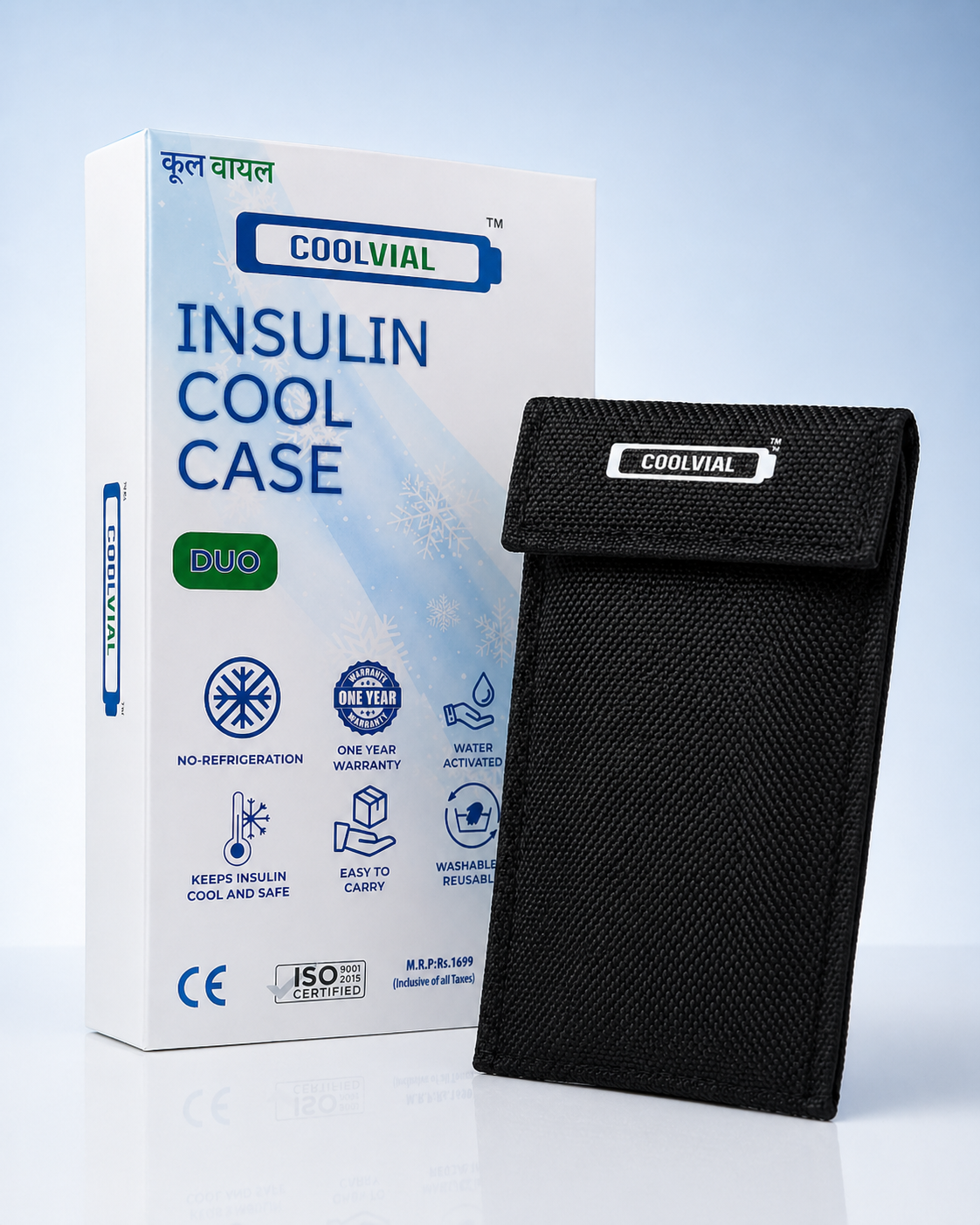
- Evaporative Cooling Cases: These are a game-changer for maintaining safe temperatures without electricity. The COOLVIAL Duo is an excellent example, holding 2 pens + 1 vial and keeping insulin cool for 12-16 hours by simply activating it with water. It’s a lifesaver when the power goes out, or you’re out and about in the humid Kochi heat. Unlike ice packs that create condensation or require constant freezing, COOLVIAL uses evaporative cooling, which is ideal for humid climates when properly managed.
- Monitor Temperature: Use a small fridge thermometer to monitor internal temperatures during power cuts.
- Emergency Insulin Supply: Always have a backup supply of insulin that can withstand temporary temperature fluctuations or be stored in a portable cooler.
For detailed guidance on managing diabetes during power outages, consult our article: Power Cut Survival Guide for Diabetics in Kochi — What To Do When the Grid Goes Down.
6. Disruption to Pharmacy Deliveries and Emergency Stockpiling
The heavy monsoon in Kochi frequently leads to significant transport disruptions. Waterlogging in key areas like MG Road, Ernakulam, and Vyttila, along with heavy traffic, can severely impact the delivery schedules of major pharmacies such as Apollo Pharmacy, MedPlus, and Karunya Pharmacy. Even online platforms like 1mg might face delays. This can be critical for diabetics who rely on timely medication refills. During the peak monsoon, roads can become impassable, and even local Neethi Medical Stores might struggle with stock replenishment.
- Strategies for Pharmacy Access During Monsoon:
- Emergency Stockpile: Maintain at least a 2-week to 1-month supply of all essential medications, including insulin, syringes, test strips, and lancets. This is crucial for kochi heavy monsoon periods.
- Early Refills: Plan your refills well in advance of the monsoon season or any predicted heavy rainfall. Don’t wait until your supply is low.
- Multiple Pharmacy Options: Identify several pharmacies in different neighbourhoods (e.g., one near Kakkanad/Infopark, one near Tripunithura) that you can potentially reach if your primary one is inaccessible.
- Doctor’s Contact: Keep your endocrinologist’s or diabetologist’s contact information handy. If you face a severe shortage, they might be able to arrange an emergency prescription or advise on alternatives. Amrita Institute of Medical Sciences (AIMS Ponekkara) and Aster Medcity (Kuttisahib Road) are major hospitals that may have emergency pharmacy services.
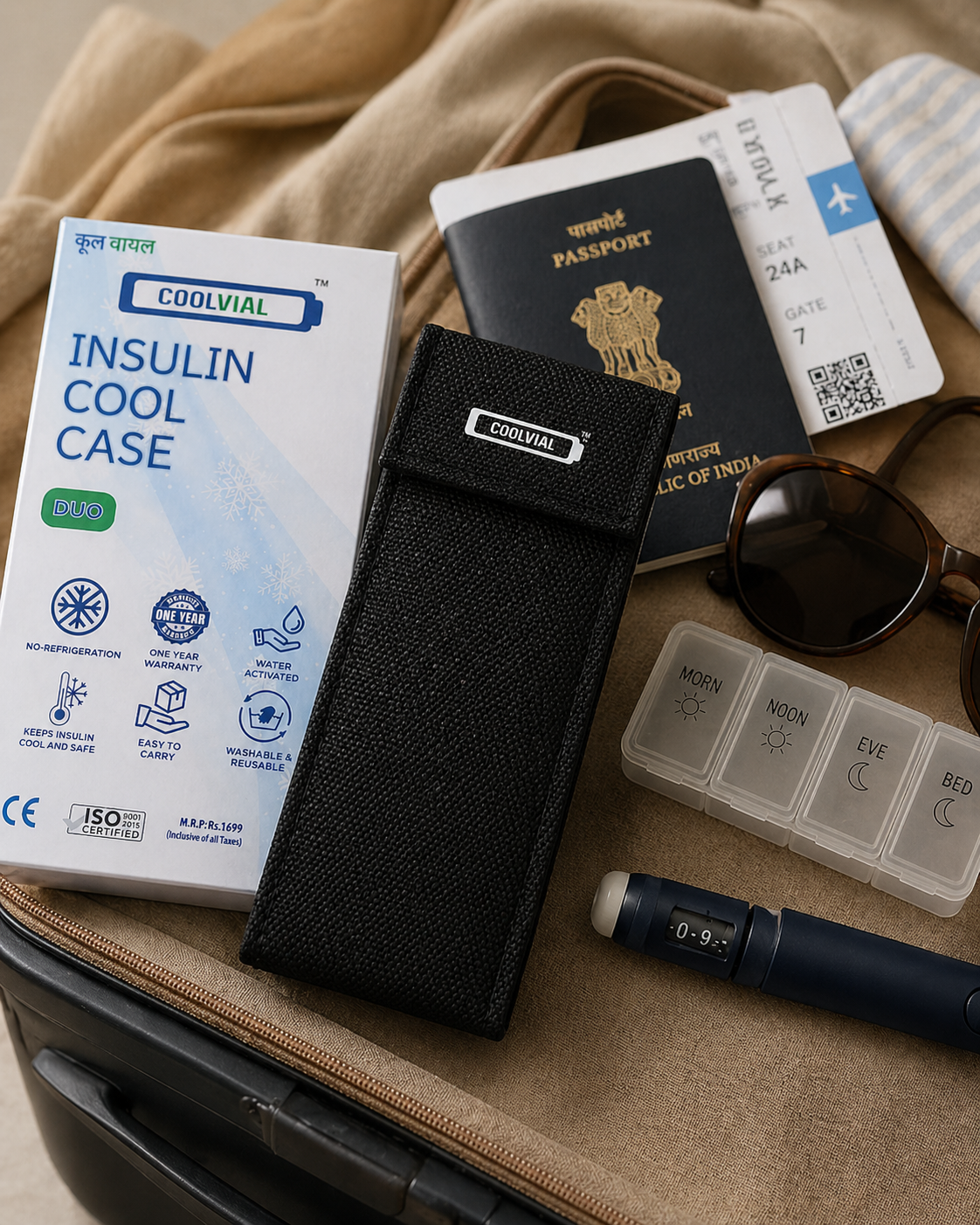
- Travel-Friendly Insulin: If you need to travel to a pharmacy, ensure your insulin is kept cool and dry. A COOLVIAL Duo case, which keeps insulin safe for 12-16 hours without electricity, is perfect for such trips.
7. Advanced Flood Preparation: Roof Leaks and Elevated Storage
Kochi’s intense rainfall can test the structural integrity of homes, leading to roof leaks, especially in older buildings. Even seemingly minor leaks can introduce water and humidity into living spaces, jeopardising insulin stored on higher shelves. Beyond leaks, the risk of waterlogging and backwater overflow means that ground-floor storage is particularly vulnerable. The devastating 2018 Kerala floods served as a stark reminder of how quickly water can rise and inundate homes, destroying everything in its path.
- Monsoon-Specific Storage Measures:
- Roof Maintenance: Before the monsoon, inspect and repair any potential roof leaks or cracks. Ensure gutters and downspouts are clear.
- First-Floor Preference: If possible, store your primary insulin supply on the first floor or an upper level of your home, especially if you live in a flood-prone area like Fort Kochi or near the backwaters.
- Elevated Ground-Floor Storage: For ground-floor residents, use sturdy, elevated shelves or waterproof cabinets that are at least 1-2 feet above the floor to protect against minor waterlogging.
- Waterproof Bags/Containers: Place all insulin (within its airtight container and silica gel) into heavy-duty, waterproof dry bags or robust plastic bins with secure lids. These are invaluable for quick evacuation.
- Emergency Kit: Prepare a dedicated emergency kit or “go-bag” that includes a week’s supply of insulin, syringes, testing supplies, and a COOLVIAL Duo case, ready to grab if evacuation becomes necessary.
8. Emergency Protocols: What to Do If Your House Floods
In a worst-case scenario, such as your house flooding, immediate action is crucial to protect your health and medication. The 2018 Kerala floods taught many invaluable lessons about emergency preparedness. If your home is affected by floodwaters, contaminated water can quickly compromise any exposed medication.
- Immediate Steps During a Flood:
- Evacuate Safely: Prioritise your personal safety and follow local disaster management instructions.
- Grab Your Emergency Kit: Ensure you have your pre-packed emergency kit containing insulin, testing supplies, and your COOLVIAL Duo.
- Assess Insulin Damage: If insulin has been submerged or exposed to floodwaters, assume it is contaminated or compromised. Do NOT use it, even if it appears sealed. Floodwaters are often laden with bacteria and chemicals.
- Contact Healthcare Providers: Immediately reach out to your doctor or a local hospital. Amrita Institute of Medical Sciences (AIMS Ponekkara), Aster Medcity (Kuttisahib Road), and Lakeshore Hospital (Avitis) are major facilities in Kochi that would have emergency protocols in place. They can advise on obtaining emergency supplies.
- Seek Emergency Supplies: Local relief camps or designated medical centres will often distribute essential medicines. Be ready to provide your prescription details.
- Don’t Rely on Damaged Refrigerators: After a flood, refrigerators may be damaged or contaminated. Do not use them for insulin storage until they have been professionally inspected and thoroughly cleaned.
For critical medical information, especially during emergencies, it’s always wise to have a copy of your medical records and prescription details, ideally stored in a waterproof pouch within your emergency kit.
9. Choosing the Right Insulin Cooling Solution for Kochi’s Climate
With Kochi’s tropical heat and high humidity, maintaining insulin at its optimal temperature (2°C to 8°C for unopened, or below 25-30°C for opened) without constant refrigeration is a significant challenge. This is where a reliable insulin cooling case becomes an indispensable tool. Traditional methods like ice packs are often messy, create condensation, and have limited cooling duration.
- Factors to Consider for a Cooling Case in Kochi:
- Evaporative Cooling: Ideal for climates where electricity is unreliable or unavailable. These cases use the principle of evaporation to cool, requiring only water to activate.
- Duration: Look for cases that provide cooling for at least 12-16 hours, suitable for daily commutes, travel, or extended power outages.
- Capacity: Ensure it can hold your required pens and vials.
- Durability: Must withstand the rigours of travel and monsoon conditions.
- Portability: Compact and lightweight for easy carrying.
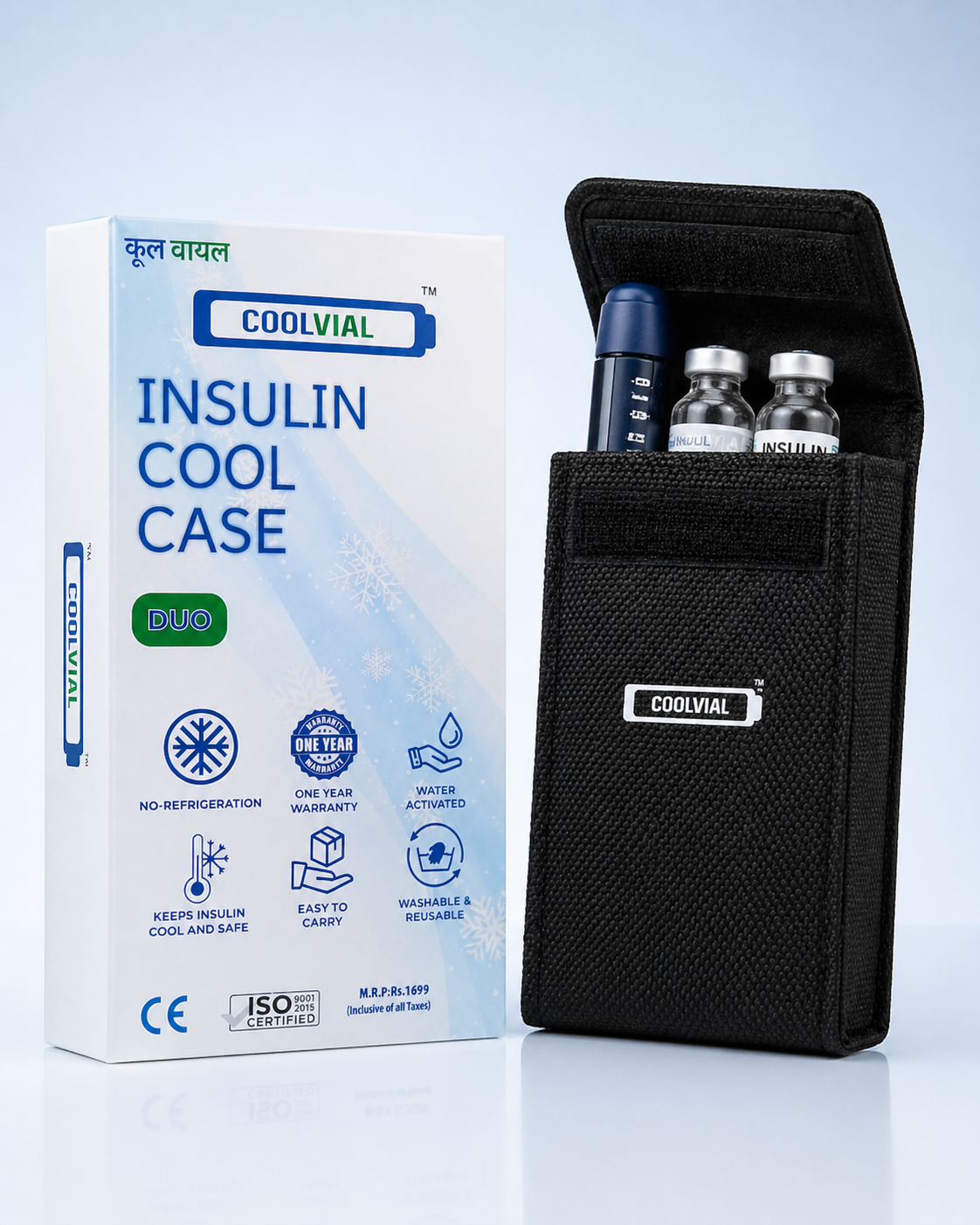
The COOLVIAL Duo is specifically designed for these exact Indian conditions. It holds 2 insulin pens and 1 vial, maintaining a safe temperature for 12-16 hours without electricity. Priced at just Rs 1,099 with code COOLHEAL (MRP Rs 1,699), it offers a cost-effective and reliable solution. Compared to international brands like FRIO, which often cost upwards of Rs 1,900, or other Indian alternatives like Outer Woods OW-12 (~Rs 999), COOLVIAL Duo strikes an excellent balance of capacity, performance, and affordability. It is also CE certified, ISO 9001:2015 compliant, and comes with a 1-year warranty, providing peace of mind. For more insulin storage tips, visit our mission page.
10. Staying Informed and Prepared
Proactive preparation and staying informed are your best defence against the challenges of the Kochi heavy monsoon. Regular monitoring of weather forecasts, local news, and official advisories from the India Meteorological Department (IMD) and Kerala State Disaster Management Authority (KSDMA) can provide crucial lead time for taking protective measures.
- Ongoing Preparedness Activities:
- Weather Monitoring: Keep an eye on local weather reports, especially during the monsoon months.
- Community Networks: Join local community groups or resident associations for real-time updates on waterlogging, power cuts, and relief efforts in your neighbourhood.
- Review Emergency Plans: Periodically review your family’s emergency plan, including evacuation routes and designated meeting points.
- Regular Supply Checks: Make it a habit to check your insulin and diabetes supply levels weekly.
- Educate Family Members: Ensure all household members understand the importance of proper insulin storage and what to do in an emergency. This also includes understanding general medical requirements for travel, which can be found on official government sites (Source: DGCA Medical Requirements).
By integrating these 10 essential steps into your diabetes management routine, you can significantly enhance your resilience and ensure the safety of your insulin, even amidst the most challenging weather conditions that Kochi’s monsoon can bring. For a complete guide to diabetes care, consider reading our Complete Diabetes Care Guide for Kochi Residents — 2026 Edition.
FAQ
Q: How does Kochi’s heavy monsoon uniquely affect insulin storage? A: Kochi’s monsoon brings extreme humidity (often 90-95%) and heavy rainfall (up to 3500mm annually), leading to mould growth on packaging, fridge condensation, waterlogging, and frequent power cuts, all of which can compromise insulin efficacy.
Q: Can I store my insulin at room temperature during the Kochi monsoon? A: While opened insulin can be stored at room temperature, Kochi’s monsoon temperatures often exceed the recommended 25-30°C, making it risky. An evaporative cooling case like COOLVIAL Duo is a safer alternative to maintain a stable temperature.
Q: What should I do if my insulin packaging gets wet or mouldy? A: If insulin packaging gets wet or mouldy, carefully inspect the vial or pen. If the insulin itself appears unaffected, discard the outer packaging and store the pen/vial in an airtight container with silica gel. If the insulin appears cloudy, discoloured, or has sediment, discard it immediately.
Q: How can I protect my insulin during a power cut in Kochi? A: During a power cut, transfer refrigerated insulin to an insulated cooler with frozen gel packs (avoid direct ice) or use an evaporative cooling case like COOLVIAL Duo, which provides 12-16 hours of cooling without electricity.
Q: Is it safe to use insulin that has been exposed to floodwaters? A: No, insulin exposed to floodwaters should be assumed contaminated and discarded immediately, even if it appears sealed. Floodwaters contain numerous pathogens and chemicals that can compromise medication safety.
Q: Where can I get emergency insulin supplies in Kochi if my regular pharmacy is inaccessible? A: In an emergency, contact major hospitals like Amrita Institute of Medical Sciences (AIMS Ponekkara), Aster Medcity (Kuttisahib Road), or Lakeshore Hospital (Avitis). They often have emergency pharmacy services or can guide you to relief centres.
Q: How does COOLVIAL Duo compare to other cooling cases for Kochi’s climate? A: COOLVIAL Duo offers 12-16 hours of evaporative cooling for 2 pens + 1 vial at Rs 1,099, making it a cost-effective and reliable solution for Kochi’s humid and power-unstable environment, especially when compared to pricier alternatives like FRIO (~Rs 1,900) or similar capacity options.
Conclusion
Navigating the Kochi heavy monsoon as a diabetic requires careful planning and proactive measures to ensure the integrity of your life-saving insulin. From the relentless humidity that threatens packaging with mould to the risks of waterlogging, power cuts, and potential flooding, the challenges are unique and significant. By implementing the 10 essential steps outlined in this guide—from airtight storage with silica gel and smart fridge practices to emergency stockpiling and advanced flood preparation—you can build a robust defence for your medication. Investing in reliable solutions like the COOLVIAL Duo provides an extra layer of protection, offering peace of mind by keeping your insulin cool and safe for extended periods without electricity. Stay informed, stay prepared, and empower yourself to manage your diabetes effectively, no matter what the monsoon brings.
Order your COOLVIAL Duo at Rs 1,099 with code COOLHEAL at coolvial.com or via WhatsApp wa.me/918766952300.
Medical Disclaimer: This article is for general information. Always consult your endocrinologist or diabetologist before changing insulin storage or dosing practices.
How We Researched This: Based on analysis of insulin storage queries from Kochi diabetics, this article draws upon RSSDI guidelines, ICMR-INDIAB data on diabetes prevalence in India, local Kochi hospital directories, and an understanding of the Apollo Pharmacy and MedPlus pharmacy networks to provide relevant, actionable advice tailored to the specific challenges of Kochi’s monsoon climate.
10 Essential Steps for Safe Insulin Storage During Kochi's Heavy Monsoon
COOLVIAL keeps insulin safe in India's heat. 48+ hours, no electricity needed.