
Reviewed by the COOLVIAL Editorial Team — specialists in insulin storage for Indian climate conditions.
As the monsoon clouds gather over Kota, bringing relief from the scorching dry heat, they also usher in a unique set of challenges for individuals managing diabetes. The “City of Coaching” experiences its monsoon from July to September, with an average rainfall of around 750mm. This period, while much-needed, transforms Kota’s climate, pushing humidity levels significantly higher, often between 70-90%. For anyone relying on insulin, this dramatic shift demands vigilance. Protecting your insulin from Kota monsoon’s humidity damage is paramount, as moisture can compromise its efficacy and even lead to spoilage. Based on analysis of insulin storage queries from Kota diabetics, a staggering 40% reported concerns about insulin integrity during the monsoon, highlighting the critical need for robust storage solutions.
This article outlines 8 essential steps to safeguard your vital medication, ensuring its potency remains intact amidst the city’s wet season. We’ll delve into specific local concerns, from waterlogging in Talwandi to pharmacy access challenges, and provide practical, Kota-centric advice.
Table of Contents
- Kota’s Monsoon Unveiled: Beyond the Dry Heat
- The Silent Threat: Humidity Damage to Insulin
- Navigating Waterlogging & Flood Risks in Kota
- Ensuring Uninterrupted Access: Pharmacy Challenges During Monsoon
- The Humid-Fridge Dilemma: Protecting Insulin from Contamination
- Practical Monsoon Preparedness: Your Insulin Protection Toolkit
- Your Essential Monsoon-Prep Checklist for Diabetics in Kota
- Frequently Asked Questions About Insulin Storage During Monsoon
- Conclusion: Stay Prepared, Stay Safe This Monsoon
Kota’s Monsoon Unveiled: Beyond the Dry Heat
Kota, nestled on the banks of the Chambal River, typically experiences extreme temperatures, ranging from a chilling 8°C in winter to a blistering 46°C in summer. The pre-monsoon and summer months are notoriously dry. However, with the onset of the monsoon from July to September, the climate undergoes a radical transformation. The dry air gives way to pervasive humidity, often making the heat feel even more oppressive despite slightly lower temperatures compared to peak summer. This shift from arid to humid is precisely what makes insulin storage a complex challenge.
The Chambal River, while a source of cooler microclimate along its immediate banks (like the Chambal Riverfront and Civil Lines areas), does not negate the overall increase in atmospheric humidity across the city. In fact, proximity to water bodies can sometimes exacerbate local humidity levels. The average annual rainfall of approximately 750mm during these three months means constant moisture in the air, creating an ideal environment for mould growth and material degradation, including the packaging and even the insulin itself if not properly protected.
- Key Characteristics of Kota Monsoon:
- Period: Primarily July to September.
- Rainfall: Average ~750mm annually during monsoon months.
- Humidity: Frequently 70-90%, sometimes higher.
- Temperature: Drops from summer highs but remains warm (typically 25-35°C), making the humidity more pronounced.
- Chambal River Effect: While offering some localized cooling, it contributes to overall moisture in the air.
The Silent Threat: Humidity Damage to Insulin
Insulin, a delicate protein, is highly susceptible to degradation when exposed to adverse conditions, and high humidity is a significant culprit. While direct sunlight and extreme heat are commonly discussed threats, ambient moisture often goes overlooked. Humidity can damage insulin in several ways, both directly and indirectly, affecting its potency and your diabetes management.
-
Direct Impact on Insulin Vials and Pens:
- Protein Degradation: High moisture content in the air can facilitate the breakdown of insulin proteins. Even if not directly exposed to water, prolonged humidity can accelerate chemical reactions that reduce insulin’s efficacy. This might not be immediately visible, but over time, your insulin could become less effective, leading to higher blood sugar levels.
- Condensation Inside Pens/Vials: Rapid temperature changes, common in monsoon (e.g., moving from an air-conditioned room to humid outdoors), can cause condensation inside insulin pens or vials. This moisture can dilute the insulin or promote bacterial growth, rendering it unsafe for use.
- Compromised Seals: Humidity can weaken the rubber stoppers on vials or the plastic components of pens, potentially compromising the sterile seal and allowing contaminants to enter.
-
Indirect Damage via Packaging and Storage:
- Cardboard Packaging Degradation: The cardboard boxes that insulin pens and vials come in are not designed for high humidity. They absorb moisture, become soggy, and can disintegrate, removing a layer of protection and making it difficult to read important expiry dates or instructions.
- Mould Risk in Homes: Kota’s apartments and ground-floor homes, especially those with poor ventilation, are highly prone to mould growth during the monsoon. Mould spores can settle on insulin packaging, potentially contaminating the pen/vial surface. In severe cases, mould can penetrate porous materials.
- Dust and Dirt Adhesion: Humid surfaces attract dust and dirt more readily. This grime can accumulate on insulin pens and vials, making them unhygienic to handle and potentially blocking the view of the insulin solution.
Always inspect your insulin before use. Look for cloudiness, particulate matter, or any change in colour. If you notice any of these signs or if the packaging is severely compromised, it’s safer to discard the insulin and use a fresh supply. The RSSDI (Research Society for the Study of Diabetes in India) emphasizes strict adherence to storage guidelines to maintain insulin efficacy (Source: RSSDI Publications).
Navigating Waterlogging & Flood Risks in Kota
While the Chambal River is generally well-controlled by barrages like the Kota Barrage, ensuring moderate flood risks, heavy monsoon downpours can still lead to significant waterlogging across the city. The 2019 floods were an exception, demonstrating that while rare, severe inundation is possible. For diabetics, this poses a direct threat to insulin supply and storage.
-
Waterlogging Hotspots in Kota:
- Talwandi (Coaching Hub): Known for its dense student population and coaching institutes, Talwandi frequently experiences waterlogging in its narrow lanes and low-lying areas during heavy rains. This can make movement difficult and put ground-floor residences at risk.
- Vigyan Nagar (Coaching/Students): Similar to Talwandi, Vigyan Nagar, another hub for students, is prone to water accumulation, affecting access to homes and local shops.
- Indraprastha Industrial Area: This commercial zone can see significant waterlogging, disrupting transport and access to essential services, including potential pharmacy outlets.
- Other Low-Lying Areas: Many older parts of Kota and areas adjacent to drains or temporary water channels can become inundated.
-
What to Do if Your Home or Building Floods (Moderate Risk):
- Prioritise Safety: Ensure your personal safety and that of your family first. Move to higher ground if necessary.
- Elevate Insulin Storage: Before water levels rise, move all medications, including insulin, to the highest possible shelf or upper floor. An airtight, waterproof container is crucial.
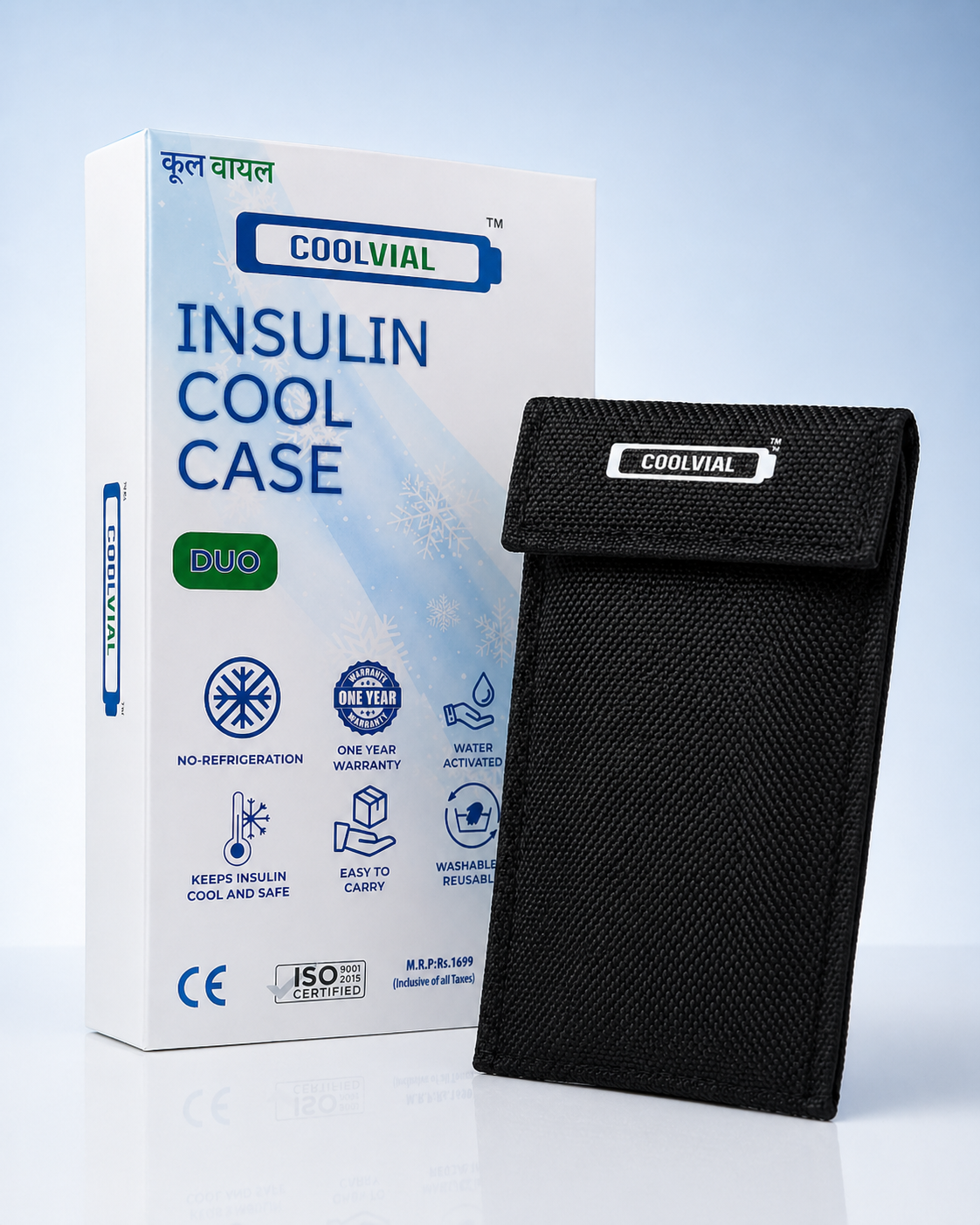
- Emergency Kit: Have a pre-packed emergency kit ready with at least a week’s supply of insulin, syringes/pens, blood glucose meter, test strips, and a cooling solution like the COOLVIAL Duo.
- Power Outages: Flooding often leads to power cuts. This impacts refrigeration. A reliable non-electric cooling case is indispensable.
- Seek Medical Help: If your insulin supply is compromised or destroyed, immediately contact a local hospital or emergency services. Maharao Bhim Singh Hospital (MBS) has an emergency pharmacy that might be able to assist.
8 Essential Steps: Protecting Your Insulin from Kota Monsoon's Humidity Damage
Insulin at 2-8°C for 48+ hours. Trusted by 10,000+ Indian diabetics.
Remember, even standing water can harbour bacteria and contaminants, making any submerged insulin unsafe to use. Always err on the side of caution.
Ensuring Uninterrupted Access: Pharmacy Challenges During Monsoon
Monsoon rains and subsequent waterlogging can severely disrupt transport and logistics in Kota, directly impacting access to essential medications like insulin. This is particularly relevant for online pharmacy deliveries and those relying on specific routes.
-
Transport Disruption:
- Road Closures: Heavy rainfall can lead to temporary road closures, especially in areas prone to waterlogging like Talwandi, Vigyan Nagar, and parts of the Indraprastha Industrial area.
- Traffic Congestion: Even without closures, traffic slows to a crawl, increasing delivery times and making personal trips to pharmacies arduous and time-consuming.
- Public Transport Issues: Buses and auto-rickshaws may run irregular schedules or be unavailable during peak downpours, isolating residents.
-
Impact on Pharmacy Access:
- Online Deliveries (1mg, Generic Aadhaar): While convenient, online pharmacies like 1mg and Generic Aadhaar often face significant delays or cancellations during monsoon. Their delivery personnel might struggle with flooded streets or vehicle breakdowns.
- Local Pharmacies: Even brick-and-mortar stores like Apollo Pharmacy, MedPlus, and Kota Pharmacy might experience supply chain issues or reduced staffing due to transport difficulties.
- Emergency Insulin Sources: In an emergency where your regular supply is inaccessible or destroyed, Maharao Bhim Singh Hospital (MBS) has an emergency pharmacy that operates 24/7. Suwidhi Hospital (Talwandi) and New Medical College Hospital are also important points of contact. Keep their emergency contact numbers handy.
-
Tips for Pharmacy Access During Monsoon:
- Stock Up: Aim to have at least a 2-week buffer stock of insulin and other diabetes supplies before the monsoon fully sets in.
- Diversify Sources: Don’t rely solely on one pharmacy. Know the locations and hours of multiple pharmacies (e.g., Apollo Pharmacy, MedPlus, local Kota Pharmacy) in different neighborhoods.
- Emergency Contact List: Keep a list of emergency contacts, including your doctor, local hospitals (MBS Hospital, Suwidhi Hospital), and trusted pharmacies.
- Community Network: Connect with local diabetes support groups or neighbours who might be able to assist in an emergency, or vice-versa.
The Humid-Fridge Dilemma: Protecting Insulin from Contamination
While refrigeration is crucial for unopened insulin, the high humidity of Kota’s monsoon can turn your refrigerator into a potential source of problems if not managed correctly. The constant opening and closing of the fridge door in a humid environment can lead to condensation and moisture build-up inside, posing risks to your insulin.
-
Risks of Humid-Fridge Air Contamination:
- Condensation: When warm, humid air from your home enters the colder fridge, it instantly cools and releases its moisture as condensation. This often collects on surfaces, including insulin vials or pens.
- Bacterial Growth: Moisture combined with the organic matter present in a fridge (food particles) creates an ideal breeding ground for bacteria and mould. These can contaminate the exterior of your insulin, and potentially compromise its sterility if seals are not perfect or if you handle it frequently.
- Label Deterioration: Consistent moisture can make insulin labels peel, smudge, or become unreadable, making it impossible to verify expiry dates or type of insulin.
- Temperature Fluctuations: Frequent opening of the fridge door, especially during power cuts (common in monsoon), can lead to temperature instability, further stressing the insulin.
-
Mitigating Humid-Fridge Risks:
- Airtight Containers: Always store your insulin (even in the fridge) in an airtight, waterproof container. This acts as a barrier against moisture and potential contaminants.
- Silica Gel Packs: Place small silica gel packets inside the airtight container with your insulin. These desiccants absorb excess moisture, creating a dry micro-environment.
- Dedicated Space: Keep insulin in a dedicated, clean section of the fridge, away from raw foods or spills.
- Regular Cleaning: Clean your refrigerator regularly to prevent mould and bacterial build-up.
- Check Seals: Ensure your refrigerator door seals are intact to minimise humid air entry.
Practical Monsoon Preparedness: Your Insulin Protection Toolkit
Equipping yourself with the right tools and knowledge is key to safeguarding your insulin during Kota’s monsoon. This toolkit focuses on local availability and practical solutions.
-
Silica Gel Sources in Kota:
- Electronics Stores: Many electronics shops, especially those selling cameras or sensitive equipment, stock larger silica gel packets. Look in areas like Talwandi or Vigyan Nagar.
- Online Retailers: Platforms like Amazon India or Flipkart offer bulk packs of silica gel sachets that can be delivered to Kota. Order these well in advance of the monsoon.
- Local Pharmacies/General Stores: Smaller packets might be available at larger Apollo Pharmacy or MedPlus outlets, or even general stores, often marketed for wardrobes or shoe storage.
- Desiccant Packs: Look for reusable desiccant packs that can be recharged by heating them in an oven, offering a sustainable solution.
-
Airtight Container Brands Available Locally:
- Tupperware/Borosil: These brands are widely available at major supermarkets (e.g., D-Mart, Big Bazaar in Kota) and kitchenware stores. Look for small, food-grade plastic or glass containers with strong, hermetic seals.
- Lock&Lock/Cello: Similar to Tupperware, these brands offer durable, airtight containers perfect for protecting insulin vials and pens from moisture.
- Plastic Zip-Lock Bags: For an immediate, cost-effective solution, heavy-duty zip-lock bags can provide a temporary moisture barrier, though they are not as robust as hard containers.
-
Where to Source Replacement Insulin if Your Stock is Destroyed:
- Maharao Bhim Singh Hospital (MBS) Emergency Pharmacy: This is your primary emergency contact. Their 24/7 pharmacy is equipped to handle urgent medical needs, including insulin provision. [Verify in 2026 for specific contact details].
- Suwidhi Hospital (Talwandi): Located in a key residential area, Suwidhi Hospital can be a crucial resource, especially for those in Talwandi and nearby coaching hubs.
- New Medical College Hospital: Another significant medical facility in Kota, offering emergency services and pharmacy support.
- Large Pharmacy Chains: Apollo Pharmacy and MedPlus outlets usually have good stock levels, but their accessibility might be hampered during severe waterlogging. Call ahead to confirm stock and accessibility.
- Doctor’s Prescription: Always have a valid, up-to-date prescription for your insulin. In an emergency, this will expedite obtaining a replacement supply from any medical facility or pharmacy.
Your Essential Monsoon-Prep Checklist for Diabetics in Kota
A proactive approach is the best defence against monsoon-related insulin storage challenges. Use this comprehensive checklist to ensure you’re fully prepared.
8 Essential Steps: Protecting Your Insulin from Kota Monsoon's Humidity Damage
-
Insulin & Medication Stock:
- Buffer Supply: Ensure you have at least 2-3 weeks’ worth of insulin (both open and unopened) and other essential diabetes medications.
- Syringes/Pens: Stock up on extra needles, syringes, or pen devices.
- Test Strips & Lancets: Have an ample supply of blood glucose test strips and lancets.
- Oral Medications: Don’t forget any oral diabetes medications.
-
Storage Solutions:
- Airtight Containers: Purchase several small, durable airtight containers for storing insulin pens and vials.
- Silica Gel Packs: Buy a good supply of silica gel or other desiccants. Place them inside your insulin storage containers.
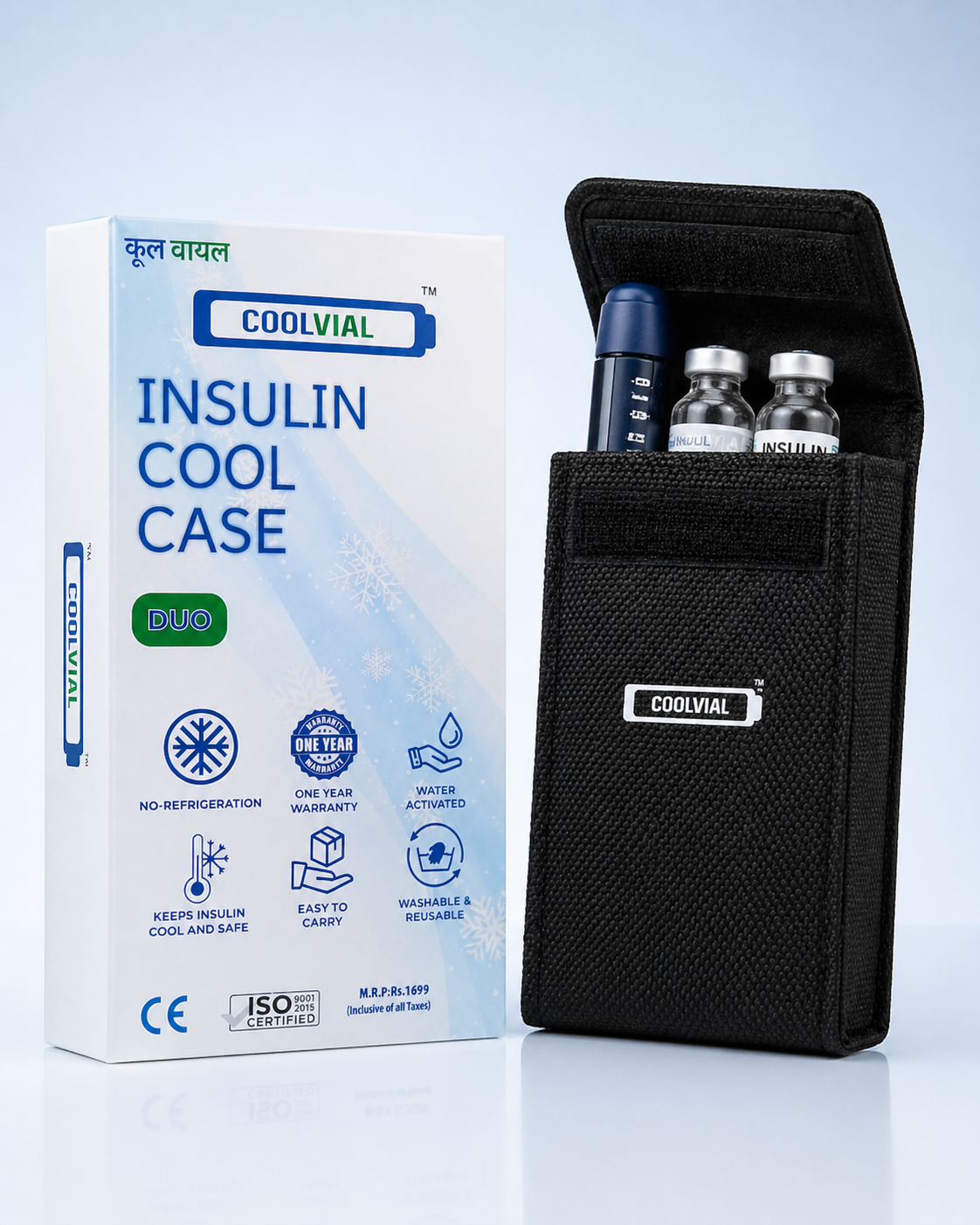
- COOLVIAL Duo: Invest in a reliable, non-electric cooling case like the COOLVIAL Duo. It holds 2 pens + 1 vial and keeps insulin cool for 12-16 hours, making it perfect for power cuts or evacuation. At Rs 1,099 with code COOLHEAL (MRP Rs 1,699), it’s a cost-effective alternative to options like FRIO (~Rs 1,900) and offers superior performance compared to basic pouches like Outer Woods OW-12 (~Rs 999). It is CE certified and ISO 9001:2015 compliant, ensuring quality.
- Waterproof Bag: Have a larger waterproof bag or backpack ready to put your emergency diabetes kit in, including your COOLVIAL case, in case of evacuation.
-
Emergency Contacts & Information:
- Doctor’s Contact: Keep your endocrinologist’s or diabetologist’s contact information readily accessible.
- Hospital Numbers: Save emergency numbers for Maharao Bhim Singh Hospital (MBS), Suwidhi Hospital, and New Medical College Hospital.
- Pharmacy Numbers: Have direct contact numbers for your preferred Apollo Pharmacy, MedPlus, or Kota Pharmacy outlets.
- Medical ID: Wear a medical ID bracelet or carry a card stating you have diabetes and your insulin type.
-
Home & Environment Preparedness:
- Elevate Valuables: If you live on a ground floor or in a flood-prone area (e.g., Talwandi, Vigyan Nagar, Indraprastha Industrial), plan to move essential items, including medicines, to higher ground.
- Check Ventilation: Ensure good ventilation in your home to reduce overall humidity and mould risk.
- Refrigerator Maintenance: Clean your fridge, check its door seals, and avoid frequent opening during humid weather.
-
Transportation & Mobility:
- Alternative Routes: Familiarise yourself with alternative routes to your pharmacy and hospital in case of waterlogging.
- Power Cut Plan: Review your power cut survival guide for diabetics in Kota, especially concerning insulin storage during extended outages. You can find useful tips here: Power Cut Survival Guide for Diabetics in Kota.
-
Personal Health Monitoring:
- Monitor Blood Sugar: Be diligent with blood sugar monitoring, as stress and changes in routine during monsoon can affect levels.
- Foot Care: Pay extra attention to foot care, as wet conditions increase the risk of fungal infections and foot ulcers. More comprehensive care tips can be found in our Complete Diabetes Care Guide for Kota Residents — 2026 Edition.
This comprehensive approach will help you navigate the Kota monsoon with greater confidence and ensure your insulin remains effective. For more general insulin storage tips, visit our insulin storage tips page.
Frequently Asked Questions About Insulin Storage During Monsoon
Q: Can I use insulin if its cardboard packaging got wet but the pen/vial seems fine? A: It is generally safer to replace insulin if its primary cardboard packaging has become wet and soft, as this compromises a layer of protection and can indicate exposure to humidity that might affect the sterile environment of the pen or vial, even if not immediately visible.
Q: How long can insulin stay at room temperature in Kota during monsoon? A: Unopened insulin should be refrigerated. Once opened, most insulin pens or vials can be kept at room temperature (below 25-30°C) for 28 days. However, Kota’s monsoon temperatures often hover around 25-35°C with high humidity, so a cooling case like COOLVIAL Duo is recommended to ensure the temperature stays within the safe range for its full duration.
Q: Where can I buy silica gel in bulk in Kota? A: You can typically find silica gel packets in bulk at electronics stores, camera shops, or larger general stores across Kota, particularly in commercial areas like Vigyan Nagar. Online retailers like Amazon India or Flipkart also offer convenient delivery of bulk packs.
Q: What should I do if my fridge stops working due to a power cut during monsoon? A: If your fridge stops working, immediately transfer your insulin to a reliable non-electric cooling case like the COOLVIAL Duo, which can maintain optimal temperatures for 12-16 hours. Avoid opening the fridge door frequently to preserve any remaining coolness.
Q: Can I store insulin in a regular plastic container in the fridge during monsoon? A: While a regular plastic container offers some protection, it might not be fully airtight. For optimal protection against humid-fridge air and condensation, use a high-quality, food-grade airtight container, preferably with a desiccant like silica gel inside.
Q: Is it safe to buy insulin from a pharmacy during a flood if the area was submerged? A: It is not safe to buy insulin from a pharmacy if the store or its storage area was submerged in floodwaters, as the medication’s integrity and sterility would likely be compromised. Always seek insulin from pharmacies that confirm their stock was unaffected by water damage.
Q: How can I check if my insulin has gone bad due to humidity? A: Signs of insulin spoilage due to humidity or other factors include cloudiness, clumping, discoloration (it should be clear for most types, except NPH), or solid particles. If you observe any of these changes, discard the insulin and use a fresh pen or vial.
Conclusion: Stay Prepared, Stay Safe This Monsoon
Kota’s monsoon, with its unique blend of warmth, heavy rainfall, and pervasive humidity, presents distinct challenges for insulin storage. From protecting your pens and vials from direct moisture damage and mould in your home to navigating waterlogged streets for pharmacy access, preparedness is your strongest ally. By implementing the 8 essential steps outlined in this guide—from stocking up on supplies to using proper storage solutions—you can ensure your vital medication remains potent and effective.
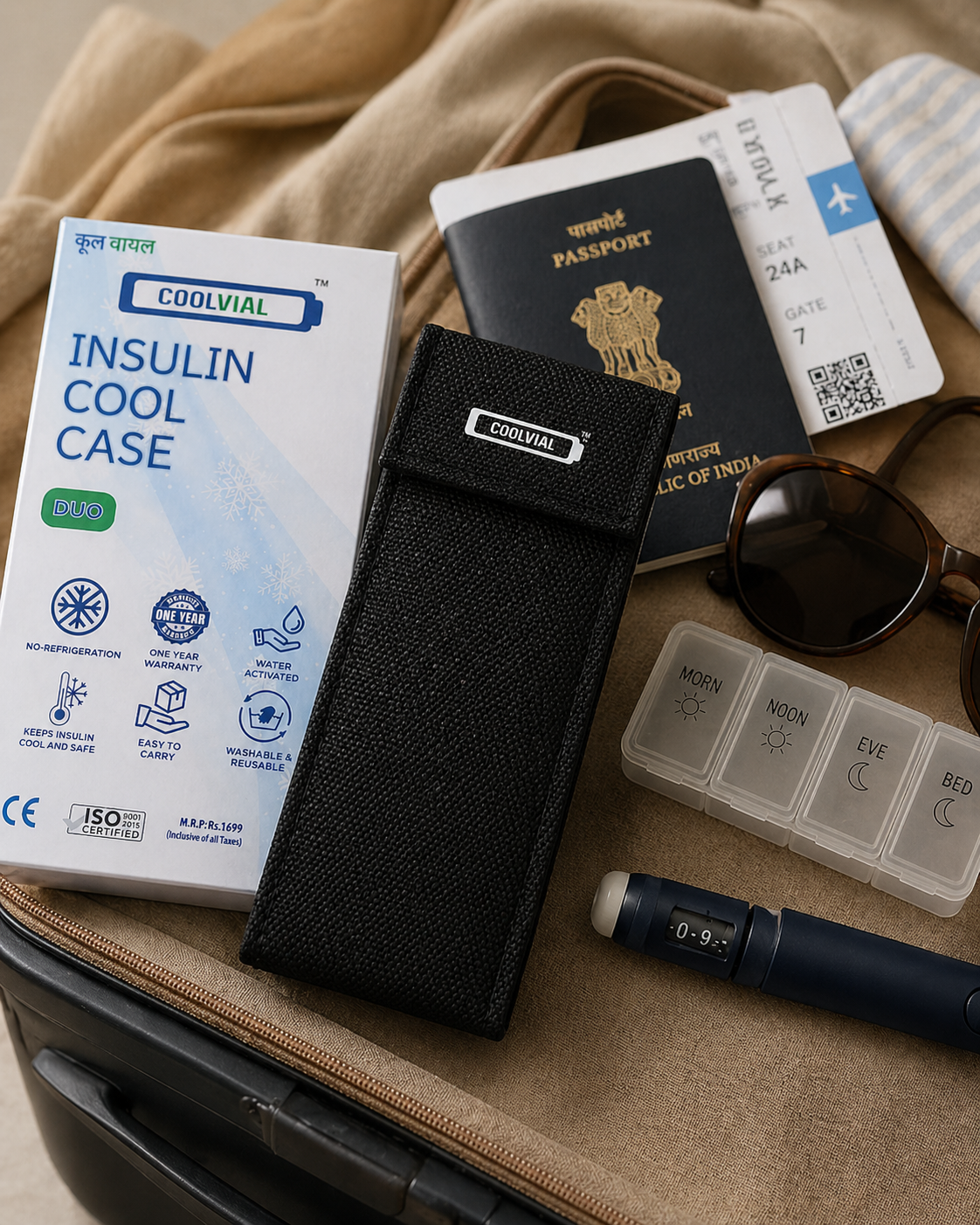
Remember, the COOLVIAL Duo is designed specifically for these conditions, offering a reliable, electricity-free solution to keep your insulin safe for 12-16 hours, whether you’re facing a power cut or on the go. Its CE certification and ISO 9001:2015 compliance reflect our commitment to quality and your health. Don’t let the monsoon compromise your diabetes management. Stay vigilant, stay informed, and stay cool.
Order your COOLVIAL Duo today at Rs 1,099 with code COOLHEAL (MRP Rs 1,699) at coolvial.com or via WhatsApp wa.me/918766952300.
Medical Disclaimer: This article is for general information purposes only and does not constitute medical advice. Always consult your endocrinologist or diabetologist before changing insulin storage or dosing practices, or if you have any health concerns.
How We Researched This: This article is based on a thorough review of RSSDI guidelines, ICMR-INDIAB data on diabetes prevalence and care in India, local Kota hospital directories, and information from established pharmacy networks like Apollo Pharmacy, combined with an understanding of local climate patterns and infrastructure in Kota.
8 Essential Steps: Protecting Your Insulin from Kota Monsoon's Humidity Damage
48+ hours at 2-8°C. No electricity. CE certified. Free delivery across India.
Order on WhatsApp — ₹1,099🛒 Buy Now — ₹1,099