Reviewed by the COOLVIAL Editorial Team — specialists in insulin storage for Indian climate conditions.
The vibrant city of Patna, nestled along the sacred Ganga, experiences a monsoon season that is as integral to its identity as its historical landmarks like Gandhi Maidan or the iconic Patna Sahib Gurudwara. However, for the thousands of diabetics residing here, the heavy rains from June to September, bringing around 1100mm of precipitation, also usher in a unique set of challenges for insulin storage. Protecting your precious insulin vials and pens from humidity damage during the Patna monsoon is not just about convenience; it’s about ensuring the efficacy of your life-saving medication. A single vial of insulin can cost anywhere from Rs 600 to Rs 1200, making its proper preservation an economic as well as a health imperative.
Based on analysis of insulin storage queries from Patna diabetics, the risks associated with the city’s hot, humid climate (22-43°C in summer) and the subsequent monsoon are often underestimated. This article outlines 7 critical steps you can take to safeguard your insulin supplies against the pervasive moisture, mould, and potential flooding that characterize Patna’s wet season.
Table of Contents
- Understanding Patna’s Monsoon: A Unique Challenge for Insulin Storage
- The Hidden Dangers: How Humidity Damages Your Insulin & Supplies
- Mould & Moisture: Protecting Your Home and Insulin in Patna’s Wet Season
- Navigating Floods in Patna: Emergency Insulin Preparedness
- Pharmacy Access & Delivery Disruptions During Patna’s Monsoon
- The Humid Fridge Air Trap: Why Your Refrigerator Might Not Be Enough
- Essential Monsoon-Proofing for Your Insulin: Practical Solutions for Patna Residents
- Your Monsoon Insulin Preparedness Checklist for Patna Diabetics
- Frequently Asked Questions (FAQ)
- Conclusion: Stay Cool, Stay Safe This Monsoon
- Medical Disclaimer
- How We Researched This
1. Understanding Patna’s Monsoon: A Unique Challenge for Insulin Storage
Patna’s climate is defined by distinct seasons, but none present as many challenges for insulin storage as its heavy monsoon. From June to September, the city transforms, receiving a substantial portion of its annual rainfall, often exceeding 1100mm (Source: India Meteorological Department, IMD). This period is marked by high humidity, frequently soaring above 85-90%, and temperatures that remain elevated, typically between 25°C and 35°C, even during rainfall. This combination creates an environment ripe for moisture-related damage to sensitive medications like insulin.
The city’s topography, particularly its proximity to the Ganga River, exacerbates these issues. Areas along the riverfront, including parts of Patliputra, are especially vulnerable to waterlogging and flooding. Even in central upmarket areas like Boring Road, and eastern neighborhoods like Kankarbagh, urban flooding can lead to significant disruption and property damage. The 2019 urban flooding, which left large parts of Patna submerged, stands as a stark reminder of the monsoon’s potential for catastrophic impact. For diabetics, this means not just dealing with ambient humidity but also preparing for potential direct water exposure and prolonged power outages.
- Key Climatic Factors Affecting Insulin:
- High Humidity (85-95%): Accelerates degradation of insulin and packaging.
- Elevated Temperatures (25-35°C): Pushes insulin closer to its degradation temperature, even if within “room temperature” limits.
- Heavy Rainfall (~1100mm): Increases risk of waterlogging and direct water damage.
- Ganga River Proximity: Enhances flood risk in low-lying areas.
2. The Hidden Dangers: How Humidity Damages Your Insulin & Supplies
Insulin is a delicate protein, highly sensitive to temperature fluctuations and, crucially, humidity. While most people focus on keeping insulin cool, the pervasive moisture during the Patna monsoon poses an equally significant threat, often overlooked.
-
Impact on Insulin Pens and Vials:
- Reduced Efficacy: Prolonged exposure to high humidity, even within recommended temperature ranges, can compromise insulin’s molecular structure, reducing its potency. This means your prescribed dose might become less effective, leading to uncontrolled blood sugar levels.
- Compromised Sterility: Moisture can seep into the protective seals of insulin vials or pens, potentially introducing contaminants and increasing the risk of infection at the injection site.
- Pen Malfunctions: Insulin pens often contain electronic components and delicate mechanisms. Humidity can cause corrosion, leading to dosage inaccuracies or complete pen failure. Imagine being in Danapur and your pen malfunctions due to moisture when you need a dose urgently!
- Insulin Appearance Changes: While not always indicative of spoilage, changes like cloudiness, discoloration, or the presence of particles can be accelerated by humidity, making it harder to discern if your insulin is safe to use.
-
Damage to Cardboard Packaging:
- Weakened Structure: Cardboard boxes, designed to protect vials and pens, quickly absorb moisture. This weakens their structure, making them susceptible to tearing and crushing, leaving the inner contents vulnerable.
- Illegible Information: Labels and dosage instructions printed on cardboard can become smudged or peel off, making critical information difficult or impossible to read.
- Mould Growth: Damp cardboard is a perfect breeding ground for mould, which can then spread to your insulin supplies, even if sealed.
The financial implication of damaged insulin is substantial. With diabetes prevalence in India estimated to be around 11.4% (Source: IDF Diabetes Atlas 10th edition, https://www.idf.org/aboutdiabetes/what-is-diabetes/facts-figures.html), and a significant portion requiring insulin, ensuring proper storage is paramount. Replacing spoiled insulin frequently can become a considerable burden for Patna families. For a comprehensive guide on managing your condition in the city, refer to our article: Complete Diabetes Care Guide for Patna Residents — 2026 Edition.
3. Mould & Moisture: Protecting Your Home and Insulin in Patna’s Wet Season
Patna’s high humidity during the monsoon creates an ideal environment for mould and mildew growth, particularly in apartments and ground-floor homes. These microscopic fungi thrive in damp, poorly ventilated spaces, and their presence can directly impact the safety of your insulin.
-
Mould Risk in Patna Homes:
- Ground-Floor Vulnerability: Ground-floor apartments, common in neighborhoods like Kankarbagh or Patliputra, are especially prone to rising dampness and water ingress during heavy rains, making them hotspots for mould.
- Poor Ventilation: Many older buildings in Patna lack adequate cross-ventilation, trapping humid air indoors.
- Condensation: Cold surfaces like walls, windows, and even the inside of refrigerators (as we’ll discuss later) can accumulate condensation, providing moisture for mould to grow.
- Hidden Areas: Mould often grows in hidden spots – behind cupboards, under carpets, or inside wall cavities – making it hard to detect until it’s widespread.
-
Safeguarding Your Insulin from Mould:
- Airtight Storage: This is your first line of defense. Store all insulin vials, pens, and even unused cartons in truly airtight, waterproof containers.
- Locally Available Options: Look for brands like Tupperware, Cello, or Borosil (for glass containers) at local supermarkets or stores in P&M Mall. Ensure they have silicone seals for optimal airtightness.
- Desiccants: Place silica gel packets inside your airtight containers with your insulin. Silica gel is highly effective at absorbing moisture from the air, creating a dry micro-environment.
- Where to Buy Silica Gel in Patna: You can find silica gel packets at hardware stores, craft shops, or even larger stationery outlets. Online pharmacies like 1mg or MedPlus may also stock them.
- Elevated Storage: Keep your insulin supplies on higher shelves, away from floors and outer walls, especially in ground-floor residences or areas prone to dampness.
- Regular Checks: Inspect your insulin, its packaging, and storage containers regularly for any signs of moisture, mould, or discoloration. Discard anything suspicious immediately.
- Airtight Storage: This is your first line of defense. Store all insulin vials, pens, and even unused cartons in truly airtight, waterproof containers.
4. Navigating Floods in Patna: Emergency Insulin Preparedness
Patna Monsoon & Insulin — 7 Critical Steps to Protect Your Vials From Humidity Damage
The threat of flooding in Patna, particularly exacerbated by the Ganga River and inadequate urban drainage, is a serious concern for diabetics. The 2019 urban flooding, which paralyzed the city for days, demonstrated how quickly access to essential services, including pharmacies, can be cut off. Preparing for such an event is not optional; it’s critical.
-
Flood-Related Risks for Insulin:
- Direct Water Damage: Insulin, whether in vials or pens, is easily destroyed by direct contact with floodwaters, which are often contaminated.
- Power Outages: Floods invariably lead to prolonged power cuts, rendering refrigerators useless for insulin storage. This is where a reliable cooling case becomes indispensable. For a detailed guide on managing power cuts, see: Power Cut Survival Guide for Diabetics in Patna — What To Do When the Grid Goes Down.
- Loss of Access: Roads become impassable (e.g., waterlogging in Boring Road, Patliputra, or Kankarbagh can be severe), preventing travel to pharmacies or hospitals.
-
Emergency Insulin Preparedness Plan:
- Emergency Kit: Assemble a waterproof emergency kit specifically for your diabetes supplies. This should include:
- At least 2-3 weeks’ worth of insulin (both open and unopened vials/pens).
- Syringes/pen needles.
- Blood glucose meter, test strips, and lancets.
- Oral medications.
- Glucagon kit (if prescribed).
- A copy of your prescription and doctor’s contact information.
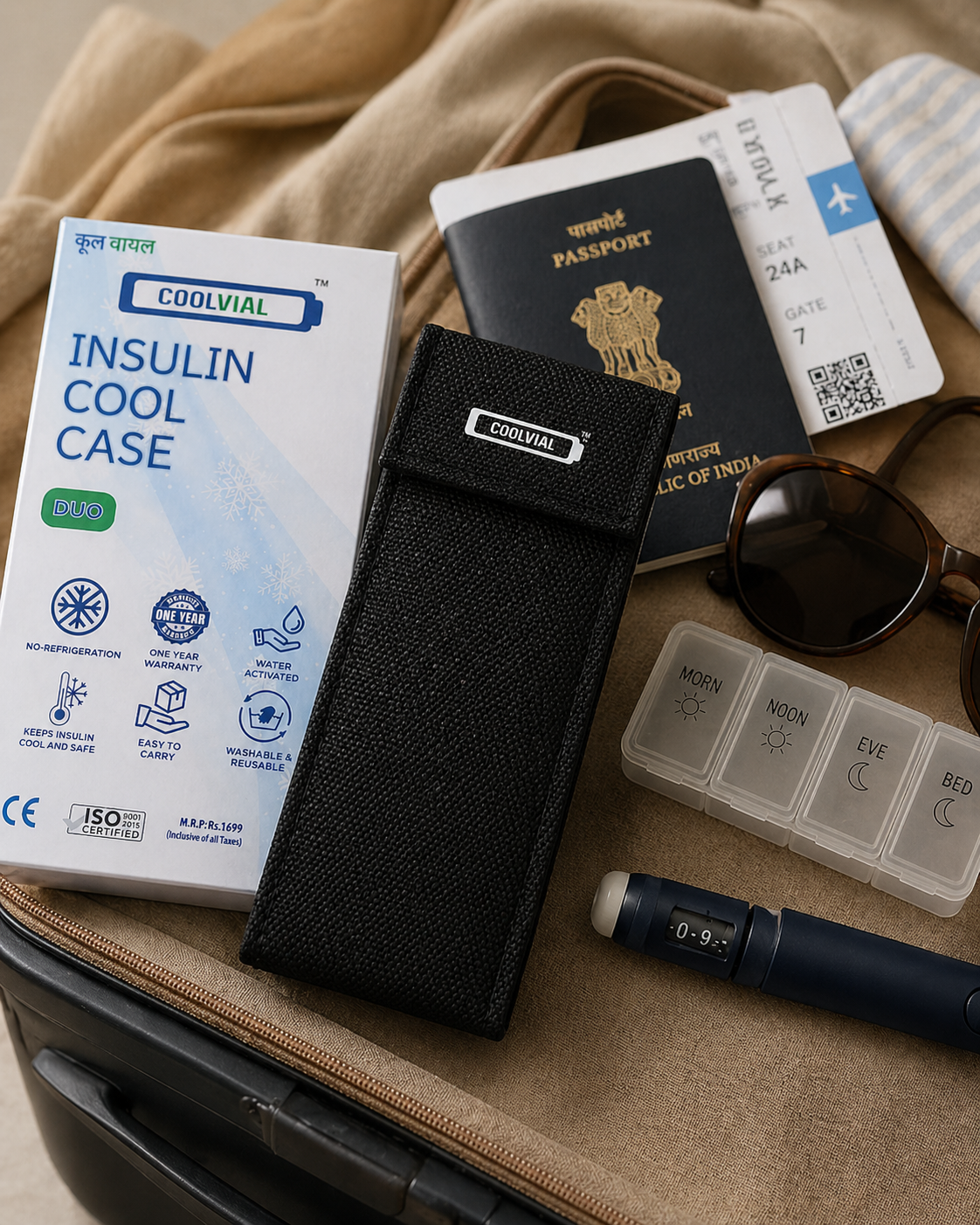
- A small, water-activated cooling case like the COOLVIAL Duo.
- Waterproof Storage: Store your emergency kit in a sturdy, fully waterproof bag or container that can be easily carried if you need to evacuate.
- Elevated Storage at Home: Keep your primary insulin stock and emergency kit on the highest possible shelf or in an upper-floor room if you live in a multi-story house, especially if your home is in a flood-prone area near the Ganga Riverfront.
- Know Emergency Pharmacy Locations: In case your local pharmacy is inaccessible, identify emergency pharmacies at major hospitals. AIIMS Patna, for instance, has an emergency pharmacy that might be operational even during severe flooding.
- Communication Plan: Have a way to charge your phone (power bank) and a list of emergency contacts.
- Emergency Kit: Assemble a waterproof emergency kit specifically for your diabetes supplies. This should include:
5. Pharmacy Access & Delivery Disruptions During Patna’s Monsoon
The monsoon’s impact extends beyond your home, directly affecting the supply chain of essential medicines. Patna’s infrastructure, while improving, can struggle under the onslaught of heavy rains, leading to significant transport disruptions. This directly impacts your ability to procure insulin, especially if you rely on delivery services.
-
Common Disruptions:
- Road Waterlogging: Key arteries like Bailey Road, sections of Boring Road, and parts of Kankarbagh can become severely waterlogged, making travel by car or two-wheeler extremely difficult or impossible. This affects both personal trips to pharmacies and delivery logistics.
- Public Transport Halts: Buses and auto-rickshaws may reduce services or stop entirely during peak flooding, isolating residents in neighborhoods like Danapur.
- Delivery Service Challenges: Online pharmacies like 1mg and MedPlus, and even local services from Apollo Pharmacy or Generic Aadhaar, often face delays or temporary suspension of services during heavy monsoon spells due to impassable roads and staff safety concerns. This means that a last-minute order for insulin might not reach you in time.
- Stock Shortages: While less common for insulin, widespread disruptions can occasionally lead to localized stock shortages if resupply trucks cannot reach pharmacies.
-
Mitigating Access Risks:
- Maintain Buffer Stock: Always keep a buffer stock of insulin – ideally a 1-month supply – beyond what you are currently using. This foresight is crucial for the Patna monsoon.
- Diversify Pharmacy Options: Don’t rely on just one pharmacy. Know the locations and contact details of multiple pharmacies, including Apollo Pharmacy, MedPlus, and even smaller Trust Pharmacy outlets in different neighborhoods.
- Explore Hospital Pharmacies: In severe emergencies, hospital pharmacies like those at AIIMS Patna, Paras HMRI Hospital (Bailey Road), or Medanta Patna (Kankarbagh) may be your most reliable option for sourcing replacement insulin. Confirm their operating hours during monsoon.
- Pre-Order if Possible: If heavy rains are forecast, consider ordering your insulin a few days in advance to avoid last-minute rush and potential delivery issues.
6. The Humid Fridge Air Trap: Why Your Refrigerator Might Not Be Enough
While refrigerators are the standard for storing unopened insulin, the high ambient humidity of the Patna monsoon can turn your fridge into a potential trap. The frequent opening and closing of the fridge door, combined with the humid air outside, can introduce moisture into the appliance, creating conditions that are far from ideal for insulin. For guidance on summer insulin storage, read: How to Store Insulin in Patna Summer Heat — A Local’s Guide.
-
Risks of Humid Fridge Air:
- Condensation Buildup: When warm, humid air from your kitchen hits the cold interior of the fridge, it condenses into water droplets. These droplets can then settle on your insulin vials and pens.
- Mould Growth Inside Fridge: Persistent moisture, combined with food particles, can lead to mould growth inside your refrigerator. This mould can then contaminate insulin packaging or even the vials themselves if seals are compromised.
- Temperature Fluctuations: Every time the fridge door is opened, the internal temperature rises. In a humid environment, this also brings in a rush of warm, moist air, making it harder for the fridge to maintain a consistent cool, dry temperature.
- Freezing Risk: Improper placement can lead to insulin freezing, especially if it touches the back wall of the fridge. Frozen insulin is damaged and must be discarded.
-
Best Practices for Refrigerator Storage During Monsoon:
- Airtight Containers (Again!): Even inside the fridge, store your unopened insulin in airtight, waterproof containers. This provides an additional layer of protection against condensation and humid air contamination.
- Silica Gel Packs: Place a few silica gel packets inside the insulin storage container within your fridge. These will absorb any residual moisture. Replace them periodically, especially if they change color (indicating saturation).
- Optimal Placement: Store insulin on a middle shelf, away from the freezer compartment and the back wall, to prevent accidental freezing. Avoid the door, as it experiences the most temperature fluctuations.
- Regular Cleaning: Clean your refrigerator regularly to prevent mould growth. Pay attention to seals and corners where moisture can accumulate.
- Minimize Door Opening: Try to minimize how often you open the fridge door, especially during peak humidity.
7. Essential Monsoon-Proofing for Your Insulin: Practical Solutions for Patna Residents
Beyond the fridge, proactive measures are key to protecting your insulin during Patna’s challenging monsoon. This involves creating a safe, stable environment for your medication, both at home and when you’re out.
-
Home Storage Solutions:
- Dedicated Dry Cabinet: Consider investing in a small, sealed plastic storage cabinet or box that can be placed on a high shelf. Line it with a moisture-absorbing mat or large silica gel pouches.
- Dehumidifiers: For homes with persistent dampness, a portable dehumidifier can significantly reduce indoor humidity levels, making the entire living space (and thus, your insulin storage area) safer. These are available at electronics stores in Patna or online.
- Ventilation: Improve air circulation in your home. Open windows and doors when the rain has stopped and humidity is lower, or use exhaust fans in kitchens and bathrooms.
- Inspect Your Home: Check for leaks in roofs, walls, and windows. Get any structural issues repaired before the monsoon intensifies to prevent water ingress.
-
On-the-Go Protection with COOLVIAL Duo: For opened insulin (which can be stored at room temperature, usually up to 25-30°C, for 28 days), or for keeping unopened vials cool when outside the refrigerator, a water-activated evaporative cooling case is a game-changer for Patna’s climate.
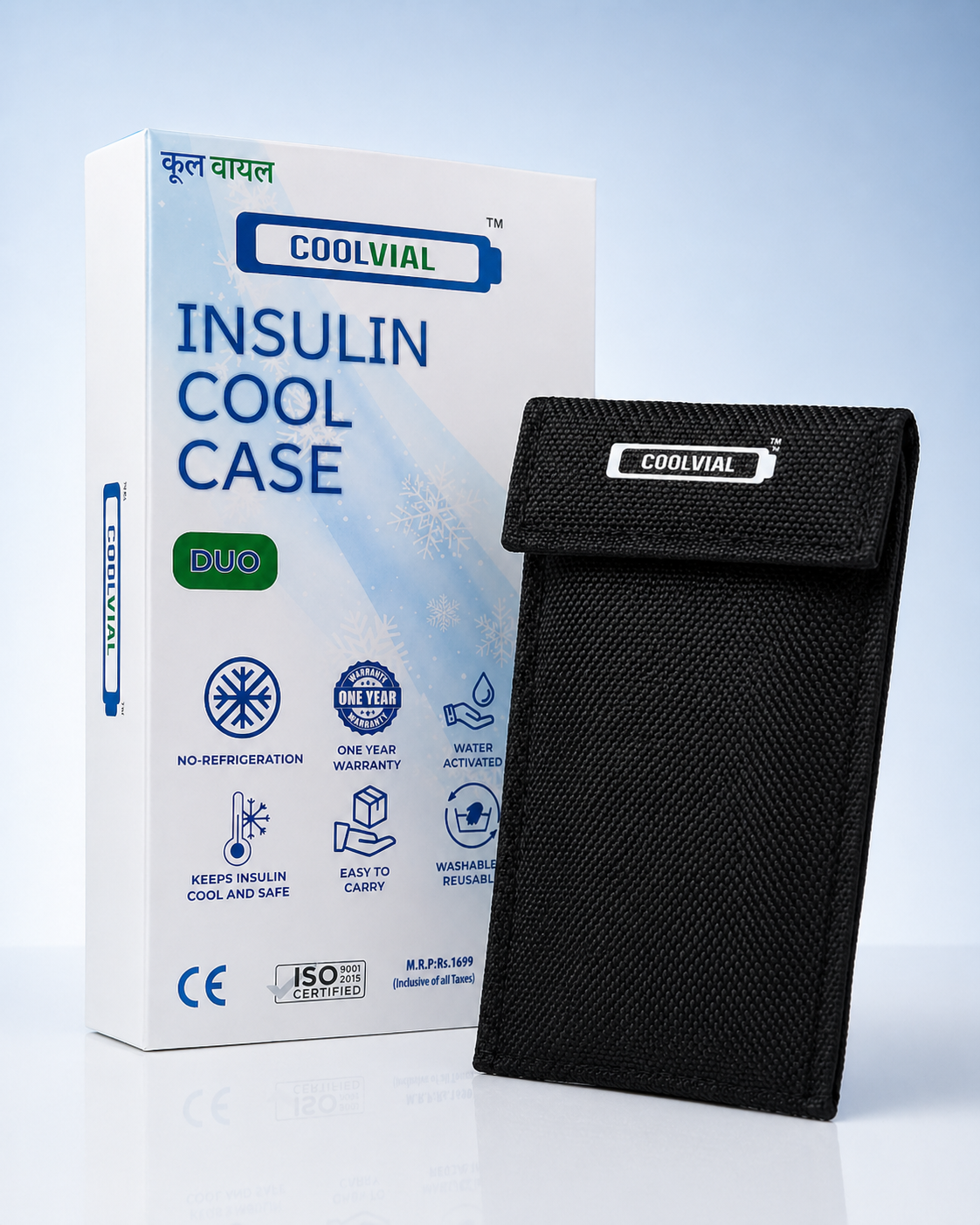
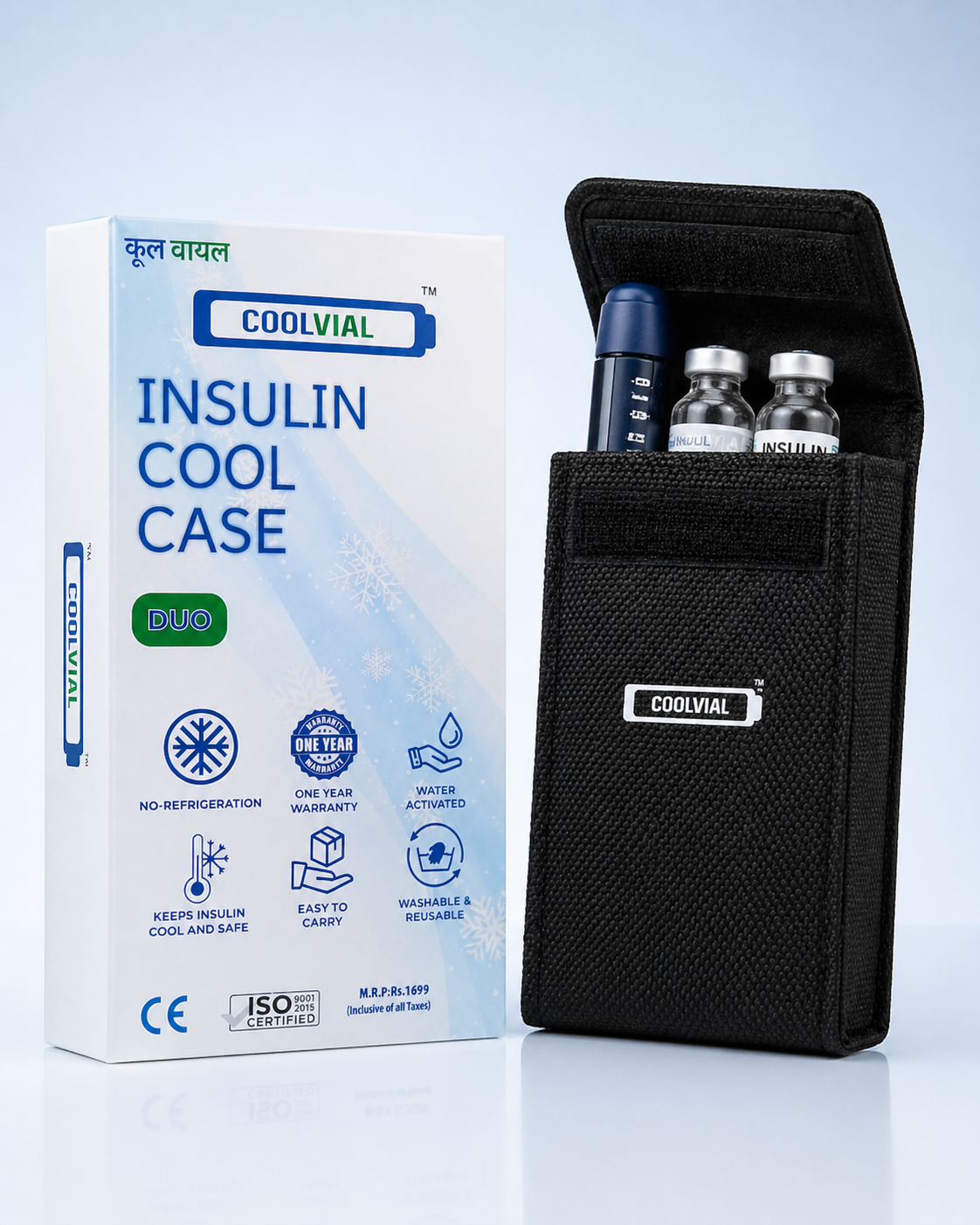
The COOLVIAL Duo is specifically designed for the Indian climate, offering 12-16 hours of cooling without electricity. It holds 2 pens and 1 vial, making it ideal for daily use, travel, or during power outages. Its evaporative cooling technology works by using ambient air to draw heat away, maintaining insulin at safe temperatures even when the outside temperature is 40°C.
- Why COOLVIAL Duo is Ideal for Patna Monsoon:
- No Electricity Needed: Perfect for power cuts or when you’re caught in waterlogged areas with no access to power.
- Humidity Resistant: While it uses water for activation, the insulin is protected within its inner pouch, shielded from direct contact. The evaporative process helps maintain a stable temperature.
- Portable and Discreet: Easy to carry to work, to a doctor’s appointment at Paras HMRI Hospital, or simply when stepping out to Gandhi Maidan.
- Cost-Effective: At Rs 1,099 with code COOLHEAL (MRP Rs 1,699), it’s an affordable, long-term solution. Compare this to similar products like FRIO (~Rs 1,900) or Outer Woods OW-12 (~Rs 999), COOLVIAL Duo offers a balanced price-performance for its capacity and duration.
- Certified and Made in India: CE certified, ISO 9001:2015, and comes with a 1-year warranty, providing peace of mind.
Learn more about effective insulin storage tips on our website: Insulin Storage Tips.
- Why COOLVIAL Duo is Ideal for Patna Monsoon:
Patna Monsoon & Insulin — 7 Critical Steps to Protect Your Vials From Humidity Damage
48+ hours at 2-8°C. No electricity. CE certified. Free delivery across India.
Order on WhatsApp — ₹1,099🛒 Buy Now — ₹1,0998. Your Monsoon Insulin Preparedness Checklist for Patna Diabetics
Being prepared is the best defense against the monsoon’s challenges. Use this comprehensive checklist to ensure your insulin and diabetes management are monsoon-ready.
-
Insulin Stock Assessment:
- Do you have at least a 1-month supply of all your insulin types (unopened and opened)?
- Are all your insulin vials/pens within their expiry dates?
- Do you have extra syringes/pen needles, alcohol swabs, and lancets?
-
Storage Solutions at Home:
- Are all unopened insulin vials stored in airtight, waterproof containers in the fridge?
- Have you placed silica gel packets inside these containers and checked them recently?
- Is your opened insulin (for daily use) stored in a cool, dry place, ideally within a water-activated cooling case like the COOLVIAL Duo?
- Are all insulin supplies kept on high shelves, away from potential floor-level dampness or leaks?
- Have you checked your home for any leaks or damp spots that need repair?
-
Emergency Kit (Go-Bag) Readiness:
- Is your emergency diabetes kit packed in a fully waterproof bag?
- Does it contain at least 2 weeks’ worth of insulin, glucagon (if prescribed), and other essential supplies?
- Is your blood glucose meter, test strips, and a power bank for your phone included?
- Do you have copies of your prescription and doctor’s contact information?
- Is your COOLVIAL Duo cooling case packed and ready for activation?
-
Pharmacy and Medical Access:
- Do you have a list of alternative pharmacies (e.g., Apollo Pharmacy, MedPlus, Trust Pharmacy) in different Patna neighborhoods?
- Do you know the location and emergency contact number for AIIMS Patna’s emergency pharmacy?
- Have you discussed a monsoon contingency plan with your endocrinologist or diabetologist at Medanta Patna or Paras HMRI Hospital?
-
Home Environment Checks:
- Is your home adequately ventilated to minimize humidity?
- Have you considered using a dehumidifier in particularly damp rooms?
- Are you regularly cleaning your refrigerator to prevent mould?
-
Communication & Information:
- Is your phone charged, and do you have a power bank?
- Are emergency contact numbers (family, doctor, local authorities) easily accessible?
- Are you subscribed to local weather alerts for Patna?
Frequently Asked Questions (FAQ)
Q: Can I use insulin if its cardboard packaging got wet during the Patna monsoon? A: If only the cardboard packaging got wet but the insulin vial or pen inside is sealed, dry, and shows no signs of damage or contamination, the insulin might still be usable. However, if the packaging was compromised, or if the vial/pen itself shows any signs of moisture, discoloration, or tampering, it is safest to discard it and use a fresh supply to ensure efficacy and sterility.
Q: What should I do if my home in Patliputra floods and my insulin gets submerged? A: If your insulin gets submerged in floodwaters, it should be immediately discarded. Floodwaters are highly contaminated and can compromise the sterility and efficacy of insulin, even if the vial or pen appears intact. Prioritize moving to a safe location and seeking fresh insulin from an emergency pharmacy like AIIMS Patna’s.
Q: Where can I find silica gel packets in Patna for insulin storage? A: Silica gel packets can typically be purchased at hardware stores, craft supply shops, or larger general stores across Patna. Online retailers and some pharmacies like 1mg or MedPlus might also stock them for delivery, though delivery can be disrupted during heavy monsoon.
Q: How long can COOLVIAL Duo keep insulin cool during Patna’s monsoon? A: The COOLVIAL Duo can keep insulin cool for 12-16 hours at safe temperatures (typically 18-26°C, depending on ambient conditions) after a single activation with water, making it ideal for day trips, power cuts, or navigating the city during humid conditions.
Q: Can I store my opened insulin pen in the refrigerator during the monsoon? A: While unopened insulin is refrigerated, opened insulin pens are generally recommended to be stored at room temperature (typically below 25-30°C) for up to 28 days. Storing an opened pen in the refrigerator during high humidity can lead to condensation inside the pen, potentially causing malfunctions or compromising the insulin if not properly sealed in an airtight container with desiccants.
Q: What are the best airtight container brands available in Patna for insulin storage? A: For airtight storage, look for reliable brands available at local stores or P&M Mall in Patna such as Tupperware, Cello, or Borosil (for glass containers). Ensure the containers have robust, easy-to-seal lids and, ideally, silicone gaskets for maximum airtightness against Patna’s pervasive monsoon humidity.
Conclusion: Stay Cool, Stay Safe This Monsoon
The Patna monsoon, with its heavy rainfall, high humidity, and potential for urban flooding, presents a formidable challenge for diabetics needing to protect their insulin. From the pervasive mould risk in ground-floor homes to the disruption of pharmacy access in waterlogged areas like Boring Road or Kankarbagh, every aspect of insulin management requires careful planning. By understanding the specific risks—from humidity damaging pens and packaging to the humid fridge air trap—and implementing the 7 critical steps outlined, you can significantly safeguard your life-saving medication.
Investing in reliable storage solutions like airtight containers, silica gel, and critically, a water-activated cooling case such as the COOLVIAL Duo, empowers you to navigate the wet season with confidence. Remember, proactive preparation is your best defense. Don’t let the weather dictate your health.
Order your COOLVIAL Duo today at Rs 1,099 with code COOLHEAL at coolvial.com or via WhatsApp at wa.me/918766952300. Ensure your insulin stays cool and safe, come rain or shine.
Medical Disclaimer
This article is for general information and educational purposes only. It is not intended to be a substitute for professional medical advice, diagnosis, or treatment. Always consult your endocrinologist or diabetologist before changing insulin storage or dosing practices, or for any health concerns.
How We Researched This
This article was compiled based on a thorough review of established guidelines for insulin storage, including those from the Research Society for the Study of Diabetes in India (RSSDI) and the Indian Council of Medical Research (ICMR-INDIAB) data on diabetes prevalence. Local Patna hospital directories, pharmacy networks (e.g., Apollo Pharmacy), and historical climate data from the India Meteorological Department were consulted to provide highly localized and actionable advice relevant to Patna’s unique monsoon conditions.