
Reviewed by the COOLVIAL Editorial Team — specialists in insulin storage for Indian climate conditions.
Aurangabad, with its rich history, bustling markets, and a climate that swings from a semi-arid 12°C in winter to scorching 40°C+ summers, presents unique challenges for managing daily life, especially for those dependent on critical medications like insulin. When the power grid goes down, as it often does during the monsoon season or due to peak summer load shedding, the stability of your insulin becomes a primary concern. Insulin, a temperature-sensitive medication, requires careful storage between 2°C and 8°C when unopened, and typically below 25-30°C once opened and in use. This comprehensive power cut survival guide for diabetics in Aurangabad offers practical, localized strategies to ensure your insulin remains effective, even when the lights go out. Based on analysis of insulin storage queries from Aurangabad diabetics, we understand that an estimated 11.4% of the urban population in Maharashtra lives with diabetes (Source: ICMR-INDIAB Study, 2020), making robust preparedness vital. This guide will walk you through essential steps to protect your insulin during various outage durations, ensuring your health is never compromised by an unexpected power cut.
Table of Contents
- Understanding Aurangabad’s Power Landscape
- Your Insulin Storage Toolkit: Essential Preparedness
- Scenario 1: The Short, Annoying 30-Minute Power Cut
- Scenario 2: The Troubling 6-Hour Power Cut
- Scenario 3: The Critical 12-Hour Power Cut & Evaporative Cooling
- Scenario 4: The Daunting 24-Hour+ Power Cut – When You Need External Help
- Beyond Outages: Investing in Long-Term Power Cut Survival Solutions
- Frequently Asked Questions (FAQs)
- Conclusion: Stay Prepared, Stay Safe
Understanding Aurangabad’s Power Landscape
Living in Aurangabad means being familiar with its distinctive power patterns. From the lush green but outage-prone Garkheda during monsoon to the rapidly developing Beed Bypass area experiencing sporadic cuts, and the older, infrastructure-challenged parts of Jalna Road, power reliability can vary significantly. The Maharashtra State Electricity Distribution Company Limited (MSEDCL) manages the power supply, and while they strive for consistency, factors like severe weather, infrastructure overloads, and maintenance often lead to interruptions.
Common Power Outage Scenarios in Aurangabad:
- Monsoon Outages (June-September): Heavy rainfall, strong winds, and lightning often lead to damaged lines and tripped feeders. Areas like Garkheda and parts of Beed Bypass, with their dense foliage or newer, less established infrastructure, are particularly susceptible.
- Peak Summer Load Shedding (April-June): As temperatures soar above 40°C, air conditioner usage skyrockets, straining the grid. MSEDCL sometimes implements planned load shedding, especially in residential zones and older commercial areas lacking robust backup systems.
- Unplanned Outages: These can happen anywhere, anytime, due to local faults, transformer issues, or general grid instability. Older building areas, such as specific pockets along Jalna Road, often lack integrated generator backups, making residents more vulnerable.
Power Backup Realities in Aurangabad:
- Housing Societies (CIDCO, New Aurangabad): Many modern apartment complexes in planned areas like CIDCO are equipped with common generators or inverter systems, providing partial or full power backup for essential services, including refrigerators.
- Independent Houses: Owners of independent houses often invest in personal inverters, which can power refrigerators for several hours, depending on battery capacity.
- Older Buildings/Commercial Zones: Parts of Jalna Road, being a mix of older residential and commercial establishments, might have limited or no backup power, necessitating external solutions during outages.
Understanding these local nuances is the first step in creating an effective power cut survival guide for your insulin.
Your Insulin Storage Toolkit: Essential Preparedness
Before a power cut even begins, having the right tools and knowledge is crucial. Think of it as your personal insulin emergency kit, tailored for Aurangabad’s climate.
Key Elements of Your Preparedness Kit:
- Thermometer: A small, accurate thermometer for your refrigerator and a separate one for your cooling case or emergency storage. Insulin must stay within 2-8°C when unopened.
- Insulin Storage Guidelines: Keep a physical copy of your insulin’s manufacturer storage recommendations. Unopened vials/pens typically need refrigeration (2-8°C), while opened ones can often be kept at room temperature (below 25-30°C) for a specified period (e.g., 28 days). For more detailed tips, refer to our insulin storage tips.
- Backup Cooling Solutions:
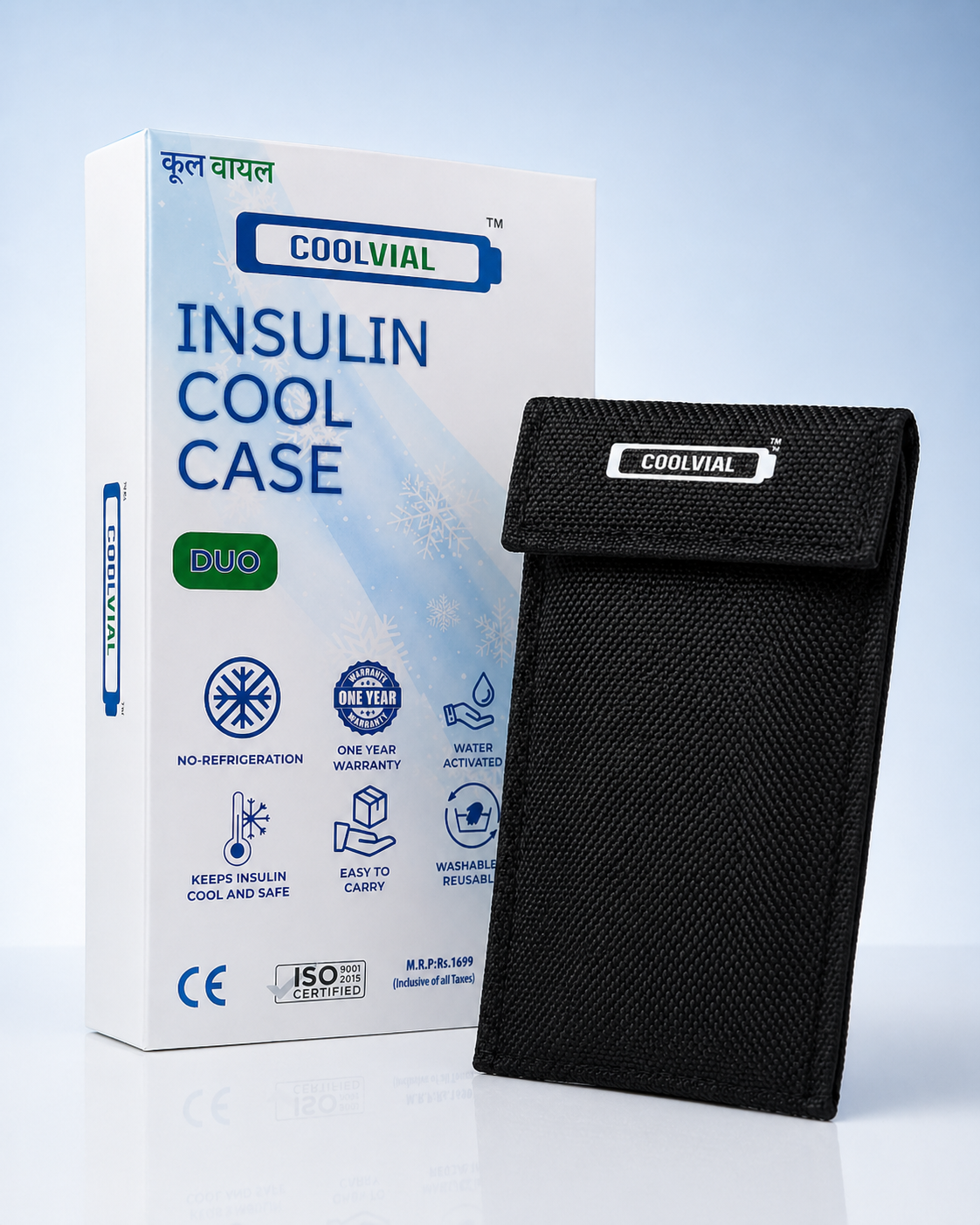
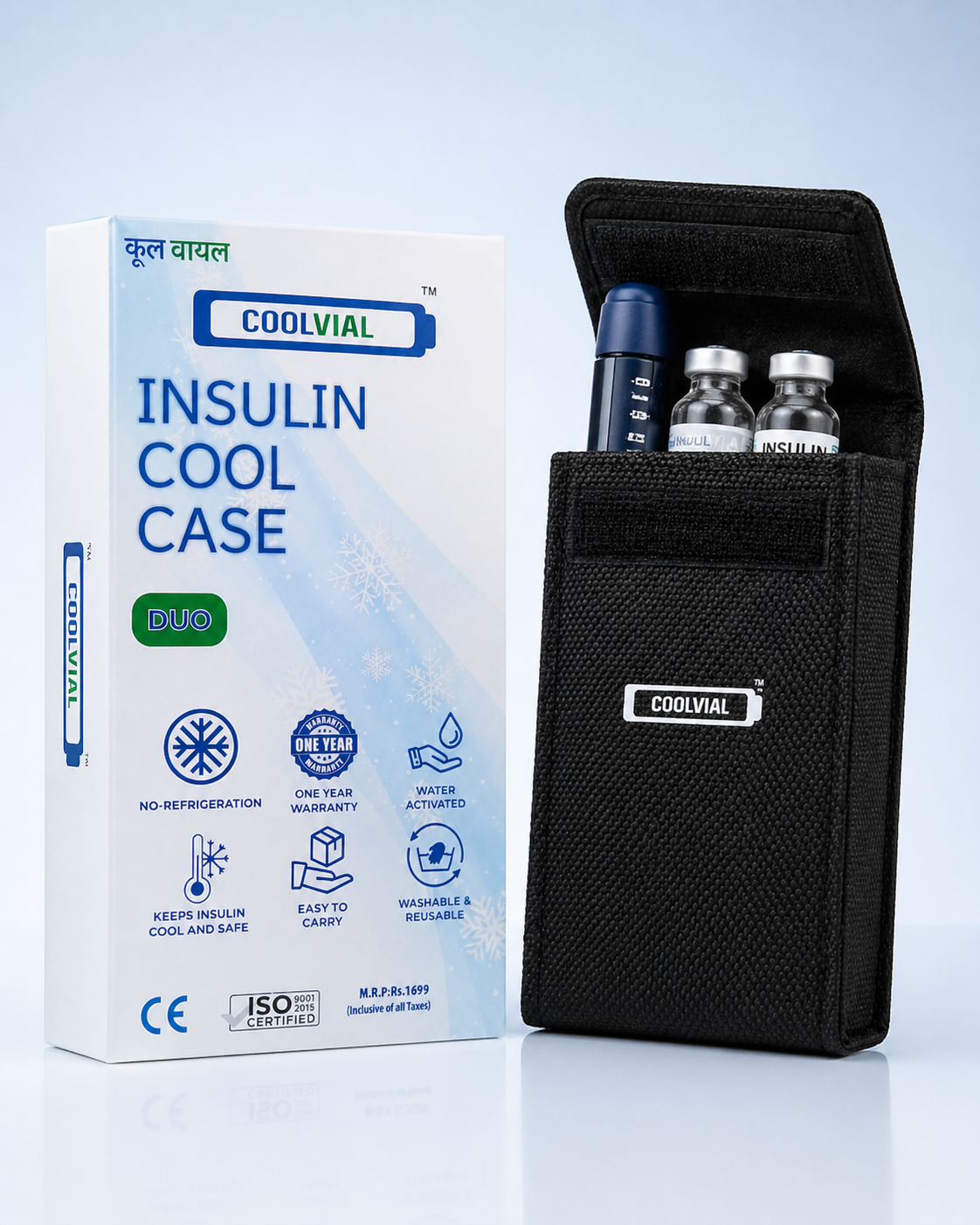
- COOLVIAL Duo: An evaporative cooling case like the COOLVIAL Duo is an invaluable asset. It keeps insulin cool for 12-16 hours without electricity, relying on water activation. At just Rs 1,099 with code COOLHEAL, it’s a cost-effective and reliable solution.
- Gel Packs/Ice Packs: Keep a few frozen gel packs in your freezer. Ensure they are not directly touching insulin, as freezing can destroy it. Wrap them in a cloth.
- Insulated Bag/Container: A small insulated lunch bag or a thermocol box can serve as a temporary cooler with gel packs.
- Contact List:
- Your endocrinologist/diabetologist.
- Nearest 24-hour pharmacies: Apollo Pharmacy (multiple locations in Aurangabad), Wellness Forever.
- Hospital pharmacies: MGM Medical College & Hospital (CIDCO), Kamalnayan Bajaj Hospital.
- Reliable neighbours or friends with backup power.
- Emergency Insulin Supply: Always have a small buffer supply of insulin, ideally stored correctly, to account for unforeseen issues.
By preparing these items in advance, you significantly reduce stress and improve your ability to manage insulin storage during power outages.
Scenario 1: The Short, Annoying 30-Minute Power Cut
This is the most common type of power cut in Aurangabad. It’s often a minor inconvenience, but for diabetics, even a short interruption requires mindful action to maintain insulin integrity.
What to Do During a 30-Minute Power Cut:
- Do NOT Open the Refrigerator: The most critical rule. A closed refrigerator can maintain its internal temperature for several hours, provided it was at the optimal 2-8°C before the outage. Every time you open the door, warm air rushes in, accelerating the temperature rise.
- Monitor Power Restoration: Keep an ear out for neighbours’ generators kicking in or streetlights coming back on. The MSEDCL mobile app or local news channels might also provide updates, though these are often general.
- Check Insulin Temperature (Post-Outage): Once power is restored and the refrigerator has had a chance to cool down for at least an hour, check the temperature with your fridge thermometer. If it’s still within 2-8°C, your insulin is safe.
- Assess Opened Insulin: For insulin pens or vials currently in use, which are typically stored at room temperature (below 25-30°C), a 30-minute cut is generally not a concern unless the ambient room temperature is already extremely high (e.g., 40°C+ during summer afternoons). For guidance on handling insulin in extreme heat, see our article: How to Store Insulin in Aurangabad Summer Heat — A Local’s Guide.
This short duration usually requires minimal intervention, emphasizing the importance of keeping your refrigerator door sealed.
Scenario 2: The Troubling 6-Hour Power Cut
A 6-hour power cut demands more proactive measures. A refrigerator’s internal temperature can begin to rise significantly after 4-6 hours without power, especially in Aurangabad’s warm climate. This is where dedicated cooling solutions become essential.
Action Plan for a 6-Hour Power Cut:
- Relocate Insulin to a Cooling Case: This is the ideal time to move your unopened insulin (pens and vials) into a reliable evaporative cooling case like the COOLVIAL Duo.
- COOLVIAL Duo Advantage: Simply activate it by submerging the inner pouch in cold water for 60 seconds. The cooling crystals absorb the water, swelling into a gel that then cools through evaporation. It will keep your insulin at a safe 18-26°C, even when the ambient temperature is much higher, for 12-16 hours.
- Comparison: While ice packs can provide cooling, they need constant re-freezing and carry a risk of freezing insulin if not handled carefully. The COOLVIAL Duo offers a consistent, safe temperature range without electricity, unlike passive insulated bags which only delay warming. Other evaporative coolers like FRIO are available, but COOLVIAL Duo offers similar performance at a more accessible price point of Rs 1,099 compared to FRIO’s typical price of around Rs 1,900.
- Use Frozen Gel Packs (with caution): If you don’t have an evaporative cooler, place your insulin in an insulated bag with frozen gel packs.
- Important: Wrap insulin in a cloth or newspaper to prevent direct contact with ice/gel packs, which could freeze and destroy it.
- Keep Refrigerator Door Closed: Continue to avoid opening the fridge door unless absolutely necessary.
- Monitor Ambient Temperature: Note the room temperature. If it’s consistently below 25°C, your opened insulin (in use) might still be safe, but closely monitor its appearance and your blood sugar levels.
A 6-hour outage is a strong indicator that your household needs a reliable, non-electric insulin cooling solution. The COOLVIAL Duo is designed precisely for such situations, providing peace of mind during extended power cuts common in Aurangabad.
Scenario 3: The Critical 12-Hour Power Cut & Evaporative Cooling
A power cut lasting 12 hours or more is a serious situation, especially in Aurangabad’s warm climate. Your refrigerator would have completely warmed up, and even well-insulated passive coolers will struggle to maintain safe temperatures without refreshing ice packs. This is where active evaporative cooling cycles become absolutely critical.
Managing Insulin During a 12-Hour Power Cut:
- Activate COOLVIAL Duo (or Re-activate):
- If you already moved your insulin to a COOLVIAL Duo during the 6-hour mark, it will continue to keep your insulin safe for its 12-16 hour cycle.
- If the power cut extends beyond 12 hours and your COOLVIAL Duo’s cooling cycle is nearing its end, you can reactivate it. Simply re-submerge the inner pouch in cold water for 60 seconds. This refreshes the evaporative cooling process, extending its protective period. This is a key advantage over ice-based solutions, which require a functioning freezer to re-freeze packs.
- Temperature Consistency: The COOLVIAL Duo maintains insulin between 18-26°C, even when outside temperatures in Aurangabad reach 35-40°C. This is crucial as insulin can degrade rapidly above 30°C.
- Consider Alternatives:
- Outer Woods OW-12: Another evaporative cooler, the Outer Woods OW-12, is available at a similar price point (around Rs 999). It functions similarly to COOLVIAL Duo, offering a good non-electric cooling option. The COOLVIAL Duo, priced at Rs 1,099 with code COOLHEAL, provides a comparable CE certified and ISO 9001:2015 certified solution, Made in India, with a 1-year warranty. It holds 2 pens + 1 vial, offering practical capacity for most users.
- Community Support: Reach out to neighbours in CIDCO or other areas known for inverter/generator backup. They might offer space in their functional refrigerators, but always use your own insulated container with your insulin and a thermometer to ensure safe temperatures.
- Document and Monitor: Keep a log of how long your insulin has been out of optimal refrigeration. Note its appearance (clarity, presence of particles) before each injection. If you have any doubts, consult your doctor.
This duration highlights the indispensable nature of a reliable evaporative cooling solution. For Aurangabad residents, investing in a COOLVIAL Duo is a small price for significant peace of mind.
Scenario 4: The Daunting 24-Hour+ Power Cut – When You Need External Help
A power cut extending beyond 24 hours is a serious medical emergency for diabetics, especially if your insulin has been exposed to high temperatures. At this point, even evaporative coolers might need re-activation or you might need to seek external cold storage.
Critical Steps for 24-Hour+ Outages:
- Seek Medical/Pharmacy Assistance:
- 24-Hour Pharmacies: Head to the nearest 24-hour pharmacy. Apollo Pharmacy and Wellness Forever have multiple branches across Aurangabad. They often have generator backup for their refrigerators. Explain your situation and ask if they can temporarily store your insulin in their cold chain. For a comprehensive list, check our blog: 24-Hour Pharmacies in Aurangabad for Insulin Emergencies — Updated List.
- Hospital Pharmacies: Hospitals like MGM Medical College & Hospital (CIDCO), Kamalnayan Bajaj Hospital, or United Ciigma Hospital are equipped with robust power backups and medical-grade refrigeration. Their pharmacies are excellent resources.
- Neighbourhood Fridges (Last Resort): If you have trusted neighbours with functioning refrigerators (due to generators or solar inverters), ask for assistance. Ensure your insulin is in a sealed container and clearly labelled. Always carry a thermometer to verify their fridge temperature.
- Consider Replacement (If Compromised): If your insulin has been exposed to temperatures significantly above 30°C for an extended period, or if it appears cloudy, discoloured, or has particles, it may be compromised and should not be used. Contact your doctor immediately for advice on replacement prescriptions.
- Preventive Measures: For future long outages, consider having an extra COOLVIAL Duo or similar device, or explore community storage options with trusted groups.
This scenario underscores the need for a community-wide power cut survival guide and strong local support networks.
5 Essential Steps: Power Cut Survival Guide for Diabetics in Aurangabad — What To Do When the Grid Goes Down
COOLVIAL keeps insulin safe in India's heat. 48+ hours, no electricity needed.
Beyond Outages: Investing in Long-Term Power Cut Survival Solutions
While emergency protocols are vital, building long-term resilience against Aurangabad’s power fluctuations is equally important for diabetics. This involves a mix of personal investment and community awareness.
Long-Term Strategies:
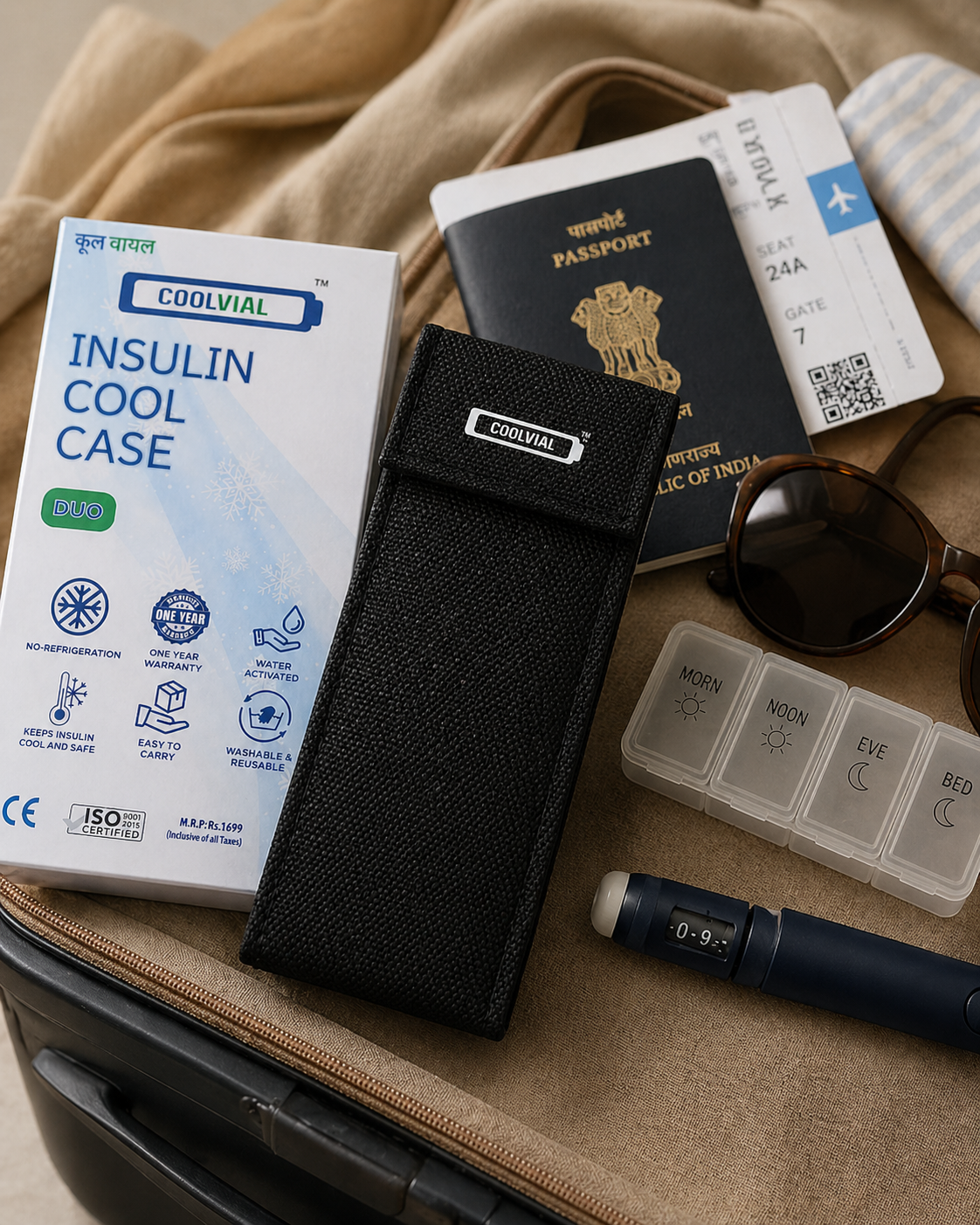
- Personal Cooling Case: The COOLVIAL Duo is not just for emergencies; it’s perfect for travel, day trips to Ajanta-Ellora caves, or even daily commuting in Aurangabad’s heat. Its portability and independence from electricity make it a versatile tool for insulin users. Priced at Rs 1,099, it’s an investment in uninterrupted health.
- Home Backup Power:
- Inverters: For independent house owners, a good quality home inverter can power essential appliances, including the refrigerator, for several hours. This is a common solution in Aurangabad’s residential areas.
- Generators: Larger housing societies or independent homes with higher power needs might opt for generators.
- Solar Inverter Setups: Increasingly popular in Aurangabad suburbs and newer developments, solar inverters offer an eco-friendly and reliable long-term solution. They charge batteries using solar panels, providing backup power during grid outages. This is particularly beneficial in Aurangabad, which receives ample sunlight.
- Community Preparedness:
- Society-Level Awareness: Encourage your housing society in areas like CIDCO or Beed Bypass to have a clear protocol for power outages, especially regarding medical emergencies.
- Local Support Groups: Join local diabetes support groups. These networks can be invaluable for sharing resources, information, and even temporary storage solutions during widespread outages. For a broader perspective on managing diabetes in the city, read our Complete Diabetes Care Guide for Aurangabad Residents — 2026 Edition.
Investing in these long-term solutions, from a reliable COOLVIAL Duo to home power backups, transforms a reactive approach into a proactive power cut survival guide, giving you greater control over your insulin’s safety.
Frequently Asked Questions (FAQs)
Q: Can I use regular ice packs directly with insulin during a power cut? A: No, direct contact with ice packs can freeze insulin, rendering it ineffective. Always wrap insulin in a cloth or newspaper to create a buffer and prevent freezing when using ice packs.
Q: How long can insulin stay outside the refrigerator without being damaged? A: Unopened insulin typically requires refrigeration (2-8°C). Once opened, most insulins can be kept at room temperature (below 25-30°C) for up to 28 days, but always check your specific insulin’s leaflet as guidelines vary.
Q: Is the COOLVIAL Duo suitable for travel outside Aurangabad? A: Yes, the COOLVIAL Duo is an excellent travel companion, keeping insulin cool for 12-16 hours without electricity, making it ideal for road trips, flights, or excursions to nearby sites like Ajanta-Ellora.
Q: What is the local electricity provider in Aurangabad and how can I get outage updates? A: The local electricity provider for Aurangabad is the Maharashtra State Electricity Distribution Company Limited (MSEDCL). You can often get outage updates via their helpline, local offices, or sometimes through their mobile app, though real-time updates for specific areas can be inconsistent.
Q: What is the temperature range maintained by COOLVIAL Duo? A: The COOLVIAL Duo maintains insulin at a safe temperature range of 18-26°C, even when the ambient temperature is significantly higher, through its evaporative cooling mechanism.
Q: Can I reuse the COOLVIAL Duo after a power cut? A: Yes, the COOLVIAL Duo is reusable for several years. Simply reactivate the inner pouch by submerging it in cold water for 60 seconds whenever you need its cooling effect.
Q: Where can I buy COOLVIAL Duo in Aurangabad? A: You can conveniently order the COOLVIAL Duo online at coolvial.com or via WhatsApp. While direct local stores in Aurangabad might not carry it, online ordering ensures delivery to your doorstep.
Conclusion: Stay Prepared, Stay Safe
Living with diabetes in a city like Aurangabad, with its dynamic climate and occasional power interruptions, requires a proactive approach to insulin management. This comprehensive power cut survival guide aims to equip you with the knowledge and tools to confidently navigate any outage, from a brief flicker to a prolonged blackout. Remember, your insulin is your lifeline, and protecting its efficacy is paramount.
By understanding Aurangabad’s power patterns, building an emergency kit with essentials like the COOLVIAL Duo, and knowing the specific actions to take during different outage durations, you can significantly reduce stress and health risks. Investing in a reliable, electricity-independent cooling solution like the COOLVIAL Duo, which keeps your insulin safe for 12-16 hours at an optimal 18-26°C, is a smart choice for every diabetic. Don’t let power cuts dictate your health.
Order COOLVIAL Duo at Rs 1,099 with code COOLHEAL at coolvial.com or via WhatsApp wa.me/918766952300 today and empower yourself with peace of mind.
How We Researched This: This article is based on a thorough review of insulin storage guidelines from leading medical bodies like the Research Society for the Study of Diabetes in India (RSSDI) (Source: https://www.rssdi.in/publications.html), national diabetes prevalence data from the ICMR-INDIAB study, local Aurangabad hospital directories (MGM Medical College & Hospital (CIDCO), Kamalnayan Bajaj Hospital, United Ciigma Hospital), and an analysis of the Apollo Pharmacy and Wellness Forever pharmacy networks in the city. Information on local power patterns and backup solutions is based on common residential experiences and local observations within Aurangabad [Verify in 2026].
Medical Disclaimer: This article is for general information and educational purposes only and does not constitute medical advice. Always consult your endocrinologist or diabetologist before changing insulin storage or dosing practices, or if you have concerns about your insulin’s efficacy after a power cut.
5 Essential Steps: Power Cut Survival Guide for Diabetics in Aurangabad — What To Do When the Grid Goes Down
Insulin at 2-8°C for 48+ hours. Trusted by 10,000+ Indian diabetics.