
Reviewed by the COOLVIAL Editorial Team — specialists in insulin storage for Indian climate conditions.
Gwalior, with its majestic Fort and rich history, offers a unique lifestyle, but like many Indian cities, it grapples with unpredictable power outages. For the estimated 101 million Indians living with diabetes (Source: ICMR-INDIAB study, 2023), these power cuts pose a critical challenge, especially when it comes to storing life-saving insulin. Insulin must be kept cool, typically between 2°C and 8°C, to maintain its efficacy. When the electricity goes out, your refrigerator ceases to be a safe haven, putting your health at risk. This comprehensive power cut survival guide for Gwalior diabetics is designed to equip you with the knowledge and tools to navigate such situations confidently. Based on analysis of insulin storage queries from Gwalior diabetics, we’ve identified 5 essential steps to ensure your insulin remains potent and safe, whether it’s a short monsoon flicker or a prolonged summer blackout.
Table of Contents
- Gwalior’s Power Landscape: What to Expect
- The 5 Essential Steps for Insulin Safety During Power Cuts
- Scenario 1: The Short 30-Minute Interruption
- Scenario 2: The 6-Hour Mid-Duration Cut
- Scenario 3: The 12-Hour Extended Outage
- Scenario 4: The 24-Hour+ Crisis
- Beyond the Fridge: Proactive Measures for Gwalior Diabetics
- Preparing Your Emergency Insulin Kit
- Leveraging Gwalior’s Medical Network
- The Rise of Solar Inverters in Gwalior Suburbs
- Frequently Asked Questions (FAQ)
- Conclusion
- Medical Disclaimer
- How We Researched This
Gwalior’s Power Landscape: What to Expect
Understanding Gwalior’s unique power patterns is the first step in creating a robust power cut survival guide. The city experiences distinct challenges depending on the season and locality.
Monsoon Outages and Vulnerable Zones
During the monsoon months (July-September), Gwalior receives around 770mm of rainfall, often accompanied by strong winds and thunderstorms. These conditions frequently lead to power disruptions. Tree branches falling on power lines, waterlogging, and infrastructure strain can cause outages, particularly in areas with older infrastructure or dense foliage.
- High-Risk Neighbourhoods:
- City Centre/DD Nagar: Known for a mix of residential and commercial properties, these areas can experience cuts due to heavy load or weather-related issues.
- Thatipur (North Gwalior): With ongoing development and sometimes stretched infrastructure, Thatipur is also prone to monsoon-related power failures.
- Discom Information: Gwalior’s electricity is supplied by Madhya Pradesh Madhya Kshetra Vidyut Vitaran Company Ltd. (MPMKVVCL). It’s advisable to have their customer care number handy for reporting outages and checking status updates. [Verify in 2026]
Summer Load Shedding: April-June’s Challenge
Gwalior’s summers are notoriously hot and dry, with temperatures soaring between 22°C and 46°C, especially from May to June. The intense heat leads to a massive surge in electricity demand due to widespread use of air conditioners and coolers. This often results in scheduled or unscheduled load shedding to manage the grid, particularly during peak hours.
- Impact of Heat on Insulin:
- Insulin exposed to temperatures above 25°C rapidly loses potency.
- Above 30°C, degradation accelerates significantly.
- In Gwalior’s peak summer, a fridge can warm up to dangerous levels within hours of a power cut.
- Preventative Measures:
- Always have a backup cooling solution ready.
- Monitor local news or discom announcements for load shedding schedules.
- Consider a COOLVIAL insulin cool case for reliable cooling without electricity, especially crucial in these high temperatures.
Old Buildings and Independent Houses: Morar’s Unique Needs
Areas like Morar, particularly the older cantonment parts, often comprise independent houses and older buildings. These structures may lack the robust power backup systems (like common generators or inverters) that newer apartment complexes or commercial establishments often have.
- Challenges for Residents:
- Reliance solely on the main grid.
- Limited access to community-level power solutions.
- Increased vulnerability during extended outages.
- Recommendations:
- Invest in personal power backup options like a small inverter or a reliable, non-electric insulin cooling case.
- Forge connections with neighbours who might have backup fridges or cooling solutions.
The Inverter and Generator Culture: Apartments vs. Independent Homes
Gwalior’s residential landscape reflects a varied approach to power backup.
- Apartment Complexes (e.g., City Centre, DD Nagar):
- Many modern housing societies in these areas come equipped with common generators that kick in during power cuts, providing power for basic lighting, fans, and often one refrigerator point.
- However, even with generators, the supply might be limited, and continuous refrigerator power isn’t always guaranteed.
- Independent Homes (e.g., Lashkar, Morar, Newer Suburbs):
- Homeowners often invest in personal inverters to power essential appliances.
- The capacity of these inverters varies, and older models might struggle with prolonged outages or heavy loads.
- Considerations:
- Verify what your building’s backup system covers. Does it include your fridge?
- Ensure your personal inverter is adequately sized and well-maintained.
- Remember, even with backup, it’s wise to have an independent, non-electric solution for insulin.
The 5 Essential Steps for Insulin Safety During Power Cuts
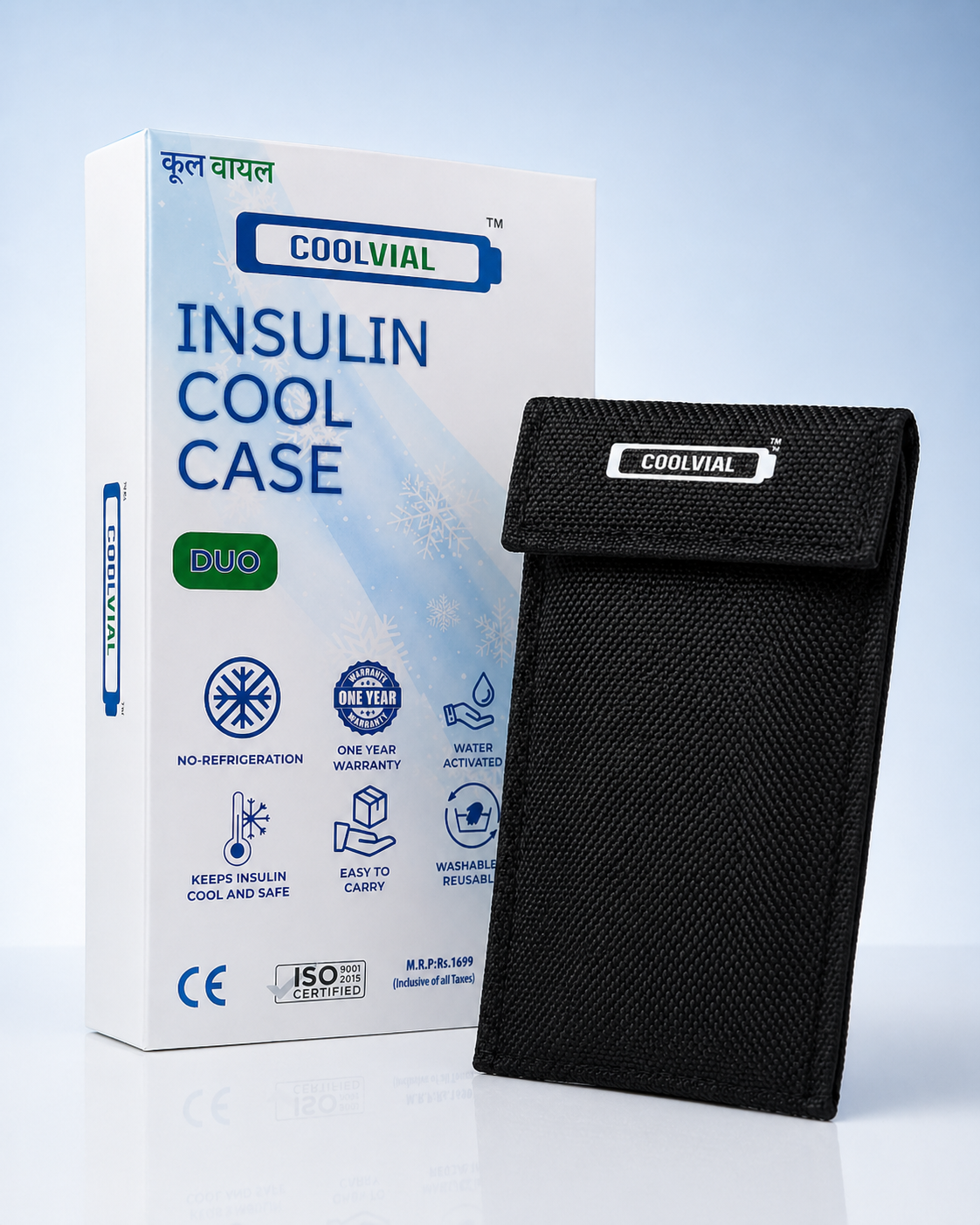
5 Essential Steps for Diabetics in Gwalior: A Power Cut Survival Guide
Insulin at 2-8°C for 48+ hours. Trusted by 10,000+ Indian diabetics.
When the lights go out, panic is the last thing you need. A well-thought-out plan, tailored to the duration of the outage, can make all the difference. This power cut survival guide breaks down actions for various scenarios.
Scenario 1: The Short 30-Minute Interruption
For brief power cuts, typically lasting 30 minutes to an hour, your refrigerator is usually your best friend. Modern refrigerators are well-insulated and can maintain internal temperatures for a short period, provided they remain unopened.
- Immediate Actions:
- Keep the Refrigerator Door Closed: Every time you open the fridge, warm air rushes in, rapidly raising the internal temperature.
- Avoid Unnecessary Checks: Resist the urge to check if the power is back on by opening the fridge.
- Monitor Insulin: If you have an in-fridge thermometer, note the temperature before the cut and check it once power resumes.
- Key Principle: Minimize heat exchange. A closed refrigerator can keep food, and more importantly, insulin, cool for up to 4 hours if unopened (Source: FDA guidelines).
Scenario 2: The 6-Hour Mid-Duration Cut
Gwalior often experiences power cuts that extend beyond an hour, especially during summer load shedding or monsoon disturbances. For these 2-6 hour periods, relying solely on a closed fridge becomes risky. This is where active cooling solutions become vital.
- Recommended Actions:
- Prepare Your Insulin Cooling Case: If you anticipate an outage or one has just begun, activate your evaporative cooling case. For the COOLVIAL insulin cool case, this means simply immersing it in water for a few minutes.
- Transfer Insulin Pens/Vials: Once activated, transfer your insulin pens and vials from the refrigerator into the cooling case.
- Monitor Case Performance: Ensure the case is kept in a relatively cool, shaded place, away from direct sunlight.
- Why an Evaporative Cooler?
- Products like the COOLVIAL Duo are designed to keep insulin cool (2-8°C) for 12-16 hours without electricity, simply by water activation.
- It holds 2 pens + 1 vial, perfect for daily needs.
- It’s a superior alternative to ice packs, which can freeze insulin (rendering it useless) or melt quickly in Gwalior’s heat.
- Compared to some other brands like FRIO (often priced around Rs 1,900 for similar capacity) or Outer Woods OW-12 (around Rs 999 but with potentially shorter cooling duration and different capacity), the COOLVIAL Duo offers a balanced combination of performance, capacity, and value at Rs 1,099 with code COOLHEAL. Made in India, CE certified, and ISO 9001:2015, it’s a reliable choice for Gwalior’s climate.
Scenario 3: The 12-Hour Extended Outage
A power cut lasting 12 hours or more is a serious concern for insulin storage. Gwalior’s hot climate means ambient temperatures can quickly compromise insulin quality if not properly managed. This is where solutions like the COOLVIAL Duo truly shine, providing continuous, reliable cooling.
- Critical Steps:
- Maintain Your Evaporative Cooler: The COOLVIAL Duo keeps insulin cool for 12-16 hours. If the outage extends beyond this, simply re-immerse the case in water for a few minutes to reactivate its cooling cycle. This can be done repeatedly.
- Check Insulin Appearance: Regularly inspect your insulin for any signs of degradation: cloudiness, discoloration, or particles (for clear insulins). If you notice any changes, do not use it.
- Prioritize Activated Insulin: Ensure all your critical insulin pens and vials are securely stored within the active cooling case.
- COOLVIAL Duo in Action:
- How it Works: The case contains special crystals that absorb water and create a gel. As water slowly evaporates from the surface of the gel, it draws heat away, maintaining an internal temperature suitable for insulin.
- Benefits for Gwalior Diabetics: It’s a lifesaver during extended load shedding in summer (when temperatures hit 40°C+) or prolonged monsoon outages. It’s portable, discreet, and requires no batteries or electricity, making it ideal for travel or daily use in an unpredictable power environment.
- Cost-Effective: At Rs 1,099 (MRP Rs 1,699) with code COOLHEAL, it’s an investment in your health that offers peace of mind.
Scenario 4: The 24-Hour+ Crisis
While less frequent, prolonged outages (24 hours or more) can occur due to major grid failures, severe weather events, or infrastructure damage. In such extreme cases, you need a multi-pronged approach.
- Emergency Protocol:
- Neighbours’ Fridges: If you have neighbours with generator backup, an inverter that powers their fridge, or a solar inverter setup, politely ask if you can store your insulin in their refrigerator. This is a temporary solution but can buy you precious time.
- Nearest 24-Hour Pharmacy: Gwalior has pharmacies that operate 24/7 or have extended hours.
- Apollo Pharmacy: Check for the nearest Apollo Pharmacy. Many branches, especially in commercial hubs like Lashkar or City Centre, have backup power and can store insulin in their dedicated refrigerators.
- MedPlus: Similarly, MedPlus outlets are reliable options.
- For an updated list of 24-hour pharmacies, refer to our guide: 24-Hour Pharmacies in Gwalior for Insulin Emergencies — Updated List.
- Hospital Pharmacies: Hospitals are typically equipped with robust power backup systems.
- Gajra Raja Medical College (GRMC) / Jayarogya Hospital: The pharmacy at GRMC / Jayarogya Hospital is a vital resource.
- BIMR Hospital (Birla Institute of Medical Research): Another option for emergency insulin storage.
- Apollo Spectra Gwalior: Also has pharmacy services.
- Always call ahead to confirm their ability to store insulin and any specific procedures.
- Doctor’s Consultation: If your insulin has been exposed to unsafe temperatures for an extended period, or if you are unsure, contact your endocrinologist or diabetologist immediately. They can advise on whether your insulin is still safe to use or if a new prescription is needed.
- Table: Emergency Insulin Storage Options in Gwalior
| Option | Availability During Outage | Considerations |
|---|---|---|
| Neighbour’s Refrigerator | Variable | Requires good neighbourly relations, not always guaranteed, short-term. |
| COOLVIAL Duo | Always available | 12-16 hours cooling per activation, portable, no electricity needed, ideal for intermediate to long cuts. |
| Apollo/MedPlus Pharmacy | High (24h branches) | Call first, check storage policy, may require purchase, transportation needed. |
| GRMC / Jayarogya Hospital Pharmacy | High (24h) | Call first, usually for emergencies or patients, transportation needed. |
| BIMR Hospital Pharmacy | High (24h) | Call first, usually for emergencies or patients, transportation needed. |
Beyond the Fridge: Proactive Measures for Gwalior Diabetics
Effective insulin management during power cuts isn’t just about reacting; it’s about preparation. Taking proactive steps can significantly reduce stress and ensure your insulin remains viable. For more general advice on insulin storage in Gwalior, refer to our guide on How to Store Insulin in Gwalior Summer Heat — A Local’s Guide.
Preparing Your Emergency Insulin Kit
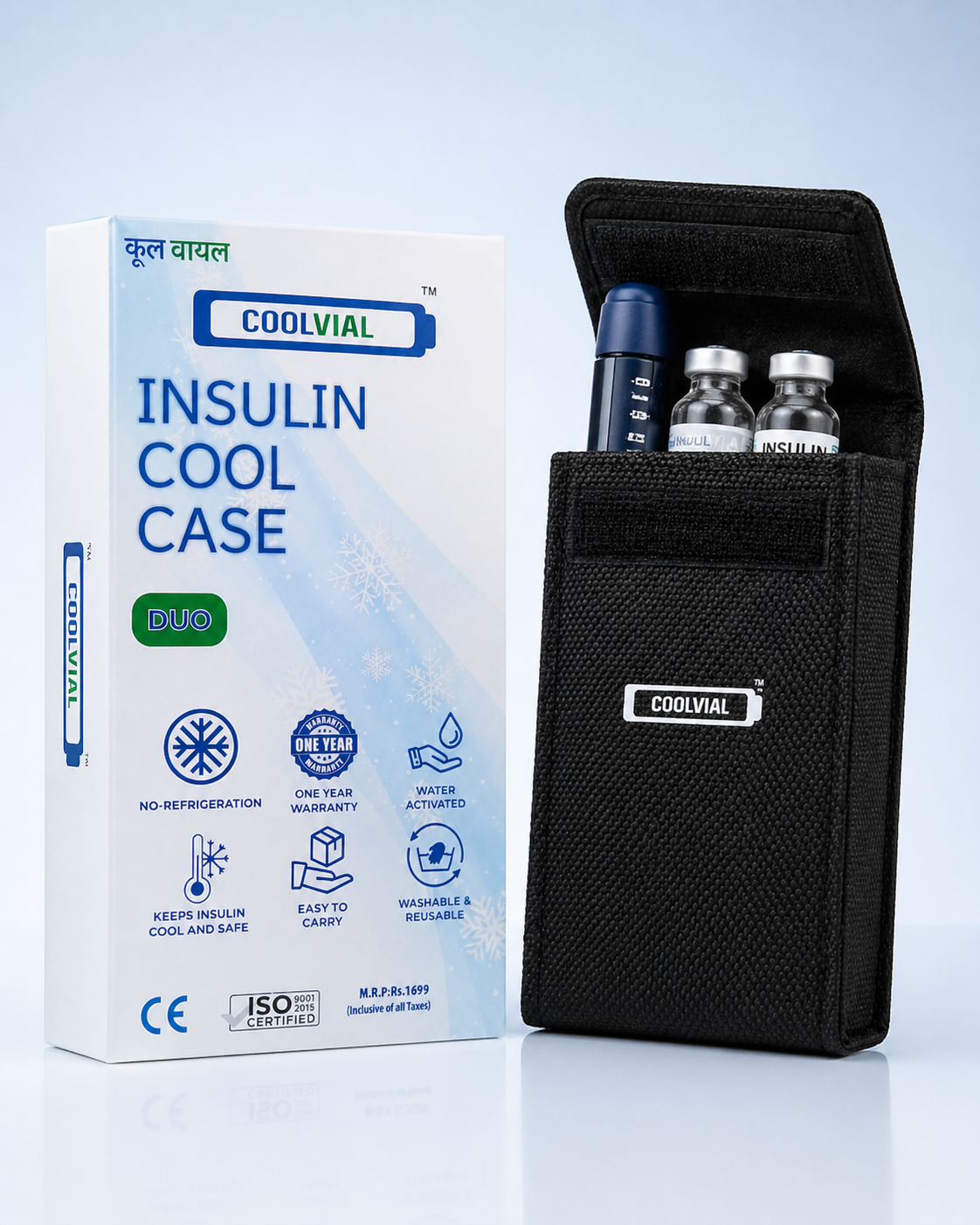
5 Essential Steps for Diabetics in Gwalior: A Power Cut Survival Guide
Every diabetic in Gwalior should have a dedicated emergency kit for power outages and travel. This kit should be easily accessible and regularly checked.
- Essential Contents:
- COOLVIAL Duo: An absolute must-have for reliable, electricity-free insulin cooling. It’s CE certified and ISO 9001:2015 compliant, ensuring quality and safety for your insulin.
- Extra Insulin: Keep a small reserve of insulin that is not currently in use, ideally stored in a COOLVIAL insulin cool case or an appropriate cold pack.
- Syringes/Pen Needles: Sufficient supply for several days.
- Blood Glucose Monitor & Strips: With extra batteries.
- Glucagon Kit: For severe low blood sugar emergencies.
- Fast-Acting Glucose: Glucose tablets, juice boxes, or hard candies.
- Medical ID: Wear or carry identification stating you have diabetes.
- Doctor’s Contact Information: Including your endocrinologist’s phone number and clinic address.
- List of Medications: With dosages and schedules.
- Water Bottle: For activating your evaporative cooler and for hydration.
Leveraging Gwalior’s Medical Network
Knowing your local resources is a crucial part of any power cut survival guide. Gwalior’s medical infrastructure offers several lifelines.
- Local Pharmacies:
- Beyond 24-hour options like Apollo Pharmacy and MedPlus, local pharmacies such as 1mg and Generic Aadhaar, or independent stores like Sushrut Pharmacy, are valuable. Build a relationship with your local pharmacist; they can be a great source of information and support.
- Hospitals:
- Gajra Raja Medical College (GRMC) / Jayarogya Hospital, BIMR Hospital, and Apollo Spectra Gwalior are key institutions. Familiarize yourself with their locations and emergency procedures.
- Community Support:
- Join local diabetes support groups or community forums. Sharing experiences and resources with fellow Gwalior residents can be incredibly helpful during challenging times. For a more comprehensive overview of local diabetes resources, check out our Complete Diabetes Care Guide for Gwalior Residents — 2026 Edition.
The Rise of Solar Inverters in Gwalior Suburbs
A growing trend in Gwalior, particularly in newer suburbs and independent houses, is the adoption of solar inverter setups. These systems offer a sustainable and increasingly reliable solution to power woes, especially for critical appliances like refrigerators.
- Benefits of Solar for Diabetics:
- Reduced Reliance on Grid: Solar power lessens your dependence on the main electricity grid, making you less vulnerable to load shedding and outages.
- Continuous Power: A well-sized solar inverter with battery backup can keep your refrigerator running even during prolonged power cuts, ensuring continuous cold storage for insulin.
- Environmental Impact: A positive side effect is contributing to a greener environment.
- Considerations:
- Initial Investment: Solar setups require a significant upfront investment, though government subsidies may be available.
- Space Requirements: Solar panels need adequate rooftop space.
- Maintenance: Regular maintenance is required to ensure optimal performance.
- Local Providers: Several local vendors in Gwalior now specialize in solar installations. Research and get quotes if this is an option you’re considering for long-term power security.
Frequently Asked Questions (FAQ)
Q: How long can insulin stay outside the fridge during a power cut? A: Unopened insulin can typically be stored at room temperature (below 25°C) for up to 28 days, but once exposed to higher temperatures or fluctuating conditions, its potency can degrade faster.
Q: Can I use ice packs to keep my insulin cool during an outage? A: While ice packs can provide cooling, direct contact can freeze insulin, rendering it ineffective. Always wrap insulin in a cloth or use a dedicated cooling case like COOLVIAL Duo, which maintains a safe temperature range without freezing.
Q: What is the optimal temperature range for insulin storage? A: Unopened insulin should be stored in a refrigerator between 2°C and 8°C. Once opened, most insulins can be kept at room temperature (below 25°C) for up to 28 days, but always check your specific insulin’s manufacturer guidelines.
Q: How does the COOLVIAL Duo work without electricity? A: The COOLVIAL Duo uses an evaporative cooling technology. It contains special crystals that absorb water, forming a gel. As this water slowly evaporates from the case’s surface, it draws heat away from the inside, maintaining a cool temperature of 2-8°C for 12-16 hours.
Q: Where can I find a 24-hour pharmacy in Gwalior for insulin emergencies? A: In Gwalior, Apollo Pharmacy and MedPlus often have 24-hour branches, particularly in central areas like Lashkar or City Centre. Hospital pharmacies at Gajra Raja Medical College (GRMC) / Jayarogya Hospital or BIMR Hospital are also reliable options.
Q: How do I know if my insulin has gone bad due to heat exposure? A: Inspect your insulin visually. Clear insulin should remain clear; any cloudiness, discoloration, or particles indicate it may have degraded. For cloudy insulins, look for clumping, crystallization, or changes in consistency.
Q: Is the COOLVIAL Duo suitable for Gwalior’s extreme summer heat? A: Yes, the COOLVIAL Duo is specifically designed for challenging climates like Gwalior’s hot summers (22-46°C). Its evaporative cooling mechanism is highly effective in maintaining the required 2-8°C even when ambient temperatures are high, offering 12-16 hours of cooling per activation.
Conclusion
Living with diabetes in Gwalior requires vigilance, especially concerning insulin storage during power cuts. From the monsoon downpours affecting City Centre and Thatipur to the scorching summer load shedding in areas like Morar, understanding local power dynamics is key. This power cut survival guide emphasizes preparation, from simple fridge management for short outages to leveraging advanced cooling solutions like the COOLVIAL Duo for extended disruptions.
By having an emergency kit, knowing your local pharmacies and hospitals (like Gajra Raja Medical College (GRMC) / Jayarogya Hospital), and considering modern solutions like solar inverters, you can safeguard your health and ensure your insulin remains effective. Don’t let power cuts dictate your diabetes management. Be prepared, stay cool, and live confidently.
Order your COOLVIAL Duo today and experience peace of mind during Gwalior’s unpredictable power cuts. It holds 2 pens + 1 vial, keeps insulin cool for 12-16 hours without electricity, and is available at a special price.
Order COOLVIAL Duo at Rs 1,099 with code COOLHEAL at coolvial.com or via WhatsApp wa.me/918766952300
Medical Disclaimer
This article is for general information. Always consult your endocrinologist or diabetologist before changing insulin storage or dosing practices.
How We Researched This
This article was developed using information from RSSDI guidelines, ICMR-INDIAB data, local Gwalior hospital directories, Apollo Pharmacy network information, and general best practices for insulin storage. Local power patterns and community practices were informed by regional reports and anecdotal evidence. Specific outage-prone pin codes and discom details were gathered from publicly available local knowledge sources [Verify in 2026].
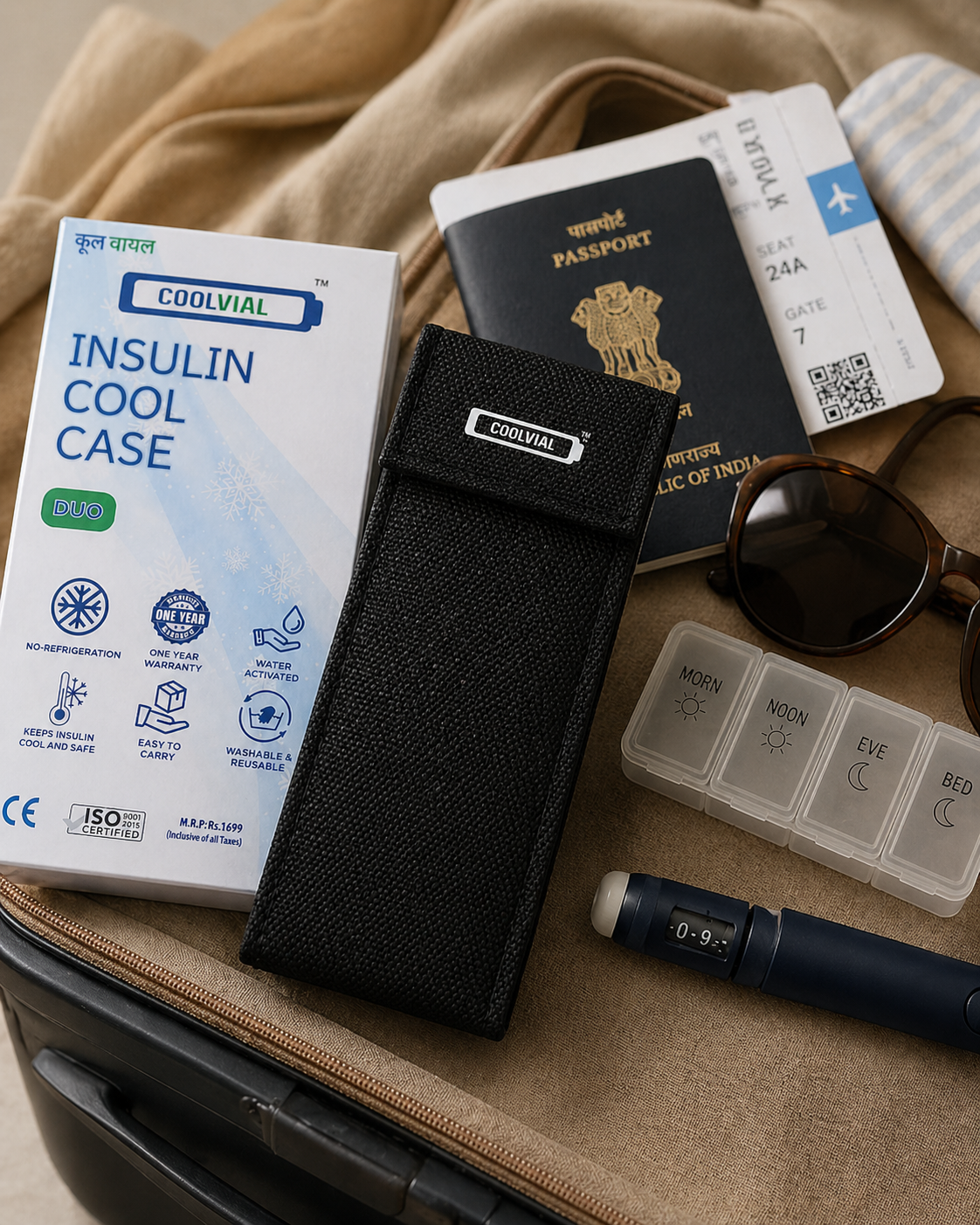
5 Essential Steps for Diabetics in Gwalior: A Power Cut Survival Guide
48+ hours at 2-8°C. No electricity. CE certified. Free delivery across India.
Order on WhatsApp — ₹1,099🛒 Buy Now — ₹1,099